When you face the soft-sided vs hard-sided cooler bags debate, your cooler choice really comes down to what works for you. Hard-sided coolers keep things cold longer and handle rough trips, but soft-sided coolers weigh less and go anywhere with ease.
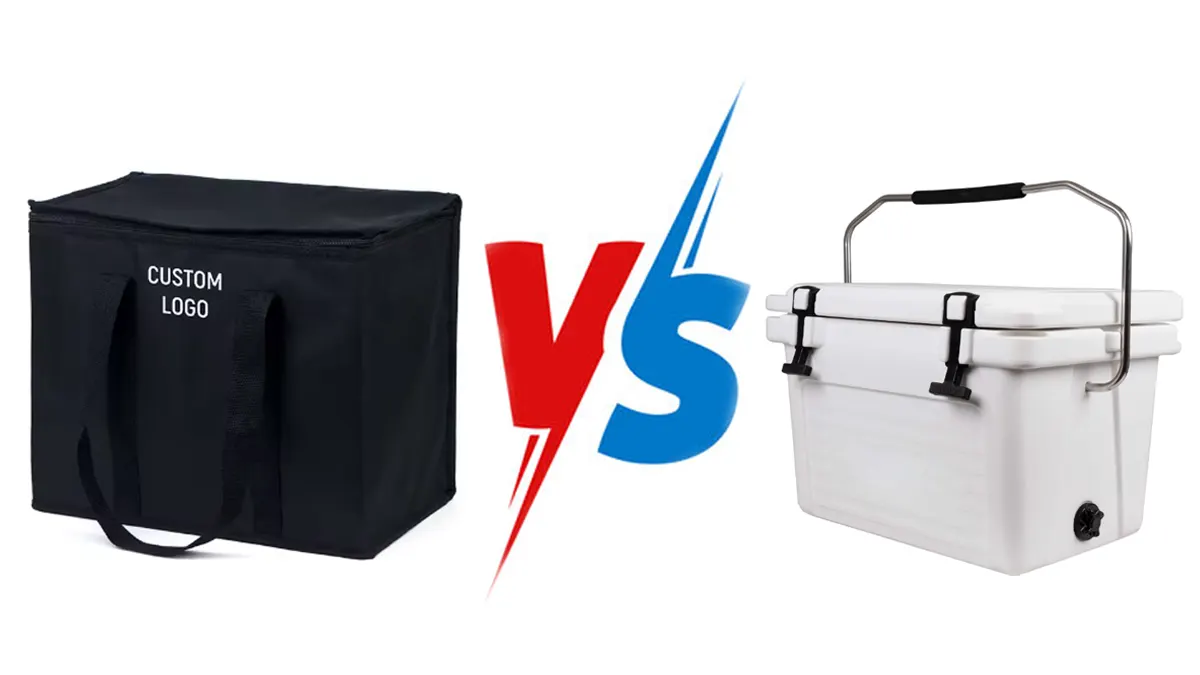
Check out how most folks use each type:
| Cooler Type | Ideal Use Case |
|---|---|
| Soft-Sided | Perfect for quick outings like picnics and day hikes. |
| Hard-Sided | Best for extended trips such as camping and hunting. |
Think about your next adventure. Do you need something easy to carry for a picnic, or a tough cooler for a long weekend? Your answer will help you decide which cooler truly fits your lifestyle.
Key Takeaways
- Pick a soft-sided cooler for short trips like picnics or hikes. They are light and simple to carry.
- Use a hard-sided cooler for longer trips like camping or fishing. They keep ice cold for more time and are tough.
- Look at how well the cooler keeps things cold. Hard-sided coolers keep ice for days. Soft-sided coolers work best for short trips.
- Check how easy it is to carry the cooler. Soft-sided coolers bend and fit in small spaces. They are good for daily use.
- Think about how much the cooler can hold. Hard-sided coolers hold more, so they are good for big groups. Soft-sided coolers are better for small groups.
- Price is important. Soft-sided coolers usually cost less. Hard-sided coolers cost more but keep things cold longer.
- For food safety, put raw meat at the bottom of your cooler. Use enough ice packs to keep food safe.
- Clean your cooler often. This helps it last longer and stay fresh for your next trip.
Soft-Sided vs Hard-Sided Cooler Bags: Quick Comparison
Feature Overview Table
You probably want a quick way to see the main differences between soft-sided vs hard-sided cooler bags. Check out this table for a side-by-side look at insulation, durability, portability, and price:
| Cooler Type | Insulation Performance | Durability | Portability | Capacity | Price Range |
|---|---|---|---|---|---|
| Hard-sided | Retains ice for days due to thick insulation | Rugged durability | Less portable | Large, bulky | $40 – $300 |
| Soft-sided | Keeps ice for a reasonable period, ideal for short trips | Less durable | Highly portable | Flexible, compact | $20 – $150 |
You can see that hard-sided coolers win when you need ice to last for days. They also handle rough conditions. Soft-sided coolers work best for short trips and easy carrying. You get more flexibility and lighter weight.
At-a-Glance Pros and Cons
Let’s break down the pros and cons of soft-sided vs hard-sided cooler bags. This helps you decide which fits your needs.
Hard-Sided Cooler Bags
- Pros
- Superior insulation. Ice stays frozen for days.
- Tough materials. These coolers resist impacts, crushes, and even bears.
- Great for camping, hunting, or long road trips.
- Large capacity for big groups.
- Cons
- Heavy and bulky. You might struggle to carry them far.
- Higher price tag. Some models cost up to $300.
- Not easy to store in small spaces.
Soft-Sided Cooler Bags
- Pros
- Lightweight and easy to carry. You can sling one over your shoulder.
- Flexible shape. Fits in tight spots like car trunks or picnic baskets.
- Affordable. Most models cost less than hard-sided coolers.
- Quick access. Zippers and pockets make grabbing snacks simple.
- Cons
- Less insulation. Ice melts faster, so not ideal for multi-day trips.
- Not as tough. They resist punctures but don’t handle big impacts.
- Smaller capacity. You may need more than one for larger groups.
Tip: If you plan a short hike or picnic, a soft-sided cooler bag makes life easier. For camping or fishing, you’ll want a hard-sided cooler bag.
When you compare soft-sided vs hard-sided cooler bags, think about your trip length, how much you need to carry, and your budget. Hard-sided coolers offer rugged durability and long-lasting ice retention. Soft-sided coolers give you portability and convenience. Both types have their place, so match your choice to your adventure.
Soft Cooler Bags: Pros and Cons
Key Features of Soft Cooler Bags
You might wonder what makes soft cooler bags stand out. These bags use smart materials to keep your food and drinks cold. Most soft cooler bags have an outer shell made from polyester, nylon, or TPU. These materials resist water and UV rays, so your bag stays strong even in the sun or rain. Inside, you’ll find insulating foam that traps air and slows down heat. Some bags add a reflective layer, like aluminum or foil, to bounce heat away. The inner lining is usually PEVA or aluminum foil, which keeps leaks in check and makes cleaning easy.
Here’s what you’ll find in most soft cooler bags:
- Insulating foam to keep things cold.
- Reflective layers to block heat.
- Durable outer shells made from polyester, nylon, or TPU.
- Leak-proof inner linings like PEVA or aluminum foil.
- Flexible shapes that fit into tight spaces.
If you look for thicker insulation, you’ll notice your soft cooler bags keep ice longer. For overnight trips, insulation between ½” and 1” works well. If you want to keep things cold for two days, choose bags with insulation up to 2”. Thicker walls always help ice last longer.
Pros of Soft Cooler Bags
Let’s talk about the pros and cons of soft cooler bags. You’ll find many reasons to love these bags. First, soft cooler bags are lightweight. You can carry them with one hand or sling them over your shoulder. Handles and straps make them easy to move. You can fold them up and store them in small spaces, which is great if you don’t have much room at home.
Soft cooler bags are leak-proof. When ice melts, water stays inside. You won’t have to worry about spills in your car or on your picnic blanket. These bags fit into many spaces, so you can use them for different activities. Some soft cooler bags use biodegradable materials, making them a smart choice for the environment.
Here’s why users love soft cooler bags:
- Easy to carry and store.
- Leak-proof design keeps things clean.
- Fits into many spaces and activities.
- Eco-friendly options available.
You’ll find soft cooler bags perfect for day trips, picnics, and quick outings. These are ideal scenarios for soft cooler bags.
Cons of Soft Cooler Bags
Now, let’s look at the cons in the pros and cons of soft cooler bags. You might notice that soft cooler bags don’t keep ice as long as hard-sided coolers. If you need to keep things cold for more than a day, you’ll need thicker insulation. Even then, soft cooler bags can’t match the ice retention of hard-sided models.
Soft cooler bags are less durable. They resist small bumps and scratches, but they don’t handle big impacts. If you drop your bag or pack it with heavy items, it might tear or wear out faster. The capacity is smaller, so you may need more than one bag for larger groups.
Here’s what to watch out for:
- Shorter ice retention compared to hard-sided coolers.
- Less durable for rough trips.
- Smaller capacity for big events.
Think about the pros and cons before you choose. Soft cooler bags shine in portability and convenience, but they have limits in insulation and durability.
Best Uses for Soft Cooler Bags
You might wonder when a soft cooler bag works best. You see these bags everywhere, but some situations really let them shine. Let’s look at the top ways you can use a soft cooler bag and why it makes your life easier.
1. Day Trips and Picnics
You want to keep your lunch cold for a few hours. Maybe you plan a picnic in the park or a short hike. A soft cooler bag fits right in. You can pack sandwiches, fruit, and drinks. The bag stays light, so you can carry it without effort. You can tuck it under your arm or sling it over your shoulder. When you finish, you fold it up and put it away.
2. School and Work Lunches
You need a simple way to keep your food fresh until lunchtime. A soft cooler bag does the job. You can fit a lunch box, a drink, and a snack. The bag keeps everything cool and safe. You can store it in your locker, under your desk, or in the office fridge.
3. Sports and Outdoor Events
You cheer for your team at the field or watch your kids play soccer. You want cold drinks and snacks. A soft cooler bag makes it easy. You can carry it from the car to the bleachers. The bag fits in tight spots and keeps your hands free.
4. Road Trips and Travel
You spend hours in the car. You want cold drinks and snacks close by. A soft cooler bag slides into the back seat or the trunk. You can reach for a drink without stopping. The bag does not take up much space, so you have room for other things.
5. Grocery Shopping
You buy frozen food or ice cream. You do not want it to melt before you get home. A soft cooler bag helps you out. You can keep it in your car and use it every time you shop. The bag keeps your food cold until you reach your kitchen.
Tip: If you need a cooler for a short time or a small group, a soft cooler bag is your best friend. You get flexibility, comfort, and quick access to your food and drinks.
Quick Reference Table:
| Activity | Why Soft Cooler Bags Work Well |
|---|---|
| Picnics & Day Trips | Lightweight, easy to carry, fits anywhere |
| School/Work Lunches | Keeps food fresh, fits in small spaces |
| Sports Events | Portable, hands-free, holds snacks & drinks |
| Road Trips | Compact, easy access, saves space |
| Grocery Shopping | Prevents melting, reusable, convenient |
You can see that soft cooler bags fit into your daily life. You do not need to plan a big adventure to use one. You just grab it, pack it, and go. That is the beauty of a soft cooler bag.
Hard Cooler Bags: Pros and Cons
Key Features of Hard Cooler Bags
You notice right away that hard cooler bags stand out because of their tough build and impressive insulation. Most hard-sided coolers use closed-cell foam insulation. This foam keeps cold air inside and blocks heat from getting in. You also find reflective materials like aluminum or Mylar. These layers bounce heat away and help keep your drinks cold. The exterior shell uses strong polyester or nylon. These materials resist water and protect against UV rays. The inner lining is usually PEVA or aluminum. This lining stops leaks and makes cleaning simple.
Here’s a quick look at what makes hard cooler bags special:
| Component | Typical Specification | Function |
|---|---|---|
| Outer Shell | 600–1680D nylon or polyester | Abrasion & UV resistance |
| Insulation | 0.75–1 inch closed-cell foam | Reduces heat conduction |
| Radiant Layer | 0.5 mil metallized PET | Reflects infrared heat |
| Inner Liner | 0.02 in PEVA or TPU | Leak-proof, food-safe, easy clean |
You get a cooler that handles rough trips and keeps your food safe. Hard-sided coolers are built for adventure.
Pros of Hard Cooler Bags
You want your food and drinks to stay cold for days. Hard cooler bags deliver. The thick insulation holds ice longer than soft coolers. You can trust hard-sided coolers for camping, fishing, or road trips. Meltwater and temperature tests show that hard cooler bags keep ice solid for 24 to 48 hours or more. You don’t have to worry about your drinks getting warm.
Hard cooler bags also shine in durability. The tough walls and lids protect your snacks from bumps, drops, and even wild animals. You can stack heavy gear on top, and your cooler won’t crack. Hard-sided coolers resist water and UV rays, so you can leave them outside without damage.
You get a large capacity. Hard cooler bags hold enough food and drinks for big groups. You can pack everything you need for a weekend away. These coolers are perfect for long trips and rough environments.
Tip: Hard cooler bags are your best friend for multi-day adventures. You get reliable cooling and strong protection.
Cons of Hard Cooler Bags
You might notice some drawbacks with hard cooler bags. The biggest complaint is weight. Hard-sided coolers are heavy, even before you fill them. Carrying a loaded hard cooler can be tough. The rigid shape makes them bulky. You need extra space in your car or garage to store them.
Here’s a table showing common complaints:
| Complaint Type | Description |
|---|---|
| Weight | Hard cooler bags are heavy, even when empty, making them cumbersome to carry. |
| Bulkiness | Their rigid structure makes them take up a lot of space, which can be challenging for storage. |
| Maintenance | Hard coolers may require more upkeep compared to soft coolers, adding to the inconvenience. |
You also spend more time on maintenance. Hard cooler bags need regular cleaning to prevent odors and stains. You may find it harder to move them around compared to soft-sided coolers.
You should think about these cons before you buy. Hard cooler bags work best when you need long-lasting cooling and tough protection. They fit ideal scenarios for hard cooler bags, like camping, tailgating, or hunting. If you want something lighter and easier to carry, you might prefer a soft-sided cooler.
Best Uses for Hard Cooler Bags
You want a cooler that keeps your food and drinks cold for days. Hard cooler bags do just that. You can count on them when you need tough protection and long-lasting ice. Let’s look at the best times to use a hard cooler bag.
1. Camping Trips
You plan to spend a few nights outdoors. You need a cooler that holds ice and keeps your food safe. Hard cooler bags work well for camping. They handle rough terrain and keep animals out. You can pack meat, dairy, and drinks. Your food stays cold, even in hot weather.
2. Fishing and Hunting
You head out early and stay all day. You catch fish or hunt game. You need a cooler that keeps your catch fresh. Hard cooler bags have thick walls and strong lids. They protect your food from heat and bumps. You can use them on boats, in trucks, or at campsites.
3. Road Trips and Travel
You drive long distances. You want cold drinks and snacks for the journey. Hard cooler bags fit in your car or RV. They hold enough for the whole family. You don’t have to stop for ice or worry about warm food.
4. Tailgating and Outdoor Events
You join friends at a sports game or festival. You bring food and drinks for everyone. Hard cooler bags have big capacity. They keep everything cold, even in the sun. You can use them as a seat or table. They handle crowds and busy events.
5. Emergency Preparedness
You want to be ready for power outages or storms. Hard cooler bags help you store food safely. You can keep medicine, baby formula, or important supplies cold. You feel confident knowing your cooler can handle emergencies.
Tip: If you need a cooler for more than one day, choose a hard cooler bag. You get strong insulation and tough protection.
Here’s a quick table to help you decide:
| Activity | Why Hard Cooler Bags Work Well |
|---|---|
| Camping | Keeps food cold for days, resists animals |
| Fishing/Hunting | Protects catch, handles rough conditions |
| Road Trips | Holds lots, keeps drinks cold for long drives |
| Tailgating | Big capacity, doubles as seat or table |
| Emergencies | Stores food and medicine safely |
You see that hard cooler bags fit into many adventures. You get peace of mind and reliable cooling. If you want a cooler that lasts, hard cooler bags are your best bet.
Key Factors Comparison: Soft-Sided vs Hard-Sided
Insulation & Ice Retention
When you look at cooler bags, insulation is the first thing you notice. Insulation keeps your food and drinks cold. You want your cooler to hold ice for as long as possible. Hard-sided cooler bags usually have thicker insulation. This means they can keep ice solid for days. Soft-sided cooler bags use foam insulation, but the walls are thinner. You get good cooling for a short trip, but ice melts faster.
Let’s check out how top-rated cooler bags perform with ice retention:
- Engel HD30: Held ice for 4 days, with some cubes still left on day 5.
- RTIC Soft Pack: Retained ice for just under 3 days.
- Yeti Hopper M15: Maintained ice for over 3.5 days.
- Engel backpack cooler: Kept ice for about 3 days.
Hard-sided coolers often beat soft-sided ones in ice retention. You can trust them for camping or multi-day events. If you need a cooler for a picnic or a day at the beach, a soft-sided bag works well. You get enough retention for a few hours or a single day.
If you plan a long trip, choose a hard-sided cooler for better insulation and ice retention. For short outings, a soft-sided cooler gives you quick access and easy carrying.
Durability & Protection
Durability matters when you use your cooler bag outdoors. You want a bag that can handle bumps, drops, and rough surfaces. Hard-sided cooler bags use tough materials like RPE and EPDM. These materials resist tears, scuffs, and UV rays. Some hard-sided coolers last upwards of 40 years. The rigid shell protects your food and drinks from impact.
Soft-sided cooler bags are lighter, but they don’t offer the same durability. The fabric can tear, and seams may fail after heavy use. Multi-stitched seams and reinforced stress points help, but soft-sided coolers are more likely to develop holes or leaks over time.
Here’s a quick table comparing durability features:
| Feature | Soft-Sided Coolers | Hard-Sided Coolers |
|---|---|---|
| Durability | Less durable; fabric can tear | Made from tough rotomolded plastic |
| Construction | Multi-stitched seams, reinforced | Highly durable, impact resistant |
| Leak Prevention | Leak-resistant zippers | Laser or heat welded seams |
Hard-sided coolers prevent punctures and leaks. You can use them for heavy-duty trips. Soft-sided coolers work best for light use and gentle handling.
If you need a cooler for rugged adventures, hard-sided bags give you the protection you want. For everyday use, soft-sided coolers are easier to carry but less durable.
Portability & Weight
Portability is important when you carry your cooler bag. You want something that fits your lifestyle. Soft-sided cooler bags are very lightweight. You can sling one over your shoulder or carry it with one hand. Hard-sided cooler bags are heavier because of their rigid shell and thick insulation. You might need two hands or a cart to move them.
Here’s a table showing the weight difference:
| Feature | Soft Cooler Bag | Hard Cooler |
|---|---|---|
| Weight (Empty) | Very lightweight | Heavy |
Most users value portability. You want a cooler that’s easy to carry for daily commutes or picnics. Lightweight designs make soft-sided cooler bags more popular for quick trips. Hard-sided coolers are less portable, but you get better insulation and durability.
- Soft-sided coolers are generally much lighter than hard-sided coolers.
- Hard-sided coolers are heavier due to their rigid shell and thick insulation.
- Users prefer easy-to-carry designs, which boost satisfaction.
If you need to walk far or pack light, a soft-sided cooler is your best choice. For longer trips where weight is less of a concern, hard-sided coolers offer more retention and protection.
Capacity & Storage
You want a cooler bag that fits everything you need. Capacity and storage matter a lot when you pick between soft-sided and hard-sided coolers. Let’s see how each type stacks up.
Hard-Sided Cooler Bags
Hard-sided coolers usually give you more space. You can pack food and drinks for a big group. These coolers come in sizes from small lunch boxes to giant chests that hold over 100 quarts. You can even use them for fishing trips or family camping weekends.
- Large capacity: Great for long trips or big gatherings.
- Stackable: The flat top lets you stack other gear on top.
- Rigid shape: The size never changes, even when empty.
But there’s a catch. Hard-sided coolers take up a lot of room, even when you’re not using them. You need space in your car, garage, or closet to store them.
Soft-Sided Cooler Bags
Soft-sided coolers work best for smaller groups or short trips. Most hold between 6 and 30 cans, plus ice. You can find backpack styles, lunch totes, and shoulder bags. These coolers fit into tight spots, like under a car seat or in a crowded trunk.
- Flexible shape: Squeeze them into small spaces.
- Collapsible: Fold them flat when empty for easy storage.
- Lightweight: Carry them anywhere without effort.
But you get less space inside. If you need to pack for a big group, you might need more than one soft-sided cooler.
Quick Comparison Table
| Feature | Soft-Sided Cooler Bag | Hard-Sided Cooler Bag |
|---|---|---|
| Capacity Range | 6–30 cans (typical) | 20–100+ quarts |
| Storage | Collapsible, easy to store | Bulky, needs more space |
| Flexibility | Fits in tight spaces | Rigid, not flexible |
Tip: If you have limited storage at home or in your car, a soft-sided cooler saves space. For big events or long trips, a hard-sided cooler gives you all the room you need.
You should think about how much you want to carry and where you’ll store your cooler. That will help you pick the right type for your next adventure.
Choosing the Right Cooler Bag
Match to Activity Type
When you start choosing the right cooler bag, think about what you plan to do. Your activity shapes your choice more than anything else.
Day Trips & Picnics
If you love a good picnic, you want a cooler that is light and easy to carry. Soft-sided cooler bags work best here. They fit in your car, tuck under a bench, or even hang from your shoulder. You can pack sandwiches, fruit, and drinks for your picnic. Most soft coolers hold enough for a small group. They keep food cold for a few hours, which is perfect for a picnic in the park or a quick day trip. Look for extra pockets to stash napkins or snacks. You will enjoy your picnic more when you do not have to lug a heavy cooler.
Camping & Multi-Day Use
Camping trips need a different kind of cooler. You want something that keeps ice for days. Hard-sided coolers shine here. They have thick insulation and tough shells. You can pack enough food and drinks for the whole weekend. These coolers handle rough ground and keep animals out. For group camping, pick a larger cooler. If you camp alone, a medium size works. You will not worry about your food spoiling, even if your trip lasts several days.
Sports & Events
Heading to a soccer game or outdoor event? You want a cooler that is easy to move and holds enough drinks for everyone. Soft-sided coolers with shoulder straps or backpack styles make carrying simple. They fit in tight spots, like under bleachers or next to your seat. You can grab a cold drink or snack during the game. For bigger events, you might need a hard-sided cooler with wheels.
Travel & Road Trips
Long drives call for a cooler that fits in your car and keeps snacks cold. Soft-sided coolers slide into small spaces and are easy to reach. For family road trips, a hard-sided cooler gives you more space and better ice retention. You can pack meals for the whole trip. Choose a cooler that matches your car size and how much you want to bring.
Duration & Cooling Needs
Trip length matters a lot. For short outings, like a picnic or a day at the park, soft-sided coolers keep things cold for up to 24 hours. They are light and easy to carry. If you plan a camping trip or need to keep food cold for several days, hard-sided coolers are the way to go. These coolers can keep ice for up to a week. You will not have to worry about melted ice or warm drinks.
- Soft-sided coolers: Best for short trips, picnics, and quick outings.
- Hard-sided coolers: Best for camping, multi-day events, and long road trips.
Budget Considerations
Your budget also plays a big role. If you want to save money, look for coolers made with basic materials and smaller sizes. These work well for a picnic or a single day out. If you have more to spend, you can get a cooler with better insulation and more features. Bigger coolers cost more, but they hold more and keep things cold longer. Custom features, like special colors or logos, add to the price. If you only need a cooler for a picnic now and then, a simple, affordable model will do the job.
| Factor | Description |
|---|---|
| Materials | Basic materials save money for budget buyers. |
| Size | Smaller coolers cost less and work for short trips. |
| Insulation | High-end insulation costs more but lasts longer. |
| Custom Features | Extra features raise the price. |
| Quantity | Buying in bulk can save money, but not always needed. |
Tip: Think about how often you use your cooler. If you only need it for a picnic or two each year, you do not need to spend a lot.
Storage & Lifestyle
You want a cooler bag that fits your life, not just your trip. Think about where you’ll keep your cooler when you’re not using it. If you live in a small apartment or have a packed garage, storage space matters a lot. Soft-sided cooler bags fold flat or roll up. You can tuck them in a drawer, closet, or even under your car seat. Hard-sided coolers take up more room. You need a spot in your garage, basement, or trunk. If you don’t have much space, a soft-sided cooler makes things easier.
Your lifestyle also shapes your choice. Do you love last-minute adventures? Maybe you grab your bag and go for a hike or picnic. Soft-sided coolers work well for people who want something quick and easy. You can grab one, fill it up, and head out the door. If you plan big trips, like camping or tailgating, you might want a hard-sided cooler. These coolers hold more and keep things cold longer. They also double as extra seats or tables at your campsite.
Here’s a quick table to help you match your storage and lifestyle needs:
| Lifestyle Type | Best Cooler Choice | Why It Works |
|---|---|---|
| Small space living | Soft-sided cooler | Folds flat, easy to store |
| Frequent traveler | Soft-sided cooler | Lightweight, fits in tight spaces |
| Outdoor enthusiast | Hard-sided cooler | Durable, handles rough use |
| Family gatherings | Hard-sided cooler | Large capacity, sturdy |
Tip: If you want a cooler that’s always ready, keep a soft-sided bag in your car. You’ll have cold drinks for grocery runs or surprise outings.
You should also think about cleaning and care. Soft-sided coolers often wipe clean with a damp cloth. Hard-sided coolers need a bit more scrubbing, but they handle tough messes. If you want something low-maintenance, check the cleaning instructions before you buy.
No matter what you choose, look for a cooler bag with good quality. You want strong zippers, sturdy handles, and leak-proof linings. Quality makes your cooler last longer and keeps your food safe. If you pick a cooler that matches your storage and lifestyle, you’ll use it more and enjoy every trip.
Cooler Bag Tips
Maximize Cooling Efficiency
You want your cooler bags to keep things cold as long as possible. Start by pre-chilling your bags before you pack anything inside. Place ice packs or frozen bottles in your bags for about 30 minutes. This step lowers the temperature inside and helps your bags work better. Always use larger ice blocks if you can. They melt slower than small cubes and keep your bags cold for a longer time.
Try to organize your bags so you do not have to open them often. Every time you unzip your bags, warm air gets in and cold air escapes. Keep your bags zipped tightly and out of direct sunlight. If you can, line the inside of your bags with aluminum foil. This extra layer reflects heat and helps your bags stay cool.
Here is a quick table to help you remember the best ways to keep your bags cold:
| Best Practice | Description |
|---|---|
| Pre-Chilling | Put ice packs or frozen bottles in your bags before use. |
| Organizing Contents | Place items you need most on top to avoid digging through your bags. |
| Using Larger Ice Blocks | Choose big ice blocks for longer-lasting cold in your bags. |
| Minimizing Exposure to Warm Air | Keep bags zipped and out of the sun. |
| Ratio of Ice to Contents | Use more ice than food or drinks in your bags for best results. |
| Additional Insulation Layer | Line bags with foil to reflect heat and keep things cooler. |
Tip: If you want your bags to stay cold all day, avoid opening them unless you really need something.
Packing Tips
Packing your cooler bags the right way makes a big difference. Always chill your food and drinks before you put them in your bags. Cold items help your bags stay cool longer. Place ice packs at the bottom of your bags. Then add frozen or raw foods, followed by dairy, and put vegetables or ready-to-eat snacks on top. This order keeps your bags organized and helps everything stay cold.
Use separate containers for wet and dry foods. This keeps your bags clean and stops leaks. Fill empty spaces in your bags with napkins or utensils. This trick keeps things from moving around and helps your bags hold their shape. Make sure all lids are tight so air does not get in your bags.
Here are some quick packing tips for your bags:
- Pre-cool food and drinks before packing your bags.
- Place ice packs on top of cold foods in your bags.
- Use separate containers for wet and dry foods in your bags.
- Fill empty spaces in your bags to stop items from shifting.
- Keep lids and zippers closed tight on your bags.
Note: The way you pack your bags can help keep your food safe and cold for hours.
Care & Maintenance
Taking care of your cooler bags helps them last longer. After each use, empty your bags and wipe them down with a damp cloth. If your bags get dirty, use mild soap and water. Avoid harsh cleaners that can damage the inside of your bags. Let your bags dry completely before you store them. This step stops mold and bad smells from building up in your bags.
Check your bags for any rips or leaks. Fix small holes with a patch kit made for bags. If your bags have zippers, keep them clean and free from crumbs. Store your bags in a cool, dry place. Do not leave your bags in the sun or a hot car for long periods.
Here is a simple care checklist for your bags:
- Empty and clean your bags after every use.
- Let your bags dry fully before storing.
- Check for damage and fix it right away.
- Keep zippers and seams clean on your bags.
- Store your bags in a cool, dry spot.
Tip: Good care keeps your bags fresh and ready for your next adventure.
Food Safety
You want your food to stay safe and fresh when you use a cooler bag. Food safety matters every time you pack snacks, drinks, or meals. If you follow a few simple steps, you can avoid spoiled food and keep everyone healthy.
Keep Cold Foods Cold
You need to keep cold foods at or below 40°F. Use a thermometer to check the temperature inside your cooler bag. If you don’t have a thermometer, touch the ice packs or the food. If they feel cold, you’re doing well. Always use enough ice packs or frozen bottles to fill the cooler bag. Cold air works best when it surrounds your food.
Pack Smart
You should pack raw meats, dairy, and eggs at the bottom of your cooler bag. Put ready-to-eat foods, like sandwiches or fruit, on top. This way, juices from raw foods won’t drip onto snacks. Use sealed containers or zip-top bags for extra protection.
Avoid Cross-Contamination
You don’t want germs from raw foods to touch cooked foods. Keep everything separate. Use different containers for meats and veggies. If you bring a cutting board, wash it after you use it for raw foods.
Eat Within Safe Time Limits
You should eat cold foods within two hours. If the weather is hot, eat within one hour. After that, bacteria can grow fast. If you see melted ice or warm spots, check your food before eating.
Wash Hands and Surfaces
You need clean hands before you grab food from your cooler bag. Bring hand wipes or sanitizer. Clean your hands after handling raw foods. Wipe down the cooler bag after each trip.
Tip: If you’re not sure about the safety of your food, throw it out. It’s better to lose a snack than get sick.
Here’s a quick table to help you remember key food safety steps:
| Food Safety Step | What You Should Do |
|---|---|
| Keep Cold Foods Cold | Use ice packs, check temperature |
| Pack Smart | Separate raw and ready-to-eat foods |
| Avoid Cross-Contamination | Use different containers, wash surfaces |
| Eat Within Safe Limits | Eat within 2 hours (1 hour if hot) |
| Wash Hands and Surfaces | Use wipes or sanitizer, clean bag |
You can keep your food safe with these easy steps. If you pay attention to temperature, packing, and cleanliness, you’ll enjoy every meal from your cooler bag. Food safety keeps your adventure fun and worry-free.
Conclusion
You’ve seen how soft-sided coolers offer lightweight carrying and easy storage, while hard-sided coolers provide stronger insulation and larger capacity. The best choice depends on your travel plans, storage needs, and how long you want to keep food and drinks cold.
As a cooler bags manufacturer, we produce custom cooler bags for outdoor brands, retailers, supermarkets, food delivery businesses, events, and promotional projects. We offer OEM and ODM services, including custom sizes, insulation thickness, materials, colors, handles, zippers, logo printing, inner lining, and packaging.
Whether you need soft cooler bags, insulated lunch cooler bags, picnic cooler bags, beach cooler bags, or promotional cooler bags, we can help you create practical and durable solutions for your market. Contact us to discuss your custom cooler bag project.
FAQ
What’s the main difference between soft-sided and hard-sided cooler bags?
Soft-sided cooler bags feel lighter and fold up easily. Hard-sided cooler bags stay tough and keep ice longer. You pick based on how much you want to carry and how long you need things cold.
Can I use a soft-sided cooler bag for camping?
You can use a soft-sided cooler for camping if your trip lasts one day. For longer trips, you need a hard-sided cooler. It keeps food cold for several days and handles rough conditions.
How do I clean my cooler bag?
Wipe your cooler bag with a damp cloth after each use. For tough stains, use mild soap and water. Let the bag dry completely before storing. Avoid harsh cleaners that can damage the lining.
Which cooler bag is best for road trips?
Soft-sided cooler bags fit in tight spaces and work well for short drives. Hard-sided cooler bags hold more and keep ice longer. Choose based on your trip length and how much you want to pack.
Will a hard-sided cooler bag fit in my car?
Hard-sided cooler bags come in many sizes. Small models fit in most cars. Large ones need more space. Check your trunk or back seat before you buy. Measure to make sure it fits.
Are cooler bags safe for storing raw meat?
Cooler bags keep raw meat safe if you use enough ice packs. Always pack meat at the bottom and use sealed containers. Check the temperature often. If it feels warm, don’t eat the meat.
How long does ice last in a cooler bag?
Ice lasts 24–48 hours in a hard-sided cooler bag. In a soft-sided cooler, ice melts faster—usually within 12–24 hours. The exact time depends on the bag’s insulation and how often you open it.
Can I customize my cooler bag?
Yes! You can add your logo, pick colors, or choose special features. Many brands offer custom options. If you want something unique, ask about OEM or ODM services.