Shopping bags play a huge role in retail and daily life. If you run a store or supply bags, you know the right Shopping bags are widely used in retail, packaging, and everyday shopping. For stores, brands, and suppliers, selecting the right type of shopping bag is more than just a practical decision. The right bag can enhance your brand, improve convenience for customers, and suit different products and business needs.
There are many shopping bag options available, including non-woven bags, cotton bags, loop handle bags, D-cut bags, T-shirt bags, promotional bags, and bakery bags. Each type comes with different materials, features, and uses, so understanding these differences can help you choose the best bag for your needs.

Key Takeaways
- Shopping bags help you carry things. They make shopping easier and more fun.
- There are many kinds of bags. Some are non-woven, cotton, or jute. Each bag is good for different uses.
- Picking the right bag can make your brand look better. It also makes customers happier.
- Reusable bags like canvas and RPET are good for the planet. They help people be more eco-friendly.
- Custom printed bags show off your brand. They help more people notice your business.
- Think about how strong and comfy the bag is. This matters if you use it every day.
- Paper bags are good for the environment. You can print your logo on them. But they cannot hold heavy things.
- Know what you need and how much you can spend. This helps you pick the best shopping bag for your life.
Shopping Bags & Main Uses
What Are Shopping Bags
Shopping bags are simple tools you use to carry items after shopping. You see them everywhere, from grocery stores to boutiques. They come in many shapes, sizes, and materials. Some bags are made for one-time use, while others are designed to last. You might notice that some bags look fancy, while others are plain and practical. Retailers often use shopping bags to make your experience easier and more enjoyable. When you grab a bag at checkout, you get convenience and a way to transport your purchases safely.
Did you know? Shopping bags can serve as gift wrap, making your shopping process smoother and more fun.
Common Uses in Retail & Daily Life
You probably use shopping bags for more than just shopping. Here are some ways you might use them every day:
- Grocery shopping
- Beach trips
- Gym visits
- Office use
- Wrapping holiday gifts
- Packing lunch
- Crafting and DIY projects
- Pet bedding
- Composting
- Carrying leftovers
You can also use shopping bags for lunch, cover books, or line drawers. Some people even use them for sewing patterns or composting. The types of shopping bags you choose depend on your needs. You might pick a sturdy tote for groceries or a lightweight bag for quick errands.
Why Bag Choice Matters
Choosing the right shopping bag makes a big difference for you and for businesses. If you run a store, you want your customers to feel happy and cared for. A well-designed bag shows you pay attention to quality. Features like strong handles and secure closures help customers trust your brand. When you offer bags that match your brand style, you create positive associations. Bags from stores like Sephora or Lilly Pulitzer stand out and remind customers of their shopping experience.
The types of shopping bags you offer can also boost your brand. Reusable bags show you care about the environment. Customers see your brand as responsible and are more likely to return. Every time someone uses your bag, your logo gets noticed. This helps with word-of-mouth marketing and builds loyalty. You can use shopping bags as silent ambassadors for your business. They tell customers about your values and commitment to quality.
Tip: If you want to stand out, choose bags that reflect your brand and meet your customers’ needs.
Shopping Bag Materials
Non-Woven Polypropylene
You see non-woven polypropylene bags everywhere. They look like fabric, but they come from plastic fibers pressed together. These bags are lightweight, strong, and water-resistant. Many stores use them for promotions or as reusable shopping bags. You can fold them flat and carry them easily.
Non-woven polypropylene bags are popular because they are reusable and recyclable. They help reduce single-use plastic waste if you use them many times. However, they do not break down in nature. If you throw them away, they can release microplastics into water and soil. Most recycling centers do not accept them, so you need to reuse them as much as possible to make a positive impact.
Tip: Try to use your non-woven bags at least 50 times to balance out their environmental cost.
Canvas & Cotton
Canvas and cotton bags feel soft and natural. You probably know them as tote bags or grocery bags. Canvas comes from cotton but has a tighter weave. This makes canvas bags stronger than regular cotton bags. You can carry heavy books or groceries in a canvas bag without worrying about rips. With basic care, a canvas bag can last five to ten years. Cotton bags are also durable, but they work best for lighter loads.
Many people choose cotton reusable bags because they are eco-friendly and easy to wash. You can use them for shopping, school, or even as a lunch bag. They come in many colors and designs, so you can find one that fits your style.
- Canvas tote bags: Handle heavy loads, resist wear, last for years.
- Cotton tote bags: Good for lighter use, still strong and washable.
Jute & Natural Fibers
Jute bags stand out for their eco-friendly qualities. Jute is a plant fiber that grows quickly and needs little water or chemicals. You can compost jute bags when they wear out, and they break down naturally. Jute bags are strong, lightweight, and let air flow through, so they keep food fresh.
Here’s a quick look at why jute and other natural fibers are great choices:
| Benefit | Description |
|---|---|
| Biodegradable | Jute breaks down in nature, so it does not pollute the earth. |
| Low Environmental Impact | Grows with little water and few chemicals, so it is gentle on the planet. |
| Renewable Resource | Jute comes from plants, so you can grow more every year. |
| Compostable | You can add old jute bags to your compost pile. |
| Durable and Sturdy | Jute bags hold heavy items without tearing. |
| Natural Breathability | Air moves through the fabric, keeping things dry and fresh. |
You can use jute bags for shopping, storing dry foods, or even as gift bags. They look natural and stylish at the same time.
Paper
You see paper shopping bags everywhere. Grocery stores, boutiques, and bakeries love them. Paper bags feel classic and simple. They give your store a clean look and make customers feel good about their choices. You can use paper bags for food, gifts, clothes, or books. They come in many sizes and shapes. Some bags have handles, while others are just flat.
Paper bags work well for branding. You can print your logo, slogan, or artwork right on the bag. Customers notice your brand every time they carry it. Paper bags also help you show you care about the environment. Most paper bags come from recycled paper. You can recycle them again after use. Some bags break down in nature, so they do not harm the planet.
Here are some reasons you might choose paper bags:
- Easy to customize with your logo or design
- Lightweight and easy to carry
- Safe for food and gifts
- Recyclable and biodegradable
- Affordable for most businesses
Note: Wet items can weaken paper bags. You should use them for dry goods or double-bag heavy items.
Paper bags have a few limits. They tear easily if you carry sharp or heavy items. Water can damage them. You need to store them in a dry place. Still, paper bags offer a great balance of style, function, and eco-friendliness.
RPET & Recycled Materials
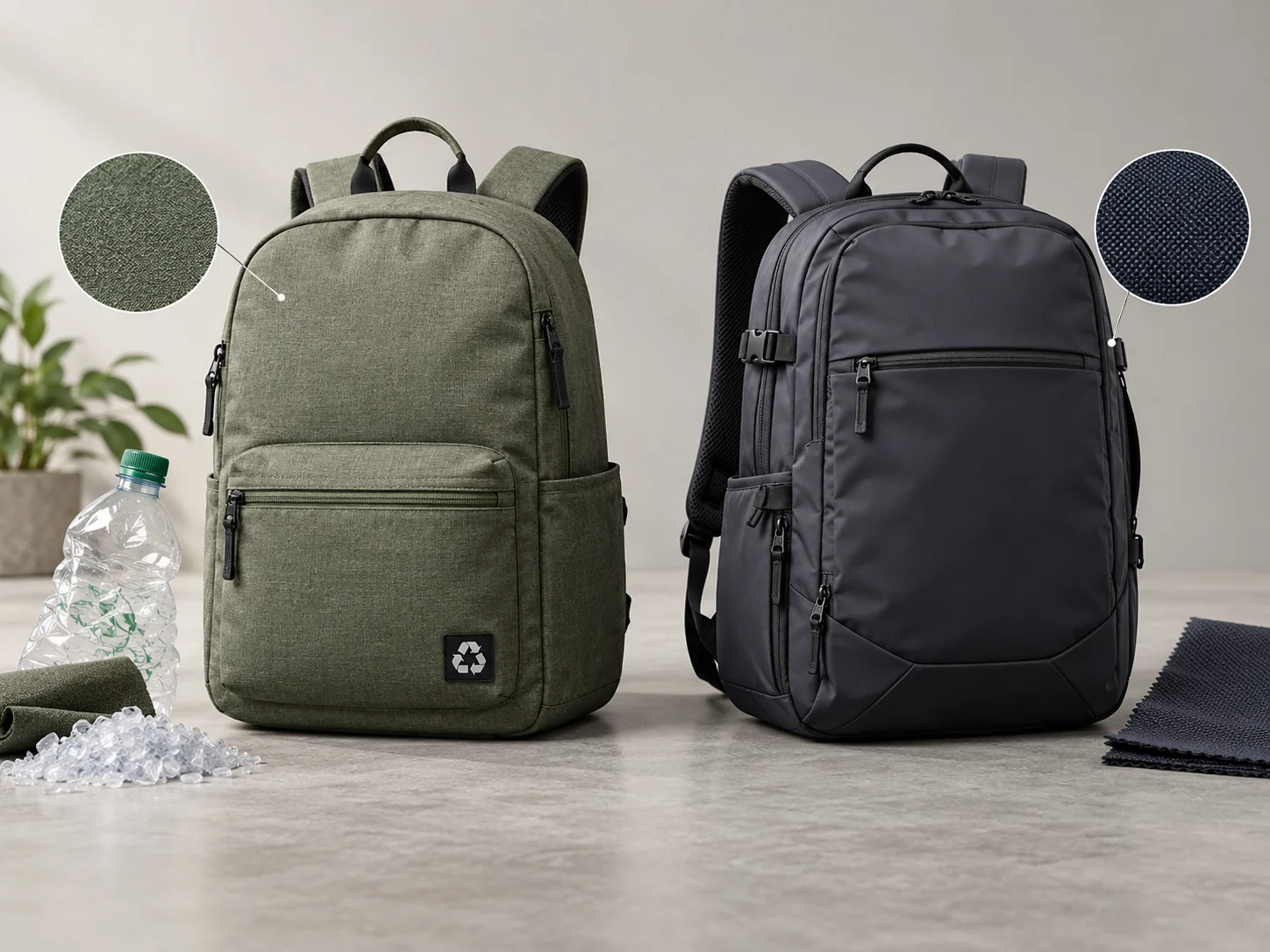
You want to help the planet. RPET bags make that easy. RPET stands for recycled polyethylene terephthalate. Manufacturers make these bags from old plastic bottles and containers. You get a strong, reusable bag that keeps plastic out of landfills and oceans.
RPET bags look and feel like fabric. You can use them for groceries, shopping, or travel. They last a long time and handle heavy loads. You can wash them and use them again and again. Many stores offer RPET bags as eco-friendly options.
Check out what makes RPET and recycled material bags so effective:
| Benefit | Description |
|---|---|
| Reduces demand for virgin resources | Conserves natural resources by using recycled materials. |
| Diverts waste from landfills and oceans | Keeps plastic waste out of landfills and oceans. |
| Lower energy consumption than virgin material production | Uses less energy to produce, lowering environmental impact. |
| Maintains durability for long-term use | Lets you reuse the bag many times, cutting down on waste. |
You can feel good when you choose RPET bags. You help save energy, protect nature, and support recycling. These bags also work well for branding. You can print your logo or message on them. Customers see your brand as responsible and modern.
Tip: If you want to show your business cares about the environment, offer RPET bags as a main option.
Plastic (HDPE, LDPE, etc.)
Plastic bags are everywhere. You find them in supermarkets, convenience stores, and restaurants. Manufacturers use different types of plastic, like HDPE (high-density polyethylene) and LDPE (low-density polyethylene). HDPE bags feel thin but strong. LDPE bags feel softer and stretch more.
Plastic bags cost less than other types. You can use them for groceries, takeout, or quick shopping trips. They resist water and hold heavy items. You can store them easily because they take up little space.
Here are some common types of plastic bags:
- T-shirt bags: You see these at grocery stores. They have handles and hold lots of items.
- Die cut handle bags: These bags look sleek and work well for boutiques.
- Patch handle bags: They have reinforced handles for heavier loads.
- Soft loop handle bags: These bags feel comfortable and look stylish.
Plastic bags have limits. They can harm the environment if you throw them away. Many cities now charge fees or ban single-use plastic bags. You can recycle some plastic bags, but not all recycling centers accept them.
Reminder: If you use plastic bags, encourage customers to reuse or recycle them whenever possible.
Laminated & Insulated Materials
You see laminated and insulated shopping bags everywhere these days. These bags stand out because they look shiny and feel sturdy. Laminated bags have a layer of plastic or film on the outside. This layer makes the bag stronger and gives it a smooth finish. Insulated bags use special materials to keep food hot or cold. You grab these bags when you want your groceries to stay fresh or your drinks to stay cool.
Laminated bags work well for branding. You can print bright colors and sharp logos on them. The surface lets you show off your business with style. Insulated bags help you carry frozen foods, hot meals, or drinks without worrying about temperature changes. You use them for picnics, grocery shopping, or food delivery.
Let’s look at some reasons why you might choose laminated or insulated bags:
- You want a bag that resists water and stains.
- You need to keep food fresh during transport.
- You like bags that last longer and don’t tear easily.
- You want your logo to pop with vibrant colors.
Food and beverage retailers love these bags. They protect your items from rain and spills. You don’t have to worry about leaks or soggy groceries. Laminated bags seal tightly, so nothing slips out. Insulated bags keep ice cream from melting and soup from cooling down.
Here’s a quick table showing the key advantages for food and beverage retailers:
| Key Advantages | Description |
|---|---|
| Seals the bag | Prevents fine items from leaking out. |
| Protects from elements | Shields contents from rain and moisture. |
| Premium print surface | Allows for sharp, colorful designs. |
You can use laminated bags for gifts, clothing, or promotional events. Insulated bags work best for groceries, takeout, and catering. Both types offer extra durability. You can reuse them many times. They don’t rip or wrinkle like paper bags.
Tip: If you run a store or restaurant, offer laminated or insulated bags for special orders. Your customers will notice the quality and remember your brand.
You don’t have to worry about messy spills or ruined food. Laminated and insulated bags give you peace of mind. You get style, strength, and protection all in one package.
Shopping Bag Types
When you look at shopping bag types, you see a wide range of choices. Each type has its own features, uses, and benefits. Let’s break down some of the most popular options you’ll find in stores and online.
Non-Woven Bags
Features & Uses
Non-woven bags are everywhere. You see them at supermarkets, trade shows, and even as giveaways at events. These bags use pressed plastic fibers, which makes them feel like cloth but keeps them lightweight. You can fold them flat and store them in your car or backpack. Many businesses choose non-woven bags for promotions because they are affordable and easy to print with logos.
You might use non-woven bags for:
- Grocery shopping
- Carrying books or supplies
- Gift packaging
- Trade show swag
Non-woven bags are a favorite among shopping bag types because they are reusable and come in many colors and sizes. You can wash them if they get dirty. They also help you cut down on single-use plastic waste.
Pros & Cons
Let’s look at what makes non-woven bags a smart choice—and where they fall short.
| Pros | Cons |
|---|---|
| Lightweight and easy to carry | Not as strong as canvas bags |
| Cheaper per unit for large orders | Can break down after heavy use |
| Great for custom printing | Not biodegradable |
| Water-resistant | Limited lifespan compared to cotton |
Non-woven bags usually last three to five years if you use them often. They cost less than other reusable shopping bag types, so they work well for big events or when you need lots of bags on a budget.
Tip: If you want to order thousands of bags for your store or event, non-woven bags give you the best value.
Canvas Bags
Features & Uses
Canvas bags stand out for their strength and style. You see them in bookstores, boutiques, and even at the farmer’s market. Canvas comes from tightly woven cotton, which makes these bags tough enough for heavy groceries or stacks of books. You can wash canvas bags and use them for years.
Here’s how you might use canvas bags:
- Everyday shopping
- Carrying laptops or school supplies
- Beach trips
- Custom-printed tote bags for your brand
Canvas bags are one of the most durable shopping bag types. They look classic and never go out of style. You can find them in plain colors or with bold designs. Many people choose canvas bags because they want something that lasts and looks good.
Pros & Cons
Canvas bags have their own strengths and weaknesses. Here’s a quick look:
| Pros | Cons |
|---|---|
| Extremely durable (lasts 3–10 years) | Higher unit price |
| Washable and easy to clean | Heavier than non-woven or nylon bags |
| Handles heavy loads | Takes up more space when folded |
| Great for branding and customization | May absorb stains or odors |
Canvas bags cost more upfront, but you save money if you use them often. They can last up to ten years with proper care. If you want a bag that shows off your brand and stands up to daily use, canvas is a top pick.
Note: Canvas bags are a smart investment for businesses that want to offer premium shopping bag types to their customers.
Cotton Bags
Features & Uses
Cotton bags feel soft and natural. You see them at grocery stores, clothing shops, and even as eco-friendly gift bags. Cotton bags are lighter than canvas, but still strong enough for everyday use. You can wash them and use them again and again.
You might use cotton bags for:
- Quick shopping trips
- Packing lunches
- Carrying gym clothes
- Wrapping gifts
Cotton bags are popular among shopping bag types because they are biodegradable and easy to customize. You can print your logo or artwork on them. Many people choose cotton bags when they want a greener option.
Pros & Cons
Cotton bags have some great features, but they also have a few drawbacks.
| Pros | Cons |
|---|---|
| Biodegradable and eco-friendly | Not as strong as canvas bags |
| Lightweight and easy to fold | Can shrink if washed in hot water |
| Washable and reusable | May wear out faster than canvas |
| Good for custom printing | Absorbs moisture |
Cotton bags work best for light to medium loads. They cost less than canvas bags, but you may need to replace them sooner if you use them every day.
Did you know? Many stores in North America and Europe now offer cotton bags as part of their reusable shopping bag types. This shift comes from new rules about plastic bags and more people wanting sustainable choices.
You can also find nylon bags in many stores. These bags are lightweight, water-resistant, and fold up small. Nylon bags are perfect for travel or as a backup in your purse or backpack.
If you want a bag that’s easy to carry and lasts a long time, try nylon bags for your next shopping trip.
Popular Shopping Bag Types in North America and Europe
- Plastic bags
- Paper bags
- Reusable bags (including non-woven, canvas, cotton, and nylon bags)
You see more reusable shopping bag types now because people want to protect the environment. Many states have rules about plastic bags, and most shoppers use reusable bags every week.
Jute Bags
Features & Uses
You might notice jute bags at farmers markets or eco-friendly stores. These bags use natural plant fibers. They feel rough and sturdy. You can carry heavy groceries, books, or even gifts in them. Jute bags look earthy and stylish. Many people choose them for their rustic charm.
You can use jute bags for:
- Grocery shopping
- Carrying produce
- Packing gifts
- Storing dry foods
- Everyday errands
Jute bags breathe well. They keep fruits and vegetables fresh. You can reuse them many times. When a bag wears out, you can compost it. That means it breaks down in nature and does not harm the earth.
Tip: If you want a bag that stands out and helps the planet, try jute bags for your next shopping trip.
Pros & Cons
Let’s look at what makes jute bags special and where they might not work for you.
| Pros | Cons |
|---|---|
| Biodegradable and compostable | Not waterproof |
| Strong and durable | Can feel rough to the touch |
| Natural, rustic appearance | Limited color choices |
| Breathable for fresh foods | Heavier than plastic or paper |
Jute bags last a long time if you keep them dry. They work best for dry goods and everyday shopping. If you want a bag that is both green and tough, jute is a smart pick.
Paper Bags
Features & Uses
Paper bags are everywhere. You see them at bakeries, clothing stores, and grocery shops. They feel light and smooth. You can fold them flat and store them easily. Paper bags come in many sizes. Some have handles, and some do not.
You can use paper bags for:
- Packing lunches
- Carrying clothes or books
- Wrapping gifts
- Takeout food
Paper bags are easy to recycle. Many stores print their logos on them. That helps your brand stand out. You can decorate paper bags for parties or crafts. They work well for dry items.
Note: Wet or heavy items can tear paper bags. You might want to double-bag or use them for lighter loads.
Pros & Cons
Here’s a quick look at the good and bad sides of paper bags.
| Pros | Cons |
|---|---|
| Recyclable and biodegradable | Tear easily when wet |
| Lightweight and easy to store | Not good for heavy loads |
| Customizable for branding | Limited reusability |
| Safe for food use | Can cost more than plastic |
Paper bags help you show you care about the environment. They are a classic choice for many stores.
RPET Bags
Features & Uses
RPET bags are a smart choice if you want to help the planet. These bags use recycled plastic bottles. They feel strong and look like fabric. You can use RPET bags for groceries, travel, or even as a gym bag. They hold heavy items and last a long time.
You can use RPET bags for:
- Grocery shopping
- Carrying books or supplies
- Travel and gym
- Promotional events
RPET bags are easy to clean. You can wash them and use them again and again. Many stores offer these bags as an eco-friendly option.
Did you know? Every RPET bag helps keep plastic bottles out of landfills and oceans.
Pros & Cons
Let’s compare RPET bags to traditional plastic bags. This table shows the main differences:
| Feature | RPET Bags | Traditional Plastic Bags |
|---|---|---|
| Source Material | Made from recycled plastic bottles | Made from virgin petroleum-based materials |
| Eco-Friendliness | Reduces plastic waste and energy consumption | Contributes to plastic pollution |
| Durability | Strong and resistant to wear | Varies, often less durable |
| Cleanability | Easy to clean and maintain | Can be difficult to recycle |
| Environmental Impact | Supports sustainability efforts | High environmental impact |
RPET bags last longer than most plastic bags. You can use them many times. They help your business show you care about the earth.
Tip: If you want a bag that is tough, reusable, and good for branding, RPET bags are a great pick.
Insulated Bags
Features & Uses
You grab insulated bags when you want your food to stay fresh. These bags use layers of material that trap heat or cold. You can carry frozen groceries, hot meals, or drinks without worrying about temperature changes. Insulated lunch bags work well for school, work, or picnics. You can pack sandwiches, fruit, and snacks, and they stay cool until lunchtime.
Many stores offer insulated bags for grocery shopping. You can use them for ice cream, meat, or dairy. These bags keep your food safe during long commutes or day trips. You might also use insulated lunch bags for outdoor events. They fit easily in your car or backpack. You can fold them flat when you finish using them.
Insulated bags come in different sizes and designs. You can pick a small bag for snacks or a large one for family groceries. Some bags have water-repellent linings. You can wipe them clean or toss them in the washing machine. You get effortless upkeep and convenient storing.
Tip: If you want a bag that works for every occasion, try insulated lunch bags. They handle groceries, picnics, and even beach days.
Here’s a table showing the key benefits of insulated bags for grocery shopping:
| Benefit | Description |
|---|---|
| Keeping Things Fresh | Insulated bags maintain the ideal temperature for food, preserving taste and quality. |
| Economic and Environmental Impact | They reduce the need for single-use plastic bags and minimize food waste. |
| Effortless Upkeep | Many insulated bags are easy to clean, with water-repellent linings and machine-washable options. |
| Versatility for Every Occasion | These bags can be used for groceries, picnics, and more. |
| Convenient Storing and Portability | Insulated bags are lightweight and foldable, making them easy to store and carry. |
Pros & Cons
Insulated bags give you many advantages. You keep food fresh and safe. You save money because you waste less food. You help the environment by using fewer single-use bags. You find insulated lunch bags easy to clean and store. You use them for many purposes.
Still, insulated bags have some limits. They cost more than regular bags. You need to check the size before buying. Some bags may not seal tightly. You might notice that heavy loads can strain the handles.
Here’s a quick look at the pros and cons:
| Pros | Cons |
|---|---|
| Keeps food hot or cold | Higher price than basic bags |
| Reduces food waste | Handles may wear out with heavy use |
| Easy to clean and maintain | Some bags lack strong closures |
| Versatile for many occasions | Bulky when full |
| Lightweight and portable | Limited color choices |
Note: If you want a bag that protects your groceries and fits your busy life, insulated bags are a smart choice.
Plastic Bags
T-Shirt Bags
T-shirt bags show up everywhere. You see them at grocery stores and convenience shops. These bags use thin plastic, usually HDPE. You grab them by the handles, which look like sleeves on a T-shirt. You can carry heavy items without worrying about tears. T-shirt bags cost less than other types. You can reuse them for trash or storage.
You find t-shirt bags easy to store. They take up little space. You can use them for quick errands or packing lunches. Many stores offer these bags because they are cheap and strong.
| Pros | Cons |
|---|---|
| Lightweight and strong | Not biodegradable |
| Easy to carry and store | Can harm the environment |
| Cheap for businesses | Limited branding options |
| Reusable for other purposes | Banned in some cities |
Reminder: Always reuse or recycle t-shirt bags when possible.
Die Cut Handle Bags
Die cut handle bags look sleek and modern. You see them at boutiques and gift shops. These bags use plastic with a handle cut right into the top. You can carry clothes, gifts, or books in them. Die cut handle bags work well for branding. You can print your logo or design on the smooth surface.
You find these bags easy to hold. They fit flat items and small gifts. You can use them for retail or promotional events.
| Pros | Cons |
|---|---|
| Stylish and professional | Handles may tear with heavy loads |
| Good for branding | Not eco-friendly |
| Easy to carry | Limited capacity |
| Smooth surface for printing | Not suitable for groceries |
Tip: Choose die cut handle bags for a polished look in your store.
Patch Handle Bags
Patch handle bags use reinforced handles. You see them at department stores and trade shows. These bags use plastic with an extra patch under the handle. You can carry heavy items without worrying about rips. Patch handle bags work well for large purchases.
You find patch handle bags strong and reliable. You can use them for clothes, shoes, or electronics. Businesses like these bags because they last longer.
| Pros | Cons |
|---|---|
| Strong handles | More expensive than basic bags |
| Durable for heavy items | Not biodegradable |
| Good for branding | Bulky when full |
| Reusable for storage | Limited color choices |
Note: Patch handle bags help you carry big purchases with ease.
Soft Loop Handle Bags
Soft loop handle bags feel comfortable in your hand. You see them at fashion stores and gift shops. These bags use plastic with soft handles attached. You can carry clothes, gifts, or groceries. Soft loop handle bags look stylish and upscale.
You find these bags easy to carry. They work well for branding. You can print your logo on the bag. You can use them for special events or retail.
| Pros | Cons |
|---|---|
| Comfortable handles | Higher price than t-shirt bags |
| Stylish appearance | Not biodegradable |
| Good for branding | Handles may detach with heavy loads |
| Reusable for other purposes | Limited capacity |
Tip: Soft loop handle bags add a touch of luxury to your shopping experience.
D-Cut & Loop Handle Bags
D-cut bags use a handle shaped like a “D”. You see them at pharmacies and small shops. These bags use plastic and have a cut-out handle. You can carry light items in them. Loop handle bags use a loop of plastic for the handle. You find these bags at supermarkets and retail stores.
You can use D-cut and loop handle bags for quick errands. They cost less and work well for branding. You can print your logo on the bag.
| Pros | Cons |
|---|---|
| Easy to carry | Not strong for heavy items |
| Good for branding | Not biodegradable |
| Cheap for businesses | Limited durability |
| Lightweight | Handles may tear |
Note: D-cut and loop handle bags work best for light loads and quick trips.
Restaurant & Leader Bags
Restaurant bags use thicker plastic. You see them at takeout counters and food delivery services. These bags hold hot meals, drinks, or groceries. Leader bags use strong handles and extra space. You can carry large orders or bulky items.
You find restaurant and leader bags reliable. You can use them for food, catering, or big purchases. Businesses like these bags because they protect food and keep it safe.
| Pros | Cons |
|---|---|
| Strong and durable | More expensive than basic bags |
| Good for food safety | Not biodegradable |
| Easy to carry large orders | Bulky when full |
| Protects contents | Limited color choices |
Tip: Restaurant and leader bags help you deliver food safely and keep customers happy.
Different Types of Reusable Bags
Eco-Friendly Materials (Cotton, Hemp, Bamboo)
When you look for eco-friendly shopping bags, you’ll find a few materials that stand out. Cotton, hemp, and bamboo are some of the best choices for the environment. Each one has its own strengths.
Here’s a quick table to help you compare these materials:
| Material | Biodegradability | Microfiber Shedding | Environmental Impact |
|---|---|---|---|
| Cotton | High | Low | Moderate |
| Hemp | High | Low | Very Low |
| Bamboo | High | Low | Low |
Cotton bags feel soft and last a long time. You can wash them and use them over and over. Hemp bags are even better for the planet. Hemp grows fast, needs little water, and does not need pesticides. It also helps clean the air by absorbing carbon dioxide. Bamboo bags are strong and break down easily in nature. You can trust all three to help you lower your plastic use.
Tip: If you want a bag that’s gentle on the earth, try hemp or bamboo. They are top picks for anyone who cares about sustainability.
Grocery & Tote Bags
You probably use grocery and tote bags every week. These bags are built to last. Grocery bags often use cotton or polyester. They hold heavy loads without tearing. Tote bags come in many shapes and sizes. Some use canvas or even sailcloth, which is tough enough for ocean travel!
- Grocery bags are perfect for carrying food and drinks.
- Tote bags work for books, clothes, or even a day at the beach.
Most grocery bags have strong handles and thick fabric. You can use them again and again. Tote bags can be stylish or simple. Some have extra pockets for your phone or keys. Both types help you avoid single-use plastic bags.
Did you know? The best reusable grocery bags use 10 oz. or 12 oz. cotton or canvas. They can handle heavy items and last through many washes.
Foldable & Packable Bags
Foldable and packable bags make life easier, especially if you live in a city. You can fold these bags into a tiny pouch and keep them in your pocket or backpack. They are always ready when you need them.
- Easy to carry anywhere
- Save space at home or on the go
- Help you avoid plastic bags when you shop
These bags are strong and last a long time. You can use them for groceries, errands, or travel. They are cost-effective because you don’t need to buy new bags all the time. Plus, they help you cut down on waste.
Note: Foldable reusable bags are a smart choice for busy people. You get a high-quality bag that fits your lifestyle and helps the planet.
When you explore the different types of reusable bags, you’ll see how each one fits a different need. Some are best for heavy loads, while others are perfect for quick trips. By choosing the right reusable bag, you make shopping easier and help protect the environment.
Custom Printed Reusable Bags
Have you ever noticed how some shopping bags stand out in a crowd? Custom printed reusable bags do more than just carry your groceries. They turn every trip to the store, park, or gym into a chance for your brand to shine. When you hand out these bags, you give your customers something useful and memorable.
You can pick colors, logos, and designs that match your business. Your bag becomes a walking advertisement. People see your brand everywhere—on the street, at school, or even at the beach. This helps your business get noticed by more people, not just those who visit your store.
Here’s why custom printed reusable bags work so well for retailers:
- They act as walking ads. Every time someone carries your bag, your brand gets seen by new eyes.
- They show you care about the planet. Customers love businesses that offer eco-friendly options.
- They help your brand stick in people’s minds. A cool design or bright color makes your bag easy to remember.
- They reach a wider audience. Your bag travels to many places, spreading your message far and wide.
- They cost less than many other types of advertising. You get lots of exposure for a small price.
Tip: If you want your brand to stand out, choose bold colors and clear logos for your custom bags.
Custom printed bags also help you connect with customers who care about the environment. When you offer a reusable bag, you show that your business values sustainability. People who care about the earth will notice and remember your brand. This builds loyalty and trust.
You can use these bags for special events, giveaways, or as part of your everyday shopping experience. They work for all kinds of stores—grocery shops, clothing boutiques, bookstores, and more. You can even add fun messages or seasonal designs to make your bags extra special.
If you want to boost your brand and help the planet, custom printed reusable bags are a smart choice. They make shopping easier for your customers and keep your business in the spotlight.
Specialty & Custom Shopping Bags
Luxury & Gift Bags
You want shoppers to feel important. Luxury and gift bags help with that. These bags look fancy and feel different from normal bags. You can tell right away when you touch them. They use thick materials and strong handles. Some bags have ribbons or rope handles, so they are easy to hold. Your hands will not get sore.
Luxury bags often have a matte or shiny finish. Matte feels soft and looks classy. Glossy makes colors bright and adds sparkle. Both finishes keep the bag safe from water and rips. You can use these bags many times.
Here are some things that make luxury and gift bags special:
- Thick paper or cool textures like linen or shiny pearl
- They do not rip or get wet easily
- Handles made from ribbon or rope
- Materials that are good for the earth and can be used again
- You can print your logo or message on them
- Extra layers to protect gifts and make opening them fun
You can use luxury bags for gifts, jewelry, or fancy items. They make every buy feel like a big deal. People notice your brand when they see these bags.
Tip: If you want your store to look fancy, pick laminated Euro tote bags or textured paper bags.
Biodegradable & Compostable Bags
You want to help the earth. Biodegradable and compostable bags show you care. These bags break down by themselves after a while. You do not have to worry about them staying in the trash for years. Many stores now use these bags instead of plastic.
Biodegradable bags use plants like cornstarch or PLA. Compostable bags are even better. They turn into dirt in a compost pile. You can use these bags for food, takeout, or presents. They are great for stores that want to look green and caring.
Here is why you might pick biodegradable or compostable bags:
- They cut down on plastic trash and pollution
- They show customers you care about nature
- You can use them for food, gifts, or shopping
- They help your store look eco-friendly
Note: Check if your local compost place takes these bags. Some bags need special places to break down.
OEM & ODM Customization Options
You want your shopping bags to match your brand. OEM and ODM services let you make bags just how you want. You can pick the size, shape, and style that fits your stuff.
Here is a quick look at what you can choose with OEM and ODM:
| Customization Aspect | Description |
|---|---|
| Sizes & Bag Shapes | Pick any size or shape, like flat or wide bags. |
| Structure Options | Choose flat bottom, side gusset, or stand-up bags. |
| Printing Techniques | Pick gravure, digital, or flexo printing. |
| Surface Finishes | Add shiny, matte, or spot UV to make bags pop. |
You can add your logo, art, or a special message. You can also pick the handle style and what it is made from. Custom bags help your brand stand out and make your products look cool.
Tip: If you want to wow your shoppers, try custom bags with special finishes and bright designs.
Reusable vs Disposable Shopping Bags
Key Differences
You see shopping bags everywhere, but not all bags are the same. Some bags are made to last, while others are for one-time use. Here’s what sets them apart:
- Reusable bags use strong materials like cotton or canvas. You can use them again and again without them falling apart.
- Disposable bags are usually made from thin plastic. They are meant for one trip and often tear easily.
- Reusable bags can last for years if you take care of them. Studies show a cotton bag needs over 150 uses to be eco-friendly.
- Disposable bags have a short life. You use them once, then throw them away.
- Reusable bags often have sturdy handles and thick fabric. Disposable bags feel light and flimsy.
When you pick a bag, think about how many times you want to use it. If you want something that lasts, go for a reusable bag.
Environmental Impact
You might wonder which bag is better for the planet. The answer depends on how you use them. Check out this table to see how many times you need to reuse each bag to help the environment:
| Bag Type | Reuse Requirement to Offset Impact |
|---|---|
| Cotton Bags | 131 times |
| Nonwoven Polypropylene | 11 times |
| Plastic Bags | Assumed to be recycled or reused |
Plastic bags use less energy to make, but they cause big problems when you throw them away. They can pollute rivers and harm animals. Reusable bags, like cotton or nonwoven polypropylene, need more resources to produce. You help the planet when you use them many times. If you use a cotton bag over 130 times, you make a positive difference. Nonwoven bags are even better because you only need to use them 11 times to help the environment.
Tip: Always try to reuse your bags as much as possible. Every extra use helps cut down on waste.
Cost & Branding
You might think about price when you choose shopping bags for your store. Here’s a quick look at how costs and branding compare:
| Bag Type | Initial Cost | Long-term Value | Customer Loyalty | Brand Perception |
|---|---|---|---|---|
| Disposable Bags | Lower | Lower | Neutral | Neutral |
| Reusable Bags | Higher | Higher | Enhanced | Positive |
Disposable bags cost less at first, but you need to buy them again and again. Reusable bags cost more upfront, but they last longer and give you more value over time. Customers love getting a sturdy bag they can use every day. When you offer reusable bags with your logo, people remember your brand. They see your business as caring and modern.
Note: A reusable bag can turn your customer into a walking ad for your store!
How to Choose the Right Shopping Bag
Usage Needs
You want a shopping bag that fits your life. Start by thinking about what you plan to carry. Will you use the bag for groceries, clothes, or gifts? Maybe you need a bag for school or work. The right bag makes your day easier.
Here’s a simple way to match your needs with the best bag:
| Factor | Description |
|---|---|
| Durability | Pick sturdy materials if you use the bag often. Good stitching helps, too. |
| Comfort | Look for padded straps or lightweight bags. Your hands and shoulders will thank you. |
| Organization | Bags with pockets or sections keep things neat and easy to find. |
| Price | Make sure the bag fits your budget but still gives you good value. |
You can also follow these steps to find your match:
- Check the size and how much the bag can hold.
- Pick a style you like.
- Think about how you will use the bag. Will you need it for many things?
If you want a bag for groceries, a reusable tote works well. For gifts, a stylish paper or luxury bag adds a special touch. When you know your needs, choosing the right type of shopping bag gets much easier.
Tip: If you shop often, pick a bag that is easy to clean and strong enough for heavy loads.
Budget & Cost
You want a bag that fits your wallet. Some bags cost more at first, but they last longer. Others are cheap but may break after a few uses. Think about how much you want to spend and how often you will use the bag.
Here are some things to keep in mind:
- Reusable bags may cost more, but you save money because you use them again and again.
- Disposable bags are cheaper, but you need to buy them more often.
- Custom bags with your logo or design can cost extra, but they help your brand stand out.
Ask yourself these questions:
- How many bags do you need?
- Do you want to pay more for a bag that lasts longer?
- Is it important for your bag to show off your brand?
If you run a store, buying in bulk can lower the price per bag. You can also ask about OEM or ODM services to get custom bags that fit your budget and style.
Durability & Lifespan
You want a bag that stands up to daily use. Durability means the bag can handle heavy items and lots of trips. Lifespan tells you how long the bag will last before you need a new one.
Here’s what to look for:
- Strong materials like canvas, jute, or thick plastic last longer.
- Good stitching and reinforced handles keep the bag from breaking.
- Reusable bags often last for years if you take care of them.
A well-made reusable bag is better for the planet and your wallet. You won’t need to replace it often. If you want a bag for heavy groceries or books, choose one with strong seams and sturdy fabric.
Note: Always check if the bag is easy to recycle or compost when it wears out. This helps you stay eco-friendly.
When you think about usage, cost, and durability, you make a smart choice. Picking the right bag means less waste, more savings, and a better shopping experience.
Branding & Customization
You want your shopping bag to do more than just carry items. It can help your brand stand out and make customers remember you. When you choose a bag, think about how it looks and feels. A bag with your logo or a special design grabs attention. People notice your brand every time they use the bag.
Custom bags let you show off your style. You can pick colors, shapes, and materials that match your business. Maybe you run a bakery and want pastel colors. You might own a clothing store and prefer bold prints. You get to decide what fits your brand best.
Here are some ways you can customize your shopping bags:
- Print your logo or slogan on the bag.
- Choose colors that match your store.
- Add special handles, like rope or ribbon.
- Pick materials that feel nice to touch.
- Use unique shapes or sizes.
Tip: Custom bags turn your customers into walking ads. Every time someone carries your bag, your brand gets seen by new people.
You can also add extra features. Some bags have pockets for small items. Others use zippers or snaps to keep things safe. You might want a bag with a glossy finish for a luxury feel. Matte finishes look classy and soft.
Check out this table for popular customization options:
| Customization Option | Benefit |
|---|---|
| Logo Printing | Boosts brand recognition |
| Color Selection | Matches your store’s vibe |
| Handle Styles | Adds comfort and style |
| Material Choice | Shows quality and eco-friendliness |
| Special Shapes | Makes your bag unique |
If you want something truly special, ask about OEM and ODM services. These let you create bags from scratch. You can pick every detail, from size to printing method. You get a bag that fits your needs and shows off your brand.
Note: Custom bags help you build loyalty. Customers remember stores that give them something unique and useful.
You can use custom bags for events, giveaways, or everyday shopping. They make your business look professional and caring. When you invest in branding and customization, you set your store apart from the rest.
Conclusion
You have lots of shopping bag options. Each type has unique features. You can pick reusable bags for daily use or choose paper bags for gifts. Think about your business needs and how you want your brand to stand out. Reusable bags help you show you care about the planet. If you want custom shopping bags, you can ask about OEM and ODM services.
Ready to upgrade your shopping bags? Contact us for more info or a quote!
FAQ
What is the most eco-friendly shopping bag?
You should choose bags made from natural fibers like cotton, jute, or hemp. These bags break down in nature and last a long time. Reusable bags help you cut down on waste and protect the planet.
Can I wash reusable shopping bags?
Yes, you can! Most cotton, canvas, and RPET bags go right in the washing machine. Just check the care label first. Clean bags keep your groceries safe and fresh.
How do I pick the right bag for my store?
Think about what your customers buy. Heavy items need strong bags like canvas or jute. For lighter goods, paper or non-woven bags work well. Custom printing helps your brand stand out.
Are plastic bags banned everywhere?
No, not everywhere. Some cities and states have bans or fees for plastic bags. You should check your local rules before ordering. Many stores now offer reusable options to follow new laws.
Can I customize shopping bags with my logo?
Absolutely! You can print your logo, slogan, or artwork on most bag types. Custom bags help your brand get noticed and remembered. Ask about OEM or ODM services for more options.
What is the difference between non-woven and woven bags?
Non-woven bags use pressed fibers, so they feel like fabric but cost less. Woven bags use threads woven together, making them stronger and more durable. Both types are reusable and good for branding.
How many times should I reuse a shopping bag?
Try to use your reusable bag at least 10–50 times. The more you use it, the better for the environment. Cotton bags need over 100 uses to balance their impact, while non-woven bags need fewer.
Are paper bags safe for food?
Yes, most paper bags are food-safe. You can use them for bread, snacks, or takeout. Just keep them dry, since wet food can weaken the paper.