Introduction
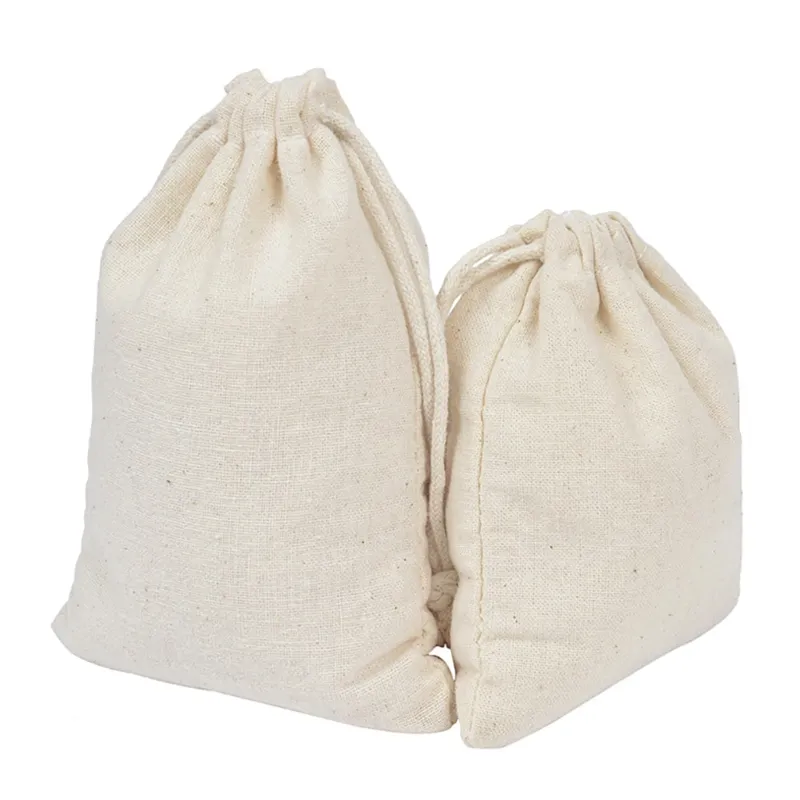
Hotels and resorts use bags in far more situations than simple guest gifting.
Depending on the property, custom bags may be used for:
- Welcome amenities
- Beach and pool use
- Laundry service
- Spa and wellness kits
- Bathroom amenities
- VIP gifts
- Kids’ activity sets
- Retail merchandise
- Conference packages
- Room slippers or textiles
- Takeaway food or gift packaging
For hospitality buyers, this creates a different sourcing challenge from ordinary promotional bags.
A bag used in a resort room does not have the same requirements as a beach tote. A laundry bag does not need the same structure as a VIP welcome gift. A cosmetic pouch used for spa amenities needs different materials and closures from a grocery-style tote sold in the hotel shop.
The best approach is therefore to start from the guest journey and actual use case, then select the material, structure and customization accordingly.
Where Custom Bags Are Used in Hotels and Resorts
1. Guest Welcome Bags
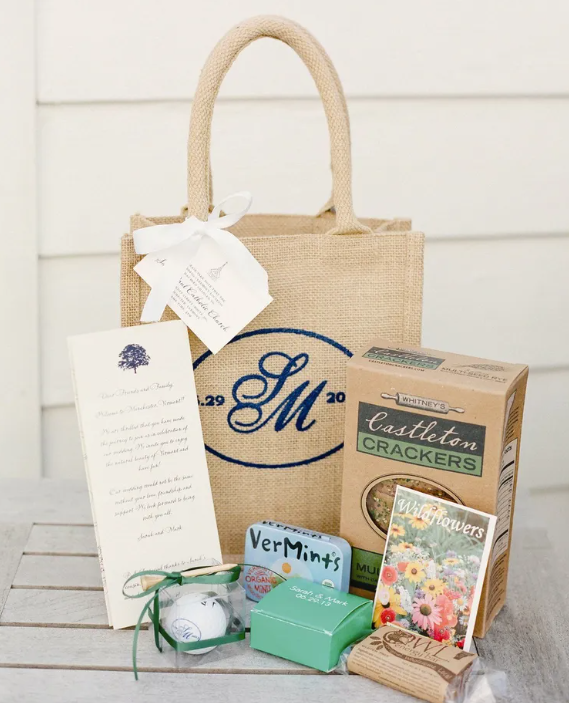
Welcome bags are commonly used for:
- Resort arrivals
- VIP guests
- Wedding groups
- Corporate retreats
- Conferences
- Loyalty members
- Tour groups
The bag may contain:
- Bottled water
- Snacks
- Local products
- Maps
- Room information
- Sunscreen
- Small gifts
- Activity schedules
For this application, the bag should be easy to carry and visually consistent with the property.
Common options include:
The correct choice depends on the weight of the contents and the positioning of the hotel.
A lightweight cotton bag may be sufficient for brochures and small gifts, while a heavier canvas tote is more suitable if the bag is intended to remain useful throughout the guest’s stay.
2. Beach and Pool Bags
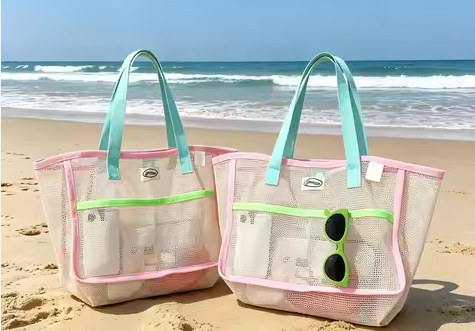
Beach resorts often require a larger bag than city hotels.
Guests may need to carry:
- Towels
- Sunscreen
- Swimwear
- Water bottles
- Sunglasses
- Books
- Children’s items
This makes capacity and handle strength important.
Suitable structures include:
Important specifications include:
- Wide bottom gusset
- Strong handles
- Easy-clean fabric
- Moisture-resistant lining
- Internal pocket
- Zipper or magnetic closure
For beach applications, buyers should avoid choosing a bag only because it looks premium.
The material must also tolerate sand, moisture, repeated loading and frequent handling.
3. Spa and Wellness Bags
Spas and wellness resorts may use bags for:
- Towels
- Slippers
- Skincare products
- Robes
- Treatment kits
- Fitness accessories
The required bag is often smaller and more refined than a beach tote.
Common options include:
For spa projects, the most important factors are often:
- Clean appearance
- Soft hand feel
- Compact size
- Easy opening
- Washability
- Neutral colors
Natural cotton, canvas and soft recycled polyester are commonly selected because they match wellness-oriented interiors.

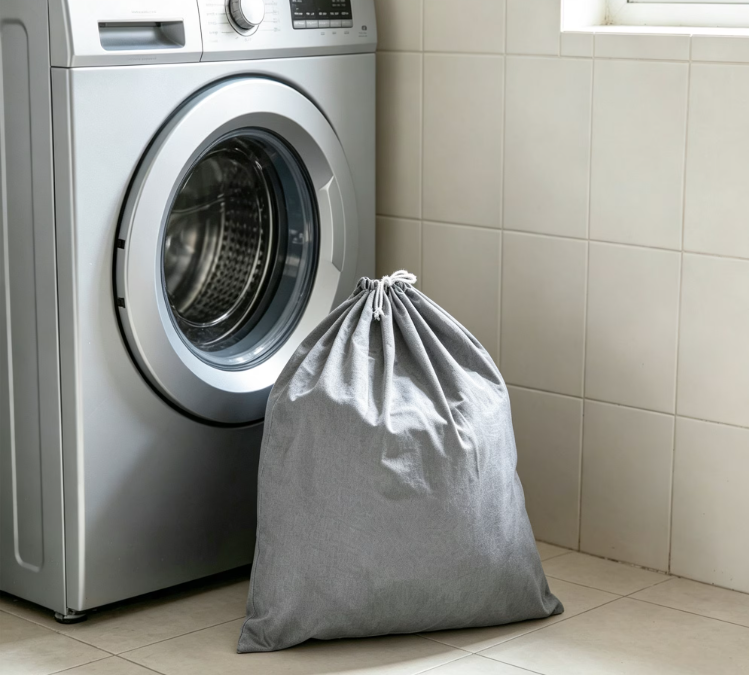
4. Hotel Laundry Bags
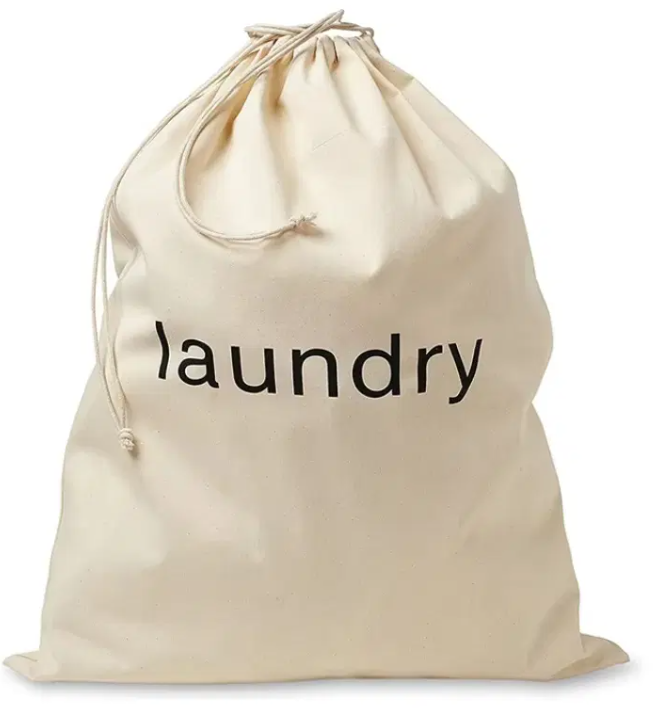
Laundry bags are one of the most practical hospitality bag categories.
They can be used for:
- Guest laundry collection
- Dry cleaning service
- Linen separation
- Long-stay guest use
Common constructions include:
Unlike welcome bags, laundry bags usually prioritize:
- Cost efficiency
- Simple structure
- Easy storage
- Repeated opening and closing
- Clear room or hotel identification
For reusable laundry bags, buyers should consider whether the fabric can be washed and whether printed logos remain stable after repeated cleaning.
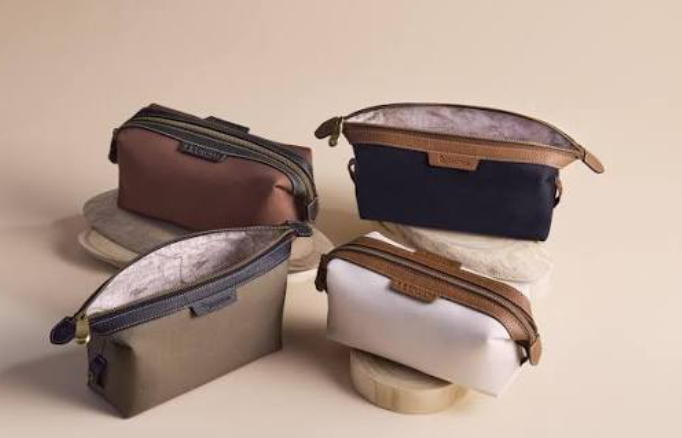
5. Cosmetic and Amenity Bags
Hotels may package guest amenities in small reusable pouches rather than disposable plastic packaging.
Possible contents include:
- Toothbrush kits
- Shaving kits
- Skincare
- Sewing kits
- Spa products
- Travel accessories
Suitable materials include:
- Cotton
- Canvas
- RPET
- Polyester
- Felt
- PU
Common structures include:
For premium hotels, a reusable amenity pouch can provide more practical value than disposable secondary packaging.
However, the bag should still match the size and value of the contents.
Over-specifying a heavy or complicated pouch for very small amenities can increase cost without improving guest experience.
6. Bags for Hotel Retail Shops
Many resorts and destination hotels operate retail shops selling:
- Local products
- Branded merchandise
- Food
- Beach accessories
- Souvenirs
- Clothing
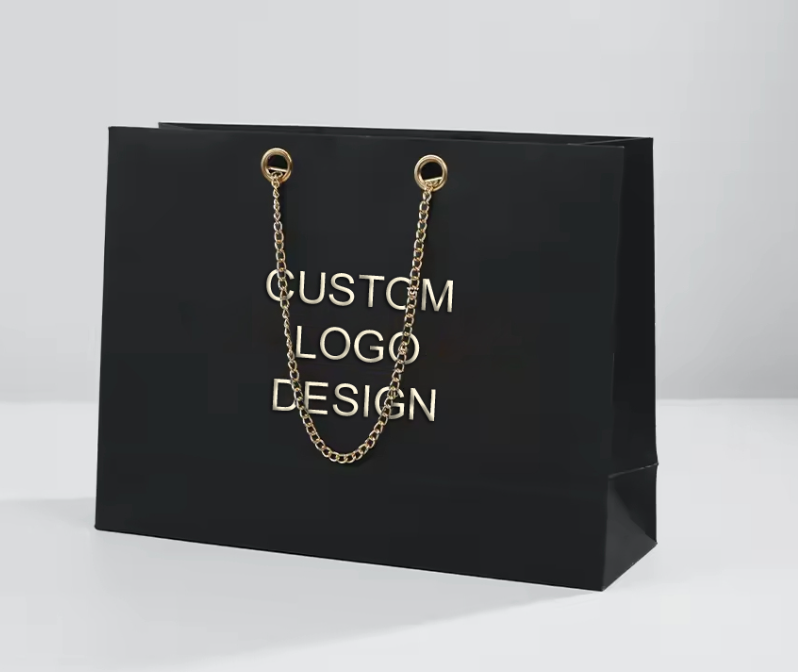
In this case, the bag becomes part of the retail packaging system.
Possible options include:
The choice depends on the product category.
For example:
Lightweight merchandise
A cotton tote or paper bag may be sufficient.
Heavy souvenirs or bottles
A reinforced canvas or jute bag may be more suitable.
Beachwear and apparel
A soft cotton or RPET tote can work well.
For hotel retail, buyers should consider carton efficiency and storage space because packaging is often stored in limited back-of-house areas.
7. Event and Conference Bags
Hotels and resorts frequently host:
- Conferences
- Weddings
- Corporate meetings
- Training programs
- Incentive trips
- Group tours
Custom bags can be used to organize:
- Documents
- Gifts
- Name badges
- Schedules
- Promotional products
Common options include:
These projects often require:
- Short production timelines
- Event-specific artwork
- Multiple colors
- Different quantities
For large events, simple structures are usually more efficient than complex bag designs.
Choosing the Right Material for Hotel Bags
Cotton
Cotton is suitable for:
- Welcome bags
- Spa bags
- Gift bags
- Laundry bags
- Retail totes
Advantages include:
- Natural appearance
- Comfortable hand feel
- Good printing surface
- Flexible weight options
Cotton works particularly well for hotels with:
- Natural interiors
- Wellness positioning
- Boutique concepts
- Lifestyle branding
Canvas
Canvas is heavier and more structured than lightweight cotton.
Suitable for:
- Beach totes
- Premium welcome bags
- Retail merchandise
- Larger guest bags
Advantages:
- Better durability
- Stronger shape
- Higher load capacity
- Premium appearance
A medium or heavyweight canvas bag is more appropriate when guests are expected to keep using the bag during and after their stay.

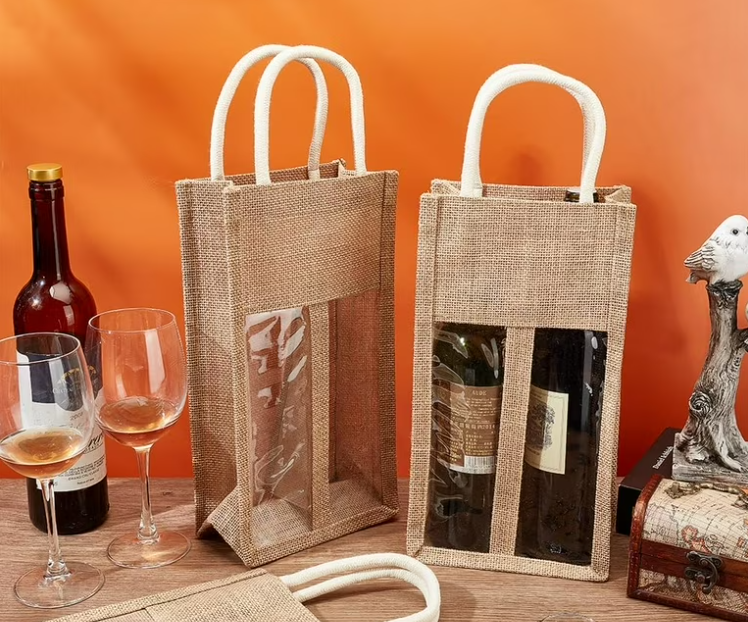
Jute
Jute provides a natural, textured appearance.
Suitable for:
- Resort gifts
- Local-product packaging
- Wine bags
- Eco-themed hospitality projects
Advantages:
- Distinctive texture
- Strong visual identity
- Good structure
Limitations:
- Rougher hand feel
- Less suitable for washing
- More limited printing detail
RPET
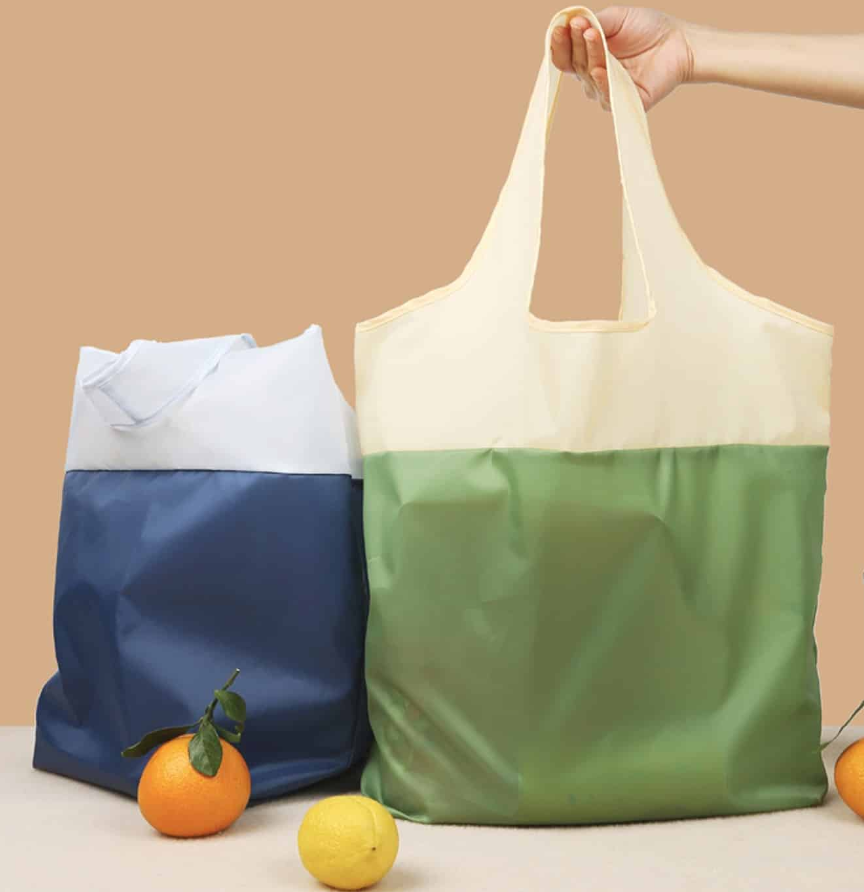
RPET is recycled polyester made from recycled PET feedstock.
Suitable for:
- Beach bags
- Shopping totes
- Laundry bags
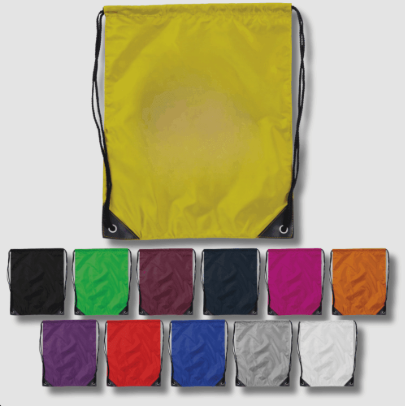
- Drawstring bags
- Travel pouches
Advantages include:
- Recycled material positioning
- Good durability
- Lightweight construction
- Wide range of fabric options
For projects requiring recycled-content claims, hotels should confirm:
- Recycled percentage
- Material source
- GRS or RCS requirements
- Order documentation
Polyester
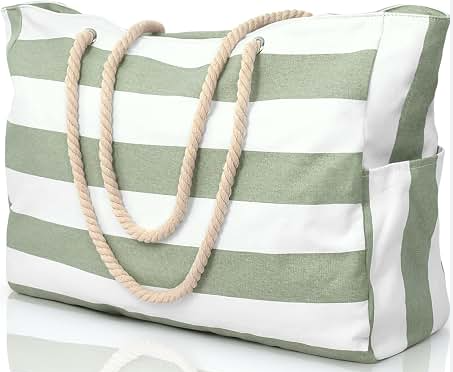
Polyester remains practical for applications requiring:
- Lightweight construction
- Easy cleaning
- Water resistance
- Cost control
Suitable for:
- Laundry bags
- Beach bags
- Activity bags
- Drawstring bags
Matching Bag Type to Hotel Scenario
| Application | Recommended Bag Type | Key Requirement |
|---|---|---|
| Welcome gift | Cotton or canvas tote | Presentation and reusability |
| Beach and pool | Large canvas or RPET tote | Capacity and moisture handling |
| Spa kit | Cotton pouch or cosmetic bag | Clean appearance and compact size |
| Laundry | Drawstring cotton/polyester bag | Easy handling and washing |
| VIP gift | Heavy canvas or premium pouch | Higher perceived value |
| Retail shop | Tote, paper or jute bag | Product fit and storage efficiency |
| Conference | Cotton or polyester event bag | Cost and large-volume production |
| Kids’ kit | Drawstring bag | Lightweight and easy carrying |
| Room amenities | Small drawstring or zipper pouch | Compact packaging |
Important Specifications for Hotel and Resort Bags
Bag Size
Size should match the contents.
Oversized bags may look impressive but increase:
- Fabric consumption
- Carton volume
- Freight
- Storage space
Undersized bags may create handling problems.
For hotel projects, it is often useful to send the supplier:
- Intended contents
- Approximate product dimensions
- Required capacity
instead of specifying only an arbitrary bag size.
Handle Length
Handle length affects how the bag is used.
Short handles
Suitable for:
- Gift bags
- Small retail bags
Shoulder handles
Suitable for:
- Beach bags
- Shopping totes
- Welcome bags
For heavier contents, handles should also be wide enough to remain comfortable.
Gusset and Bottom Structure
A flat tote is appropriate for:
- Documents
- Lightweight gifts
- Thin products
A side or bottom gusset is better for:
- Towels
- Grocery-style items
- Bottles
- Boxed gifts
- Beach accessories
For large resort totes, a reinforced bottom may improve stability.
Closures
Hotels can choose from:
- Open top
- Drawstring
- Zipper
- Snap button
- Magnetic closure
An open tote is simple and cost-effective.
A zipper provides more security for:
- Beach use
- Travel
- Work bags
A drawstring works well for:
- Laundry
- Spa
- Kids’ kits
The closure should match the application rather than simply add decoration.
Printing and Branding
Common customization methods include:
- Screen printing
- Heat transfer
- Digital printing
- Embroidery
- Woven labels
- Rubber or PU patches
For hospitality products, branding is often more effective when it is subtle.
Common approaches include:
- Small front logo
- Side woven label
- Embroidered resort name
- Tone-on-tone printing
- Printed interior message
This allows the bag to remain useful outside the hotel environment.
A bag with overly large promotional graphics may be less likely to be reused by guests.
Color Selection
Popular hospitality bag colors often include:
- Natural
- Beige
- White
- Navy
- Olive
- Black
- Sand
- Terracotta
The best color depends on the property.
Beach resorts may choose lighter natural colors.
Urban hotels may prefer darker or cleaner tones.
For high-volume orders, color consistency should be confirmed during sampling, especially for dyed cotton and canvas.
Sustainability Considerations
Hotels increasingly want reusable bags to support sustainability programs, but material claims should remain accurate.
A cotton bag is not automatically sustainable simply because it is natural.
An RPET bag is not automatically recyclable simply because it contains recycled polyester.
A better approach is to evaluate:
- Expected number of uses
- Material source
- Fabric durability
- Recycled content
- Product structure
- Packaging
- End-of-life options
For many hotel projects, the biggest practical improvement is designing a bag that guests actually want to keep and reuse.
That usually requires:
- Useful size
- Good quality
- Neutral design
- Durable handles
- Practical structure
Should Hotels Give Bags Away or Sell Them?
Both models are used.
Complimentary Bags
Suitable for:
- VIP programs
- High-end resorts
- Special events
- Premium rooms
The bag becomes part of the guest experience.
Retail Bags
Suitable for:
- Hotel shops
- Branded merchandise
- Beach clubs
- Lifestyle resorts
In this case, material quality and design need to support a retail selling price.
Some properties use both:
A basic bag is provided with the stay, while a heavier or more detailed version is sold in the hotel shop.
Common Quality Problems in Hotel Bag Orders
Weak Handles
This is especially problematic for:
- Beach totes
- Welcome bags
- Grocery-style totes
Handle attachment should be tested according to expected load.
Poor Print Durability
Hotel bags may be exposed to:
- Sun
- Friction
- Washing
- Moisture
The printing process should match the actual use.
Color Variation
Natural cotton and jute may show more variation than synthetic materials.
If exact color matching is critical, buyers should clarify tolerances before production.
Incorrect Bag Capacity
A bag can meet its specified dimensions and still be impractical.
This is why sample testing with the intended contents is important.
Overcomplicated Design
Too many:
- Pockets
- Mixed materials
- Metal accessories
- Decorative parts
can increase:
- Cost
- Lead time
- QC risk
- Material complexity
For many hospitality applications, simpler structures perform better.
How to Develop a Custom Hotel Bag
A typical development process includes:
1. Define the Application
Examples:
- Welcome gift
- Beach use
- Laundry
- Spa
- Retail
2. Define the Contents
List:
- Product type
- Approximate size
- Weight
3. Select Material
Choose based on:
- Appearance
- Durability
- Cleaning
- Sustainability requirements
- Budget
4. Select Structure
Confirm:
- Bag dimensions
- Gussets
- Handles
- Pockets
- Closure
5. Confirm Branding
Provide:
- Logo artwork
- Pantone colors
- Print size
- Label requirements
6. Produce a Sample
The sample should be tested with real contents wherever possible.
7. Confirm Bulk Production
Final approval should include:
- Fabric
- Dimensions
- Printing
- Packaging
- Quantity
- QC criteria
Custom Hospitality Bag Solutions from INITI
INITI develops custom bags for hotels, resorts, hospitality groups, gift suppliers and travel-related projects.
Relevant product categories include:
- Cotton tote bags
- Canvas beach bags
- RPET shopping bags
- Drawstring laundry bags
- Cosmetic pouches
- Jute gift bags
- Cooler bags
- Travel bags
- Storage bags
Customization can include:
- Material
- Fabric weight
- Dimensions
- Handle structure
- Closures
- Pockets
- Printing
- Embroidery
- Labels
- Packaging
For hotel projects, the most useful starting information is:
- Intended use
- Estimated quantity
- Approximate contents
- Target bag size
- Preferred material
- Branding requirements
From there, the bag specification can be adjusted to the actual hospitality application.
FAQ
What types of bags are commonly used by hotels?
Common hotel bags include welcome totes, beach bags, laundry bags, cosmetic pouches, spa bags, drawstring bags and retail shopping bags.
What material is best for resort beach bags?
Canvas and RPET are commonly used because they provide good durability and can support larger structures. The right choice depends on moisture resistance, weight and target price.
Are cotton bags suitable for hotel welcome gifts?
Yes. Cotton bags are suitable for welcome kits, especially when the contents are relatively lightweight.
Can hotels use recycled materials for custom bags?
Yes. RPET and recycled cotton are possible options. Recycled-content requirements and certifications should be confirmed before production.
Can hotel bags be washed?
Some cotton, canvas and polyester bags can be washed, but shrinkage, coating and printing need to be considered during material selection.
What information is needed for a quotation?
Buyers can provide:
- Logo artwork
- Estimated quantity
- Preferred size or reference dimensions
- Required colors
- Packaging requirements
If details are not finalized, buyers can first share the intended use and target quantity, and a suitable specification can be recommended.
Conclusion
Custom bags for hotels and resorts work best when they are designed around specific guest activities rather than treated as generic promotional items.
A beach bag needs capacity and durability.
A laundry bag needs simple handling.
A spa pouch needs compact organization.
A welcome tote needs to balance presentation with reuse.
For hospitality buyers, the main purchasing questions should therefore be:
- Where will the bag be used?
- What will it carry?
- How long should it last?
- Does it need to be washable?
- Which material matches the hotel environment?
- What level of customization is actually useful?
By answering these questions first, hotels and resorts can select bags that better fit guest needs while avoiding unnecessary cost and complexity.