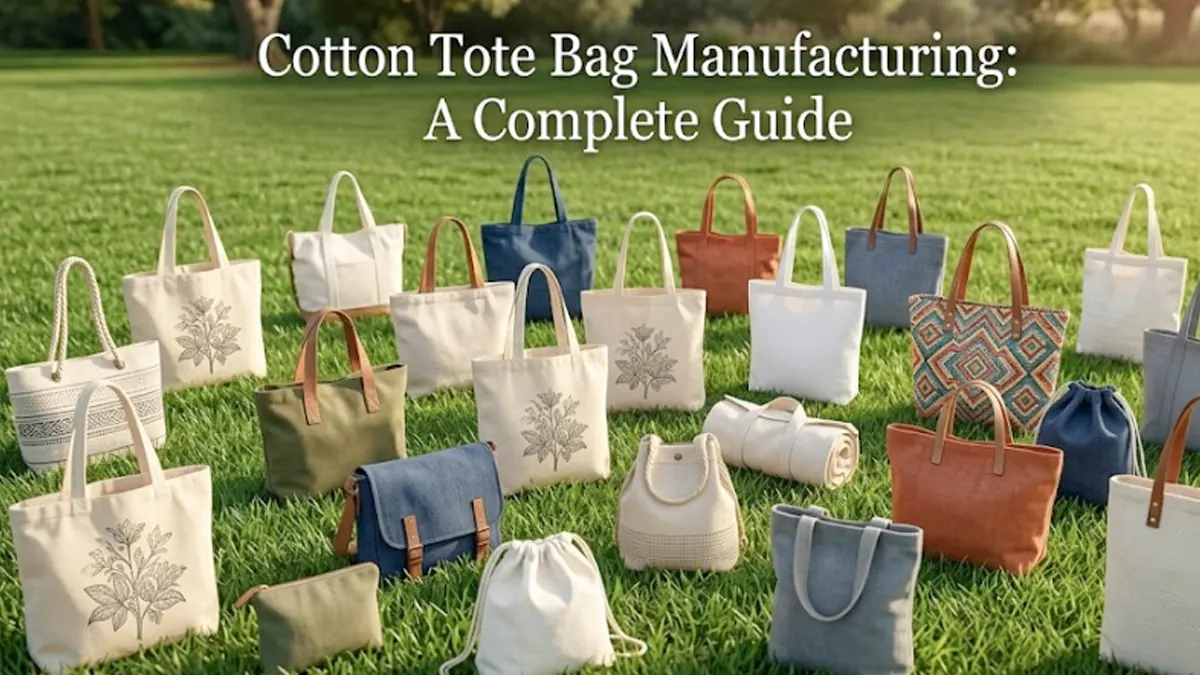
You see cotton tote bags almost everywhere. People use them in shops, at events, and on social media. Brands and businesses like them because they are cheap to make. They also help reach people who care about the environment.
If you want your custom tote bag to be special, how it is made is important. See how professional cotton tote bag manufacturing can help you make good choices:
| Aspect | Details |
|---|---|
| Product Quality | You get strong stitching and tough materials that last a long time. |
| Customization | You can choose materials, colors, and ways to show your brand that fit your ideas. |
| Supplier Selection | You work with good partners who follow world rules and help lower risks. |
When you buy custom tote bags, think about quality and the environment. Your brand needs bags that look nice and help your marketing plans.
Key Takeaways
- Cotton tote bags are liked because they are good for the environment and can show off a brand.
- The way the bags are made changes how strong, nice, and long-lasting they are.
- Picking good materials and the right GSM helps save money and makes the bag last longer.
- You can change the bag’s size, color, handles, and how it is printed.
- Screen printing, digital printing, and embroidery each have their own good points.
- Quality control checks if the bags are sewn well and if the prints look good.
- Buying many bags at once costs less, and expert makers can help you.
- Using eco-friendly ways like organic cotton makes your brand look better.
Cotton Tote Bag Manufacturing Overview

What Is Cotton Tote Bag Manufacturing
You may ask what cotton tote bag manufacturing means. It is how people turn cotton fabric into a finished tote bag. You can use or sell these bags. First, you pick the right materials. The material you choose makes your bag strong and long-lasting. Most companies use cotton. Cotton is easy to print on and feels soft. Some bags use linen, nylon, or nonwoven fabrics. But cotton is the most popular for bags you can customize.
Cotton tote bag manufacturing is not the same as making other bags. You work with simple parts like front and back panels, bottom gusset, side gussets, handle strips, and sometimes pocket panels. Each part has a special job. The front panel shows your logo or design. Gussets make the bag bigger. Handles help you carry the bag.
Factory Production Steps
When you go to a factory, you see many steps. These steps turn fabric into a tote bag. Here are the main stages:
| Manufacturing Stage | Purpose | Key Output |
|---|---|---|
| Product development | Decide size, shape, and materials | Approved design specifications |
| Fabric preparation | Check and get materials ready | Fabric ready for cutting |
| Cutting | Cut fabric into bag pieces | Fabric components |
| Printing or embroidery | Put logos or pictures on fabric | Branded fabric panels |
| Sewing and assembly | Sew bag parts together | Complete tote bag |
| Reinforcement | Make handles and seams stronger | Durable handles and seams |
| Finishing and cleaning | Trim threads and shape bag | Neat finished product |
| Quality inspection | Check if bags meet standards | Approved shipment batch |
You start with design and picking materials. Next, you cut the fabric using patterns. Then you sew the panels together. You add handles, pockets, or zippers if you need them. The factory checks each bag for quality before packing and shipping.
Tip: If you want strong bags, focus on the reinforcement step. Good handles and seams help your bag last longer.
Why It Matters for Brands
You want your bags to look and feel good. The way you make your bag decides if customers will like it. If the factory follows each step, your bags match your brand’s style and message. You can choose the size, color, and printing method. You also control how strong and nice your bags are.
Cotton tote bag manufacturing helps your brand stand out. You can give people bags that are useful, stylish, and eco-friendly. If you want people to remember your brand, make sure your bags are special and well-made.
Materials for Cotton Tote Bags
Cotton, Canvas, Organic, Recycled
There are many materials for cotton tote bags. Cotton feels soft and is not heavy. Canvas is thicker and much stronger. You can also pick organic cotton or recycled cotton. These choices are better for the planet. Organic cotton uses less water and does not use strong chemicals. Recycled cotton comes from old clothes or leftover fabric. These options help the earth and show your brand cares about being green.
Check this table to see how each material is different:
| Type of Material | GSM Range | Characteristics and Uses |
|---|---|---|
| Cotton Sheeting | 170–230 GSM | Low cost, does not last long; good for one-time events or giveaways. |
| Standard Cotton | 230–340 GSM | Good price and lasts longer; great for weekly use. |
| Canvas | 340–450+ GSM | Very strong; made for heavy things and lots of use. |
Organic cotton is special because it uses much less water. It also makes less pollution than regular cotton. It helps more plants and animals live. Many people want GOTS certification. This checks every step when making the bag. If you want bags that last, organic cotton bags can be used for 18 to 24 months.
GSM, Thickness, Durability
GSM stands for grams per square meter. It shows how thick and strong the fabric is. A higher GSM means the bag is heavier and tougher. Canvas has the highest GSM. It is good for custom canvas tote bags that carry heavy things. Cotton sheeting is lighter and best for quick giveaways.
Here is a table to show how thickness and weave change strength:
| Fabric Type | Weight (oz) | Weave Type | Strength Characteristics |
|---|---|---|---|
| Cotton Canvas | 12oz+ | Plain | Very strong, good for heavy things |
| Lightweight Canvas | 8-10oz | Looser | Soft, not as strong, can lose shape |
| Twill Weave | N/A | Diagonal | Stronger, does not tear easily |
Canvas has a tight weave. It stays strong and keeps its shape. Cotton has a looser weave. It is soft but can stretch and lose its shape. If you want bags to last, pick a higher GSM and a tight weave.
Tip: Pick natural cotton if you want a soft bag. Choose canvas if you need a strong bag. Think about how people will use the bag.
Cost and Selection
You want to get the most for your money. The material you choose changes the price a lot. Simple tote bags can cost less than one dollar. Custom bags can cost $15 or more. The price depends on the fabric, how heavy it is, and any special features. Materials are sold by the yard or meter.
Here are some things that change the cost:
- Fancy designs need special printing.
- Fast orders cost more.
- The number you order changes the price for each bag.
- More colors make the bag cost more.
If you want to save money, pick standard cotton for daily use. If you want the best bags, choose canvas or organic cotton. Most buyers care about how bags are made and if they are eco-friendly. Picking green materials can help your brand get noticed.
Table: Cotton Tote Bag Materials Comparison
Choosing the right material for your cotton tote bags can feel tricky. You want something that fits your brand, lasts long, and looks great. To help you decide, check out this easy-to-read comparison table. It breaks down the most popular materials you’ll see when shopping for custom tote bags.
| Material Type | GSM Range | Feel & Look | Strength & Durability | Eco-Friendliness | Best For | Price Range |
|---|---|---|---|---|---|---|
| Cotton Sheeting | 170–230 | Soft, thin, smooth | Light use, not very strong | Good (natural cotton) | Giveaways, events, promotions | $ |
| Standard Cotton | 230–340 | Soft, thicker | Medium strength | Good (can be organic) | Daily use, shopping, branding | $$ |
| Canvas | 340–450+ | Thick, sturdy, rough | Very strong, long-lasting | Good (natural fiber) | Heavy items, repeated use | $$$ |
| Organic Cotton | 230–340 | Soft, natural look | Medium strength | Excellent (certified) | Eco brands, green campaigns | $$$ |
| Recycled Cotton | 200–340 | Slightly rougher | Medium strength | Excellent (recycled) | Eco gifts, sustainable promos | $$–$$$ |
What do these columns mean?
- GSM Range: This tells you how thick and heavy the fabric is. Higher GSM means a thicker, stronger bag.
- Feel & Look: Some bags feel soft and smooth. Others feel rough and sturdy.
- Strength & Durability: Think about how much weight you want your bag to hold.
- Eco-Friendliness: If you want to show you care about the planet, look for organic or recycled options.
- Best For: This helps you match the material to your project or event.
- Price Range: More dollar signs mean a higher price.
Tip: If you want a bag for a quick giveaway, go with cotton sheeting. If you need a bag that lasts, canvas or organic cotton works best.
Quick Comparison Highlights
- Cotton Sheeting is light and cheap. It’s perfect for one-time use.
- Standard Cotton gives you a good balance of price and strength. You can use it for shopping or daily errands.
- Canvas stands out for its toughness. You can carry books, groceries, or even a laptop.
- Organic Cotton shows your brand cares about the environment. It feels soft and looks natural.
- Recycled Cotton helps reduce waste. It’s a smart pick for eco-friendly campaigns.
You don’t have to pick just one. Many brands mix materials for special projects. Always ask your supplier for samples. Feel the fabric and test the strength before you order in bulk.
Note: The right material makes your tote bag look better and last longer. It also helps your brand stand out in a crowded market.
Cotton Tote Bag Manufacturing Process
Sourcing and Inspection
You want your tote bags to look great and last a long time. That starts with picking the right fabric. In cotton tote bag manufacturing, you need to check every roll of cotton before you begin. This step helps you avoid problems later.
Here’s what you do when you source and inspect cotton fabric:
| Step | Description |
|---|---|
| Fabric Preparation | Get your raw materials ready after you finish your design. |
| Fabric Inspection | Look for any problems in the fabric. You don’t want holes or weak spots. |
| Weight Verification | Make sure the fabric weight matches your needs. For example, 10 oz or 12 oz canvas. |
| Color Consistency Check | Check that the color looks the same on every roll. |
| Weaving Defects Check | Watch for loose yarn or weaving mistakes. |
| Shrinkage Testing | Wash a sample to see if it shrinks too much. |
| Measurement of Fabric Weight | Use GSM or ounces per square yard to measure the fabric. |
You also need to follow some rules if you want eco-friendly bags. Many brands look for certifications like GOTS. These rules make sure your bags are safe and made the right way.
| Requirement | Description |
|---|---|
| Organic Fiber Content | Use at least 70% organic fibers for standard bags. Use 95% for top labels. |
| Chemical Restrictions | Avoid toxic dyes, heavy metals, and GMOs. |
| Wastewater Treatment | Treat all water used in the process. |
| Labor Standards | Make sure workers are safe and treated fairly. |
| Supply Chain Traceability | Track every step from cotton field to finished bag. |
Tip: Always ask your supplier for test reports and certifications. This helps you trust the quality of your bags.
Cutting and Preparation
After you pick and check your fabric, you need to cut it into the right shapes. You use a template to guide you. This template matches your bag’s design. You cut each part—like the body, pockets, and handles—by hand or with a machine.
Here’s how you prepare your fabric for sewing:
- Create a template for your bag’s shape and size.
- Cut the main body, pockets, and any extra parts using the template.
- Make sure every piece matches the design.
- Keep the edges neat to stop fraying.
- Use strong stitching, especially for custom canvas tote bags that carry heavy things.
You want every piece to fit together perfectly. If you rush this step, your bags might look uneven or weak.
Note: Good cutting and preparation make sewing faster and help your bags last longer.
Printing and Embroidery
Now comes the fun part—adding your logo or design. You have a few ways to decorate your bags. Each method works best for different needs.
| Printing Method | Best For | Advantages |
|---|---|---|
| Screen printing | Simple logos | Durable and cost-effective |
| Digital printing | Detailed graphics | Full-color images |
| Heat transfer | Small batches | Flexible production |
| Embroidery | Premium designs | High-end appearance |
Screen printing works well for bold logos and big orders. It gives you strong colors that last a long time. If you want a fancy look, try embroidery. It makes your logo stand out and feels premium.
Digital printing lets you use lots of colors and detailed pictures. It’s great for custom artwork. Heat transfer is perfect for small runs or when you want bright, fun designs.
Want to try heat transfer vinyl? Here’s a quick list of steps:
- Design your artwork on a computer.
- Cut the vinyl with a special machine.
- Remove the extra vinyl.
- Place your design on the bag.
- Use heat to stick it on.
- Let it cool, then peel off the top layer.
Tip: Choose your printing method based on your design and how many bags you need. Ask your manufacturer for samples to see which one you like best.
Sewing and Assembly
Now you get to see your tote bag come together. Sewing and assembly turn flat fabric pieces into a real bag you can hold. You start by joining the main panels. You sew the sides and bottom together, making sure the seams line up. If your bag has a gusset, you add it now to give the bag more space inside.
You want your bag to last, so pay attention to how you sew the seams. Double stitching works best for strong bags. This means you sew two rows side by side. Double stitching makes the seams much stronger than single stitching. Your bag can handle more weight and will not rip as easily. This is important if you want your bags to carry books, groceries, or other heavy things.
You can also use special sewing methods to make your bag look better and last longer:
- Box X Stitch: This is a square with an X inside. It is great for places that need extra strength, like where the handles attach.
- Bartack: This is a tight, short stitch that adds support in key spots.
- Piping Insertion: This adds a strip of fabric along the edges. It makes the bag stronger and gives it a nice, finished look.
You check every seam as you go. If you see loose threads or uneven stitches, you fix them right away. Good sewing and assembly make your tote bag look neat and help it last a long time.
Tip: Always ask your manufacturer if they use double stitching for seams. It makes a big difference in how strong your bags feel.
Handle and Reinforcement
Handles are one of the most important parts of your tote bag. You want them to feel comfortable and stay strong, even when the bag is full. The way you attach and reinforce the handles decides how much weight your bag can carry.
Here are some of the best ways to reinforce handles:
| Reinforcement Method | Why it Works | Best For |
|---|---|---|
| Box stitching | Spreads out the stress and makes the handle area stronger. Looks neat, too. | Canvas tote bags, fabric handbags, grocery bags |
| Backstitching or Bar Tack Reinforcement | Adds extra strength at the points where handles meet the bag. | Promo totes, branded giveaways |
| Reinforcement Patches or Tabs | Gives extra protection and can look stylish. | Leather or luxury totes |
| Lining and Interfacing Reinforcement | Hides extra support inside the bag, keeps soft bags from sagging. | Minimalist or delicate fabric totes |
| Rivets and Hardware Reinforcement | Spreads weight and adds a shiny, finished look. | Fashion totes, heavy-duty bags |
You often see box stitching at the base of the handles. This method spreads the weight and keeps the handles from tearing off. Bar tacks are small, tight stitches that add even more support. Some bags use extra fabric patches or even metal rivets for a fancy touch.
If you want your bags to carry heavy loads, always ask for reinforced handles. This small detail can save you from broken bags and unhappy customers.
Note: Reinforced handles mean your tote bags can handle more weight and last longer. Your customers will notice the difference.
Trimming and Finishing
You want your tote bags to look clean and professional. Trimming and finishing are the last steps before your bags leave the factory. These steps make sure every bag looks its best.
First, you trim away any loose or extra threads. You use small, sharp scissors for this job. You check all the seams and corners. If you see a thread sticking out, you snip it off. This keeps the bag looking neat.
Next, you press the bag with a steam iron. You turn the bag inside out and iron the seams flat. This step removes wrinkles and helps set the stitches. Your bag looks crisp and feels smooth.
Here are some tools and tips for a perfect finish:
- Use small snips to remove loose or excess threads.
- Employ irons to flatten seams for a crisp appearance.
- Remove any leftover stabilizer from embroidery or printing.
- Check the bag inside and out for any missed spots.
A well-finished bag stands out. It feels good in your hand and looks great on display. Customers notice these details and remember your brand for quality.
Tip: Never skip the finishing step. A clean, pressed tote bag always makes a better impression.
Quality Inspection
You want your cotton tote bags to look perfect when they reach your customers. Quality inspection is the step that makes sure every bag meets your standards. You check each bag before packing. This helps you catch problems early and keeps your brand strong.
Here’s how you can inspect your tote bags:
- Look at the bag’s size. Make sure it matches your order. The dimensions should stay within the tolerance range.
- Check the stitching. You don’t want skipped stitches or loose threads. Strong seams mean the bag will last longer.
- Examine the handles. They should sit in the right place and look symmetrical. Uneven handles make the bag look cheap.
- Review the print. Your logo or design needs clean edges and the correct color. Smudges or faded prints hurt your brand.
- Inspect the overall appearance. The bag should be free from stains, marks, or damage.
You can use a checklist to help you stay organized:
| Inspection Item | Requirement |
|---|---|
| Bag dimensions | Within tolerance range |
| Stitching quality | No skipped stitches |
| Handle alignment | Symmetrical placement |
| Print quality | Clean edges and correct color |
| Overall appearance | No stains or damage |
You also want to check for:
- Dimensional accuracy
- Stitching strength
- Logo clarity and position
- Overall cleanliness
Sometimes, you test random bags for weight tolerance and colorfastness. This means you check if the bag can hold the right amount and if the colors stay bright after washing. If you find broken bags, you need a plan. Ask your manufacturer about their refund or replacement policy. This protects you from losses and keeps your customers happy.
Tip: Always inspect every bag before packing. A careful check stops problems before they reach your clients.
Finished bags go through a thorough inspection. You focus on stitching accuracy, print alignment, and fabric consistency. These checks help you deliver quality every time.
Customization and Design
Brainstorming and Inspiration
You want your custom tote bags to stand out. Start with a brainstorming session. Think about what makes your brand unique. Look at trends in fashion, art, and even street style. You can find inspiration everywhere—on social media, at events, or by checking out what other brands do.
Ask yourself a few questions:
- What message do you want your bag to share?
- Who will use your bag? Is it for students, shoppers, or event guests?
- Do you want a bold look or something simple and classic?
You can sketch ideas or use online design tools. Try different colors, patterns, and logo placements. If you like hands-on projects, explore diy customization techniques. You can add patches, pins, or even hand-paint details for a personal touch. The goal is to create a bag that people want to use again and again.
Tip: Save your favorite ideas in a mood board. This helps you see what styles and colors work best together.
Aligning with Brand Identity
You want your custom tote bag to match your brand’s style. A tote bag is more than just a bag—it’s a walking billboard for your business. When you design your custom tote, think about how it fits with your logo, colors, and overall vibe.
Here’s how you can align your tote bag with your brand identity and marketing goals:
- Use the large imprint area to make your logo easy to see.
- Pick colors and designs that match your brand’s look and feel.
- Choose materials that reflect your values, like organic cotton for eco-friendly brands.
- Add a slogan or message that supports your marketing campaign.
- Make sure your design is clear and easy to recognize from a distance.
Cotton tote bags work well for branding because they give you lots of space for your logo. Over the life of a bag, your design can get seen about 3,300 times. That’s a lot of eyes on your brand! The classic look and strength of cotton also fit many different brand personalities. You can use customization to create bags that match your marketing goals, whether you want to look fun, serious, or eco-conscious.
Note: The right design helps people remember your brand and makes your marketing dollars go further.
Choosing Styles and Sizes
Picking the right style and size is key when designing custom tote bags. You want a bag that fits your needs and looks good. Some people need a small bag for quick errands. Others want a large bag for shopping or the beach. There are also many popular styles in the market.
Check out this table to see the most popular sizes and styles for custom canvas tote bags:
| Size | Dimensions | Description |
|---|---|---|
| Small | 10″ x 12″ | Best for quick giveaways or carrying a few items. |
| Medium | 15″ x 16″ | Standard size for groceries, books, and everyday use. |
| Large | 18″ x 20″ | Ideal for shopping, beach trips, or heavier loads. |
| Popular Style | Liberty Bags | Lightweight, budget-friendly, 6 oz. cotton canvas. |
| Port and Company | Sturdy, spacious, 10 oz. cotton twill, 7-inch gusset. | |
| Bag Edge | Durable, stylish, 12 oz. cotton canvas with pockets. |
You can choose from lightweight, budget-friendly bags or go for sturdy, stylish options with extra features like pockets. Personalized cotton tote bags let you pick the size and style that fits your project. If you want customizable tote bags for a big event, small sizes work well for giveaways. For retail or shopping, medium and large bags are best.
Tip: Think about how people will use your bag. The right size and style make your custom tote bag more useful and memorable.
Designing custom tote bags is all about matching your ideas with your brand’s needs. Use customization to create bags that people love to carry. You can boost your branding and make a lasting impression with the right choices.
Custom Options: Size, Color, Handles, Structure
When you design your custom tote, you get to pick every detail. This is where your ideas come to life. You can make your bag fit your brand, your event, or even your personal style. Let’s break down the main options you have for customization.
Here’s a quick look at the choices you can make:
| Customization Aspect | Details |
|---|---|
| Size and Dimensions | Think about what you want to carry. Do you need a small bag for giveaways or a big one for shopping? Pick the size that works best for your project. |
| Handle Design | Handles can be short or long. Short handles are easy to grab. Long handles fit over your shoulder. You can also ask for extra-strong handles if you want to carry heavy things. |
| Color Options | You don’t have to stick with plain white. Choose from many colors for the bag and the handles. Try mixing colors for a fun look or pick your brand’s colors for better branding. |
| Structure | Add pockets, zippers, or a flat bottom. These features make your bag more useful and unique. |
You can see how each choice changes the look and feel of your bag. If you want your custom tote bag to stand out, try adding a bright color or a special handle. Some people even use diy customization techniques like patches or pins to make their bags one-of-a-kind.
When you work with a manufacturer, you can ask for samples. This helps you see and feel the options before you order. You can also ask for custom canvas tote bags if you need something extra strong. These bags work well for heavy items and last a long time.
Don’t forget about structure. A bag with a flat bottom stands up on its own. Pockets help you organize your things. Zippers keep everything safe inside. All these options help you create custom tote bags that people want to use every day.
Tip: When designing custom tote bags, think about who will use them and how. The right options make your bags more useful and memorable.
MOQ and Bulk Buying
If you want to order custom tote bags, you need to know about minimum order quantity, or MOQ. This is the smallest number of bags you can order at one time. Factories set MOQs because they buy fabric in big rolls and mix dyes in large vats. They also have to set up machines and prepare packaging. These steps cost money, no matter how many bags you order.
Here’s what you need to know about MOQs and bulk purchasing strategies:
- Domestic suppliers usually ask for 50 to 250 bags as the MOQ.
- Overseas factories often require 200 to 1,000 bags.
- Print-on-demand companies sometimes have no MOQ at all.
- If you order less than the standard MOQ, you might pay 30% to 100% more for each bag.
- Ordering more bags at once helps lower the price for each bag.
Factories use MOQs to spread out setup costs. When you order a lot of bags, the cost for each one goes down. If you order less than the MOQ, the price goes up because the factory still has to do all the setup work. This is why sustainable bulk purchasing makes sense for most brands.
If you want to save money and get the best deal, plan ahead. Think about how many bags you need for your event or store. Bulk purchasing strategies help you get more value and keep your costs low. You can also ask your supplier about eco-friendly options for sustainable bulk purchasing.
Note: Always ask about the MOQ before you start your order. This helps you plan your budget and avoid surprises.
Custom tote bags give you lots of ways to show off your brand. With the right options and smart bulk buying, you can create bags that look great, last long, and fit your marketing goals.
Printing and Decoration Methods
Screen Printing
Screen printing is one of the most popular ways to decorate cotton tote bags. You might pick this method if you want bold, simple designs that stand out. The process uses a mesh screen and special ink. The ink goes through the screen and onto the fabric, creating sharp lines and bright colors. You get a soft finish that feels nice to touch.
Screen printing works best for large orders. It is cost-effective when you need hundreds or thousands of bags. You can use it for logos, big text, or simple graphics. The colors stay bright, and the print lasts a long time, even after many washes.
Tip: If you want your logo to pop and need a lot of bags, screen printing is a smart choice.
Heat Transfer
Heat transfer is a great option when you want special effects on your tote bags. This method uses heat and pressure to stick a design onto the fabric. You can add glitter, metallic finishes, or even shiny colors that catch the eye. The process starts with printing your design on a special sheet. Then, a machine presses the design onto the bag using heat.
You might choose heat transfer for small batches or when you want a unique look. It is flexible and lets you try different styles. This method is perfect for short-term branding, events, or when you want to test new ideas. The finish feels smooth and can show off bright, fun colors.
Note: Heat transfer is your go-to if you want to try out creative effects or need bags for a special event.
Embroidery
Embroidery gives your cotton tote bags a premium, high-end look. You use thread to stitch your design right into the fabric. This adds texture and makes your logo or artwork stand out. Embroidery does not fade or peel, so your bags look great for a long time.
You might pick embroidery for gifts, corporate branding, or when you want to impress. The stitches add a stylish touch and feel different from printed designs. Embroidery works well for small logos, names, or detailed patterns. It is more expensive than other methods, but it shows you care about quality.
Tip: Choose embroidery if you want your tote bags to feel special and last for years.
Here’s a quick table to help you compare these methods:
| Printing Method | Best For | Key Features |
|---|---|---|
| Screen Printing | Bold, simple designs | Bright colors, sharp lines, affordable for bulk |
| Heat Transfer | Specialty finishes | Unique effects, flexible, great for small batches |
| Embroidery | Premium, long-lasting look | Adds texture, does not fade, high-end appearance |
You have many ways to make your tote bags stand out. Pick the method that matches your brand and your project.
Digital Printing
You want your tote bags to look sharp and colorful. Digital printing gives you that option. This method uses special printers to put your design right onto the fabric. You can use detailed graphics, photos, or full-color artwork. The colors come out bright and clear. You don’t have to worry about limits on the number of colors.
Digital printing works well for small and medium orders. You don’t need to set up screens or plates. That means you can change your design quickly. If you want to test new artwork or run a limited campaign, this method fits your needs. You can print complex patterns, gradients, or even realistic images. The process is fast and flexible.
Here’s what makes digital printing stand out:
- You can use detailed graphics and full-color images.
- The setup is quick. You don’t need extra tools or screens.
- You can change designs easily between batches.
- The print feels soft and smooth on the bag.
You might notice that digital printing is not as durable as screen printing. The colors may fade after many washes. If you want your bags to last a long time, you should ask your supplier about the type of ink they use. Some inks hold up better than others.
Want to compare digital printing with other methods? Check out this table:
| Printing Method | Best For | Advantages |
|---|---|---|
| Screen printing | Simple logos | Durable, cost-effective for big orders |
| Digital printing | Detailed graphics | Full-color images, quick setup, flexible design |
| Heat transfer | Small batches | Flexible production, special effects |
| Embroidery | Premium designs | High-end appearance, textured finish |
Tip: If you want to print photos or complex artwork, digital printing is your best bet. You can get creative and make your tote bags unique.
You should think about your project goals. If you need lots of bags with simple logos, screen printing saves money. If you want to try new designs or print detailed images, digital printing gives you more freedom. For special effects or small batches, heat transfer works well. Embroidery adds a premium touch but costs more.
When you pick a printing method, look at your budget, order size, and design complexity. You can ask your manufacturer for samples. This helps you see how each method looks and feels. You want your custom cotton tote bags to match your brand and make a strong impression.
Quality Control for Custom Tote Bags
Material and Stitching Checks
You want your tote bags to look great and last a long time. That starts with strong materials and neat stitching. Quality control begins before sewing even starts. Factories check every roll of fabric to make sure it matches what you ordered. They look at the weight, color, and even test if the fabric shrinks too much after washing. If you add zippers or snaps, those get checked too.
During production, quality control staff walk the lines and watch for mistakes. They check that every stitch looks the same and that seams line up straight. Handles need to sit in the right spot, and your logo should not be crooked. If something looks off, they fix it right away.
When the bags are finished, inspectors check the size, stitching, and handle placement. They compare each bag to the approved sample. If a bag does not match, it does not get packed. This careful process helps you get bags that look sharp and hold up to daily use.
Here’s a quick checklist for material and stitching checks:
- Inspect fabric for weight, color, and shrinkage.
- Check accessories like zippers and snaps.
- Watch for even stitching and straight seams.
- Make sure handles and logos are in the right place.
- Compare finished bags to the approved sample.
Tip: Always ask your supplier about their quality control steps. This helps you avoid surprises and keeps your brand looking good.
Print and Color Inspection
You want your logo and designs to pop on every bag. Print and color inspection makes sure your branding looks bright and clear. Inspectors check that the colors match your brand’s style. They look for smudges, faded spots, or blurry lines. If you use more than one color, they make sure the colors do not bleed into each other.
Inspectors also check that the print sits in the right spot. A logo that is too high or too low can make the bag look cheap. They use approved samples to compare every bag. If the print does not match, the bag does not pass.
You can ask for a print sample before the full order. This lets you see the colors and design in real life. It is a smart way to catch problems early.
Note: Good print and color inspection helps your bags stand out and keeps your branding strong.
Durability Testing
You want your tote bags to last through shopping trips, events, and daily life. Durability testing checks how much weight your bags can hold and how well they stand up to wear and tear. Factories test the strength of the handles by pulling on them. They fill the bags with heavy items to see if the seams hold up.
Some factories wash the bags to see if the colors fade or the fabric shrinks. They bend and twist the handles to make sure they do not break. If a bag fails these tests, it does not go to you.
Here are some common durability tests:
- Handle pull test
- Seam strength test
- Wash and colorfastness test
- Repeated use simulation
When you know your bags pass these tests, you can trust them to last. Your customers will notice the quality and keep using your bags again and again.
Tip: Ask your manufacturer about their durability tests. Strong bags mean happy customers and fewer returns.
Packaging Review
You might think packaging is just the last step, but it plays a big role in how your cotton tote bags arrive and look. Good packaging keeps your bags clean, safe, and ready to impress your customers. If you skip this step or rush it, you could end up with wrinkled, dirty, or even damaged bags. That can hurt your brand’s image.
Here’s what you should look for during a packaging review:
- Cleanliness: Make sure every bag is free from dust, stains, or loose threads before packing.
- Folding: Bags should be folded neatly and evenly. This helps them look professional when customers open the box.
- Bag Protection: Use polybags or tissue paper to protect each tote from moisture and dirt. For eco-friendly brands, ask for biodegradable or recycled packaging.
- Labeling: Check that each carton or package has the right labels. Labels should show the product name, color, size, and quantity. This makes sorting and inventory much easier.
- Carton Quality: Boxes should be strong and sealed well. Weak cartons can break during shipping and damage your bags.
- Order Accuracy: Double-check that the right number of bags goes into each box. You don’t want to send too few or too many.
Tip: Ask your supplier for photos of the packed cartons before they ship. This helps you spot problems early and avoid surprises.
You can also request custom packaging if you want to add a special touch. Some brands use branded tissue paper, stickers, or thank-you cards. These small details make your bags feel like a premium product.
Table: Quality Control Checklist
You want to make sure every tote bag meets your standards before it reaches your customers. Use this simple checklist to keep track of each step in the quality control process:
| Quality Control Step | What to Check For | Why It Matters |
|---|---|---|
| Material Inspection | Correct fabric, no defects, right weight/color | Ensures durability and look |
| Stitching Check | Even seams, no loose threads, strong handles | Prevents rips and weak spots |
| Print/Logo Inspection | Sharp edges, correct colors, right placement | Keeps branding clear and sharp |
| Durability Testing | Handles and seams hold weight, colorfastness | Bags last longer, fewer returns |
| Packaging Review | Clean, neat folding, protective wrapping, labels | Bags arrive safe and look good |
| Final Count & Sorting | Correct quantity, right sizes and colors | Avoids order mistakes |
Note: Print this checklist and use it every time you order custom tote bags. It helps you catch problems early and keeps your brand’s reputation strong.
Cost Factors in Cotton Tote Bag Manufacturing
Material and GSM
When you start planning your cotton tote bags, the first thing you should think about is the material. The type of fabric you pick has a big impact on the price. If you choose a thicker fabric, your bag will last longer, but it will also cost more. Lighter fabrics are cheaper, but they might not hold up as well over time.
GSM stands for grams per square meter. This number tells you how heavy and thick the fabric is. A higher GSM means a stronger and heavier bag. You pay more for higher GSM because it uses more cotton and takes more work to sew. If you want a bag for heavy books or groceries, you should go for a higher GSM. If you need bags for a quick giveaway, a lower GSM works fine and saves money.
Here’s a quick look at how different materials and GSM levels affect cost and use:
| Material Type | GSM Range | Cost Implications | Use Cases |
|---|---|---|---|
| Cotton Sheeting Tote Bags | 5–7 oz / 170–230 | Lowest upfront cost, limited lifespan | Promotional giveaways, light shopping |
| Standard Cotton Tote Bags | 8–10 oz / 230–340 | Balanced price and durability | Weekly grocery runs, carrying books |
| Cotton Canvas Tote Bags | 12–24 oz / 340–814 | Higher upfront cost, designed for long-term use | Daily commutes, heavy packing |
You also need to think about customization. If you add zippers, metal snaps, or special hardware, the price goes up. These extras make your bag more useful and stylish, but they add to the cost. Sometimes, a simple bag is all you need. Other times, you want to add features that make your bag stand out.
Here are a few things that change the price of your tote bags:
- The fabric you pick is the biggest factor in cost.
- You pay for materials by the yard or meter, and heavier fabrics cost more.
- Special features like zippers or metal parts can make your bags more expensive.
Tip: If you want to keep costs low, choose a simple design with standard cotton. If you want a bag that lasts and looks premium, invest in higher GSM canvas and add custom features.
Packaging and Lead Time
You might think packaging is just the last step, but it can change the cost of your cotton tote bags a lot. Good packaging keeps your bags clean and safe during shipping. It also helps your bags look great when your customers open the box. If you want to impress your clients, you should pay attention to how your bags get packed.
You can pick from different packaging options. Here are some common choices:
- Bulk packing: The factory puts many bags in one big box. This is the cheapest way. It works well for simple orders.
- Individual polybags: Each bag goes in its own plastic bag. This keeps bags clean and dry. It costs more than bulk packing.
- Custom packaging: You can ask for special boxes, tissue paper, or branded stickers. This makes your bags feel like a gift. It adds to the cost, but it can help your brand stand out.
- Eco-friendly packaging: Some factories offer recycled or biodegradable bags. These options cost more, but they show you care about the planet.
Here’s a quick table to help you compare:
| Packaging Type | Protection Level | Branding Impact | Cost |
|---|---|---|---|
| Bulk Packing | Low | Low | $ |
| Individual Polybags | Medium | Medium | $$ |
| Custom Packaging | High | High | $$$ |
| Eco-Friendly Options | Medium | High | $$–$$$ |
Tip: If you want to save money, choose bulk packing. If you want a premium look, try custom or eco-friendly packaging.
Now, let’s talk about lead time. Lead time means how long it takes to make and ship your bags. If you need bags fast, you might pay more. Factories charge rush fees for quick orders. Standard production usually takes 2 to 6 weeks. Shipping can take 1 to 4 weeks, depending on where you live.
Here’s how you can manage lead time:
- Plan ahead. Order early to avoid rush fees.
- Ask your supplier for a timeline before you pay.
- Choose air shipping for speed, but know it costs more than sea shipping.
- Check if the factory has your fabric in stock. Special materials can add weeks to your order.
If you want to keep costs low, give your supplier plenty of time. Rushed orders and special packaging both add to your price. Smart planning helps you get the best deal and makes sure your bags arrive on time.
Note: Always ask about packaging and lead time before you place your order. This helps you avoid surprises and keeps your project on track.
Choosing a Cotton Tote Bag Manufacturer
Experience and Capacity
You want your cotton tote bags to look great and arrive on time. That starts with picking a manufacturer who knows what they are doing. Experience matters. A factory with years in the business understands how to handle big orders and solve problems fast. They know how to keep quality high, even when you need thousands of bags.
Capacity is just as important. You should ask how many bags the factory can make each month. If you need 10,000 bags for a big event, you want to know they can deliver. Some factories have small teams and only make a few hundred bags at a time. Others have big machines and can handle much larger orders. Always check if the manufacturer can meet your timeline and order size.
Here are a few things to look for:
- Years in business
- Number of workers and machines
- Monthly production volume
- Past projects with brands like yours
A good manufacturer will share this information with you. If they have worked with well-known brands, that is a good sign.
Tip: Ask for photos or videos of their factory. This helps you see their real capacity.
Customization and Sampling
You want your tote bags to match your brand. That means you need lots of choices. A good manufacturer offers many fabric types and weights. You can pick from cotton, canvas, organic, or recycled materials. You also get to choose colors, sizes, and handle styles.
Customization goes beyond just picking fabric. You might want special printing, embroidery, or even custom pockets. The best factories can do all of this. They will show you samples before you order. This way, you can touch the fabric, check the print, and see the stitching up close.
Sampling is important. You do not want surprises when your order arrives. Ask for a sample bag with your logo and colors. Test it. See if it holds up to daily use. If you like the sample, you can order in bulk with confidence.
Here’s a quick checklist for customization:
- Fabric type and weight options
- Printing and embroidery choices
- Handle length and style
- Extra features like zippers or pockets
- Sample approval before bulk order
Note: Always ask about minimum order quantity (MOQ). Some factories let you start small, while others need bigger orders.
Quality and Communication
You want every bag to look perfect. Quality control makes that happen. The best manufacturers check every step, from fabric to final packing. They look for strong stitching, neat prints, and clean seams. Some factories have certifications that show they follow strict quality rules.
Good communication makes your order go smoothly. You want a supplier who answers emails fast and explains every detail. If you have a question, they should reply quickly. Clear communication helps you avoid mistakes and keeps your project on track.
Here are some signs of a reliable partner:
- Fast replies to your questions
- Clear answers about pricing and timelines
- Willingness to share quality reports and certifications
- Updates during production
If you find a manufacturer who cares about quality and talks with you openly, you are on the right track. This makes your tote bag project easier and less stressful.
Tip: Good communication and strong quality checks lead to better bags and happier customers.
Export and Compliance
When you pick a cotton tote bag manufacturer, you need to think about more than just how good the bags are or how much they cost. You also want a partner who knows about export rules and follows all the right standards. If you plan to buy bags from another country, this step can help you avoid problems.
A good manufacturer knows how to fill out shipping papers. They get things like invoices, packing lists, and certificates of origin ready. These papers help your bags get through customs without any hold-ups. If your supplier forgets a paper, your bags might get stuck at the border. That can waste your time and money.
You should also check if your manufacturer follows world standards. Many places need special certifications for textile products. Here are some common ones you might see:
| Certification | What It Means | Why It Matters |
|---|---|---|
| GOTS | Organic cotton and eco-friendly production | Shows your bags are truly green |
| OEKO-TEX | No harmful chemicals in the fabric | Safer for your customers |
| Sedex/SMETA | Ethical labor and safe working conditions | Supports fair trade |
| ISO 9001 | Quality management system in place | Consistent product quality |
Tip: Always ask your supplier to show their certifications. Real certificates prove your bags are safe and made the right way.
You also want to know if your manufacturer has shipped bags to your country before. Ask if they have export experience. A factory that exports a lot will know about taxes, duties, and shipping choices. They can help you pick the best way to send your bags, like by air, sea, or express.
Here’s a quick checklist to help you with export and compliance:
- Does the manufacturer give all the export papers?
- Can they show real certifications for safety and materials?
- Do they follow your country’s import rules?
- Have they shipped to your area before?
- Can they help with customs if you need it?
If you work with a manufacturer who knows about export and compliance, you avoid big problems. Your bags get to you on time, and you follow all the rules. This makes your business look good and keeps your customers happy.
Note: Export and compliance may seem boring, but they keep your brand safe and help you avoid trouble. Always check these things before you order a lot of bags.
Applications of Custom Tote Bags
You probably see custom tote bags everywhere. They show up at events, in stores, and even as gifts. Let’s look at some popular uses for custom tote bags and how you can make them work for your brand.
Promotional and Event Bags
You want your brand to stand out at events. Custom tote bags make great promotional bags. You can hand them out at trade shows, conferences, or festivals. People love getting something useful. When you give away a tote, your logo travels with them. That’s free advertising!
Many companies use custom reusable bags for business giveaways. You can fill them with brochures, snacks, or other goodies. These bags help you connect with customers and make your brand memorable. If you want your event to feel special, try adding a fun design or a catchy slogan.
Tip: Pick bright colors and bold prints for your promotional product. People notice bags that look different.
Retail and Grocery Bags
Stores use cotton tote bags for shopping. You see them in grocery stores, boutiques, and even bookstores. Customers like bags they can use again and again. Custom canvas tote bags are strong and last a long time. They carry heavy items without tearing.
Retailers often offer promotional retail bags with their logo. These bags help shoppers remember where they bought their items. You can also sell them as part of your store’s merchandise. Some stores give a discount if you bring your own bag. That encourages people to use custom reusable bags and helps the environment.
Here’s a quick table showing how stores use tote bags:
| Store Type | Bag Use | Benefit |
|---|---|---|
| Grocery Store | Shopping, groceries | Eco-friendly, reusable |
| Boutique | Merchandise, branding | Stylish, memorable |
| Bookstore | Books, gifts | Durable, practical |
Gift and Packaging Bags
You can use custom tote bags as gift bags. They work for birthdays, holidays, or company celebrations. Instead of wrapping paper, you give a bag that people can use later. That’s a gift that keeps on giving!
Businesses use tote bags for packaging, too. You can pack products, samples, or welcome kits inside. These bags make your gifts look premium and thoughtful. Customers appreciate packaging they can reuse.
Want your gifts to feel special? Try using a tote bag instead of a box. It’s practical and looks great.
Custom tote bags fit many needs. You can use them for events, shopping, or gifts. They help your brand get noticed and show you care about quality.
Eco-Friendly Practices and Certifications
Certifications (GOTS, OEKO-TEX)
You want your cotton tote bags to be safe for people and the earth. Certifications help you know if your bags follow strong eco rules. Two important certifications for cotton tote bags are GOTS and OEKO-TEX.
GOTS means Global Organic Textile Standard. This certification checks every step, from growing cotton to making the bag. If a bag has a GOTS label, it uses at least 70% organic fibers. GOTS also makes sure factories use safe dyes and inks. Factories cannot use heavy metals. They must clean their water and treat workers fairly. GOTS only works for natural fibers, not polyester. Every part of making the bag must be certified for the label.
OEKO-TEX is another label you might see on bags. This one checks if the bag is safe for people to use. OEKO-TEX tests for bad chemicals like heavy metals, formaldehyde, and pesticides. If your bag has this label, it is safe to touch and carry. OEKO-TEX does not check if the cotton is organic. It also does not look at how workers are treated.
Here’s an easy table to compare these two certifications:
| Certification | Guarantees | What it does not guarantee |
|---|---|---|
| GOTS | – At least 70% certified organic fibres – Safe dyes and inks with no heavy metals – Clean water rules – Fair treatment for workers | – Only for natural fibres (not polyester) – Needs every step to be certified |
| OEKO-TEX | – No harmful stuff for people – Tests for heavy metals, formaldehyde, pesticides, and more | – Does not check for organic cotton – Does not check worker treatment |
When you pick eco-friendly tote bags, look for these labels. They show your customers you care about safety and the planet. If you want recycled materials, ask your supplier about other labels that fit your needs.
Tip: Always ask your manufacturer to show real certificates. Real proof helps you trust your bags are safe and good for the earth.
Reusability and Life Cycle
When you pick a cotton tote bag, you want it to last. Reusability is one of the best things about these bags. You can use a cotton tote bag hundreds of times. Each time you use it, you help the planet by cutting down on single-use plastic bags.
Let’s talk about the life cycle of a cotton tote bag. The life cycle starts with the raw materials. Factories turn cotton or recycled materials into fabric. Then, workers cut, sew, and print your bag. After you get your bag, you use it for shopping, school, or work. When your bag gets dirty, you can wash it and use it again. If your bag gets a tear, you can fix it with a needle and thread. This keeps your bag out of the trash for a long time.
Here’s a simple look at the life cycle:
- Cotton grows in the field or comes from recycled materials.
- Factories make the fabric.
- Workers sew and print the bag.
- You use the bag again and again.
- You wash and repair the bag when needed.
- When the bag wears out, you recycle or compost it.
Tip: Try to use your tote bag as many times as you can. The more you use it, the better it is for the earth.
You might wonder how many times you need to use your tote bag to make it a smart, eco-friendly choice. Studies say you should use a cotton tote bag at least 50 to 100 times to balance out the energy and water used to make it. If you use your bag every week, you can reach this number in just one or two years.
Here’s a quick table to show how tote bags compare to other bags:
| Bag Type | Average Uses | End of Life Options |
|---|---|---|
| Plastic Bag | 1-3 | Trash, sometimes recycled |
| Paper Bag | 1-5 | Compost, recycle |
| Cotton Tote Bag | 100+ | Recycle, compost |
Cotton tote bags win when it comes to reusability. You can use them for groceries, books, or even as a gift bag. When you finally need a new one, you can look for more eco-friendly choices. Many brands now offer bags made from recycled materials, which helps close the loop and protect the planet.
Remember: Every time you reuse your tote bag, you make a difference!
Work with a Professional Manufacturer
Custom Solutions and OEM/ODM
When you team up with a professional tote bag manufacturer, you get more than just a basic product. You unlock a world of custom solutions. Do you want a bag that matches your brand colors? Maybe you need a special size or a unique pocket. A good manufacturer listens to your ideas and helps you turn them into real products.
You might hear the terms OEM and ODM. Here’s what they mean for you:
- OEM (Original Equipment Manufacturer): You bring your own design. The factory makes the bag exactly how you want it.
- ODM (Original Design Manufacturer): You pick from the factory’s designs. You can tweak them to fit your brand.
Both options let you create bags that stand out. You can choose the fabric, handles, and even the stitching style. If you want to add a zipper or a special lining, just ask. The right partner will guide you through every step of the process.
Here’s a quick table to help you see the difference:
| Option | Who Designs? | How Much Can You Change? | Best For |
|---|---|---|---|
| OEM | You | Full control | Unique projects, strict branding |
| ODM | Factory | Some changes allowed | Fast orders, new ideas |
You also get help with customization. This means you can add your logo, pick special colors, or even design a bag for a holiday event. If you plan to order a lot of bags, ask your manufacturer about bulk purchasing strategies. They can help you save money and make sure you get the best deal for your order size.
Tip: Share your ideas and goals with your manufacturer. The more details you give, the better your custom tote bags will turn out.
Working with a professional means you get expert advice, creative options, and a finished product that fits your needs.
Bulk Orders and After-Sales
When you order cotton tote bags for your business, you often need them in large quantities. Bulk orders can feel overwhelming, but a professional manufacturer makes the process much easier. You get help at every step, from planning your order to getting support after delivery.
Why Bulk Orders Matter
Ordering in bulk saves you money. The more bags you buy, the lower the price per bag. You also get consistent quality because the factory uses the same materials and machines for your whole order. This means every bag looks and feels the same.
Here are some benefits of bulk orders with a professional manufacturer:
- Lower cost per bag
- Faster production times
- Consistent quality
- Easier logistics and shipping
Tip: Always ask your manufacturer about their bulk order discounts. You might get a better deal than you expect!
How to Place a Bulk Order
You do not need to worry about complicated steps. Most manufacturers guide you through the process. Here is a simple checklist to help you get started:
- Decide how many bags you need.
- Choose your bag style, size, and material.
- Confirm your logo and design details.
- Ask for a sample if you want to check quality.
- Approve the sample and place your order.
- Arrange payment and shipping.
A good manufacturer keeps you updated during production. You get photos or videos of your bags as they are made. This helps you feel confident about your order.
After-Sales Support
Your relationship with the manufacturer does not end when you receive your bags. After-sales support is just as important as the order itself. If you find any problems, you can contact the factory for help. They might offer refunds, replacements, or repairs.
Here is what you should expect from after-sales service:
| Service Type | What You Get |
|---|---|
| Quality Guarantee | Replacement or refund for defective bags |
| Shipping Support | Help with lost or delayed shipments |
| Reordering Help | Easy process for repeat or new orders |
| Feedback Response | Quick answers to your questions or concerns |
Note: Keep your order details and photos of any issues. This makes it easier to solve problems fast.
A professional manufacturer wants you to be happy with your order. They know that good service brings repeat business. When you work with the right partner, you get peace of mind from start to finish.
Conclusion
You’ve learned how cotton tote bag manufacturing affects the quality, durability, and final look of your bags. If you want custom tote bags that support your branding, focus on the right materials, suitable GSM, practical design, strong stitching, and reliable printing methods.
Need Custom Cotton Tote Bags for Your Brand?
As a professional cotton tote bag manufacturer, we help brands, retailers, supermarkets, events, and promotional projects create high-quality custom tote bags. From material selection and GSM advice to logo printing, sample development, bulk production, and quality inspection, our team can support your full project.
FAQ
How long does it take to make custom cotton tote bags?
Production usually takes 2 to 6 weeks. Shipping adds 1 to 4 weeks. Ask your supplier for a timeline before you order. Rush orders cost more.
What is the minimum order quantity (MOQ) for custom tote bags?
Most factories ask for 100 to 500 bags. Some print-on-demand services let you order just one. Always check the MOQ before you start your project.
Can I get a sample before placing a bulk order?
Yes, you can! Most manufacturers offer samples. You can check the quality, print, and fabric before you buy a large quantity.
Are cotton tote bags machine washable?
You can wash most cotton tote bags in a machine. Use cold water and mild soap. Air dry for best results. Avoid bleach to keep colors bright.
What printing method should I choose for my design?
If you want bold logos, pick screen printing. For detailed images, try digital printing. Embroidery gives a premium look. Ask your supplier for samples.
How do I make my tote bags eco-friendly?
Choose organic or recycled cotton. Ask for GOTS or OEKO-TEX certifications. Request eco-friendly inks and packaging. Reusable bags help reduce waste.
Can I customize the size and handles of my tote bag?
Yes! You can pick the size, handle length, and even add pockets or zippers. Share your ideas with your manufacturer for a unique bag.