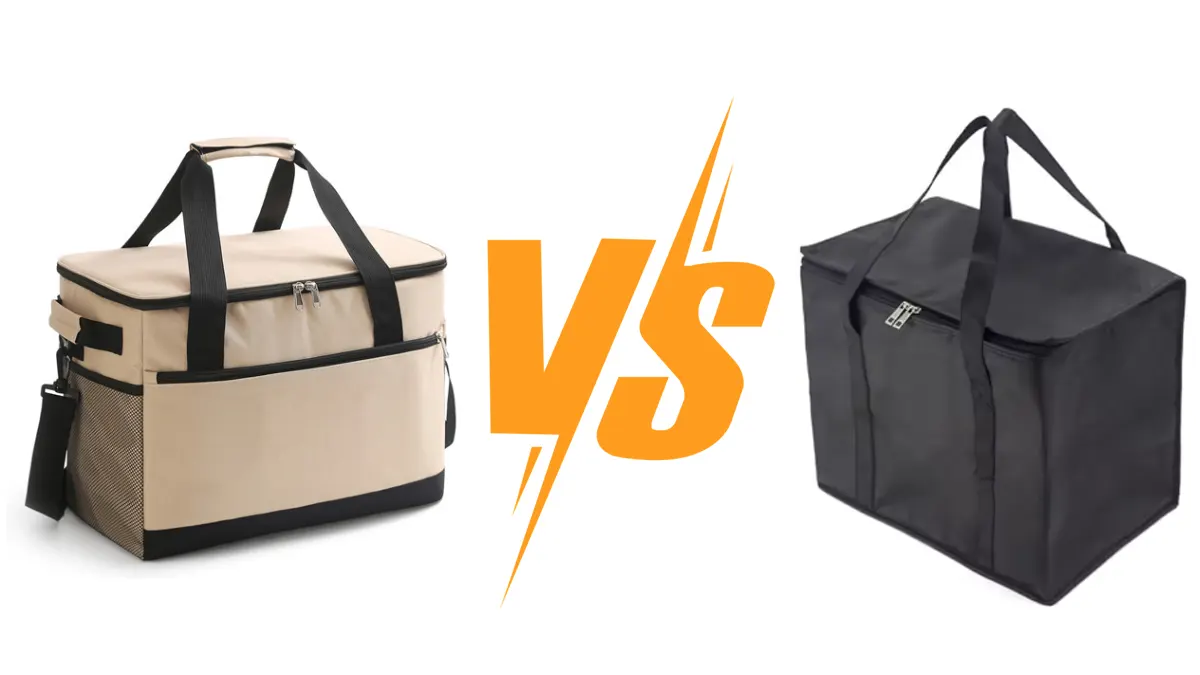
You probably notice that cooler bags and thermal bags both keep food at the right temperature. They might look similar, but they work differently. Cooler bags help you keep drinks and snacks cold for a long time. Thermal bags do a great job holding heat and can also keep things cool for shorter trips. If you buy for a business, knowing the cooler bag vs thermal bag differences helps you make the best choice for your needs.
Key Takeaways
- Cooler bags keep things cold for a long time. They are great for outdoor trips and food delivery.
- Thermal bags keep hot food warm for short times. They are good for food delivery and catering.
- When picking a bag, look at the insulation thickness. Cooler bags with thick insulation hold temperatures better.
- Use a cooler bag if you need to keep things cold for a long time. Use a thermal bag for quick and daily use.
- Pick bags with waterproof linings to stop leaks. This also makes cleaning up spills easier.
- Adding your logo to bags helps people see your brand. It also makes customers remember you.
- Check the size and space of the bag. Make sure it fits what you need, like single meals or big orders.
- Always cool cooler bags and their items before use for best results. Heat up thermal bags first to keep food warm longer.
What Is a Thermal Bag
Definition and Use
You see thermal bags everywhere in the food world. If you order pizza or get takeout, your food probably arrives in one of these insulated bags. A thermal bag is an insulated bag that keeps hot food hot and sometimes cold food cold for short trips. You use thermal bags when you want to keep meals warm, like during food delivery, catering, or even when you bring lunch from home. These insulated bags work best for quick trips or when you need to hold heat for a short time.
Thermal bags are super popular in food delivery and catering. Here’s why you might use them:
- You want hot food to stay hot until it reaches your customer.
- You need to deliver meals quickly and keep them fresh.
- You want to keep groceries or takeout at the right temperature for a short ride.
Thermal bags add an extra layer of heat-retaining material. This layer, along with an airtight design, traps heat inside. You get food that stays hot and fresh, even if you have to drive across town.
Note: In food delivery and grocery, thermal bags also help with loading speed, keeping different foods separate, and making cleaning up after spills easier. The closure and size of the insulated bag can affect how much heat escapes, so you want to pick the right one for your needs.
Common Materials
You find several materials in thermal bags. Each one helps with insulation and makes the bag strong and easy to clean. The most common materials include:
- CooLiner material: This combines reflective metalized films and non-conductive air bubbles. It keeps heat from escaping.
- Advanced bubble layer: This layer has air pockets that stop heat from moving out of the insulated bag.
- Reflective foil layer: This shiny layer reflects heat back inside, so your food stays warm.
These materials work together to give you stronger insulation. You get an insulated bag that holds heat well and stands up to daily use.
Insulation Structure
The insulation structure in thermal bags is all about keeping heat in. You see an extra layer of heat-retaining material, like thermal flannel or heat-reflective batting. This layer sits between the outer shell and the inner lining. The airtight design stops heat from leaking out. That means your food stays hot longer.
Let’s compare the insulation structure of thermal bags and cooler bags:
| Bag Type | Insulation Structure | Purpose |
|---|---|---|
| Thermal Bags | Additional layer of heat-retaining material | Retain heat |
| Cooler Bags | Thicker insulation | Maintain cold |
Thermal bags focus on heat retention. Cooler bags use thicker insulation to keep things cold for a long time. You pick thermal bags when you want to deliver hot food fast. You choose cooler bags for long outdoor trips with cold drinks and snacks.
Thermal insulation in these insulated bags makes a big difference. You get reliable performance for food delivery, catering, or any time you need to keep meals hot. If you want an insulated bag that does the job for short trips and hot food, thermal bags are your best bet.
B2B Applications
You see thermal bags everywhere in the business world, especially if you work with food. These bags play a huge role in making sure your customers get hot, fresh meals every time. If you run a restaurant, catering company, or food delivery service, you know how important it is to keep food at the right temperature. That’s where thermal bags come in.
Thermal bags are designed for food delivery and catering. You use them to keep hot food hot while you move it from your kitchen to your customer’s door. This is super important for short trips or when you need to deliver food fast. You don’t want your pizza or soup to get cold before it arrives. With a good thermal bag, you keep your food warm and your customers happy.
If you work with a delivery platform like Uber Eats, you probably use a thermal bag every day. These bags help you keep food orders at the right temperature during transit. They also protect the food from bumps and spills. You want your food to look and taste great when it arrives. A thermal bag helps you do that.
Let’s look at some common B2B uses for thermal bags:
- Food Delivery Services: You use thermal bags to deliver hot meals, pizza, or takeout. The bag keeps the food warm and safe.
- Catering Companies: You transport large orders for events, meetings, or parties. The bag helps you keep everything hot until it’s time to serve.
- Grocery Delivery: You use thermal bags to keep frozen or hot items at the right temperature for short trips.
- Meal Prep Businesses: You deliver pre-cooked meals to customers. The bag keeps the food fresh and ready to eat.
- Supermarkets and Retailers: You offer thermal bags to customers for hot deli items or for keeping groceries cool on the way home.
Tip: If you want to stand out, you can add your company logo to your thermal bags. This helps with branding and makes your business look professional.
Here’s a quick table to show how different businesses use thermal bags:
| Business Type | How You Use Thermal Bags |
|---|---|
| Food Delivery | Keep takeout hot and protected during transit |
| Catering | Transport large hot orders to events |
| Grocery Delivery | Maintain temperature for perishables |
| Meal Prep Services | Deliver ready-to-eat meals |
| Supermarkets/Retailers | Offer bags for hot or cold groceries |
You can see that thermal bags are not just for restaurants. Many businesses use them to make sure food stays hot, safe, and tasty. If you want to keep your customers happy and your food at the right temperature, you need the right thermal bag for your business.
What Is a Cooler Bag
Definition and Use
You see cooler bags when people want to keep things cold. These insulated bags are great for picnics, the beach, and road trips. Cooler bags have thick insulation that keeps food and drinks cold for hours. You use a cooler bag to keep your lunch fresh or your drinks icy. These bags are good for outdoor fun, sports, and grocery shopping.
Cooler bags are not just for fun times. People use them at work, too. Catering companies use cooler bags to move cold food. Medical teams use insulated bags for vaccines and medicine. Stores sell cooler bags to help shoppers keep groceries cold. Companies also put their logos on cooler bags for giveaways.
Here’s a quick look at how cooler bags fit into different parts of your life:
| Use Case | Description |
|---|---|
| Recreational Outings | Cooler bags keep food fresh during picnics, beach trips, camping, and fishing. |
| Daily Essentials | Used for transporting lunch and groceries, ensuring items remain at safe temperatures. |
| Sports and Fitness | Ideal for athletic events and gym use, keeping drinks and snacks cool. |
| Professional Applications | Essential for catering and medical transport, maintaining optimal temperatures for food and vaccines. |
| Travel and Adventure | Convenient for road trips and water sports, providing easy access to snacks and drinks without bulk. |
| Marketing Uses | Companies use customized cooler bags for promotional purposes, enhancing brand visibility. |
Common Materials
You want your cooler bag to last and keep things cold. Cooler bags are made with strong materials. The outside is usually polyester, nylon, or Oxford fabric. These materials make the bag tough and hard to rip. Polyester comes in different types, like 210D, 420D, and 600D. Oxford fabric is strong and has a nice feel. Nylon is good because it does not tear easily.
The insulation core is very important. Cooler bags use PE foam, EPE foam, XPE foam, or PU foam. PE foam is light and cheap. EPE foam bends and helps protect things inside. XPE foam is thick and lasts a long time. PU foam keeps cold in very well. These foams help cooler bags keep cold air inside.
Inside the bag, there is a lining made from PEVA, PVC, or EVA. PEVA is safe for food and bends easily. PVC keeps water out. EVA is soft and bends well. Some cooler bags use aluminum foil film to reflect heat.
Here’s a table showing the layers and materials in cooler bags:
| Cooler Bag Layer | Common Materials | Primary Function |
|---|---|---|
| Outer shell | Polyester, nylon, Oxford fabric | Strength and abrasion resistance |
| Insulation core | PE foam, EPE foam, XPE foam | Temperature control |
| Reflective layer | Aluminum foil or metallized film | Heat reflection |
| Inner lining | PEVA, PVC, EVA | Waterproof interior |
| Reinforcement parts | Webbing, zippers, piping | Load bearing and structure |
Insulation Structure
Cooler bags keep things cold for a long time. The insulation structure is what makes this happen. Cooler bags use foam with tiny air bubbles. This foam slows down heat from getting in. High-density foam can keep things cold for up to 24 hours.
Thick closed-cell foam stops heat from moving through the bag. Reflective liners bounce heat away. Airtight closures keep warm air out and cold air in. All these parts work together to keep your food and drinks cold.
Cooler bags stop heat in three ways: Foam insulation slows heat, reflective surfaces block heat, and good linings and closures keep air from moving in or out.
You get a bag that keeps food and drinks cold, even on hot days. Cooler bags are great for anyone who needs to keep things cold, whether you are outside or delivering cold food.
B2B Applications
You may think cooler bags are just for fun trips. But in business, cooler bags do a lot more. If you run a grocery store or meal kit service, you need to keep food fresh and safe. Cooler bags help you do this every day.
Grocery stores use cooler bags for delivery and pickup. When you pack groceries, you must keep cold, frozen, and room-temperature foods apart. Cooler bags make this simple. You can put ice cream, milk, and frozen meals in one bag. They stay cold until your customer gets home. This means food stays fresh and customers are happy. Meal kit companies use cooler bags to keep food cool during shipping.
Cooler bags also help beverage companies at events and with subscriptions. If you give out drink samples or send drinks in a box, you want them to stay cold. Cooler bags keep drinks cool, even when it is hot outside. Customers enjoy their drinks more, and your brand looks good.
Healthcare and biotech companies use cooler bags for special shipments. If you send vaccines, medicine, or lab samples, you need to keep them at the right temperature. Cooler bags help stop temperature changes that can ruin these items. You can trust cooler bags to protect your shipment from start to finish.
Here’s a quick look at how different businesses use cooler bags:
| Application | Why Demand Rises | What the Bag Must Do | Buyer Outcome |
|---|---|---|---|
| Grocery and meal kits | More fresh delivery and pickup | Separate chilled, frozen, and ambient goods | Fewer complaints, better freshness |
| Biotech and healthcare | More sensitive direct shipments | Support controlled pack-outs and evidence | Lower excursion risk |
| Beverage and events | More branded sampling and subscriptions | Keep drinks presentable and cool | Better customer experience |
Cooler bags are also great for catering, outdoor events, and medical transport. You can buy cooler bags with your logo for gifts or promotions. Many companies pick custom cooler bags to match their brand colors and style.
Tip: If you want to make customers happy, pick a cooler bag with thick insulation and a leak-proof lining. This keeps food and drinks cold longer and makes cleaning up easy.
Cooler bags give your business many uses. You can use them for deliveries, events, or as gifts for loyal customers. When you choose the right cooler bag, you show you care about quality and freshness. Cooler bags help you build trust and keep your products at the right temperature every time.
Cooler Bag vs Thermal Bag: Key Differences
Function and Insulation
When you look at cooler bags and thermal bags, you notice they work differently. Cooler bags are made to keep things cold for a long time. They use thick insulation to keep drinks and snacks cold for hours. You can use a cooler bag for picnics or outdoor trips. Cooler bags have layers of dense foam and shiny liners. These layers slow heat and help keep things cold.
Thermal bags are good for short trips. They use lighter materials and thinner insulation. You grab a thermal bag to keep lunch warm or groceries cool for a little while. The insulation works for everyday use, but not for all-day cooling. Thermal bags are easy to carry and light, but they do not keep things cold as long.
Here are the main points:
- Cooler bags have thick insulation and strong materials. They keep things cold for outdoor use.
- Thermal bags are light and have thin insulation. They work for short cooling or keeping food hot for a short time.
If you need to keep things cold for a long time, pick a cooler bag. If you want something light for daily use, choose a thermal bag.
Intended Use
You may wonder where each bag works best. Cooler bags are great when you need strong cooling. You use them for camping, beach days, catering, or delivering cold food and drinks. Many companies use cooler bags to keep products cold during delivery. Cooler bags can show your logo and colors for your business.
Thermal bags are best for short trips and daily tasks. You use them for lunch, takeout, or quick grocery runs. They are easy to carry because they are light. You see thermal bags in food delivery, mostly for hot meals or short cooling. They are good for commuters and shoppers who need quick temperature control.
Here is a list to show the difference:
- Cooler bags: Outdoor fun, long cooling, catering, grocery delivery, promotions, medical transport.
- Thermal bags: Lunch, takeout, short grocery trips, quick food delivery, daily commuting.
Pick a cooler bag for cooling and cold retention for hours. Choose a thermal bag for light weight and short-term use.
Structure and Materials
The way cooler bags and thermal bags are made is different. Cooler bags have many layers. The outside is tough, like Oxford cloth or canvas. Inside, there is thick PE foam for insulation. The lining is waterproof and easy to clean. Some cooler bags have a shiny aluminum film to block heat. This design keeps things cold for a long time.
Thermal bags use lighter materials. The outside is usually nonwoven fabric or polyester. The insulation is a thin layer of EPE foam. A shiny aluminum film helps with basic insulation. This makes the bag light and easy to carry. Thermal bags are good for short trips, but not for all-day use.
Here is a simple table to show the structure:
| Feature | Cooler Bag | Thermal Bag |
|---|---|---|
| Outer Material | Oxford cloth, canvas | Nonwoven fabric, polyester |
| Insulation Layer | Thick PE foam | Thin EPE foam |
| Lining | Waterproof, easy to clean | Basic, reflective aluminum film |
| Layers | Multi-layer for better cooling | Fewer layers for light weight |
| Durability | High, for outdoor and heavy use | Moderate, for daily short-term use |
Cooler bags are made to last and keep things cold for a long time. Thermal bags are made to be light and easy for daily use. If you need a strong bag that keeps things cold, pick a cooler bag. If you want a light bag for quick trips, pick a thermal bag.
Insulation Thickness
When you pick a bag to keep things hot or cold, insulation thickness matters a lot. Cooler bags use thick foam to trap cold air inside. This thick layer slows down heat from getting in. You get longer cooling times for your food and drinks. Thermal bags use thinner foam. They work well for short trips but do not hold temperature as long.
You can see how foam thickness changes performance in this table:
| Foam Thickness | How Much Heat Gets In | How Much Longer It Stays Cold* |
|---|---|---|
| 5 mm | Baseline | — |
| 10 mm | 30% less | 30% longer |
| 15 mm | 50% less | 60% longer |
| 20 mm | 70% less | 80% longer |
*The thicker the foam, the better your bag holds the temperature. If you need to keep things cold all day, choose a cooler bag with thick insulation. For quick trips, a thermal bag with thin foam works fine.
Lining and Waterproofing
The lining inside your bag keeps spills in and makes cleaning easy. Cooler bags often use PEVA or food-safe plastic. This material bends easily and wipes clean. You can use it for food and drinks without worry. Some bags use Mylar, a shiny, strong material. Mylar works for both hot and cold items. It helps reflect heat and keeps your food at the right temperature.
Here’s a quick look at common lining materials:
| Material Type | What It’s Like | Why It’s Good For You |
|---|---|---|
| PEVA | Soft, light, easy to clean | Great for cooler bags, safe for food |
| Mylar | Shiny, tough, reflects heat | Works for hot and cold, easy to wipe |
| Foam | Thick, dense, holds shape | Keeps drinks cold longer, adds structure |
You want a bag that does not leak. Fully waterproof bags use laminated fabrics, welded seams, and special zippers. These features stop leaks, even if you carry hot soup or ice. Bags without sealed seams might leak if you tip them over. If you deliver hot food, look for a bag with a high-grade foam and a reflective lining. This combo keeps food hot and stops spills.
Tip: Choose a bag with a waterproof lining if you want easy cleaning and no mess.
Capacity and Portability
You need the right size bag for your job. Cooler bags come in many sizes. You can find small lunch bags or big totes for parties. Large cooler bags hold lots of drinks and snacks. They have strong handles and thick straps. Some even have wheels for heavy loads. These bags are great for outdoor events, catering, or grocery runs.
Thermal bags are usually lighter and smaller. You can fold them flat when you do not use them. They fit in your backpack or car. You grab a thermal bag for lunch, takeout, or a few groceries. The light weight makes them easy to carry every day.
Here’s what you get with each type:
- Cooler bags: Big sizes, strong handles, sometimes wheels, good for heavy loads.
- Thermal bags: Light, easy to fold, simple to carry, best for small meals or short trips.
If you need to carry a lot, pick a cooler bag. If you want something light for daily use, a thermal bag is your best friend.
Cleaning and Maintenance
You want your bag to stay clean and last longer. Cleaning is important when you compare cooler bags and thermal bags. Cooler bags have thick linings and waterproof materials. You can wipe them with a wet cloth. Some let you rinse the inside with water. If you spill juice or food, just wipe it up. The strong lining stops smells and stains from sticking.
Thermal bags are lighter and often have softer linings. You can clean them with a cloth, but be gentle. Some thermal bags fold up small, so you can shake out crumbs or wipe inside. If you use your bag every day, you want easy cleaning. Cooler bags handle tough messes better. Thermal bags are good for light use and quick cleaning.
Here are some tips to keep your bag fresh:
- Empty your bag after each use.
- Wipe the inside with a damp cloth.
- Let the bag air dry before storing it.
- For cooler bags, check for leaks or cracks in the lining.
- For thermal bags, do not soak the bag in water.
Tip: If you use your bag for food delivery or groceries, pick one with a seamless or welded liner. This makes cleaning easier and keeps germs away.
Price Factors
You want to know what changes the price when you pick a cooler bag or thermal bag. Cooler bags usually cost more money. They use thick insulation, strong fabrics, and extras like padded handles or wheels. You pay more for better temperature control and longer use. If you need a bag for outdoor trips, the extra cost is worth it.
Thermal bags cost less. They use lighter materials and simple designs. You get good value for daily use, lunch, or short deliveries. If you buy many for your business, thermal bags help you save money. You can also find many choices for custom printing and logos.
Here’s what can change the price:
- Insulation thickness: Thicker foam costs more.
- Outer material: Stronger fabrics raise the price.
- Size and capacity: Bigger bags cost more.
- Extra features: Wheels, pockets, and special closures add to the price.
- Branding: Custom logos or colors may increase the cost.
Note: If you need high performance and long use, buy a quality cooler bag. For light, everyday use, a thermal bag gives you good value.
Comparison Table
You want a quick way to see the differences. This table shows the main points for business buyers. You can compare function, insulation, materials, structure, and portability at a glance.
| Comparison Dimension | Cooler Bag | Thermal Bag (Insulated Lunch Bag) |
|---|---|---|
| Core Function | Long-term temperature retention (cold/hot) | Short-term temperature maintenance |
| Insulation Thickness | 8-15mm high-density foam | 3-5mm thinner insulation |
| Insulation Duration | 6-24+ hours (with ice packs) | 2-4 hours |
| Typical Capacity | 10L to 50L+ (group size) | 3L to 10L (single serving) |
| Target Users | Groups, families, outdoor use, events | Individuals, office, students, delivery |
| Outer Material | Oxford cloth, TPU, PVC | Polyester, SBR, RPET |
| Inner Lining | Food-grade PEVA, welded liner | Aluminum foil, food-grade PEVA |
| Structure | Semi-rigid, reinforced base | Soft, foldable, easy to store |
| Closure System | Double seal, drain valves | Simple zipper or magnetic clasp |
| Carrying Method | Handles, shoulder straps, wheels | Top handle, sometimes shoulder strap |
| Additional Features | Compartments, mesh pockets, ice brick slots | Utensil pouch, name tag |
| Bag Weight | 500g to 3kg+ | 150g to 400g |
| Foldability | Partially foldable | Highly foldable |
| Water Resistance | Water-proof | Water-resistant |
| Leak-proof Design | Welded seams, drain valves | Welded or stitched liner |
| Portability | Good for heavy loads, less compact | Excellent, light, easy to carry |
You can see cooler bags are best for long cooling, strength, and extra features. Thermal bags are lighter and easy to carry. Think about what you need and how you will use the bag. This will help you pick the right one for your business.
Performance Comparison
Keeping Food Hot
You want your food to stay hot until you’re ready to eat. Thermal bags do a great job here. They use reflective linings and foam to trap heat inside. You can deliver pizza, soup, or hot meals and keep them warm for hours. Cooler bags also help with heat retention, but they focus more on cooling. If you need to keep food hot for a short time, thermal bags are your best choice.
Let’s look at how long different bags keep food hot:
| Type of Insulated Bag | Duration to Keep Food Hot |
|---|---|
| Small lunch-style bags | ~2–4 hours |
| Medium cooler bags | ~4–6 hours |
| Large coolers | Up to 12 hours or more |
Thermal bags work well for food delivery and catering. You grab a thermal bag when you want your meal to stay hot during a quick trip. Cooler bags can keep food hot, but they shine when you need longer cooling performance. If you run a restaurant or deliver hot meals, thermal bags give you reliable heat retention.
Tip: For best results, preheat your thermal bag before loading hot food. This simple step boosts heat retention and keeps meals warmer longer.
Keeping Items Cold
You need strong cooling when you transport cold drinks, snacks, or perishable goods. Cooler bags are built for this job. They use thick foam and airtight seals to lock in cold air. You can keep food and drinks cold for hours, even days, with the right bag. Cooling performance depends on insulation thickness and bag design.
Here’s what you get with cooler bags in commercial use:
- Perishable goods stay fresh for up to 48 hours in transit without refrigeration.
- Dry ice maintains cold temperatures for 18-24 hours in a well-insulated cooler bag.
- Dry ice typically lasts 18-24 hours, depending on insulation quality and outside temperature.
Cooler bags deliver extended cooling duration for outdoor events, grocery delivery, and medical transport. You can trust high-performance models to keep items cold for long trips. Thermal bags offer basic cooling for short periods, but cooler bags provide stronger cooling performance and longer cooling performance.
Note: Always pre-chill your cooler bag and contents for maximum cooling. This step adds extra hours to your cooling performance.
Factors Affecting Performance
You want your insulated bag to work well every time. Several factors impact cooling and heat retention in real-world use. If you pay attention to these, you get better performance comparison and results.
Here are the main factors:
- Quality of insulation materials: High-density foam and reflective linings delay heat transfer and improve cooling performance.
- Ambient temperature: Cooler outside temperatures help maintain the desired internal temperature. Hot weather can reduce cooling.
- Pre-cooling practices: Pre-chilling the bag and contents boosts cooling performance and adds extra time for cold retention.
- Seal integrity: Proper sealing keeps warm air out and cold air in. A tight seal is crucial for longer cooling performance.
If you want your bag to perform well, choose one with thick insulation and a strong seal. Pre-chill your bag and contents before use. Avoid opening the bag too often, as this lets warm air in and reduces cooling. You get better cooling and heat retention when you follow these steps.
Tip: For best cooling performance, pick a bag with high-density foam, reflective lining, and welded seams. These features help you keep food and drinks at the right temperature for longer.
B2B Performance Scenarios
You want your business to deliver food or products at the right temperature every time. The type of bag you choose can make or break your service. Let’s look at how cooler bags and thermal bags perform in real B2B situations.
If you run a food delivery service, you know speed and temperature matter. Thermal bags shine when you need to keep hot food hot. The reflective foil lining in these bags pushes heat back into the food. Your pizza or soup stays warm, even if you drive across town. You can trust thermal bags for long-distance trips. They keep food hot for up to 6 or even 12 hours. This means fewer complaints and happier customers.
Cooler bags work best when you need strong cooling for cold items. If you deliver groceries, meal kits, or drinks, you want everything to stay cold. Cooler bags use thick foam and airtight seals. These features lock in cold air and slow down warming. You can keep items cold for up to 24 hours with the right bag and ice packs. This is perfect for long delivery routes or outdoor events.
Here’s how performance needs change for different B2B buyers:
- Restaurants and caterers use thermal bags for hot food delivery. They want food to arrive hot and fresh.
- Grocery stores and meal kit companies use cooler bags for cooling. They need to keep frozen and chilled items safe during transport.
- Beverage brands use cooler bags at events. They want drinks to stay cold for hours, even in the sun.
- Medical and biotech companies use cooler bags for cooling sensitive products like vaccines.
Note: Insulated bags are great for short trips, like grocery runs. They keep food at the right temperature for 2 to 4 hours. For longer trips, thermal bags give you better temperature control and less spoilage.
You also need to think about cost. Thermal bags cost 20-30% more than basic insulated bags. But you get a better return on investment. You lose less food to spoilage and keep your customers happy. Cooler bags may cost less, but they give you strong cooling for cold items.
Let’s compare the two in a simple table:
| Scenario | Best Bag Type | Why It Works Well |
|---|---|---|
| Hot food delivery (long trips) | Thermal Bag | Reflects heat, keeps food hot for up to 12 hours |
| Grocery delivery (cold/frozen) | Cooler Bag | Thick foam, strong cooling for up to 24 hours |
| Event beverage service | Cooler Bag | Maintains cooling for drinks in outdoor settings |
| Short grocery runs | Insulated Bag | 2-4 hours of temperature maintenance |
| Catering large events | Thermal Bag | Holds heat for big orders and long distances |
You want to match your bag to your business needs. If you deliver hot meals, invest in thermal bags for the best results. If you need cooling for cold items, choose cooler bags with thick insulation. This way, you keep your products safe and your customers satisfied.
Material Differences
Outer Layer Options
When you pick a cooler bag or a thermal bag, the outer layer matters a lot. This layer protects your bag from scratches, sunlight, and daily bumps. You want a bag that lasts, so the fabric choice is important.
Most cooler and thermal bags use polyester or nylon. Polyester is popular because it balances cost and strength. You see it in many grocery totes and lunch bags. Nylon is even tougher. It resists tears, so you find it in premium insulated bags. Oxford fabric gives a textured feel and extra durability, perfect for outdoor use.
Here’s a quick table to help you compare:
| Fabric Type | Key Features | Typical Applications |
|---|---|---|
| 210D Polyester | Lightweight, affordable | Promotional cooler bags |
| 420D Polyester | Stronger durability | Lunch cooler bags |
| 600D Polyester | Balanced strength/weight | Grocery cooler totes |
| Oxford Fabric | Textured, very durable | Outdoor cooler bags |
| Nylon Fabric | High tear resistance | Premium insulated bags |
The outer shell keeps your bag looking good and working well, even after many uses.
Insulation Materials
The insulation inside your bag does the real work. It keeps your food hot or cold by blocking heat from moving in or out. You want the right insulation for your needs.
- EPE foam is common in lunch bags and grocery coolers. It keeps things cold for 4–8 hours.
- PU foam is thicker and stronger. You find it in hard coolers and high-end soft coolers. It can keep items cold for up to 72 hours.
- EVA foam sits in the middle. It works well for delivery totes and keeps things cool for 10–24 hours.
Modern bags often use layers. Closed-cell foam traps air and slows heat. Some bags add a shiny aluminum foil layer. This reflects heat away and boosts cooling power. High-performance bags may even use vacuum panels or special gels for medical or sensitive items.
If you need long-lasting cold, look for thicker foam or extra layers.
Inner Lining Types
The inner lining touches your food and drinks. You want it to be safe, easy to clean, and good at keeping the right temperature.
- PEVA is a top choice. It’s food-safe, waterproof, and blocks moisture and oils. It’s also BPA-free and easy to wipe clean.
- Aluminum foil linings reflect heat. They help keep your food cold by bouncing heat away from the inside.
- Reflective linings are great for sunny days. They stop heat from getting in and help your bag stay cool.
- Waterproof linings make cleaning simple. They also stop bacteria from growing inside your bag.
Choose a bag with a food-safe, waterproof lining for the best results. This keeps your food fresh and your bag easy to clean.
Material Comparison Table
You want to see the differences between cooler bags and thermal bags at a glance. A comparison table makes this easy. You can spot what sets each bag apart and decide which one fits your needs best.
Here’s a simple table that breaks down the main material features:
| Component | Thermal Bag (Insulated Bag) | Cooler Bag |
|---|---|---|
| Outer Material | Lightweight fabrics like nonwoven or polyester | Thicker woven materials like Oxford cloth or canvas |
| Insulation Layer | Thin EPE foam plus aluminum reflective layer | Thick PE foam for enhanced cold retention |
| Inner Layer | Aluminum film directly applied, rarely waterproof | Waterproof liner (PEVA or PVC) to block condensation |
| Overall Structure | Thin, lightweight, easy to store | Thick and sturdy, ideal for extended cooling use |
Let’s break down what this means for you:
- Outer Material: If you want a bag that feels light and folds up small, you’ll like thermal bags. They use nonwoven or polyester fabric. Cooler bags use Oxford cloth or canvas. These fabrics feel thicker and tougher. They stand up to heavy use and outdoor trips.
- Insulation Layer: Thermal bags use a thin layer of EPE foam with a shiny aluminum layer. This combo works for short trips and quick deliveries. Cooler bags use thick PE foam. This foam keeps cold in for a long time. You get better cooling for picnics, events, or long drives.
- Inner Layer: You’ll see aluminum film inside most thermal bags. It helps reflect heat but does not always stop leaks. Cooler bags use a waterproof liner like PEVA or PVC. This liner blocks water and makes cleaning easy. You don’t have to worry about spills or melted ice.
- Overall Structure: Thermal bags feel light and fold flat. You can store them anywhere. Cooler bags feel sturdy and hold their shape. They work best when you need to keep things cold for hours.
Tip: If you need a bag for daily lunch or quick food delivery, a thermal bag is a smart pick. If you want to keep drinks cold all day or carry heavy loads, go for a cooler bag.
You can use this table to match your needs with the right bag. Think about how you’ll use the bag, what you’ll carry, and how long you need to keep things hot or cold. The right material makes your job easier and keeps your food safe.
Cooler Bag Uses
Outdoor and Events
You know how much fun outdoor activities can be. When you plan picnics, camping trips, or family gatherings, you want your food and drinks to stay fresh. Cooler bags make outdoor use simple and stress-free. You can pack sandwiches, fruit, and cold drinks for picnics. These bags keep everything cool, even when the sun is out. If you love hiking or fishing, you can trust a cooler bag to keep snacks safe during your outdoor adventures.
Cooler bags are perfect for outdoor events like sports games, concerts, and festivals. You can bring your favorite snacks and drinks without worrying about them getting warm. Many people use cooler bags for company picnics or team-building days. You can carry enough food for everyone and enjoy your time outside. Cooler bags also work well for family reunions and birthday parties in the park. You get to focus on fun, not on spoiled food.
Tip: Choose a cooler bag with thick insulation for the best results during outdoor use. Your food and drinks will stay cold all day.
Food and Beverage Transport
You often need to move food and drinks from one place to another. Cooler bags help you do this with ease. If you run a catering business or deliver meals, you know how important it is to keep items at the right temperature. Cooler bags are strong enough for outdoor activities and daily transport. You can use them for school lunches, work snacks, or even for bringing cold drinks to a friend’s house.
When you plan picnics, you want everything to stay fresh. Cooler bags let you pack salads, sandwiches, and drinks for outdoor use. You can also use them for road trips or long drives. Your snacks stay cool, and you don’t have to stop for ice. Many people use cooler bags for outdoor activities like fishing, boating, or hiking. You get to enjoy your adventure without worrying about spoiled food.
Retail and Supermarket
Cooler bags are popular in retail and supermarkets. You see them near the checkout or in the frozen food aisle. Stores offer cooler bags so you can keep groceries cold on the way home. This is helpful for outdoor use, especially if you shop on hot days or have a long drive. Many supermarkets use cooler bags for grocery delivery and pickup. You get your frozen foods and dairy products home safely.
Businesses also use cooler bags for outdoor events and promotions. You might get a branded cooler bag at a trade show or company picnic. These bags are great for outdoor activities and make your brand stand out. Companies use cooler bags for employee appreciation, client gifts, and wellness campaigns. Here’s a quick look at common B2B uses:
| Use Case | Description |
|---|---|
| Employee appreciation | Lunch cooler bags are ideal for teams, hybrid workers, and healthcare staff bringing meals. |
| Client gifting | Premium bags can be combined with snacks and gifts for client appreciation. |
| Trade shows | Compact cooler totes are effective for giveaways at events hosted by food and beverage brands. |
| Company picnics | Larger insulated totes are useful for family-friendly events and team-building activities. |
| Wellness campaigns | Lunch-size bags complement health initiatives and meal-prep themes for employees. |
You can see cooler bags fit many needs. You use them for outdoor activities, shopping, and business events. They make life easier and keep your food safe.
Promotional Uses
You want people to notice your brand. Cooler bags can help with this. These bags are great for promoting any business. You can put your logo or a fun picture on the bag. When people use your cooler bag at the park or beach, others see your brand. This gives you free advertising.
Lots of companies give cooler bags away at events. You might get one at a trade show, sports game, or company picnic. People like getting things they can use. A cooler bag is not just a present. People use it again and again. Every time they pack lunch or drinks, they think of your business.
You can give cooler bags for:
- Customer thank-you gifts
- Employee prizes
- Contest rewards
- Welcome gifts for new clients
- Event handouts
Cooler bags are good for many types of businesses. Food and drink brands use them to show off new products. Health companies use them for fitness events. Even banks and insurance companies give out cooler bags at community events.
Tip: Pick bright colors or cool shapes for your cooler bags. This makes your brand easy to see in a crowd.
You can also use cooler bags in a loyalty program. Customers earn points and trade them for a cooler bag with your logo. This makes them want to come back to your business. Cooler bags are useful, so people keep them for a long time. Your brand gets seen again and again.
Use Case Table
You want to see how cooler bags help in different ways. This table shows how people use cooler bags for work and fun.
| Use Case | Who Uses It | Why It Works Well |
|---|---|---|
| Outdoor Events | Families, groups | Keeps food and drinks cold for hours |
| Food Delivery | Restaurants, caterers | Maintains safe temperature during transport |
| Grocery Shopping | Shoppers, stores | Protects frozen and chilled items |
| Employee Gifts | Companies | Useful, branded, boosts morale |
| Trade Show Giveaways | Marketers | Promotes brand, attracts attention |
| Client Appreciation | Service businesses | Shows care, leaves a lasting impression |
| Sports and Fitness | Teams, athletes | Keeps drinks cool during activities |
| Medical Transport | Healthcare providers | Safeguards temperature-sensitive items |
You can see cooler bags are helpful in many ways. Pick the use that works best for your business. Cooler bags keep things cool and make your brand stand out!
Thermal Bag Uses
Food Delivery
You see thermal bags everywhere in food delivery. When you order pizza or takeout, your meal arrives hot because of these bags. You want your customers to enjoy their food just like it came out of the kitchen. Thermal bags trap heat inside and keep meals fresh. Delivery drivers love them because they are light and easy to carry. You can fit several orders in one bag. This makes delivery faster and keeps food safe.
Many restaurants use thermal bags for both hot and cold items. You can separate drinks, desserts, and main dishes. This helps you avoid spills and keeps everything at the right temperature. If you run a food delivery business, you need thermal bags for every order. They help you get good reviews and happy customers.
Tip: Preheat your thermal bag with a hot towel before loading food. This keeps meals warmer for longer.
Lunch and Catering
You want your lunch to stay warm until you eat. Thermal bags make this easy. You can pack a hot sandwich, soup, or leftovers in the morning. At lunchtime, your meal is still warm and tasty. Kids use thermal bags for school lunches. Workers use them for office meals. You can even use a thermal bag for picnics or road trips.
Catering companies use thermal bags for big orders. You can deliver trays of food to parties, meetings, or events. The bags keep everything hot and ready to serve. You do not have to worry about food getting cold during transport. Some thermal bags have dividers for different dishes. This keeps your food organized and safe.
Here are some ways you can use thermal bags for lunch and catering:
- Pack hot lunches for school or work.
- Deliver meals for office meetings.
- Transport food for parties and events.
- Keep dishes warm for family gatherings.
Grocery and Retail
You want your groceries to stay fresh on the way home. Thermal bags help you do this. You can use them for hot rotisserie chicken, frozen foods, or ice cream. The bag keeps cold items from melting and hot items from cooling down. Grocery stores often sell or give away thermal bags to shoppers. You can reuse them every week.
Retailers use thermal bags for special promotions. You might get a free bag with a big purchase. Some stores use thermal bags for online grocery pickup. Your order stays at the right temperature until you pick it up. If you run a store, you can add your logo to the bag. This turns every shopper into a walking ad for your business.
A thermal food carrier works well for both hot and cold groceries. You get more value from one bag. You also help the environment by using fewer plastic bags.
| Grocery Item | Why Use a Thermal Bag? |
|---|---|
| Ice Cream | Stops melting on the way home |
| Hot Chicken | Keeps food warm and ready to eat |
| Frozen Vegetables | Maintains safe temperature |
| Dairy Products | Prevents spoilage |
You can see thermal bags make shopping easier and safer for everyone.
Promotional Uses
You want your brand to stand out. Thermal bags can help you do that. These bags are not just for food delivery or groceries. You can use them as powerful promotional tools for your business. When you give away a thermal bag with your logo, people remember your brand every time they use it.
Many companies use thermal bags for marketing. You can hand them out at trade shows, community events, or as part of a customer loyalty program. People love getting something useful. A thermal bag is not just a freebie. It becomes part of their daily routine. They use it for lunch, shopping, or even picnics. Your brand travels with them everywhere.
You can choose bright colors or fun designs. This makes your bag easy to spot in a crowd. You can add your logo, a catchy slogan, or even a QR code. When people see your bag, they get curious about your business. You get free advertising every time someone carries your bag.
Here are some smart ways you can use thermal bags for promotions:
- Give them as gifts to new customers.
- Offer them as rewards in a loyalty program.
- Use them as prizes in contests or raffles.
- Hand them out at trade shows or community fairs.
- Include them in welcome kits for new employees.
Tip: Pick a thermal bag that matches your brand colors. A bold design makes your bag stand out and gets more attention.
Thermal bags also work well for seasonal promotions. You can create special designs for holidays or events. For example, you can offer a red and green bag for Christmas or a blue one for summer picnics. People love collecting different styles.
You can also partner with other businesses. For example, a grocery store can team up with a local restaurant. They can offer a co-branded thermal bag for special deals. This helps both brands reach more customers.
Thermal bags are eco-friendly, too. When you give out reusable bags, you show that your business cares about the environment. Customers appreciate this. They are more likely to support brands that help reduce waste.
You can see that thermal bags are more than just bags. They are a smart way to promote your business and build customer loyalty. Try adding thermal bags to your next marketing campaign. You will see how much people love them—and how much they remember your brand.
Choosing the Right Bag
Temperature Needs
You want your food or products to arrive at the perfect temperature. Start by thinking about what you need to keep hot or cold. If you deliver hot meals, you need a bag that holds heat well. If you transport frozen foods or cold drinks, you need a bag that keeps things icy for hours.
When you look at insulation, check the R-value. A higher R-value means better temperature retention. Some bags use thick foam that can keep items cold for up to 72 hours. Others use lighter foam for short trips. Always match the insulation to your delivery time and distance.
Here are some things to consider when choosing the right option for temperature control:
- What temperature do you need to maintain—hot, cold, or both?
- How long do you need to keep items at that temperature?
- Does the bag use thick, high-quality foam or just a thin layer?
- Can the bag handle long trips or only short runs?
If you want everyday convenience, pick a bag that matches your most common delivery needs. This way, you avoid spoiled food and unhappy customers.
Capacity and Size
Bag size matters more than you might think. If you pick a bag that is too big, you waste space and lose insulation power. If the bag is too small, you cannot fit everything you need. Always measure what you plan to carry before you buy.
Choosing the right option for capacity helps you save money and avoid problems. For group orders or catering, go for larger bags. For single meals or small deliveries, a compact bag works best. Some bags come with adjustable dividers, so you can organize different items inside.
Tip: A well-fitted bag keeps food at the right temperature and makes packing easier.
Material and Durability
You want a bag that lasts. Look at the outer material first. Strong fabrics like Oxford cloth or nylon resist tears and stand up to daily use. The inner lining should be waterproof and easy to clean. This helps you handle spills and keeps your bag fresh.
Durable bags give you more value over time. They hold up during busy days and rough handling. Everyday convenience comes from a bag that does not rip or leak after a few uses. If you deliver food or products every day, invest in a bag with reinforced seams and sturdy zippers.
Remember: Durable materials mean fewer replacements and better performance for your business.
Waterproofing and Cleaning
You want a bag that handles spills and messes without stress. Waterproofing matters a lot, especially if you carry soups, drinks, or ice. Cooler bags often use PEVA or PVC liners. These liners stop leaks and keep water from soaking through. Thermal bags may use aluminum foil or basic plastic. Some of these linings resist water, but not all do.
Cleaning your bag should be quick and easy. You can wipe most cooler bags with a damp cloth. Some even let you rinse the inside with water. Thermal bags with foil linings also clean up fast, but you need to be gentle. Avoid harsh scrubbing, which can damage the lining.
Here’s what to look for:
- Waterproof liner: Stops leaks and protects your car or workspace.
- Sealed seams: Prevents liquids from escaping through stitching.
- Easy-to-wipe surface: Saves time after spills or sticky foods.
Tip: Always empty your bag after use. Let it air dry to prevent smells and mold.
Budget and Order Size
You want the best value for your business. Start by thinking about your budget and how many bags you need. Cooler bags usually cost more because they use thicker insulation and stronger materials. Thermal bags cost less and work well for short trips or daily use.
If you order in bulk, you can save money. Many suppliers offer discounts for large orders. Custom printing or special features may add to the price, but they help your brand stand out.
Here’s a quick table to help you compare:
| Bag Type | Typical Price (Bulk) | Best For |
|---|---|---|
| Cooler Bag | $$–$$$ | Long-term, heavy-duty |
| Thermal Bag | $–$$ | Short trips, giveaways |
Think about your needs. If you want bags for promotions or single-use, thermal bags fit your budget. For long-lasting bags, invest in cooler bags.
Branding and Customization
You want your bags to show off your brand. Customization makes your business look professional and helps people remember you. Most suppliers let you add your logo, choose colors, or pick special features.
You can print your logo on the outside. You can pick bag colors that match your brand. Some bags offer extra pockets, special handles, or even custom shapes. These options help your bag stand out at events or in daily use.
Here are some ways to customize:
- Logo printing: Put your name front and center.
- Color choices: Match your company colors.
- Special features: Add pockets, zippers, or straps.
Note: Custom bags take longer to produce. Plan ahead if you need them for a special event or promotion.
Custom branding turns every bag into a moving ad for your business. When customers use your bag, they remember your service and tell others about you.
Decision Checklist Table
You want to make sure you pick the right insulated bag for your business. Sometimes, the choices feel overwhelming. A simple checklist helps you focus on what matters most. You can use this table to compare cooler bags and thermal bags before you place a bulk order.
Here’s a handy checklist table that shows the most important factors. Each factor has a weight, so you know which ones matter most when you make your decision.
| Factor | Weight (%) | What You Should Ask Yourself |
|---|---|---|
| Thermal fit for lane | 30 | Does the bag keep items at the right temperature? |
| Dimensional fit and packing speed | 20 | Will the bag fit your products and speed up packing? |
| Commercial terms and lead time | 15 | Are the price, payment, and delivery times acceptable? |
| Production consistency and QC confidence | 15 | Can you trust the quality and get consistent results? |
| Sustainability alignment | 10 | Does the bag meet your eco-friendly goals? |
| Supplier support and communication | 10 | Is the supplier easy to reach and helpful? |
You can see that thermal performance matters most. If the bag does not keep your food hot or cold, nothing else matters. Dimensional fit and packing speed come next. You want a bag that fits your products and helps your team pack quickly. Commercial terms and lead time are important for your budget and schedule. Production consistency and quality control help you avoid surprises. Sustainability is a growing concern. Many buyers want bags that use recycled materials or reduce waste. Supplier support makes your life easier. You want a partner who answers questions and solves problems fast.
Tip: Score each factor for every bag you consider. Multiply your score by the weight. Add up the totals. The bag with the highest score is your best choice.
You can also see the importance of each factor in the chart below. The thermal fit stands out as the top priority. Packing speed and size matter a lot, too. Other factors help you build a strong relationship with your supplier and meet your business goals.
If you follow this checklist, you make smarter decisions. You get bags that work for your business, keep your products safe, and help your team work faster. You also build trust with your supplier and support your sustainability goals. Use this table every time you order insulated bags in bulk. You save money, avoid mistakes, and keep your customers happy.
Custom Options
Size and Shape
You get to pick the size and shape that fits your business best. Maybe you need a small lunch bag for single meals. You might want a large tote for group catering or grocery delivery. Some bags are tall and slim for bottles. Others are wide and flat for pizza boxes or trays.
Here are some popular options you can choose:
- Lunch size (3–8L): Great for office workers, students, or giveaways.
- Medium size (10–20L): Perfect for family picnics, meal kits, or small deliveries.
- Large size (30–50L+): Best for catering, events, or bulk grocery orders.
- Custom shapes: You can design bags for pizza, cakes, or even medical supplies.
Tip: Measure what you need to carry before you order. This helps you avoid wasted space and keeps food at the right temperature.
Material Choices
You can pick the materials that match your brand and your needs. The outer layer can be tough Oxford cloth, lightweight polyester, or eco-friendly RPET (recycled plastic). For insulation, you get choices like thick PE foam for long cooling or thin EPE foam for light weight. The inner lining can be food-safe PEVA, waterproof PVC, or shiny aluminum foil.
Here’s a quick table to help you compare:
| Material Type | Best For | Key Benefit |
|---|---|---|
| Oxford Cloth | Outdoor, heavy use | Strong and durable |
| Polyester | Daily, light use | Lightweight and flexible |
| RPET | Eco-friendly brands | Recycled, sustainable |
| PE Foam | Long cooling | Thick insulation |
| EPE Foam | Short trips | Light and affordable |
| PEVA/PVC Lining | Food and drinks | Waterproof, easy to clean |
| Aluminum Foil | Hot food, quick trips | Reflects heat |
You can mix and match these materials to get the right look and performance. If you want a green image, go for recycled fabrics. If you need strong bags for outdoor events, pick Oxford cloth.
Handles and Closures
Handles and closures make your bag easy to carry and keep food safe. You can choose short handles for lunch bags or long straps for shoulder carry. Some bags have padded grips for comfort. Others have backpack straps for hands-free carrying.
For closures, you get options like:
- Zippers: Most common and secure.
- Velcro: Quick and easy for fast packing.
- Magnetic snaps: Sleek and simple for lunch bags.
- Drawstrings: Good for lightweight totes.
Note: If you deliver hot food or liquids, pick a bag with a strong zipper and leak-proof seams. This keeps spills inside and makes cleaning easier.
You can design your bag with the handles and closures that work best for your team. Custom options help you create a bag that’s easy to use and fits your brand style.
Logo Printing
You want your brand to stand out, right? Adding your logo to cooler bags or thermal bags is one of the best ways to get noticed. When you print your logo on a bag, you turn every delivery, event, or grocery run into a walking advertisement. People see your brand everywhere the bag goes. That’s powerful marketing!
You have a few options for logo printing. Each method works best for different materials and bag styles. Here’s a quick look at the most popular choices:
| Printing Method | Best For | Key Features |
|---|---|---|
| Screen Printing | Polyester, Oxford, canvas | Bold colors, cost-effective, durable |
| Heat Transfer | Polyester, nonwoven, RPET | Full-color, detailed designs, smooth |
| Embroidery | Canvas, thick Oxford, premium | Textured, upscale look, long-lasting |
| Digital Printing | Small runs, complex graphics | Photo-quality, fast turnaround |
Screen printing gives you bright, solid colors. It works well for big logos and simple designs. Heat transfer lets you use lots of colors and fine details. You get a smooth finish that looks sharp. Embroidery adds a touch of class. It works best for thicker bags and gives a raised, textured feel. Digital printing is great for small orders or when you want a photo or complex image.
Tip: If you want your logo to last, pick a printing method that matches your bag’s material. Ask your supplier for samples before you order in bulk.
You can also choose where to put your logo. Most people pick the front or top of the bag. Some add logos to the sides or handles for extra flair. You can even print your website or a QR code for easy scanning.
Here’s why logo printing matters for your business:
- Boosts brand recognition every time someone uses the bag
- Makes your company look professional and trustworthy
- Turns every bag into a reusable ad for your services
- Helps you stand out at events, trade shows, or in the grocery aisle
You want your bags to look sharp and last a long time. Work with your supplier to pick the right printing method and placement. Share your logo in a high-quality file, like a vector or PNG. This helps your logo look crisp and clear on every bag.
Note: Custom logo printing may add a few days to your order time. Plan ahead if you need bags for a special event or busy season.
With the right logo printing, your cooler or thermal bags do more than just carry food—they carry your brand everywhere.
Cost Factors
Material and Insulation Impact
You might wonder why some insulated bags cost more than others. The answer often comes down to the materials and insulation inside the bag. When you choose a cooler bag with thick PE foam or high-density insulation, you pay more. These materials keep food cold for a long time. If you pick a thermal bag with a thin layer of EPE foam and a basic foil lining, you save money. These bags work well for short trips but do not hold temperature as long.
Here’s a quick look at how materials change the price:
- Premium outer fabrics like Oxford cloth or heavy-duty nylon cost more than basic polyester or nonwoven fabric.
- Thicker insulation means better temperature control but raises the price.
- Waterproof linings like PEVA or PVC add value and make cleaning easier.
Tip: If you need a bag for long trips or heavy use, invest in better materials. You get more value and fewer replacements.
Size and Structure
The size and structure of your bag also affect the cost. Bigger bags use more material and insulation, so they cost more. If you need a large cooler bag for catering or events, expect to pay a higher price than for a small lunch tote. Bags with special shapes, like pizza carriers or bottle coolers, may also cost more because they need custom molds or extra sewing.
You also see price changes with the structure:
- Reinforced bases and extra padding add strength but increase the cost.
- Multiple compartments or pockets make the bag more useful but require more work to build.
- Rigid frames or hard inserts help the bag keep its shape and protect your food. These features add to the price.
If you want a simple, foldable bag for daily use, you can save money. If you need a bag that stands up to heavy loads or rough handling, you pay more for the extra structure.
Branding and Order Quantity
Branding makes your bag stand out. When you add your logo, colors, or a custom design, you create a unique product. Printing your logo with screen printing or embroidery costs more than a plain bag. Full-color prints or complex designs may add even more to the price.
Order quantity also matters. If you order a small batch, the price per bag goes up. When you buy in bulk, you get a lower price for each bag. Most suppliers offer discounts for large orders. You can save money by planning ahead and ordering all your bags at once.
Here’s a quick table to show how branding and order size affect cost:
| Feature | Impact on Cost |
|---|---|
| Simple logo print | Low to moderate |
| Full-color printing | Moderate to high |
| Embroidery | High |
| Small order (100 pcs) | Higher per bag |
| Large order (1000+ pcs) | Lower per bag |
Note: If you want the best price, order in bulk and keep your design simple. This helps you get quality bags without breaking your budget.
Packaging and Delivery
You might think packaging is just about putting bags in a box, but it does much more. The way your cooler bags or thermal bags get packed and shipped can change the final price you pay. If you order a small batch, your supplier might use simple cartons. For big orders, you see stronger boxes, extra wrapping, or even pallets. Each choice adds or saves money.
Let’s break it down. If you want your bags to arrive in perfect shape, you need good packaging. Some suppliers use bubble wrap, shrink film, or inner boxes. These protect your bags from scratches and crushing. You pay a little more for this, but you get peace of mind. If you want to save money, you can ask for basic packing. This works for sturdy bags or when you do not need fancy packaging.
Delivery also affects your cost. Air shipping is fast but costs more. Sea shipping takes longer but saves money, especially for large orders. If you need bags for a special event, you might pay extra for express delivery. If you plan ahead, you can choose slower shipping and save.
Here are some things that change your packaging and delivery cost:
- Type of packaging: Basic carton, gift box, or custom retail packaging.
- Protection level: Bubble wrap, shrink film, or inner bags.
- Shipping method: Air, sea, express, or truck.
- Order size: Small orders cost more per bag to ship. Big orders fill a container and lower the cost per bag.
- Destination: Local delivery costs less than shipping overseas.
Tip: Ask your supplier for a packaging sample or photo before you order. This helps you avoid surprises and makes sure your bags look good when they arrive.
You can also ask about eco-friendly packaging. Some suppliers use recycled boxes or less plastic. This helps your brand look green and can appeal to customers who care about the environment.
If you want custom packaging, like a printed gift box or a branded sleeve, you pay more. This is great for retail or special promotions. For bulk orders, simple packaging works best and keeps costs down.
You see, packaging and delivery are not just the last steps. They play a big role in your total cost. If you know what you want and plan ahead, you can save money and get bags that arrive safe and ready to use.
Working with Manufacturers
Preparing Your Inquiry
You want to buy the best cooler or thermal bags for your business. Start by making a clear list of what you need. This saves time and stops confusion. Gather all your details before you talk to a manufacturer.
First, pick the type of bag you want. Think about the size, insulation, and how you will use it. Write down your main needs. You can make a checklist like this:
- Bag type (cooler or thermal)
- Size and how much it holds
- How thick the insulation is
- What the outside and inside are made of
- If you want a logo or brand name
- How many bags you need
- When you need them delivered
You can also ask for special things, like extra pockets or special colors. The more details you give, the better the price and answer you get. If you have a picture or sample, send it to the manufacturer. This helps them know exactly what you want.
Tip: Make a simple list or spreadsheet with your needs. This keeps your info neat and easy to share.
Communicating Requirements
You want your order to look just like you imagine. Good communication is very important. When you talk to manufacturers, use easy words and short sentences. Do not use hard words if you are not sure what they mean.
Share your checklist or list with them. Ask questions if you do not understand something. You can ask for photos, samples, or videos. This lets you see what you will get before you buy.
Here are some things you should check:
- Bag size and shape
- Samples of the materials
- Where your logo goes and how it is printed
- How the bags will be packed
- When you will get your order
If you want to change something, say it early. It is easier to fix before they start making the bags. Talking clearly helps you avoid mistakes and waiting too long.
Note: Always save your messages and agreements. This helps you if there is a problem later.
Sample and Quality Control
You should see a sample before you order a lot of bags. Ask the manufacturer to make one sample bag for you. Check the size, color, and logo. Try the zipper, handles, and insulation. Make sure the bag is what you asked for.
If you find a problem, tell the manufacturer right away. They can fix it and send a new sample. Do not skip this step. A good sample helps you avoid big problems in your final order.
Quality control is important for every order. Ask if the manufacturer checks the bags before shipping. You can ask for photos or videos of the finished bags. Some people hire another company to check big orders.
Here is a quick checklist for samples and quality control:
| Step | What to Check |
|---|---|
| Sample review | Size, color, logo, features |
| Function test | Zippers, handles, insulation |
| Final inspection | Quantity, packaging, print quality |
Tip: Approve the sample before you pay for all the bags. This helps you feel safe and get better results.
Bulk Order Process
Ordering cooler bags or thermal bags in bulk can feel overwhelming, but you can break it down into simple steps. When you know what to expect, you avoid surprises and get your bags on time. Here’s how the bulk order process usually works:
- Send Your Inquiry
You start by reaching out to the manufacturer. Share your needs—bag type, size, material, quantity, and any custom features. The more details you give, the faster you get an accurate quote. - Get a Quote
The supplier reviews your request and sends you a price. You see costs for the bags, printing, packaging, and shipping. If you want changes, ask for a new quote. - Approve Samples
Before you order a lot, ask for a sample. Check the size, color, logo, and quality. If you want changes, tell the supplier. Only approve the sample when you’re happy. - Confirm Your Order
Once you like the sample, confirm your order. You sign a contract or purchase order. This document lists all the details—quantity, price, delivery time, and payment terms. - Make a Deposit
Most manufacturers ask for a deposit before they start. This is usually 30% of the total price. You pay the rest when the bags are ready to ship. - Production Starts
The factory makes your bags. This can take 2–6 weeks, depending on your order size and the season. You can ask for updates or photos during production. - Quality Check
The supplier checks the bags before packing. You can also hire a third party to inspect the order. This step helps you avoid problems later. - Final Payment and Shipping
When the bags pass inspection, you pay the balance. The supplier ships your order by air, sea, or truck. You get tracking info so you know when to expect delivery. - Receive and Review
When your bags arrive, check them right away. Make sure the quantity and quality match your order. If you find any issues, contact the supplier quickly.
Tip: Keep all your emails, contracts, and photos. These help solve problems if something goes wrong.
Here’s a quick table to help you remember each step:
| Step | What You Do | Why It Matters |
|---|---|---|
| Inquiry | Send details to supplier | Get an accurate quote |
| Quote | Review price and terms | Compare options |
| Sample Approval | Check and approve sample | Avoid surprises |
| Order Confirmation | Sign contract or PO | Lock in details |
| Deposit | Pay part of the total | Start production |
| Production | Wait for bags to be made | Stay updated |
| Quality Check | Inspect bags before shipping | Ensure quality |
| Final Payment | Pay the rest | Release shipment |
| Delivery | Receive and check your order | Confirm everything is correct |
You can follow these steps for a smooth bulk order. Good planning helps you get the right bags, on time, and with no stress.
Conclusion
You now know the key differences between cooler bags and thermal bags. Cooler bags are usually better for keeping drinks, ice packs, frozen food, and picnic items cold. Thermal bags are often a better choice for hot food delivery, lunch storage, catering, and short-distance temperature control.
The right choice depends on your business needs, product type, carrying time, insulation requirements, and target market. A well-designed bag should not only keep food protected but also make your brand look more professional.
As a professional cooler bag and thermal bag manufacturer, we provide custom solutions for food delivery companies, restaurants, supermarkets, retailers, outdoor brands, and promotional projects. We support custom sizes, materials, insulation thickness, inner linings, handles, closures, logo printing, labels, packaging, samples, and bulk production.
Whether you need cooler bags, thermal food bags, insulated grocery bags, lunch bags, or delivery bags, our team can help you choose the right structure and materials for your project. Contact us to discuss your custom bag needs and get a tailored solution.
FAQ
What is the main difference between a cooler bag and a thermal bag?
You use a cooler bag to keep things cold for a long time. You grab a thermal bag when you want to keep food hot or cold for a short trip. Cooler bags have thicker insulation.
Can I use a cooler bag for hot food?
Yes, you can. Cooler bags work for both hot and cold items. They hold cold longer, but you can use them for hot food if you need to.
How do I clean my insulated bag?
You wipe the inside with a damp cloth. For tough messes, use mild soap. Let the bag air dry. Avoid soaking the bag in water.
Which bag is better for food delivery?
You want a thermal bag for hot food delivery. It keeps meals warm and fresh. Cooler bags work best for cold drinks or ice cream.
Are these bags safe for food?
Yes! Most cooler and thermal bags use food-safe linings like PEVA or aluminum foil. Always check the label before using a new bag.
Can I customize these bags with my company logo?
Absolutely! You can add your logo, choose colors, or pick special features. Ask your supplier about printing options and minimum order sizes.
How long will a cooler bag keep items cold?
With ice packs, a good cooler bag keeps things cold for 6 to 24 hours. The time depends on insulation thickness and outside temperature.
Tip: Pre-chill your bag and items for the best results!