You’ve probably seen it: a customer walks out of a store with a flimsy tote bag that rips before they reach the parking lot. Or worse—your branded bag fails during a product launch, damaging your reputation. Choosing the best shopping tote bags isn’t just about looks; it’s about matching material, structure, and production reliability to your actual use case.
Whether you’re sourcing for retail, events, corporate gifting, or e-commerce packaging, this guide helps you evaluate options based on real-world performance—not marketing fluff. We’ll break down what matters most at each decision point and how to verify supplier claims before placing an order.
Why Your Tote Bag Choice Impacts Brand Perception

A shopping tote bag is often the last physical touchpoint a customer has with your brand. If it tears, fades, or feels cheap, it undermines trust—even if your product inside is premium. Conversely, a sturdy, well-designed tote becomes a walking advertisement, reused dozens of times.
But durability alone isn’t enough. Consider usage context: Will it carry heavy groceries? Hold laptops for conferences? Be distributed at trade shows? Each scenario demands different specs.
Key Factors to Evaluate When Selecting Shopping Tote Bags
Material Type and Environmental Impact
The fabric determines strength, feel, printability, and sustainability profile. Common options include:
- Non-woven PP (polypropylene): Lightweight, low-cost, water-resistant. Ideal for short-term promotions. Recyclable but not biodegradable.
- Cotton canvas: Durable, breathable, and biodegradable. Higher GSM (e.g., 8–12 oz) offers better load capacity. Requires more water to produce.
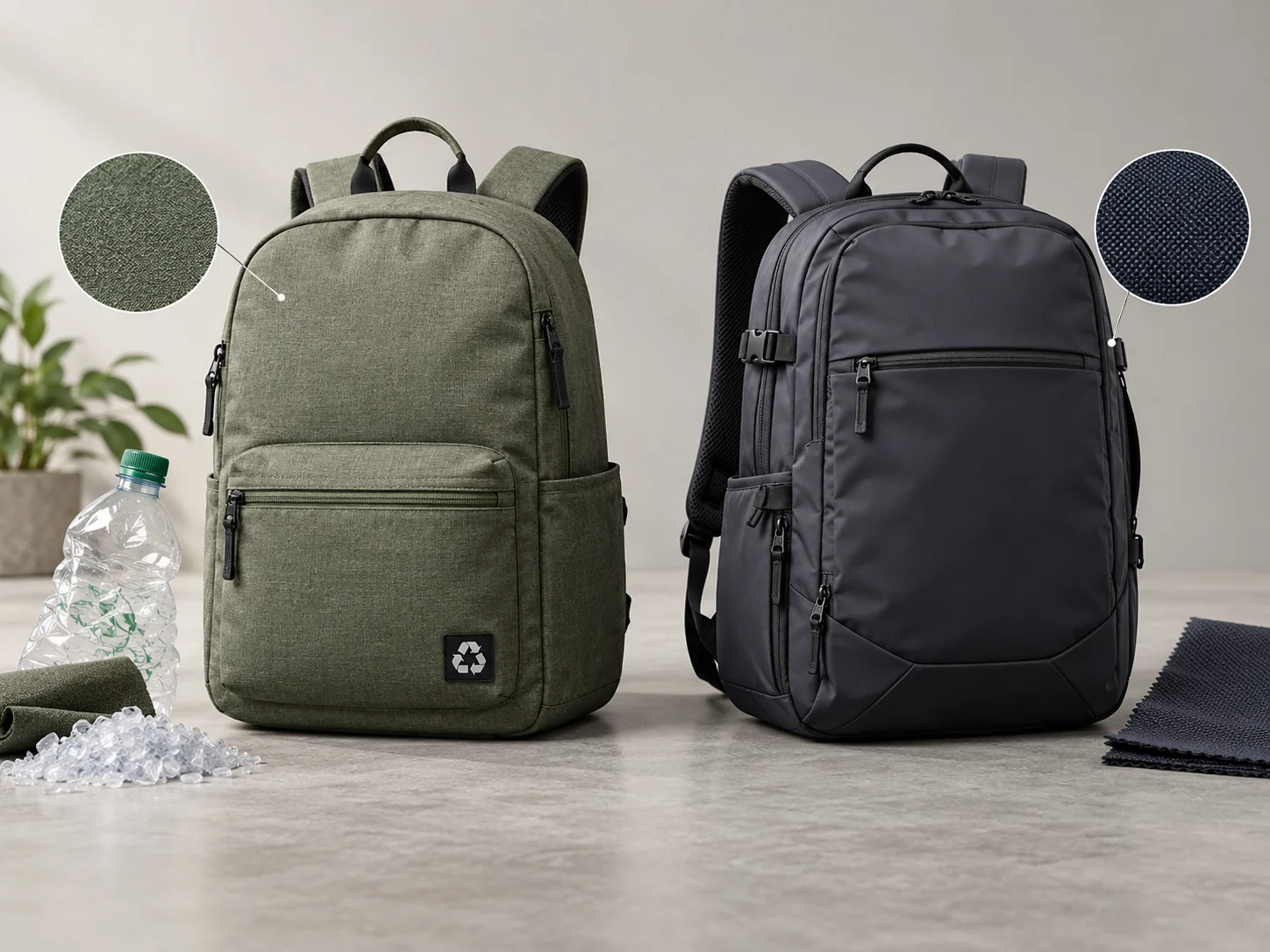
- Recycled PET (rPET): Made from post-consumer plastic bottles. Strong, moisture-resistant, and eco-marketable. Print quality varies by fiber blend.
- Jute or organic cotton: Natural fibers with strong sustainability appeal, but less water-resistant and prone to mildew if stored damp.
Weight Capacity and Structural Design
A bag labeled “heavy-duty” might still fail if seams aren’t reinforced or handles are poorly attached. Look for:
- Double-stitched seams along stress points
- Boxed or gusseted bottoms for volume stability
- Handle attachment method (loop-through vs. sewn-on)
For loads over 5 kg (11 lbs), request a sample and test it with actual contents. Don’t rely on supplier claims alone.
Printing and Customization Options
Your logo’s visibility depends on print method compatibility with the material:
- Screen printing: Best for cotton and canvas; vibrant colors but limited detail.
- Heat transfer: Good for complex designs on synthetic fabrics like rPET.
- Digital printing: High resolution but may fade faster on frequent-use bags.
Always ask for a pre-production sample with your artwork to check color accuracy and edge bleed.
Comparing Supplier Capabilities: What to Verify

Many suppliers claim “high quality,” but few provide verifiable standards. Use this table to assess real capability:
| Criterion | Why It Matters | What to Verify |
|---|---|---|
| Minimum Order Quantity (MOQ) | Affects budget flexibility and inventory risk | Confirm exact unit count per design/color; ask if mixed SKUs reduce MOQ |
| Sample Lead Time | Delays product launches if samples take weeks | Request timeline for blank + printed samples |
| Quality Control Process | Prevents batch defects | Ask if AQL 2.5 or stricter is used; whether third-party inspection is allowed |
| Material Certifications | Supports ESG claims | Request GRS (Global Recycled Standard) for rPET, OEKO-TEX for cotton |
Shopping Tote Bag Buyer’s Checklist
Before approving a supplier, run through this practical checklist:
- Define intended use: single-event vs. repeated use?
- Estimate average load weight and item types (sharp edges? liquids?)
- Confirm required certifications (e.g., for food-adjacent use)
- Test sample under real conditions (fill, carry, wash if applicable)
- Verify color match using Pantone codes, not screen images
- Clarify shipping terms (FOB, EXW) and container fill efficiency
Common Objections and How to Address Them
“Eco-friendly bags cost too much.”
While rPET or organic cotton may have higher upfront costs, calculate cost-per-use. A $1.20 bag reused 30 times costs $0.04/use—far cheaper than disposable alternatives. Also, many buyers now expect sustainable packaging; it can justify premium pricing.
“Low MOQ means poor quality.”
Not necessarily. Some factories specialize in small-batch, high-mix production with automated cutting and sewing. Ask for client references in your industry segment (e.g., boutique retailers vs. enterprise).
“Print colors never match our brand.”
Insist on physical proofs. Digital mockups can’t replicate how ink absorbs into fabric. For critical brand colors, require a signed-off sample before bulk production.
Frequently Asked Questions (FAQ)
What’s the typical MOQ for custom shopping tote bags?
MOQ varies by material and factory. Non-woven PP can start as low as 500 units, while cotton canvas often requires 1,000–2,000 units. Always confirm if your design complexity affects MOQ.
How long does production take after sample approval?
Standard lead time is 15–25 days for 5,000–10,000 units, depending on factory workload and shipping method. Rush orders may be possible for an extra fee.
Can I get a sample before placing a bulk order?
Yes. Most suppliers offer blank or printed samples. Expect to pay for the sample and shipping, but this cost is often credited toward your first order.
Are recycled materials as durable as virgin ones?
Modern rPET performs comparably to virgin polyester in tensile strength. However, fiber length may affect abrasion resistance over time. Request lab test reports if durability is critical.
Next Steps: Get a Tailored Recommendation
If you’re ready to move forward, share your specific requirements: intended use case, target quantity, preferred material, and artwork files. We’ll help you evaluate options, review samples, and connect with vetted suppliers who meet your quality and timeline needs—without obligation.