
You might wonder how much a typical backpack weighs. School backpacks usually weigh between 1 to 2 pounds when empty. Laptop backpacks come in around 2 to 4 pounds. Travel backpacks range from 2 to 5 pounds. Hiking packs can be 1 to 7 pounds, with ultralight options as low as 1 pound. Most gym or everyday backpacks weigh about 1 to 2 pounds. The weight of your pack matters for comfort and safety. Carrying too much can hurt your back and change your posture.
Studies show that heavy backpacks can lead to pain and poor posture. Experts recommend keeping backpack weight at 10-15% of your body weight.
| Study Title | Findings |
|---|---|
| School backpacks: it’s more than just a weight problem | Heavy backpacks alter posture, leading to musculoskeletal pain in children. |
| Back to School: Discussing the Biomechanical Impact of Backpacks | Recommended backpack weight is 10-15% of body weight; exceeding this leads to poor posture. |
| The Impact of Backpack Loads on School Children | 11 out of 21 studies showed a correlation between heavy backpacks and bodily pain in students. |
Remember, empty weight means the backpack alone, while loaded weight includes everything you carry inside.
Key Takeaways
- Most school backpacks weigh between 1 to 2 pounds when empty. Keep this in mind to avoid back pain.
- Experts recommend that your backpack should weigh no more than 10-15% of your body weight for comfort and safety.
- Carrying a heavy backpack can lead to poor posture and long-term health issues. Pay attention to how your pack feels.
- Choose lightweight materials like nylon or polyester to reduce your backpack’s weight without sacrificing strength.
- Pack only what you need. Lay out your gear and remove items you won’t use to keep your load light.
- Distribute weight evenly in your backpack. Place heavier items close to your back for better balance.
- Consider using multi-use items to save space and weight. This helps you carry less while still being prepared.
- Review your load before each trip. This habit helps you stay organized and ensures you only carry essentials.
Why Backpack Weight Matters

Comfort and Health
When you pick up your backpack, you want it to feel comfortable. If it feels too heavy, your body will notice right away. Carrying too much weight can cause pain in your back, neck, and shoulders. Over time, this can lead to bigger problems like muscle imbalances or even changes in your spine. Studies show that heavy backpacks can make you tired faster and may even cause you to move less during the day. Kids who carry heavy loads sometimes develop poor posture or feel pain that lasts for months.
Here’s a quick look at some health risks linked to carrying too much:
| Health Risk | Description |
|---|---|
| Postural Fatigue Leads to Kyphosis | Abnormal spine curve, causing discomfort and chronic pain. |
| Reduced Physical Activity | Heavy bags make you move less, which can lead to other health issues. |
| Neck & Shoulder Tension | Uneven weight strains muscles, causing pain. |
| Muscle Imbalances & Core Weakness | Bad load distribution weakens your core and posture. |
| Disc Compression & Degeneration | Too much weight puts pressure on your spine, which can cause long-term damage. |
Experts recommend that children keep backpack weight under 5% of their body weight to avoid these problems. If you feel pain or numbness, your pack is probably too heavy.
Safety and Mobility
Backpack weight also affects how safely and easily you can move. If your pack is too heavy, you might trip, lose your balance, or get hurt. This is especially important when you go hiking or backpacking, where rough trails and long walks are common. Carrying more than 10% of your body weight can increase the risk of back pain and make it harder to move.
| Evidence Type | Details |
|---|---|
| Spinal Health | Carrying over 10% of body weight increases spinal disc compression and muscle fatigue. |
| Mobility | Good load distribution helps you move better and lowers injury risk. |
| Long-term Effects | 68% of kids with heavy packs had back pain for more than six months. |
A lighter pack means you can walk farther and enjoy your trip more. You will also feel safer and steadier on your feet.
Packing Efficiency
Packing smart helps you stay comfortable and safe. If you keep your backpack weight under 20% of your body weight for multi-day hiking trips, you will move faster and save energy. A lighter pack makes it easier to enjoy backpacking and reduces the chance of pain or injury.
- Choose lightweight gear and only pack what you need.
- Remove items you do not use often.
- Watch for signs your pack is too heavy, like pain or numbness.
- A lighter pack helps you walk longer and feel better at the end of the day.
When you pay attention to backpack weight, you make every trip—whether it’s to school, work, or the mountains—more enjoyable and safer.
Backpack Weight by Type
School Backpacks
Typical Range
When you pick up a school backpack, you usually notice it feels pretty light when empty. Most school backpacks weigh between 1 and 2 pounds (about 0.45 to 0.9 kg) before you add any books or supplies. Some smaller models for younger kids can weigh even less. If you choose a backpack with extra padding or wheels, the weight might go up a bit.
Key Features
School backpacks focus on comfort and organization. You often see padded shoulder straps, a few zippered pockets, and sometimes a padded back panel. Some have water bottle holders or reflective strips for safety. Wheeled backpacks help reduce shoulder strain, especially if you carry heavy books every day. For school and paved commutes, experts suggest using wheeled packs when possible. This keeps your shoulders from getting sore and still gives you plenty of space for your things.
Tip: Always check that your backpack weight stays low, even after you fill it. A heavy pack can cause pain and make it hard to walk comfortably.
Laptop Backpacks
Typical Range
Laptop backpacks come in many shapes and sizes. Most empty laptop backpacks weigh between 1 and 4 pounds. The average weight is about 2 to 3 pounds. Heavier models have more padding or extra compartments. Here’s a quick look at some real weights from popular brands:
| Weight (lb) |
|---|
| 2.6 |
| 2.3 |
| 2.5 |
| 2.2 |
| 4.3 |
| 1.7 |
| 2.0 |
| 1.7 |
| 2.0 |
| 2.9 |
| 1.4 |
| 2.1 |
| 2.0 |
| 1.2 |
| 1.3 |
| 1.0 |
| 1.8 |
Most laptop backpacks fall right in the middle of this range.
Key Features
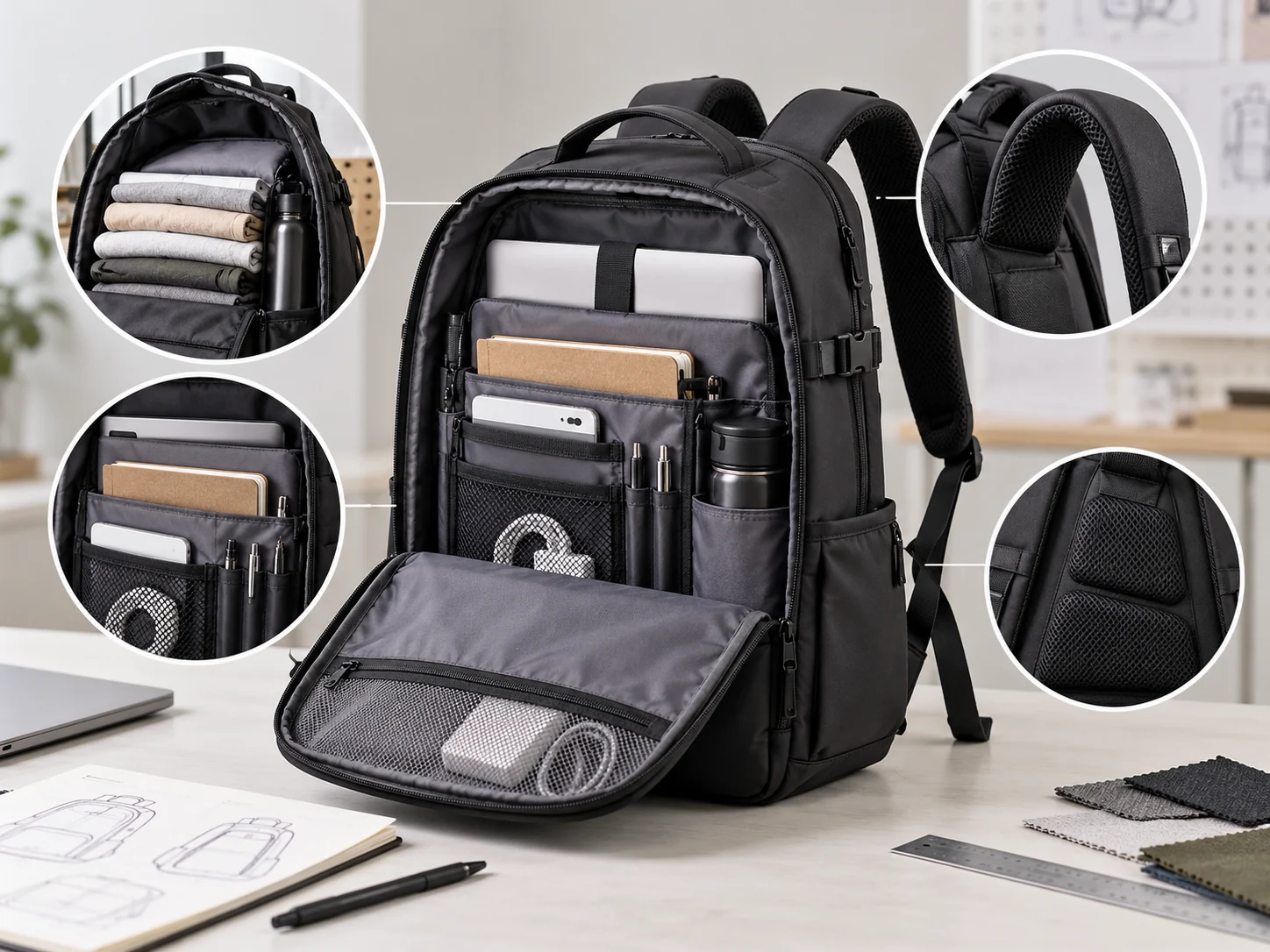
You want your laptop to stay safe, so these backpacks have padded sleeves or compartments. Many also include extra pockets for chargers, tablets, and notebooks. Some have USB charging ports or anti-theft zippers. If you travel a lot, you might see a luggage strap on the back. The more features you add, the higher the backpacking weight goes. When you choose a laptop backpack, think about what you really need. Too many extras can make your pack heavy and hard to carry.
Travel Backpacks
Typical Range
Travel backpacks are built for longer trips and bigger loads. Most empty travel backpacks weigh between 1.5 and 2.5 kg (about 3.3 to 5.5 pounds). Some lightweight models weigh less, but larger packs with more structure can be heavier.
- Average empty weight: 1.5–2.5 kg (3.3–5.5 lb)
Key Features
Travel backpacks often have lots of compartments, sturdy handles, and lockable zippers. You might find padded hip belts or adjustable chest straps for better support. Some models open like a suitcase, making it easy to pack and unpack. If you plan to walk long distances, look for a pack that fits close to your body. Keeping heavy items near your center of gravity helps you stay balanced and comfortable. For travel and tactical situations, this is very important. A well-packed backpack should feel like an extension of your body. If you pack it wrong, you might feel unstable or get tired quickly.
Note: The more features and structure a travel backpack has, the higher the backpacking weight. Always try to balance comfort, storage, and weight when you choose your travel pack.
Hiking & Backpacking Packs
When you get ready for an outdoor adventure, the right pack can make all the difference. Hiking and backpacking packs come in different sizes and weights, depending on how long you plan to be out and what you need to carry. Let’s break down the main types you’ll see.
Daypacks
Daypacks are perfect for short hikes or quick trips. You can use them for a walk in the park, a day on the trail, or even a city outing. Most daypacks weigh between 1 and 2 pounds (about 0.45 to 0.9 kg) when empty. They usually hold 15 to 30 liters, which is enough for water, snacks, a light jacket, and maybe a camera.
Common features in daypacks:
- Lightweight design for easy carrying
- Simple straps and minimal padding
- A few pockets for small items
- Sometimes a hydration sleeve for your water bladder
You don’t need a heavy pack for a short hike. A lighter daypack helps you move faster and keeps your back from getting tired.
Multi-Day Packs
If you plan to spend a few nights outdoors, you’ll want a multi-day pack. These packs are bigger and can handle more gear. Most multi-day packs weigh between 3 and 6 pounds (about 1.4 to 2.7 kg) when empty. They usually hold 40 to 70 liters, so you can fit your tent, sleeping bag, food, and extra clothes.
What makes multi-day packs different?
- Stronger frames for support
- Padded hip belts and shoulder straps
- Lots of pockets and compartments
- Adjustable straps to fit your body
You’ll notice that a multi-day pack feels heavier, even before you add your gear. That’s because it needs to support more weight and keep you comfortable over long distances. Most lightweight backpackers aim for a base weight around 15 to 20 pounds, not counting food or water. If you keep your base weight in this range, you’ll find it easier to enjoy your trip.
Ultralightweight Packs
Ultralightweight packs are for people who want to move fast and carry as little as possible. These packs often weigh under 2 pounds (about 0.9 kg) when empty. Some even weigh less than a pound! Ultralight packs usually hold 30 to 50 liters, but they skip extra padding and features to save weight.
Key things about ultralightweight packs:
- Minimal structure and padding
- Fewer pockets and zippers
- Made from thin, strong materials
- Designed for experienced backpackers
If you want to try ultralight backpacking, you’ll need to make some trade-offs. You might give up comfort or storage space to keep your pack under 10 pounds base weight. Many ultralight backpackers carry less gear and choose items that serve more than one purpose.
Tip: Lightweight backpacking means your base weight falls between 10 and 20 pounds. Most people end up closer to 18 or 20 pounds. Ultralightweight backpacking means your base weight is under 10 pounds. To reach this goal, you’ll need to pack only the essentials and pick the lightest gear you can find.
Here’s a quick summary:
| Pack Type | Empty Weight (lbs) | Typical Capacity (L) | Base Weight Goal (lbs) |
|---|---|---|---|
| Daypack | 1–2 | 15–30 | N/A |
| Multi-Day Pack | 3–6 | 40–70 | 15–20 |
| Ultralightweight | <2 | 30–50 | <10 |
Choosing the right pack depends on your trip and how much you want to carry. If you keep your pack light, you’ll have more fun and less pain on the trail.
What Affects Backpack Weight
Materials
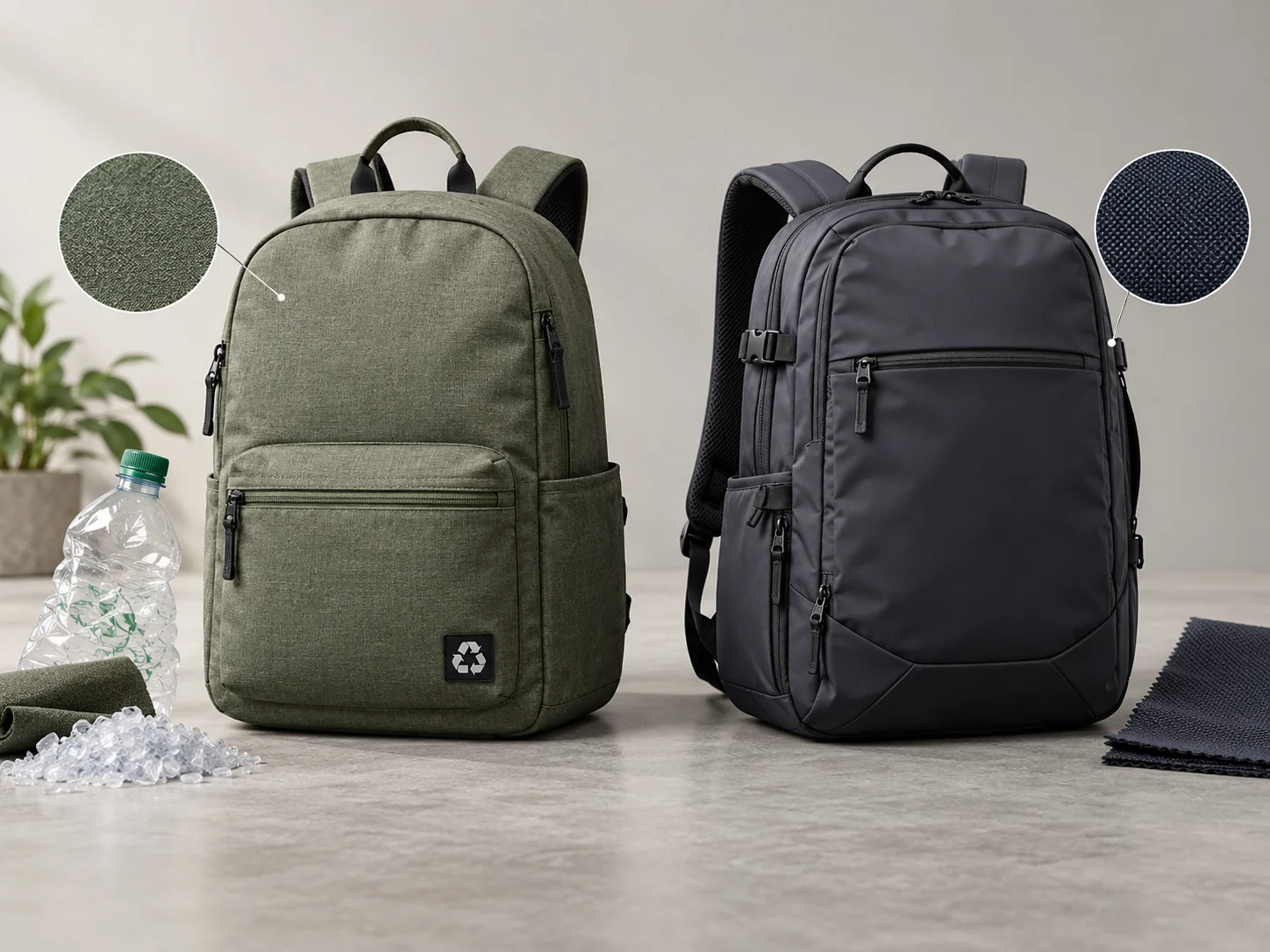
The material you choose for your backpack makes a big difference in how heavy it feels before you even start packing. Some fabrics are light and strong, while others add extra ounces. If you want a lighter pack, you should look for materials like nylon or polyester. Heavier fabrics, like canvas, give a classic look but can weigh you down.
Here’s a quick table to help you compare common backpack materials:
| Material Type | Denier Range | Weight Influence |
|---|---|---|
| 210D Nylon | 210D | Lightweight, suitable for lighter bags or accents. |
| 600D Polyester | 600D | Good balance of durability and weight. |
| 1000D Nylon | 1000D | Rugged, heavier, suitable for main body fabrics. |
| PU Coating | N/A | Increases water resistance, adds weight. |
| TPU Laminate | N/A | Superior waterproofing, adds minimal weight. |
| Ripstop Fabric | N/A | Enhances tear resistance, varies in weight. |
| Heavy Canvas | N/A | Classic look, requires treatments, heavier. |
If you plan to go hiking or backpacking, you might want a pack made from ripstop nylon or polyester. These materials keep your backpack weight low and still protect your gear from the weather.
Tip: Lightweight materials help you move faster and feel less tired, especially on long trips.
Size & Capacity
The size and capacity of your backpack also play a big role in how much it weighs. Bigger packs can hold more, but they also use more fabric, zippers, and straps, which adds to the empty weight. When you look at a backpack’s capacity, you’ll see it measured in liters. This number tells you how much space you have, but it doesn’t always mean the pack can carry a lot of weight.
- Material quality matters. Strong fabrics and good stitching help your pack last longer and carry heavier loads.
- Frame structure is important. Packs with internal or external frames support more weight and keep your gear stable.
- Strap design helps too. Padded and adjustable straps spread the load across your shoulders, making it easier to carry.
While a bigger pack can fit more stuff, you should always think about how much you really need to bring. For backpacking, a smaller, well-designed pack often works better than a huge, heavy one.
Padding & Structure
Padding and structure make your backpack more comfortable, but they also add weight. Thick padding in the back panel and shoulder straps helps spread the load and keeps your shoulders from getting sore. This is especially important if you carry your pack for long hours or use it for backpacking trips.
Experts from the American Physical Therapy Association and the American Chiropractic Association say that a child’s backpack should weigh between 5% and 15% of their body weight. They point out that padding makes carrying easier, but it doesn’t fix problems if the pack is too heavy or packed wrong. The way you organize your gear matters just as much as the padding.
If you pick a backpack with lots of structure, like a stiff back panel or extra support, you get better weight distribution. This helps you stay comfortable, but it can make the backpack heavier. For most people, a balance between comfort and weight works best.
Frame Type
When you look at backpacks, you’ll notice some have frames and some don’t. The frame is like a skeleton inside your pack. It helps support the weight and keeps the shape. You’ll find three main types: internal frame, external frame, and frameless.
Internal frame packs use metal or plastic rods hidden inside. These rods help spread the weight across your hips and back. External frame packs have a visible frame, usually made of aluminum. They work well for carrying heavy loads and keep your gear organized. Frameless packs skip the frame altogether. They feel lighter but don’t offer much support.
If you plan to carry a lot, you’ll want a framed pack. It makes the load feel lighter and helps you stay balanced. Here’s what experts say:
- If you choose a frameless pack, you need to keep your gear light. Otherwise, your shoulders will take all the strain.
- Ultralight hikers often use frameless packs. If your total load stays under 25 pounds, you might switch to a low-volume, ultralight backpack.
So, the frame type changes how heavy your backpack feels and how comfortable you are. Think about your trip and how much you plan to carry. If you want comfort and support, go with a frame. If you want to save weight and travel light, try a frameless pack.
Extra Features
Backpacks come with all sorts of extras. These features make your pack more useful but also add weight. You might see extra pockets, zippers, water bottle holders, and special compartments for laptops or tablets. Some packs have built-in rain covers, USB charging ports, or even solar panels.
Every extra feature uses more material. That means your empty backpack gets heavier. Here are some common features that add weight:
- Multiple compartments and pockets
- Thick zippers and hardware
- Padded laptop sleeves
- Built-in organizers
- External attachment points for gear
- Rain covers and waterproof linings
- Tech add-ons like USB ports or speakers
If you want to keep your backpack light, focus on what you really need. Ask yourself: Do you use every pocket? Do you need a laptop sleeve or a rain cover? Sometimes, less is more.
Tip: Choose a backpack with only the features you’ll use every day. You’ll save weight and make your pack easier to carry.
Extra features can make your life easier, but they also make your pack heavier. Pick the features that fit your lifestyle. If you travel or hike, you might need fewer extras. If you use your backpack for school or work, some features help you stay organized. Always check the weight before you buy. A simple pack often feels better on your back.
Choosing Backpack Weight
Activity & Trip Length
When you pick a backpack, think about what you plan to do and how long you will be out. Your activity and trip length change what you need to carry. For a short day hike, you only need water, snacks, and a jacket. For a weekend camping trip, you need more food, clothes, and maybe a tent. The longer your trip, the heavier your pack will get.
Here are some tips to help you choose the right backpack weight for your plans:
- Your body type and fitness level matter. If you are strong and used to carrying weight, you can handle a heavier pack.
- Steep or rough trails mean you should keep your pack lighter for better balance.
- Bad weather means you need extra gear, which adds weight.
- Experts say your loaded day hiking pack should not be more than 10% of your body weight. For backpacking trips, try to keep it under 20%.
- If you go on longer trips, plan for more supplies, but always check if you really need each item.
Tip: Lay out everything you want to bring, then remove anything you do not need. This helps keep your backpack weight low.
Personal Comfort
Your comfort is just as important as your gear list. If your pack feels too heavy, you will not enjoy your trip. Everyone has a different comfort level, so listen to your body. Try on different packs at the store. Walk around with them loaded to see how they feel.
- Adjust the straps and hip belt until the pack sits snug on your back.
- Make sure the weight does not pull on your shoulders or cause pain.
- If you feel sore or tired quickly, your pack might be too heavy or not fit right.
Remember: A comfortable pack lets you walk farther and have more fun. Never ignore pain or numbness.
Balancing Weight & Function
You want your pack to be light, but you also need it to do its job. Outdoor gear specialists suggest a few tricks to balance weight and function:
- Put heavier items close to your back. This keeps you steady and helps with balance.
- Spread the weight evenly on both sides. If your pack leans to one side, you will get tired faster.
- Use the hip belt to carry most of the weight. Your hips are stronger than your shoulders.
- Avoid stuffing everything in the top or lid. An uneven load can make you use more energy and feel off-balance.
Try packing your bag at home and walking around. Adjust where you put things until the pack feels just right.
Choosing the right backpack weight is about knowing your needs, testing your gear, and making smart choices. When you find the right balance, every trip feels easier and more enjoyable.
Good Backpacking Base Weight
What Is Base Weight
When you start planning your next trip, you might hear people talk about base. This term means the weight of your pack without food, water, or fuel. You only count your gear, clothes, and the pack itself. Many hikers call this the good backpacking base weight. You want to keep this number as low as possible for comfort and safety.
Here’s how the outdoor world defines these terms:
- Backpacking base weight: This is the weight of your backpack and all your gear, but not food, water, or fuel. Most people aim for a base between 10 and 20 pounds.
- Loaded weight: This is your total pack weight, including everything—gear, food, water, and fuel. Try to keep this under 20% of your body weight.
If you focus on lowering your base, you will find your trips feel easier and more fun. You can move faster and enjoy the outdoors without feeling weighed down.
Recommended Ranges
You might wonder what a good backpacking base weight looks like for you. Experts suggest you keep your loaded pack under 20% of your body weight. For day hikes, aim for 10%. Here’s a table to help you see what this means:
| Body Weight (lbs) | Recommended Pack Weight (lbs) |
|---|---|
| 150 | 30 |
| 200 | 40 |
| 250 | 50 |
If you want to reach a standard backpacking base weight, try to keep your base between 10 and 20 pounds. This range works for most people. If you want to go lighter, you can try ultralightweight backpacking. Many hikers who love ultralightweight gear keep their base under 10 pounds. This takes some planning, but it can make your hike much more enjoyable.
Ultralightweight & Lightweight Tips
You might want to try ultralightweight backpacking for your next adventure. This style means you keep your base as low as possible. Many hikers who love ultralightweight gear use these tips:
- Downsize your big four: backpack, tent, sleeping bag, and sleeping pad. Choose ultralightweight gear for each.
- Use gear that does more than one job. Multiuse items save space and weight.
- Repackage meals into small zip-top bags.
- Bring a trowel that weighs almost nothing.
- Carry trekking poles to help your knees and balance.
- Pack out all your trash, even used wipes and toilet paper.
- Try a pee rag if you want to save even more weight.
- Allow yourself one small luxury item for comfort.
- Invest in a pack with great pockets for easy organization.
- Cut down on extra paper by using just two squares per day.
Ultralightweight backpacking takes practice. You need to plan every item and choose only what you need. If you want to hit a good backpacking base weight, focus on ultralightweight gear and smart packing. Many hikers find that ultralightweight backpacking lets them walk farther and feel better at the end of the day. You can start by lowering your standard backpacking base weight and then try to reach an ultralightweight goal. Remember, the right base makes every trip easier.
How Much Should a Loaded Backpack Weigh
General Guidelines
You might wonder, “How much should my backpack weigh?” The answer depends on your body weight and what you plan to do. Most experts agree that you should keep your loaded backpack weight within a safe range. Here are some simple formulas you can use:
- For day hiking: Total body weight (in pounds) × 0.10 = recommended pack weight
- For backpacking trips: Total body weight (in pounds) × 0.20 = maximum pack weight
For example, if you weigh 150 pounds, your day hiking pack should not be more than 15 pounds. For a multi-day backpacking trip, try to keep your pack under 30 pounds. These numbers help you avoid strain and stay comfortable.
You can also use this quick table to check the right range for different situations:
| User / Context | Rough Pack Weight Range | Basis |
|---|---|---|
| Middle / high school student | About 10–15% of body weight | Pediatric ergonomics and schoolbag research |
| Adult day hiker | About 10–20% of body weight | General hiking guidance and comfort |
| Adult multi-day backpacker | Around 20–25% of body weight | Backpacking gear makers and trip guides |
| Heavy duty, tactical/work loads | Above recreational ranges | Ergonomic logic and field practice |
Hiking & Backpacking Recommendations
When you go hiking or backpacking, you want to enjoy the outdoors, not struggle with a heavy load. Most outdoor guides say your loaded backpacking pack should not exceed 20% of your body weight. For day hikes, keep it under 10%. This keeps you moving easily and helps prevent injuries.
- A loaded backpacking pack should not go over 20% of your body weight (for example, 30 pounds for a 150-pound person).
- A loaded day hiking pack should not go over 10% of your body weight (for example, 15 pounds for a 150-pound person).
Always check the total weight of your gear before you leave. If your backpacking load feels too heavy, remove non-essential items. Remember, a lighter pack means more fun on the trail.
Student & Traveler Tips
If you are a student or a traveler, you also need to watch your pack weight. Carrying too much can cause pain and make your trip harder. Here are some tips to help you manage your backpacking load:
- Follow the 10% rule. Try to keep your pack weight between 10–20% of your body weight.
- Choose lightweight gear. Pick items that do not add extra weight.
- Pack only what you need. Leave out things you will not use.
- Distribute weight wisely. Put heavier items close to your back for better balance.
- Organize for easy access. Keep important items where you can reach them.
- Pick lightweight food and use a hydration system to save space.
- Use a compact sleeping system if you travel overnight.
- Wear layers and pack versatile clothing to keep weight down.
- Consider ultralight tents or shelters for backpacking trips.
By following these tips, you can keep your backpack weight low and enjoy your journey. Always remember to check how much your backpack weighs before you head out. Keeping your backpacking load in the right range helps you stay safe, comfortable, and ready for adventure.
Tips for Lightweight Packing
Choose Lightweight Materials
If you want to lighten your load, start by picking gear made from lightweight materials. When you shop for new equipment, look for items made from nylon, polyester, or other strong but light fabrics. Many lightweight backpacks use these materials to keep the weight down without losing strength. You can also find sleeping bags and tents that pack small and weigh less than older models.
A lighter pack means you move faster and feel less tired. You will notice the difference right away. Lightweight gear helps you cover more ground each day and makes backpacking much more fun. You do not have to spend a lot of money to get started. Even small changes, like swapping a heavy water bottle for a plastic one, can help.
Tip: Focus on the big three—your shelter, sleeping system, and backpack. These are often the heaviest items. If you replace them with lightweight options, you will see the biggest drop in backpack weight.
Pack Essentials Only
Packing light means you only bring what you really need. Before you leave, lay out all your gear and ask yourself if you will use each item. If you are not sure, leave it at home. Many people carry too much because they worry about “what if” situations. Trust your plan and stick to the basics.
Here are some ways to pack essentials only:
- Make a list of must-have items for your trip.
- Cut non-essentials by checking your gear list twice.
- Weigh your gear to spot heavy items you can swap or skip.
- Plan your meals so you do not bring extra food.
- Use a lightweight water filter instead of carrying lots of water.
When you pack only what you need, your backpacking trips become easier. You will feel less strain on your joints and muscles. You can walk farther and enjoy the outdoors more.
Multi-Use Items
One of the best ways to lighten your load is to choose gear that does more than one job. Multi-use items help you carry less without giving up comfort or safety. For example, a bandana can work as a towel, sun shield, or even a pot holder. Trekking poles can help you walk and also hold up your tent.
Here are some ideas for multi-use items:
- Use a rain jacket as a windbreaker and extra layer.
- Bring a pot that works for both cooking and eating.
- Pick a sleeping pad that doubles as a seat.
- Carry a phone that acts as your camera, map, and flashlight.
By focusing on multi-use gear, you can lighten your load and make packing simple. Lightweight backpacking experts always look for ways to cut down on single-use items. This strategy helps you keep your backpack weight low and your trip stress-free.
Remember: Lightweight and ultralightweight gear gives you more freedom. You move with ease, feel less tired, and enjoy every step of your journey.
Review Your Load
You might think your backpack feels light enough, but have you ever checked what’s really inside? Reviewing your load is one of the best ways to keep your pack as light as possible. Many people carry things they never use. You can avoid this by taking a few minutes to look over your gear before every trip.
Start by emptying your backpack completely. Lay everything out on the floor or your bed. This helps you see each item clearly. Ask yourself, “Did I use this last time?” or “Will I need this for my next trip?” If you answer no, leave it out. You want to carry only what you know you’ll use.
Here’s a simple way to review your load:
- Sort your gear into three piles: must-have, nice-to-have, and never-used.
- Weigh each pile. You can use a kitchen scale or a luggage scale.
- Look for heavy items. Can you swap them for lighter versions? Sometimes, you can find a smaller or lighter option that works just as well.
- Check for duplicates. Do you have two of the same thing? Only pack one.
- Think about the weather and your plans. If you don’t need rain gear or extra layers, leave them at home.
Tip: After every trip, make a note of what you didn’t use. Next time, you can skip packing those items.
You can also keep a packing list. Write down what you bring and what you actually use. Over time, you’ll see patterns. This helps you make better choices for future trips. You’ll notice your pack gets lighter and easier to carry.
If you travel with friends, compare your gear. Maybe you can share some items, like a stove or first aid kit. This way, everyone carries less.
Reviewing your load is not just about saving weight. It helps you stay organized and makes packing faster. You’ll feel more confident knowing you have only what you need. Your back and shoulders will thank you for it!
Remember, a lighter pack means a happier trip. Make reviewing your load a habit before every adventure.
Conclusion
You now know the usual weight of backpacks and what affects it. When choosing a backpack, think about your travel style, comfort, and the features you really need. The right backpack should match your activity, support easy movement, and give you a good balance between weight, function, and durability.
As a professional backpack manufacturer, we produce backpacks for different uses and offer OEM and ODM services for custom designs. Whether you need travel backpacks, hiking backpacks, school backpacks, or promotional bags, we can help create products that match your brand and market needs. Ready to develop your next backpack project with a reliable manufacturer?
FAQ
How do I know if my backpack is too heavy?
You can check by weighing your loaded backpack. If it feels uncomfortable or causes pain, it’s probably too heavy. Try to keep it under 10–20% of your body weight.
What is the lightest material for backpacks?
Nylon and polyester are popular lightweight materials. Ripstop nylon is strong and light. Canvas is heavier. If you want a lighter pack, look for nylon or polyester.
Can I use a hiking backpack for school?
Yes, you can use a hiking backpack for school. It might have more space and extra straps. Make sure it fits your books and feels comfortable on your shoulders.
How can I make my backpack lighter?
Pack only what you need. Choose lightweight gear. Use multi-use items. Review your load before every trip. You can also swap heavy items for lighter versions.
Is a heavier backpack always stronger?
Not always. Some lightweight backpacks use strong materials. Heavy packs may have more padding or features, but you can find light packs that last a long time.
Should I use a hip belt for everyday backpacks?
If your backpack feels heavy, a hip belt helps spread the weight. You can use it for school, travel, or hiking. It makes carrying easier and keeps your back comfortable.
What is the best way to pack a backpack?
Put heavy items close to your back. Spread the weight evenly. Use pockets for small things. Try packing at home and walk around to see how it feels.
Can kids carry the same weight as adults?
Kids should carry less weight. Experts say kids should keep their backpack under 10–15% of their body weight. Too much weight can cause pain and posture problems.