You want the best waterproof dry bag backpack, but picking one can feel tricky. Start by looking for tough materials like PVC, TPU, or nylon with waterproof coatings. Check for strong seams made with high-frequency welding. Choose a backpack with a roll-top closure, comfy straps, and enough space for your gear. Think about what you plan to do—hiking, kayaking, or traveling. Always check brand reputation and user reviews. When you match your backpack to your adventure, you make a smart choice. Ready to find your perfect fit? Let’s get started!
Key Takeaways
- Think about what you need before you buy. You should consider what you will do, like hiking, kayaking, or traveling. This helps you pick the best backpack.
- Find backpacks made from strong materials. PVC, TPU, and coated nylon are very good. They keep water out and last a long time.
- Look at the waterproof rating. A higher rating means the backpack keeps out more water. It also protects your things from rain and water.
- Pick the right size for your trip. Make sure the backpack is big enough for all your gear.
- Make comfort important. Backpacks with padded straps feel better to carry. Adjustable straps help on long trips.
- Check the seams and closures. Welded seams and strong roll-top or zipper closures stop water from getting in.
- Read what other people say in reviews. Reviews tell you how the backpack works and feels in real life.
- Think about extra features. Pockets, places to attach things, and bright colors make your trip easier and safer.
Identify Your Dry Bag Needs
Before you pick a waterproof dry bag backpack, think about how you plan to use it. Your activities, storage needs, and how often you go outdoors will help you make the best choice.
Activity Type
Hiking & Camping
If you love hiking or camping, you want a backpack that keeps your gear dry and comfortable to carry. Look for something lightweight but tough. For trail running or fast hiking, you might want a bag that saves weight and lets air flow. Light water-resistant construction often works well for these activities.
Kayaking & Water Sports
Water sports need extra protection. You want a dry bag backpack that can handle splashes, rain, or even a quick dip in the water. Choose a bag with a strong closure and high waterproof rating. This keeps your clothes, snacks, and phone safe.
Travel & Beach
Travelers and beach lovers need a bag that protects against sand, rain, and spills. If you carry electronics, look for enhanced water resistance. Modular protection systems can help you adjust to different weather. For family or youth hiking, simple and reliable protection is best. Pack covers make things easy for everyone.
Tip: Matching your dry bag backpack to your main activity makes your trip smoother and more fun. One happy customer from Switzerland said, “I am extremely satisfied. The quality of the backpacks is outstanding – made from high-grade materials, crafted with great care, and designed with smart, practical details that ensure long-lasting durability.”
Capacity & Storage
Day Trips vs. Multi-Day
Think about how long you will be out. For a short day trip, you only need space for snacks, water, and a jacket. For a multi-day adventure, you need more room for clothes, food, and maybe a sleeping bag. Pick a bag with enough capacity for your plans.
Packing Essentials
Make a list of what you always bring. Do you carry a camera, phone, or first aid kit? Make sure your bag has space and pockets for these items. Some bags have extra compartments for wet or dirty gear.
Frequency of Use
Occasional Use
If you only go outdoors once in a while, you can choose a simple and affordable bag. You do not need all the extra features.
Regular Use
If you hike, paddle, or travel often, invest in a backpack that lasts. Look for strong materials, reinforced seams, and comfortable straps. A good bag will make every trip better.
- Trail running and fast hiking: Choose lightweight, breathable bags.
- Urban and commuter use: Pick bags with strong water resistance for electronics.
- Family and youth hiking: Go for simple, reliable protection.
When you match your dry bag backpack to your activity, you get better results and more satisfaction.
Key Waterproof Dry Bag Features
Waterproof Rating & Material
When you choose dry bags, you want to know how well they protect your gear. The waterproof rating tells you how much water the bag can handle. Some bags keep out rain, while others survive full submersion. You need to check the rating before you buy.
IP Ratings
IP ratings show how waterproof a bag is. If you plan to use your dry bags in extreme weather, look for a high waterproof rating. For example, the Sea to Summit Big River Dry Backpack uses a fully waterproof nylon shell and a roll-top sealing system. This keeps your gear dry even in heavy rain. The table below shows how waterproof features and comfort features work together:
| Backpack Model | Waterproof Features | Comfort Features |
|---|---|---|
| Sea to Summit Big River Dry Backpack | Fully waterproof nylon shell, roll-top sealing | Comfortable padded straps, hip strap (not padded) |
PVC, TPU, Nylon
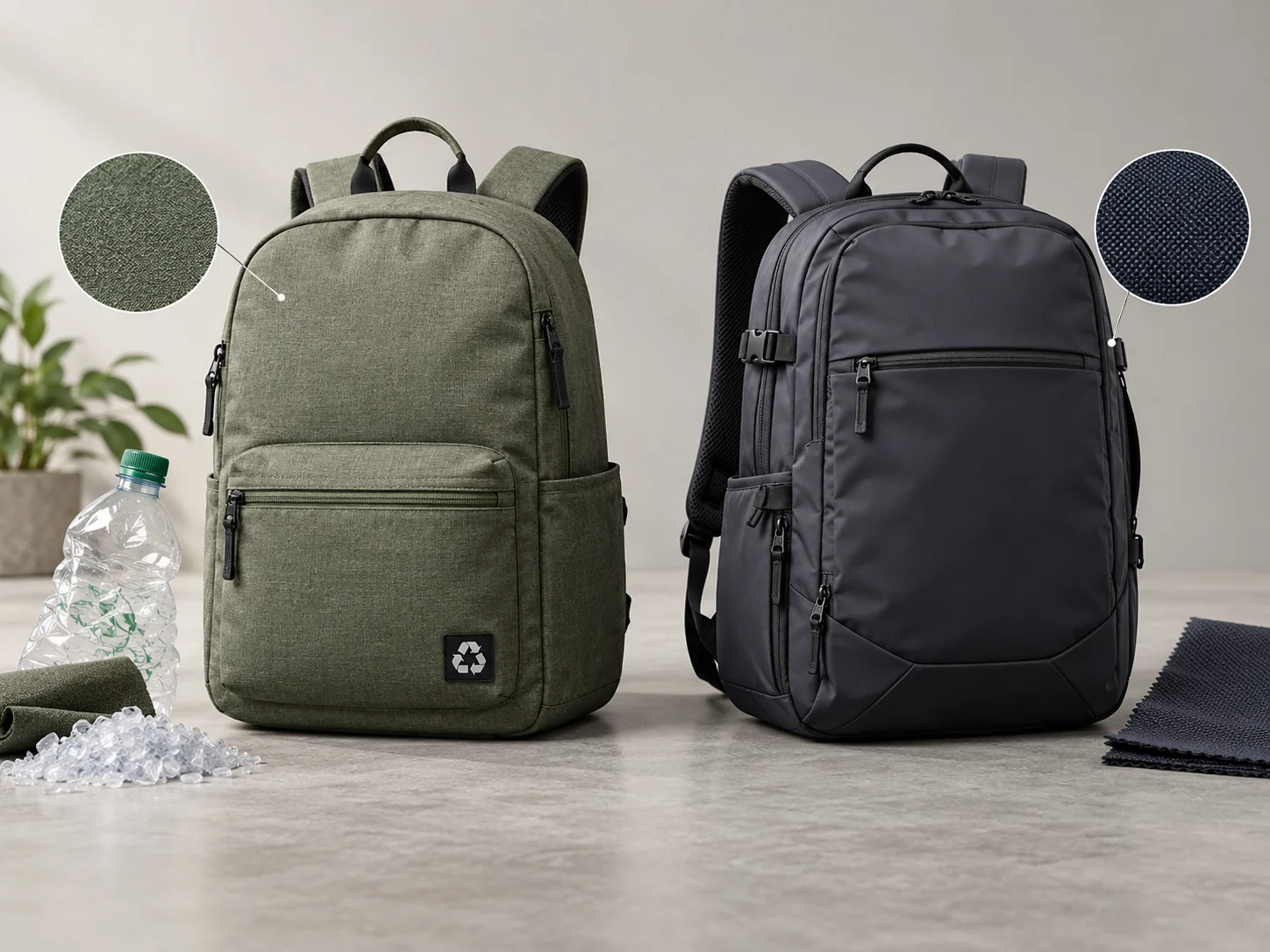
The material of your dry bags affects waterproof performance and durability. PVC is tough and handles heavy rain well. It has a hydrostatic head rating over 5,000 mm, so water stays out. PVC lasts a long time but is heavy and takes centuries to break down. TPU is lighter and flexible. It offers an IPX8 waterproof rating, which means it protects your gear even underwater. TPU also biodegrades faster than PVC. Ripstop nylon is strong and light. It resists water but needs a coating to be fully waterproof. If you hike or travel, nylon is a good choice, but make sure it has a waterproof coating.
Here’s a quick comparison:
| Material | Waterproof Performance | Durability / Longevity |
|---|---|---|
| PVC | Good; reliable in heavy rain and splashes | Very rugged; extremely long biodegradation time |
| TPU | Excellent; suitable for extreme wet conditions | High durability; strong and flexible |
| Ripstop Nylon | Water resistant but needs coatings | Strong and lightweight; durable with coatings |
You want to match the material to your activity. If you kayak, TPU is best. For hiking, coated nylon works well. PVC is great for rough use but is heavier.
Closure Systems
The closure system is one of the most important features in dry bags. It keeps water out and protects your gear. You need to pick the right closure for your needs.
Roll-Top
Roll-top closures are popular. You roll the top down and clip it shut. This creates a secure seal. Roll-tops are lightweight and easy to use. They work well for rain and splashes, but they are not meant for full submersion.
Zipper
Zipper closures offer a watertight seal. They keep water out even if you drop your bag in a river. Zippers are heavier and cost more. If you need maximum waterproof protection, choose a zipper closure.
Hybrid
Hybrid closures combine roll-top and zipper features. You get extra security and flexibility. Some dry bags use a fold-down system, which is similar to roll-top but not meant for submersion. Pick a closure that matches your activity.
Tip: Roll-top closures are easy to use and keep water out during most outdoor adventures. Zipper closures are best for extreme conditions.
Comfort & Carry
Comfort matters when you carry dry bags for hours. You want features that make your trip easier and more enjoyable.
Adjustable Straps
Adjustable shoulder straps help you fit the bag to your body. Padded straps make it comfortable to carry heavy loads. You can change the length to suit your height and activity.
Padding & Back Support
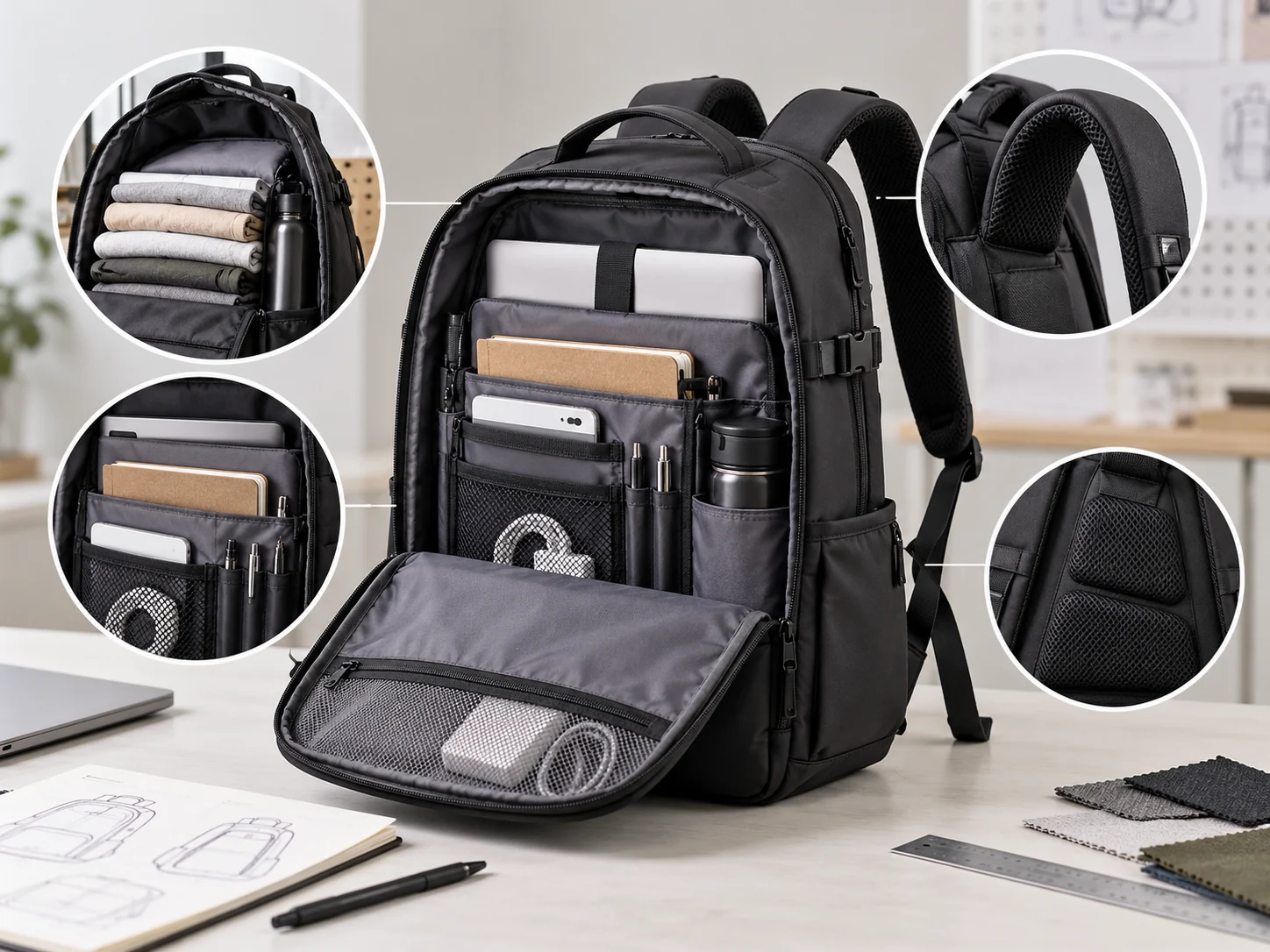
Padding on the back and straps gives you extra comfort. Thick back pads relieve pressure and make long hikes easier. Breathable straps create airflow and keep you cool. Some dry bags have a sternum strap for extra support. You feel less tired and enjoy your adventure more.
Here’s a table showing comfort features:
| Feature | Description |
|---|---|
| Adjustable Shoulder Straps | Padded, adjustable shoulder straps make it easy and comfortable to carry heavy loads. |
| Sternum Strap | Provides additional support for carrying heavy loads over long distances. |
| Padded Back | Padding on the back itself enhances comfort during extended use. |
| Padded Breathable Straps | High-quality padded breathable straps provide ventilation by creating proper airflow. |
You want dry bags with adjustable straps and padding. These features help you carry your gear without discomfort. If you plan long trips, look for extra support.
Note: Comfort features make a big difference. You enjoy your adventure more when your dry bag backpack feels good on your shoulders and back.
Durability & Construction
When you pick a waterproof dry bag backpack, you want it to last. Durability matters because your bag faces rough trails, sharp rocks, and heavy rain. You do not want your gear to get wet or your bag to fall apart halfway through your trip.
Reinforced Seams
Seams are the weak spots on any backpack. Water can sneak in if the seams are not strong. You should look for bags with welded seams. Welded seams use heat to bond the material together. This makes the bag more waterproof and much tougher than sewn seams. Reinforced seams help your bag survive drops, scrapes, and heavy loads.
- Welded seams keep water out better than stitched seams.
- Reinforced seams add strength where you need it most.
- High-quality materials like PVC or TPU boost both waterproofing and durability.
Tip: Always check the seams before you buy. If you see double layers or extra bonding, you know the bag can handle tough adventures.
Abrasion Resistance
Your bag will rub against rocks, sand, and branches. Abrasion resistance means the material can take a beating without tearing. PVC and TPU are both strong choices. Ripstop nylon also works well if it has a tough coating. Look for bags with rugged construction. Some bags even have extra layers on the bottom or sides.
Here’s what makes a bag tough:
- Thick, high-quality fabric
- Extra layers in high-wear areas
- Strong closures like roll-tops
A durable bag protects your gear and saves you money in the long run. You do not have to worry about leaks or rips when you choose a well-built backpack.
Versatility & Extra Features
A great dry bag backpack does more than keep water out. You want features that make your adventures easier and more fun. Let’s look at some extras that can help you out.
External Pockets
External pockets give you quick access to small items. You can grab your snacks, sunscreen, or phone without digging through the main compartment. Some pockets have water-resistant zippers. Others use mesh for wet gear. If you like to stay organized, look for a bag with a few handy pockets.
Attachment Points
Attachment points let you carry more gear. You can clip on a water bottle, flashlight, or carabiner. Some bags have daisy chains or D-rings. These make it easy to attach extra items for hiking, paddling, or camping. You get more flexibility for every trip.
Color & Visibility
Bright colors help you spot your bag in low light or crowded places. High-visibility colors like yellow, orange, or green stand out. If you paddle or hike in remote areas, a bright bag can help others find you in an emergency. Some bags even have reflective strips for night safety.
| Feature | Why It Matters |
|---|---|
| Bright Colors | Easy to spot in water, sand, or forest |
| Reflective Strips | Adds safety for night hikes or paddling |
Floatation Capability
Some dry bag backpacks float if they fall in the water. This feature keeps your gear safe during river trips or kayaking. If you plan to be near water, check if your bag can float when sealed. You do not want to lose your bag in the current!
Note: Extra features like floatation and bright colors add safety and convenience. They make your adventures smoother and give you peace of mind.
When you choose a dry bag backpack, look for durability and smart extras. These features help your bag last longer and work better for every adventure.
Selecting the Best Dry Bag Backpack
When you pick a dry bag backpack, you want one that fits your trips. You should look at brands people trust, check prices, and read what users say. Let’s make it simple so you can choose well.
Brand & Reputation
Trusted Brands
You want a backpack that keeps your things dry and lasts a long time. Some brands are known for being strong and safe. Here are some you should know:
- Ortlieb is known for tough waterproof backpacks. Many outdoor lovers use this brand for hard trips.
- YETI is great for being strong, airtight, and easy to organize. People say it is the best waterproof backpack.
- SubTech Pro Drybag has an IP68 rating and is very flexible. It costs more but works well in tough places.
Picking a good brand helps keep your things safe from water and gives you less to worry about.
Warranty
A good warranty means the brand trusts its backpack. Top brands like Ortlieb and Sea to Summit often give lifetime warranties. If you use your backpack a lot, a good warranty protects your money. Always check the warranty before you buy.
Tip: A trusted brand and a good warranty make your backpack safer for any trip.
Price & Value
Budget vs. Premium
Waterproof backpacks come in many prices. You want to get good quality for your money. Most cost between $25 and $50, but some are as low as $10 or as high as $100. Expensive backpacks usually have better waterproofing and more features.
Here’s a quick look at what you get for each price:
| Tier | Price Range | Distinguishing Features |
|---|---|---|
| Budget | $15–$30 | Made mostly from PVC, good for light rain, may not be fully waterproof |
| Mid-Range | $30–$70 | Made from TPU or coated nylon, often have IPX7 waterproof ratings |
| Premium | $70–$120 | Brands like Ortlieb, Sea to Summit, or NRS; have lifetime warranties and strong seams |
If you only need a backpack for light rain or short trips, a cheap one is fine. For big adventures, expensive backpacks have stronger seams, better waterproofing, and more comfort.
User Reviews
What to Look For
User reviews show how a backpack works in real life. Look for comments about how strong, comfy, and waterproof it is. People talk about if the backpack keeps things dry, feels good to wear, and lasts on hard trips.
Common Feedback
Most people like waterproof backpacks because they are strong and useful. They say these backpacks keep things safe when hiking, kayaking, or traveling. Many say the best dry bag backpack is light and comes in many sizes, so you can pick what you need.
Some people do not like that cheap backpacks have weak straps. This makes them hurt on long hikes. Others say roll top closures take practice, but work well once you learn. Earth Pak gets good reviews for strong closures and fabric, even if the parts are not fancy.
Note: Reading reviews helps you find the best dry bags and avoid problems. You can see which backpack is best for your trip.
When you look at brand, warranty, price, and reviews, picking a dry bag is easy. You get a backpack that fits your needs, lasts longer, and keeps your things dry. Look for waterproof materials, strong seams, and a roll top closure. You will find the best dry bag backpack for every trip.
Common Mistakes When Choosing a Dry Bag
You want your dry bag to work well and last a long time. Many people make mistakes when picking a dry bag backpack. Let’s look at the most common errors so you can avoid them.
Wrong Size
Choosing the wrong size dry bag is a big problem. If your dry bag is too small, you cannot fit all your gear. If it is too big, your items move around and get damaged. You need a dry bag that matches your trip. Day hikes need a smaller dry bag. Multi-day adventures need a bigger dry bag. Always check the size before you buy. Think about what you carry most often. A dry bag with the proper fit keeps your gear safe and easy to reach.
Tip: Make a quick list of your essentials before shopping. This helps you pick the right dry bag size.
Ignoring Comfort
Comfort matters a lot. If you ignore comfort, your dry bag backpack can make your trip hard. Stiff fabrics dig into your shoulders. Heavy dry bags cause fatigue. You feel tired and sore after a long day. Poor comfort leads to a bad experience, especially if you wear your dry bag for hours.
Here’s a table showing how comfort impacts your dry bag:
| Evidence Type | Description |
|---|---|
| Stiff Fabrics | Dig into shoulders, create pressure points along your back |
| Weight Impact | Extra weight from waterproofing makes you uncomfortable and tired |
| User Experience | Poor comfort leads to negative feelings during extended wear |
You want padded straps and a dry bag that sits well on your back. Adjustable straps help you get a proper fit. If you plan long hikes or water trips, comfort is key. Do not let a dry bag ruin your adventure.
Overlooking Quality
Quality is important for every dry bag. Many people buy cheap dry bags and regret it later. Weak straps break. Buckles fail. Strap anchors tear under heavy loads. Some dry bags have stiff material and bad odor when new. You want a dry bag that lasts and gives you good protection.
Here are some common reasons people feel unhappy with their dry bag:
- Customers complain about material stiffness and odor.
- Discomfort or broken buckles and straps cause returns.
- Strap anchors tear when you carry heavy gear.
You should check the seams, straps, and closures before buying a dry bag. Pick a dry bag made from strong materials. Look for reinforced seams and sturdy buckles. Quality dry bags cost more but save you money and trouble in the long run.
Note: A good dry bag gives you peace of mind. You know your gear stays dry and safe.
Avoid these mistakes and you will enjoy your dry bag backpack every time you head outdoors. Choose the right size, focus on comfort, and never overlook quality. Your dry bag will become your best adventure buddy.
Quick Checklist for the Best Waterproof Dry Bag Backpack
Essential Questions
Before you buy a backpack, you want to make sure it fits your needs. Ask yourself these questions to help you pick the right backpack for your next adventure:
- Will this backpack keep my gear dry in rain, snow, or mud? Some backpacks, like the Platinum Sun dry bag backpack, are 100% waterproof, snow proof, and mud proof. You want a backpack that protects your things in all kinds of weather.
- What material is this backpack made from? A backpack made of PVC tarpaulin stands up to saltwater and sand. This makes your backpack last longer, even on tough trips.
- Does this backpack have strong seams and closures? You want a backpack that does not let water sneak in. Check for welded seams and secure roll-top or zipper closures.
- Is this backpack comfortable to carry? Look for padded straps and back support. You want a backpack that feels good on your shoulders, even when it is full.
- How much can this backpack hold? Think about your usual gear. Make sure your backpack has enough space for everything you need.
- Will this backpack work for my main activities? Some backpacks are better for hiking, while others work best for kayaking or travel. Pick a backpack that matches your plans.
If you answer these questions, you will find a backpack that keeps your gear safe and dry wherever you go.
Final Tips
You want your backpack to protect your things no matter what. Here are some final tips to help you get the most out of your backpack:
- Use plastic bags for electronics. Put your phone, camera, or other gadgets in sealed plastic bags before you pack them in your backpack. This gives extra protection from moisture.
- Consider backpack linings. You can use a waterproof lining or a large plastic bag inside your backpack. This adds another layer to keep your gear dry.
- Employ a rain cover. A rain cover can help shield your backpack from heavy rain. It may not cover every part, but it adds some protection.
- Utilize a dry bag. For the best protection, place your whole backpack inside a dry bag. This keeps everything dry, even in a downpour.
Remember, a little extra care goes a long way. When you use these tips, your backpack will keep your gear safe and dry on every trip.
Take a moment to review this checklist before you buy your next backpack. You will feel confident knowing you picked the best waterproof dry bag backpack for your adventures.
Conclusion
You now know what to look for in a waterproof dry bag backpack. Choose strong materials, welded seams, and a closure that fits your adventure. Use the checklist to make picking easy. Match your bag to your activities and gear. Here’s a quick look at expert tips:
| Feature | Details |
|---|---|
| Materials & Build | Coated vinyl, nylon, or PVC with welded seams last longer. |
| Closure Systems | Roll-tops are popular and easy to use. |
| Size | Smaller bags are easier to handle for most trips. |
| Straps & D-rings | Straps and D-rings help you carry and attach your bag easily. |
Want something special? We offer OEM and ODM services, so you can get a backpack designed just for you or your brand. Custom designs give you the features, quality, and look you want.
FAQ
What size dry bag backpack should I get?
Pick a size based on your trip. For day hikes, 10–20 liters works well. For camping or kayaking, try 30 liters or more. Make a list of your gear before you choose.
Are all dry bag backpacks fully waterproof?
Not all dry bag backpacks are fully waterproof. Some only resist rain or splashes. Check the waterproof rating and closure type. If you need full protection, look for bags with welded seams and roll-top or zipper closures.
How do I clean my dry bag backpack?
Use mild soap and water. Wipe the bag inside and out. Let it air dry with the top open. Avoid harsh cleaners or putting it in a washing machine.
Can I use a dry bag backpack for school or work?
Yes, you can! Dry bag backpacks keep your books, laptop, and lunch safe from rain. Choose one with extra pockets for easy organization. They work great for biking or walking to school.
Will my dry bag backpack float if it falls in water?
Most dry bag backpacks float if you seal them properly and do not overload them. Always test your bag before your trip. If you carry heavy gear, check the floatation feature first.
How do I make sure my electronics stay dry?
Place your phone or camera in a small zip-top bag before packing it in your dry bag. This gives you double protection from leaks or condensation.
What is the best way to store my dry bag backpack?
Store your dry bag in a cool, dry place. Keep it out of direct sunlight. Make sure it is clean and completely dry before you put it away. This helps your bag last longer.