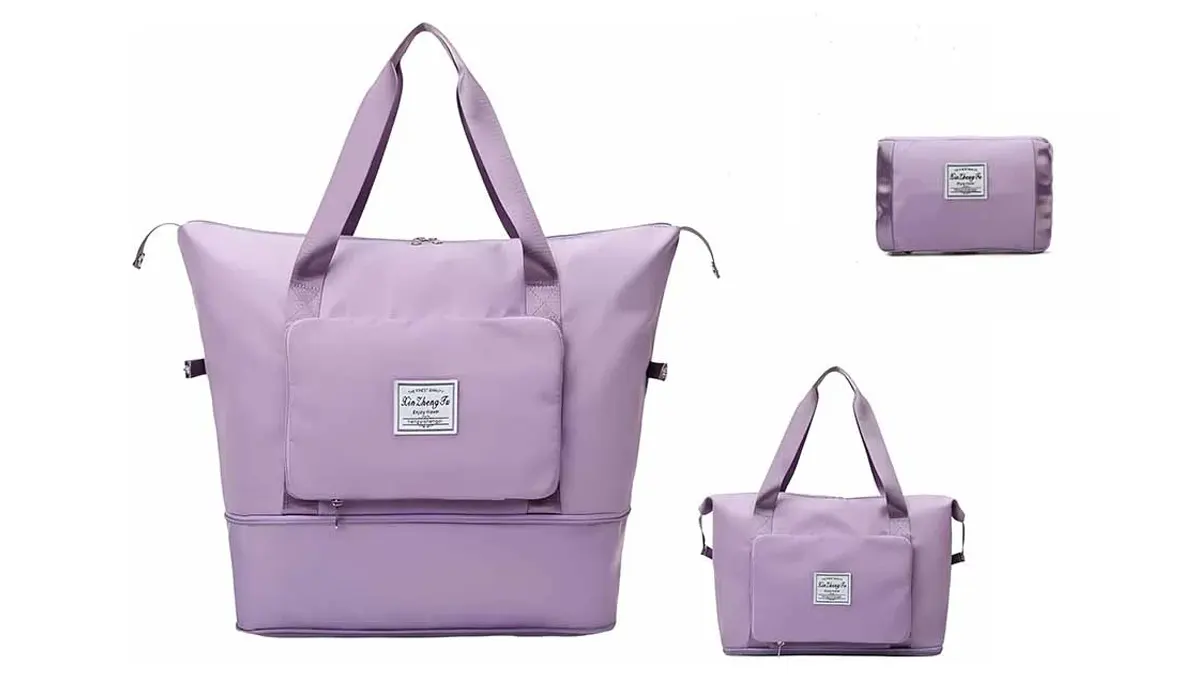
Ever wondered how long do insulated bags keep food hot? You can usually count on them to keep your meals warm for about 2 to 4 hours. In some cases, you might even stretch it to 6 hours if you use a high-quality bag and pack your food right. Here’s what studies show:
- Insulated bags keep food hot for around 2 to 4 hours in typical situations.
| Insulation Type | Thermal Retention Efficiency | Exergy Efficiency |
|---|---|---|
| Air | 88.7% | 83.2% |
| Control Bag | 86.7% | 81.8% |
Your results will vary based on the bag you use, the kind of food you pack, and how you handle the bag.
How Long Do Insulated Bags Keep Food Hot
Standard Duration
You probably want to know how long do insulated bags keep food hot when you pack your lunch or dinner. Most insulated bags keep food hot for about 2 to 4 hours. This is the standard duration you can expect if you use a regular lunch bag or a medium-sized cooler bag. The type of bag you choose makes a big difference. Here’s a quick look at the typical duration for different bags:
| Type of Insulated Bag | Duration to Keep Food Hot |
|---|---|
| Small lunch-style bags | ~2–4 hours |
| Medium cooler bags | ~4–6 hours |
| Large coolers | Up to 12 hours or more |
If you use a small lunch bag, your food will usually stay hot for a few hours. Medium cooler bags can stretch that time a bit longer. Large coolers, when packed well, can keep food hot for half a day or more.
Maximum Time Possible
Sometimes you need your food to stay hot for as long as possible. You might wonder how long do insulated bags keep food hot in the best conditions. With the right bag and careful packing, you can keep food hot for up to 6 hours. Some high-quality bags, like those with thick foam or special foil layers, can even keep food above 50°C for 4 hours or more. Here are a few things that help you reach the maximum duration:
- Use a bag with multiple layers, like PEVA, EPE, and aluminum foil.
- Pack food when it is very hot.
- Fill the bag completely to reduce empty space.
Tip: If you want to keep food hot for a long time, choose a bag with strong insulation and pack it tightly.
Factors That Affect Duration
You might notice that the answer to how long do insulated bags keep food hot changes depending on a few things. The duration depends on the bag’s quality, the starting temperature of your food, and how you use the bag. Here are the main factors:
- Bag Quality: High-quality insulated bags with thick foam or special materials keep food hot longer. Cheaper bags lose heat faster.
- Food Temperature: If you pack food while it is still steaming, it will stay hot longer. Starting with cold or lukewarm food means it cools down faster.
- Packing Method: Fill the bag as much as possible. Less air inside means less heat escapes.
- Outside Temperature: Hot food cools down faster if you are in a cold place. Warm weather helps keep food hot.
- Extra Accessories: Adding heat packs or using containers inside the bag can help keep food hot for a longer duration.
Here’s a table showing how different materials and designs affect heat retention:
| Bag Type | Material Description | Heat Retention Features |
|---|---|---|
| CooLiner Thermal Bag | Durable metalized foil bubble material | Reflective foil exterior reflects heat; internal bubble layer protects against heat loss |
| CelluLiner Thermal Bag | Paper-based, multi-layered structure trapping air pockets | Excellent temperature control; eco-friendly |
You can see that the answer to how long do insulated bags keep food hot depends on many things. If you pick a good bag, pack your food hot, and use smart tricks, you can enjoy a warm meal hours later.
How Long Do Lunch Bags Keep Food Warm
Average Time for Lunch Bags
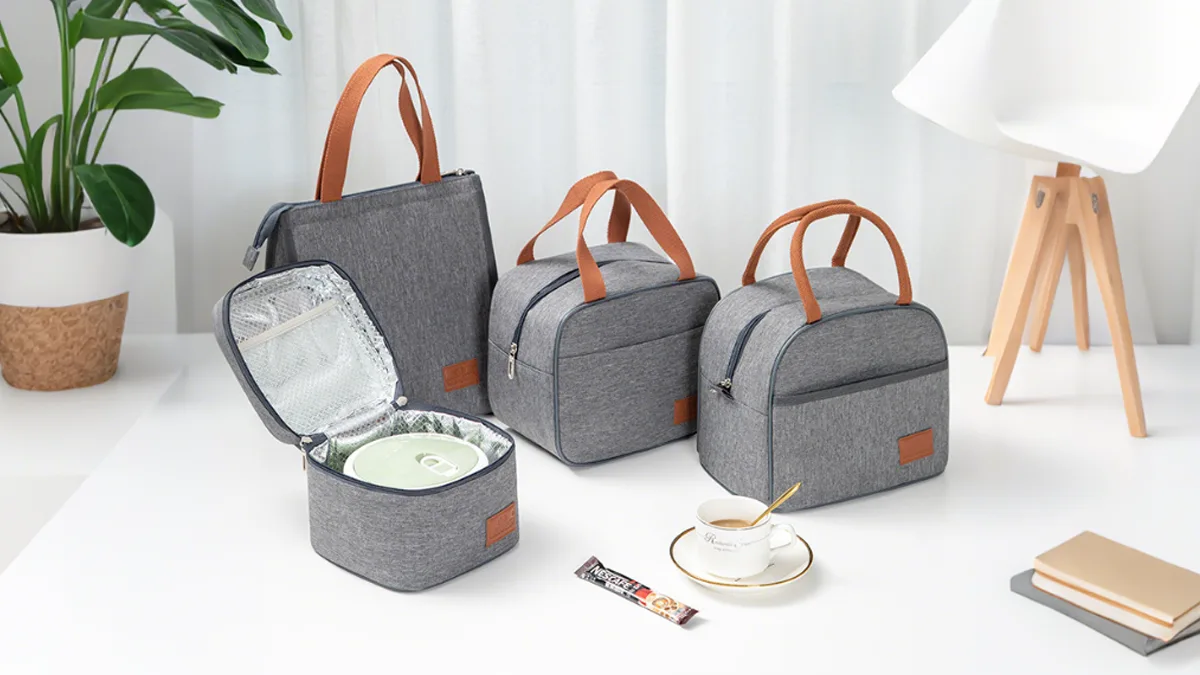
You probably ask yourself how long do lunch bags keep food warm when you pack a meal for school or work. Most insulated lunch bags keep food warm for about 2 to 4 hours. If you use a high-quality bag, you might stretch that time up to 6 hours. The temperature inside the bag usually stays above 140°F (60°C) during this period. Here’s a quick look at the average times:
| Duration | Description |
|---|---|
| 2 to 4 Hours | Most insulated lunch bags maintain food above 60°C/140°F for this duration. |
| Up to 6 Hours | Some high-quality insulated bags can keep food warm for this extended period. |
If you want your lunch to stay warm longer, you need to pay attention to the type of bag you use and how you pack your food.
Tips to Extend Warmth
You can make your food stay warm longer with a few simple tricks. Try these tips next time you pack your lunch:
- Preheat your lunch bag with a hot water bottle or heated rice pack.
- Wrap hot food in aluminum foil and cover it with a towel for better insulation.
- Fill any gaps in the bag with towels or cloths to minimize heat loss.
- Use heat packs or warm pads to help maintain the temperature.
Tip: Packing your food tightly and filling empty spaces helps keep the heat inside. Every little bit counts when you want a warm meal at lunchtime!
Here’s a table with more ways to keep your food warm:
| Tip | Description |
|---|---|
| Preheat the bag | Warm the bag with a hot water bottle or heated rice pack before packing food to enhance heat retention. |
| Double insulation | Wrap hot food in aluminum foil and then in a towel to improve heat retention. |
| Fill gaps | Use towels or cloths to fill empty spaces in the bag to reduce heat loss. |
| Add heat packs | Include reusable heat packs or hot water bottles to maintain temperature longer. |
Preheating and Insulated Containers
Insulated lunch bags work best when you prepare them the right way. Preheating the bag makes a big difference. If you put hot food into a cold bag, the bag will absorb some of the heat, and your food cools down faster. When you warm up the bag first, you help keep the temperature steady. You can use a hot water bottle or a heated rice pack for this step.
Insulated lunch bags use layers of foam or thermal materials to trap heat. Materials like neoprene or foil linings do a great job at keeping food warm. If you use an insulated container inside your bag, you add another layer of protection. This keeps your food hot even longer. Preheating also raises the temperature of the vacuum layer in the container, which helps minimize heat loss.
Note: If you want your food to stay warm for hours, always preheat your bag and use insulated containers. These steps make a big difference in how long do lunch bags keep food warm.
Insulated Grocery Bags and Heat Retention
Typical Use Cases
You probably use insulated grocery bags for more than just carrying groceries. These bags help you keep hot foods warm and cold foods chilled. You can use them for many situations in your daily life. Here’s a table that shows some of the most common ways people use insulated grocery bags:
| Use Case | Description |
|---|---|
| Meal Prep and Work Lunches | Insulated bags keep hot meals warm and cold items chilled until break time, ensuring food stays at the right temperature. |
| Food Delivery and Takeout | They ensure that hot food remains hot during transit, preserving the quality of takeout meals. |
| Road Trips and Camping | Ideal for long drives, insulated bags prevent soggy sandwiches and lukewarm drinks, allowing for healthier snack options. |
You can see that these bags work well for busy days, travel, and even outdoor adventures. If you want your food to stay hot or cold, insulated grocery bags make life easier.
Duration for Hot Foods
You might wonder how long insulated grocery bags keep your food hot. Most bags can keep hot foods warm for about 2 to 4 hours. The actual time depends on how hot your food is when you pack it, the quality of the bag, and how often you open it. Here are some quick facts:
- Insulated grocery bags can keep hot foods warm for approximately 2 to 4 hours.
- The actual duration may change if you use a different bag or pack food at a lower temperature.
- You should eat perishable food within a safe time frame to avoid foodborne illnesses.
Tip: Try to eat your hot food within four hours for the best taste and safety.
Comparison with Lunch Bags
You may ask if insulated grocery bags work better than lunch bags. Lunch bags usually have thicker insulation and a tighter seal. They are made to keep food and drinks at the right temperature for a longer time. The material, size, and quality of the bag matter a lot. Insulated grocery bags can also keep food hot, but their performance may change based on the same factors. Some lunch bags hold heat longer because they are smaller and designed for single meals. Grocery bags often carry more items, so heat can escape faster.
If you want to keep food hot for a long time, choose a bag that fits your needs. For short trips or quick errands, insulated grocery bags do a great job. For longer periods, a lunch bag might work better.
Key Factors for Heat Retention
Food Temperature at Packing
When you pack your food, the starting temperature matters a lot. If you put hot food into your insulated bag, it will stay warm much longer. Insulated bags use advanced thermal insulation materials. These materials create a barrier that slows down heat loss. So, if your food is steaming when you pack it, you get better results. Cooler food loses heat faster, even in a good bag. Always try to pack your meals right after cooking. This simple step helps you enjoy a hot lunch later in the day.
Tip: Heat your food until it is piping hot before packing. This gives you the best chance for long-lasting warmth.
Insulation Quality
Not all insulated bags are the same. The quality of the thermal insulation makes a big difference. High-quality bags use thick foam, special foil, or even multiple layers. These layers trap heat and keep cold air out. If you choose a bag with strong insulation, your food stays hot for hours. Cheaper bags with thin walls let heat escape quickly. You can check the bag’s label or product details to see what kind of insulation it uses.
Some bags use materials like neoprene or aluminum foil. These materials boost temperature retention. If you want your food to stay hot, invest in a bag with top-notch insulation. You will notice the difference, especially on cold days.
Bag Sealing and Design
The way your bag closes and its design features also play a big role in keeping food hot. Good insulated bags use strong zippers or velcro closures. These features help stop heat from escaping. When the bag is airtight, the inside temperature stays steady. Some bags have double or even triple layers. These layers block outside air and keep the heat in.
Here are some design features that help with heat retention:
- Robust zippers and velcro closures prevent heat from escaping.
- Multi-layer construction traps heat and blocks outside air.
- Sealed zippers and buckles keep the inside temperature stable.
- Squeeze-seal mechanisms work well to stop temperature loss.
If you want the best results, look for a bag with these features. A well-designed bag keeps your food hot and fresh, so you can enjoy your meal just the way you like it.
Ambient Temperature
Have you ever noticed your food cools down faster on a chilly day? That’s not just your imagination. The temperature around your insulated bag plays a big role in how long your food stays hot. If you pack a hot lunch on a cold winter morning, the outside air tries to pull the heat away from your food. On a warm summer day, your food stays hot longer because the air isn’t working as hard to cool it down.
Let’s break it down with a simple example. Imagine you leave your insulated bag in a car during winter. The cold air outside makes the bag lose heat faster. If you keep the same bag in a warm room, your food stays hot much longer. The difference can be pretty big!
Here’s a quick look at how ambient temperature affects heat retention:
| Outside Temperature | Expected Heat Retention Time | What Happens to Your Food? |
|---|---|---|
| Below 50°F (10°C) | Shorter (1-2 hours) | Food cools quickly |
| 50–70°F (10–21°C) | Average (2-4 hours) | Food stays warm for lunchtime |
| Above 70°F (21°C) | Longer (up to 6 hours) | Food stays hot much longer |
Tip: If you know you’ll be outside in the cold, try wrapping your insulated bag in a blanket or towel. This adds an extra layer and helps keep the heat in.
You can also try to keep your bag away from cold surfaces. Don’t set it on concrete or metal benches. These surfaces suck heat away fast. Place your bag on a soft surface, like a car seat or a pile of clothes, to help it stay warm.
If you’re heading out for a picnic or a game, think about where you’ll put your bag. Shade can help on a hot day, but on a cold day, a sunny spot works better. The sun gives your bag a little boost and helps your food stay hot.
Here’s a quick checklist for dealing with different temperatures:
- Cold weather: Add extra layers, keep the bag off cold surfaces, and eat sooner.
- Warm weather: You can relax a bit, but still keep the bag closed tight.
- Rainy or windy days: Protect your bag from wind and moisture, which can cool it down faster.
Ambient temperature isn’t something you can control, but you can work with it. Pay attention to the weather, and you’ll get the most out of your insulated bag every time.
How to Keep Food Hot Longer
Preheat the Bag
You want your food to stay hot as long as possible, right? Preheating your insulated bag makes a big difference. When you warm up the inside before packing your meal, you help keep food hot for hours. Here’s a simple way to do it:
- Boil water on the stove, in a kettle, or in the microwave. The hotter the water, the better it will warm the inside of your bag or thermos.
- Pour the boiling water into your thermos or insulated container, filling it up to the first rim. This coats the inside walls with heat.
- Seal the thermos and let the hot water sit for about five minutes. This step warms the interior and gets it ready for your food.
- Pour out the hot water and quickly fill the thermos with your heated food.
Tip: Don’t skip this step! Preheating helps your bag or container hold onto heat, so your lunch stays warm until you’re ready to eat.
Use Heat Packs
Heat packs are another great way to keep food hot. You can buy reusable heat packs or make your own with a hot water bottle or a heated rice sock. Just heat them up in the microwave or with hot water, then place them inside your insulated bag next to your food. The heat pack acts like a mini heater, keeping the temperature steady. This trick works well for soups, casseroles, or any meal you want to enjoy piping hot.
Note: Always wrap heat packs in a towel or cloth to avoid direct contact with your food containers. This keeps everything safe and clean.
Pack Food Tightly
How you pack your food matters more than you might think. When you fill your insulated bag, try to pack everything close together. Tight packing does a few important things:
- It minimizes air circulation inside the bag.
- It reduces temperature changes.
- It fills empty spaces, which keeps items from shifting and helps keep food hot longer.
If you have extra room, stuff the gaps with napkins, towels, or even extra snacks. Less empty space means less heat escapes. You get a warm meal, and your food stays in place during your commute.
Pro tip: Packing your bag tightly is one of the easiest ways to keep food hot without any special tools.
Now you know three simple tricks to keep your food hot for hours. Try them out next time you pack a meal, and enjoy every bite just the way you like it!
Minimize Air Exposure
You might not think about air when you pack your lunch, but it plays a big role in keeping food hot. Air inside your insulated bag acts like a thief. It sneaks in and steals heat from your food. If you want your meal to stay warm, you need to keep air out as much as possible.
When you leave empty spaces in your bag, heat escapes faster. The more air you have inside, the quicker your food cools down. You can fix this problem with a few simple tricks.
- Fill your insulated bag as much as you can. Pack your containers close together. If you have extra room, add snacks, fruit, or even a small water bottle.
- Use extra insulation to fill gaps. Crumpled newspaper, kitchen towels, or even a clean t-shirt work well. These items block air from moving around and help trap heat.
- Choose containers that fit your bag. If your lunch box is too small, try using a smaller bag or add more items to fill the space.
Let’s say you only have a sandwich and an apple. You notice a lot of empty space in your bag. Grab a towel and wrap it around your lunch. This simple step keeps the heat in and the cold air out. You don’t need fancy gear. Everyday items from your kitchen do the trick.
Tip: The tighter you pack your bag, the longer your food stays hot. Even a little extra effort makes a big difference.
Here’s a quick checklist to help you minimize air exposure:
- Pack food containers close together.
- Fill empty spaces with towels, napkins, or newspaper.
- Avoid oversized bags for small meals.
- Keep the bag closed until you’re ready to eat.
You can also use reusable silicone bags or beeswax wraps to cover food. These wraps hug your food and keep air away. Less air means more heat stays with your meal.
If you follow these steps, you’ll notice your food stays hot much longer. You don’t have to worry about cold lunches anymore. Just remember—air is the enemy of heat. Keep it out, and you’ll enjoy a warm, tasty meal every time.
Safety and Common Mistakes
Safe Food Temperatures
You want your food to stay hot and safe, not just tasty. Food safety experts say you should keep hot foods at 135°F or above. Cold foods need to stay at 41°F or below. If your food drops below these temperatures, bacteria can grow fast. That means your lunch could make you sick.
Here’s a quick table to help you remember the safe zones:
| Food Type | Safe Temperature |
|---|---|
| Hot Foods | 135°F or above |
| Cold Foods | 41°F or below |
Tip: Use a food thermometer if you want to check your meal’s temperature. It’s a simple way to keep your food safe.
When to Discard Food
You might wonder how long you can leave food in your insulated bag before it’s unsafe. The answer depends on the temperature around you. If you’re indoors and it’s cooler than 90°F, you can keep perishable food out for up to 2 hours. If you’re outside on a hot day (above 90°F), you should eat your food within 1 hour. After that, it’s best to throw it away.
Here’s a handy table to guide you:
| Food Storage Duration | Temperature Condition | Action Required |
|---|---|---|
| Up to 2 hours | Below 90°F | Safe to consume |
| Up to 1 hour | Above 90°F | Discard food |
You can also follow these simple rules:
- Don’t leave perishable food at room temperature for more than 2 hours.
- If it’s hotter than 90°F, eat your food within 1 hour.
- Throw away any food that’s been left out too long.
Note: When in doubt, toss it out! It’s better to lose a meal than get sick.
Mistakes to Avoid
You want your insulated bag to work its best. Some common mistakes can ruin your efforts. Many people forget to close their bags tightly. Zippers give you the best seal and keep heat in longer. Velcro works for short trips, but it’s not as strong as a zipper.
Check out this table:
| Closure Type | Effectiveness in Insulation |
|---|---|
| Zippers | Tight seal, keeps heat in |
| Velcro | Decent for short trips |
Other mistakes include:
- Packing food when it’s only warm, not hot.
- Opening the bag too often.
- Using a bag that’s too big for your meal.
- Forgetting to preheat the bag.
Alert: Always pack your food hot, seal your bag well, and avoid opening it until you’re ready to eat. These small steps keep your meal safe and delicious.
Choosing the Right Insulated Bag
When you want your food to stay hot, picking the right insulated bag makes all the difference. You might see lots of options in stores or online. How do you know which one works best for you? Let’s break it down so you can make a smart choice.
Features to Consider
You want a bag that keeps your food hot, feels easy to carry, and lasts a long time. Start by looking at the features that matter most for heat retention and everyday use. Here’s a handy table to help you compare:
| Feature | Description |
|---|---|
| Insulation Material | High-quality foam or thermal fabrics trap heat and keep food hot for hours. |
| Closure Mechanism | Secure zippers or Velcro closures stop heat from escaping. |
| Double-Layer Construction | Two layers with insulation in between give better temperature control. |
| Cold or Heat Packs | Special pockets let you add packs to keep food at the right temperature. |
You can also look for these extra features to make your bag even better:
- Antimicrobial liner keeps your bag fresh and stops odors.
- Lid pocket holds heat or cold packs for extra temperature control.
- Reflective stripes help you stay safe if you deliver food at night.
- Reinforced handle makes carrying heavy meals easier.
Tip: If you pack hot lunches every day, choose a bag with thick insulation and a strong zipper. You’ll notice your food stays warmer, and your bag lasts longer.
Think about your routine. Do you need a small bag for snacks or a big one for family picnics? Do you want something lightweight or heavy-duty? The right features make your life easier and your meals tastier.
Customization Options
Sometimes you want a bag that stands out or matches your brand. Maybe you need a special size or want your logo on the side. As an experienced manufacturer, we offer lots of ways to customize your insulated bag.
Here’s a quick look at what you can change:
| Customization Feature | Description |
|---|---|
| Printing Options | Choose from over 10 colors for your logo or design. |
| Material Options | Pick from polyurethane, recyclable, or bio-based fabrics. |
| Size Options | Get bags as small as a lunch box or as big as a cooler. |
| Closure Types | Select snap handles, heavy-duty handles, or zippers. |
You can also pick:
- Insulation type: double-walled, regular, or vacuum insulated.
- Multi-color imprint: one color or full color for your design.
- Size: from compact to extra-large.
Want something unique? You can choose the color, fabric, and even add your own branding. This way, your bag fits your style or business perfectly.
Note: Custom bags work great for company events, school lunches, or food delivery services. If you have an idea, we can help you make it real.
Choosing the right insulated bag means thinking about what you need and how you’ll use it. With the right features and custom options, you’ll always have a bag that keeps your food hot and shows off your style.
Conclusion
You now know how insulated bags keep your food hot for hours. Here are some key takeaways:
- Materials like foam and aluminum help trap heat.
- Tight seals and double-walled designs slow down heat loss.
- Packing hot food, preheating your bag, and wrapping containers in towels work well.
- Cooler bags work for many activities, but outside temperature matters.
Try these tips for the best results. If you want a custom insulated bag, we can help. Reach out to us for more information or to place an order!
FAQ
How do you keep food hot in an insulated bag for longer?
You can preheat your bag, use heat packs, and pack food tightly. Try wrapping containers in towels. Keep the bag closed until you eat. These tricks help your meal stay hot for hours.
Can you put cold and hot food together in one insulated bag?
You shouldn’t mix hot and cold foods in the same bag. The temperatures will balance out, so your hot food cools down and your cold food warms up. Use separate bags for best results.
Are insulated bags safe for storing cooked meat?
Yes, insulated bags work well for cooked meat. Make sure the meat is hot when you pack it. Eat within two hours to stay safe. If you use heat packs, you can keep it hot even longer.
Do insulated bags work for soup or liquids?
Insulated bags can keep soup or liquids hot. Use a leak-proof container inside the bag. Pack the soup while it’s steaming. Add a heat pack for extra warmth. Always check the container’s seal before you travel.
How do you clean an insulated bag?
Wipe the inside with a damp cloth and mild soap. Let the bag air dry. For tough stains, use baking soda and water. Don’t put the bag in the washing machine unless the label says it’s safe.
Can you use insulated bags for food delivery?
You can use insulated bags for food delivery. They keep meals hot and fresh during transport. Choose a bag with thick insulation and a tight seal. Add heat packs for longer trips.
What foods stay hot best in insulated bags?
Foods with high moisture, like stews, soups, and casseroles, hold heat well. Dense foods, such as rice or pasta, also stay hot longer. Dry foods cool down faster.
How long does it take for food to cool down in an insulated bag?
Food usually cools down in 2 to 4 hours. The exact time depends on the bag’s quality, the food’s starting temperature, and the outside air. For best results, eat your meal within four hours.