Introduction
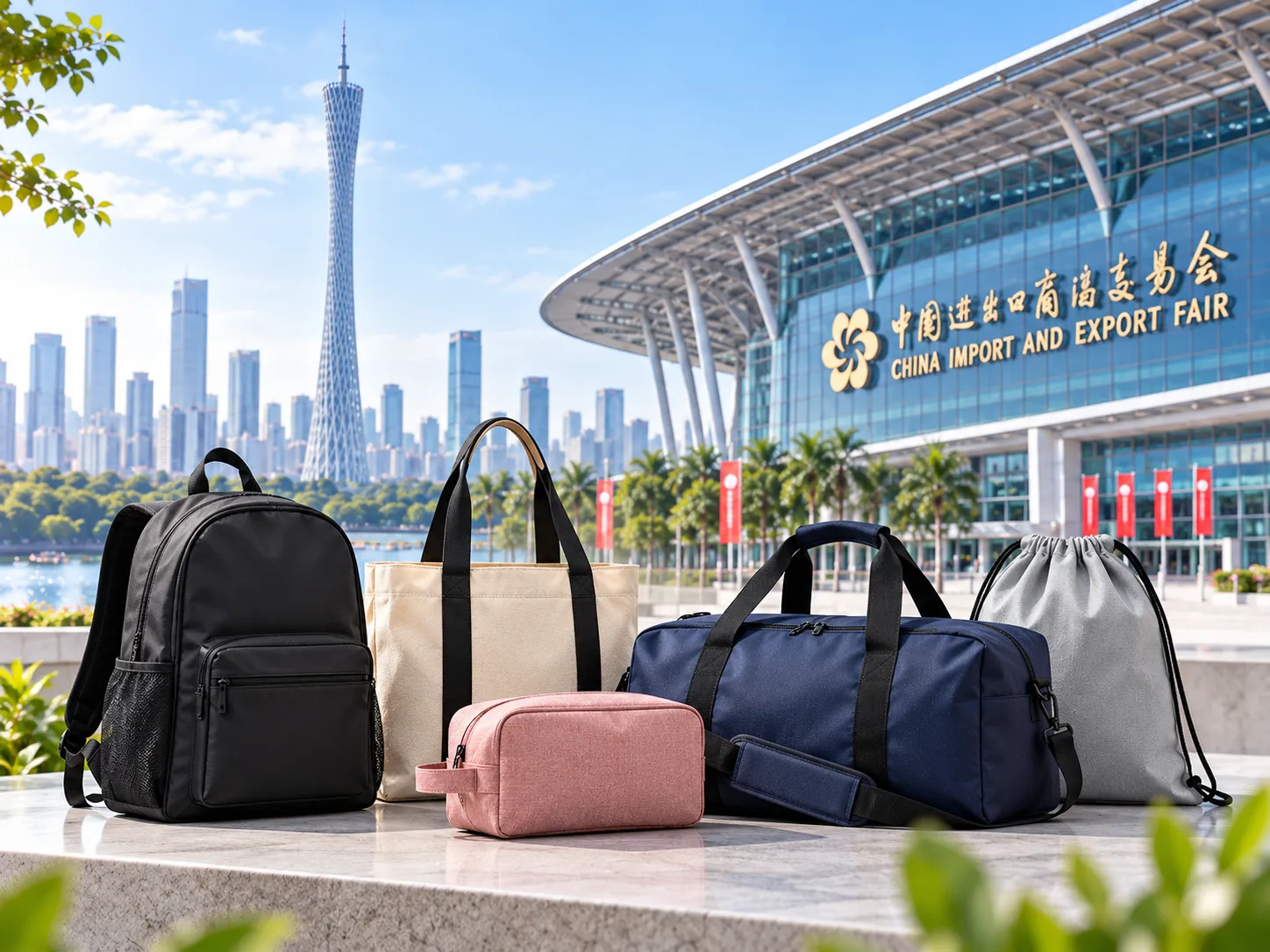
Promotional bags are widely used by brands, retailers, events, companies and organizations because they combine practical use with long-term brand exposure.
However, selecting the right bag material is an important purchasing decision. Different fabrics affect:
- Product appearance
- Durability
- Printing quality
- Environmental positioning
- Production cost
- Target customer perception
- Application suitability
The most common materials used for promotional bags include cotton, jute, RPET and polyester.
Each material has different advantages. Cotton provides a natural and premium feel, jute offers a rustic and sustainable appearance, RPET supports recycled material positioning, while polyester provides strong durability and cost efficiency.
For buyers developing custom promotional bags, the best material depends on the project purpose, target market and brand positioning.
Quick Comparison of Promotional Bag Fabrics
| Material | Main Features | Advantages | Common Applications |
|---|---|---|---|
| Cotton | Natural fiber with soft texture | Premium feel, easy printing, reusable | Retail bags, lifestyle brands, corporate gifts |
| Jute | Natural plant fiber with rustic appearance | Strong sustainability image, unique texture | Organic brands, food packaging, wine bags |
| RPET | Recycled polyester made from PET bottles | Recycled content, durability, modern sustainability | Retail bags, events, eco campaigns |
| Polyester | Synthetic fiber with high strength | Lightweight, durable, cost-effective | Sports events, travel bags, promotional campaigns |
1. Cotton Bags: Natural and Premium Promotional Solutions
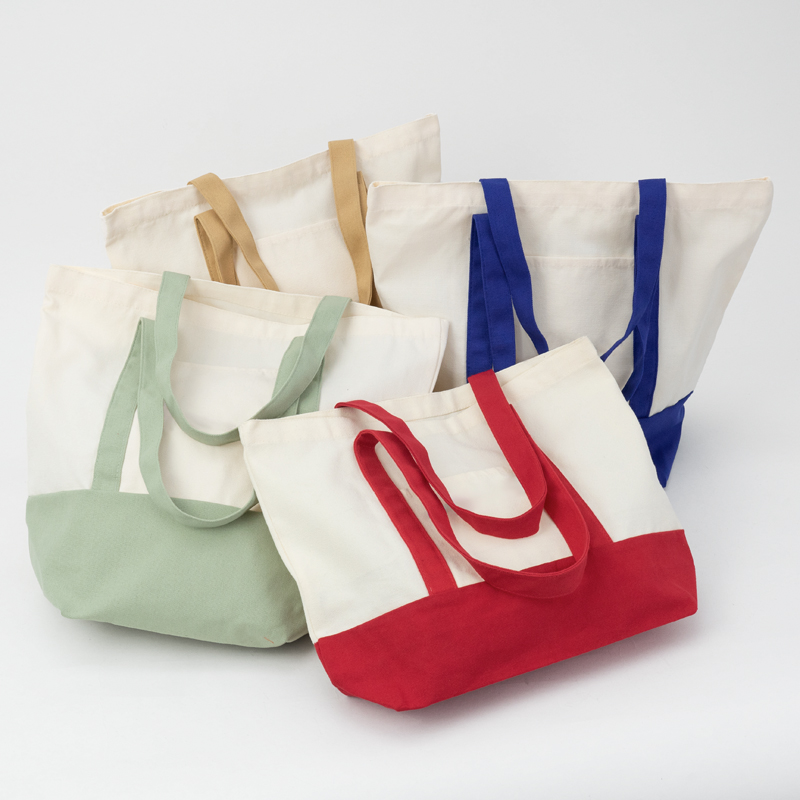
Cotton is one of the most popular materials for promotional tote bags.
Cotton bags are usually made from cotton canvas or lightweight cotton fabric. The material provides a natural appearance and comfortable hand feel, making it suitable for brands that want a reusable alternative to disposable packaging.
Key Advantages of Cotton Promotional Bags
Natural Appearance
Cotton has a soft texture and natural surface, making it suitable for brands focused on:
- Lifestyle products
- Fashion
- Beauty
- Organic products
- Sustainable retail
Excellent Printing Performance
Cotton fabric works well with various customization methods:
- Screen printing
- Heat transfer printing
- Digital printing
- Embroidery
- Woven labels
The fabric surface allows logos and artwork to appear clear and premium.
Strong Reuse Value
Compared with disposable packaging, cotton bags can be reused for:
- Shopping
- Daily carrying
- Travel
- Storage
- Promotional activities
For brands looking for long-term advertising exposure, cotton bags provide continuous visibility after the initial campaign.
Limitations of Cotton Bags
Cotton bags also have some considerations:
- Higher cost compared with lightweight synthetic bags
- Larger shipping volume
- Natural cotton requires proper sourcing management
- Water resistance usually requires additional treatment
Cotton is ideal when brand image and customer experience are more important than the lowest unit price.
2. Jute Bags: Natural Texture for Sustainable Branding
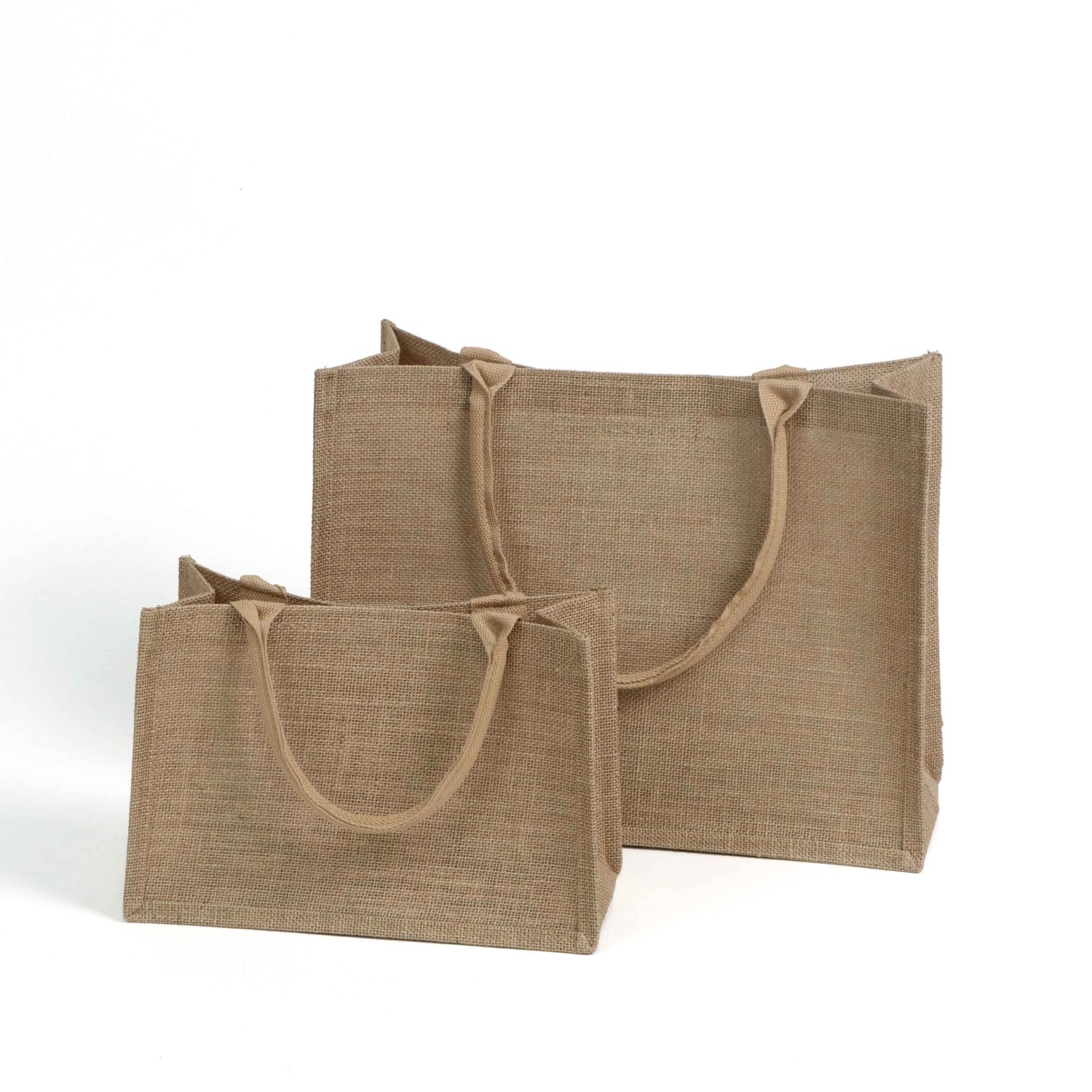
Jute is a plant-based fiber commonly used for reusable bags, gift bags and packaging solutions.
The unique texture and natural color make jute bags popular for brands that want a handmade, organic or traditional appearance.
Key Advantages of Jute Promotional Bags
Strong Sustainability Positioning
Jute is a renewable natural fiber and is often associated with:
- Natural products
- Organic food brands
- Agricultural products
- Eco-focused campaigns
Unique Appearance
Unlike smooth cotton or polyester, jute provides a visible fiber texture that creates a distinctive product appearance.
It is commonly used for:
- Wine bags
- Gift packaging
- Coffee bags
- Food packaging
- Festival promotions
Good Structural Strength
Jute fabric has good resistance to tearing and can support heavier products when properly constructed.
Limitations of Jute Bags
Jute also has limitations:
- Rougher hand feel
- Limited detailed printing compared with cotton
- Natural color variation
- Less suitable for frequent washing
Jute is best suited for brands that want a natural and premium rustic presentation.
3. RPET Bags: Recycled Material for Sustainability-Focused Projects
RPET stands for Recycled Polyethylene Terephthalate.
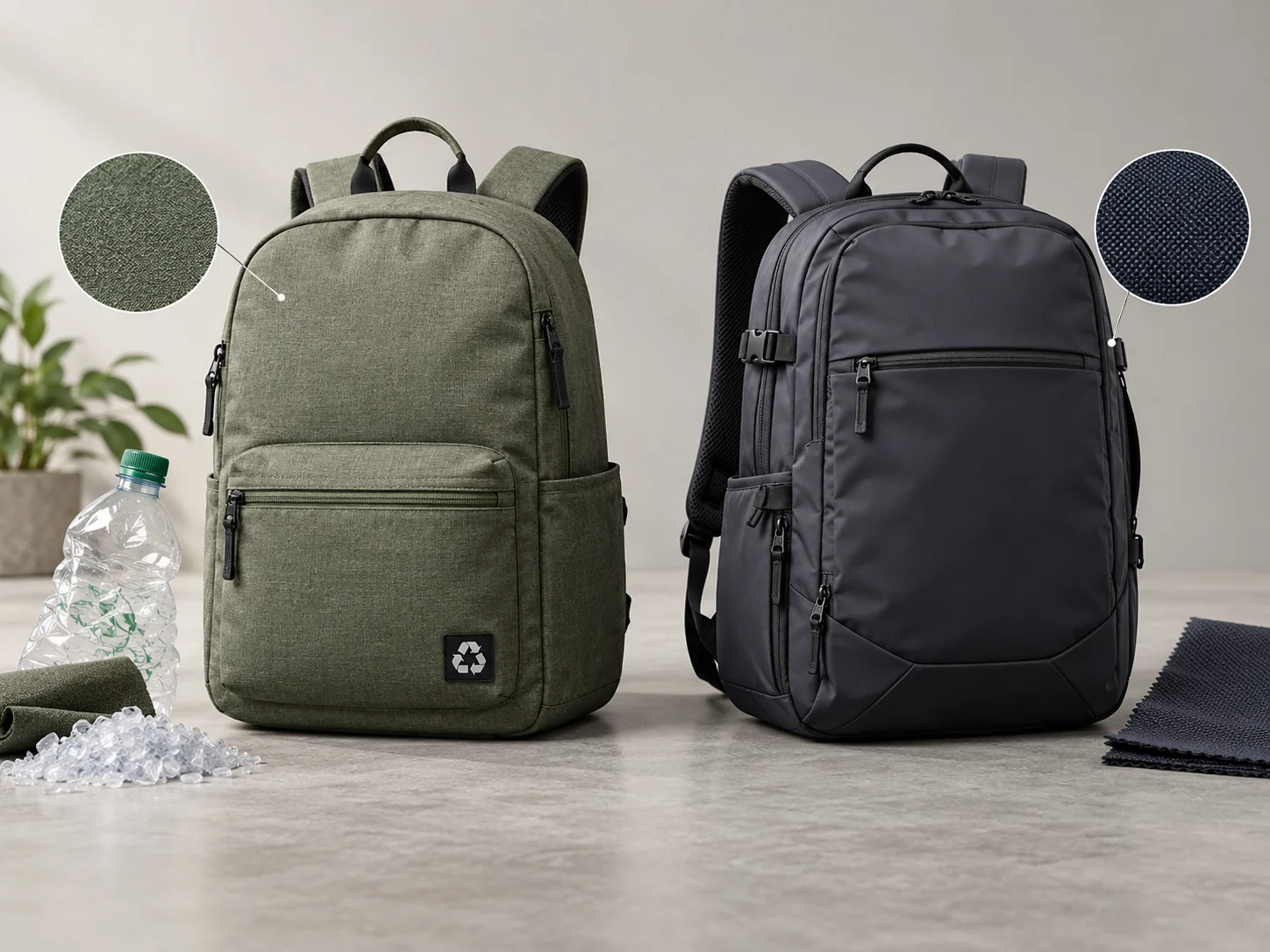
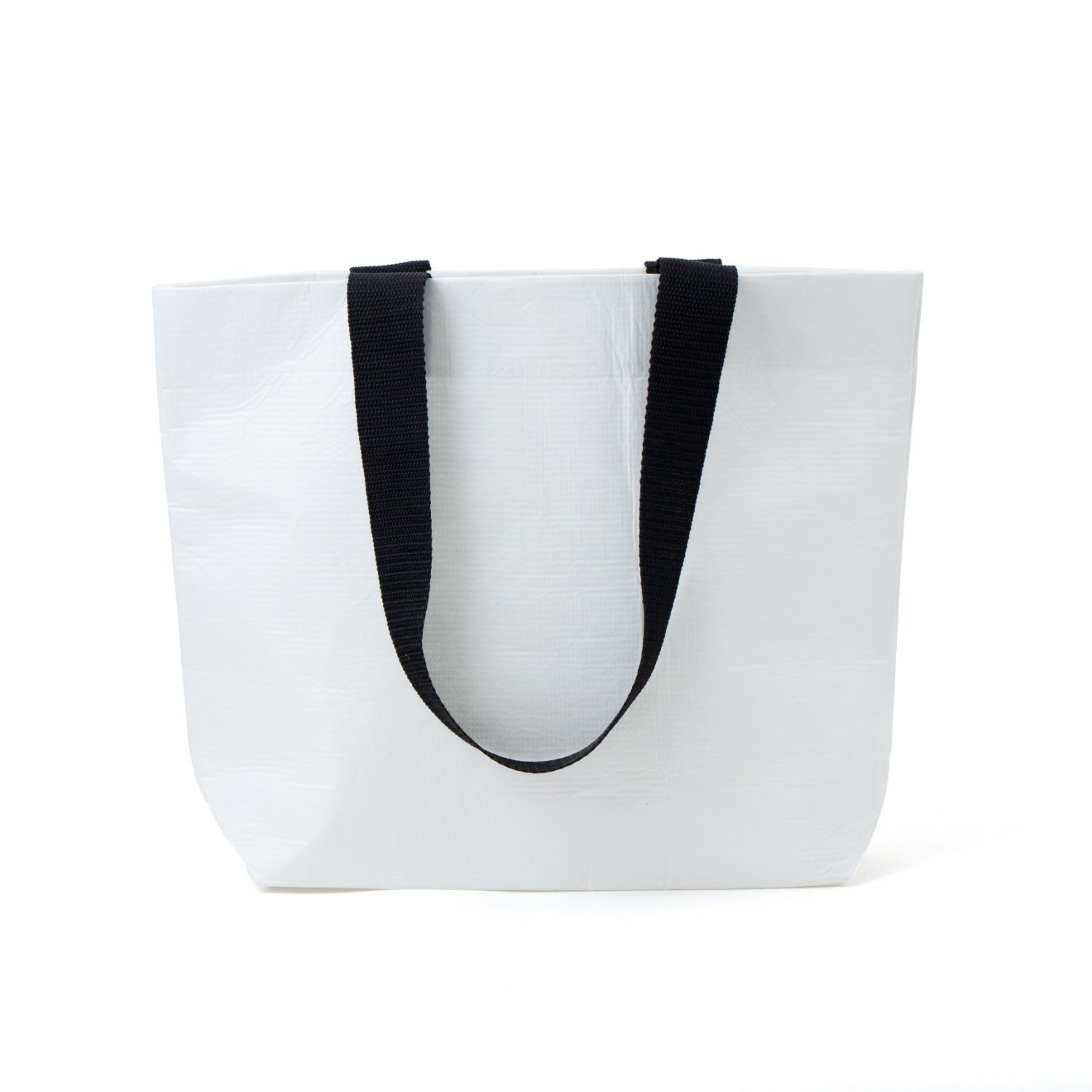
It is produced from recycled PET bottles or recycled polyester materials and processed into recycled polyester fabric.
RPET bags are increasingly used by brands that need measurable recycled content and sustainability communication.
Key Advantages of RPET Bags
Supports Recycled Material Goals
RPET helps brands communicate:
- Recycled content usage
- Plastic waste reduction
- Circular material initiatives
For European and international buyers, documentation such as recycled content certificates or GRS-related supply chain records may become increasingly important.
Good Durability
RPET fabric can be produced in different structures:
- RPET non-woven fabric
- RPET 210D polyester
- RPET 300D polyester
- RPET 600D Oxford fabric
These materials can support:
Suitable for Modern Brands
RPET is commonly selected by:
- Technology companies
- Outdoor brands
- Retail chains
- Environmental organizations
- Corporate sustainability programs
Limitations of RPET Bags
Buyers should pay attention to:
- Actual recycled content percentage
- Material certification
- Supply chain traceability
- Mixed material accessories
A bag should not be described as fully RPET unless the actual material composition supports that claim.
4. Polyester Bags: Durable and Cost-Effective Promotional Options
Polyester is one of the most widely used synthetic materials for promotional bags.
It is available in many specifications, including:
- 190T polyester
- 210D polyester
- 300D polyester
- 420D polyester
- 600D polyester
Key Advantages of Polyester Bags
High Strength and Durability
Polyester provides:
- Good tear resistance
- Lightweight structure
- Easy maintenance
- Long service life
It is suitable for products that require repeated use.
Flexible Product Development
Polyester can be used for:
- Foldable bags
- Drawstring bags
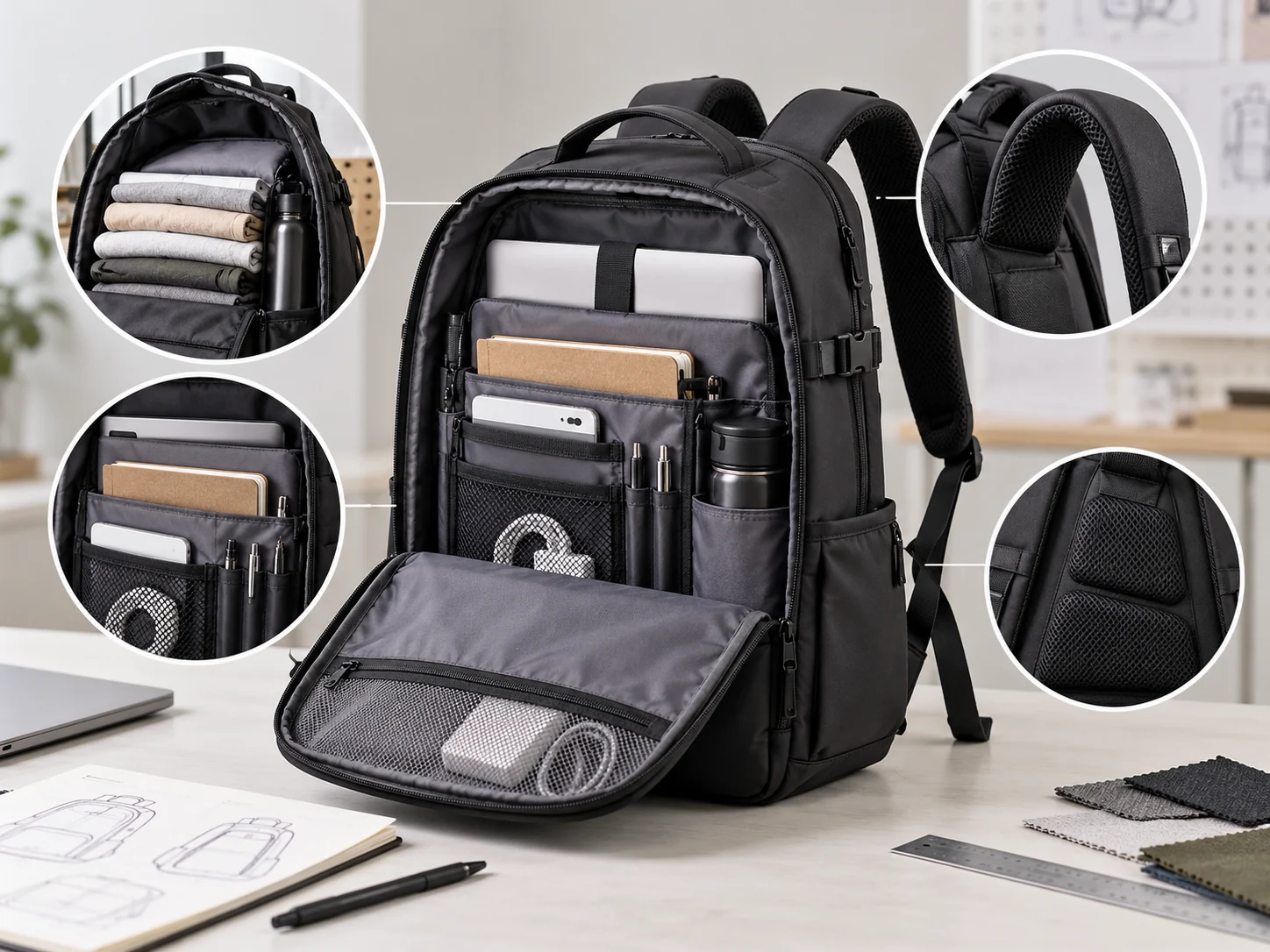
- Backpacks
- Travel bags
- Sports bags
- Cooler bags
Cost Efficiency
Compared with natural fabrics, polyester usually provides better cost control for large-volume promotional programs.
Limitations of Polyester Bags
Traditional polyester is made from virgin synthetic materials, which may not meet sustainability requirements for some markets.
For sustainability-focused projects, buyers can consider RPET polyester alternatives.
Cotton vs Jute vs RPET vs Polyester: Which Material Should You Choose?
Choose Cotton When:
- Brand image is important
- You want a premium natural feel
- The bag will be reused frequently
- Printing quality is important
- The target customer values lifestyle products
Choose Jute When:
- You want a natural and rustic appearance
- The product relates to food, agriculture or organic markets
- The packaging itself should feel unique
Choose RPET When:
- Recycled material is required
- Sustainability reporting is important
- The buyer needs modern eco positioning
- The product requires polyester durability
Choose Polyester When:
- Large quantities are required
- Cost control is important
- The bag needs lightweight strength
- The application involves sports, travel or outdoor use
Important Factors When Selecting Promotional Bag Materials
Material selection should not be based only on appearance or price.
B2B buyers should consider:
1. Intended Use
Ask:
- How many times will the bag be used?
- Will customers carry heavy products?
- Is the bag for retail, events or gifts?
2. Printing Requirements
Different materials support different decoration methods.
Consider:
- Logo complexity
- Number of colors
- Print durability
- Premium finishing requirements
3. Sustainability Requirements
For environmentally focused projects, buyers should confirm:
- Material source
- Recycled content percentage
- Certification requirements
- End-of-life considerations
4. Shipping and Packaging Cost
Fabric weight and folding structure affect:
- Carton quantity
- Container loading
- Freight cost
- Warehouse space
Sustainable Promotional Bag Solutions from Hangzhou INITI Imp&Exp Co., Ltd.
Hangzhou INITI Imp&Exp Co., Ltd. provides customized promotional bag solutions for brands, retailers, promotional companies, importers and distributors.
With more than 16 years of OEM and ODM experience, we support customers from material selection and product development to sampling, production and quality control.
Our promotional bag materials include:
- Cotton canvas
- Jute and burlap
- RPET recycled polyester
- Polyester
- Non-woven materials
- Felt
- Recycled fabrics
Related promotional bag products include:
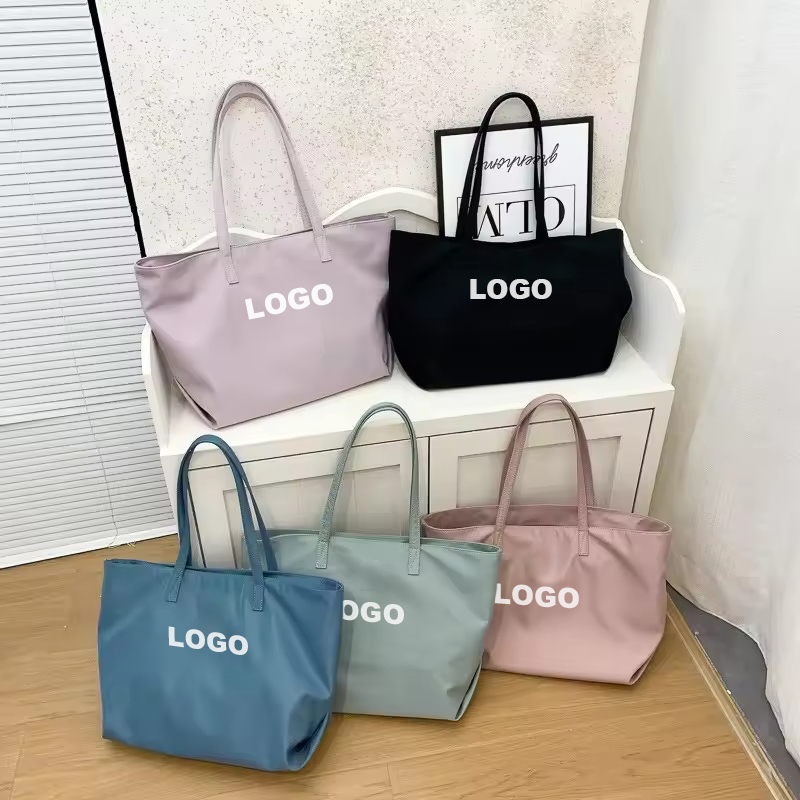
- Custom cotton tote bags
- Jute shopping bags
- RPET reusable bags
- Polyester foldable bags
- Drawstring promotional bags
- Event giveaway bags
- Corporate gift bags
- Retail shopping bags
Our production capability is supported by experience with international brands and certifications including SEDEX, DISNEY, GRS, HIGG and ISO9001.
Frequently Asked Questions
What is the most sustainable material for promotional bags?
There is no single best material. Cotton, jute and RPET can all support sustainable projects depending on sourcing, production, usage frequency and recycling conditions.
Are RPET bags better than polyester bags?
RPET provides recycled material advantages, while polyester offers similar durability. The better choice depends on whether recycled content is important for the project.
Which promotional bag material is best for printing?
Cotton usually provides an excellent surface for screen printing and embroidery. Polyester and RPET also support various printing methods depending on fabric structure.
Are jute bags suitable for luxury promotional gifts?
Yes. Jute bags provide a natural premium appearance and are often used for wine packaging, food brands and eco-focused gift projects.
What information should buyers provide when ordering promotional bags?
Buyers should provide:
- Bag type
- Estimated quantity
- Size requirements
- Material preference
- Logo artwork
- Packaging requirements
- Target delivery time
Conclusion
Cotton, jute, RPET and polyester each provide different advantages for promotional bag projects.
Cotton offers premium natural branding, jute provides a unique sustainable appearance, RPET supports recycled material goals, and polyester delivers durability and cost efficiency.
The best material choice depends on the balance between brand positioning, product function, sustainability requirements and purchasing budget.
For successful promotional bag projects, buyers should select materials based on long-term usage value rather than only the initial unit price.