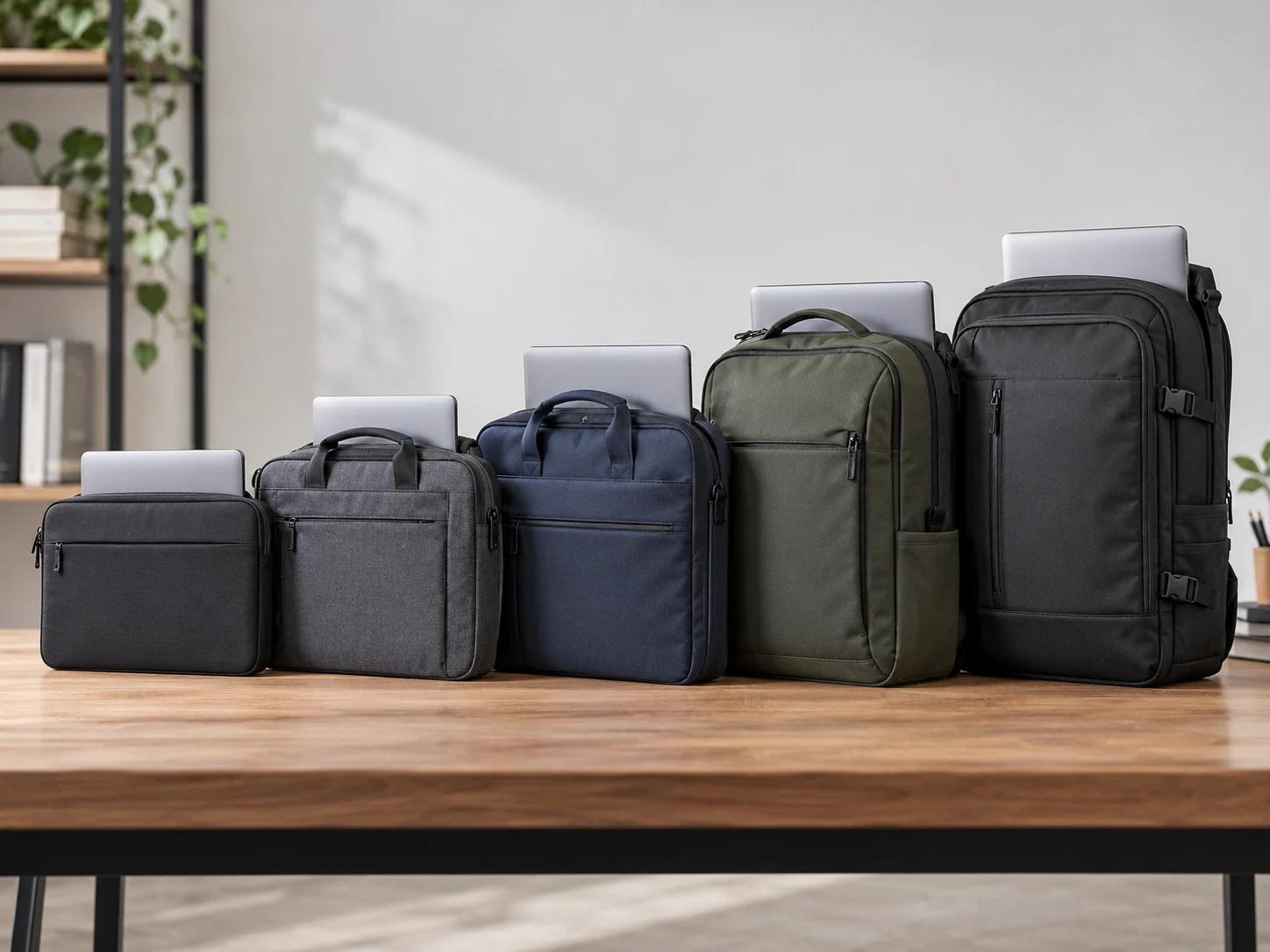
Search Reddit for a college backpack and you will quickly find that students are rarely asking only, “Which brand is best?” The real questions are more specific: Is 20 liters enough for classes? Will a 16-inch laptop actually fit? Is a 32-liter backpack too large for a shorter person? Are extra pockets useful, or do they simply add weight? And is a $160 backpack meaningfully better than one that costs $90?
Those questions point to a simple conclusion: the best college backpack depends less on the logo than on what you carry, how far you commute, your laptop’s actual dimensions, and which features you will use every day. Price matters too. A more expensive backpack can be good value when its suspension, laptop protection, or organization solves a real problem—but poor value when you are paying for capacity or features you do not need.
This guide compares eight current backpacks by both function and price. We start with the job each bag does best, then look at the compromises behind the marketing claims. If you are still unsure about capacity, laptop fit, or pocket layout, begin with our complete guide to choosing a college backpack.
Research disclosure: We reviewed current official specifications, US list prices, editorial coverage, and recurring user feedback. We did not personally test every backpack in this guide. Product designs and prices can change, so check the current version before ordering.
Our College Backpack Picks at a Glance
| Backpack | Best for | Capacity | Laptop fit | Official US price* | Empty weight | Main trade-off |
|---|---|---|---|---|---|---|
| The North Face Recon | Best overall | 30L | Up to 16 in. | $125 | 2 lb 9 oz / 1,165 g | Can feel long or overbuilt for light carry |
| Osprey Nebula 32 | Heavy loads and organization | 32L | Most 16-in. laptops | $160 | 2.12 lb / 961 g | Compression straps add friction to access |
| Patagonia Refugio 26L | Lightweight all-round use | 26L | Up to 15 in. | $115 | 1 lb 7.5 oz / 666 g | Less detailed organization |
| Timbuk2 Authority Deluxe | Laptop and tech carry | 20L | Up to 17 in. | $179 | About 2.4 lb / 1.1 kg | Expensive and heavy for 20L |
| JanSport Main Campus | Best budget option | 32L | Up to 15 in. | $62 | 1 lb 5.5 oz / 600 g | Less supportive for repeated heavy loads |
| Fjällräven Räven 28 | Style and everyday organization | 28L | Up to 15 in. | $130 | 2.2 lb / 1,000 g | Relatively heavy and no sternum strap |
| The North Face Jester | Best everyday value | 28L | Up to 16 in. | $90 | 1 lb 10 oz / 740 g | Simpler laptop and internal organization |
| Fjällräven Kånken Laptop 17 | Minimalist design | 20L | Up to 17 in. | $135 | 1.1 lb / 500 g | Limited support, bottle storage, and capacity |
*Prices are standard prices shown on the brands’ official US websites and were checked on August 10, 2026. Sale prices may vary by color and date. Prices also vary by region, tax, and product version.
How We Chose the Best College Backpacks
We matched features to actual student routines
A backpack was not rewarded simply for having the most pockets or the largest capacity. We considered how well each model fits a recognizable college routine: a full day of classes, a long public-transit commute, tech-heavy coursework, a light digital schedule, or a combination of class, gym, and weekend travel.
We evaluated:
- usable capacity, not just the stated liter count;
- laptop compartment size, padding, access, and bottom protection;
- organization that reduces searching without wasting internal space;
- shoulder straps, back panel, sternum strap, and load stability;
- empty weight before books and electronics are added;
- water-bottle storage and separation from electronics;
- materials, cleaning requirements, and everyday durability;
- standard US price and what the buyer receives for it;
- recurring complaints that reveal friction after the first impression.
We treated price as part of performance
“Best value” does not automatically mean “cheapest.” The useful question is: What problem does the extra money solve?
A student carrying textbooks and equipment across campus may benefit from a more structured harness. Someone carrying only a laptop, charger, notebook, and water bottle may not. Likewise, a premium fabric or iconic design can be worth paying for if the buyer genuinely values it, but it should not be confused with better load support.
We use official US list prices for consistency. Temporary discounts are worth checking, but they are not a stable basis for ranking products. For example, a bag listed at $130 may appear in a seasonal color at a much lower sale price without changing the product’s normal market position.
Why pocket count alone did not decide the ranking
More pockets can improve organization, but they also add fabric, zippers, seams, and weight. Small compartments may steal room from the main compartment, while a large open space can work better for a lunch box, hoodie, art supplies, or packing cubes. The right layout depends on whether you carry many small tech items or a few larger objects.
Best Overall: The North Face Recon 30L
The North Face Recon is the most balanced option in this group. It does not lead every category, but its 30-liter capacity, dedicated laptop compartment, usable organization, external storage, and load-support features cover more college routines than most single-purpose bags.
Why it stands out
The current Recon has a dedicated compartment for laptops up to 16 inches, a large main compartment for books and binders, a front organization compartment, two bottle pockets, an external stretch pocket, and a stand-up design. Its FlexVent suspension, sternum strap, side compression straps, and removable waist belt give it more control under load than a basic school backpack. The official Recon specifications list a 30-liter volume and an average weight of 2 pounds 9 ounces.
That mix makes it useful for students whose day may include classes, a library session, a commute, and a change of clothes. The external stretch pocket is especially practical for a damp umbrella, light jacket, or item that should remain separate from the main compartment.
What to consider before buying
At 19.3 inches tall, the Recon can feel long on a shorter torso. It is also heavier than several simpler options before anything is packed. Students who mainly carry a laptop and notebook may find the waist belt, compression system, and 30-liter capacity unnecessary.
The official “up to 16-inch” laptop claim is a starting point, not a guarantee for every device. The sleeve is listed at 18.9 by 11 inches, so compare those measurements with the laptop—including its case—rather than relying only on screen size.
Price and value
At $125, the Recon sits in the middle of this list. It costs $35 more than the Jester, but that difference pays for a separate laptop compartment, more organization, external stretch storage, compression, and a removable waist belt. For a student who will use those features across classes, commuting, gym sessions, and short trips, the price is reasonable.
It is less compelling value for a light-carry student. Paying more for a capable suspension does not help if the bag is rarely loaded enough to need it.
Best for: Students who want one backpack for most campus and everyday situations.
Skip it if: Your normal load is small, you have a short torso, or low empty weight matters most.
Best for Heavy Loads and Organization: Osprey Nebula 32
The Osprey Nebula 32 is the strongest starting point for students who regularly carry a large load and want clear separation between their computer, main cargo, and small essentials.
Why it stands out
The Nebula 32 product page specifies a separate TSA-compatible clamshell laptop compartment for most 16-inch laptops, a large main compartment, a zip organization pocket, a front shove-it pocket, dual bottle pockets, and top and bottom compression straps. Its AirScape back panel uses ridged foam and a framesheet, while the removable web belt helps stabilize a heavier load.
The full-zip laptop section is useful for students who travel frequently or want to access a device without moving books and clothing. At 32 liters, it can also absorb the extra items that accumulate during an all-day schedule: lunch, headphones, a lab coat, a second notebook, or gym clothing.
What to consider before buying
The compression straps help control a partially filled bag, but they can also slow access because they cross areas you may want to unzip frequently. This is a common example of a feature that improves load control while adding everyday friction.
Thirty-two liters can also encourage overpacking. A bag that holds more is not automatically more comfortable if every available space is filled. At approximately 19.3 inches high, the Nebula should be tried on by students with shorter torsos where possible.
Price and value
At $160, the Nebula is the second-most expensive model here. Its value comes from the carrying system, computer access, organization, and ability to cross between campus, commuting, and weekend travel—not from capacity alone.
The premium is easier to justify for a student who carries books, equipment, and electronics for long periods. If your heaviest normal day fits comfortably in 20 to 26 liters, the Nebula may be an expensive way to carry unused space.
Best for: Long commuters, heavy textbook loads, STEM equipment, and students who use one pack for class and short travel.
Skip it if: You carry lightly, want the fastest possible main-compartment access, or dislike tall, technical-looking packs.
Best Lightweight All-Rounder: Patagonia Refugio Daypack 26L
The Patagonia Refugio 26L offers a useful middle ground: enough room for a standard campus day without the weight and compartment count of a larger technical pack.
Why it stands out
The current Refugio 26L specifications include a padded sleeve for laptops up to 15 inches, a spacious main compartment with internal pockets, a front zip pocket, bottle pockets, and a breathable back panel. It weighs 1 pound 7.5 ounces—almost one pound less than the Recon.
Its 26-liter capacity sits in a practical range for a laptop, charger, one or two notebooks, a water bottle, lunch, and a light layer. The less divided main compartment is also an advantage for students who carry objects that do not fit neatly into small pockets.
Patagonia currently specifies 100% recycled materials and a durable water-repellent finish made without intentionally added PFAS. Those points may matter to buyers who want material choices and a simpler design to carry equal weight in the decision.
What to consider before buying
The Refugio is not the best choice for someone who wants a dedicated place for every cable, drive, pen, card, and accessory. Its organization is more restrained than the Recon, Nebula, or Authority Deluxe.
The 15-inch laptop limit also deserves attention. Some 15.6-inch gaming laptops, thicker workstation models, or laptops inside protective cases may not fit as expected. Measure the device before ordering.
Price and value
At $115, the Refugio is $10 below the Recon and $45 below the Nebula. You are paying for a relatively light all-round structure, recycled materials, and a mainstream outdoor brand’s product ecosystem—not for elaborate organization.
It offers good value for students who prefer a clean main compartment and moderate capacity. It is poor value for someone who would immediately add several organizers because the built-in layout feels too simple.
Best for: Moderate daily loads, students who prefer lighter bags, and buyers who want a simple campus-to-day-hike design.
Skip it if: You need a 16-inch laptop compartment, detailed tech organization, or room for books plus bulky gym gear.
Best for Laptop and Tech Carry: Timbuk2 Authority Laptop Backpack Deluxe
The Timbuk2 Authority Deluxe is closer to a professional tech-commuter bag than a traditional student backpack. That specialization makes it a strong option for laptop-centered coursework, but not a universal college choice.
Why it stands out
The Authority Deluxe product page lists a padded laptop sleeve for devices up to 17 inches, abundant internal organization, an air-mesh back panel, padded straps, compression straps, a luggage pass-through, a water-resistant exterior, and a waterproof bottom boot. The 20-liter profile remains relatively controlled and can transition into internships or office use after college.
This layout makes sense for a computer science, design, or business student whose daily load is dominated by a laptop, tablet, chargers, drives, headphones, and documents. External laptop access also reduces the need to open the main area in a crowded classroom or airport.
What to consider before buying
Twenty liters is not much space once a large laptop and accessories are inside. A lunch box, thick hoodie, multiple textbooks, and gym shoes will compete for the remaining volume. Its roughly 2.4-pound empty weight is also high for a 20-liter bag.
“Fits up to 17 inches” still does not cover every large laptop. Gaming and workstation devices vary greatly in thickness and body dimensions, so check the manufacturer’s current compartment measurements and the retailer’s return terms.
Price and value
At $179, this is the most expensive backpack in the group. The extra cost buys premium organization, laptop-centered access, weather-conscious details, and a more professional appearance. It does not buy more carrying capacity.
The Authority Deluxe can be worth the price for someone protecting an expensive large laptop and using the bag through college, internships, and early work life. It offers weak functional value to a student who mostly needs a large open compartment for books, food, and clothing.
Best for: Tech-heavy coursework, large laptops, internships, and students who prefer a professional commuter look.
Skip it if: You need high volume, want a light empty bag, or are shopping primarily on capacity per dollar.
Best Budget College Backpack: JanSport Main Campus
The JanSport Main Campus proves that a lower price does not have to mean a tiny or stripped-down backpack. It covers the standard college basics at less than half the price of several premium options.
Why it stands out
JanSport lists the Main Campus at 32 liters with two main compartments, a dedicated zippered and padded 15-inch laptop compartment, a front organization panel, a top stash pocket, one stretch bottle pocket, side compression straps, S-curve shoulder straps, and a padded back panel. It weighs only 1 pound 5.5 ounces.
The two-compartment format works well for separating books and folders from food, clothing, or accessories. Its familiar student-bag layout also requires little adjustment: the main areas are easy to understand, while the front panel handles small essentials.
What to consider before buying
Its 32-liter capacity should not be mistaken for the carrying system of a technical 32-liter pack. Students can fit a heavy load inside, but the straps and back structure are not designed like Osprey’s more developed suspension. Capacity tells you how much fits; it does not tell you how comfortable that weight will feel after a long walk.
There is also only one bottle pocket, and the large compartments can become messy without pouches or a consistent packing routine.
Price and value
At $62, the Main Campus is the least expensive option here by a wide margin. For a student who needs generous volume, basic laptop protection, and everyday organization, it has the strongest capacity-to-price ratio in the group.
Its limitations become important when daily loads are very heavy, the commute is long, or the laptop requires more protective structure. In those cases, spending more on comfort or device protection can be rational rather than indulgent.
Best for: Students on a tighter budget who want conventional campus organization and plenty of room.
Skip it if: You routinely walk long distances with a very heavy load or need more advanced laptop and load support.
Best for Style and Everyday Organization: Fjällräven Räven 28
For college use, the Räven 28 is a more functionally complete Fjällräven option than the classic standard Kånken. It combines a cleaner everyday appearance with a dedicated laptop section and more developed organization.
Why it stands out
The Räven 28 includes a separate compartment for laptops up to 15 inches, a large main section, a front organizer, a fleece-lined top pocket, internal security storage, open side pockets, and a padded air-mesh back panel. Its G-1000 HeavyDuty fabric has more texture and structure than typical lightweight polyester school bags and can be treated with Greenland Wax.
At 28 liters, it has enough room for a normal full campus day without moving into obvious travel-pack territory. Its understated appearance can also work in class, at an internship, or on a casual commute.
What to consider before buying
The bag weighs 1,000 grams, which is relatively heavy for 28 liters, and it does not include a sternum strap. That combination matters when the pack is filled with dense textbooks. The G-1000 material also develops wear character and has specific care instructions; the brand recommends cleaning with a soft brush and lukewarm water rather than machine washing.
The stated laptop dimensions are 43 by 27 centimeters. Check the device body, not the marketed screen category.
Price and value
The standard US price is $130, although particular colors may be discounted. Part of that price pays for the G-1000 material, details, and Fjällräven design language. On purely functional measures such as weight, load control, or laptop size, it does not outperform every cheaper bag.
It is good value for a student who actively wants its material, appearance, and organization. It is less persuasive for someone who sees style as secondary and wants the maximum technical performance per dollar.
Best for: Students who value material feel, understated design, and useful everyday organization.
Skip it if: Low empty weight, a sternum strap, or maximum functional value is the priority.
Best Value for Everyday Campus Use: The North Face Jester 28L
The Jester is not simply a cheaper Recon. It is a simpler college backpack for students who want enough room, a supportive everyday back panel, and basic organization without paying for a separate laptop compartment and additional load-management features.
Why it stands out
The current Jester 28L has a padded 16-inch laptop sleeve, a large main compartment, a front organizer, two bottle pockets, an external bungee, a sternum strap, and a stand-up construction. It uses The North Face’s FlexVent system and weighs 1 pound 10 ounces.
The ability to stand unsupported is more useful on campus than it may sound. It makes the bag easier to load beside a desk, reduces spilling when placed on a library floor, and improves access in a dorm room.
What to consider before buying
The laptop sleeve sits within a simpler structure rather than a fully separate, protective computer compartment. The front bungee can hold a light layer, but it is exposed and cannot replace a zippered pocket for valuables. Students carrying many small accessories may also want more internal separation.
Price and value
At $90, the Jester occupies the most attractive middle point for many students: notably less expensive than the Recon, Refugio, and Fjällräven models, but more structured than a bare-bones school bag.
Compared with the $125 Recon, the $35 saving makes sense if you do not need a separate laptop section, removable waist belt, extensive compression, or deeper organization. If those features would be used every day, the Recon may still offer better long-term value.
Best for: Typical campus days, moderate loads, and students who want a straightforward bag around the $100 mark.
Skip it if: Your laptop needs a separate compartment or you regularly organize many devices and accessories.
Best Minimalist Design: Fjällräven Kånken Laptop 17
The Kånken Laptop 17 is the design-led option in this guide. Its appeal lies in its recognizable rectangular form, low weight, and simple packing logic—not in heavy-load ergonomics.
Why it stands out
The Kånken Laptop 17 weighs only 500 grams and offers a separate padded compartment with stated internal dimensions of 40 by 27 by 3 centimeters. The 20-liter body includes a front zip pocket, two open side pockets, an additional internal zip pocket, padded shoulder straps, and the line’s removable foam seat pad.
For a student carrying a laptop, one notebook, a small pouch, and a few daily essentials, the simple box-shaped compartment is easy to understand and pack. It also retains its identity outside the classroom rather than looking like technical hiking equipment.
What to consider before buying
Twenty liters can become restrictive when lunch, a jacket, textbooks, and gym clothing are added. The narrow open side pockets are also less accommodating than stretch-mesh bottle pockets on many competitors. Its shoulder and back structure should not be compared with the Recon or Nebula for repeated heavy loads.
Although the product is named for a 17-inch laptop, the listed 40-by-27-by-3-centimeter compartment is the real limit. Some large devices will not fit.
Price and value
At $135, the Kånken Laptop 17 costs more than the larger Recon, Refugio, Jester, and Main Campus. The price therefore cannot be justified through capacity or technical support alone. A meaningful share of its value comes from design, brand identity, low weight, and the Kånken format.
That is not automatically a bad purchase. Design can be part of everyday value when a student enjoys using the bag for years. But buyers focused on features per dollar will find stronger choices elsewhere.
Best for: Light daily carry, a large but slim laptop, and students who prioritize iconic design.
Skip it if: You carry heavy books, use a large water bottle, or want maximum capacity and support for the price.
Best College Backpacks by Price Range
Price becomes more useful when it is connected to the level of function a student actually needs.
| Budget | Models in this guide | What the budget can realistically buy | Main caution |
| Under $100 | JanSport Main Campus ($62), The North Face Jester ($90) | Standard laptop storage, useful campus capacity, basic organization, and everyday comfort | Do not assume large capacity means technical heavy-load support |
| $100–$140 | Patagonia Refugio 26L ($115), The North Face Recon ($125), Fjällräven Räven 28 ($130), Kånken Laptop 17 ($135) | Better materials, a more refined structure, stronger brand-specific design, or a more complete feature mix | Compare what the premium actually adds; the highest price is not automatically the most supportive |
| Over $140 | Osprey Nebula 32 ($160), Timbuk2 Authority Deluxe ($179) | More specialized load support, travel-compatible access, or tech-focused organization | These bags become poor value when their specialist features are unused |
Best under $100
Choose the JanSport Main Campus when price and maximum usable room are the priorities. Choose the Jester when you can spend more for two bottle pockets, a stand-up body, a sternum strap, and a more developed everyday back system.
Best from $100 to $140
This range is not a straight ladder from worst to best. The Refugio emphasizes lower weight and simplicity. The Recon offers the broadest feature balance. The Räven puts more value into material and everyday style. The Kånken Laptop 17 prioritizes design, low weight, and a large-laptop format over capacity and support.
Best over $140
Spend above $140 only when the specialization matches your routine. The Nebula is easier to justify for heavy or travel-connected loads. The Authority Deluxe makes more sense for expensive technology and professional use. Neither is automatically a better college backpack for a student carrying a light schedule.
Which College Backpack Should You Choose?
| Your normal college routine | Recommended starting point | Why |
| You want one bag for class, commuting, gym, and occasional travel | The North Face Recon | The most balanced combination of capacity, organization, and load control |
| You carry textbooks, equipment, and a laptop for a long commute | Osprey Nebula 32 | Stronger organization and a more developed carrying system |
| You carry a moderate load and dislike heavy, over-divided bags | Patagonia Refugio 26L | Lower empty weight and a simpler 26-liter layout |
| Your laptop and electronics dominate the load | Timbuk2 Authority Deluxe | Tech-oriented protection, access, and organization |
| Your budget is limited but you need plenty of room | JanSport Main Campus | The lowest price and 32-liter capacity |
| You care about material, organization, and a nontechnical look | Fjällräven Räven 28 | Refined everyday layout and G-1000 fabric |
| You want a straightforward campus bag around $100 | The North Face Jester | Good daily features without the Recon’s full complexity |
| You carry lightly and strongly prefer the Kånken design | Kånken Laptop 17 | Low weight, simple packing, and a separate large-laptop compartment |
Common College Backpack Comparisons
The North Face Recon vs. Osprey Nebula 32
Choose the Recon for a more balanced daily campus bag at a lower price. Choose the Nebula when heavier loads, a clamshell laptop section, and travel crossover matter enough to justify the extra $35. The Nebula offers more specialization; the Recon is easier to recommend to someone whose routine varies.
The North Face Recon vs. Jester
The Jester saves $35 and 425 grams while retaining a 28-liter capacity, a padded laptop sleeve, bottle pockets, and a sternum strap. The Recon earns its higher price through a dedicated laptop compartment, more organization, more external storage, and stronger load-management features. For a typical moderate campus load, the Jester may be better value. For complex, heavier days, the Recon is the more complete tool.
Patagonia Refugio 26L vs. The North Face Recon
The Refugio is lighter and $10 cheaper. Its simpler interior works well for larger objects and students who use their own pouches. The Recon provides more built-in organization, a larger laptop allowance, and more load-control features. This comparison is less about 26 versus 30 liters than about a simple lightweight structure versus a more equipped one.
Fjällräven Räven 28 vs. Kånken Laptop 17
Choose the Räven for greater capacity, better organization, a padded back panel, and a more conventional campus or commuting layout. Choose the Kånken Laptop 17 for lower weight, its visual identity, and a laptop compartment designed around a larger screen category. The Kånken is $5 more at standard price despite offering eight fewer liters, which makes its design-first positioning clear.
Is 20L or 30L better for college?
Twenty liters can work for digital coursework, a laptop, a notebook, and a few essentials. Around 26 to 30 liters is safer when lunch, a layer, textbooks, or gym clothing regularly join the load. Do not select 30 liters “just in case” if it creates a larger, heavier bag every day. Our college backpack size and feature guide explains this decision in more detail.
What to Check Before Ordering Any College Backpack
Even a highly rated model can be wrong for your body or routine. Before buying, check:
- Laptop body dimensions: Measure length, width, and thickness with the protective case attached.
- Your busiest normal day: Pack for a demanding but ordinary day—not an imagined emergency and not the lightest Friday schedule.
- Empty bag weight: A difference of 400 to 500 grams is noticeable before books and water are added.
- Torso fit: Compare the pack height with your torso and try it on under load if possible.
- Bottle diameter: Large insulated bottles do not fit every open or stretch side pocket.
- Main-compartment shape: Check whether a lunch box, binder, art portfolio, or lab item fits the usable opening.
- Access pattern: Compression straps and clamshell sections can help one routine while slowing another.
- Current version: Brands sometimes change fabrics, pocket layouts, and dimensions while keeping a familiar product name.
- Return and warranty terms: Fit and comfort cannot be confirmed from a specification table alone.
Frequently Asked Questions
What is the best college backpack overall?
The North Face Recon is the best overall choice in this guide because it balances 30-liter capacity, a dedicated laptop section, organization, external storage, and load-control features at a midrange price. It is not the absolute best for every student. A light-carry student may be happier with the Refugio or Jester, while a heavy commuter may benefit more from the Nebula.
What is the best affordable college backpack?
The JanSport Main Campus offers the lowest official price in this group at $62 and still provides 32 liters of space, a padded 15-inch laptop compartment, and practical organization. The $90 Jester is a stronger step-up option when two bottle pockets, a sternum strap, stand-up construction, and its FlexVent back system matter.
Is a 20L backpack enough for college?
Yes, for students who mainly carry a laptop, charger, notebook, and small essentials. It becomes restrictive when lunch, textbooks, a jacket, and gym clothing must fit at the same time. Test your actual load rather than deciding from the liter number alone.
Is a 32L backpack too large for college?
It can be too large for a light schedule or shorter torso, but it is reasonable for a long commute, heavy textbooks, lab equipment, or a class-and-gym routine. The key is whether the capacity is used often enough to justify carrying the larger bag every day.
Which college backpack is best for a 16-inch laptop?
The Recon, Nebula, and current Jester are starting points because their brands state compatibility with 16-inch or most 16-inch laptops. Always compare the laptop’s physical dimensions with the compartment measurements. Screen size alone is not a fit standard.
Which college backpack is best for heavy textbooks?
The Osprey Nebula 32 is the strongest candidate here because its back panel, framesheet, harness, compression, and removable web belt are designed to stabilize a larger load. The Recon is a more versatile alternative. Regardless of the bag, avoid carrying unnecessary weight and test comfort with a realistic load.
Are expensive college backpacks worth it?
They are worth it when the added cost buys a function you use: better laptop protection, more comfortable heavy-load carry, durable materials, repair support, or a layout that saves time every day. They are not automatically worth it when the price mainly adds unused capacity, excessive organization, or a design preference you do not personally value.
Is the Kånken good for college?
The Kånken Laptop 17 can work well for light carry and students who value its design. Its 20-liter capacity, simple support, and limited bottle storage make it less suitable for heavy textbooks or an all-day mixed load.
Does a college backpack need a sternum strap?
Not always. A sternum strap is more useful for long walks, cycling, and heavier or unstable loads. For a light trip between a dorm and nearby classrooms, it may add little practical value.
Final Verdict: Buy for Your Routine, Not the Longest Feature List
Start with three decisions:
- Measure your laptop, including its case.
- List everything carried on your busiest normal college day.
- Choose the smallest backpack that carries that load comfortably.
Then use price to judge whether a model’s extra features solve a recurring problem. The $62 JanSport Main Campus may be the smartest purchase for a straightforward campus routine. The $160 Osprey Nebula may be better value for a student who carries a heavy load across town every day. The $179 Timbuk2 Authority Deluxe can make sense for a large, expensive laptop—but not for someone who needs an open compartment for clothes and books.
There is no single price at which a backpack becomes “good.” There is only a better or worse match between the bag, the load, and the student using it.