
You may ask, “Why is linen so expensive?” when you see linen bags. Linen is made from flax, which costs more than other materials. The process of making linen from flax requires skill and time. Linen bags are known for their durability and their ability to fight bacteria, meaning you get more value for your money. Consider the usual prices for bags made from different materials:
| Material | Average Price Range |
|---|---|
| Cotton | $25 – $35 |
| Polyester | $45 – $55 |
Linen bags typically cost even more. You pay for their strength, comfort, and uniqueness.
Key Takeaways
- Linen bags cost more because flax is expensive.
- Flax is the main material used to make linen.
- Making linen takes a lot of work and time.
- Skilled workers are needed to make sure it is good quality.
- Linen is strong and can last for many years.
- This makes it a smart choice over time.
- Linen can fight germs because it is naturally antibacterial.
- This helps keep your things safe from germs.
- Picking linen helps the planet.
- It uses less water and fewer chemicals than other fabrics.
- Linen bags feel nice to carry.
- They let air move through and keep sweat away.
- This is helpful when it is hot outside.
- More people want linen for clothes and home items.
- This makes linen cost more and feel special.
- Buying linen helps workers get fair pay for their skills.
Why Is Linen So Expensive
You might wonder, why is linen so expensive compared to other fabrics? The answer comes down to several key reasons. Linen comes from flax, a plant that needs special care and attention. The journey from flax seed to finished linen bag involves many steps, each adding to the final cost. Let’s break down the main factors that contribute to cost.
Raw Costs
Flax Supply
Flax is not just any plant. It grows in only a few places around the world. Farmers need to follow strict rules to get the best fibers. Here are some reasons why flax supply affects why is linen so expensive:
- Flax plants need skilled workers to grow and harvest them.
- Only certain climates and soils support healthy flax crops.
- The harvesting process often uses manual labor, which takes time and effort.
- Fluctuating demand for linen bags and other products can push the price up.
- Farmers must check the quality of every batch, which adds to the cost.
The global supply of flax is limited. For example, the world produces about 17,000 to 18,000 tons of high-quality flax fiber each month. When supply drops, prices can jump quickly. Even when there is a strong harvest, the market can still feel the effects of past shortages. This limited supply is a big reason why is linen so expensive.
Climate Limits
Flax does not grow everywhere. It needs just the right mix of temperature, rain, and soil. Take a look at what flax requires:
| Climate Requirement | Description |
|---|---|
| Temperature | Cooler climates (15-18 °C) |
| Moisture | 600 mm of rain over 100 days |
| Soil Type | Moist, loamy, not sandy or clay |
| Wind Protection | Needs shelter from strong winds |
Flax thrives in places with cool weather and steady rain. The soil must be loose and able to hold water. If the soil is too sandy or heavy, flax will not grow well. These strict needs mean only a few regions can produce the best flax for linen. This makes the raw material rare and helps explain why is linen so expensive.
Production
Manual Labor
Linen production stands out because of its labor-intensive process. You cannot rush it. Workers must know how to handle flax at every stage. Here’s how the labor compares to other fabrics:
Linen needs more hands-on work than cotton or polyester. Skilled workers harvest and process flax by hand to keep the fibers strong. Polyester uses machines, which lowers labor costs. Cotton costs less to produce unless it is a very high grade.
This extra work adds to the cost. You pay for the skill and time that goes into every linen bag.
Complex Steps
Linen production involves many steps, each one important for quality. Here’s a quick look at the process:
| Step | Description |
|---|---|
| Flax Plant Growth Cycle | Grows in cool climates for 100 days; no irrigation needed |
| Retting and Scutching | Soak and separate fibers from the stalks |
| Spinning and Weaving | Spin long fibers into yarn, then weave into fabric |
Each step in the labor-intensive process needs careful attention. Workers soak the flax to loosen the fibers, then separate them by hand. Spinning and weaving require skill to keep the fibers long and strong. This high-quality craftsmanship is a big part of why is linen so expensive.
Linen’s price point also reflects its unique qualities. Linen is durable, eco-friendly, and exclusive. The meticulous production process ensures you get a fabric that lasts for years. When you buy a linen bag, you invest in something special. The factors that contribute to cost—rare flax, strict climate needs, skilled labor, and complex steps—make linen stand out from other fabrics.
If you ever wondered why is linen so expensive, now you know. Every stage, from growing the flax to weaving the fabric, adds value. You pay for quality, care, and a fabric that is truly one of a kind.
Is Linen Expensive
You might see the price and ask, is linen expensive for a reason? Many people think linen is fancy, but there is more to know. When you buy a linen bag, you get more than just a simple bag. You are getting a strong fabric that feels different and lasts a long time.
Quality
Durability
Linen is known for being tough and high quality. You can use a linen bag every day, and it will still look nice after months. The fibers in linen are longer and stronger than cotton or polyester. This makes linen a great pick if you want a bag that lasts. It can hold heavy things and handle rough use. Linen’s texture and strength mean it does not tear or fray easily.
Antibacterial
Linen also has something special: it fights bacteria. Scientists tested linen with common germs like S. aureus and E. coli. They found that treated linen can lower bacteria a lot, even after ten washes.
| Fabric Type | Antibacterial Activity | Washing Cycles | CFU Reduction (%) |
|---|---|---|---|
| Untreated Linen | None | N/A | 0 |
| Treated Linen | Excellent | 10 | Significant Reduction |
| Bacterial Strain | Antibacterial Activity | Method Used |
|---|---|---|
| S. aureus | Superior | Agar Diffusion |
| E. coli | Superior | Agar Diffusion |
You can feel safe knowing your linen bag helps stop germs. This is a big reason why linen is valuable.
Value
Longevity
If you wonder, is linen expensive, think about how long it lasts. Linen bags do not just last one season—they last for years. You save money because you do not need to buy new bags often. Many people pay more for things that last, and linen does that.
- A 2024 survey showed 73% of people will pay more for eco-friendly products.
- Brands selling eco-friendly linen bags can charge up to 25% more.
- 80% of shoppers want products that help the environment, and they will pay almost 10% more for them.
Comfort
Linen is a fabric that lets air move through it. You feel cool and comfy carrying a linen bag, even on hot days. The fibers let air flow, so moisture stays away and you stay cool. Synthetic bags can trap heat and sweat, making you feel sticky. Linen is best when you want a bag that feels good to use.
- Linen lets air move, so your bag stays fresh.
- It keeps moisture away, so your things stay dry.
- You feel cool, which is great for summer.
Tip: If you want a bag that feels light and fresh, pick linen.
Linen is worth the price for more than just looks. You get strength, protection from germs, and comfort. These things make linen bags a smart buy. When you choose linen, you get more for your money.
Linen and Sustainability

You may ask if linen is good for the planet. Let’s see how linen affects nature and workers.
Eco Impact
Water Use
Linen uses less water than other fabrics. Cotton needs a lot of water to grow. It takes about 22,000 liters for one kilogram. Polyester uses much less water, only 17 liters for the same amount. Linen does not have an exact number, but experts say it uses much less than cotton. Flax, which makes linen, grows well with rainwater. It does not need extra watering. This helps save water.
| Fabric Type | Water Usage (liters per kg) |
|---|---|
| Cotton | 10,000 |
| Polyester | 17 |
| Linen | N/A |
Tip: Linen is a good choice if you want to save water.
Chemicals
Linen uses fewer chemicals than other fabrics. Flax needs little pesticide. Organic linen mostly uses water to process it. Some linen uses chemicals like alkali or oxalic acid. Many makers use water retting to be eco-friendly. Cotton needs lots of pesticides and cleaning agents. Polyester uses many chemicals and does not break down fast.
- Textile auxiliaries are cleaning agents and surfactants.
- Basic chemicals include acids, bases, and salts.
- Colorants are dyes and fixing agents.
| Type of Chemical | Linen Processing (Retting) | Other Textile Production |
|---|---|---|
| Alkali or Oxalic Acid | Used in chemical retting | Various textile auxiliaries |
| Water | Preferred for organic linen | Common in many processes |
| Environmental Impact | Toxic release concerns | Varies by chemical used |
Picking linen means you help keep fewer chemicals in nature.
Ethical Production
Labor Standards
Linen bags cost more because skilled workers make them. You pay for fair wages and safe jobs. In Europe, workers get $3–$5 each day. Organic linen pays even more. Local processing can pay $15–$20 per hour. These costs help workers earn fair pay and get better treatment. Buying linen bags helps support fair work.
| Labor Type | Cost per Day | Cost per Meter |
|---|---|---|
| Low Labor Rates | $0.50–$0.80 | Minimal Processing |
| EU Labor Costs | $3–$5 | $0.90–$1.05 |
| Organic Labor Premium | $7–$10 | $1.00–$1.20 |
| Domestic Processing Premium | $15–$20/hour | $1.50–$2.00 |
Note: Choosing linen helps support better jobs for workers.
Biodegradability
Linen is a natural fiber and breaks down fast. Polyester can take hundreds of years to decompose. It can leave microplastics behind. Linen breaks down naturally and does not pollute soil or water. Flax farming uses every part of the plant. There is almost no waste. Linen is a good pick for people who care about the earth.
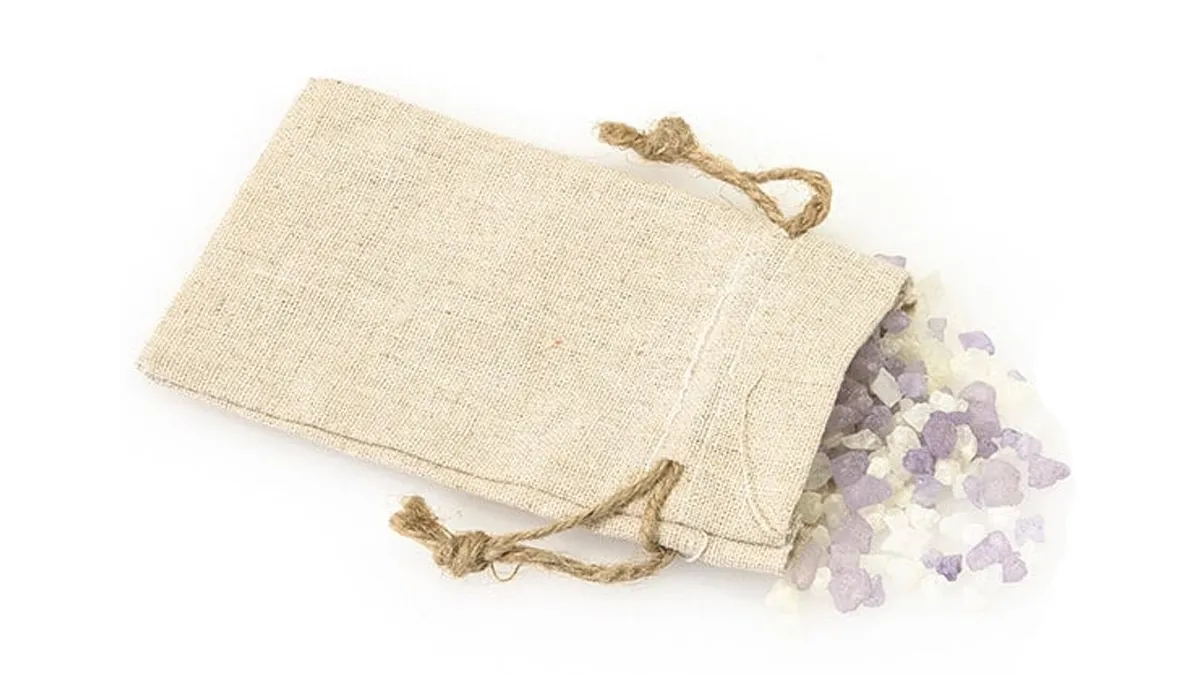
Linen bags last a long time. They use less water, need fewer chemicals, and break down easily. Linen is a smart choice for the planet and for fair work.
Market Factors
Demand
Fashion
You see linen bags everywhere these days. Fashion brands love linen because it looks fresh and feels special. The demand for linen products keeps rising. Over the past decade, more people want linen for their homes and wardrobes. Here are some facts that show how popular linen has become:
- The global linen fabric market is growing at a rate of 5.4% each year from 2023 to 2030.
- Search volume for linen bedding jumped by 120% between 2019 and 2024.
- Linen tops saw a 22% increase in demand in 2023.
- Linen bottoms went up by 15% in the same year.
- Kids’ linen clothes became 20% more popular in 2023.
When you buy a linen bag, you join a trend that is getting bigger every year. Fashion designers use linen in their new collections, which makes the price go up. You pay more because everyone wants the latest styles.
Exclusivity
Linen stands out as a luxury fabric. You notice the difference when you touch it. The price for linen is higher than for mass-market textiles. Here’s why linen feels exclusive:
- Linen costs $7 to $15 per kilogram, much more than regular fabrics.
- The process to make linen is complex and needs special certifications.
- Brands call linen a high-end product because it lasts long and is eco-friendly.
- Wealthy shoppers pick linen for its low impact on the planet. Linen uses 90% less water than cotton.
- Linen is often called a “natural heirloom” or “investment fabric.” You buy it for long-term value.
You pay for exclusivity when you choose linen. The market sees linen as something rare and valuable.
Branding
Luxury
Brands use linen to show off luxury. You see linen bags in high-end stores and designer shops. Companies highlight the durability and eco-friendly side of linen. They want you to feel proud when you carry a linen bag. Linen’s reputation for quality helps brands set higher prices.
Tip: If you want a bag that feels special and lasts, linen is a smart choice.
Pricing
Many things affect the price of linen bags. Fashion demand, climate, and labor all play a part. Take a look at how these factors influence what you pay:
| Factor Influencing Price | Description |
|---|---|
| Climate Instability | Crop yields and production costs change with the weather. |
| Energy Costs | Manufacturing expenses go up when energy prices rise. |
| Labor Shifts | Labor costs change in Europe and Asia, affecting prices. |
| Regulatory Environment | New rules for eco-friendly fibers can make production more expensive. |
| Demand Fluctuations | Fashion and homeware trends push prices higher or lower. |
You see that linen bags cost more because of these market factors. Brands use smart marketing to make linen feel exclusive. You pay for the story, the style, and the promise of quality.
Linen bags are not just about carrying things. They show your taste and your care for the planet. When you choose linen, you join a group of people who value luxury, sustainability, and style.
Comparison
Linen vs Cotton
Cost
You might wonder how the cost of linen stacks up against cotton. Linen costs more at every stage, from the raw fiber to the finished fabric. Cotton is cheaper to grow and process, so you often see lower prices for cotton bags. Take a look at this table to see the difference:
| Cost Component | Linen (USD/m) | Cotton (USD/m) | Difference (%) |
|---|---|---|---|
| Raw Fiber | 4.50–6.00 | 3.00–4.00 | +20–30 |
| Retting & Scutching | 0.50 | — | — |
| Spinning Premium | 1.00 | 0.80 | +25 |
| Subtotal (Fiber + Spin) | 6.00–7.50 | 3.80–4.80 | +25–30 |
You pay more for linen because the process takes more time and skill. Cotton bags usually cost less at the store, but you get what you pay for.
Strength
Linen bags stand out for their strength. You can fill a linen bag with heavy groceries, and it will not stretch or tear. The fibers in linen come from European flax, which makes them tough and long-lasting. Cotton bags may feel soft, but they can get flimsy and wear out faster. If you want a bag that lasts, linen is the better choice.
Tip: Choose linen if you want a bag that can handle heavy use without falling apart.
Linen vs Polyester
Environment
You care about the planet, so you might ask how linen compares to polyester. Linen is a natural fiber, while polyester comes from oil. Linen breaks down in nature, but polyester does not. Here is a quick look:
| Material | Carbon Footprint | Biodegradability |
|---|---|---|
| Polyester | High | Not Biodegradable |
| Linen | Low | Biodegradable |
Linen has a much lower carbon footprint. When you pick linen, you help reduce waste and pollution.
Price
Polyester bags often cost less than linen bags. Factories make polyester with machines, so it is cheaper to produce. Linen takes more work and special care, which raises the price. You pay more for linen, but you get a bag that is better for the environment and feels more natural.
Other Fibers
Hemp
Hemp is another strong natural fiber. It costs less than linen but more than jute. Hemp bags last a long time and do not wear out quickly. Many brands use hemp because it is tough and eco-friendly. Hemp also needs less water and fewer chemicals than other crops. Over time, you save money because hemp bags do not need to be replaced as often.
Jute
Jute is the cheapest fiber for bags. You see jute in bulk sacks and mats. It is not as strong or smooth as linen or hemp, but it is very affordable. Jute uses little water and few chemicals, making it a good choice for the planet. If you want a simple, low-cost bag, jute works well.
Here is a table to help you compare:
| Fabric Type | Average Price (USD/kg) | Typical Usage Cost-Per-Unit |
|---|---|---|
| Raw Jute Fabric | $0.80 – $1.20 | Very low (bulk sacks, mats) |
| Plain Hemp Fabric | $3.50 – $6.00 | Medium (bags, shirts) |
| Hemp-Linen Blend | $6.50 – $9.00 | Higher (fashion textiles) |
You can also see how hemp and jute help the environment:
| Sustainability Factor | Jute | Hemp |
|---|---|---|
| Water Use (L/kg fiber) | ~5,000–6,000 | ~2,600–3,000 |
| Pesticide/Fertilizer Use | Low–Moderate | Very low |
| Carbon Sequestration | ~6–8 tons/ha | ~10–15 tons/ha |
When you choose linen, hemp, or jute, you support a cleaner planet. Each fiber has its own strengths, but linen stands out for its mix of strength, comfort, and eco-friendliness.
Conclusion
You now know why linen bags cost more: rare flax, skilled craftsmanship, and long-lasting performance with real eco benefits. If you want a bag that looks stylish and feels natural, linen is a smart choice. We’re a linen bags manufacturer offering OEM/ODM customization and wholesale service. You can tailor sizes, weaves, prints, linings, closures, handles, branding, and packaging to fit your needs. We produce all kinds of linen bags—tote bags, drawstring bags, shopping and promotional bags, gift and wine bags, pouches, cosmetic bags, garment and dust bags, and laundry bags. Share your ideas with us and start your custom linen bag project today.
FAQ
What makes linen bags different from cotton bags?
You get a stronger, more durable bag with linen. Linen bags last longer and feel cooler to the touch. Cotton bags are softer but may wear out faster.
Can I wash my linen bag in the washing machine?
Yes, you can wash your linen bag in cold water. Use a gentle cycle. Air dry it to keep the fabric strong and looking fresh.
Are linen bags good for people with allergies?
Linen is naturally hypoallergenic. It resists dust and bacteria. If you have allergies, you may find linen bags more comfortable to use.
Do linen bags shrink after washing?
Linen can shrink a little after the first wash. To avoid this, use cold water and let your bag air dry. Avoid high heat.
How do I remove stains from a linen bag?
Try spot cleaning with mild soap and water. For tough stains, soak the area for a few minutes. Avoid bleach, as it can damage the fibers.
Is linen eco-friendly?
Yes! Linen comes from flax, a plant that needs less water and fewer chemicals. You help the planet when you choose linen bags.
Can I use a linen bag for heavy items?
You can! Linen bags are strong and can carry groceries, books, or even a laptop. Just check the stitching before loading up.