Ever wondered why are camera bags so expensive? You see the price tag and might feel shocked. But you pay for more than just a simple bag. You get tough padding that keeps your gear safe. You find weatherproof zippers and strong fabric. Brands use skilled workers to make these bags last. Next time you hold one, ask yourself—do you want your camera to stay safe on every adventure?
Key Takeaways
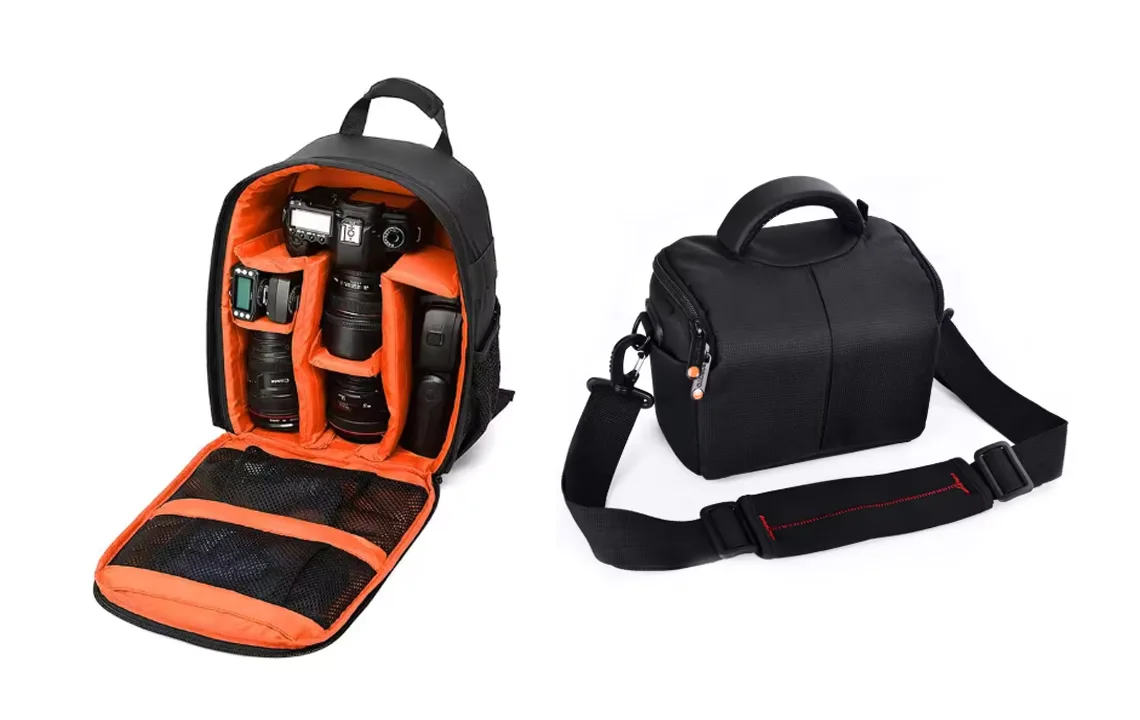
- Camera bags keep your gear safe. They have padding that protects from bumps. They also have features that keep out rain and dust.
- Strong materials like nylon, leather, and hard-shell last a long time. These materials make the bags cost more.
- Skilled workers sew the bags well. The seams are sealed tight. This makes the bags strong and helps them last longer.
- Not many people buy camera bags. Because of this, companies make fewer bags. This makes the price go up.
- Brands spend money on ads. They want their bags to seem fancy. Some bags feel special because of this.
- Camera bags have parts you can move around. You can organize your gear how you like. This helps you find things fast.
- Padded straps and good designs make carrying easier. They spread out the weight. This helps when you carry heavy gear.
- If you do not use your camera much, look for cheaper bags. You can also make your own. These options still keep your gear safe.
Why Are Camera Bags So Expensive?
You might look at a camera bag and wonder, why are camera bags so expensive? The answer comes down to three big things: protection, materials, and craftsmanship. Let’s break down each part so you know exactly what you’re paying for.
Specialized Protection
Your camera gear is fragile. You want a bag that keeps everything safe, no matter where you go. That’s why camera bags use special protection features you won’t find in regular backpacks.
Impact-Resistant Padding
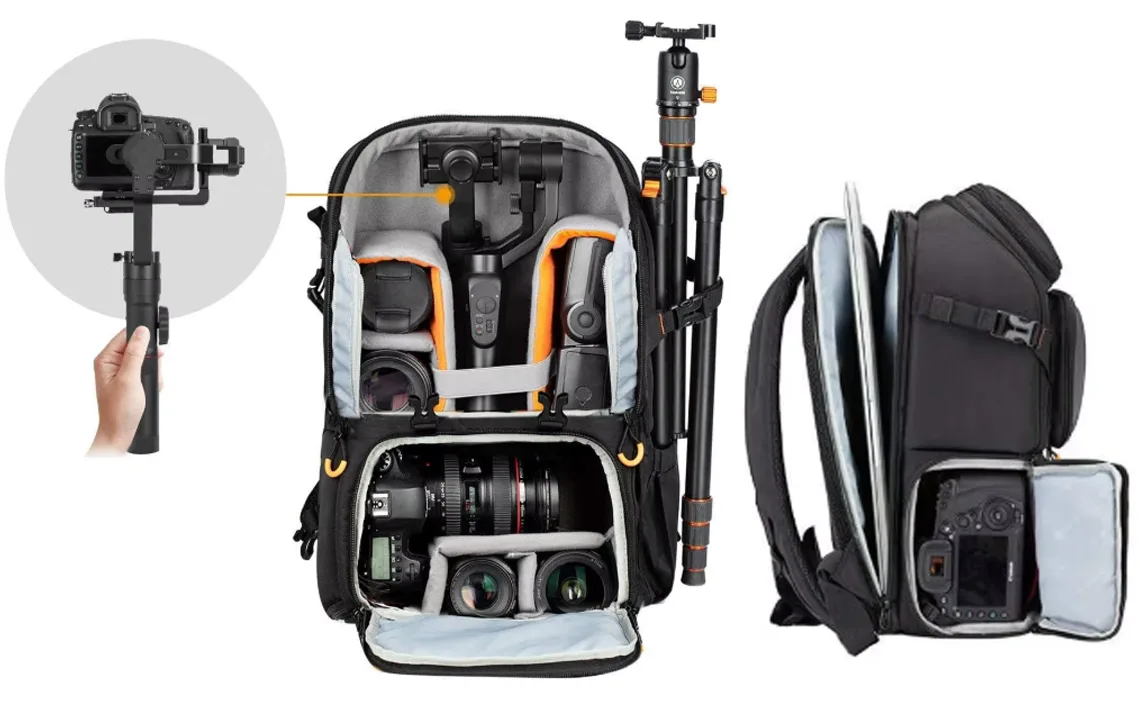
Camera bags use thick padding to shield your equipment from bumps and drops. You get foam that absorbs shock and keeps your lenses and camera body safe. Some bags even have removable discs to protect the front of your lens. You can move dividers around to fit your gear just right. Take a look at some common protection features:
| Feature | Description |
|---|---|
| Padding | Cushions your gear from impacts. |
| Customizable Compartment Dividers | Lets you organize your camera and lenses your way. |
| Weather Resistance | Keeps your equipment dry in rain or snow. |
| Finger Access Slits and Clear Plastic Backs | Lets you reach camera controls fast, without taking the pouch off. |
| Removable Front Element Protection Disc | Adds extra safety for your lens. |
| Quick Access Closures | Makes it easy to grab your gear quickly. |
| Size Range | Fits all kinds of cameras and lenses. |
| Camouflage and Solid Colors | Helps you blend in or stay low-key during shoots. |
Weatherproofing Features
You never know when the weather will change. Camera bags often use sealed seams and weatherproof zippers. These features keep water out and protect your gear from moisture. Some bags use heat-taped seams, so rain stays outside. You can shoot in any weather and trust your equipment stays dry.
Premium Materials
Why are camera bags so expensive? The answer often lies in the materials. Brands use tough fabrics and hardware that last for years. You get more value because your bag doesn’t fall apart after a few trips.
Durable Fabrics and Hardware
Camera bags use leather, nylon, canvas, and hard-shell materials. Each one has its own price and benefits. Nylon is light and strong, but costs more than polyester. Leather looks great and lasts a long time, but it’s pricey. Hard-shell bags give the best protection, but they feel heavy. Here’s a quick look at how these materials compare:
| Material | Price Range | Value for Money |
|---|---|---|
| Leather | High | Lasts long, looks great |
| Nylon | Low to Medium | Light, strong, affordable |
| Canvas | Medium | Stylish, durable |
| Hard-shell | Medium to High | Best protection, heavy |
- Polyester costs less than nylon, sometimes 35-70% cheaper.
- Nylon costs more, but gives you better strength and durability.
You also get metal zippers, strong buckles, and reinforced handles. These parts don’t break easily, so your bag stays reliable.
Craftsmanship and Detail
Why are camera bags so expensive? Skilled workers build these bags with care. You get strong stitching, sealed seams, and padding that keeps its shape. Brands use special techniques to make sure your bag lasts.
| Technique | Description |
|---|---|
| Double & Triple Stitching | Uses tough thread for extra strength, especially in stress points. |
| Edge Binding & Bartack Reinforcement | Seals corners and flaps so fabric doesn’t fray, like military gear. |
| Closed-Cell Foam Padding | Keeps its shape and absorbs impact for a long time. |
| Taped & Sealed Seams | Stops water from getting in, even during heavy rain. |
Workers in different regions add to the cost. In China and Southeast Asia, labor costs $4–$8 per bag. In Turkey and Eastern Europe, it’s $8–$12. In the USA or EU, you pay $15–$25 for labor. Bags made in the USA or Europe often cost more, but you get faster shipping and premium branding.
Tip: If you want a bag that lasts, look for double stitching and sealed seams. These details make a big difference.
So, why are camera bags so expensive? You pay for protection, tough materials, and expert craftsmanship. You get peace of mind knowing your gear stays safe, dry, and ready for action.
Market Size and Pricing Factors
Small Target Market
You might think everyone needs a camera bag, but the truth is, only a small group of people buy them. Most folks use their phones for photos, so camera bags target photographers, hobbyists, and pros. This small market size shapes how brands set prices. When fewer people buy a product, companies face challenges like product saturation and pricing pressure from cheaper imports. You see brands fighting to stand out, but price sensitivity makes it tough for premium companies to keep their prices high unless they offer something special.
- The global camera bag market was valued at US$ 2.65 billion in 2023.
- Experts predict it will reach US$ 3.63 billion by 2033.
- The market is expected to grow at a rate of 5.6% each year between 2025 and 2034.
Even with growth, the market stays niche. You pay more because brands need to cover costs with fewer buyers.
Limited Economies of Scale
Have you ever wondered why camera bags cost so much compared to regular backpacks? One big reason is limited economies of scale. When companies make only a few bags at a time, each one costs more to produce. Mass production lowers costs, but camera bags rarely get made in huge batches.
| Production Type | Cost per Unit |
|---|---|
| Small-Batch (100 pcs) | $25 |
| Mass Production (5000+ pcs) | $10–$12 |
If a company doubles its output, it can cut material waste by about 10%. Labor time per bag drops by 15%. Still, most camera bag makers stick to small batches, so you end up paying more for each bag. This is a key reason why are camera bags so expensive.
Niche Product Challenges
Camera bag makers face unique hurdles that drive up prices. You might not see these issues, but they affect what you pay.
- Pricing transparency is hard to achieve, so brands sometimes set prices without knowing what competitors charge.
- Supply chain problems can delay shipments and raise costs.
- Different countries have their own rules, which can slow down production and add expenses.
- The market is crowded, so brands struggle to stand out without deep customer insights.
- Technology changes fast, forcing companies to spend more on research and development.
- Sourcing quality materials is tricky, especially when prices jump.
- Entering new markets means learning new rules and customer habits, which takes time and money.
Tip: If you want a bag that fits your needs, look for brands that invest in innovation and quality. These companies work hard to overcome challenges and deliver better products.
You see, the price of a camera bag reflects more than just materials and labor. It shows the impact of a small market, limited production, and tough industry challenges.
Brand Value and Perceived Status
Marketing and Prestige
You might notice that some camera bags look and feel like luxury items. Brands use smart marketing to make you see their bags as special. They do not just sell you a bag—they sell you an experience. When you buy a high-end camera bag, you often get fancy packaging, beautiful photos in ads, and a sense that you are joining an exclusive club.
- Luxury brands market their bags as exclusive, which makes them seem more valuable.
- The buying process feels special, almost like a big event.
- Brands create an experience that shows off quality and exclusivity.
- High-quality photos and elegant packaging make the bag look even more expensive.
- Limited editions and higher prices make you feel like you own something rare.
- You might feel like you belong to a group of important people when you carry a luxury camera bag.
This kind of marketing can make you want the bag even more, even if you do not need all the features.
Brand Reputation
Brand reputation plays a big role in how much you pay for a camera bag. When you see names like Lowepro, Think Tank, Peak Design, or Manfrotto, you probably think of quality and reliability. These brands have built trust over many years. You know their bags will last and protect your gear. Because of this trust, these brands can charge more. People feel comfortable paying extra for a name they know and respect. You are not just buying a bag—you are buying peace of mind.
Price and Consumer Perception
You might wonder if a camera bag is really worth the high price. Sometimes, the price is not just about the materials or the work that goes into making the bag. It is about what the bag means to you.
A bag doesn’t cost $3,499.99 because of what it is. It costs that because of what it means. The difference between the actual production cost and the retail price is largely driven by consumer perception, which includes factors like branding, social status, and exclusivity.
Some people buy designer camera bags for the status and the feeling of owning something special. They see it as an investment in style, durability, and craftsmanship. Others choose regular bags because they care more about function, trends, or saving money.
- Designer bags offer social status, long-lasting quality, and expert craftsmanship.
- Regular bags work well for those who want something simple, trendy, or affordable.
You get to decide what matters most to you—status, quality, or price.
Design and Functionality
Customizable Compartments
You want a camera bag that fits your gear, not the other way around. That’s why most camera bags come with customizable compartments. You can move padded dividers to fit your camera body, lenses, and even a drone or flash. Some bags let you add or remove sections, so you get the perfect setup for each shoot. This flexibility means you can pack light for a quick walk or load up for a big job.
Photographers love bags that make packing and unpacking easy. You can grab your camera fast when you see the perfect shot. Many bags open from the side or back, so you don’t have to dig through everything. Some even have special pockets for memory cards, batteries, and cables. You stay organized and ready for anything.
Tip: Before you buy, check if the bag has enough dividers and pockets for your gear. A good layout saves you time and stress.
Ergonomic Features
Carrying camera gear all day can get tough. Camera bags use smart ergonomic features to help you stay comfortable. You’ll notice padded straps that spread the weight across your shoulders. Some bags use harnesses and back panels with extra padding. These features keep you cool and stop the bag from digging into your back.
Unlike regular backpacks, many camera bags shift weight to your hips. This design feels more like a hiking pack. You can walk longer without sore shoulders. Some bags have chest or waist straps for even better support. You also get weather-resistant materials, so your gear stays safe if it rains.
Here’s what you might find in a well-designed camera bag:
- Padded harness and back panels for comfort
- Adjustable straps for a custom fit
- Expandable side pockets for a tripod or water bottle
- Weatherproof construction for outdoor shoots
You can carry more gear and still feel good at the end of the day.
Photographer-Focused Design
Camera bags are not just regular bags with extra padding. Brands design them with photographers in mind. You get special compartments for your camera, lenses, and accessories. Many bags use modular designs, so you can change the setup for each job. If you need to carry a laptop or tablet, you’ll find a safe spot for that too.
Photographer-focused bags also use tough, weatherproof materials. You don’t have to worry about rain or dust. Quick-access zippers and clamshell openings help you grab your camera in seconds. Some bags even let you switch from a backpack to a sling or shoulder bag.
| Feature | Description |
|---|---|
| Comfort | Lightweight with ergonomic straps for easy carrying |
| Accessibility | Quick side access and full openings for fast gear changes |
| Durability | Weatherproof and strong for all conditions |
| Versatility | Works for travel, daily use, or pro shoots |
You pay more for these smart features, but they help you work faster and protect your gear. If you shoot often, a photographer-focused bag can make your life much easier.
Comfort and Usability
Padded Straps and Support
You know how heavy camera gear can get after a long day. That’s why padded straps and support systems matter so much. When you pick up a camera bag, you want it to feel good on your shoulders. Many camera bags use thick, soft padding on the straps. This padding helps stop the straps from digging into your skin. Some bags even add extra support with chest or waist straps, so the weight spreads out better.
If you’ve ever used a hiking backpack, you might notice it feels more comfortable than a regular camera bag. Hiking packs are built for long walks and heavy loads. They use special support systems and back ventilation to keep you cool. Camera bags are catching up, but hiking backpacks still win when it comes to comfort for long hikes. You get:
- Better support and weight distribution for long trips.
- Designs made for heavy loads, perfect for carrying lots of gear.
- Back ventilation systems that keep you cool.
- More space for organizing gear, though less padding for cameras.
Tip: If you plan to hike with your camera, look for a bag with padded straps and a waist belt. You’ll thank yourself later!
Weight Distribution
Carrying heavy gear can wear you out fast. Good camera bags use smart designs to spread the weight across your body. Instead of putting all the pressure on your shoulders, these bags shift some of it to your hips and torso. You feel less tired, even after hours of shooting.
Studies show that when a bag distributes weight evenly, you can walk longer without feeling sore. Symmetrical weight distribution delays spinal fatigue and discomfort. You stay out shooting instead of heading home early. Here’s how camera bags help:
- Weight spreads across your torso and hips, not just your shoulders.
- You can carry gear for longer periods without pain.
- You’re less likely to skip long walks or hikes because of heavy equipment.
Check out this table to see which comfort features camera bag users value most:
| Feature | Description |
|---|---|
| Ergonomic Design | Waist strap helps distribute weight, reducing stress on shoulders and back. |
| Weight Distribution | Crucial for carrying heavy gear like tripods and lenses. |
| Additional Pockets | Easy-access pockets on straps for phones and sunglasses. |
| Extra Non-Camera Pocket | Top pocket for snacks and essentials, keeping camera gear space clear. |
Versatility for Travel
You want a camera bag that works for every adventure. Versatile camera bags let you switch between carrying styles. Some bags turn from backpacks to shoulder bags or slings. This flexibility makes travel easier and more comfortable.
Travel-friendly camera bags use water-resistant materials and smart organization. You find pockets for passports, snacks, and chargers. These features help you stay organized and ready for anything. Bags that offer more versatility often cost more. Brands use better materials and complex designs to meet your needs.
- Multiple carrying methods boost comfort and usability.
- Bags fit different gear sizes, which raises production costs.
- Water resistance and extra organization add to the price.
Note: If you travel often, invest in a camera bag with versatile features. You’ll get more use and comfort wherever you go.
Expensive vs. Cheap Camera Bags
Protection and Durability
When you compare expensive camera bags to cheaper ones, the first thing you notice is how well they protect your gear. High-end bags use thick padding and tough materials. You get strong zippers, reinforced seams, and weatherproof coatings. Your camera and lenses stay safe, even if you drop the bag or get caught in the rain. Cheap bags offer basic protection. They might have some padding, but it’s usually thinner. The fabric can wear out faster, and the zippers may break after a few months. If you travel a lot or shoot outdoors, you want a bag that can handle rough conditions. If you only carry your camera around town, a budget bag might be enough.
Comfort and Features
Comfort makes a big difference when you carry heavy gear all day. Expensive camera bags focus on making you feel good while you walk or hike. You get padded straps, soft back panels, and smart designs that spread the weight across your body. Some premium bags include waist and sternum straps, so your shoulders don’t get tired. Budget bags give you basic comfort. The straps work fine for short trips, but you may feel sore after a long day.
Let’s look at how comfort and features compare:
| Type | Comfort Features | Additional Features |
|---|---|---|
| High-End | Durable materials, thoughtful design, superior comfort, waist and sternum straps for weight distribution | Advanced features, better overall build quality |
| Budget | Good level of comfort, functional but may lack advanced features | Affordable, stylish design, decent capacity |
High-end bags often come with extra pockets, customizable dividers, and weatherproofing. You can organize your gear just the way you like. Budget bags keep things simple. You get enough space for your camera and a couple of lenses, but not much else.
Tip: If you plan to shoot for hours or carry lots of gear, invest in a bag with padded straps and smart weight distribution. Your back will thank you!
When to Choose a Budget Option
You don’t always need the most expensive camera bag. Sometimes, a budget option works better for your needs. If you use your camera for light work, like taking photos in an office or carrying just two lenses, a cheaper bag does the job. You might only need to transport your gear to a few locations. In these cases, a premium bag isn’t necessary.
Here are some times when a budget bag makes sense:
- You shoot photos occasionally, not every day.
- You carry your camera and a couple of lenses, nothing heavy.
- You work in a creative office and don’t travel much.
- You found a cheap bag that fits your gear and feels comfortable.
- You hike or walk short distances and need something practical.
One photographer shared that their $35 bag was more useful for hiking than their expensive one. The cheaper bag had enough space and felt good to carry. Sometimes, simple works best.
Note: Think about how often you use your camera and where you go. If you don’t need advanced protection or features, a budget bag saves you money and still keeps your gear safe.
Alternatives and Cost-Saving Tips
Non-Camera Bags with Inserts
You do not need a fancy camera bag. You can use a regular backpack or messenger bag. Add a camera insert to protect your gear. These inserts have padded sections for your camera and lenses. They help keep your gear safe from bumps and drops. You can pick any bag you like and make it work for your camera.
- Camera inserts have dividers you can move around. You can fit your camera, lenses, and even a flash how you want.
- Inserts stop your gear from moving while you walk or travel.
- Makeup bags or regular pouches do not have enough padding. Your camera could get scratched or broken if you use them.
- Using a camera insert in a normal bag gives you style and protection. You do not have to spend a lot of money.
Tip: Choose an insert with thick padding and dividers you can adjust. Your camera will be safe, and you will save money.
If you want something made for cameras, try these options:
- RAINSMORE Camera Bag: This is a light sling bag. It is waterproof and holds a tripod. Good for daily use.
- L LTGEM Store Camera Case: This shoulder bag has dividers. It works well for Canon EOS Rebel cameras.
- Besnfoto Camera Bag: This purse is stylish and waterproof. It is good for mirrorless cameras and looks simple.
- TULLIO Camera Bag: This crossbody bag is small, weather-resistant, and trendy.
- TAAOKA Camera Sling: This sling bag is waterproof. It gives quick access and holds a tripod.
- Peak Design Everyday Backpack V2: This backpack has lots of pockets. It has an adjustable laptop sleeve and comfy straps.
Secondhand and Outlet Options
You can save money by buying secondhand or outlet camera bags. Many photographers sell their bags when they get new ones. Outlet stores also have deals on older models. You get good quality without paying full price.
Here are some prices for secondhand and outlet camera bags:
| Camera Bag | Price |
|---|---|
| Clever Supply Co. Sidekick Pro Camera Belt Bag 2L | $70.00 |
| Oberwerth The Q Bag® – Leica Q3 Bag | $439.00 |
| Tamrac 5214 Mini Micro Photo/Digital Bag T14 Blue | $14.00 |
| Vintage Vivitar Black Hard Sided Camera Case | $72.00 |
| Tamrac 5290 Compact Photo/Digital Bag T90 Chili Red | $14.00 |
| Tamrac 5214 Mini Micro Photo/Digital Bag T14 Chili Red | $16.00 |
| Vintage Minolta Navy CF-72 Leather Camera Case | $58.00 |
| Vintage Leica Carved Walnut Wood Presentation Box | $275.00 |
| Tamrac 5218 Micro Photo/Digital Camera Bag Yellow | $16.00 |
| Nikon FB-11 Vintage Retro Fitted Custom Camera Case | $120.00 |
| Tamrac 5218 Micro Photo/Digital Camera Bag Chili | $14.00 |
| Vintage Tri-Color Nikon Large Nikonos Camera Bag | $129.00 |
| Vintage Kodak “Digital Camera” Pouch | $23.00 |
| Vintage Brown Briefcase Style Camera Case | $29.00 |
| Ona The Bowery Dark Truffle Leather Messenger Camera Bag | $249.00 |
| Tamrac T17 Micro Photo/Digital Camera Bag Red | $14.00 |
| Canon Camera CF Wallet Accessory | $8.00 |
| Tamrac A116 Camera Shuttle Medium | $18.00 |
| Tamrac 5294 Compact Photo/Digital Camcorder Bag T94 Chili Red | $14.00 |
| Wenger SwissGear IBEX 12358 Black and Blue Camera Bag | $79.00 |
| Tough Traveler Bronze Camera Bag | $72.00 |
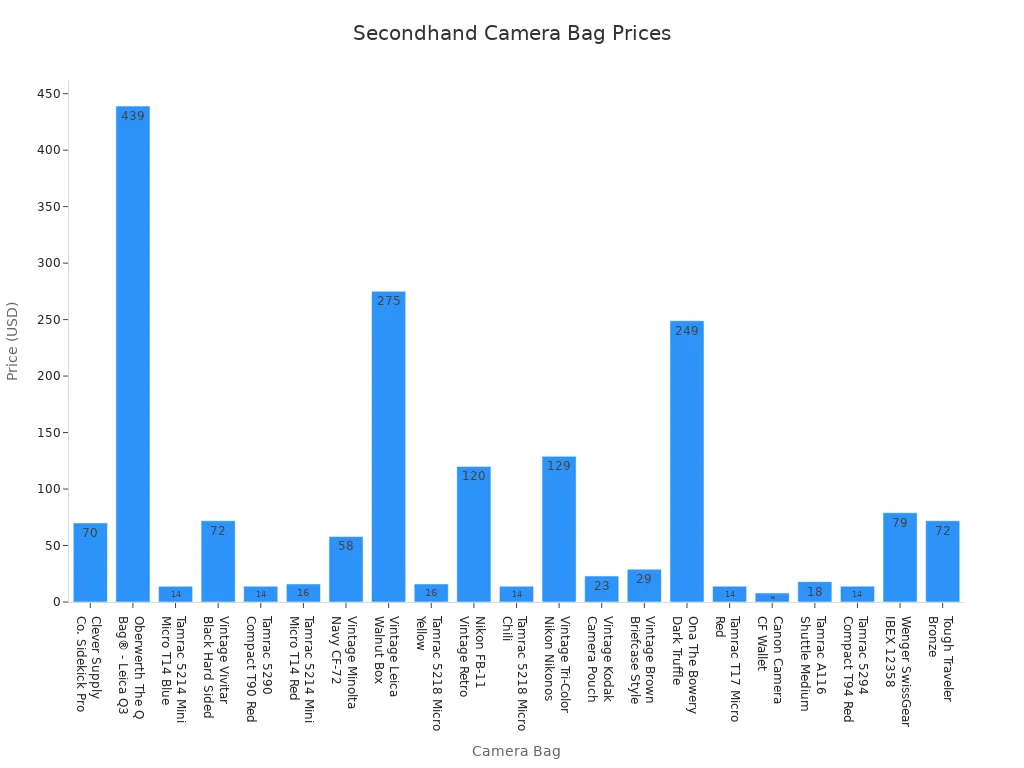
Note: You can find bags for less than $20. You can also spend more for rare vintage styles. Shopping secondhand helps you save money and find cool designs.
Custom and DIY Solutions
You can make your own camera bag if you want. Some people use small bags or put soft stuff inside a regular bag. You do not need to spend a lot for good protection. Sometimes, a cheap bag with smart padding works better than an expensive one.
- Custom ideas let you pick the size, color, and style you like.
- DIY padding, like foam or bubble wrap, adds safety for your gear.
- Small bags or layers can protect your camera as well as pricey bags.
Tip: Try your DIY setup at home first. Make sure your camera does not move or hit other things.
You have many choices. You can save money and still keep your camera safe by being creative.
Conclusion
You now know why camera bags cost so much. You pay for protection, tough materials, skilled craftsmanship, and a small market. If you wonder whether a pricier bag is worth it, think about these factors:
- Quality and durability
- Comfort with padded straps
- Water resistance
- Storage and portability
- Your specific needs
If your business needs tailored solutions, initi is here to help. As a professional bag manufacturer, we offer full custom design and OEM/ODM services to create bags that match your materials, features, and branding needs. Contact initi to develop custom bags with factory-direct support.
FAQ
Why do camera bags cost more than regular backpacks?
Camera bags use special padding, tough fabrics, and smart designs. You pay for protection and comfort. Regular backpacks don’t offer the same safety for your gear.
Can you use any bag as a camera bag?
You can use any bag if you add a padded insert. Make sure your camera and lenses don’t move around. Regular bags need extra protection to keep your gear safe.
Are expensive camera bags worth it for beginners?
If you shoot often or travel, a pricier bag helps protect your gear. For light use, a budget bag works fine. Think about how much you use your camera.
How do you clean a camera bag?
Wipe the outside with a damp cloth. Use a soft brush for dust inside. Don’t soak the bag. Let it air dry before packing your gear.
What features should you look for in a camera bag?
Look for thick padding, adjustable dividers, weatherproof fabric, and comfy straps. Quick-access pockets help you grab your camera fast. Choose what fits your style and needs.
Can you find good camera bags for under $50?
Yes! You can find solid options at outlets or secondhand shops. Some brands offer budget models with decent padding and space. Check reviews before you buy.