Getting ready for race day feels easy when you know exactly what to pack in marathon bag. You want to feel confident, comfortable, and prepared. Here’s a quick checklist to help you decide what to pack in marathon bag for your marathon:
- Running shoes and socks
- Breathable clothing
- Hat or visor
- Throwaway layers
- Snacks and water bottle
- Zip lock bag for personal items
- Sunscreen
- Reusable tote for gear
Recent trends show runners prefer cotton/polyester blends over traditional cotton t-shirts. Many choose running hats and stylish canvas or duffle gym bags for their marathon essentials.
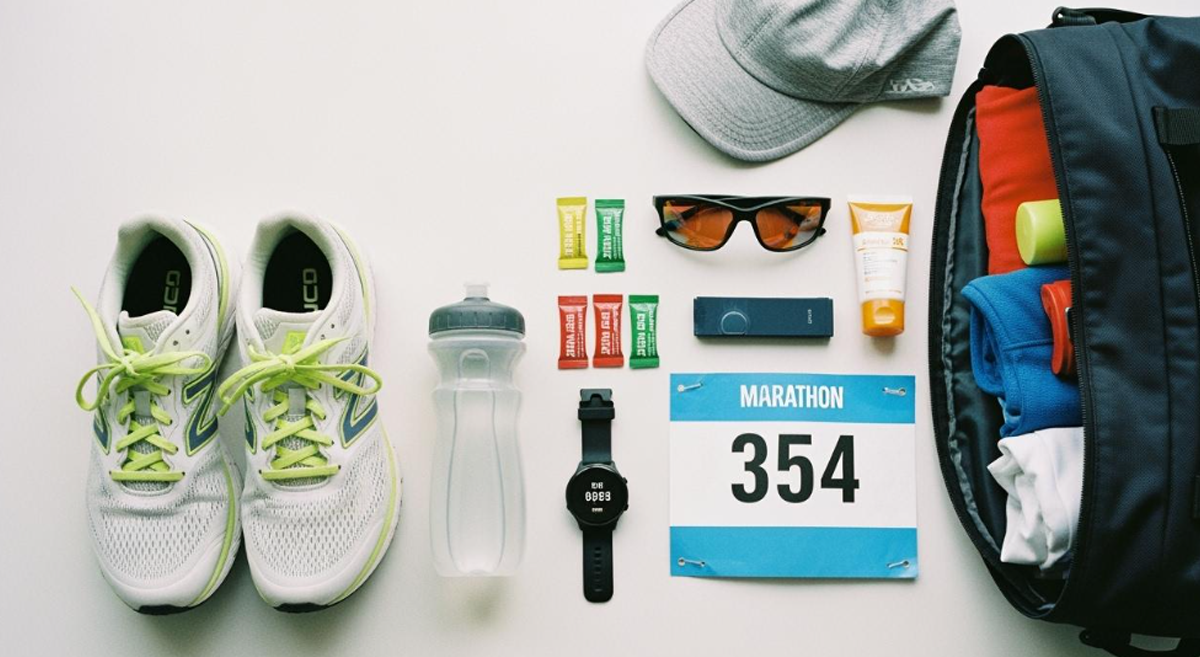
You can adjust what to pack in marathon bag based on your own needs. Think about your favorite gear and the weather. Packing your marathon bag doesn’t have to be complicated. Focus on comfort and tested items. With this checklist, you’ll know what to pack in marathon bag and head to the marathon start line feeling ready.
Key Takeaways
- Only pack gear you have used before. This helps you avoid pain or getting hurt on race day.
- Bring important things like running shoes, light clothes, and a water bottle. These help you have a good marathon.
- Use a zip lock bag. It keeps your important stuff dry and neat during the race.
- Take extra clothes you can throw away. They keep you warm before the race starts if it is cold.
- Make a checklist the night before. This helps you remember everything for race day.
- Drink water often to stay hydrated. Use electrolyte tabs during the marathon.
- Check your bag again in the morning. This helps you not forget things like your race bib and timing chip.
- Change what you pack based on what you like and the weather. This helps you stay comfortable.
Marathon Checklist: What to Pack in Marathon Bag
Quick-Glance Essentials
Packing your marathon bag is not hard. You need to bring important things for your race. This checklist helps you get ready:
- Good running shoes with soft padding
- Socks that keep feet dry (bring one extra)
- Shorts and shirt that let air in (polyester is best)
- Hat or visor to block the sun
- Sunglasses
- Sunscreen
- Water bottle or hydration pack
- Snacks or gels for energy
- Anti-chafing cream (BodyGlide is a favorite)
- GPS watch to check your speed
- Cell phone and charger
- Health insurance card and photo ID
- Passport if you travel far for the race
- Tote bag to carry your stuff
You want to feel good and ready. These items help you have a great race day. If you travel for a race, remember your passport and insurance card. Coaches say to pack a light jacket or raincoat if the weather might change.
Race Start Kit
Your race kit should have everything you need before the race starts. You do not want to look for things at the last minute. Pack these items in your kit:
- Race bib and safety pins
- Timing chip
- Zip lock bag for important things
- Printout of race confirmation
- Extra hair tie
- Small towel
- Headphones for race day
- Morning snacks
“It’s easy to forget simple things when you pack fast.”
If you forget something, don’t worry. You can find extras at the race expo.
Keep your race kit easy to reach. Use a zip lock bag to keep things dry and neat. If you travel for a race, keep your ID and race paper close. A small towel helps you wipe sweat or rain before you start.
Throwaway Layers
Throwaway layers are smart if it’s cold or rainy at the start. You want to stay warm while you wait for the race. Many runners bring cheap clothes they can toss when they get hot.
- Old sweatshirt or jacket for warmth after gear check
- Big plastic trash bag for a raincoat
- Gloves or arm sleeves for cold mornings
Wearing throwaway layers keeps you warm and stops shivering. You do not want to start the race cold or stiff. Most races give tossed clothes to shelters, so you help others too. If you travel for a race, check the weather and pack what you need.
With these essentials, your race kit, and throwaway layers, you will feel sure and ready at the start line.
Tested Gear Only
You want to feel your best on race day. The secret? Pack only gear you have tested during your training runs. This simple rule can make a huge difference in your comfort and performance. You might see cool new shoes or flashy shirts at the expo, but race day is not the time to try them out.
Let’s talk about why tested gear matters. When you wear something new, you risk problems you never expected. Here’s what can happen if you use untested gear:
- New clothes can cause severe chafing. That means painful skin and a tough time finishing your race.
- Shoes that don’t fit just right can give you blisters or sore feet.
- Gear made from the wrong fabric can trap sweat. You might feel sticky, hot, or even get a rash.
- Choosing gear for looks instead of function can make your race miserable.
- Trying anything new on race day brings extra risks and stress.
You want to avoid these problems. Stick with the shoes, socks, and clothes you know and trust. If you have a favorite pair of running shorts or a shirt that never rubs, pack those. Your body already knows how they feel. You can focus on running, not on fixing problems.
Packing tested gear helps you in many ways:
- You lower your chance of injuries.
- You feel more comfortable from start to finish.
- You boost your performance because you can move freely and stay cool.
Here’s a tip: Lay out your race outfit the night before. Double-check that everything has passed the “long run test.” If you haven’t worn it for a full training run, leave it at home. This includes shoes, socks, sports bras, hats, and even underwear.
“Nothing new on race day” is a rule many runners follow. It keeps you safe and happy.
If you want to bring backup gear, make sure you have used it before. Don’t let a last-minute purchase ruin your big day. Trust your training and your gear. You’ve already done the hard work. Now, let your tested gear help you cross the finish line with a smile.
Item Breakdown: Race Day Essentials
Pre-Race Items
Bib & Safety Pins
Your bib is your official race number. You need it to start the marathon and to get your results. Most races give you safety pins to attach the bib to your shirt. If you forget your bib, you might not get an official time or even be allowed to run. Always double-check that your bib is in your gear check bag before you leave home.
Tip: Pin your bib on your shirt the night before. This saves time and stress in the morning.
Timing Chip
The timing chip tracks your start and finish times. Some races attach it to your bib, while others give you a separate chip for your shoe. If you forget your timing chip, you won’t get an official time. That can affect your results and even your chance to enter future races. Keep your timing chip with your bib so you don’t lose it.
Photo ID
Bring a photo ID for packet pickup and gear check. Most races ask for ID to make sure you are the right runner. A driver’s license or passport works best. If you travel for a marathon, keep your ID in a zip lock bag to protect it from sweat or rain.
Race Confirmation
Print your race confirmation or keep it on your phone. You may need to show it at packet pickup. This paper proves you signed up for the marathon. It also helps if there are any problems with your registration.
Zip Lock Bag
A zip lock bag keeps your small items safe and dry. Use it for your phone, ID, cash, or snacks. You can also use it to hold your bib and timing chip before the race. If it rains, a zip lock bag protects your things from water.
Race Gear
Shoes & Socks
Your running shoes are the most important part of your marathon gear. Choose shoes that you have worn for long runs. They should fit well and feel comfortable. Well-fitted, broken-in shoes help you avoid blisters and sore feet. Socks matter too. Pick moisture-wicking socks with no seams. These socks keep your feet dry and help prevent blisters. Some runners like compression socks for extra support.
| Sock Type | Benefit |
|---|---|
| Merino wool | Wicks moisture, fights odor |
| Seamless | Reduces irritation |
| Cushioned | Adds comfort, supports arches |
| Compression | Boosts blood flow, lowers muscle strain |
Never wear new shoes or socks on race day. Stick with what you know works.
Clothing
Wear clothes that match the weather. Pick a technical top and shorts or tights that let your skin breathe. Avoid cotton because it holds sweat and can cause chafing. Sports bras, base layers, and running skirts are good choices for comfort. Lay out your outfit the night before and check the forecast.
Hat/Visor & Sunglasses
A hat or visor keeps the sun off your face and out of your eyes. Sunglasses protect your eyes from glare and wind. Both items help you stay focused and comfortable. Choose gear you have used before, so you know it fits well.
Gloves/Arm Warmers
If the weather is cold, pack gloves or arm warmers. You can take them off and tuck them in your gear check bag if you get warm. These items help you stay cozy at the start and avoid stiff hands.
Throwaway Layers
Throwaway layers are old clothes you wear to stay warm before the race. You can toss them at the start when you get hot. Many races donate these clothes to charity. Bring a sweatshirt, jacket, or even a plastic bag for rain. Check the weather and pack what you need.
Nutrition & Hydration
Energy Gels/Chews
Energy gels and chews give you quick fuel during the marathon. Most runners eat one gel every 45 minutes. This gives you about 100 calories each time. Practice with your gels during training to see what works for you. Always eat gels with a drink of water to help your body absorb the nutrition.
Water Bottle
Bring a water bottle or hydration pack for the race. You need to drink before you feel thirsty. Try to sip water every 15-20 minutes. If you use a hydration pack, fill it with water or your favorite sports drink. Staying hydrated helps you avoid cramps and keeps your energy up.
Electrolyte Tabs
Electrolyte tabs help you replace salt lost when you sweat. Add them to your water bottle or hydration pack. Keeping your sodium levels steady helps your body absorb fluids and keeps your muscles working well. If you only drink water, you might get cramps or feel tired.
Morning Snacks
Eat a small snack before the race. Good choices are a banana, bagel, or energy bar. This gives you energy to start strong. Pack your snack in your gear check bag so you can eat it at the start line. Try your morning snack during training to make sure it works for you.
Practice your race nutrition and hydration plan during long runs. This helps you avoid stomach problems on race day.
You need the right food and drink to finish strong. Plan your run nutrition and stick with what you know. Your gear check bag should have everything you need for a smooth start and a great finish.
Comfort & Recovery
Body Glide
Chafing can ruin your marathon experience. You want to avoid painful skin irritation, especially on long runs. Body Glide or other anti-chafing balms help protect your skin. Rub it on spots where your clothes or gear might rub. Common areas include your thighs, underarms, and feet. You can also use it on your chest or bra line. This small step keeps you comfortable from start to finish.
Sunscreen
You will spend hours outside during a marathon. Sunscreen is a must, even on cloudy days. Apply it before you leave for the race. Cover your face, neck, arms, and legs. Choose a sweat-resistant formula so it stays on as you run. Reapply if you expect to be out for a long time. Sunscreen helps prevent burns and protects your skin from damage.
Band-Aids/Blister Pads
Blisters and small cuts can happen during a marathon. Pack Band-Aids or blister pads in your bag. You can use them before the race if you feel a hot spot. They also help if you get a blister during the run. Some runners put Band-Aids on their nipples or toes as a precaution. These small items can save your race.
Post-Race Snacks
You need to refuel after you finish your marathon. Pack snacks that are easy to eat and full of nutrients. Good choices include chocolate milk, protein shakes, fresh fruit, yogurt cups, sandwiches, and electrolyte drinks. These snacks help your muscles recover and give you energy. Many runners also like cold compresses or wet wipes to cool down. You can add a warm jacket to your bag for comfort after the race.
Tip: Eat a snack within 30 minutes of finishing. Your body will thank you.
Recovery Sandals/Socks
Your feet work hard during a marathon. Give them a break with recovery sandals or fresh socks. Recovery sandals have soft footbeds with ridges that massage your feet. Many runners say these sandals make their feet feel great after a long run. You can also pack compression socks to help your legs recover. Comfortable footwear helps reduce soreness and speeds up recovery.
Towel
A towel is handy for many reasons. You can use it to wipe off sweat, dry your face, or sit on after the race. Some runners bring a small towel for the start and a larger one for the finish. Wet wipes are also a good option for a quick clean-up.
Here’s a quick list of comfort and recovery items marathon finishers love:
- Foam rollers
- Massage guns
- Epsom salt bath set
- Protein shakes
- Electrolyte tablets
- Recovery snacks
- Compression socks
- Comfortable footwear
- Wet wipes
- Warm jacket
You do not need everything on this list. Pick what works best for you and your marathon plan.
Extras
Phone & Headphones
You might want music or a podcast during your marathon. Pack your phone and headphones if you use them for motivation. Make sure your playlist is ready and your devices are charged. Some races do not allow headphones, so check the rules before you go.
Charger/Power Bank
A dead phone is no fun on race day. Bring a charger or power bank to keep your devices ready. You can use your phone for photos, tracking your run, or calling friends after you finish.
Cash/Card
You may need cash or a card for last-minute purchases. Some runners buy snacks, drinks, or gear at the race expo. Keep a small amount in your zip lock bag for emergencies.
Reusable Tote
A reusable tote makes it easy to carry your gear. You can use it for your clothes, snacks, or recovery items. It is lightweight and folds up small. After the marathon, you can use it to collect your belongings or pick up freebies at the finish line.
Weather-Specific Gear
Weather can change fast on marathon day. Check the forecast 24 to 48 hours before your race. Pack a rain jacket, warm puffer, or extra shoes if needed. Moisture-wicking fabrics help you stay dry in wet conditions. If it is cold, warm up for 10 to 15 minutes before the start. Adjust your pace if the weather is hot. Being ready for any weather keeps you safe and helps you perform your best.
Elite runners often pack extra items for surprises:
- Topical spread for sore muscles
- KT tape for support
- Portable water filter
- Emergency blanket
- Band-aids
- Navigational tools
You do not need to bring everything, but a few extras can make your marathon day smoother.
Packing Tips for Race Day
Bag Organization
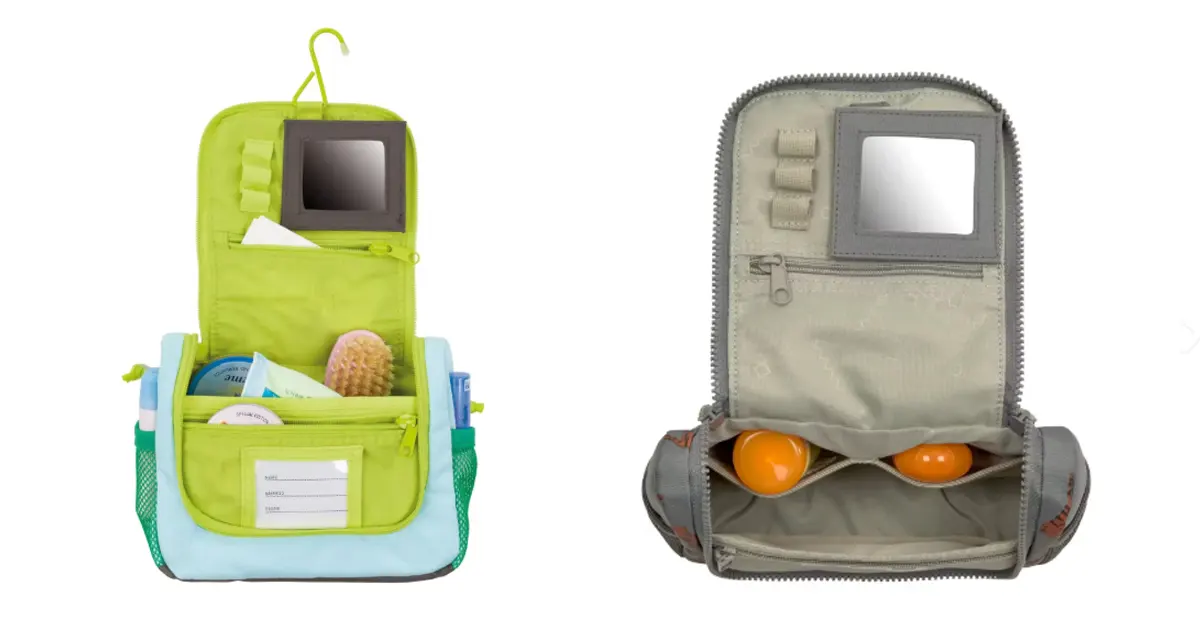
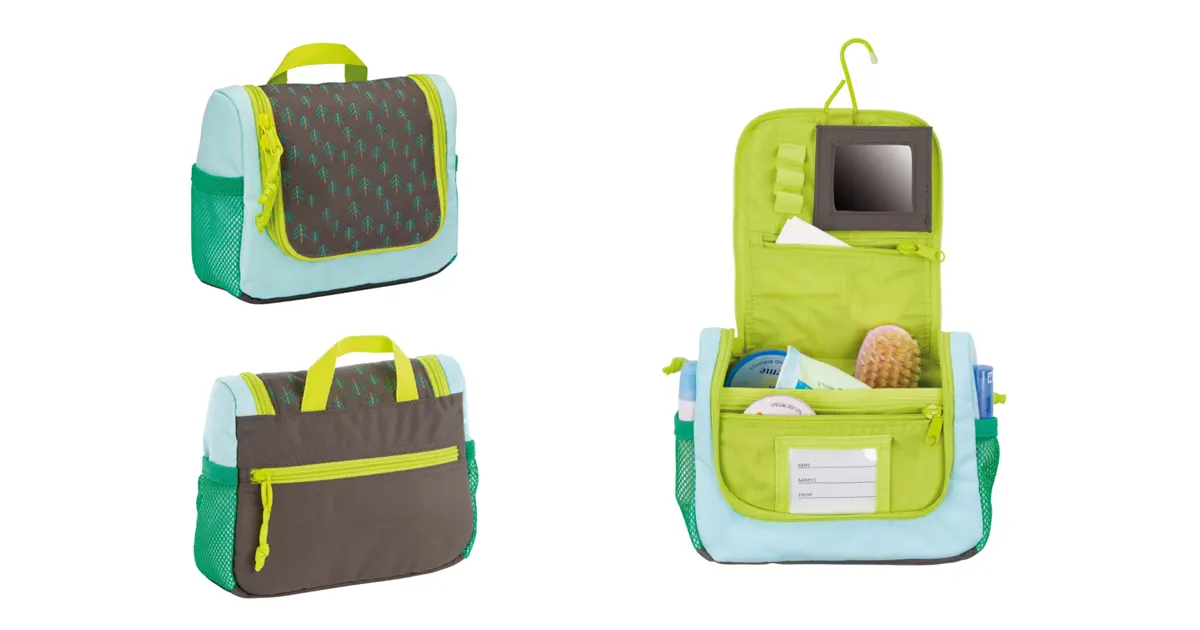
You want to find everything in your bag quickly on marathon morning. Start by making a list of what you need. This helps you avoid last-minute stress. Think about your personal needs and what makes you comfortable. Use small pouches or zip lock bags to group similar items. Put things you use often, like snacks or your phone, in side pockets. Place less important items, like a change of clothes, in the main compartment. Test your bag before race day to make sure you can grab things fast. If you travel, keep your ID and race confirmation in an easy-to-reach spot.
Tip: Lay out your gear the night before. This saves time and helps you remember everything.
Prioritizing Items
Packing by priority keeps your bag light and organized. Focus on what you need most for the marathon. Use this table to help you decide what to pack first:
| Priority | Item Type | Description |
|---|---|---|
| 1 | Race Day Essentials | Shirt, shorts, socks, and shoes go in first. |
| 2 | Accessories | Add your running belt, cap, and snacks. |
| 3 | Pre-Race Needs | Pack any medications and comfy shoes. |
| 4 | Warm Layer | Bring a warm layer for waiting at the start. |
| 5 | Post-Race Items | Include a change of clothes and recovery tools. |
Start with the most important items. Add extras only if you have space. This way, you avoid carrying too much and can focus on your run.
What to Leave Out
It’s easy to overpack, but you don’t need everything. Leave out items you have never used in training. Skip heavy books, big towels, or extra gadgets. Focus on what helps you during the marathon. Many runners forget to pack their favorite snacks or hydration, so bring what works best for you. Don’t rely only on what the race provides. Throw-away clothes, like old gloves or a trash bag, help you stay warm before the start. Always pack something to prevent chafing, like Body Glide. These small items make a big difference.
Note: Less is more. A lighter bag means less stress and more energy for your marathon.
Last-Minute Reminders
Night-Before Checklist
You want to wake up on race morning feeling calm and ready. The night before, you can set yourself up for success with a few simple steps. Lay out your running outfit, shoes, and all your race essentials. This helps you avoid searching for things when you feel sleepy or rushed.
Here’s a quick checklist to guide you:
- Set out your race clothes, shoes, and socks.
- Pin your bib to your shirt.
- Pack your race morning snacks and water bottle.
- Charge your phone, GPS watch, and headphones.
- Fill your hydration pack or water bottles.
- Place your energy gels and electrolyte tabs in your running belt.
- Organize your photo ID, race confirmation, and any cash or cards.
- Review your transportation plan for getting to the start line.
- Check your toenails and do some light stretching.
- Drink water throughout the day to stay hydrated.
- Avoid screens before bed and do something relaxing, like reading or listening to music.
Tip: Double-check your alarm and ask a friend or family member to send you a wake-up text.
You can also write down your wake-up time and travel plan. This helps you feel confident and keeps your mind clear.
Morning Double-Check
Race morning can feel exciting and a little stressful. You want to make sure you have everything before you leave your hotel or home. Many runners forget small but important items. Take a few minutes to go through this list:
- Race confirmation and photo ID
- Safety pins and timing chip
- Water bottles and energy gels
- Pre-race breakfast and snacks
- Sunglasses, hat, and sunscreen
- Anti-chafing stick or Body Glide
- GPS watch and headphones
- Phone charger and watch charger
- Extra cash, credit card, and hotel key
- Throwaway layers if it’s cold
- Post-race comfy clothes and shoes
- Towel or blanket for after the race
- Recovery tools like a foam roller or massage gun
- Lip balm and toiletries
- Course map and directions to the start
- Orthotics if you use them
- Playlist or book for motivation
Note: Write a mantra on your arm with a Sharpie for a boost during tough miles.
You can keep your checklist on your phone or print it out. This makes it easy to check off each item as you pack. On race morning, take a deep breath and trust your preparation. You have everything you need for a great run.
Customizing Your Marathon Bag
Weather Adjustments
Weather can change your race day plans fast. You want to feel ready for anything. Packing your marathon bag with the right gear helps you stay comfortable and safe. Let’s look at how you can adjust your bag for rain, cold, or heat.
Here’s a simple table to help you plan:
| Weather Condition | Strategy |
|---|---|
| Rain | Use a trash bag to stay dry before the race. Swap wet clothing with dry items during the race. Apply Vaseline on exposed skin to keep warmth in cold rain. |
| Cold | Wear old clothes to stay warm before the race. Use layers that you can remove as you warm up. |
| Heat | Drink more fluids and add electrolytes. Eat a slushy before the race to cool down your body. Slow your pace to save energy. |
You can use a trash bag as a raincoat if the sky looks dark. Old sweatshirts or jackets help you stay warm while you wait for the race to start. If the sun shines bright, grab your hat, sunglasses, and sunscreen. Drink water often and add electrolyte tabs to your bottle. You might want to pack a slushy or cold drink for a hot day. If you feel cold, layer up and keep gloves or arm warmers handy.
Tip: Check the weather forecast the night before. Lay out your gear so you can grab what you need in the morning.
You can swap out items in your bag based on the forecast. If you see rain, pack extra socks and a dry shirt. If it’s cold, bring throwaway layers. For heat, focus on hydration and cooling tools.
Personal Preferences
Your marathon bag should fit your style and needs. You know what works best for you. Some runners like to carry music. Others want snacks they love. You might need a special item for comfort or motivation.
Here are some ways to make your bag personal:
- Pack your favorite energy gels or chews.
- Choose a hat or visor that fits your head well.
- Bring a lucky charm or a note from a friend.
- Add a small towel or wet wipes for quick clean-up.
- Use a reusable tote with a design you like.
- Pick a water bottle that feels good in your hand.
You can also think about your training. If you always use a certain brand of socks, pack those. If you like a certain snack before your run, add it to your bag. Some runners write a mantra on their arm or carry a photo for inspiration.
Note: Your marathon bag is your support system. Fill it with things that make you feel strong and happy.
You can adjust your bag for your own needs. Try different setups during training runs. Find what feels right. On race day, you’ll feel confident because you packed with care.
Common Packing Mistakes
Overpacking
You might think bringing extra gear will help you feel prepared. In reality, overpacking can make your marathon day harder. Your bag gets heavy and bulky. You may struggle to find what you need quickly. Carrying too much stuff can slow you down and make you feel tired before you even start running.
Here’s what happens when you pack too much:
- Your gear feels heavy and awkward.
- You waste time searching for essentials.
- You may forget where you put important items.
- You feel less comfortable during the race.
If you want a smoother race day, keep your bag light. Leave out things you don’t need, like a separate camera or extra gadgets. Stick to the basics. You’ll move easier and enjoy the experience more.
Tip: Lay out everything you plan to pack. Remove anything you didn’t use during training. Your body will thank you for a lighter load.
Forgetting Essentials
Forgetting key items can turn your marathon into a tough challenge. You might feel anxious or uncomfortable. Sometimes, missing one thing means you can’t finish the race. You want to avoid this stress.
Here’s what can happen if you forget something important:
- You may not be able to complete the race.
- You could feel uncomfortable the whole time.
- You risk getting injured.
Always double-check your checklist the night before. Put your bib, timing chip, and favorite socks in your bag first. If you need a water bottle or energy gels, pack them early. A quick review in the morning helps you catch anything you missed.
Note: Keep your essentials in a small pouch or zip lock bag. This makes them easy to find and less likely to get lost.
Packing New Gear
Trying new gear on race day sounds exciting. You might want to wear a new shirt or test out fresh shoes. Most experienced runners say this is a bad idea. New gear can rub your skin and cause painful chafing. You might feel uncomfortable or distracted. Sometimes, new items don’t fit right or work as expected.
Here’s why you should stick to tested gear:
- New shirts or shoes can cause chafing and discomfort.
- Trusted gear helps you stay comfortable for the whole race.
- Unfamiliar items may lead to unexpected problems.
Pack only what you’ve used during training. If you love a certain pair of socks or a running belt, bring those. You know how they feel and perform. This helps you focus on your run, not on fixing gear issues.
Tip: “Nothing new on race day” is a smart rule. Trust your training and your favorite gear for the best results.
By avoiding these common packing mistakes, you set yourself up for a successful marathon. Keep your bag simple, double-check your essentials, and rely on gear you know works. You’ll feel confident and ready to run your best.
Conclusion
Packing your marathon bag with care sets you up for a great race. You feel more confident and less stressed when you know you have everything you need. Take a look at how preparation helps runners:
| What You Pack | How It Helps You Feel |
|---|---|
| Quality gear and essentials | Boosts confidence |
| Anti-chafe balm, blister plasters | Reduces race day worries |
| Easy-to-carry storage | Keeps you relaxed and focused |
Make your checklist fit your style and needs. When you prepare well, you run with peace of mind. If you want a custom bag for your next marathon, we offer professional solutions just for runners.
FAQ
What size bag should I bring to the race?
You want a bag that holds your essentials but stays light. Most runners use a small backpack or a medium tote. Check your race rules for size limits.
Can I bring my own water bottle?
Yes, you can bring your own water bottle. Many runners do this for comfort. Make sure it fits in your bag and is easy to carry during the race.
Should I pack extra clothes for after the race?
You should pack a clean shirt, socks, and comfy shoes. Changing after you finish helps you feel fresh and warm. A small towel is also a good idea.
What if I forget something important?
Don’t panic! Most races have an expo or help desk. You can often buy or borrow what you need. Ask another runner for help if you get stuck.
How do I keep my gear dry if it rains?
Use a zip lock bag for your phone, ID, and snacks. Pack a trash bag or rain poncho for extra protection. Wet weather can surprise you, so plan ahead.
Can I use new gear on marathon day?
Stick with gear you have tested in training. New shoes or clothes can cause blisters or chafing. Trust your tried-and-true items for a smooth marathon experience.