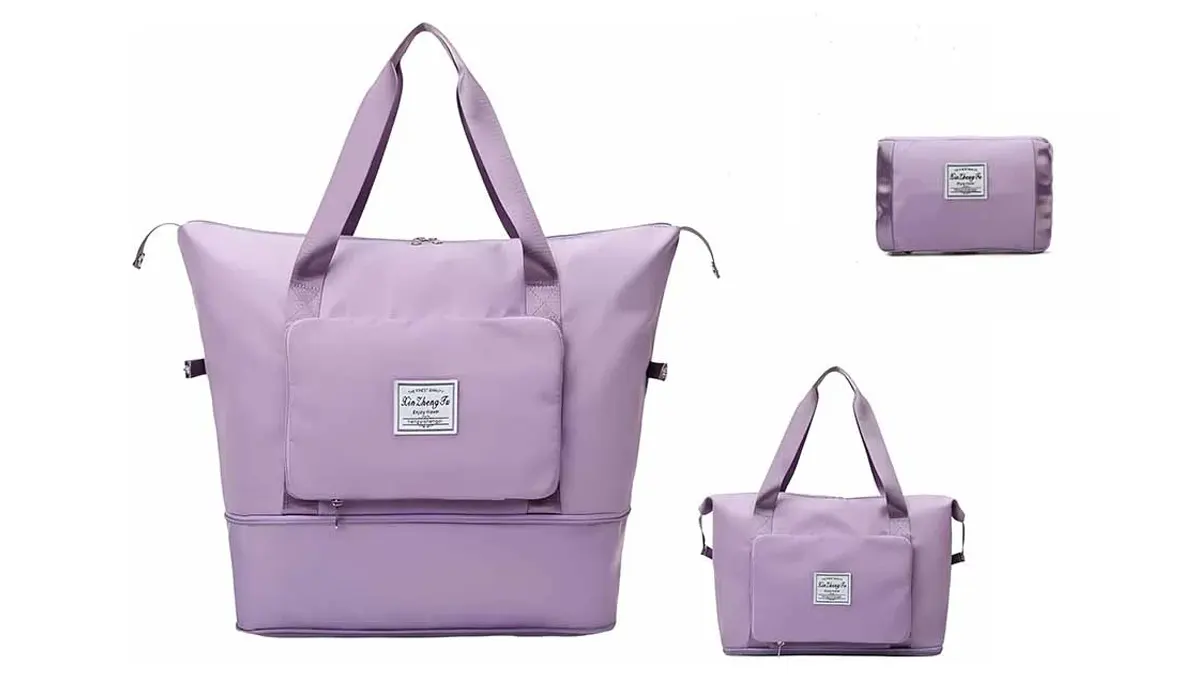
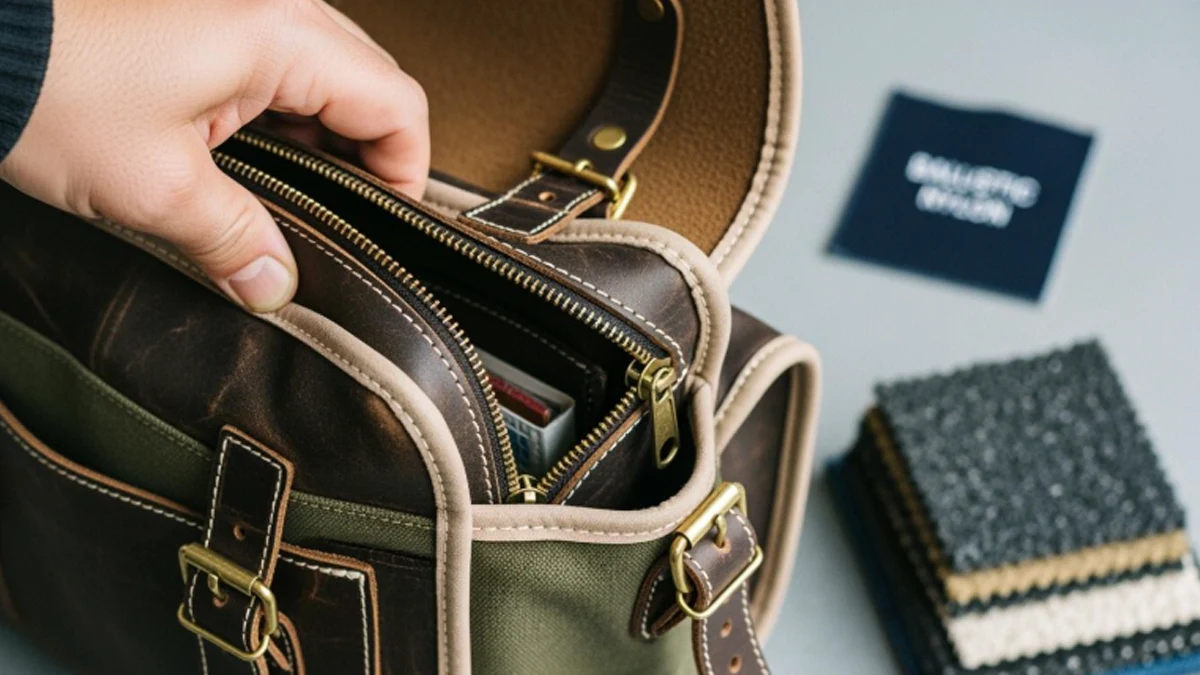
If you are wondering, “What is the Most Durable Material for Bags?” you should consider full-grain leather, Cordura nylon, and technical weaves. These materials are designed to withstand extensive use and can last for many years. Full-grain leather is particularly resilient, as it does not develop holes easily and can endure for over ten years with proper care. Cordura nylon is another excellent choice, known for its strength and resistance to ripping or scratching. Below is a quick table that illustrates the average lifespan of each material:
| Material | Average Lifespan |
|---|---|
| Full-Grain Leather | 5–10 years or longer |
| Cordura Nylon | 3–5 years |
| Technical Weaves | N/A (not specified) |
Key Takeaways
- Full-grain leather is very strong and lasts a long time. It can last more than ten years if you take care of it.
- Cordura nylon is strong and does not tear easily. This makes it good for using outside.
- Technical fabrics like Kevlar and Spectra are very tough. They are also light and work well in hard places.
- Canvas and denim are good for daily use. But they are not waterproof unless you treat them.
- You should clean your bag often and store it right. This helps your bag last longer.
- Pick the right material for your needs. Think about style, weight, and how you will use the bag.
- Think about how the material affects the environment. Recycled materials are better for the planet.
- Buying bags made from good materials can save you money. You will not need to buy new bags as often.
What Is the Most Durable Material for Bags?
Top Choice Overview
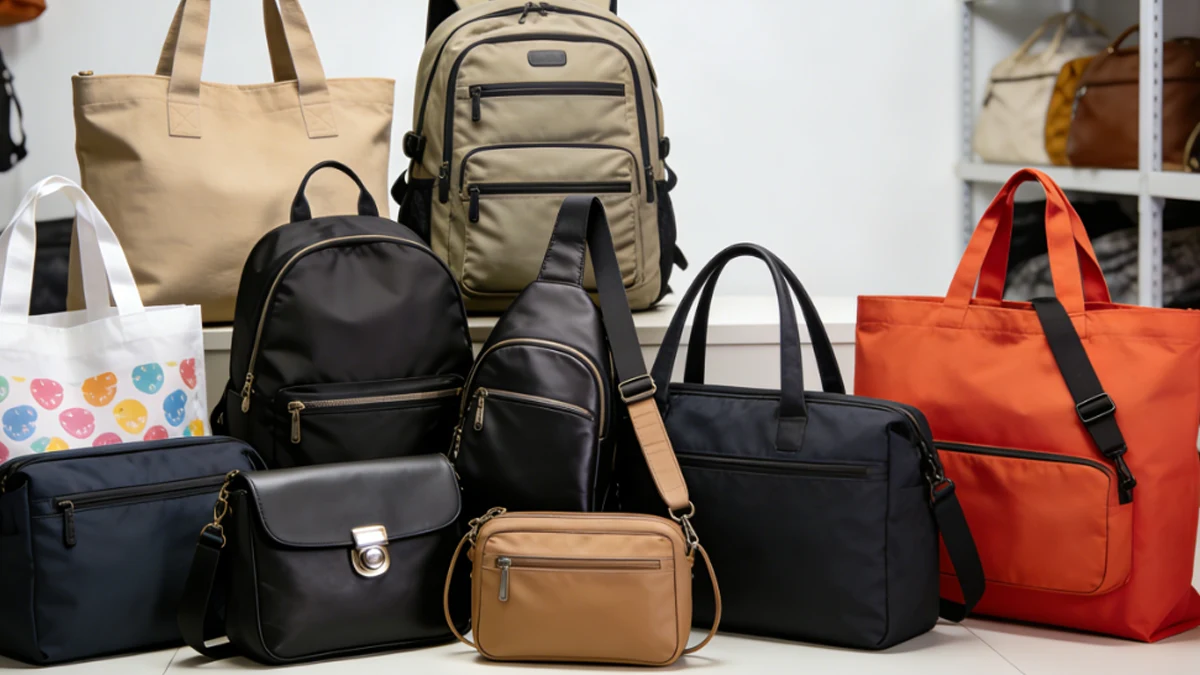
If you want a strong bag, look at full-grain leather, cordura nylon, and technical weaves. These materials last a long time and can handle rough use. Full-grain leather is tough and looks nice. Cordura nylon is great for outdoor gear because it does not tear or scratch easily. Technical weaves, like ballistic nylon, are made to be even stronger.
Experts test these materials in labs to see how they hold up. They use different tests to check how strong and safe the bag parts are. Here is a table that shows some tests and what they check:
| Test Type | Method Description | Qualification Criteria/Standards |
|---|---|---|
| Zipper Cycle Test | Open and close the zipper many times | Zipper should work and not break |
| Salt Spray Test | Put material in salty air for two days | Must meet ASTM B117 standard |
| Freeze-Thaw Test | Change temperature from cold to hot five times | Material should not crack |
| Buckle Tensile Strength | Pull buckle until it breaks | Buckle must hold certain weight |
| Rivet Shear Force Test | Push on rivets until they come off | Rivets must hold certain weight |
| Corrosion Resistance Test | Soak hardware in acid for three days | No rust or peeling allowed |
| Cross-Cutting Adhesion Test | Scratch and tape surface, then peel off | Surface should not come off |
When you compare bag materials, look at tensile strength. This shows how much force a material can take before breaking. Here is a table that compares full-grain leather and cordura nylon:
| Material | Tensile Strength (N) |
|---|---|
| Full-Grain Leather | 400–600 |
| Cordura Nylon | 800–1200 |
Cordura nylon is stronger than leather, but leather looks better and lasts longer. Technical weaves, like ballistic nylon, can be even stronger.
When Other Materials Excel
The strongest material is not always the best for every bag. Sometimes, other materials work better for what you need. Canvas and denim are tough and good for everyday use. Polyester and microfiber are light and keep water out, so they are good for travel or school.
Here are some ways different materials can fail:
- Full-grain leather can break at seams if stitching is weak.
- Cordura nylon can wear out at stress points or zippers.
- Technical weaves can fray or tear if rubbed too much.
- Heavy-duty canvas wears down faster where it is used a lot.
- High-tenacity polyester does not get damaged by sun or chemicals, so it lasts longer outside.
Pick the material that fits your life best. For hiking or travel, cordura nylon or technical weaves are best. For fashion or work, leather is a good choice. For daily use, canvas or polyester might be enough.
The best material for your bag depends on how you use it. Each material has good and bad sides. The next parts will explain leather, canvas, nylon, polyester, and technical fabrics so you can choose the right one.
Leather: Full-Grain & Pebbled
Durability Factors
When you pick a bag made from full-grain or pebbled leather, you get something built to last. Full-grain leather keeps its natural surface, so it holds onto its strength and character. The fibers stay packed tight, which means the bag stays strong and flexible for years. You might notice small marks or scars on the surface. These marks show the leather is real and tough.
Pebbled leather stands out because of its bumpy, embossed surface. This texture helps it handle daily bumps and scrapes better than smooth leather. It keeps looking good, even if you use your bag every day. The thickness of full-grain leather usually falls between 1.4mm and 2.0mm. Thicker leather works well for heavy-duty bags. It can take a lot of use without wearing out.
Here’s a quick look at what makes these leathers so durable:
| Factor | Full-Grain Leather | Pebbled Leather |
|---|---|---|
| Leather Quality | Highest quality, natural markings, and strength. | Unique texture, durable, withstands daily wear and tear better than smoother types. |
| Tanning Process | Vegetable-tanned is more durable and ages beautifully; chrome-tanned offers good durability. | Generally retains durability due to its texture. |
| Stitching and Construction | Strong, even stitching with reinforced stress points; double stitching enhances durability. | Tight, even stitching with sturdy construction and high-quality hardware. |
| Care and Maintenance | Regular cleaning and proper storage are vital for longevity. | Similar care needed; unique texture helps maintain appearance over time. |
| Usage and Handling | Excessive weight or rough handling can damage the leather. | Slight recovering capabilities allow it to withstand minor scratches. |
| Environmental Factors | Exposure to sunlight, moisture, and chemicals can damage leather. | Likely similar concerns regarding environmental exposure. |
Many people say their full-grain leather bags last 8 to 10 years. Some even look better as they age because the tight grain resists scratches and tears.
Pros
You get a lot of benefits when you choose high-quality leather for your bag:
- Full-grain leather bags can last for decades if you take care of them.
- These bags do not peel or crack like fake leather or cheaper options.
- Over time, your bag will look even better. The leather develops a rich color and feel.
- You support skilled workers and ethical practices when you buy full-grain leather.
- Even though the price is higher at first, you save money in the long run because you do not need to replace your bag often.
- Full-grain leather is a smart choice for people who care about the environment. It fits with slow fashion and does not create as much waste as synthetic bags.
Cons
No material is perfect. Here are some things you should know before you buy:
| Disadvantages of Pebbled Leather |
|---|
| Cost |
| The extra steps to make the pebbled texture can make these bags more expensive. |
| Weight |
| Pebbled leather can be heavier than other types, which might not work for everyone. |
| Less Formal Appearance |
| The bumpy look is not as dressy as smooth or shiny leather. Some people may not like this style. |
| Lower Availability |
| You might not find as many pebbled leather bags as you would smooth or suede ones. |
| Care and Maintenance |
| You need special cleaners and care to keep the texture looking good. Dirt can get stuck in the bumps, so cleaning takes more effort. |
Tip: If you want a bag that looks sharp and is easy to clean, you might prefer smooth leather. If you want something that hides scratches and feels sturdy, pebbled leather is a great pick.
Care Tips
Taking care of your leather bag helps it last for years. You do not need fancy tools or expensive products. You just need a few simple steps and a little attention. Let’s break down what you can do to keep your bag looking great.
1. Clean Regularly
Wipe your bag with a soft, dry cloth every week. If you see dirt or stains, use a damp cloth. Do not soak the leather. Water can damage the surface and leave marks. For tough stains, try a cleaner made for leather. Always test it on a small spot first.
2. Condition the Surface
Leather can dry out over time. You should use a leather conditioner every few months. Put a small amount on a cloth and rub it in gently. This keeps the material soft and stops it from cracking. If you live in a dry area, you might need to condition your bag more often.
3. Store Properly
When you are not using your bag, keep it in a cool, dry place. Avoid direct sunlight. Sunlight can fade the color and make the leather stiff. Stuff your bag with tissue paper or a soft cloth to help it keep its shape. Do not use newspaper because the ink can transfer.
4. Protect from Water and Stains
If you get caught in the rain, dry your bag right away. Pat it with a towel and let it air dry. Do not use a hair dryer or put it near a heater. Heat can warp the leather and cause cracks. You can also use a water-repellent spray made for leather bags. This adds a layer of protection.
5. Handle with Care
Try not to overload your bag. Heavy items can stretch the straps and seams. If you notice loose threads or small tears, fix them quickly. Small problems can turn into big ones if you ignore them.
Tip: If your bag gets scratched, rub the spot gently with your finger. The natural oils in your skin can help hide small marks.
Here’s a quick table to help you remember these tips:
| Care Step | How Often | What to Use |
|---|---|---|
| Clean | Weekly | Soft, dry cloth |
| Condition | Every 2–3 months | Leather conditioner |
| Store | When not in use | Tissue paper, cool place |
| Protect from water | As needed | Water-repellent spray |
| Handle with care | Always | Gentle handling |
If you follow these steps, your bag will stay strong and stylish. You will enjoy your leather bag for many years.
Canvas & Denim
Durability Factors
When you pick a canvas or denim bag, you want something that can handle daily life. Canvas stands out because of its dense weave. This tight structure helps the bag keep its shape and resist tearing, even when you load it up with books, groceries, or gear. Denim uses a twill weave, which gives it strength at the seams and corners. You might notice that denim feels softer, but it still holds up well against stress.
Let’s look at how these materials compare:
- Canvas has a dense weave, so it lasts longer and keeps looking good after heavy use.
- Denim is tough, but its looser weave means it can wear out faster, especially if the fabric is thin or low quality.
- High-grade canvas usually beats standard denim in tensile strength because it uses thicker yarns.
- Denim’s twill structure helps it resist tears at stress points, making it a solid choice for city life.
Environmental factors also play a big role in how long your bag lasts. Here’s a quick table to show what affects canvas and denim bags:
| Environmental Factor | Effect on Canvas Bags | Effect on Denim Bags |
|---|---|---|
| Moisture | Prone to fiber breakdown and mildew | Less affected due to tight weave |
| Sunlight | Causes discoloration and degradation | Better resistance due to natural stiffness |
| Dirt Exposure | Leads to surface degradation | Less impact due to durability of material |
You should also think about how the bag is made. Strong stitching, reinforced corners, and smart design help your bag last longer, no matter which material you choose.
Pros
Canvas and denim bags offer plenty of benefits for everyday use. If you want a bag that can handle heavy loads, canvas is a great pick. It keeps its shape and doesn’t sag, even when you fill it up. Denim bags shine when you need something that can take a beating at the seams and corners.
Here are some reasons you might love these materials:
- Canvas bags carry heavy items without losing their shape.
- Denim bags resist tears, especially at stress points.
- Both materials work well for casual, urban, or outdoor styles.
- You can find canvas and denim bags in lots of colors and designs.
- These bags are easy to clean and maintain.
- The overall durability depends on how the bag is made, not just the material.
If you want a bag that lasts, look for strong stitching and reinforced handles. That way, you get the most out of your canvas or denim bag.
Cons
No bag material is perfect. Canvas and denim have some drawbacks you should know about before you buy.
| Limitation | Description |
|---|---|
| Water Resistance | Canvas absorbs moisture quickly, which can lead to mold and breakdown. You need extra treatments to make it weatherproof, but these can add cost and reduce breathability. |
| Durability | Friction against sharp edges causes fraying and weakens the fabric over time. Lighter canvas is more likely to get damaged. |
| UV Degradation | Even treated canvas can break down under strong sunlight. Heavy rain can get through seams, so you may need to re-wax the bag every 6–12 months. |
You might also notice:
- Canvas bags don’t keep your things dry in heavy rain.
- You need to clean canvas bags often to avoid stains and mildew.
- Denim bags can feel heavy and stiff, which isn’t great for long hikes or travel.
- Both materials can fray if you drag them across rough surfaces.
Tip: If you want a bag for outdoor adventures, you may want to look for canvas with a waterproof coating or choose a lighter denim style for comfort.
Choosing between canvas and denim depends on how you plan to use your bag. Think about where you’ll take it and what you’ll carry. That way, you’ll pick the right material for your needs.
Care Tips
Taking care of your canvas or denim bag is easy if you know what to do. You want your bag to last and look good, right? Here are some simple steps you can follow to keep your bag in top shape.
1. Clean Your Bag Regularly
Canvas and denim bags pick up dirt fast. You should shake out crumbs and dust every week. If you see a stain, grab a damp cloth and gently blot the spot. For tough stains, mix a little mild soap with water. Use a soft brush or cloth to scrub the area. Rinse with clean water and let the bag air dry. Never use bleach or harsh cleaners. These can damage the fibers.
2. Wash With Care
If your bag needs a deeper clean, you can hand wash it. Fill a basin with cool water and add a small amount of gentle detergent. Submerge the bag and swish it around. Scrub any dirty spots with a soft brush. Rinse well and squeeze out extra water. Hang the bag up to dry. Avoid using a dryer because heat can shrink or warp the fabric.
3. Protect From Water
Canvas and denim are not waterproof. If you want extra protection, spray your bag with a fabric protector. You can find these sprays at most stores. They help block water and stains. Reapply the spray every few months, especially if you use your bag outside a lot.
4. Store Properly
When you are not using your bag, keep it in a cool, dry place. Stuff it with tissue paper to help it keep its shape. Do not use newspaper because the ink can rub off. Avoid leaving your bag in direct sunlight. Sunlight can fade the colors and weaken the fabric.
5. Fix Small Problems Fast
If you see a loose thread or a small tear, fix it right away. You can sew it up with a needle and thread. This stops the problem from getting worse. If a zipper or buckle breaks, replace it as soon as you can.
Tip: If your canvas bag gets wet, let it air dry. Do not use a hair dryer or put it near a heater. Heat can make the fabric stiff or cause it to shrink.
Here’s a quick table to help you remember these care tips:
| Care Step | How Often | What to Use |
|---|---|---|
| Shake out dirt | Weekly | Hands |
| Spot clean | As needed | Damp cloth, mild soap |
| Hand wash | Every few months | Gentle detergent, cool water |
| Protect fabric | Every 2–3 months | Fabric protector spray |
| Store properly | When not in use | Tissue paper, cool place |
| Repair damage | As needed | Needle, thread, replacement parts |
If you follow these steps, your canvas or denim bag will stay strong and stylish. You will get more years out of your favorite bag.
Nylon & Cordura
Durability Factors
If you want a bag for tough jobs, nylon and Cordura are great. You see these materials in backpacks and travel bags. Cordura uses strong nylon yarns that are woven tightly. This makes the fabric very strong. It helps stop tears, holes, and scratches. Nylon is also strong, but Cordura is even tougher.
Let’s see how these fabrics do in lab tests:
| Metric | Cordura Performance | Standard Nylon Performance |
|---|---|---|
| Abrasion Resistance | Over 100,000 cycles (ASTM D3884) | 30,000-50,000 cycles |
| Tensile Strength | 300 lbf (warp), 225 lbf (fill) | Lower than Cordura |
| Tear Resistance | 25-30 pounds (1000D construction) | Lower than Cordura |
| Puncture Resistance | Higher due to denier ratings | Lower than Cordura |
| High-Tenacity Yarn | Yes | No |
| Military Specification | MIL-DTL-32439 compliant | N/A |
Cordura is made to last a long time, even with daily use. INVISTA, the company that makes Cordura, keeps making it better. They want the fabric to fit your busy life. The brand works hard to make Cordura strong and useful.
Pros
Nylon and Cordura bags have many good points. These materials are strong and bend easily. They do not stain easily and work well in rain or mud. Ballistic nylon gives extra safety in spots that wear out fast. If you travel or go outside a lot, these bags are a good pick.
Here are some reasons to pick nylon or Cordura:
- They are strong and last for years.
- You can use them at school or on hikes.
- They keep your things safe from water and dirt.
- Cordura bags meet military rules, so they are trusted.
- You can find many colors and styles.
If you need a bag for rough use, these are smart choices. Some cotton bags are strong, but nylon and Cordura often last longer in hard places.
Cons
Nylon and Cordura bags have some downsides. You should know these before you buy one.
- These fabrics can be heavy. Your bag might feel big before you fill it.
- The tough fabric can rub and wear out light clothes.
- Cordura costs more than other bag materials.
- Cordura is heavier than other fake fabrics.
Tip: If you want a lighter bag, pick thin nylon or mix it with other fabrics. If you need a super strong bag, Cordura is worth the extra weight and price.
Think about how you will use your bag. For daily use, a lighter nylon bag might be better. For travel or outdoor trips, Cordura gives you the strength you need.
Care Tips
Taking care of your nylon or Cordura bag is pretty simple. You want your bag to last, right? Let’s walk through some easy steps that keep your bag looking sharp and working well.
1. Clean Your Bag Regularly
Dirt and dust can build up fast. You should shake out your bag every week. If you see stains, grab a damp cloth and gently wipe the spot. For tougher messes, mix a little mild soap with water. Use a soft brush to scrub the area. Rinse with clean water and let your bag air dry. Never use bleach or harsh chemicals. These can damage the fibers and fade the color.
2. Wash With Care
Sometimes your bag needs a deeper clean. You can hand wash it in cool water with gentle detergent. Submerge the bag and swish it around. Scrub any dirty spots with a soft brush. Rinse well and squeeze out extra water. Hang the bag up to dry. Avoid using a dryer. Heat can shrink or warp the fabric.
3. Protect From Water and Stains
Nylon and Cordura resist water, but you can add extra protection. Spray your bag with a fabric protector. You find these sprays at most stores. They help block water and stains. Reapply the spray every few months, especially if you use your bag outside a lot.
4. Store Properly
When you’re not using your bag, keep it in a cool, dry place. Stuff it with tissue paper to help it keep its shape. Don’t use newspaper because the ink can rub off. Avoid leaving your bag in direct sunlight. Sunlight can fade the colors and weaken the fabric.
5. Fix Small Problems Fast
If you see a loose thread or a small tear, fix it right away. You can sew it up with a needle and thread. This stops the problem from getting worse. If a zipper or buckle breaks, replace it as soon as you can.
Tip: If your nylon bag gets wet, let it air dry. Don’t use a hair dryer or put it near a heater. Heat can make the fabric stiff or cause it to shrink.
Here’s a quick table to help you remember these care tips:
| Care Step | How Often | What to Use |
|---|---|---|
| Shake out dirt | Weekly | Hands |
| Spot clean | As needed | Damp cloth, mild soap |
| Hand wash | Every few months | Gentle detergent, cool water |
| Protect fabric | Every 2–3 months | Fabric protector spray |
| Store properly | When not in use | Tissue paper, cool place |
| Repair damage | As needed | Needle, thread, replacement parts |
If you follow these steps, your Cordura or nylon bag will stay strong and stylish. You’ll get more years out of your favorite bag.
Polyester & Microfiber
Durability Factors
You see polyester and microfiber bags almost everywhere. People use them for school, shopping, and more. These materials are good for daily life. Polyester bags are made with strong fibers. These fibers do not stretch or break easily. You can put heavy things inside without worry. Microfiber is a kind of polyester. It feels soft but is still strong.
Here are reasons these bags last a long time:
- Strength and Tear Resistance: Polyester is strong. It does not rip when you carry heavy stuff. You can use your bag every day.
- Water and Stain Resistance: If you spill juice or walk in the rain, it is okay. Polyester and microfiber keep water out. Your things stay dry and your bag stays clean.
- Lightweight and Comfort: These bags are light. You can carry them easily, even when they are full.
- Shape Retention: The bag keeps its shape. It looks neat, even if you put it in a locker or under a desk.
If you care about how your bag looks in the sun, look at this table:
| Material | UV Fade Resistance |
|---|---|
| Microfiber | Very Good |
| Polyester | Poor to Moderate |
Microfiber keeps its color better than polyester. If you want a bright bag, pick microfiber.
Pros
Polyester and microfiber bags have many good points. They are strong, light, and easy to clean. You can use them for many types of bags.
Here are reasons you might like these bags:
| Benefit | Description |
|---|---|
| Durable and Strong | They hold heavy things and do not tear. |
| Lightweight and Portable | They are easy to carry and store. |
| Wrinkle-Resistant | They stay smooth, even after folding. |
| Excellent Printing Quality | They show bright colors and cool designs. |
| Versatile Applications | You can use them for backpacks, totes, and travel bags. |
| Reusable | You can use them again and again. This saves money and makes less trash. |
| Variety of Colors | They come in many colors and styles. |
These bags dry fast after you wash them. They do not wrinkle much, so you do not need to iron them.
Cons
Polyester and microfiber bags have some bad sides. You should know these before you buy one.
| Drawback | Description |
|---|---|
| Microplastic Pollution | Washing these bags can send tiny plastic pieces into water. This hurts oceans and rivers. |
| Production Environmental Cost | Making these bags uses oil and chemicals. This is not good for the earth. |
| Ecosystem Disruption | Microplastics can get into fish and animals. This causes problems for nature and people. |
Note: If you want to help the planet, use your polyester or microfiber bag many times. Using your bag again and again helps the earth.
You may also see that polyester fades in the sun faster than microfiber. If you leave your bag outside a lot, pick microfiber for better color.
Care Tips
Taking care of your polyester or microfiber bag is easy. You do not need fancy products or special skills. You just need a few simple steps to keep your bag looking fresh and lasting longer.
1. Clean Regularly
You should shake out crumbs and dust every week. If you see a stain, grab a damp cloth and gently wipe the spot. For tougher stains, mix a little mild soap with water. Use a soft brush or cloth to scrub the area. Rinse with clean water and let your bag air dry. Polyester and microfiber dry fast, so you do not have to wait long.
2. Wash With Care
Sometimes your bag needs a deeper clean. You can hand wash it in cool water with gentle detergent. Swish the bag around and scrub any dirty spots. Rinse well and squeeze out extra water. Hang the bag up to dry. Avoid using a dryer. Heat can shrink or warp the fabric. If your bag is machine washable, use a gentle cycle and put it in a laundry bag to protect it.
3. Protect From Water and Stains
Polyester and microfiber resist water, but you can add extra protection. Spray your bag with a fabric protector. You find these sprays at most stores. They help block water and stains. Reapply the spray every few months, especially if you use your bag outside a lot.
4. Store Properly
When you are not using your bag, keep it in a cool, dry place. Stuff it with tissue paper to help it keep its shape. Do not use newspaper because the ink can rub off. Avoid leaving your bag in direct sunlight. Sunlight can fade the colors and weaken the fabric.
5. Fix Small Problems Fast
If you see a loose thread or a small tear, fix it right away. You can sew it up with a needle and thread. This stops the problem from getting worse. If a zipper or buckle breaks, replace it as soon as you can.
Tip: If your polyester or microfiber bag gets wet, let it air dry. Do not use a hair dryer or put it near a heater. Heat can make the fabric stiff or cause it to shrink.
Here’s a quick table to help you remember these care tips:
| Care Step | How Often | What to Use |
|---|---|---|
| Shake out dirt | Weekly | Hands |
| Spot clean | As needed | Damp cloth, mild soap |
| Hand wash | Every few months | Gentle detergent, cool water |
| Protect fabric | Every 2–3 months | Fabric protector spray |
| Store properly | When not in use | Tissue paper, cool place |
| Repair damage | As needed | Needle, thread, replacement parts |
If you follow these steps, your polyester or microfiber bag will stay strong and stylish. You will get more years out of your favorite bag.
Technical Fabrics & Advanced Materials
Durability Factors
You might ask why technical fabrics are so popular for bags. These materials, like Spectra, Kevlar, Dacron sailcloth, and cordura, are made for tough jobs. You see them in bags for adventure, travel, and work. Each fabric has its own strong points.
Look at this table to compare them:
| Fabric | Durability Metrics | Stretch Resistance | Cost (per sq-ft) | Pros and Cons |
|---|---|---|---|---|
| Dacron | Cheap and tough, but not as tough as others | Stretches more than premium sailcloth | $6 to $7 | Pros: Very affordable, strong, easy to fix. Cons: Not as tough as others. |
| Kevlar | Super strong, bends easily, and stretches less | Stretches less than Dacron | $9 to $12 | Pros: Strong, good in bad weather, light. Cons: Costs more than Dacron. |
| Spectra | Very strong for its weight and lasts long | Like Kevlar | N/A | Pros: Very strong for its weight. Cons: N/A. |
Kevlar and Spectra are very strong. They do not tear or stretch much. Dacron is a good pick if you want a cheap bag that is easy to fix. Cordura is well-known for backpacks and gear that need to be tough. These fabrics last longer than canvas or leather, especially outside.
Pros
Technical fabrics give your bag lots of good things. They are tough and keep out rain and wind. Your stuff stays safe, even if you use your bag a lot.
Here are some good things about these fabrics:
- Bags made with technical fabrics last longer than most others.
- You can use them in any weather. Rain or sun, your bag stays strong.
- They are easy to clean. You do not need to wash them often, and stains come off fast.
- These fabrics are light, so you can carry more stuff.
- You find technical fabrics in many bag types. Backpacks, duffels, messenger bags, and camera bags use them.
Check out this table to see where these fabrics work best:
| Type of Bag | Use Case |
|---|---|
| Tote Bags | Everyday use, shopping |
| Backpacks | School, travel |
| Messenger Bags | Work, commuting |
| Duffels | Travel, sports |
| Drawstring Bags | Casual, gym |
| Utility Pouches | Organization, tools |
| Camera Bags | Photography, gear protection |
Tip: If you need a bag for hiking, sports, or travel, pick technical fabrics. They can handle rough use and keep your things safe.
Cons
Technical fabrics have some problems too. You should know these before you buy.
- These materials cost more than canvas or polyester. Kevlar and Spectra are the most expensive.
- Some technical fabrics do not let air through. Your bag might feel hot if you pack it full.
- Making these fabrics uses chemicals and lots of energy. This can hurt nature.
- You may not get the classic look of leather or cotton. Technical fabrics look sporty and modern.
Here are some downsides:
- Making these fabrics can harm the environment.
- They do not breathe as well as natural fabrics.
- Premium options cost more money.
Note: If you want to help the planet, use your bag for many years. This cuts down on waste and makes your choice better for the earth.
Care Tips
Taking care of bags made with technical fabrics is easy if you know what to do. These materials are tough, but you still need to help them last longer. You want your bag to look good and work well, right? Let’s go through some simple steps you can follow.
1. Clean Your Bag Regularly
Dirt and dust can build up fast, especially if you use your bag outdoors. Shake out your bag every week. If you see mud or stains, use a damp cloth to wipe the spot. For tougher messes, mix a little mild soap with water. Scrub gently with a soft brush. Rinse with clean water and let your bag air dry. Never use bleach or strong chemicals. These can damage the fibers and fade the colors.
2. Wash With Care
Sometimes your bag needs a deeper clean. You can hand wash it in cool water with gentle detergent. Swish the bag around and scrub any dirty spots. Rinse well and squeeze out extra water. Hang the bag up to dry. Avoid using a dryer. Heat can shrink or warp technical fabrics like Spectra or Kevlar.
3. Protect From Water and Stains
Most technical fabrics resist water, but you can add extra protection. Spray your bag with a fabric protector. You find these sprays at most stores. They help block water and stains. Reapply the spray every few months, especially if you use your bag outside a lot.
4. Store Properly
When you’re not using your bag, keep it in a cool, dry place. Stuff it with tissue paper to help it keep its shape. Don’t use newspaper because the ink can rub off. Avoid leaving your bag in direct sunlight. Sunlight can fade the colors and weaken the fabric.
5. Fix Small Problems Fast
If you see a loose thread or a small tear, fix it right away. You can sew it up with a needle and thread. This stops the problem from getting worse. If a zipper or buckle breaks, replace it as soon as you can.
Tip: If your technical fabric bag gets wet, let it air dry. Don’t use a hair dryer or put it near a heater. Heat can make the fabric stiff or cause it to shrink.
Here’s a quick table to help you remember these care tips:
| Care Step | How Often | What to Use |
|---|---|---|
| Shake out dirt | Weekly | Hands |
| Spot clean | As needed | Damp cloth, mild soap |
| Hand wash | Every few months | Gentle detergent, cool water |
| Protect fabric | Every 2–3 months | Fabric protector spray |
| Store properly | When not in use | Tissue paper, cool place |
| Repair damage | As needed | Needle, thread, replacement parts |
If you follow these steps, your technical fabric bag will stay strong and stylish. You’ll get more years out of your favorite bag.
Most Durable Material for a Bag: Comparison Table
Material Comparison
You want to know which bag material is best for daily use, right? Let’s check out a table that compares each material. The table shows how strong, heavy, or costly each one is. You might see new names like PVC, TPU, and EVA. These are used in outdoor and technical bags.
| Material | Durability | Weight | Cost |
|---|---|---|---|
| Full-Grain Leather | Very High | Heavy | High |
| Pebbled Leather | High | Heavy | High |
| Canvas | Moderate-High | Moderate | Low |
| Denim | Moderate | Moderate | Low |
| Cordura Nylon | Very High | Moderate | Moderate |
| Ballistic Nylon | Very High | Moderate | Moderate |
| Polyester | Moderate | Light | Low |
| Microfiber | Moderate-High | Light | Moderate |
| Dacron Sailcloth | High | Light | Moderate |
| Kevlar | Extremely High | Light | Very High |
| Spectra | Extremely High | Light | Very High |
| PVC | High | Moderate | Low |
| TPU | Very High | Moderate | Higher than PVC |
| EVA | Moderate | Light | Moderate |
Kevlar and Spectra are the strongest and lightest. Full-grain leather lasts long but is heavy. Cordura and ballistic nylon are strong but not too heavy. PVC and TPU are tough and cost less, but TPU is pricier than PVC. EVA is very light, but not as strong as others.
Tip: If you want a bag that is strong and light, pick technical fabrics like Kevlar, Spectra, or Cordura. If you like style and do not mind weight, leather is a classic pick.
Best Uses by Material
The best bag material depends on how you use your bag. Here is a quick guide to help you choose the right one:
- Full-Grain & Pebbled Leather:
Good for work, fashion, and daily use. These bags look classic and last a long time. - Canvas & Denim:
Great for school, shopping, or casual days. These bags are sturdy and easy to clean. - Cordura & Ballistic Nylon:
Best for hiking, travel, and outdoor trips. These materials are very strong and handle bad weather. - Polyester & Microfiber:
Good for school, gym, or short trips. These bags are light and dry quickly. - Technical Fabrics (Kevlar, Spectra, Dacron):
Perfect for sports, adventure, and protecting gear. They are the toughest and lightest. - PVC, TPU, EVA:
Great for waterproof bags, beach totes, and utility pouches. PVC is cheap, TPU is tougher, and EVA is super light.
Here is a table to help you decide:
| Use Case | Best Material(s) |
|---|---|
| Everyday/Work | Full-Grain Leather, Canvas |
| Fashion | Pebbled Leather, Microfiber |
| Outdoor/Travel | Cordura Nylon, Ballistic Nylon, Kevlar, Spectra |
| School/Gym | Polyester, Canvas, Denim |
| Waterproof/Utility | PVC, TPU, Dacron Sailcloth |
| Adventure/Sports | Kevlar, Spectra, Cordura |
Note: Pick the material that matches your life. For rough trips, choose technical fabrics. For style or daily use, leather or canvas is best.
You have many choices. Think about what matters most—strength, weight, price, or style. This way, you will find the best bag for you!
Conclusion
You now know that technical fabrics like Kevlar or Spectra offer exceptional durability, while full-grain leather remains a top choice for premium, long-lasting bags. Choosing the right material depends on how and where the bag will be used. Proper care—regular cleaning, correct storage, and timely repairs—also helps extend its lifespan.
As a professional bag manufacturer, we work closely with brands and wholesalers to produce durable, high-quality bags through OEM and ODM customization. From material selection to structure and branding, our team helps you create bags that truly match your market needs. Contact us to discuss your custom bag project.
FAQ
What is the toughest material for a bag?
You will find Kevlar and Spectra are the toughest. These technical fabrics resist tears and last for years. If you want a bag that can handle anything, pick one made from these materials.
How can I make my bag last longer?
Clean your bag often. Store it in a cool, dry place. Fix small problems right away. Use a fabric protector spray for extra help. These steps keep your bag looking new.
Is leather better than nylon for durability?
Leather lasts longer if you care for it. Nylon, especially Cordura, handles rough use and weather better. Choose leather for style and long life. Pick nylon for outdoor or travel needs.
Are canvas bags waterproof?
Canvas bags are not waterproof. Water can soak through the fabric. You can add a waterproof spray or wax to help. For heavy rain, choose a technical fabric or coated bag.
What bag material is best for school?
Polyester and canvas work well for school. They are light, strong, and easy to clean. If you carry heavy books, look for reinforced stitching and padded straps.
Can I wash my bag in a washing machine?
Some polyester and nylon bags are machine washable. Always check the care label first. Use a gentle cycle and put the bag in a laundry bag. Air dry after washing.
Which bag material is most eco-friendly?
Cotton canvas and recycled polyester are better for the planet. They use fewer chemicals and break down faster than synthetics. If you want a green choice, look for bags made from recycled or organic materials.
How do I fix a small tear in my bag?
You can sew small tears with a needle and strong thread. For nylon or technical fabrics, use a patch kit. Fixing damage early keeps your bag strong.