You might ask, what is rPET material? rPET means recycled polyethylene terephthalate. It is a plastic made from things like old water bottles or food boxes. People and companies use rPET because it comes from used PET products. This helps the planet. Using rPET lowers waste in landfills and oceans. It also cuts down on pollution and saves resources. Many people now choose products with green packaging. Companies that use rPET show they care about the Earth. This helps them build trust and get more customers like you.
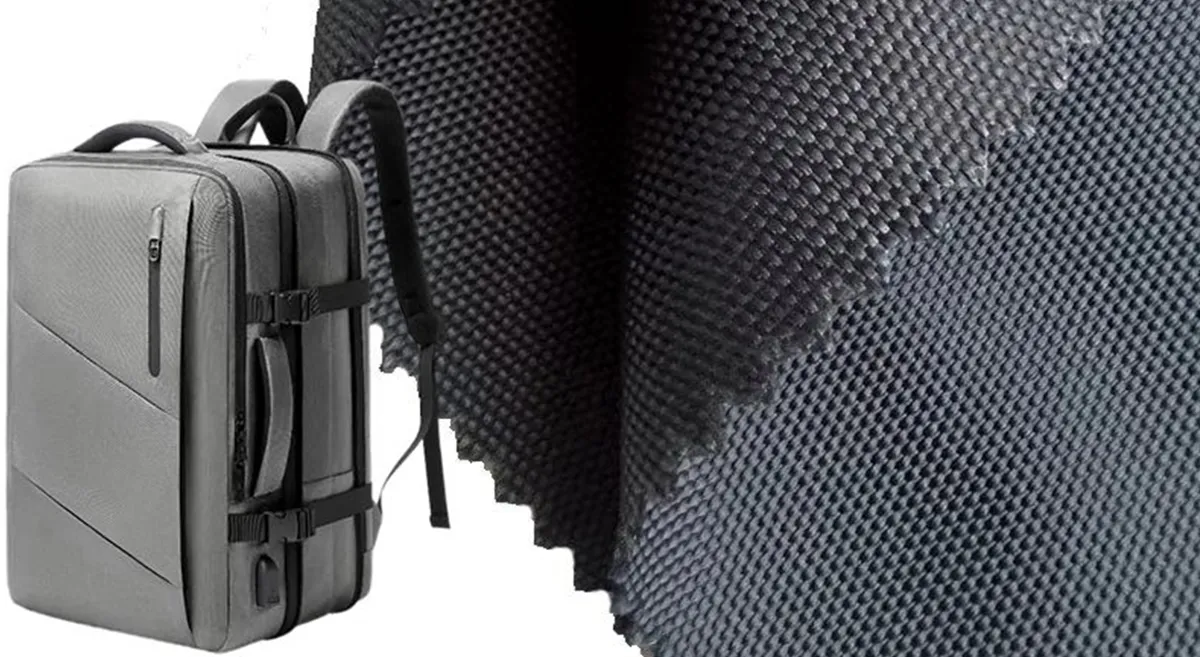
What Is rPET Material
rPET Definition
You may wonder what rPET material is and why people talk about it. rPET stands for recycled polyethylene terephthalate. This material comes from old plastic things like water bottles and food boxes. Instead of throwing these plastics away, companies collect them. They turn the plastics into new products. If you see a label that says rPET, it means the item was something else before. It got a second chance to be useful.
If you ask what rPET material is used for, the answer is easy. You can find rPET in packaging, clothes, bags, and even car parts. It is strong, light, and easy to shape. That is why many brands use rPET for their products. When you pick something made from recycled PET, you help the planet.
Origin of Recycled PET
Let’s see where recycled PET comes from. Most rPET starts as post-consumer waste. This means people use bottles or containers and put them in recycling bins. Workers collect and sort these items at recycling centers. After cleaning and processing, the plastic turns into flakes or pellets. These pellets are used to make new rPET products.
Here are the main sources of post-consumer PET that help create rPET:
- Used and thrown-away bottles from homes, schools, and offices
- Food containers and packaging collected by recycling programs
- Items put back into the production chain after cleaning and removing germs
When you recycle your plastic bottle, you give it a new life. That is the special thing about rPET material.
Importance of rPET
You might ask why rPET is important. The answer is about helping the planet and using resources wisely. When you choose rPET, you help cut down on plastic waste. Old bottles and containers do not end up in landfills or oceans. They get used again for something new.
Choosing rPET means you help keep the planet clean and use resources better.
Here is how rPET helps:
- Reducing Plastic Waste: rPET changes PET waste into useful materials, keeping plastic out of landfills and oceans.
- Lower Carbon Footprint: Making things with rPET can lower greenhouse gas emissions by up to 79%. That is great for the environment.
- Saving Natural Resources: Using rPET means we need less crude oil and other things that cannot be replaced.
You also see rPET in many areas:
- Textile and Apparel: rPET makes polyester fibers for clothes and accessories, making fashion more earth-friendly.
- Packaging: rPET helps companies make new bottles and boxes, helping them reach their green goals.
- Automotive and Construction: rPET goes into car parts and building materials, saving resources and making things work better.
When you buy things made from recycled PET, you help create jobs and grow the economy. Manufacturers save money over time, and brands earn trust from people who care about the Earth. You are important in this cycle every time you pick rPET.
So, what is rPET material? It is more than just recycled plastic. It is a smart choice for you and the planet. You help close the loop, support the Earth, and show companies they should do better.
rPET Production Process
Collecting PET Waste
The rPET process starts with collecting used bottles and containers. Most come from places like homes, schools, and offices. When you put a bottle in the recycling bin, you help start this process. Trucks take these items to recycling centers. Workers and machines look for the right plastic.
Here’s a simple table about PET waste types:
| Type of PET Waste | Description |
|---|---|
| PET containers | Bottles for drinks and other beverages |
| Container closures | Caps and lids, often made from different plastics |
| Labels and residues | Stickers, adhesives, and bits left on bottles and containers |
You help a lot by recycling. Each time you recycle, you keep plastic out of landfills and oceans.
Cleaning and Sorting
After collection, recycling centers get to work. People and machines sort PET from other plastics. Sorting is important to keep rPET clean and good. Workers pick out items by hand. Machines use sensors to find the right plastic.
Next, the PET gets washed. Washing removes dirt, labels, and glue. Clean plastic makes better rPET. After washing, shredders cut the bottles into flakes. The flakes get cleaned and dried again. This helps make the process safe and smooth.
Here’s what happens in this step:
- Sorting: Take out PET from other plastics and trash.
- Cleaning: Wash off dirt, labels, and glue.
- Shredding: Cut PET into small flakes.
- Separation: Remove leftover non-PET stuff.
- Drying: Take out water for better quality.
- Quality Control: Make sure flakes are good.
Mechanical vs Chemical Recycling
You may wonder how old bottles become new rPET. There are two main ways: mechanical recycling and chemical recycling. Each way has its own steps and good points.
| Aspect | Mechanical Recycling | Chemical Recycling |
|---|---|---|
| Input Material Requirements | Needs clean, sorted plastic waste | Handles mixed or dirty plastics |
| End Product Quality | Quality drops over time | Makes high-quality plastic for sensitive uses |
| Environmental Impact | Uses less energy, smaller carbon footprint | Uses more energy, may create emissions |
| Cost and Scalability | Cheaper and more common | Costs more, still growing |
Mechanical Steps
Mechanical recycling is a simple process. Centers clean and shred PET, then melt the flakes. The melted plastic is filtered and made into pellets. These pellets turn into new rPET products. This way works best with clean plastic and uses less energy.
Chemical Steps
Chemical recycling breaks PET into small parts. Centers use special chemicals and heat for this. It can handle dirty or mixed plastics. The result is high-quality rPET, good for food or medical use. This way costs more and uses more energy, but it helps with dirty plastic.
Recycling gives old bottles a new life. By picking rPET, you help the planet and use resources wisely.
Creating rPET Pellets
You might wonder how old bottles turn into something new. The answer is rPET pellets. These small, round pieces of plastic are the building blocks for many recycled products. Let’s walk through the journey from used bottles to shiny new pellets.
Here’s how the process works:
- Material Collection
First, you help by putting your empty bottles in the recycling bin. Trucks pick up these bottles from homes, schools, and offices. Recycling centers gather all the PET plastic they can find. - Initial Transformation
Workers and machines clean the collected PET. They use steam and special chemicals to wash away dirt, labels, and glue. This step makes sure the plastic is safe and ready for the next stage. - Segregating Fine Material
Not all plastic is the same. Machines sort out the best pieces. They remove anything that doesn’t belong, like caps or other types of plastic. Only the cleanest PET moves forward. - Turning Flake to rPET Material
Shredders chop the bottles into tiny flakes. These flakes look like little chips. The flakes get washed again to remove any last bits of dirt. - Melt Filtering
Now, the clean flakes go into a big machine that heats them up. The plastic melts and flows through a filter. This filter catches anything left behind, like dust or tiny bits of label. You get pure, clean melted plastic. - Pellet Formation
The melted plastic gets pushed through small holes, kind of like squeezing toothpaste. As the plastic cools, it forms long strands. Machines cut these strands into small pellets. These pellets are smooth, round, and ready to become something new.
Tip: rPET pellets are super important. They can turn into new bottles, clothes, bags, or even car parts. Every time you recycle, you help make this happen!
You can think of rPET pellets as the “seeds” for recycled products. Factories melt these pellets again and shape them into all sorts of things. Next time you see a shirt or bag made from recycled plastic, you’ll know it started as a simple pellet.
Recycling doesn’t just save space in landfills. It gives plastic a new life. You play a big part in this cycle. So, keep recycling and watch how your actions help build a cleaner world.
Key Properties of rPET
Durability and Strength
When you pick products made from rPET, you get something tough and reliable. rPET stands out because it keeps its strength, even after going through the recycling process. You might wonder if rPET is as strong as new plastic. The answer is yes! High-quality rPET matches virgin PET in mechanical strength and transparency. You can trust rPET to hold up in daily life.
- rPET fibers are spun into strong threads for clothes and bags. These fibers match virgin polyester in performance.
- rPET fabrics show high form stability and resist wear and tear. You can use them for heavy-duty jobs, like backpacks or work uniforms.
- In packaging, rPET gives you sturdy bottles and containers. It works well for both non-food and food packaging.
- Industrial uses, like car interiors or geotextiles, rely on rPET for its mechanical strength.
You help brands combine sustainability with high performance when you choose rPET. You get products that last, and you support a cleaner planet at the same time.
Tip: rPET reduces greenhouse gas emissions by up to 79% compared to regular PET. You make a big difference for the environment every time you choose recycled products.
Safety and Food Use
You might ask, “Is rPET safe for food packaging?” The answer is yes, but only when companies follow strict rules. Agencies like the FDA and EFSA set high standards for rPET used in food packaging. These rules protect you and your family.
- rPET for food packaging must come from post-consumer food-grade containers. This means the plastic started as a safe food container before recycling.
- Non-food PET can’t be more than 5% of the total material. This keeps the recycled plastic pure and safe.
- Companies must wash and sort the plastic very carefully. They remove dirt, labels, and anything that could harm you.
- The EFSA sets a limit for possible exposure to any leftover chemicals. The cap is 0.0025 micrograms per kilogram of body weight each day. This keeps you safe from harmful substances.
You see rPET used in water bottles, salad boxes, and other food packaging. When you buy these products, you can feel confident. The rPET meets strict safety rules. You get the benefits of recycling without worrying about your health.
Note: rPET can be used for food packaging after proper recycling. It meets food-grade processing standards and keeps your food safe.
Recyclability and Circularity
You play a key role in the recycling loop when you choose rPET. This material is not just recycled once. You can recycle rPET again and again. This helps close the loop and supports a circular economy.
- rPET bottles and containers go back into the recycling stream after use. You help keep plastic out of landfills and oceans.
- rPET keeps its quality through several recycling cycles. You get strong and safe food packaging each time.
- Brands use rPET to show their commitment to sustainability. You support companies that care about the environmental impact of their products.
You help reduce waste and save resources every time you recycle. You also encourage more companies to use rPET in food packaging and other products. This creates a cycle where plastic gets reused, not wasted.
Choosing rPET means you support recycling, sustainability, and a lower environmental impact. You help build a better future with every purchase.
Environmental Impact
You might wonder how rPET helps the environment. When you choose rPET, you make a big difference. rPET uses less energy, water, and creates fewer greenhouse gases than new plastic. Let’s look at some numbers to see how rPET compares to virgin PET.
| Production Type | CO2 Emissions (kg/kg) |
|---|---|
| Virgin PET | 6.5 |
| rPET | 2.6 |
You can see rPET cuts carbon emissions by more than half. That means less pollution in the air when companies make recycled plastic.
| Production Type | Energy Consumption (MJ/kg) |
|---|---|
| Virgin PET | 80 |
| rPET | 32 |
rPET also uses much less energy. Factories need less power to make recycled plastic. This saves fuel and helps fight climate change.
| Production Type | Water Usage (liters/kg) |
|---|---|
| Virgin PET | 3.5 |
| rPET | 1.5 |
Water is precious. rPET production uses less than half the water compared to virgin PET. You help save water every time you pick recycled products.
When you buy rPET, you help lower pollution, save energy, and protect water. You make a smart choice for the planet.
You also help keep plastic out of landfills and oceans. Old bottles and containers get a new life instead of becoming trash. This keeps your community cleaner and helps wildlife stay safe.
Thermal and Fabric Properties
You might ask, “How does rPET work in clothes and packaging?” rPET has special thermal properties. These properties decide how well rPET handles heat and keeps its shape.
When companies recycle PET, the plastic goes through heat and cleaning. This process can change the way rPET acts. Sometimes, recycled plastic gets weaker or less stable because its structure changes. You might notice this in products that need to handle heat, like food containers or sportswear.
But don’t worry. Manufacturers have smart ways to fix this. They blend rPET with new PET to make it stronger. They also use special chemicals called chain extenders. These help rPET keep its strength and shape during recycling.
- rPET fabrics feel soft and light. You can wear clothes made from rPET and stay comfortable.
- rPET fibers resist shrinking and stretching. Your recycled bag or shirt keeps its form after many washes.
- rPET packaging holds up well in hot and cold conditions. You can trust it for food boxes and drink bottles.
Tip: Blending rPET with virgin PET or using chain extenders helps recycled plastic stay strong and stable. You get quality products that last longer.
You help drive innovation when you choose rPET. Companies work hard to make recycled materials better for you. You get strong, safe, and comfortable products while helping the planet.
rPET vs Virgin PET
Performance Comparison
You might wonder how rPET compares to virgin PET. Both are strong materials. They work well for many things. rPET is almost as strong and clear as virgin PET. You can use rPET for bottles, bags, and clothes. The quality is good for most uses. Sometimes, rPET is not as clear as virgin PET. This happens when there is a lot of recycled content. If you need something very clear or super strong, virgin PET is better. Many brands mix rPET with virgin PET. This gives you the best mix of both.
Here’s a simple table to compare them:
| Property | Virgin PET | rPET |
|---|---|---|
| Clarity | Higher clarity | Slightly less clear |
| Strength | Superior strength | Near-virgin quality achievable |
| Flexibility | More consistent flexibility | Suitable for many applications |
- Virgin PET is great for fancy products.
- rPET is now almost as good as virgin PET.
- You can trust rPET for most things, but use virgin PET for special needs.
Sustainability Differences
If you care about the Earth, you should know how rPET and virgin PET are different. rPET is better for the planet. It uses less energy and water. It also makes less pollution. When you pick rPET, you help save resources and cut down on pollution.
Look at these numbers:
| Aspect | rPET | Virgin PET |
|---|---|---|
| Greenhouse Gas Emissions | 79% fewer emissions | Higher emissions |
| Energy Consumption | 75% less energy required | More energy required |
| Water Usage | 84% less water consumption | More water consumption |
You make a big difference by choosing rPET. You help lower pollution and save energy and water. Virgin PET needs more resources and makes more pollution. If you want to help the planet, rPET is the best choice.
Tip: Every time you buy rPET, you help fight climate change and keep the Earth healthy.
Cost and Consumer Perception
You might ask if rPET costs more than virgin PET. The answer changes depending on the market. Sometimes, rPET is a little more expensive. This is because recycling takes extra steps. As more people buy rPET, the price is getting closer to virgin PET. Many companies think rPET is a smart choice. It helps them reach green goals and get customers who care about the planet.
People like you are changing what companies do. You want products that are good for the environment. Brands use rPET to show they care about the Earth. You trust companies that use recycled materials. When you choose rPET, you show that protecting the planet is important.
- rPET can cost a bit more, but more people want it.
- You help make change by picking recycled products.
- Companies listen to you and offer more rPET choices.
Note: Your choices matter. You help shape the future of packaging and fashion by picking rPET instead of virgin PET.
Environmental Benefits of Recycled PET
Reducing Plastic Waste
You help the planet when you pick recycled pet products. Recycling bottles and containers keeps plastic out of landfills and oceans. Old plastic gets turned into new things like bags, clothes, and packaging.
- Ghana’s rPET program stops 18,000 tonnes of plastic waste from going to landfills each year.
- Your recycling helps stop pollution and keeps animals safe.
- Recycling supports a cleaner place for everyone.
You may not notice the change right away. But every bottle you recycle makes a difference. Your neighborhood looks better with less trash. You help make plastic waste useful instead of harmful.
Lower Carbon Footprint
You help fight climate change by choosing recycled pet. Making new plastic from oil uses lots of energy and causes pollution. Recycling old plastic uses less energy and makes fewer greenhouse gases.
Here are some numbers to show the difference:
| Type of PET | Carbon Footprint (kg CO2 per kg) |
|---|---|
| Virgin PET | 2.15 |
| Recycled PET | 0.45 |
- Recycled pet makes 79% less CO2 than virgin PET.
- You lower the carbon footprint of packaging and clothes by picking recycled materials.
Every time you buy recycled pet, you help cut air pollution. You make a smart choice for the planet and for people in the future.
Tip: Small choices matter. Picking recycled pet instead of new plastic helps slow global warming.
Resource Conservation
You save resources when you support recycling. Making recycled pet bottles uses less energy and water than making new ones. You help save raw materials like oil and natural gas.
- Making recycled pet bottles needs much less energy than making new PET bottles.
- The rPET process saves raw materials and cuts greenhouse gases by 65%.
- rPET uses 59% less energy and 16% less water than virgin polyester.
- New rPET technology uses less energy and water than new PET, helping save resources.
You help companies use fewer resources and protect nature. Recycling gives old plastic another chance. You also encourage brands to use recycled materials in their products.
Note: Recycling is more than just waste. You save energy, water, and raw materials every time you recycle.
You help build a cleaner, greener world. Your choices matter and help lead to a better future.
Supporting the Circular Economy
You might hear “circular economy” and wonder what it means. It is a way to keep materials in use for a long time. Instead of using plastic once and throwing it away, you help make a loop. You recycle, reuse, and turn old things into new products. rPET is important in this system.
When you pick rPET products, you help close the loop. Each rPET pellet keeps plastic out of landfills and oceans. You give plastic another chance to be useful. This helps the planet and lets companies reach their green goals.
Here’s how rPET helps the circular economy:
- Every rPET pellet you use means less trash in landfills.
- You help keep plastic out of rivers and oceans.
- Your choices support ESG (Environmental, Social, and Governance) goals.
- You join people around the world working for a circular economy.
You can see these changes happening. For example, the Circular Plastics Challenge brings stores and recycling partners together. They set up places where you can drop off used bottles. These bottles get recycled and become rPET. This gives enough material for millions of new bottles.
| Initiative | Description | Impact |
|---|---|---|
| Circular Plastics Challenge | Helps rPET supply by working with stores | Collection points for recycling, millions of rPET bottles |
Companies like Verdeco show how the circular economy works. They take single bottles and turn them into high-quality rPET pellets. These pellets become new things, like bags or packaging. You help cut landfill waste and support sustainability when you recycle.
| Process | Description | Outcome |
|---|---|---|
| Verdeco’s Recycling | Makes high-quality rPET pellets from single bottles | Less landfill waste, better sustainability |
Tip: When you recycle your bottle, you do more than clean up. You help build a system where nothing gets wasted.
You are important in this cycle. Your choices matter. When you pick rPET products, you show companies you care about the planet. You help create demand for recycled materials. This makes more brands join the circular economy.
You can see the results in your town. Parks are cleaner, there is less trash, and more things are made from recycled plastic. The circular economy is not just an idea. You help build it every day with your actions.
rPET Applications and Uses
Packaging and Bottles
You see rPET used in many types of packaging. Companies make water bottles, food boxes, and shampoo bottles from it. When you buy a drink, the bottle might be made from recycled plastic. This keeps plastic out of landfills and oceans. rPET bottles are strong and safe for food and drinks. Many brands pick rPET to show they care about the Earth. You help this change by recycling your bottles.
rPET Fabric and Textiles
You might wear clothes made from rPET and not know it. The textile industry uses rPET to make polyester fibers for shirts and jackets. Workers collect and sort plastic bottles first. Then, they clean and shred them into small flakes. These flakes turn into pellets. Factories spin the pellets into fibers. The fibers become fabric for clothes and accessories.
Here’s a table that shows why rPET is good for textiles:
| Benefit/Process | Description |
|---|---|
| Environmental Impact | Lowers pollution and saves resources |
| Durability | Strong, lightweight, and moisture-resistant |
| Energy and Water Savings | Uses less energy and water than new polyester |
| Waste Reduction | Keeps plastic out of landfills and oceans |
| Sustainable Fashion | Supports eco-friendly trends |
You help the fashion world go green when you pick rPET clothes. Recycling bottles for fabric saves energy and water. You also get clothes that are strong and comfy.
rPET Bags and Accessories
You see rPET bags at stores, schools, and events. These bags come from recycled plastic bottles. They are tough, light, and great for daily use. You can use them for shopping, carrying books, or lunch. rPET bags help cut waste and support recycling.
Types of rPET Bags
You have lots of choices for rPET bags:
- Tote bag: Good for trade shows and giveaways, with a big space for packing.
- Foldable Bag: Handy for shopping, folds up small so you can carry it anywhere.
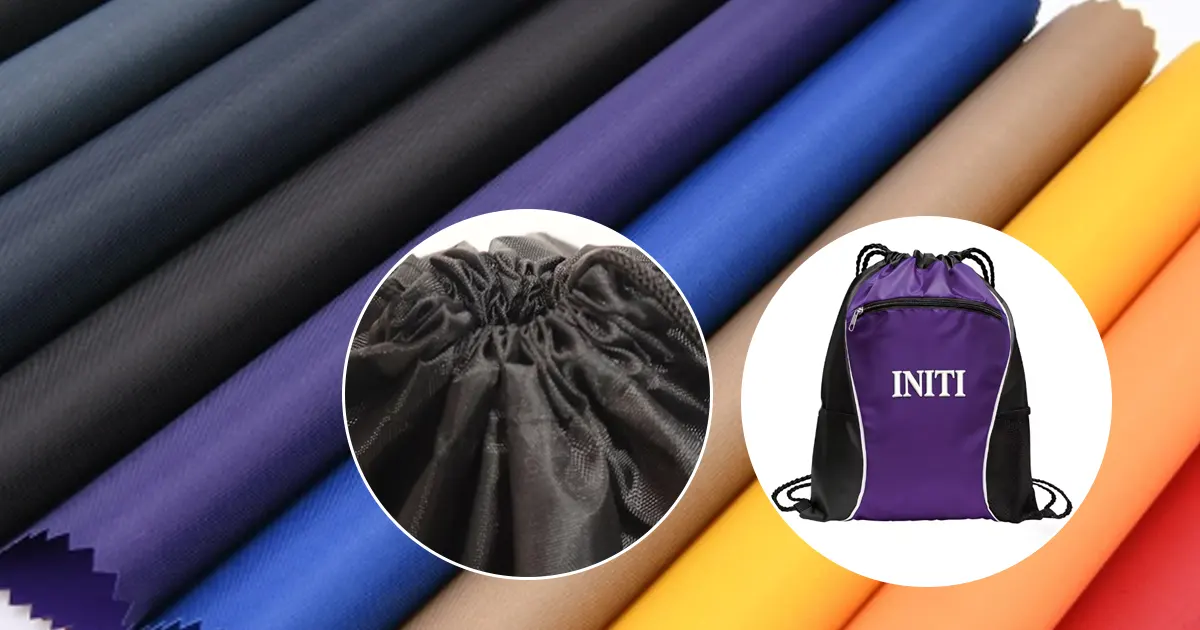
- Drawstring backpack: Light and easy to carry, perfect for the gym or outside fun.
- Cooler bag: Keeps food and drinks cool, great for picnics or food delivery.
You also find rPET shopping bags in two main styles:
- Non-laminated: Soft and lets air through, made from rPET fabric with no extra film.
- Laminated: Strong and waterproof, with a thin film for bright colors and more strength.
Advantages of rPET Bags
You get many good things when you use rPET bags:
- They last long and do not tear easily.
- You help keep plastic out of landfills and oceans.
- rPET bags use less energy and water to make.
- You support brands that care about recycling and the planet.
- These bags look nice and work well every day.
Tip: Every time you use an rPET bag, you help the Earth and show others that recycling is important.
Other Industrial Uses
You may think rPET is just for bottles or bags. That is not true. rPET is used in many other industries too. Companies use rPET to make buildings stronger and homes more comfortable. They also use it to make smart products for your daily life.
Let’s see some ways rPET helps different industries:
| Industrial Use | Description |
|---|---|
| Construction | rPET is used to enhance the sustainability of building materials. |
| Insulation | Innovative insulation options are created using rPET. |
| Flooring | Eco-conscious flooring options are developed with rPET. |
| Smart Textiles | rPET is integrated into fabrics for applications in healthcare and smart homes. |
You can find rPET in construction. Builders mix rPET with concrete or other things. This makes walls and floors stronger and better for the planet. When you pick homes or offices made with recycled materials, you help the Earth. Some companies use rPET for insulation. These products keep your house warm in winter and cool in summer. You save energy and money by using these products.
rPET is also used in flooring. Companies make carpets and tiles from recycled PET. These floors last a long time and look nice. You get a stylish home and help cut down on plastic waste.
Smart textiles are changing how you live. Hospitals use rPET fabrics for medical gear. These fabrics are strong, safe, and easy to clean. Some clothes have sensors that check your health. Smart home products use rPET fibers for curtains or furniture covers. You get comfort and technology while helping the planet.
Here are more examples you might see:
- Automotive parts: Car makers use rPET for seat covers, door panels, and trunk liners. You get a comfy ride and help reduce plastic waste.
- Geotextiles: Builders use rPET fabrics under roads or gardens. These materials stop erosion and help plants grow.
- Office supplies: Some companies make folders, pens, and even chairs from rPET. You use these things every day and support recycling.
Tip: Every time you pick products made with rPET, you help industries become greener. You show that recycling is important everywhere.
You play a big part in this change. When you support rPET in construction, flooring, or smart textiles, you help create demand for green products. You encourage companies to recycle and find new uses for old plastic. Your choices matter, not just in packaging or clothes, but in the world around you.
Conclusion
You now know rPET is a smart choice for the planet. It comes from recycled plastics, saves energy, and keeps waste out of landfills and oceans. You get strong, safe products that help protect nature. The use of rPET in bags and packaging keeps growing fast as more people join the recycling program. As a custom rPET bag manufacturer, we turn old bottles into new, reusable bags. You help support eco-friendly goals every time you choose rPET.
FAQ
What does rPET stand for?
rPET stands for recycled polyethylene terephthalate. You see it in products made from recycled plastic bottles and containers.
Is rPET safe for food and drinks?
Yes, rPET is safe for food and drinks. Companies follow strict rules to make sure rPET meets food safety standards. You can trust rPET bottles and containers.
Can you recycle rPET products again?
Absolutely! You can recycle rPET products just like regular plastic. This helps keep the recycling loop going and reduces waste.
How can you tell if a product uses rPET?
Look for labels like “Made with rPET” or recycling symbols with the number 1. Some brands also share this information on their packaging or websites.
Does rPET feel different from regular plastic?
No, rPET feels almost the same as regular plastic. You might not notice any difference in bags, bottles, or clothes made from rPET.
Why should you choose rPET products?
When you pick rPET, you help reduce plastic waste, save energy, and protect the planet. Your choice supports a cleaner world.
What can you make from rPET?
You can find rPET in many things:
- Water bottles
- Shopping bags
- T-shirts
- Backpacks
- Food containers
rPET is everywhere!