If you have ever shopped for clothes, home textiles, or bags, chances are you have come across the term poly blend fabric. It sounds a bit technical, but really it just means a fabric made by mixing polyester with another fiber like cotton, nylon, spandex, or rayon. The reason companies mix fibers is simple: no single fabric has all the perfect qualities. Cotton is breathable but wrinkles easily. Polyester is durable but not as soft. By blending them, you get the best of both worlds.
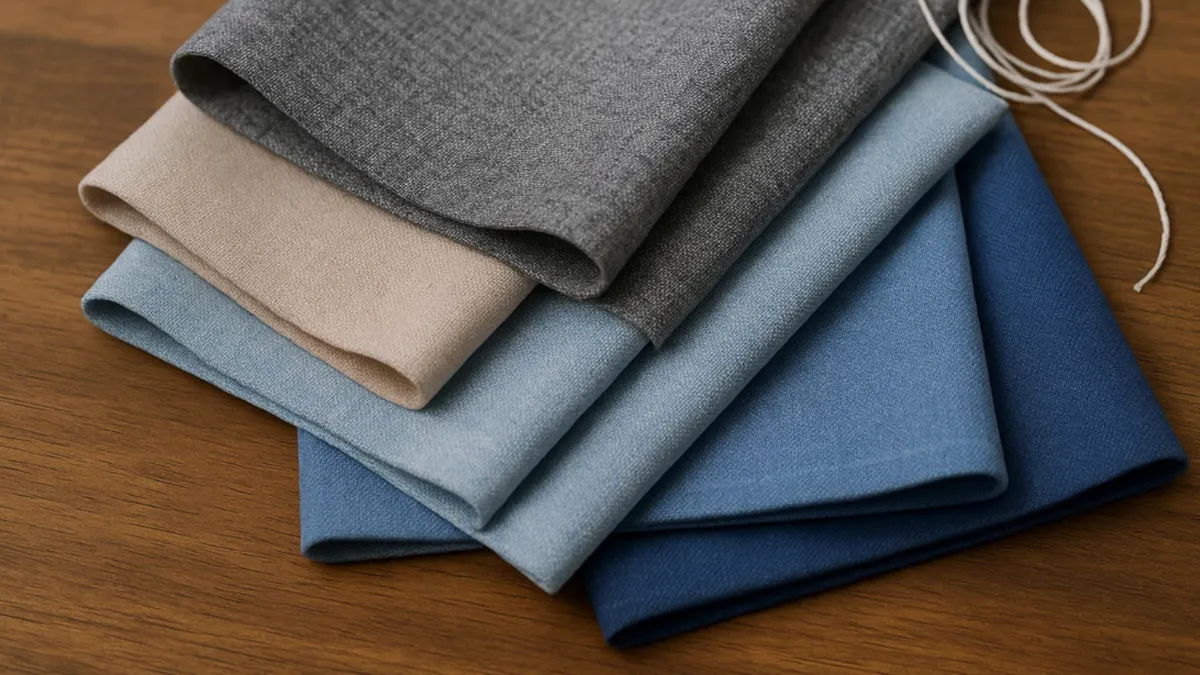
In this guide, we are going to chat about what poly blend fabric really is, the different types you will run into, and the pros and cons of using it. We will also talk about why so many brands use it for bags, whether it is eco friendly, and answer some of the common questions people ask. By the time you finish, you will have a clear idea of whether poly blend fabric makes sense for your clothes, your reusable shopping bags, or even that backpack you take on trips.
What Is Poly Blend Fabric?
Poly blend fabric is made when polyester is combined with another type of fiber to create a fabric that balances strength, comfort, and affordability. Polyester itself is a synthetic fiber, made from petroleum based polymers. On its own, it is tough, resistant to shrinking, and holds color really well. But it can sometimes feel stiff or less breathable.

That is why blending works so well. Adding cotton makes the fabric softer and more comfortable. Adding nylon makes it stronger and more water resistant. Adding spandex gives it stretch. Adding rayon or viscose makes it smoother and more elegant.
So when you see poly cotton, poly nylon, or poly spandex, you now know these are just variations of poly blend fabrics designed for different uses.
Common Types of Poly Blend Fabrics
Poly blends are not all the same. Each mix brings something different to the table, and that is why they work best in certain products. Let us take a closer look at the most common blends and where you will usually see them.
Polyester Cotton Blend (Polycotton)
This is by far the most popular blend and one you have probably worn many times without even realizing it. Polycotton takes the softness and breathability of cotton and combines it with the strength and wrinkle resistance of polyester. The result is a fabric that feels comfortable against your skin but also lasts longer and holds its shape better than pure cotton. You will see polycotton everywhere—from everyday t shirts and uniforms to reusable tote bags that need both comfort and durability. For bags, polycotton is a favorite because it can be printed or embroidered easily, making it great for custom logos or branding.
Polyester Nylon Blend
If strength is what you are after, this is the blend to pay attention to. Polyester and nylon together create a tough, water resistant fabric that is built for action. That is why it is often used for backpacks, travel bags, and outdoor gear. It can handle heavy loads, resist scratches, and keep up with rough use. Plus, it dries quickly if it gets wet, which makes it perfect for hiking trips or daily commutes in unpredictable weather.
Polyester Spandex Blend
This blend is all about flexibility. By adding spandex into polyester, the fabric gains stretch and elasticity. It is lightweight, comfortable, and can move with you. You will mostly find it in sportswear, yoga gear, and active bags that need a little give. For example, a drawstring gym bag made with poly spandex is not only durable but also flexible enough to fit odd shaped items like sneakers or a rolled up yoga mat. It is practical for people who are constantly on the go.
Polyester Rayon or Viscose Blend
If you want something that looks and feels a bit more high end, this is the blend to go for. Rayon (or viscose) is known for its silky smooth texture, and when mixed with polyester, it becomes both elegant and durable. This type of fabric is often used in fashion clothing, upscale packaging, or stylish handbags that need a refined look. It is soft, drapes beautifully, and feels more luxurious than many other blends. For bags, this blend is often chosen when the design calls for a modern, polished finish that feels premium without being overly delicate.
Table 1
| Blend Type | Key Features | Common Uses |
|---|---|---|
| Poly Cotton | Soft, breathable, durable | Shirts, tote bags, reusable shopping bags |
| Poly Nylon | Strong, water resistant | Backpacks, travel bags, outdoor gear |
| Poly Spandex | Stretchy, lightweight | Sportswear, gym bags, flexible cases |
| Poly Rayon/Viscose | Smooth, premium feel | Fashion apparel, stylish handbags |
Properties of Poly Blend Fabric
Poly blend fabric is popular because it offers a mix of qualities that single fiber fabrics cannot. Here are some of the most noticeable ones:
| Property | Why It Matters |
|---|---|
| Durability | Polyester is naturally tough, so blends usually last longer than pure cotton or rayon. |
| Comfort | Adding cotton, rayon, or spandex improves softness and makes fabric more wearable. |
| Wrinkle Resistance | Blends wrinkle less and are easier to care for compared to natural fibers. |
| Cost | Often cheaper than 100 percent natural fibers, making them more budget friendly. |
| Design Flexibility | Can be dyed, printed, or embroidered easily, which is great for branding and customization. |
Advantages of Poly Blend Fabric
One big reason poly blends are everywhere is because they strike a balance between function and comfort.
| Advantage | Why It Matters |
|---|---|
| Versatile | Works for everything from casual t shirts to durable shopping totes and even luxury bags. |
| Easy to Clean | Most blends are machine washable, quick to dry, and low maintenance. |
| Cost Effective | Provides good quality without the high price of 100 percent natural fabrics. |
| Custom Friendly | Ideal for printing, embroidery, or heat transfer logos, making it perfect for branded bags. |
Disadvantages of Poly Blend Fabric
Of course, no fabric is perfect. Poly blends have a few downsides too.
| Disadvantage | Why It Matters |
|---|---|
| Less Breathable | Poly blend fabric does not breathe as well as pure cotton, especially in hot weather. This can make it feel warmer and less comfortable during summer use. |
| Not Always Eco Friendly | Since polyester is petroleum based, blends are not fully biodegradable. This raises concerns for people looking for greener fabric options. |
| Recycling Challenges | Blends are harder to recycle because the polyester and natural fibers are difficult to separate, which limits end of life options. |
| Possible Pilling | Over time, some blends may form small fabric balls (pills) on the surface, especially with frequent washing or heavy use. |
Poly Blend Fabric in the Bag Industry
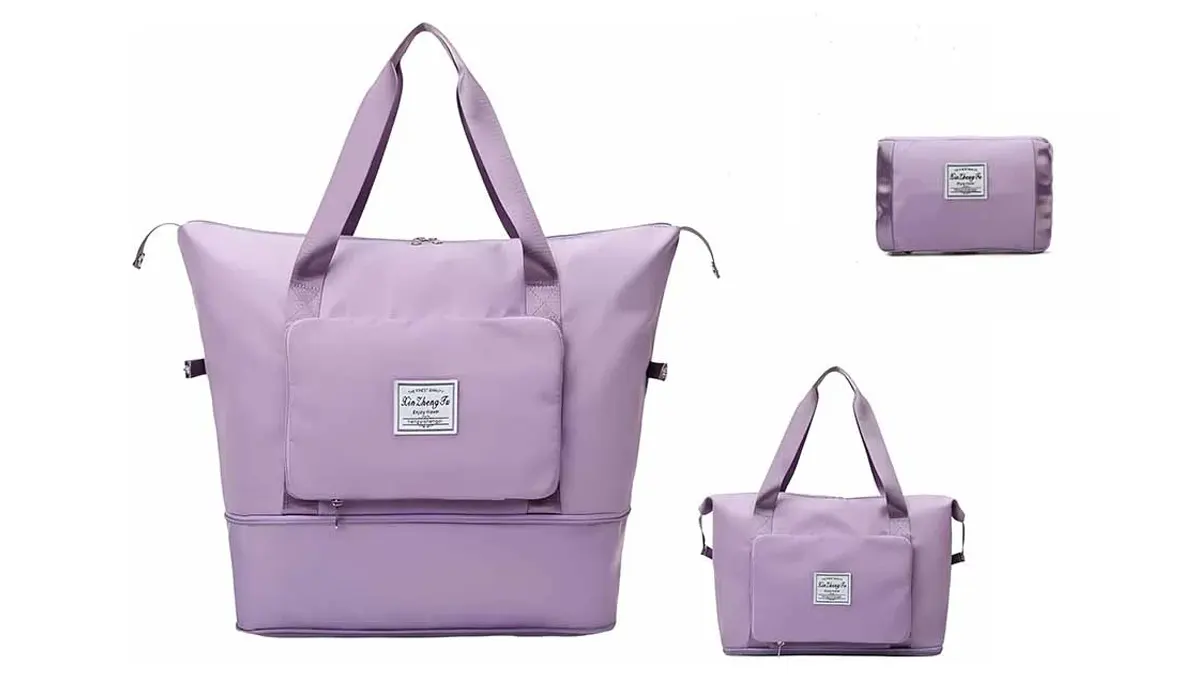
Now let us focus on bags, since that is where poly blends really shine. Bag makers love poly blends because they combine strength, style, and flexibility.
| Bag Type | Recommended Blend | Why It Works Well |
|---|---|---|
| Tote Bags | Poly Cotton | Strong enough for daily groceries or books, yet soft and comfortable to carry. Easy to print or embroider for custom designs. |
| Travel Backpacks | Poly Nylon | Offers excellent durability and water resistance, making it reliable for travel, commuting, and outdoor adventures. |
| Sports Bags | Poly Spandex | Flexible and lightweight, great for gym gear, sneakers, or yoga accessories that need extra stretch. |
| Fashion Bags | Poly Rayon/Viscose | Smooth and premium feel, adds a polished, high end look for handbags or stylish accessories. |
Table 2
| Bag Type | Recommended Blend | Reason |
|---|---|---|
| Tote Bag | Poly Cotton | Comfortable, durable, easy to print |
| Backpack | Poly Nylon | Strong, water resistant |
| Sports Bag | Poly Spandex | Stretchy, lightweight |
| Fashion Handbag | Poly Rayon | Smooth, premium look |
Is Poly Blend Fabric Eco Friendly?
This is a tricky one. Pure polyester is not biodegradable, and when blended with natural fibers, recycling becomes more complicated. That is why poly blends are not always the greenest option. However, progress is being made.
Some companies now use recycled polyester (RPET) made from plastic bottles, blended with organic cotton to create more eco friendly fabrics. This reduces waste and gives poly blends a second life. So while poly blends are not perfect for the environment, innovation is making them a better choice than before.
Conclusion
So, what is poly blend fabric? In simple terms, it is a fabric made by blending polyester with another fiber to combine the best qualities of both. Poly blends can be soft yet strong, stylish yet affordable, and are widely used in everything from clothing to reusable shopping bags.
For the bag industry, poly blends are especially valuable because they allow for durable, stylish, and customizable products. Whether it is a poly cotton tote, a poly nylon travel backpack, or a poly rayon handbag, each blend offers something unique.
As a professional bag manufacturer, we design and produce poly blend fabric bags for different needs. We support OEM, ODM, and wholesale orders, helping businesses create high quality custom bags with printing, embroidery, or branding options. If you are looking for reliable, stylish, and practical poly blend bags, contact us today for samples or a quick quote—we are here to help.
FAQs
What is the difference between polyester and poly blend fabric?
Polyester is a single synthetic fiber, while poly blend fabric combines polyester with another fiber like cotton, nylon, or spandex. The blend balances durability with comfort. Polyester alone can be strong but not very breathable. Adding cotton, for example, makes the fabric softer and more wearable, while still keeping its strength.
Is poly cotton better than 100 percent cotton?
It depends on what you want. Pure cotton feels softer and more breathable, especially in hot weather. But it wrinkles easily and can shrink. Poly cotton blends keep the comfort of cotton but add polyester’s durability and wrinkle resistance. For bags and everyday wear, poly cotton is often the practical choice.
Does poly blend fabric shrink or wrinkle?
Most poly blends resist shrinking and wrinkling much better than pure cotton or rayon. That is one of the main benefits. You can usually machine wash and air dry poly blend items without worrying too much about them losing shape.
Are poly blend bags durable for everyday use?
Yes, that is actually one of the main reasons bag makers use them. Poly blend bags, especially poly nylon backpacks and poly cotton totes, can handle daily wear and tear. They are strong, resistant to stretching, and often last longer than bags made from pure cotton.
Can poly blend fabric be recycled?
This is the tough part. Because poly blends mix fibers, recycling them is harder compared to pure fabrics. Most recycling systems cannot separate polyester from cotton or rayon easily. However, fabrics made with recycled polyester are becoming more common, offering a better balance between performance and sustainability.