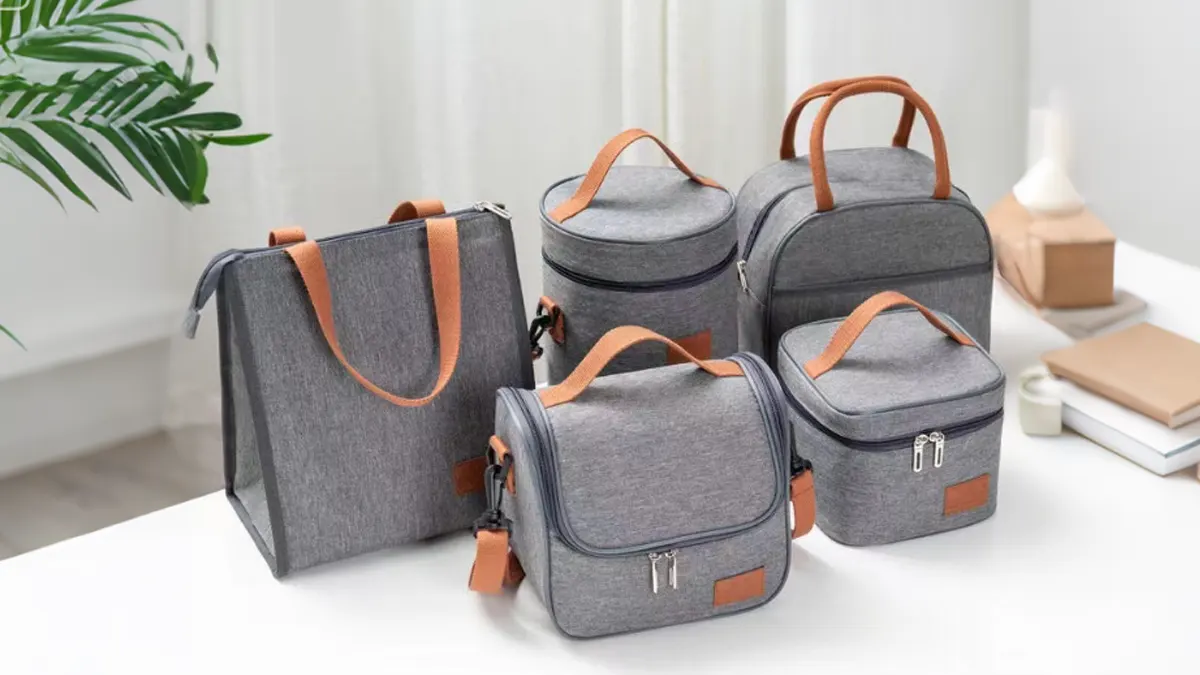
If you’re wondering what is neoprene fabric, it is a synthetic material known for its unique properties. What is neoprene fabric used for? It’s waterproof, durable, stretchy, and highly versatile. Originally, what is neoprene fabric was developed as a substitute for natural rubber, but now you can find it in all sorts of products. What is neoprene fabric great at? It keeps water out, stretches easily, and provides warmth. Here are some key features that explain what is neoprene fabric and why it stands out:
| Property | Description |
|---|---|
| Closed-Cell Structure | What is neoprene fabric’s secret? It blocks water and traps heat, unlike most other fabrics. |
| Stretchy and Tough | What is neoprene fabric good for? It moves with your body and resists damage, even with frequent use. |
| Synthetic Polymer Base | What is neoprene fabric made from? Its synthetic base allows for a wide range of uses. |

What is neoprene fabric’s main benefit? It keeps you dry and comfortable in many different situations.
Key Takeaways
- Neoprene is a man-made fabric. It is waterproof, stretchy, and strong.
- People use it in wetsuits and medical braces. It is also used in many factories because of its special features.
- Neoprene has a closed-cell structure. This keeps water out and helps keep things warm. It works well in cold places.
- The fabric bends easily and does not rip quickly. This makes it good for things like laptop sleeves and gym bags.
- Neoprene is tough and can be used in many ways. But it can feel heavy and does not let air through. This can make you feel hot and uncomfortable.
- Neoprene is not good for the environment. It does not break down fast and can cause pollution.
- If you clean it gently and store it right, neoprene can last a long time.
- Neoprene costs more than some other fabrics. But it lasts long and works well, so many people think it is worth the price.
What Is Neoprene Fabric

Definition
When you ask what is neoprene fabric, you want to know about a special man-made material. Neoprene is a brand name for polychloroprene, which is a kind of synthetic elastomer. Some people call it synthetic rubber. It was first made to replace natural rubber. Now, you can find it in many things, like wetsuits and laptop sleeves.
Neoprene is different because it stretches, keeps water out, and does not wear out easily. It feels soft but is very strong. The reason is in its chemical structure. Polychloroprene forms when chloroprene molecules join together in long chains. This makes neoprene fabric strong and flexible.
Here’s a quick look at why polychloroprene works so well:
| Property | Description |
|---|---|
| Chemical Structure | Made by joining chloroprene, which comes from butadiene with chlorine. |
| Tensile Strength | Has great strength, sometimes up to 28 MPa. |
| Resistance | Stands up to oils, solvents, and damage from the environment. |
| Chemical Stability | Chlorine helps it resist ozone and stay stable. |
| Applications | Used in safety gear, industrial items, and other elastomer products. |
So, when you think about what is neoprene fabric, remember it is tough, stretchy, and keeps water out. It works in many places.
Composition
You might wonder what makes up neoprene fabric. The main part is polychloroprene, made by joining chloroprene together. Factories often use limestone to help make it. These things form the base of neoprene.
But there is more. To make neoprene fabric nicer to wear, companies mix in other fibers. They often blend it with polyester and spandex in a double-knit. This blend helps in a few ways:
- It makes neoprene fabric stretchier and more comfy.
- The surface feels smooth, so it is nice to touch.
- But it does not let air through well, so sweat can get stuck.
When you look at what is neoprene fabric, you see science and smart design working together. Mixing materials makes the fabric useful and comfortable.
Manufacturing
Making neoprene fabric takes several steps. Each step is important for the final product. Here is how it usually goes:
- Polymerization of Chloroprene: First, factories turn chloroprene into long chains called polychloroprene.
- Blending with Additives: Next, they add things to make neoprene better.
- Shaping and Molding: The mix is shaped into sheets or rolls.
- Curing Process: The material is heated to make it hard and strong.
- Laminating and Coating: Neoprene is covered with fabrics like polyester or spandex for extra strength and a better look.
- Cutting and Shaping for Final Products: The sheets are cut into shapes for different items.
- Final Quality Control: Every piece is checked to make sure it is good.
Making neoprene fabric takes care and skill. Each step helps make a strong and flexible material. When you ask what is neoprene fabric, you are looking at something made with chemistry, engineering, and careful checks.
Tip: If you want a fabric that keeps water out, stretches, and lasts a long time, neoprene fabric is a great pick. The way it is made gives you all these good things in one fabric.
So, what is neoprene fabric? It is a man-made, stretchy, and water-resistant fabric made from polychloroprene. It is often mixed with polyester and spandex and made through a careful process. Neoprene fabric gives you the strength and performance you need for sports, work, and daily life.
Properties
Water Resistance
You want a fabric that keeps your things dry, even in the rain. Neoprene stands out because it is waterproof. This means water cannot pass through it easily. The secret lies in its closed-cell structure. Each tiny cell traps air and blocks water. That is why you see neoprene in wetsuits, laptop sleeves, and weather-resistant bags.
Manufacturers use several scientific tests to check how well neoprene keeps water out. Here is a quick look at the main testing methods:
| Testing Method | Description |
|---|---|
| Water Absorption Test (ASTM D1056) | Neoprene sits in water for 24 hours. If it absorbs less than 5% of its weight, it is highly waterproof. |
| Seam Leak and Pressure Testing | Finished products, like bags, get filled with air or water to check for leaks. |
| Hydrostatic Pressure Test (ISO 811) | Measures how much water pressure the fabric can handle before leaking. A high rating means excellent waterproofing. |
| Accelerated Aging Tests | Neoprene faces UV, heat, and chemicals to make sure it stays waterproof over time. |
You can trust neoprene to protect your gear from rain, splashes, or even a quick dunk. That is why so many people choose neoprene bags for travel and outdoor use.
Flexibility
Neoprene bends and stretches without breaking. You can twist, fold, or stretch it, and it bounces right back. This flexibility comes from its unique chemical structure. The long chains of polychloroprene move easily, so the fabric stays soft and elastic.
You will notice this property in sports gear, medical supports, and even in fashion items. When you use a neoprene bag, you get a product that moves with you. It does not crack or lose shape, even if you pack it full. The fabric stays flexible in both hot and cold weather, so your bag or sleeve works year-round.
Tip: If you need a bag or accessory that can handle daily use and rough handling, neoprene’s flexibility makes it a smart choice.
Durability
Neoprene is known for being durable. It resists tears, scratches, and everyday wear. You can use neoprene products for a long time without seeing much damage. This makes it perfect for items that face rough conditions, like sports equipment, industrial gear, and protective sleeves.
On average, a wetsuit lasts between 1 to 3 years, but this depends heavily on how often and how intensely you use it. Most avid surfers replace their wetsuits every 9 to 12 months due to heavy use, which leads to wear and tear.
For bags and accessories, this means you get a product that stands up to daily life. Neoprene keeps its shape and strength, even after many uses. You do not have to worry about your bag falling apart after a few months. The strong, durable nature of neoprene gives you peace of mind, whether you are carrying electronics, gym gear, or work tools.
Insulation
You want a fabric that keeps you warm in cold weather. Neoprene is great because it insulates well. It traps air inside its closed cells. This slows down heat from leaving your body. You stay warmer for longer when you use neoprene. People use it for wetsuits, lunch bags, and laptop sleeves.
The R-value shows how well a material stops heat flow. A higher R-value means better insulation.
| Material | R-Value per Inch | Description |
|---|---|---|
| Neoprene | 3.5 – 4.5 | High thermal resistance and flexibility. |
| Foam Rubber | 3 – 4 | Good insulation with moderate flexibility. |
| Polyurethane Foam | 6 – 7 | Superior insulation, often used in buildings. |
| Fiberglass | 2.9 – 3.8 | Common in construction, less flexible. |
| Thinsulate™ | 2.2 | Lower thermal resistance, lightweight. |

Neoprene insulates better than many flexible materials. It keeps heat in and cold out. That is why people use it for wetsuits, gloves, and covers.
Tip: If you want something to keep things warm or cold, neoprene is a smart pick because it insulates well.
Chemical Resistance
Neoprene resists many chemicals, so it works in tough places. You can use it in labs, factories, and medical settings. Here is a look at what chemicals neoprene resists and where it does not work well:
| Resistant Chemicals | Limitations of Resistance |
|---|---|
| Hydrogen gas | Petroleum products |
| Natural gas | Acetone and MEK |
| Ammonium salts | Strong oxidizers |
| Mineral oils | |
| Silicone oils and greases |
Neoprene stands up to many oils, gases, and salts. But it does not resist petroleum products, acetone, or strong oxidizers. If you use neoprene with these chemicals, it can break down faster.
- Neoprene breaks down with petroleum products.
- It also does not last with acetone, MEK, or strong oxidizers.
- This can make it wear out faster in some places.
Always check the chemicals before using neoprene for protection. It works well for many uses, but knowing its limits helps you choose wisely.
Flame Retardancy
Safety is important when using materials near heat or flames. Neoprene does not catch fire easily. If it burns, it burns slowly and makes less smoke than other fabrics. This makes neoprene good for protective gear, car interiors, and public transport.
There are standards to test how well neoprene resists fire:
| Standard | Description |
|---|---|
| NFPA 130 | Fire protection for transit systems. |
| ASTM C1166 | Tests flame spread in elastomeric materials. |
| ASTM E162 | Measures surface flammability of rubber products. |
| ASTM E662 | Measures smoke density from burning materials. |
| BSS 7239 | Fire test for aircraft materials. |
| FMVSS No. 302 | Flammability guidelines for vehicle interiors. |
You can trust neoprene in places where fire safety matters. Its flame-retardant properties help protect people and equipment. That is why many industries use neoprene.
Oil Resistance
You may wonder how neoprene deals with oil. This is a big reason why neoprene is different from other fabrics. If you use neoprene where oil spills or splashes happen, you want your stuff to last. Neoprene does well with many oils, especially mineral oils. That’s why people use it for gloves, machine covers, and car parts.
Neoprene’s special chemical structure helps it resist oil. Its closed-cell design stops oil from soaking in. You can wipe off spills easily, and the fabric stays strong. Neoprene keeps its shape and strength, even after touching oil.
Let’s see how neoprene compares to NBR, another synthetic fabric. Here’s a table that shows the differences:
| Property | Neoprene (CR-50) | NBR (NBR-33) |
|---|---|---|
| Resistance to Mineral Oil | Up to ISO VG32 oils | Up to ISO VG150 oils |
| Fuel Resistance | Weak (swelling >30% in gasoline) | Strong (swelling <20% in gasoline) |
| Solvent Resistance | Moderate (ketones attack) | Excellent (resists ketones, some esters) |
Neoprene works well with mineral oils, but not as well with fuels. If you use neoprene near gasoline, it might swell or lose shape. For most things like bags or sports gear, you don’t need to worry about fuel spills. Neoprene is a good choice for these items.
Neoprene also resists other liquids, like silicone oils and some greases. This makes it great for covers and industrial uses. You can trust neoprene to keep your tools or hands safe from oil. The fabric stays flexible and strong, even after many uses.
Tip: If you work in a garage, kitchen, or factory, neoprene can protect your gear from oil stains. But if you need protection from strong fuels or harsh solvents, try other materials.
Neoprene’s oil resistance is just one helpful feature. You get a fabric that stands up to tough jobs and keeps working. When you pick neoprene, you get strength, flexibility, and protection. That’s why many industries use neoprene for hard work.
Uses
Sportswear
Neoprene is used a lot in sportswear. It is the main material for wetsuits. Wetsuits help surfers and swimmers stay warm in cold water. Neoprene keeps water out and holds heat close to your body. You also see neoprene in swim caps, gloves, and boots. These items stretch easily, so you can move well in water or on land.
Athletes like neoprene bags and sleeves. They keep gear safe from rain and sweat. The fabric bends, so you can pack odd-shaped things. If you want a tough gym bag, neoprene is a good choice. It lasts long and keeps water out, so it works well for outdoor sports.
Medical
Neoprene is important in medicine. You find it in many supports and braces. Doctors use neoprene for wrist, ankle, and knee braces. It is also in heel and back supports. Neoprene is easy to clean and does not let bacteria grow. It fits your body and gives the right support.
Some common uses for neoprene in medicine are:
- Braces for knees, ankles, elbows, and backs
- Rehab gear like gloves and foot supports
- Orthotics for spine and feet
- Bandages, compression socks, and gowns
Neoprene feels soft and does not bother your skin. It lasts a long time, even with daily use. The smooth surface makes cleaning easy, which helps in hospitals. You get support, protection, and hygiene from one material.
| Advantage | Description |
|---|---|
| Great Comfort | Neoprene fits your body and lowers friction. |
| Strong Durability | It does not wear out fast, so you can use it often. |
| Good Support | Neoprene protects joints and muscles and eases pressure. |
| Biocompatibility | It rarely causes skin trouble, even if you wear it a lot. |
| Easy to Clean | The smooth surface stops bacteria and is simple to wash. |
| Applications | Used in braces, orthotics, and many medical items. |
Industrial
Neoprene is used in many factories and industries. It works well in tough places because it resists oil, heat, and chemicals. Workers wear neoprene gloves, aprons, and safety gear. Car makers use neoprene for gaskets and hoses. These parts need to handle oil and heat, and neoprene does the job.
Boat makers use neoprene for covers and wetsuits. The fabric keeps out water and lasts in rough sea weather. Builders use neoprene in roofs and joints. It blocks water and keeps buildings warm. Aerospace engineers pick neoprene for light parts that must survive hard conditions.
| Industry | Applications and Performance Requirements |
|---|---|
| Protective Gear | Needs to be strong and bendy; used for safety gear. |
| Automotive | Must resist oil and heat; used in gaskets and hoses, and more electric car parts need it now. |
| Marine | Needs to block water and last long; great for boat covers and wetsuits. |
| Construction | Must resist weather and insulate; used in roofs and joints. |
| Aerospace | Should be light and tough; used for new tech parts. |
Neoprene bags and sleeves help workers in factories. They keep tools and electronics safe from water, oil, and rough use. If you want something strong and reliable, neoprene is a top choice.
Fashion
Neoprene is not just for sports gear. It is popular in fashion too. Designers like neoprene because it keeps its shape. The fabric feels smooth and looks modern. Clothes made from neoprene stand out and feel comfy.
Some designers use neoprene in new ways. For example:
- Alba Prat uses neoprene in her fashion lines. She shows that neoprene is not only for sportswear.
- Her “Synthetic Oceans” line has bold bodysuits. These outfits use neoprene to make cool shapes.
- In her “Digitized” line, she puts cube patterns in the fabric. This shows how creative neoprene can be.
Neoprene is used for more than runway clothes. Many brands make jackets, skirts, dresses, and bags with it. The thick fabric gives clothes a neat look. Neoprene does not wrinkle much, so your outfit stays nice all day. If you want a bag that keeps its shape or a dress that feels soft and looks cool, neoprene is a good pick.
Tip: Neoprene keeps water out, so your clothes and bags stay dry in light rain. You do not have to worry about getting wet.
Everyday Items
Neoprene is in many things you use every day. You might not notice it, but it helps make life easier. Neoprene is strong, bends easily, and keeps water out. That is why it is used in lots of products.
Here are some common items made from neoprene:
- Yoga mats and padding for weights
- Covers for gaming tables to protect them
- Cases for laptops, tablets, and phones
- Home insulation and weather strips to keep houses warm
- Cushions and sticky pads for comfort and grip
You probably use neoprene without thinking about it. When you grab your laptop case or roll out your yoga mat, you get the benefits of this tough material. Neoprene keeps your electronics safe from drops and spills. It also makes exercise softer by adding padding.
| Everyday Product | Why Neoprene Works Well |
|---|---|
| Yoga Mats | Soft, grippy, and easy to clean |
| Device Cases | Shock-absorbing and water-resistant |
| Table Covers | Protects against spills and scratches |
| Home Insulation | Blocks drafts and keeps warmth in |
| Cushions | Adds comfort and lasts a long time |
Neoprene helps make your daily life better. It protects your stuff, keeps you comfy, and helps your home stay warm.
Pros
Waterproof
You want a fabric that keeps your things dry. Neoprene is special because it is waterproof. It blocks water from getting inside your bag or gear. Its closed-cell structure stops water from soaking through. If you spill a drink or get caught in rain, your stuff stays safe.
Manufacturers test neoprene to see how well it keeps out water. Here are some main tests:
| Test Type | Description |
|---|---|
| Hydrostatic Head Pressure Test | Checks how much water pressure it can handle before leaking. |
| Water Absorption Test | Measures how much water it takes in after being underwater for a day. |
| Spray Impact Testing | Looks at how water gets through seams when sprayed hard. |
| Seam Leak Testing | Finds weak spots at stitches or glue joints under pressure. |
Many people pick neoprene for wetsuits, laptop sleeves, and outdoor bags. It keeps water out and helps you feel safe.
Tip: If you need a bag or cover that protects your things from rain or spills, neoprene is a smart choice.
Flexible
Neoprene is not stiff. You can bend, twist, or stretch it. It goes back to its shape every time. This makes it great for sportswear, medical supports, and daily accessories. When you wear neoprene, you move easily and stay comfy.
Here’s how flexibility helps:
| Application Type | Benefits |
|---|---|
| Medical | Gives compression, stability, and warmth to help healing and pain. |
| Sportswear | Stretches, keeps you warm, and looks smooth for better comfort. |
| Rehabilitation Products | Supports muscles and joints, helps blood flow, and lowers swelling. |
Neoprene stretches with your body. It does not pinch or stop you from moving. That is why athletes and patients like it. You get support and comfort together.
Note: Flexible materials like neoprene help you stay active and comfortable, whether you are working out or recovering from an injury.
Durable
You want gear that lasts a long time. Neoprene is tough and does not tear or scratch easily. Even after lots of use, it keeps its shape and strength. People like it because it is reliable.
Here’s what makes neoprene strong:
| Metric | Description |
|---|---|
| Tear Strength | Good grades have tear strengths between 30 and 55 N/mm. |
| Compression Set | A low compression set (less than 10%) means it bounces back after being squeezed. |
| Shore Hardness | It can be soft (30A) or firm (70A), which affects how it feels and resists wear. |
| Durability Factors | It stands up to lots of use, sunlight, ozone, and chemicals. |
| Cross-Link Density | More chloroprene makes it resist cracks better. |
You can trust neoprene for sports, work, or travel. It stays strong and keeps your things safe.
If you want a product that lasts and keeps working, neoprene is a great pick.
Insulating
Neoprene keeps things warm or cool. You see this in wetsuits and lunch bags. Its closed-cell foam traps air inside. This helps hold heat in or keep it out. You stay warm in cold water. Your food stays cool on hot days.
Neoprene stays stretchy when the weather changes. It does not crack or get stiff. You can trust it to bend and flex in any season. Here’s how neoprene works in different places:
| Property | Cold Environments | Hot Environments |
|---|---|---|
| Elasticity | Stays stretchy and strong | Stays stretchy and strong |
| Resistance to Hardening | Does not get hard or crack | Does not get hard or crack |
| Flame Resistance | Not listed | Slows down burning, handles heat |
Neoprene works well in snow or near heat. It does not get brittle or stiff. It also handles high heat, so it is safe for many jobs.
If you want a fabric that keeps you comfy in tough weather, neoprene is a good pick. It insulates and protects you wherever you go.
Versatile
Neoprene is used in many jobs because of its special design. You find it in sportswear, medical braces, car parts, and fashion. The way neoprene is made gives it strength and stretch. Chloroprene polymerization makes it tough and flexible. Its closed-cell foam adds insulation.
Neoprene’s features help make many products. Here are some things that make it stand out:
| Property/Feature | Description |
|---|---|
| Excellent resistance to oil | Neoprene does not break down with oil, so it works in cars. |
| Good abrasion resistance | It does not wear out fast in factories. |
| High tensile strength | Neoprene is strong for gaskets and seals. |
| Good heat resistance | It stays stable when things get hot. |
| Excellent flame resistance | Neoprene is safe for wires and electric gear. |
| Good resistance to chemicals | It works in many places, from homes to factories. |
You can use neoprene for outdoor gear and wetsuits. It is also good for medical supports and fancy items. Neoprene absorbs shocks and gives support. This helps in sports and rehab. You can change how neoprene looks and feels. Designers use it for cool bags and clothes.
- Waterproof & Weather-Resistant: Neoprene’s foam blocks water, so it is great for wetsuits and outdoor gear.
- Shock Absorption & Support: Its stretch helps in braces and sports gear.
- Customizable Texture & Appearance: You can make neoprene look sporty or fancy.
Neoprene fits many needs. If you want protection, comfort, or style, there is a neoprene product for you.
Cons
Not Breathable
Neoprene keeps water out, but it does not let air in. This fabric holds heat and sweat close to your skin. If you wear neoprene when it is hot or while moving a lot, you might get sweaty and feel sticky. Canvas lets air move, but neoprene does not. You may notice this if you use a neoprene bag or wear a wetsuit for a long time.
Other fabrics, like polyester and nylon, let sweat dry faster. They help you stay cool by moving moisture away. Neoprene keeps you warm, but it also keeps air out. This makes it hard to use in hot places. If you want something that breathes, try a different fabric.
- Neoprene holds in heat and sweat.
- Canvas, polyester, and nylon let air flow better.
- You might feel hot or sticky if you use neoprene for a long time.
Note: If you use neoprene for sports or outside, take breaks to cool off and dry your skin.
Skin Sensitivity
Some people get itchy or red skin from neoprene. If your skin is sensitive, you might notice this after wearing neoprene for a while. This happens because neoprene does not let your skin breathe and can trap sweat. The sweat can make your skin feel sticky or cause a rash.
Neoprene can have chemicals from how it is made. These chemicals can cause allergies for some people. If you have allergies or sensitive skin, try neoprene on a small spot first. Wearing a thin shirt under neoprene can help protect your skin.
| Issue | How It Affects You | What You Can Do |
|---|---|---|
| Trapped Moisture | Can cause rashes or itching | Take breaks, dry skin often |
| Chemical Allergies | May lead to redness or itching | Test before long use |
| Sensitive Skin | More likely to react | Wear a base layer underneath |
Tip: If neoprene bothers your skin, stop using it and talk to a doctor if you need help.
Environmental Impact
Neoprene is not good for the environment. When you throw it away, it does not break down. Neoprene stays in landfills for a very long time. This adds to the problem of too much trash. Chemicals from neoprene can leak into the ground and water, which can hurt plants, animals, and people.
Making neoprene also causes pollution. Factories let out gases like carbon dioxide and nitrous oxide. These gases make global warming worse. If neoprene is burned, it can put tiny bits and chemicals in the air, which can be bad to breathe.
Animals can eat pieces of neoprene by mistake. This can hurt them and mess up their homes. Over time, neoprene can break into tiny plastic pieces. These microplastics can end up in rivers and oceans, and even in your food.
- Neoprene does not break down and adds to trash.
- Chemicals from neoprene can pollute the ground and water.
- Making and burning neoprene releases harmful gases.
- Animals can eat neoprene pieces and get hurt.
- Neoprene can turn into microplastics that may get into your food.
If you care about nature, try to recycle neoprene or pick things made from recycled neoprene.
Heavy
You might notice that neoprene feels heavier than some other fabrics. When you pick up a neoprene bag or wetsuit, it has a solid, cushioned feel. This weight comes from its thick, foam-like structure. Neoprene’s closed-cell design gives you great protection and insulation, but it also adds bulk.
If you compare neoprene to other common fabrics, you’ll see some differences:
- Neoprene is relatively lightweight for a foam, and it even helps you float in water. That’s why swimmers and surfers like it for wetsuits and life vests.
- Polyester and nylon are lighter than neoprene. These fabrics feel thin and soft, so you barely notice their weight. They don’t help you float, though.
- Coated fabrics, like PVC or PU, are heavier than neoprene. These materials feel stiff and dense. They don’t work well if you need something that floats or bends easily.
You get a trade-off with neoprene. The extra weight means more protection and warmth, but it can make your bag or clothing feel bulky. If you carry a neoprene laptop sleeve or gym bag, you might notice the difference after a long day. For some people, this extra weight is worth it for the added safety and comfort. For others, a lighter fabric might be better.
Tip: If you want something light for everyday use, you might prefer nylon or polyester. If you need warmth, padding, or flotation, neoprene is a smart choice—even if it’s a bit heavier.
Cost
Neoprene stands out for its performance, but it often costs more than other synthetic fabrics. The price depends on thickness, quality, and any special coatings or blends. If you’re shopping for neoprene products, you might see a wide range of prices.
Here’s a quick look at how neoprene compares to other materials:
| Fabric Type | Cost per Meter (approx.) |
|---|---|
| Neoprene | $5.47 to $49.24 |
| EVA Foam | $1.09 to $27.34 |
| TPU-laminated Fabric | $1.09 to $27.34 |
You can see that neoprene can be much more expensive, especially for thicker or higher-quality grades. EVA foam and TPU-laminated fabrics usually cost less. If you need a budget-friendly option, these might work for you.
Why does neoprene cost more? The manufacturing process is complex. Factories need special equipment to make the foam, cure it, and laminate it with other fabrics. This takes time and skill. The result is a fabric that lasts longer and protects better, but you pay more up front.
Note: If you want the best mix of durability, insulation, and water resistance, neoprene is worth the investment. If you only need something simple or lightweight, you can save money with other materials.
Care
Taking care of neoprene helps you get the most out of your gear. Whether you use neoprene for sports, work, or everyday items, proper cleaning and storage keep it looking and working like new. Let’s break down the best ways to care for neoprene so you can extend its life and performance.
Cleaning
You want your neoprene to stay fresh and last longer. Cleaning is simple if you follow a few steps. Here’s an easy routine you can use:
- Rinse your neoprene item under cool water for several minutes. This removes dirt and salt.
- Use a mild laundry detergent or baby shampoo. Rub it gently into the neoprene.
- Rinse off all the soap with cool water. Make sure no residue remains.
- Squeeze out excess water. Don’t twist or wring the neoprene, as this can damage the material.
- Dry your neoprene in the shade. Avoid direct sunlight, which can cause fading and make the fabric brittle.
Tip: Never use harsh chemicals or bleach on neoprene. These can break down the fibers and shorten the life of your gear.
Storage
Storing neoprene the right way keeps it strong and flexible. You want to avoid damage from heat, light, and moisture. Here are some best practices:
- Store your neoprene in a cool, dry place away from direct sunlight and heat sources.
- Hang wetsuits or larger items using a wide hanger. This helps distribute weight and prevents creases.
- Avoid folding neoprene for long periods. Creases can weaken the fabric and affect its shape.
- Keep the temperature between 50°F and 77°F (10°C and 25°C). Humidity should stay below 60%.
- Use opaque containers or bags to block out light. Even indoor light can slowly damage neoprene.
- Make sure the storage area is dry. Excess moisture can lead to mold and unpleasant smells.
Note: If you store neoprene with other items, keep it away from sharp objects and harsh chemicals. This helps prevent accidental damage.
Longevity
You want your neoprene to last as long as possible. With good care, neoprene can stay in great shape for up to 10 years or more. The key is to clean it regularly and store it properly. Poor storage or rough handling can cut its lifespan short.
| Care Factor | Impact on Longevity |
|---|---|
| Regular Cleaning | Removes dirt and salt, prevents breakdown |
| Proper Storage | Stops UV and heat damage, prevents mold |
| Gentle Handling | Keeps the structure strong and flexible |
| Avoiding Chemicals | Prevents early wear and tear |
If you follow these tips, your neoprene gear will keep working for years. You’ll save money and get better performance from every item.
Remember: A little care goes a long way. Treat your neoprene well, and it will return the favor.
Conclusion
Neoprene is a man-made fabric. It keeps water out and bends easily. It also holds heat well. You find neoprene in sports clothes, medical braces, factory gear, and even fashion. Neoprene lasts a long time and can be used in many ways. But it can feel heavy, cost more, and does not let air through. Neoprene is great if you need to block water or protect from bumps. It is not the best choice if you want something light or airy. If your business needs special neoprene bags, we can make them for you with OEM and ODM services.
FAQ
What is neoprene fabric made of?
Neoprene fabric is made from polychloroprene. This is a type of synthetic rubber. Factories mix it with polyester or spandex. This makes the fabric softer and more stretchy.
Is neoprene safe for skin contact?
Most people can wear neoprene with no problems. If your skin is sensitive, you may get itchy or red. Wearing a thin shirt under neoprene can help you feel better.
Can you wash neoprene in a washing machine?
You should wash neoprene by hand with cool water. Use mild soap to clean it. Washing neoprene in a machine can hurt the fabric and make it wear out faster.
Does neoprene keep you warm?
Neoprene traps air inside its closed cells. This helps hold heat close to your body. You stay warmer in cold weather or water.
Is neoprene waterproof?
Neoprene blocks water because of its closed-cell design. You can use it for wetsuits, bags, and covers that need to stay dry.
How long does neoprene last?
If you take care of neoprene, it can last for years. Clean it often and keep it away from sunlight and heat. This helps it stay strong longer.
Is neoprene environmentally friendly?
Neoprene does not break down quickly. It can add to landfill waste. Some companies make recycled neoprene to help the environment.