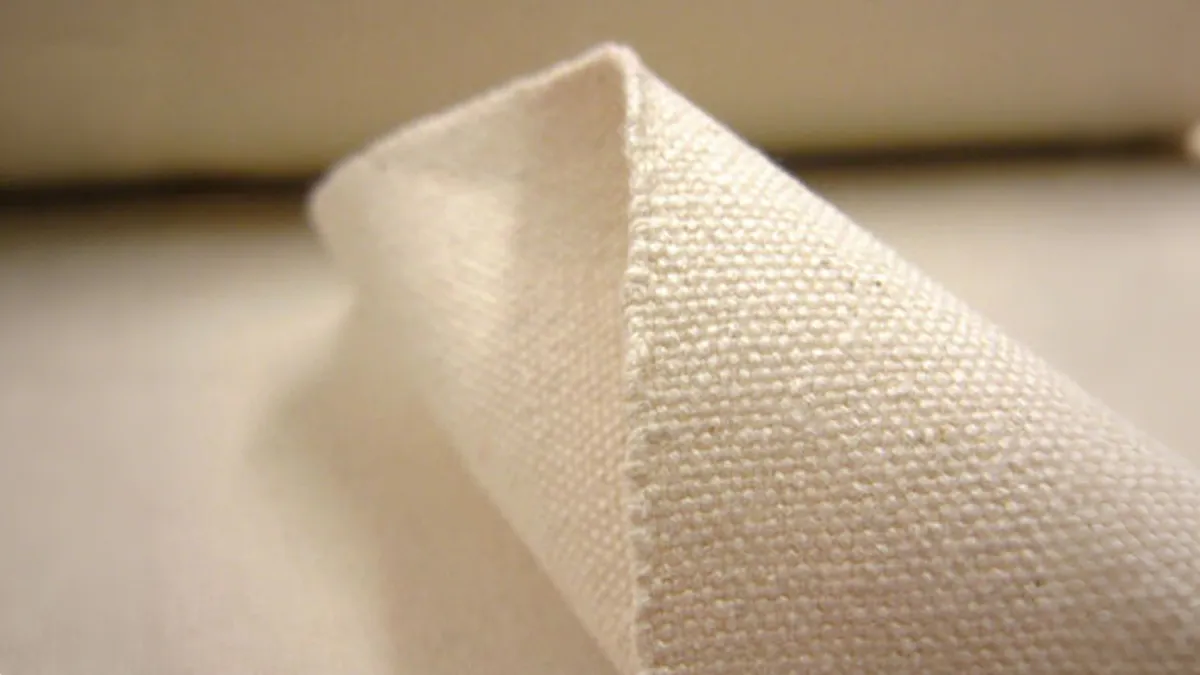
You see cotton duck canvas in many things you use every day. But what is cotton duck canvas? This fabric is heavy and plain-woven, made from 100% cotton fibers. It features a tight weave and a lot of threads, making cotton duck strong and durable. It lasts a long time, which is why people use it in jobs that require tough materials. These jobs include industrial textiles, construction, and logistics. Many people who enjoy crafting or artistic endeavors utilize cotton duck canvas for their projects, including crafts, painting, and other creative activities. The fabric is special because it is tough and versatile, suitable for a wide range of applications.
- Industrial textiles: tarpaulins, tents, industrial covers
- Construction and infrastructure
- Logistics
- Crafting and DIY projects
- Artistic uses, like painting canvases
Key Takeaways
- Cotton duck canvas is a strong fabric. It is made from 100% cotton. It works well for tough jobs.
- The Numbered Duck System helps you pick the right weight. It also helps you choose the thickness for your project.
- Cotton duck canvas is good for the planet. It breaks down naturally. It is better than synthetic fabrics.
- This fabric lets air pass through. It is comfortable for clothes and outdoor gear.
- Cotton duck canvas can be used in many ways. People use it for art, upholstery, bags, and outdoor equipment.
- You can clean this fabric easily. It is simple to take care of. It lasts a long time.
- The tight weave stops the fabric from tearing. It makes the fabric very strong.
- Using cotton duck canvas helps the environment. It also helps cut down on waste.
What Is Cotton Duck Canvas

Definition
When you learn about cotton duck canvas, you find it is strong and useful. This fabric is heavy and plain-woven. It is made from cotton. Many industries use this fabric because it has a tight weave and smooth surface. Cotton duck uses only cotton fibers. This gives it a natural feel and makes it biodegradable. Cotton duck is more durable than many other fabrics. The Number Duck system tells you the weight and weave tightness. Lower numbers mean the fabric is heavier and stiffer. Higher numbers mean it is lighter and more flexible. People pick cotton duck for projects that need to last a long time.
Origin of the Name
You may wonder why it is called “duck.” The name does not come from the bird. It comes from the Dutch word “doek,” which means cloth. The name fits because the fabric is tightly woven. Sailmakers and tent makers first used cotton duck for its strength. It could resist water and fire. Over time, “duck” became the word for this strong cotton fabric. You still see this name in products that need to be tough and reliable.
Tip: Picking cotton duck fabric means you choose a material with a long history of being strong and useful.
Duck Canvas vs. Other Canvases
When you compare cotton duck canvas to other canvases, you see what makes it special. Duck canvas has a tighter weave and a smoother surface than linen canvas. Cotton duck is heavier and denser. This makes it good for bags, upholstery, and industrial jobs. Linen canvas feels rougher and is used for fine art. Synthetic canvas can have different weaves and textures. It works well in tough places because it is waterproof and resists damage.
| Type of Canvas | Weave Type | Surface Texture | Durability | Applications |
|---|---|---|---|---|
| Duck Canvas | Tighter | Smooth | High | Bags, Upholstery, Industrial |
| Linen Canvas | Rougher | Textured | Moderate | Fine Art |
| Synthetic Canvas | Varies | Varies | High | Harsh Environments |
Cotton duck canvas is known for letting air through, being hard to tear, and soaking up dyes. Polyester and PVC-coated canvases are waterproof and block UV rays. But cotton duck is still popular because it is better for the environment. In the last ten years, more people want cotton duck canvas because it is sustainable and renewable. Brands use cotton duck in clothes, bags, and home items. It is strong and good for the planet.
- Cotton duck canvas is strong and lets air pass through.
- Polyester canvas blocks UV rays and stops mildew.
- PVC-coated canvas is fully waterproof and resists damage.
When you pick cotton duck, you get a fabric that is strong, green, and useful. You see it in things that need to last and work well in tough places.
Material and Weave
100% Cotton
When you pick cotton duck fabric, you get a material made only from cotton. This natural fiber makes the fabric strong and good for the environment. Cotton duck fabric is special because it uses pure cotton. This means it can be renewed and will break down over time. You can see how cotton duck fabric is different from fake fabrics. Cotton duck fabric breaks down on its own, so it helps keep trash out of landfills. Many companies now use better farming to make cotton duck fabric with less harm to nature.
Here is a quick look at the usual details for cotton duck fabric:
| Specification | Details |
|---|---|
| Fabric Content | 100% Cotton |
| Weight | 10 oz per sq yd (~339 g/m²) |
| Width | 58″ |
| Weave Construction | Single-Fill Plainweave |
| Shrinkage | Approx. 3–5% after prewashing |
| Care Instructions | Machine wash cold or warm, tumble dry low |
| Fire Retardant | Optional FR finishing available |
Cotton duck fabric is made to last and is easy to care for. Using 100% cotton gives it a soft feel but keeps it strong.
Plain Weave
The plain weave is the basic way cotton duck fabric is made. This weave uses a simple over-and-under pattern. It makes the fabric stable and strong. The plain weave gives cotton duck fabric its special look and feel.
Tight Weave
A tight weave is a key part of cotton duck fabric. When you look at the fabric, you see the threads are close together. This makes the fabric much stronger than normal canvas. The tight weave helps stop rips and holes. That is why cotton duck is used for tough jobs like in the military and factories.
- The plain weave uses an over-and-under pattern for strength.
- Close threads make the fabric last longer and stop tears.
- Cotton duck fabric often has double threads for more strength.
- The thick weave makes it good for heavy-duty jobs.
Texture
Cotton duck fabric feels smooth and even. The tight weave makes the surface flat and steady. This texture is great for painting, covering furniture, and crafts. The smoothness also helps the fabric take in dyes well, so colors stay bright and last long.
Note: Cotton duck fabric is strong, smooth, and good for the planet. When you learn how cotton duck fabric is made, you see why people use it for hard jobs.
You can also look at how cotton duck fabric affects the earth compared to fake fabrics. Polyester canvas is made from oil and does not break down, so it adds to plastic trash. Cotton duck fabric comes from plants and will break down over time.
Key Characteristics
Weight and Thickness
Cotton duck fabric feels heavy and thick when you touch it. These features make it different from other fabrics. Cotton duck fabric comes in many grades. Each grade has its own weight and width. The Numbered Duck System helps you pick the right one. Lower numbers mean the fabric is heavier and thicker. Higher numbers mean it is lighter and thinner. Look at the table below for a common grade:
| Grade | Weight (oz) | Width (inches) |
|---|---|---|
| #10 | 15 | 60 |
Grade #10 cotton duck fabric weighs 15 ounces per square yard. It is 60 inches wide. This thick fabric is very strong. You use it for tough jobs like work clothes, tool bags, and covers. Lighter cotton duck fabric is good for crafts and art. The weight and thickness help you decide how to use the fabric.
Durability
Cotton duck fabric is known for being very tough. You pick this fabric when you need something that lasts a long time. In lab tests, cotton duck fabric can handle 1,670,000 cycles. This shows it is very strong. The table below compares cotton duck fabric to other tough fabrics:
| Fabric Type | Warp Cycles | Filling Cycles |
|---|---|---|
| TigerTough CORDURA®️ | 1,700,000+ | 1,700,000+ |
| Carhartt Cotton Duck | 1,670,000 | 1,670,000 |
CORDURA®️ fabric does a little better, but cotton duck fabric is still very strong. Heavy denim only lasts about 3,000 cycles. Cotton duck fabric is better in many cases. You use it for things that get rough use, like outdoor gear, work clothes, and big bags. Cotton duck fabric is a top pick for strength and lasting power.
- Cotton duck fabric is very strong and lasts through many cycles.
- You use it for things that need to be tough.
- The fabric keeps its shape and stays strong over time.
Absorbency
Cotton duck fabric soaks up water better than fake fabrics. You notice this when you use it in wet places or for things that need to breathe. Cotton is great at taking in water and letting air pass through. Fake canvas, like polyester or nylon, keeps water out but does not soak it up as well as cotton duck fabric.
- Cotton duck fabric takes in water better than fake canvas.
- Good cotton duck fabric keeps its shape, even when wet.
- Fake canvas is good for outside because it keeps water out, but cotton duck fabric lets air in better.
Cotton duck fabric is helpful when you need to control moisture. You use it for tents, bags, and seats that need to stay dry and comfy.
Tip: If you want a fabric that is strong, lasts long, and soaks up water, cotton duck fabric is a smart choice. Many jobs use it because of these special features.
Breathability
You can feel the breathability of cotton duck canvas right away. This fabric lets air move through its fibers easily. It helps you stay comfortable in many places. When you wear work clothes made from cotton duck, you sweat less. The material absorbs moisture well. The canvas pulls sweat away from your skin. It helps you stay dry, even when it is hot outside.
You use cotton duck canvas for tents and outdoor gear. The fabric does not trap heat inside. Air goes through the weave, so camping feels cooler. You do not get stuffy or too warm. The breathability makes cotton duck canvas good for furniture covers and seat cushions. You can sit for a long time and not feel sticky.
Cotton duck canvas is safe for your skin. You do not get rashes or irritation from using it. The canvas feels soft when you touch it. Over time, the fabric gets even softer. It stays strong as it softens. This makes cotton duck canvas great for clothes, bags, and upholstery you use every day.
You also notice that cotton duck canvas helps reduce noise. When you use tents or camping covers, you do not hear loud rustling. The canvas absorbs sound and makes things quieter. You sleep better in a tent made from cotton duck canvas because it does not make distracting noises.
Here are some reasons why breathability is important in cotton duck canvas:
- Absorbs sweat and moisture to keep you dry
- Lets air move around to stop heat buildup
- Gets softer with use for more comfort
- Is safe for your skin when you wear it
- Makes tents and covers quieter by reducing noise
Tip: If you want gear or clothes that keep you cool and comfy, pick cotton duck canvas. This fabric works well in hot weather, stays quiet, and feels nice on your skin.
You see cotton duck canvas in work jackets, tents, backpacks, and seat covers. The breathability makes this fabric a top pick for people who want comfort and strength. You get better airflow and less sweat, whether you are working, camping, or relaxing at home.
Types and Grades
Numbered Duck System
There is a special way to sort cotton duck fabric. It is called the Numbered Duck System. This system uses numbers like #8, #10, or #12. The numbers tell you how thick and heavy the fabric is. Lower numbers mean the fabric is thicker and heavier. Higher numbers mean the fabric is lighter and thinner. You use this system to pick the right fabric for your project.
Manufacturers use the Numbered Duck System to keep fabric quality the same. You see this system on many cotton duck fabrics. If you want a strong apron, you pick a lower number. If you want a light bag, you pick a higher number. This system helps you compare different types and grades.
There are also rules for quality in world trade. These rules help you trust the fabric you buy. Here is a table with some common certifications:
| Standard | Focus Area | Key Properties Assessed |
|---|---|---|
| ASTM | Physical Integrity | Tensile strength, tear resistance |
| AATCC | Chemical Processing | Water resistance, colorfastness, dimensional stability |
| ISO | Global Standards | Harmonizes with ASTM and AATCC methods |
Tip: Always look at the grade and certification before you buy cotton duck fabric. This helps you get fabric that is strong and lasts a long time.
Light, Medium, Heavyweight
Cotton duck canvas comes in three main types. These are lightweight, medium weight, and heavyweight. Each type is good for different things. You pick the type that fits your project best.
Here is a table that shows the differences:
| Weight Category | Weight Range (oz/sq yd) | Typical Applications |
|---|---|---|
| Lightweight Duck Canvas | 7-8 oz | Apparel (summer jackets, skirts), Tote Bags, Curtains, Linings, Crafts |
| Medium Weight Duck Canvas | 10-12 oz | Sturdier Bags, Home Decor, Upholstery (lighter use) |
| Heavy Weight Duck Canvas | 15 oz+ | Heavy-Duty Tarps, Workwear, Industrial Applications |
Lightweight canvas is soft and bends easily. You use it for clothes, curtains, and crafts. Medium weight canvas is stronger. You use it for bags, home items, and light furniture covers. Heavyweight canvas is the toughest. You see it in tarps, work clothes, and covers for machines.
The type of cotton duck fabric changes how you use it. Lightweight types are good when you need fabric to move and feel comfy. Medium types give you both strength and some flexibility. Heavyweight types protect best and last the longest.
Note: When you choose cotton duck fabric, think about how heavy it is and what you want to make. Picking the right type helps your project work better and last longer.
Cotton duck canvas comes in many types and grades. You can always find the right one, whether you need something light for crafts or heavy for outdoor use.
Uses
Art and Painting
Cotton duck fabric is used a lot in art. Artists like it because the surface is smooth and steady. The tight weave helps paint go on evenly. You can use oil or acrylic paint. Cotton duck fabric does not wear out fast, even with lots of painting. You can stretch it over a frame to make your own canvas. Art stores sell cotton duck fabric already stretched for you. This fabric soaks up paint well, so colors look bright. It gives you a good surface for art that lasts a long time.
Upholstery
Cotton duck fabric is great for covering furniture. People use it for chairs, sofas, and cushions at home or work. The fabric lets air move through, so seats stay comfy. It feels nice and looks warm in a room. Cotton duck fabric breaks down over time and is good for the earth. You can get it from places that care about nature. Special finishes make it as strong as fake fabrics. It works well in busy places. You can pick finishes that stop stains, fire, or germs. The tight weave and graded weight help it last longer. Cotton duck fabric is perfect for places where you need strong and stylish furniture.
Advantages of Cotton Duck Fabric in Upholstery:
- Lets air move for comfort
- Feels nice and looks warm
- Breaks down and is good for nature
- Stays strong with special finishes
- Can stop stains and fire
- Lasts a long time because of tight weave
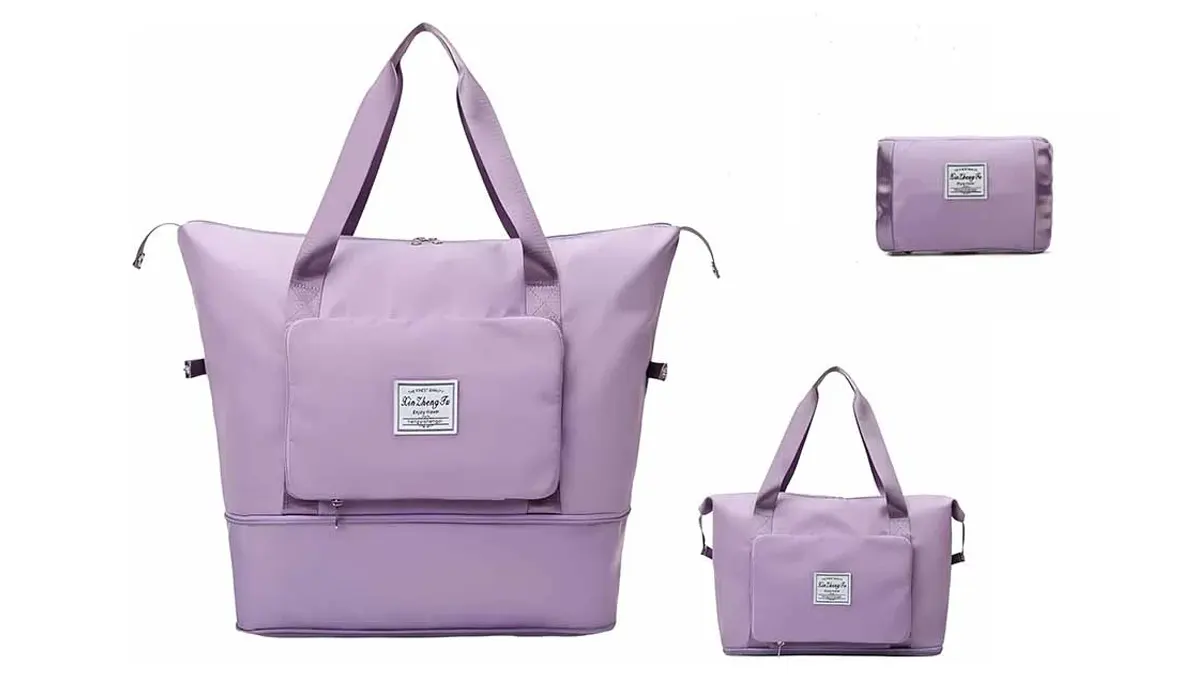
Bags and Backpacks
Cotton duck fabric is used in many bags and backpacks. It does not tear easily and keeps water out. This helps keep your things safe. Makers use strong seams and extra stitches where bags carry the most weight. Zippers and bottom panels are made tough for more strength. You get soft straps, padded sleeves, and easy-to-reach pockets. Special coatings help bags work well outside or in the city. Cotton duck fabric is strong, so your bag can handle rough use.
| Feature | Benefit |
|---|---|
| Abrasion Resistance | Stays strong every day |
| Water Shedding | Keeps things dry |
| Reinforced Seams | Stops rips |
| Ergonomic Design | Makes bags comfy to use |
| Protective Coatings | Helps bags resist weather |
You see cotton duck fabric in backpacks, messenger bags, and tote bags. Its strength and many uses make it a top pick for gear you can trust.
Tents and Outdoor Gear
You see cotton duck canvas in many outdoor products. People choose this fabric for tents, tarps, and camping gear because it stands up to tough conditions. The tight weave and heavy weight help block wind and dust. You get a sturdy shelter that lasts through many seasons.
Cotton duck canvas uses a plain weave that lets air move through the fabric. This breathability keeps you comfortable inside your tent. You do not feel stuffy or damp. The canvas helps moisture escape, so you avoid condensation. Nylon tents trap moisture, which can make the inside wet and uncomfortable. In dry climates, cotton duck canvas works best because it manages heat and humidity.
Here is a table that compares cotton duck canvas and nylon for outdoor gear:
| Factor | Canvas Advantage | Nylon Limitation |
|---|---|---|
| Vapor Permeability | High – Allows airflow and moisture escape | Low – Traps moisture, leading to condensation |
| Drying Time | Slower (especially untreated cotton canvas) | Faster (nylon sheds water quickly) |
| Mold/Mildew Risk | High if untreated, low if coated | Low, but trapped moisture can cause odor |
You notice that cotton duck canvas dries slower than nylon. If you use untreated canvas, you must let it dry fully before packing it away. Mold and mildew can grow if you store wet canvas. Many manufacturers add coatings to reduce this risk. Treated canvas resists water and lasts longer outdoors.
Cotton duck canvas uses include tent walls, ground cloths, and awnings. You also find it in hunting blinds and boat covers. The fabric blocks sunlight and keeps your gear cool. You can patch holes easily with simple tools. The canvas does not tear quickly, so you spend less time on repairs.
Tip: Always check if your canvas tent has a water-repellent finish. This helps protect you during rain and keeps the tent in good shape.
You see cotton duck canvas in outdoor furniture covers and shade sails. The fabric stands up to sun and wind. You get reliable protection for your gear and outdoor spaces. Many campers and hikers prefer canvas for its comfort and durability. The uses of cotton duck canvas in outdoor gear keep growing as people look for strong, eco-friendly options.
Care Tips
Cleaning
You want your cotton duck things to last a long time. Cleaning them the right way keeps them strong and looking nice. First, use a soft brush or cloth to dust off dirt. This stops dirt from getting deep into the fabric. If you spill something small, use a damp cloth and mild soap. Gently blot the spot instead of rubbing it. Rubbing can hurt the weave.
If you have a slipcover you can take off, wash it in cold water on gentle. Always wash it before using to help stop shrinking. For really dirty things, wash by hand in cold water with gentle soap. Let the fabric air dry so it does not shrink and stays strong. Some canvas things have special coatings. Always look at the care label and do what it says.
Do not use bleach or strong cleaners. These can make the fabric weak and faded. For hard stains, use a cleaner made for that stain. Try it on a hidden spot first to make sure it is safe.
Tip: Cleaning your cotton duck things often keeps them looking new and helps them last longer.
Quick Cleaning Checklist:
- Dust with a soft brush or cloth
- Spot clean with mild soap and water
- Machine wash removable covers on gentle
- Hand wash very dirty items, then air dry
- Do not use bleach or strong cleaners
- Follow care labels for coated fabrics
Storage
Storing your cotton duck things the right way keeps them safe. Always make sure the fabric is totally dry before putting it away. If you store it wet, mold and mildew can grow and ruin it.
Roll your fabric instead of folding it. Rolling helps stop creases that can crack or break the fibers. Use covers that let air in, not plastic ones. Plastic traps water and can cause mold.
Keep your things in a cool, dry place. The best temperature is between 10–25°C. This stops shrinking, swelling, or damage to coatings. Use bins with lids or natural pest repellents to keep bugs and mice away. Rodents and insects can chew holes and ruin the fabric.
| Storage Factor | Recommended Practice | Impact on Fabric Longevity |
|---|---|---|
| Moisture Control | Store only when fully dry | Stops mold and mildew from growing |
| Storage Method | Roll fabrics instead of folding | Stops creases and fiber damage |
| Ventilation | Use covers that let air in | Stops water buildup and mold |
| Temperature Stability | Keep between 10–25°C | Stops coating and heat damage |
| Pest Protection | Use bins with lids or repellents | Stops bugs and mice from chewing |
Note: Storing your cotton duck things the right way helps them last for years and keeps them looking good.
Conclusion
You can see that cotton duck fabric is strong and tightly woven. It is also easy to use in many ways. Many businesses use it because it lasts long and is good for the earth. It is simple to clean and take care of. Look at this table to compare it with other fabrics:
| Fabric Type | Avg. Initial Cost | Product Lifespan | Total Lifecycle Cost |
|---|---|---|---|
| Cotton duck fabric | Medium | 2–5 years | Low |
| Polyester | Low | 1–2 years | Medium |
| Nylon | High | 2–4 years | High |
If you pick cotton duck fabric, you get a fabric you can count on. It works well for bags, covers, and other things. Our team can help you make custom bags or order in bulk. We also offer OEM and ODM services.
FAQ
What is the main difference between cotton duck canvas and regular cotton canvas?
Cotton duck canvas has a tighter weave and higher thread count. You get more durability and strength compared to regular cotton canvas.
Can you machine wash cotton duck canvas?
You can machine wash most cotton duck canvas items. Use cold water and gentle cycles. Always check the care label before washing.
Is cotton duck canvas waterproof?
Cotton duck canvas is not naturally waterproof. You can add water-repellent coatings to improve resistance. Untreated canvas absorbs moisture.
What projects work best with lightweight duck canvas?
You can use lightweight duck canvas for tote bags, curtains, crafts, and summer clothing. It feels soft and bends easily.
Does cotton duck canvas shrink after washing?
Cotton duck canvas may shrink by 3–5% after washing. You should prewash the fabric before starting your project.
How do you remove stains from cotton duck canvas?
Blot stains with mild soap and water. Avoid bleach. Test cleaners on a hidden area first. For tough stains, use a fabric-specific cleaner.
Can you paint directly on cotton duck canvas?
You can paint directly on cotton duck canvas. The smooth surface works well for acrylic and oil paints. Prime the canvas for best results.
Is cotton duck canvas eco-friendly?
Cotton duck canvas uses 100% cotton fibers. You get a biodegradable and renewable material. Many brands offer organic and sustainably sourced options.