
An emergency survival kit is a group of important things you keep nearby. It helps you stay safe and comfortable when something unexpected happens. Emergencies can happen at any time. Storms or power outages can surprise you. If you have a kit ready, you can quickly get food, water, and other things you need. Think about your home. Are you ready for an emergency? Here are some facts:
- More than half of homes in the U.S. have an emergency evacuation kit.
- Only a few homes have a complete emergency supply kit. Big storms cause most power outages in the U.S. These outages are happening more often now. It is a good idea to ask yourself: what is an emergency survival kit, and do you have one ready?
Key Takeaways
- An emergency survival kit helps keep you safe in surprises like storms or power outages.
- Each kit must have enough food and water for three days for every person.
- There are different kits for home, car, work, and special needs.
- This helps you get ready for many situations.
- Check your kit every six months.
- Replace old things and make sure everything works.
- Put important papers and medicine in or with your kit for emergencies.
- Change your kit for your family.
- Add things for babies, older people, and pets.
- Keep your kit in a cool, dry spot that is easy to reach.
- Practice using your kit and learn how to use all the tools.
- This will help you feel ready if an emergency happens.
What Is an Emergency Survival Kit
Definition and Purpose
You might wonder, what is an emergency survival kit? This kit is a portable bag or box that holds everything you need to stay safe for at least three days. Groups like FEMA and the Red Cross call it a disaster bag or a 72-hour kit. You use it when you have to leave your home fast, like during a hurricane or earthquake. The main goal is to help you survive for 72 hours until help arrives or things get better.
You need enough food and water to last three days. You also need items that help you stay warm, clean, and healthy. After an emergency, you may not get help right away. That is why you must rely on your own supplies for a few days. When you ask, what is an emergency survival kit, think about a bag that gives you comfort, safety, and peace of mind during tough times.
Types of Survival Kits
You can find many types of survival kit for different places and needs. Each one has special items to match the situation. Let’s look at the main types:
Home Kits
A home kit stays in your house. It helps you and your family during storms, power outages, or other disasters. You keep it in a safe spot, like a closet or under the bed. This kit holds food, water, a flashlight, batteries, and a first aid kit. You may also add blankets, clothes, and important papers. When you ask, what is an emergency survival kit for your home, think about a box or bag that keeps your family safe until things return to normal.
Car Kits
A car kit stays in your vehicle. It helps you if your car breaks down or you get stuck in bad weather. You keep it in your trunk or under a seat. This kit has jumper cables, a flashlight, a blanket, water, snacks, and tools to fix a flat tire. You may also add a small first aid kit and emergency signals. When you ask, what is an emergency survival kit for your car, think about a bag that helps you stay safe on the road.
Work Kits
A work kit stays at your job. It helps you if you cannot leave your workplace during an emergency. You keep it in your desk or locker. This kit has food, water, a flashlight, and a whistle. You may also add a small first aid kit, a dust mask, and a list of emergency contacts. When you ask, what is an emergency survival kit for work, think about a small bag that helps you stay safe until you can go home.
Specialized Kits
Some emergencies need special kits. These kits match the risks in your area or your daily life. Here are some common types:
- Earthquake survival kit: For people who live where earthquakes happen.
- Flood survival kit: For people in flood zones.
- Hurricane survival kit: For people who face hurricanes and strong winds.
- Shelter in place kit: For chemical spills or dangerous air.
- Nuclear survival kit: For places near nuclear plants.
- Zombie survival kit: A fun way to plan for any disaster.
- Bug out bag: A kit you grab when you need to leave fast.
- Get home bag: A kit in your car to help you get home safely.
- Everyday carry: Small tools you keep with you all the time.
- Survival first aid kit: Medical supplies for quick help.
You may also hear about personal survival kits and 72-hour kits. Personal survival kits are small and easy to carry. They have tools like fire starters, knives, and shelter items. 72-hour kits, also called bug-out bags, have food, water, clothes, and first aid for three days.
Here’s a quick look at some main types:
| Type of Kit | Typical Contents |
|---|---|
| Personal Survival Kits | Fire-starting tools, cutting instruments, navigation aids, fishing gear, shelter materials. |
| 72-Hour Kits (Bug-Out Bags) | Water supply, non-perishable food, clothing, first aid kit, tools. |
| Vehicle Emergency Kits | Jumper cables, tire repair tools, emergency signaling, warmth provisions, basic tools. |
| Lifeboat Survival Kits | Specialized equipment for maritime emergencies. |
When you ask, what is an emergency survival kit, remember that each type has a special purpose. You choose the right kit for your home, car, or work. You can also build a basic survival kit for any situation. The most important thing is to have a kit ready before an emergency happens.
Why Emergency Survival Kits Matter
Real-Life Scenarios
Emergencies can happen when you least expect them. You might think you will never need a survival kit, but real stories show how important they are.
Natural Disasters
Imagine a hurricane hits your town. The power goes out, and stores close. You cannot get food or water. Many people have faced this. The European Union even tells families to keep a survival kit at home for times like this. They know that storms, floods, and earthquakes can cut off electricity and water. If you have a survival kit, you can stay safe and comfortable until help arrives.
Power Outages
Power outages can last for hours or even days. You might lose heat in winter or air conditioning in summer. A survival kit with flashlights, batteries, and blankets helps you stay warm and see in the dark. The EU’s Preparedness Strategy says you should plan for these problems. Having a survival kit means you do not have to worry about finding supplies when the lights go out.
Evacuations
Sometimes, you must leave your home fast. Fires, chemical spills, or floods can force you to evacuate. If you have a survival kit ready, you can grab it and go. You will have food, water, and important items with you. In a recent survey, almost 60% of people said they have an emergency kit. They know it helps them feel ready for anything.
Consequences of Not Being Prepared
If you do not have emergency survival kits, you may face big problems. Here are some common issues:
- You might run out of food or water and need to rely on emergency services.
- You could have to leave a safe place to find supplies, which can be dangerous.
- Without basic items, you and your family may feel scared and helpless.
- You may become more vulnerable during a crisis.
You do not want to risk your safety or your family’s well-being. A survival kit helps you avoid these problems.
Benefits of Having a Kit
A survival kit does more than just provide supplies. It gives you peace of mind and helps you act quickly in an emergency.
- You can treat injuries right away with a first aid kit, which can reduce how bad wounds get and help you heal faster.
- You have water, food, and other essentials to meet your basic needs.
- You can respond quickly, which keeps panic and confusion low.
- You feel more confident and less anxious because you know you are ready.
Tip: Keep your survival kit in a place where you can grab it fast. Check it often to make sure everything works and nothing is expired.
Here’s a quick look at how having a survival kit helps:
| Evidence Type | Description |
|---|---|
| Preparedness | Having a Go Kit means you have what you need for emergencies. |
| Peace of Mind | Being ready helps you feel calm and confident during disasters. |
Emergency survival kits are not just for big disasters. They help you handle small problems too. When you have a survival kit, you protect yourself and your loved ones from the unknown.
Essential Items in a Survival Kit
Food and Water
You need water and food to live. Always start your emergency survival kit with these things. Experts say you should have enough food and water for three days for each person. You need two gallons of water for each person every day. One gallon is for drinking. The other gallon is for cooking or cleaning. So, each person needs six gallons for three days.
Here’s a simple checklist for your kit:
- Store two gallons of water for each person every day (one for drinking, one for cleaning)
- Keep enough water for three days for each person
- Pack food that lasts for three days
Pick food that does not spoil fast and does not need cooking. Good choices are:
- 2,400 Calorie Emergency Ration Bars
- Freeze-dried pork sausage crumbles
- Ready Hour freeze-dried meat kit
- Beans and rice kits
- Powdered whey milk
Think about how to clean water. Sometimes, emergencies make water unsafe. Put water purification tablets, a small filter, or unscented bleach in your kit. These help you make water safe to drink or cook with.
Tip: Change your food and water every six months. This keeps everything fresh and safe.
First Aid Supplies
A first aid kit is very important for your survival kit. You might need to treat cuts, burns, or other injuries. Your kit should have bandages, wipes, pain medicine, and any medicine you need for seven days. The American Red Cross says you should also pack a flashlight, extra batteries, and a multi-purpose tool.
If you have kids, add chewable acetaminophen, electrolyte packets, or glucose tabs. For older family members, keep a list of their medicine and health details. You might need special tools like an epinephrine injector or Narcan for some people.
Here’s a table to help you organize your first aid supplies:
| Item | Why You Need It |
|---|---|
| Bandages & Gauze | Cover wounds |
| Antiseptic Ointment | Stop infection |
| Pain Relievers | Help with pain |
| Prescription Medications | Manage health problems |
| Chewable Meds (for kids) | Easy for kids to take |
| Emergency Medication List | Quick info for helpers |
Tools and Safety Gear
You need tools and safety gear for emergencies. These items help you fix things and stay safe. Always pack a multi-purpose tool, duct tape, and rope. Wear gloves and masks to protect yourself from germs or dirt. Fire safety is important too. Put waterproof matches, a lighter, and a small fire extinguisher in your kit.
Do not forget a whistle. Use it to call for help if you are stuck. For more safety, add a can opener, emergency blanket, and a map of your area. If you need shelter, a tarp or tent will keep you dry and warm.
Remember: Water filters and other cleaning tools are just as important as food and first aid. They help keep your water safe when you need it most.
Shelter and Warmth
When there is an emergency, staying warm and dry is very important. Cold weather can make you lose body heat fast, especially if you are wet. Your emergency survival kit should have things to help you make shelter and stay warm. Small and light tools are easy to carry in your bag or car. These things protect you from cold air and wind.
Here are some things you should pack:
- Gloves and hats help keep your body heat in. Most heat leaves your body through your head.
- Waterproof jackets and windbreakers stop rain and wind from making you cold.
- A bivouac sack gives extra warmth over a sleeping bag.
- Space blankets hold in your body heat and are easy to pack.
- Fire-starting tools, like matches or a magnesium fire starter, help you make a fire for heat or cooking.
- Reflective mylar blankets stop you from losing heat.
- Waterproof ponchos keep you dry in the rain.
- Emergency tube tents give you fast shelter from bad weather.
You may wonder how emergency blankets are different from sleeping bags. Here is a quick chart:
| Feature | Description |
|---|---|
| Material | Strong, tear-proof materials like ripstop fabric for tough weather. |
| Insulation | Good insulation keeps you warm; synthetic types pack smaller. |
| Portability | Light and small so you can fit them in your kit. |
If you must sleep outside, these items help you stay safe until you can get more food or water. Always check your kit to make sure your shelter items are still good.
Communication and Lighting
You need to talk to others and see what you are doing in an emergency. Communication tools help you call for help or get news. Lights help you stay safe when the power is out.
Here are some good things for your kit:
| Device Type | Description |
|---|---|
| Battery Powered Radio | Small and light, uses regular batteries, and should be stored right to stop battery leaks. |
| Whistle | Helps you call for help, easy to carry, and works better than yelling. |
| Two-Way Radios | Good for talking to others, have set channels, and work far away. |
You should also pack:
- A loud, waterproof emergency whistle
- Signal mirror with a sighting grid
- LED flashlight or strobe
- Extra batteries or a solar charger
Good lighting is very important for safety and finding your way when the power is out. Rechargeable flashlights and headlamps last a long time. Some, like the PD36R PRO and HM50R, are very bright and have strong batteries. You can see and move safely, even in the dark.
Personal Items and Documents
You need more than food and water in an emergency. Important papers and personal things help you show who you are and get help faster.
Make sure your kit has:
- Copies of your medicine list and health info
- Proof of where you live, like a bill
- Deed or lease for your home
- Passports and birth certificates
- Insurance papers and credit cards
- Driver’s licenses and Social Security cards
- Car titles and bank records
Keep paper copies of these in a waterproof bag. Put the real ones in a fireproof safe at home. You can also save your papers on a password-protected flash drive. Some people use a small photo album to keep copies neat. Don’t forget to add cash, spare keys, and the key to your safe deposit box.
Tip: Keep both paper and digital copies of your important papers. This helps you get new ones if you lose the originals.
With these things in your emergency survival kit, you will be ready for almost anything. You can stay warm, find shelter, talk to others, and show who you are when you need to.
How to Build a Survival Kit
Step-by-Step Guide
You can build a survival kit that keeps you safe and ready for anything. Start with the basics and add more as you go. Here’s a simple way to get started:
- Gather enough water for each person. Plan for at least one gallon per person per day for drinking and cleaning.
- Add non-perishable food. Pick canned goods, dried fruits, and protein bars that last a long time.
- Pack emergency shelter items. A tarp or space blanket works well if you need to stay outside.
- Include a first aid kit. Bandages, antiseptics, and pain relievers help you treat injuries fast.
- Choose tools and equipment. A multi-tool, flashlight with extra batteries, and fire-starting tools are must-haves.
- Add communication and navigation items. A battery-powered radio, whistle, and map help you stay informed and call for help.
- Don’t forget personal items. Bring ID, cash, and hygiene products like soap and toothbrushes.
- Pack warm clothing and sleeping bags for each person.
Tip: Check your survival kit every six months. Replace expired food, water, and batteries to keep everything fresh.
Customizing for Family and Pets
Every family is different. You may have a baby, an older adult, or a pet. Make your survival kit fit your needs. Here’s a quick guide:
| Family Member Type | Recommended Items |
|---|---|
| Infants | Infant and childcare supplies |
| Elderly | Prescription medications, assistive devices, paper tape for fragile skin |
| Pets | Pet medications |
| Allergy Sufferers | Antihistamine medicine, epinephrine injector |
| Diabetics | Blood sugar monitor, juice box, glucose tablets, emergency glucagon kit |
| Heart Patients | Chewable baby aspirin (if not allergic) |
Think about what each person or pet needs every day. Add those items to your survival kit. If you have a pet, pack food, water, and a leash. For babies, bring diapers, wipes, and formula. For older adults, include extra medicine and comfort items.
Budget-Friendly Tips
You don’t need to spend a lot to build a strong survival kit. Try these ideas to save money:
- Buy a little at a time. Add one or two items each week when you shop.
- Choose simple foods like noodles and protein bars. They last long and cost less.
- Shop at dollar stores, Walmart, or bulk food stores for deals.
- Set aside a pill or two from each new medicine bottle to build your supply.
- Pick a basic battery-powered radio. You can find one for about $10.
- Make sure each person has a flashlight with extra batteries.
- Keep small bills and coins in your kit. You may need cash if ATMs do not work.
Note: You can build a survival kit over time. Start small and add more when you can.
A survival kit gives you peace of mind. You know you have water, food, first aid, and shelter ready for any emergency. Take time to build your kit and update it for your family’s needs.
Maintaining Your Survival Kit
Checking and Updating Supplies
You can’t just build your emergency survival kit and forget about it. Supplies can expire, batteries lose power, and your family’s needs might change. If you want your kit to work when you need it, you have to check and update it on a regular basis.
Experts recommend that you review and update your survival kit every six months. This simple habit keeps your kit fresh and ready. You can set a reminder for yourself when the clocks change for Daylight Savings Time. That way, you never forget.
Here’s what you should look for during your check:
- Check food expiration dates. Replace anything that is old or close to expiring.
- Test all batteries and flashlights. Swap out weak or dead batteries.
- Make sure water containers are sealed and clean.
- Look at clothing and shoes. Kids grow fast, so update sizes as needed.
- Review your list of medications. Replace any that are expired or running low.
- Update important documents. Make sure copies are current and easy to find.
- Check tools and first aid supplies. Replace anything that is missing or damaged.
Tip: Keep a checklist in your kit. Mark off each item as you check it. This makes the process quick and easy.
If you have pets or babies, remember to update their supplies too. Add new food, diapers, or medicine as needed. Your family’s needs can change, so your kit should change with you.
Proper Storage
Where you keep your survival kit matters just as much as what’s inside. You want your kit to stay dry, safe, and easy to grab in an emergency. Pick a spot that everyone in your home can reach quickly.
Here are some good storage tips:
- Store your kit in a sturdy, waterproof container. This keeps out water and bugs.
- Keep your kit in a cool, dry place. Avoid spots with lots of heat or sunlight.
- Choose a location near an exit, like a hallway closet or under a bed.
- If you have a car kit, keep it in your trunk or under a seat.
- For work kits, use your desk drawer or locker.
A table can help you decide where to store each type of kit:
| Kit Type | Best Storage Location |
|---|---|
| Home Kit | Hallway closet, under bed |
| Car Kit | Trunk, under seat |
| Work Kit | Desk drawer, locker |
Note: Tell everyone in your family where the kit is. Practice grabbing it quickly so you’re ready if you ever need it.
By checking your supplies and storing your kit the right way, you make sure your emergency survival kit is always ready to help you. A little time now can save you a lot of trouble later.
Where to Store Your Kit
Home Storage
You want your emergency survival kit close by when you need it. The best spot is somewhere you can reach fast, even in the dark or during a storm. Think about places you walk past every day. A hallway closet, under your bed, or near your main door works well. Avoid places that get too hot, cold, or damp. Basements and attics might seem like good hiding spots, but water or mold can ruin your supplies.
Here are some smart places to keep your kit at home:
- Hallway closet: Easy to grab on your way out.
- Under the bed: Safe from sunlight and quick to reach.
- Mudroom or entryway: Perfect if you need to leave in a hurry.
- Garage (on a shelf): Good if you spend time there, but make sure it stays dry.
Tip: Show everyone in your family where the kit is. Practice grabbing it together. You want everyone to feel ready.
A table can help you decide the best spot:
| Storage Location | Pros | Cons |
|---|---|---|
| Hallway Closet | Central, easy to access | Can get crowded |
| Under Bed | Hidden, safe from sunlight | Harder to reach for adults |
| Entryway/Mudroom | Quick exit, visible | May get moved or blocked |
| Garage Shelf | Out of the way, dry | Can get hot or cold |
Keep your kit in a sturdy, waterproof bag or box. Label it so no one mistakes it for something else. If you have a two-story house, think about keeping a small kit on each floor. That way, you always have supplies nearby.
Car and Workplace
Emergencies can happen when you are not at home. You might get stuck in traffic, face a sudden storm, or need to shelter at work. A car kit and a work kit help you stay safe wherever you are.
For your car:
Keep your kit in the trunk or under a seat. Make sure it will not roll around or get crushed by heavy things. Choose a bag or box that fits your space. Include water, snacks, a flashlight, jumper cables, and a blanket. If you live in a cold area, add an ice scraper and extra warm clothes.
For your workplace:
Store your kit in your desk drawer, locker, or a safe spot you can reach fast. Pack food, water, a small first aid kit, and a flashlight. Add a list of emergency contacts and any medicine you need. If you work in a big building, learn where the exits are and keep your kit close.
Note: Check your car and work kits twice a year. Replace old snacks, water, and batteries. You want everything fresh and ready.
Here’s a quick checklist for car and work storage:
- Car: Trunk, under seat, or cargo area
- Work: Desk drawer, locker, or personal cabinet
You never know where you will be when an emergency strikes. By keeping kits in your car and at work, you make sure you are always prepared.
Common Mistakes to Avoid
You want your emergency survival kit to work when you need it most. Many people make simple mistakes that can cause big problems during a crisis. Let’s look at the most common mistakes and how you can avoid them.
- Faulty Equipment
You pack a flashlight, but the batteries are dead. Your water filter leaks. Always check that every item works before you put it in your kit. Test flashlights, radios, and tools. Replace anything that is broken or expired. - Not Knowing How to Use Your Equipment
You buy a fancy multi-tool, but you have never used it. Practice with your gear before an emergency. Try out your fire starter, water filter, and first aid kit. You will feel more confident when you need them. - Not Enough Water
You need clean water to drink and cook. Many people pack too little. Store enough water for each person. Lightweight containers make it easier to carry. Wide-mouth bottles are best because you can fill and clean them quickly. - Expired or Missing Medications
You forget to check your medicine. Some people run out during an emergency. Keep a supply of all prescription and over-the-counter medications. Check expiration dates often. - Wrong Footwear or Clothes
You pack summer clothes, but a winter storm hits. Make sure you have the right clothing for every season. Include sturdy shoes, warm jackets, and rain gear for each family member. - Forgetting Children’s Needs
Kids need special supplies. Diapers, formula, and comfort items are easy to forget. Pack what your children use every day. Think about their age and health. - Hard-to-Use Water Bottles
Narrow bottles are tough to fill and clean. Wide-mouth bottles save time and keep water fresh. - No Cash
You bring only credit cards. ATMs and card readers may not work. Always keep some cash in small bills in your kit. - Relying Only on Your Cell Phone
Phones can lose power or signal. Write down important contacts and addresses. Keep a paper copy in your kit. - No Plan for the Most Likely Emergency
You prepare for rare disasters but forget the common ones. Think about what is most likely in your area. Make a plan for storms, power outages, or floods.
Here’s a quick table to help you remember:
| Mistake | How to Avoid It |
|---|---|
| Faulty Equipment | Test and replace items |
| Not Enough Water | Pack enough, use wide-mouth bottles |
| No Cash | Add small bills to your kit |
| Wrong Clothes | Pack for all seasons |
| Relying on Cell Phone | Keep paper backups |
Tip: Check your kit every six months. Practice using your gear with your family. You will feel ready and avoid these common mistakes.
If you avoid these mistakes, your emergency survival kit will help you stay safe and comfortable. You will be ready for whatever comes your way.
Conclusion
You now know what an emergency survival kit is and why it matters. Having a kit gives you peace of mind and keeps you safe when life gets tough. Don’t wait for an emergency—start building your kit today.
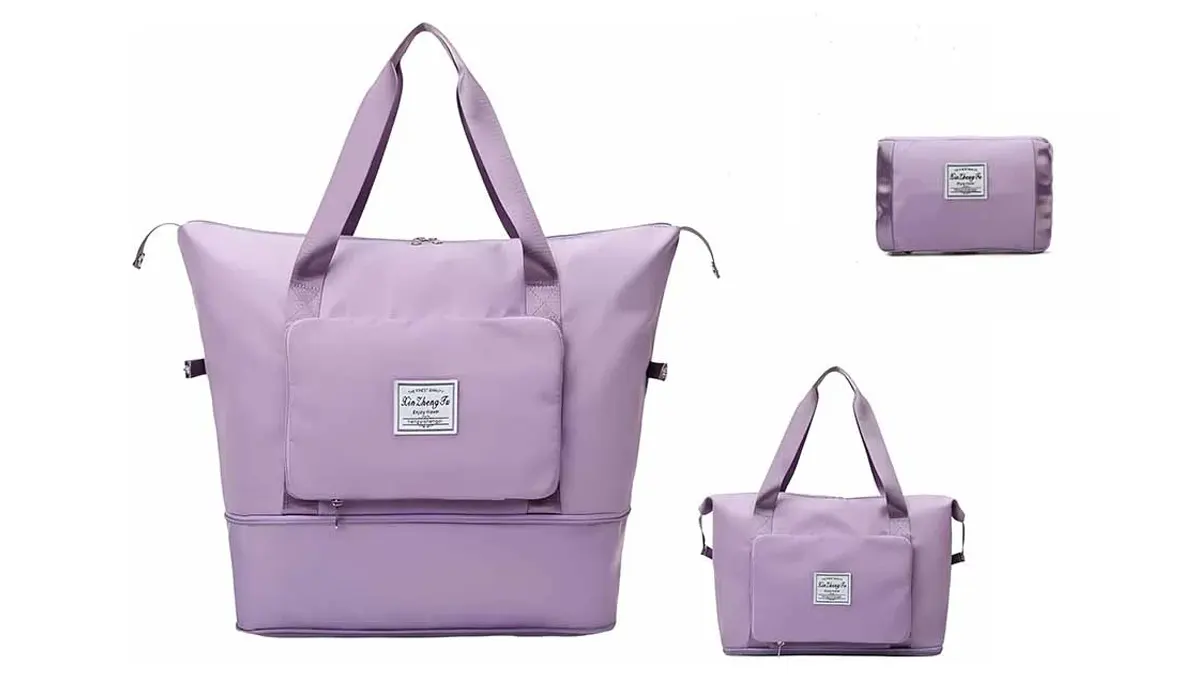
As a professional survival kit manufacturer, we offer custom and wholesale solutions tailored to your needs. From bags to full kits, we ensure your safety and readiness.
FAQ
What is the most important item in a survival kit?
Water is the most important. You can live longer without food than without water. Always pack enough clean water for everyone. Add water purification tablets or a filter for extra safety.
How often should I check my emergency kit?
Check your kit every six months. Replace expired food, water, and batteries. Update medicines and important documents. This habit keeps your kit fresh and ready.
Can I use my survival kit for camping?
Yes, you can! Many items in your kit work well for camping. Flashlights, first aid, and food bars help you stay safe outdoors. Just remember to restock your kit after your trip.
Should I make a kit for my pet?
Absolutely! Your pet needs food, water, and medicine too. Pack a leash, waste bags, and comfort items. A pet kit keeps your furry friend safe during emergencies.
Where should I keep my emergency kit?
Store your kit in a cool, dry place you can reach fast. Good spots include a hallway closet, under your bed, or near the main door. Make sure everyone in your home knows where it is.
What if I have special medical needs?
Pack extra medicine, medical supplies, and a list of your conditions. Tell family members about your needs. This helps you get care quickly if you need it.
How heavy should my survival kit be?
Keep your kit light enough to carry. Test lifting it before an emergency. Remove heavy or unneeded items. A lighter kit helps you move quickly if you must leave.