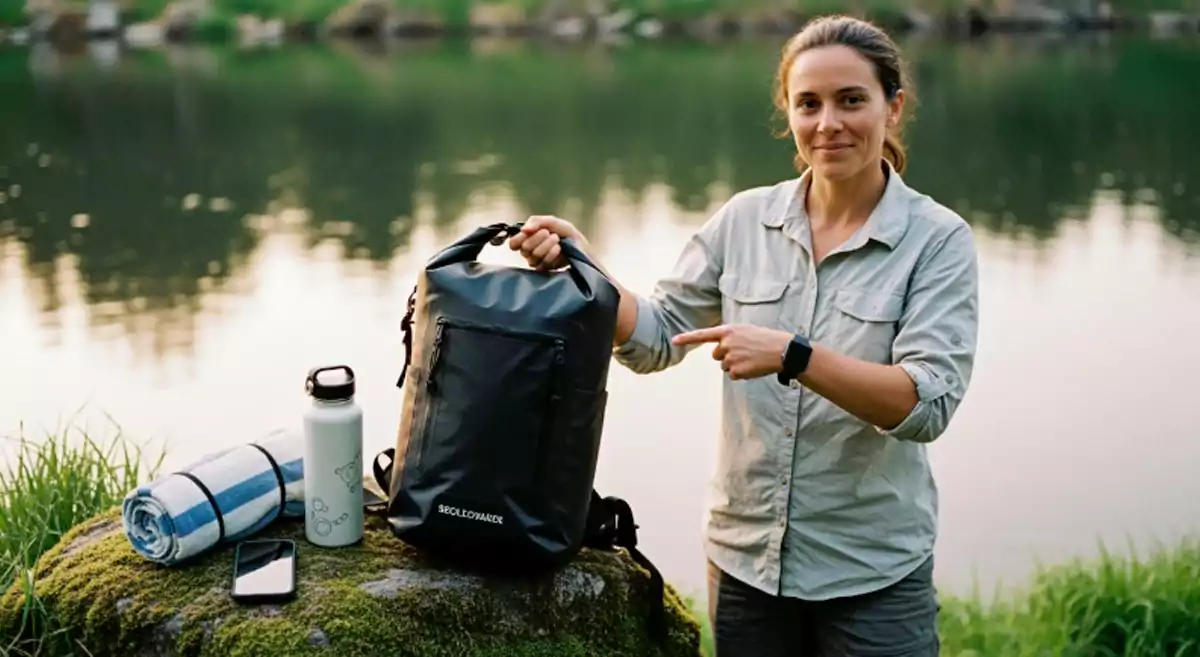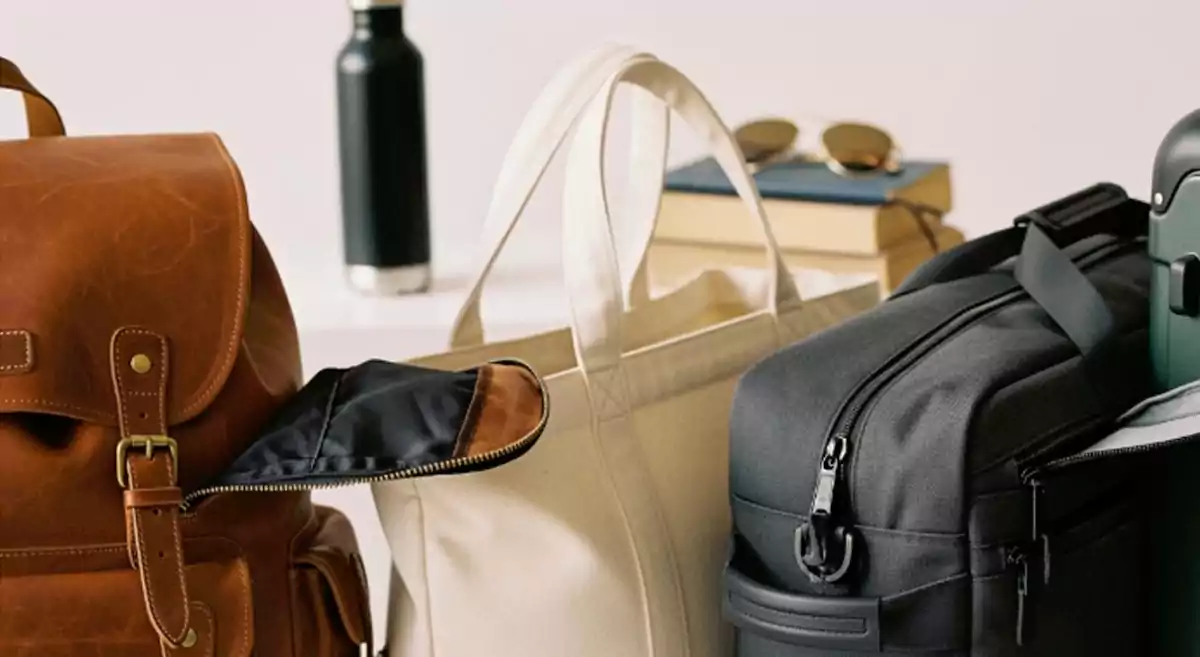
You might wonder, what is a swim bag? A swim bag is a special bag designed just for your swim gear. Unlike regular backpacks or totes, this bag helps you keep your wet and dry items separate. If you want to stay organized and ready for every practice or lesson, you need a swim bag that fits your routine.
Key Takeaways
- A swim bag is made for swimmers. It keeps wet and dry things apart. This helps you stay organized.
- Swim bags come in different types. There are backpacks, duffel bags, and mesh bags. Each type works for different needs.
- Look for water-resistant materials in your swim bag. Ventilation helps keep your gear dry. It also stops bad smells.
- Packing your swim bag well saves time. It makes sure you have everything for practice or meets.
- Clean your swim bag often. This helps it last longer. It also keeps your gear fresh.
- Pick a swim bag that fits your swimming routine. Make sure it holds all your gear.
- You can add your name or team logo to your swim bag. This helps you stand out. It also keeps your gear organized.
- Using a swim bag helps your swimming experience. It keeps you ready and focused on your performance.
What Is a Swim Bag
Swim Bag Definition
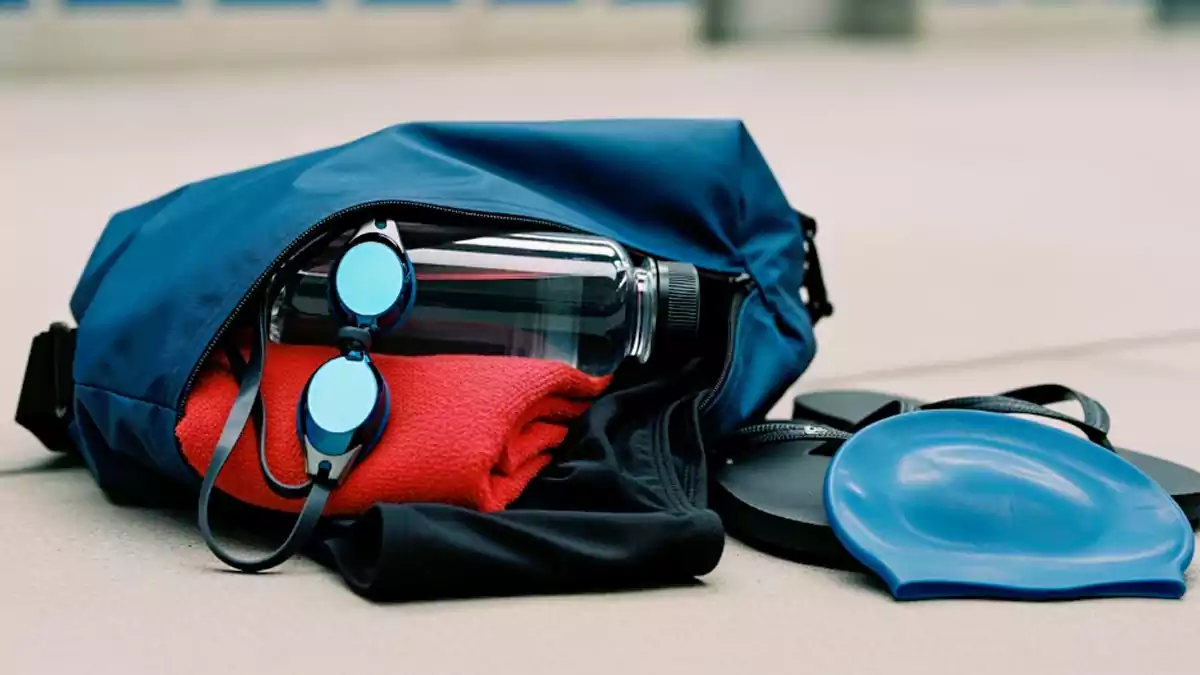
So, what is a swim bag? You might think it’s just any bag you grab before heading to the pool, but it’s much more than that. A swim bag is a special bag made for swimmers like you. It keeps your gear organized, dry, and easy to find. When you ask, “what is a swim bag,” you’re really asking about a tool that helps you stay ready for every swim practice or meet. Swim bags have features that regular backpacks or totes don’t offer. You get pockets for wet swimsuits, spots for goggles, and even places for snacks or water bottles.
Key Purposes
You use a swim bag for more than just carrying stuff. It helps you keep everything in order, so you never forget your swim cap or goggles at home. Coaches and swimmers agree that a good swim bag makes a big difference. Here’s a quick look at what you might pack and why each item matters:
| Item | Function |
|---|---|
| Swim Suit | Lasts long, stands up to chlorine, and doesn’t fade or stretch easily. |
| Goggles | Lets you see underwater; a good fit keeps you comfortable. |
| Baby Shampoo | Stops your goggles from fogging up, so you see clearly. |
| Swim Cap | Makes your head smooth in the water, keeps goggles in place, and adds warmth. |
| Tempo Trainer Pro | Helps you work on your stroke timing and control. |
| Finis Positive Drive Fins | Great for kicking drills and improving your swim technique. |
| Swimmer Snorkel | Lets you focus on your stroke without worrying about breathing. |
| Galvanized Steel Washers | Helps you count strokes and keep your push-offs steady. |
| Fist Gloves | Makes your hands smaller in the water to help you learn better grip and technique. |
A swim bag keeps all these items together, so you’re always prepared. You don’t have to dig through a regular bag and risk forgetting something important.
Types of Swim Bags
When you look for what is a swim bag, you’ll find a few main types. Each one works best for different swimmers and situations. Let’s break them down:
| Type of Swim Bag | Distinguishing Features |
|---|---|
| Swim Backpacks | Uses space well, easy to carry, comes in sizes for kids and adults. |
| Duffel Bags | Made with water-resistant materials, has big compartments, and side pockets for organizing. |
| Mesh Bags | Super light, lets your gear dry fast, and works well for carrying just the basics. |
Mesh Bags
Mesh bags are perfect if you want something light and simple. You can toss in your swimsuit, goggles, and towel, and you’re good to go. The mesh lets air flow through, so your wet gear dries faster. If you swim every day or need to carry just a few things, a mesh bag makes life easier.
Duffel Bags
Duffel bags give you lots of space. You can fit your swim suit, towel, extra clothes, and even snacks. Many duffel bags have water-resistant fabric, so your dry stuff stays dry. Side pockets help you keep small items like goggles or shampoo separate. If you go to swim meets or need to pack for a long day, a duffel bag works well.
Backpacks
Swim backpacks are a favorite for many swimmers. They use space smartly and feel comfortable on your back. You can find swim backpacks in sizes for both kids and adults. These bags often have special pockets for wet gear, water bottles, and even shoes. If you want a bag that’s easy to carry and keeps everything organized, swim backpacks are a great choice.
Tip: When you pick a swim bag, think about how much gear you carry and how often you swim. The right bag makes every trip to the pool easier.
So, what is a swim bag? It’s your best friend at the pool, helping you stay organized, ready, and focused on swimming your best. Whether you choose mesh bags, duffel bags, or swim backpacks, you’ll find a style that fits your needs.
Swim Bag Features
Rugged and Free-Standing Design
You want your swim bag to last. Swim bags go through a lot. They get tossed on wet pool decks, stuffed into lockers, and carried to meets. A rugged design means your bag can handle all this without falling apart. Many swim bags have reinforced bottoms. This helps the bag stand up on its own, even when it’s full. You don’t have to worry about your bag tipping over and spilling your gear everywhere. A free-standing bag also makes it easy to grab what you need fast. If you’re wondering what to look for in a swim bag, start with a sturdy base and strong seams.
Water-Resistant Materials
Swim bags need to keep your dry items safe from splashes and wet towels. That’s why most swim bags use special materials. These materials help keep water out and protect your gear. Here’s a quick look at the most common materials you’ll find:
| Material | Properties |
|---|---|
| TPU | Great strength, resists scratches, recyclable, fights off oils. |
| Polyester | Naturally water-resistant, tough, lightweight, fights mildew. |
| Nylon | Strong, dries fast, water-resistant, lasts a long time. |
| PVC | Durable, waterproof, blocks UV rays, budget-friendly. |
You’ll see the word waterproof a lot when you shop for swim bags. Some bags have waterproof pockets for your phone or wallet. Others use waterproof coatings on the outside. These features keep your stuff dry, even if your bag sits in a puddle by the pool.
Ventilation and Mesh Panels
Wet gear can get smelly fast. You don’t want your bag to trap moisture and create a musty odor. That’s where ventilation comes in. Swim bags often use mesh panels or vents to let air flow through. This helps your swimsuit and towel dry out, so you avoid mildew and bad smells.
Here’s how different features help keep your bag fresh:
| Feature | Benefit |
|---|---|
| Breathable mesh panels | Cut down on bacteria and musty smells |
| Antimicrobial linings | Keep things clean and fresh |
| Silver-ion technology | Lower odor and mildew even more |
| Activated charcoal layers | Soak up moisture and odors |
Many swimmers say mesh vents make a big difference. Airflow keeps your gear from getting gross. Waterproof compartments also help by keeping wet and dry items separate. If you want a bag that stays fresh, look for these features.
Tip: After each swim, open your bag and let it air out. This simple step helps your gear last longer and keeps your bag smelling good.
Specialized Compartments
When you open a swim bag, you notice right away that it’s not just one big pocket. You see lots of compartments, each with a special job. These sections help you keep your gear neat and easy to find. You don’t want your wet swimsuit mixing with your dry clothes, right? That’s why swim bags use smart designs to separate everything.
Here’s a quick look at the most common compartments and what they do:
| Compartment Type | Intended Use |
|---|---|
| Wet and Dry Separation | Keeps wet items separate from dry items |
| Organization of Gear | Helps in organizing swim gear and accessories |
| Protection of Valuables | Safeguards valuables from water damage |
You get a waterproof pocket for your phone or wallet. This keeps your valuables safe from splashes. Some swim bags have mesh pockets for your goggles and swim cap. These mesh sections let air flow through, so your gear dries faster. You also find zippered pouches for snacks or small items. If you use a sports duffel bag, you’ll notice extra side pockets for shoes or toiletries.
Most swim bags are designed to keep wet and dry items separate. You can toss your wet towel in one section and keep your dry clothes in another. This makes packing and unpacking much easier. You stay organized and your belongings remain dry. You don’t have to worry about water damage or musty smells.
Tip: Always use the wet compartment for swimsuits and towels. This helps your dry gear stay fresh and clean.
Size and Capacity
Swim bags come in different sizes, so you can pick one that fits your needs. If you swim every day or carry lots of gear, you might want a bigger bag. Large swim duffels give you plenty of space for fins, kickboards, and extra clothes. These bags have roomy middle compartments that hold bulky equipment. You can pack everything you need for a long practice or a swim meet.
If you’re a younger swimmer or just need the basics, small swim duffels work well. These bags are lighter and easier to carry. You get enough room for your swimsuit, towel, and goggles. Swim backpacks also come in two sizes: one for adults and one for kids. You can choose the size that matches your routine.
Here’s what you might find in a typical swim bag:
- A big main compartment for equipment
- Side pockets for water bottles or snacks
- Mesh sections for wet gear
- Zippered pouches for valuables
You don’t have to struggle with a bag that’s too small or too big. Pick a swim bag that matches your gear and your schedule. You’ll stay organized and ready for every swim.
Note: If you join a swim team, ask your coach about the best bag size for your practices and meets.
What Goes in a Swim Bag
Packing your swim bag can feel like a puzzle. You want to make sure you have everything you need for the pool, but you also don’t want to carry too much. Let’s break down what to pack in your swim bag so you’re always ready for practice, meets, or lessons.
Essential Swim Gear
When you think about swim essentials, start with the basics. Swimming associations recommend a few key items that every swimmer should bring. Here’s a quick list to help you remember:
- Swimsuit
- Swim Cap
- Swim Goggles
- Swim Towels
- Water Bottle
- Pool Shoes
- Nose Clips
- Ear Plugs
- Training Aids (like kickboards or fins)
Swimsuit and Goggles
Your swimsuit is the first thing you need. Choose one that fits well and feels comfortable. Many swimmers pack a backup suit just in case. Goggles help you see underwater and protect your eyes from chlorine. You might want to bring an extra pair if you swim often. Some swimmers also use nose clips and ear plugs to stay comfortable in the water.
Tip: Always check your goggles before you leave home. A broken strap can ruin your swim session.
Swim Cap and Towel
A swim cap keeps your hair out of your face and helps you glide through the water. It also protects your hair from chlorine. Towels are a must for drying off after you swim. Many teams use custom towels to show team spirit. Pack a towel that dries quickly and fits easily in your bag.
Personal Care Items
Swimming isn’t just about gear. You need to take care of yourself before and after you swim. Here are some personal care items to consider:
Toiletries
Bring travel-size shampoo, conditioner, and body wash. Chlorine can dry out your skin and hair, so it’s smart to rinse off after you swim. Some swimmers use baby shampoo to keep goggles from fogging up. Don’t forget deodorant and a small brush or comb.
Change of Clothes
Pack a clean set of clothes for after your swim. You’ll feel more comfortable and stay warm. Many swimmers also bring a changing poncho for privacy. Dry clothes help you avoid chills when you leave the pool.
Accessories
Accessories make your swim experience better. They keep you hydrated and fueled, and they help you stay organized.
Water Bottle
Swimming makes you thirsty. Always pack a water bottle so you can stay hydrated. Look for bottles that fit in your bag’s side pocket. Some swimmers bring two bottles—one for water and one for a sports drink.
Snacks
You burn a lot of energy when you swim. Healthy snacks like granola bars, fruit, or nuts give you a boost before or after practice. Pack snacks in a zippered pouch to keep them fresh.
Here’s a simple table to help you organize your swim bag:
| Item | Why You Need It |
|---|---|
| Swimsuit | Comfort and performance |
| Goggles | Clear vision underwater |
| Swim Cap | Reduces drag, protects hair |
| Towel | Dry off quickly |
| Water Bottle | Stay hydrated |
| Snacks | Energy for training |
| Toiletries | Clean up after swimming |
| Change of Clothes | Comfort after practice |
Packing the right gear means you’re always prepared. You won’t have to worry about missing something important. With these essentials, your swim bag will help you focus on swimming your best.
Swim Bag vs. Regular Bag
Design Differences
You might think any bag works for pool gear. But swim bags are different. They are made for water and wet things. Look at how swim bags and regular bags compare:
| Feature | Swim Bags | Regular Bags |
|---|---|---|
| Size Options | Larger adult and smaller youth sizes | Various sizes available, not swim-specific |
| Material | Water-resistant and rubberized bottoms | Standard materials, not necessarily water-resistant |
| Storage Capacity | Large middle compartment for swim gear | Varies, often not optimized for swim gear |
| Organization | Side pockets for accessories, mesh pockets | General pockets, may not include specialized storage |
| Drying Capability | Mesh or ventilated pockets for wet gear | Typically lacks features for drying wet items |
| Design Purpose | Specifically designed for aquatic environments | General use, not tailored for swimmers |
Swim bags use strong, water-resistant materials. The rubberized bottom keeps water out. You can put your bag on a wet pool deck. Regular bags do not protect your gear like this. Swim bags come in sizes for adults and kids. You can always find one that fits you.
Organization and Storage
It is easier to swim when you stay organized. Swim bags help you keep things neat. You get mesh pockets for wet gear. There are side pockets for small items. The big main compartment holds your towel and suit. Regular bags have only a few basic pockets. You might have to dig for your goggles or cap.
Here’s why swim bags are better for organizing and storing gear:
- Mesh panels let air move through, so wet gear dries fast.
- You can see your stuff easily, so you don’t forget anything.
- Swim bags stop moisture from building up and smelling bad.
- The mesh keeps mold from growing on your gear.
Regular bags do not have these features. They trap moisture inside. This can make your gear smell and even grow mildew. If you want fresh gear, use a swim bag.
Protection for Gear
You spend time and money picking swim gear. You want to keep it safe. Swim bags protect your gear better than regular bags.
| Feature | Swim Bags | Regular Bags |
|---|---|---|
| Water-resistant materials | Yes | No |
| Compartments for wet and dry items | Yes | No |
| Specialized pockets for swim gear | Yes | No |
| Ventilated mesh pockets | Yes | No |
| Padded straps for comfort | Yes | Varies |
| Waterproof bottom compartment | Yes | No |
| Reinforced, abrasion-resistant bottom | Yes | No |
Swim bags keep wet and dry items apart. You get waterproof pockets for valuables. Mesh sections help things dry. Padded straps make carrying easy, even when the bag is heavy. Regular bags do not have strong bottoms or waterproof pockets. Your gear can get wet or ruined.
Tip: If you want your swim gear to last and stay safe, pick a swim bag with these features.
Swim bags are made for swimming. They help you stay organized, protect your gear, and make swimming easier.
Why Use a Swim Bag
Organization and Convenience
You know how easy it is to forget something important when you rush out the door for practice. A swim bag helps you stay organized and ready for every trip to the pool. You can pack everything you need in one place, so you never have to dig through a messy backpack or carry extra bags. Swim backpacks give you special pockets for all your gear, making your routine smoother and less stressful.
Here’s what you can keep in your swim bag for maximum convenience:
- Swimwear for training and meets
- Goggles for clear vision in the water
- Swim caps to protect your hair and help you move faster
- Towels that dry quickly and fit easily in your bag
- Training aids like kickboards and fins to improve your technique
- Snacks and water to keep your energy up
When you use a swim bag, you save time and avoid last-minute panic. You know exactly where everything is, so you can focus on your swim instead of searching for lost items.
Tip: Pack your swim bag the night before practice. This simple habit makes your mornings much easier.
Hygiene and Odor Control
Wet gear can get smelly fast if you toss it in a regular bag. Swim bags are designed to keep your gear fresh and clean. Many have waterproof linings and special treatments that stop bacteria and mold from growing. This means your bag won’t smell bad, even if you store wet towels or suits for a while.
Some swim bags use advanced technology like silver-ion treatments to fight germs and odors. For example:
- Ornadi’s antimicrobial wet bags use natural silver to stop bacteria and mildew.
- Polygiene’s StayFresh technology uses silver chloride to cut odor-causing bacteria by up to 99.9%.
- Everest Microbial Defense products can reduce mold and odors by 90% with regular use.
You don’t have to worry about musty smells or moldy gear. Your swim bag helps you stay healthy and comfortable, even after tough practices.
Gear Protection
You spend a lot of time and money picking out the right swim gear. You want to keep it safe and in good shape. Swim bags protect your equipment better than regular bags. They use strong materials and smart designs to keep everything dry and secure.
Check out how swim bags compare to other ways of carrying your gear:
| Feature | Swim Bags (Mesh) | Alternative Methods |
|---|---|---|
| Moisture Prevention | Breathable design prevents moisture buildup | Often not designed for wet items |
| Odor Control | Helps prevent odors from wet gear | May retain odors |
| Weight | Lightweight and easy to carry | Can be heavier and bulkier |
| Durability | Made from durable materials | Varies widely |
A swim bag keeps your goggles, caps, and suits safe from damage. The breathable design helps wet gear dry out, so you don’t have to deal with mold or bad smells. You can trust your swim bag to protect your stuff, whether you’re heading to practice or a big meet.
Note: Taking care of your gear means you’ll swim better and save money in the long run.
Preparedness for Swim Meets and Classes
You know that feeling when you rush out the door and realize you forgot something important? Maybe your goggles, your swim cap, or even your suit. That’s why a swim bag is your best friend when it comes to being ready for swim meets and classes. You don’t want to show up at the pool missing something you need. A good swim bag helps you stay prepared, organized, and confident.
Let’s talk about what you should always pack for swim meets and classes. Here’s a quick checklist:
- Swimsuit: Pick one that fits well and is made for swimming. You want something comfortable and durable.
- Goggles: These come in many styles and colors. Find a pair that fits your face and helps you see underwater.
- Swim cap: Choose one that feels good on your head. It keeps your hair out of your face and helps you swim faster.
- Swim bag or backpack: Make sure it’s big enough for your gear and waterproof to protect your stuff.
When you use a swim bag, you can pack all these items in their own spots. You don’t have to dig around for your goggles or worry about your wet towel soaking your dry clothes. You can use the special pockets for your cap, snacks, or even your phone. This makes getting ready for class or a meet much easier.
Here’s how a swim bag helps you stay prepared:
- You can pack everything the night before. No more last-minute panic.
- You keep your gear in one place, so you don’t lose anything.
- You protect your valuables from water and damage.
- You stay organized, which helps you focus on swimming your best.
Tip: After each practice or meet, check your bag and restock anything you used. This way, you’re always ready for the next swim.
Swim meets can be stressful, especially if you’re new to the sport. When you know you have everything you need, you feel more relaxed and ready to compete. Your swim bag becomes your personal locker room. You can grab your cap, slip on your goggles, and jump in the water without any worries.
So, if you want to feel confident and prepared for every swim class or meet, make your swim bag your go-to gear. Pack it right, keep it organized, and you’ll always be ready to dive in.
Choosing Your Swim Class Bag
Assessing Your Needs
Picking the right swim class bag starts with knowing what you need. Every swimmer is different. You might swim every day, or just once a week. Your bag should match your routine. Here are some things to think about when you choose your bag:
- Water Resistance vs. Waterproofing: Decide if you need a bag that just resists splashes or one that keeps water out completely.
- Wet/Dry Compartment Separation: Look for a lined section for wet suits and towels.
- Material Durability and Cleanability: Choose a bag that stands up to chlorine and saltwater.
- Ergonomics and Comfort: Try padded straps and a breathable back panel for comfort.
- Storage Capacity and Organization: Make sure the bag fits all your gear.
- Ventilation and Odor Control: Pick a bag that lets air flow and keeps smells away.
Think about your swim schedule and the gear you bring. If you carry fins, kickboards, or extra towels, you’ll want a bigger bag. If you only bring a suit and goggles, a smaller bag works fine.
Tip: Write down what you pack for each swim. This helps you see what size and features you need in your swim class bag.
Comparing Bag Styles
Not all bags are the same. Some bags work better for swimming than others. Check out this table to see how different styles compare:
| Feature | Waterproof Bag for Swimming | Other Bag Styles (e.g., Gym Backpacks) |
|---|---|---|
| Waterproof Design | Yes | No |
| Durability | High | Varies |
| User Satisfaction | Positive | Mixed |
| Spacious Main Compartment | Yes | Yes |
| Specialized Waterproof Pocket | Yes | No |
Waterproof bags keep your gear dry and last a long time. Many swimmers like these bags because they have special pockets for wet items. Regular gym backpacks might not protect your gear from water. They also may not last as long if you use them at the pool often.
Customization Options
You can make your swim class bag unique. Many brands let you add your name, team logo, or mascot. Here are some ways you can customize your bag:
- Custom designs with your team’s name, logo, or mascot.
- Choose your favorite colors for a personal look.
- Work with a design team to get the style you want.
- Add personalized tags or embroidered names.
- Pick custom mesh bags or backpacks for your club or school.
- Show off your school mascot or swimmer name for meets and clinics.
Want to personalize your bag? Here’s how you can do it:
- Pick the backpack you want.
- Select the “Personalize This” option.
- Choose embroidery type and color.
- Enter your custom text.
- Finish your order.
A custom swim class bag helps you stand out and keeps your gear from getting mixed up with others. Teams love matching bags for a unified look at meets.
Note: Custom bags make great gifts for swimmers and help build team spirit.
Packing and Maintaining Your Swim Bag
Efficient Packing Tips
Packing your swim bag doesn’t have to be a struggle. You want to fit everything you need without making your bag bulky or messy. Here are some smart ways to keep your gear organized and easy to find:
- Roll your clothes instead of folding them. This trick saves space and helps you see everything at a glance.
- Use the wet and dry compartments in your bag. Keep your damp swimsuit and towel separate from your dry clothes and snacks.
- Store small items like goggles, swim cap, and ear plugs in a clear TPU pocket. You can spot what you need right away and nothing gets lost.
- Choose a bag with a compact yet spacious design. You’ll fit all your essentials without carrying a heavy load.
Want a quick checklist for packing your swim bag? Try this:
| Item | Where to Pack It |
|---|---|
| Swimsuit | Wet compartment |
| Towel | Wet compartment |
| Goggles | Clear TPU pocket |
| Swim cap | Clear TPU pocket |
| Snacks | Dry compartment |
| Water bottle | Side pocket |
| Change of clothes | Dry compartment |
Tip: Pack your bag the night before your swim practice. You’ll feel less rushed and more prepared in the morning.
Cleaning and Care
You want your swim bag to last and stay fresh. Taking care of your bag is easy if you follow a few simple steps. After each swim, empty your bag and let it air out. This stops moisture from building up and keeps odors away.
Here’s how you can keep your bag clean:
- Wipe down the inside and outside with a damp cloth. This removes chlorine and dirt.
- Wash removable compartments or mesh pockets with mild soap and water. Let them dry completely before putting them back.
- Check for any leftover snacks or wrappers. Throw them away so your bag doesn’t attract bugs.
- Leave your bag open in a dry place. Airflow helps prevent mold and mildew.
If your bag starts to smell, sprinkle a little baking soda inside and let it sit overnight. Shake it out the next day for a fresh start.
Note: Regular cleaning keeps your swim bag looking new and helps your gear stay in good shape.
Taking care of your bag means you’re always ready for your next swim. You’ll spend less time searching for gear and more time enjoying the water.
Conclusion
Picking a swim bag just for swimming helps you stay neat and ready for the pool. These bags have big sections, water-resistant fabric, and special pockets for wet things. Here are some main reasons swimmers like using swim bags:
| Feature | Benefit |
|---|---|
| Size Options | Works for both kids and grown-ups |
| Durability | Stands up to chlorine and tough use |
| Organization | Mesh pockets hold wet gear, easy to grab |
You can also make your bag special with your team’s logo or favorite colors. We make swim bags and can create custom ones for you or your whole team. Pick the right swim bag and feel good every time you go swimming!
FAQ
What makes a swim bag different from a regular backpack?
You get special features with a swim bag. These include water-resistant fabric, mesh panels for airflow, and pockets for wet gear. Regular backpacks do not have these. Swim bags keep your stuff dry and organized at the pool.
How do I clean my swim bag?
Empty your bag after each swim. Wipe the inside and outside with a damp cloth. Let it air out in a dry place. For tough smells, sprinkle baking soda inside and shake it out the next day.
Can I use a swim bag for other sports?
Yes! You can use a swim bag for gym, soccer, or beach trips. The water-resistant material and extra pockets help with any sport. You get a bag that keeps gear organized and dry.
What size swim bag should I choose?
Think about what you carry. If you bring fins, towels, and snacks, pick a large bag. For just a suit and goggles, a small bag works. Ask your coach if you are not sure.
Do swim bags keep my phone and wallet safe?
Most swim bags have waterproof or zippered pockets for valuables. You can store your phone and wallet in these spots. Always double-check that the pocket is closed before you head to the pool.
How do I stop my swim bag from smelling bad?
Always take wet gear out right after swimming. Let your bag air out. Use mesh pockets for wet items. Clean your bag often to keep it fresh.
Can I personalize my swim bag?
You can! Many brands let you add your name, team logo, or favorite colors. Custom bags help you spot your gear fast and show off your team spirit.