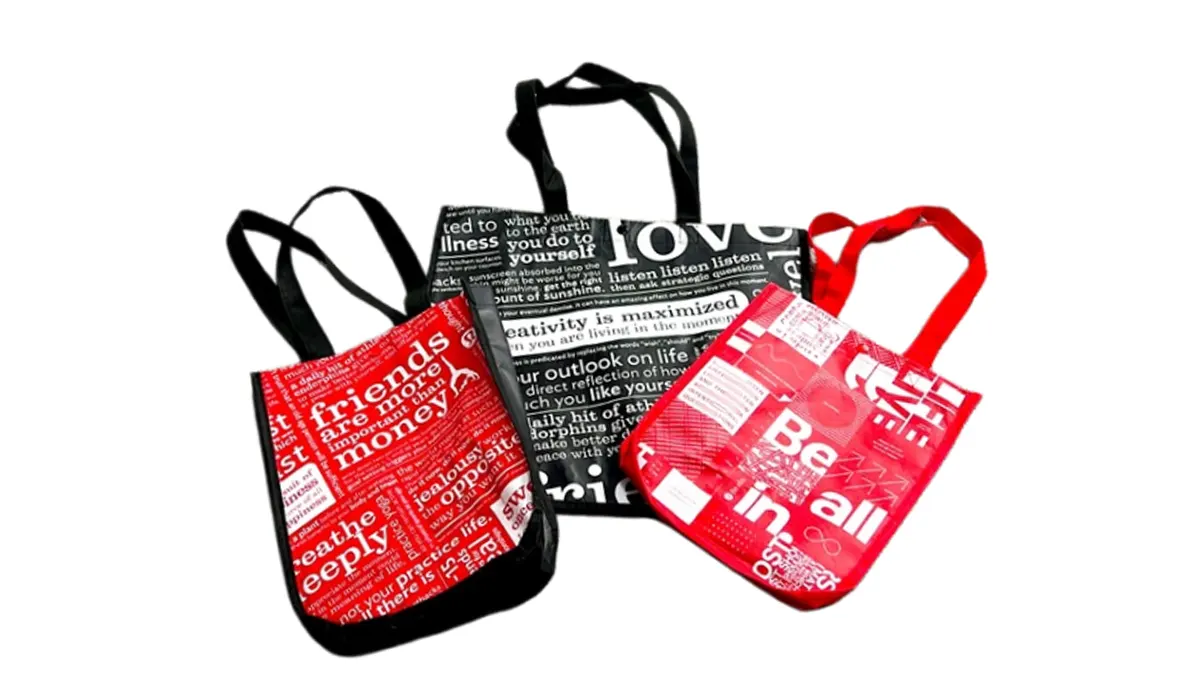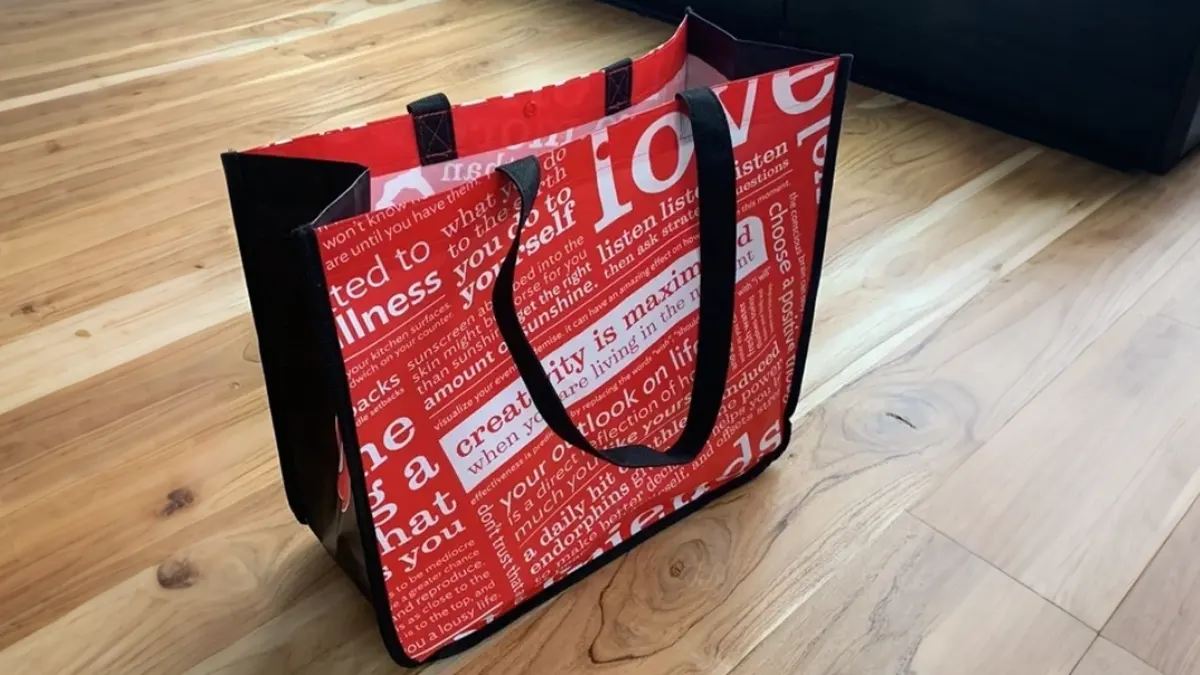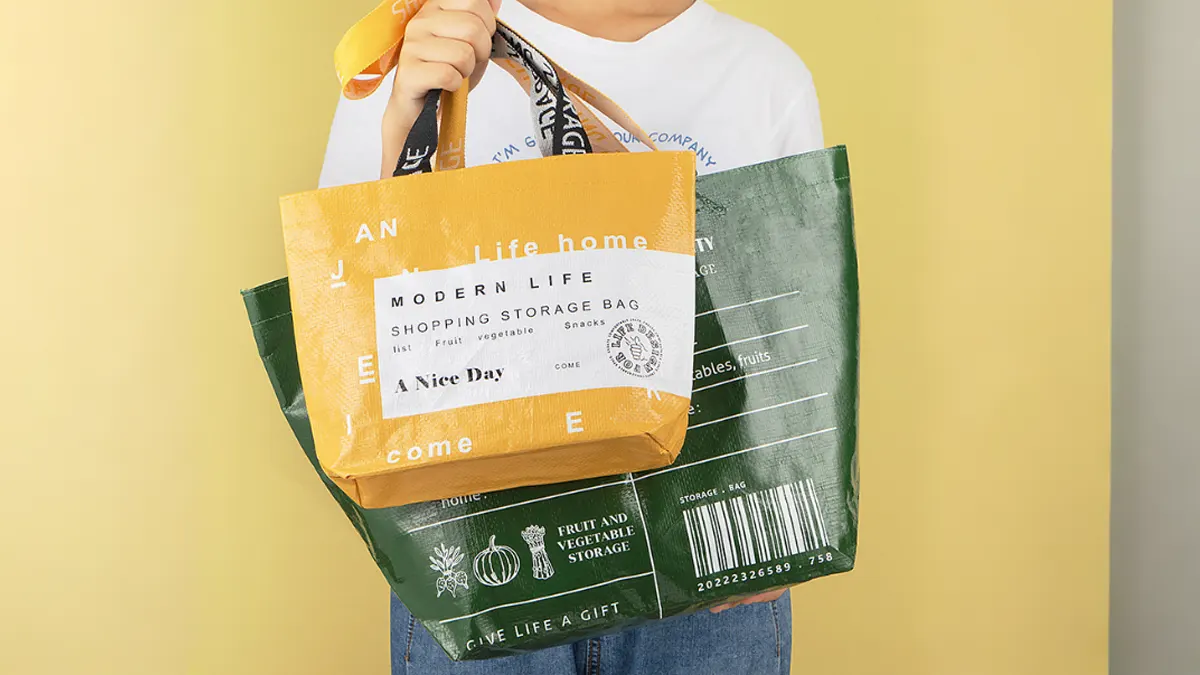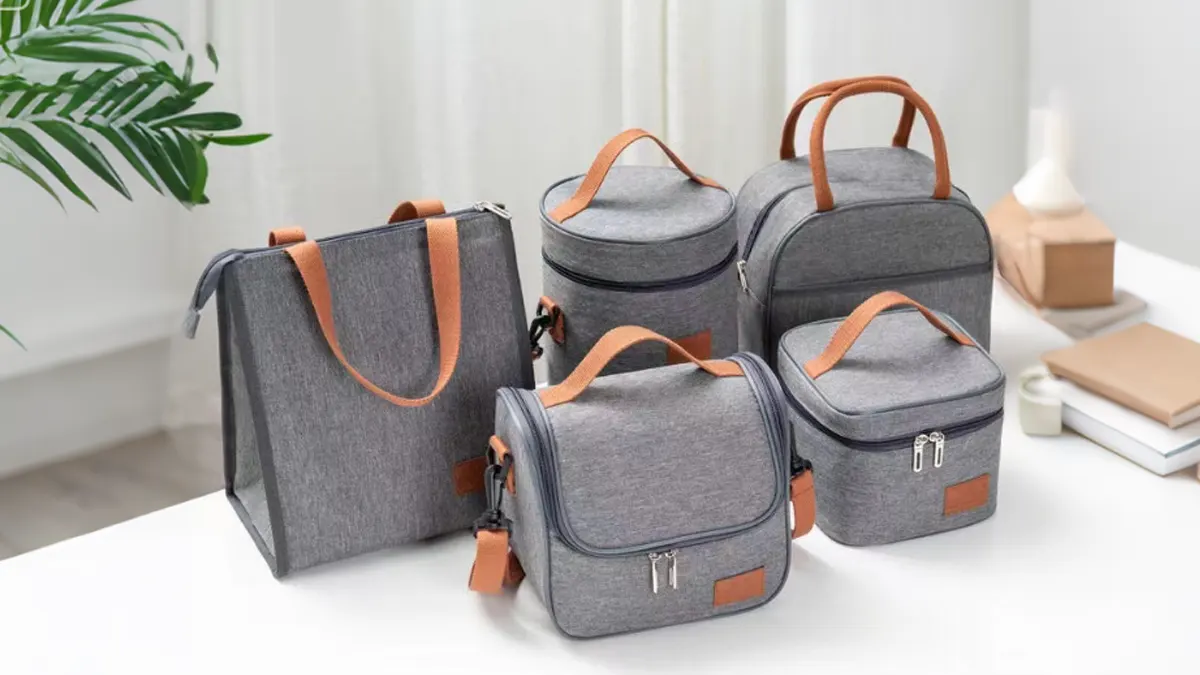
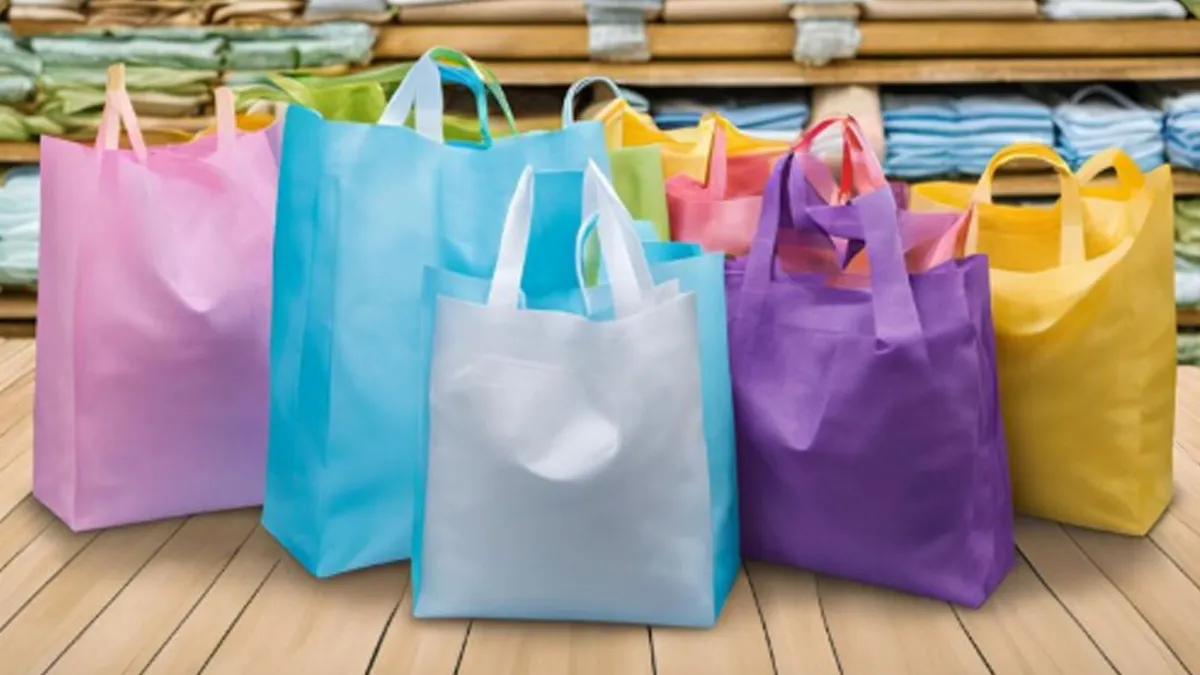
If you have ever been to a grocery store, joined a trade show, or received a promotional giveaway, you have probably come across a non-woven tote bag. These lightweight and eco-friendly bags show up just about everywhere these days. They are affordable, reusable, and easy to carry—which is why so many brands and shoppers rely on them.
Still, a lot of people are not quite sure what makes a non-woven tote bag different from other bags. What is it made of? How is it produced? And why has it become so popular? In this guide, we will break everything down for you—from materials and manufacturing to benefits and everyday uses.

What Are Non-Woven Tote Bags Made Of?
First, let’s clarify the key term: non-woven. Unlike traditional fabrics (like cotton or polyester) that are woven or knitted from threads, non-woven fabrics are made by bonding fibers together mechanically, chemically, or thermally. This process creates a material that’s strong, flexible, and lightweight—perfect for tote bags.
The most common material used in non-woven tote bags is polypropylene (PP), a type of plastic resin. Polypropylene fibers are melted and pressed together to form a fabric-like sheet, which is then cut and sewn into tote bag shapes. Some non-woven tote bags may also include recycled materials, making them even more environmentally friendly.
How Are Non-Woven Tote Bags Manufactured?
The manufacturing process of non-woven tote bags involves several key steps:
- Fiber Preparation: Polypropylene pellets are melted and extruded into thin fibers. These fibers are then laid out in a random web pattern to create a uniform base material.
- Bonding: The fiber web is bonded together using heat (thermal bonding) or pressure (mechanical bonding). This step gives the material its strength and structure.
- Cutting and Sewing: The bonded non-woven fabric is cut into the desired tote bag dimensions. Handles are attached—either by sewing strips of the same fabric or adding reinforced handles made from other materials like rope or webbing.
- Printing and Customization: Many non-woven tote bags are customized with logos, designs, or messages using screen printing, digital printing, or heat transfer methods. This makes them popular for branding and promotions.
What Are the Benefits of Non-Woven Tote Bags?
Non-woven tote bags offer a range of advantages that make them a popular choice for consumers and businesses alike:
- Durability: Despite being lightweight, non-woven fabrics are surprisingly strong. They can hold heavy items like groceries, books, or electronics without tearing easily.
- Cost-Effective: Compared to cotton or canvas tote bags, non-woven tote bags are more affordable to produce, making them ideal for bulk orders (e.g., for events or promotions).
- Water Resistance: Polypropylene-based non-woven fabrics repel water, protecting items inside from light rain or spills.
- Reusable: Unlike single-use plastic bags, non-woven tote bags can be reused dozens of times, reducing waste and environmental impact.
- Breathable: The porous structure of non-woven fabrics allows air circulation, making them suitable for carrying items like fruits, vegetables, or damp towels.
- Easy to Clean: Most non-woven tote bags can be wiped clean with a damp cloth, keeping them looking fresh with minimal effort.
Common Uses for Non-Woven Tote Bags
Non-woven tote bags are incredibly versatile, with uses spanning multiple industries and daily activities:
- Shopping: Grocery stores, clothing shops, and supermarkets often offer non-woven tote bags as an eco-friendly alternative to plastic bags.
- Promotions and Branding: Businesses print their logos on non-woven tote bags to distribute at trade shows, conferences, or as customer gifts. They’re a practical way to increase brand visibility.
- Events and Giveaways: Concerts, festivals, and charity events frequently use non-woven tote bags to hold event programs, merchandise, or free samples.
- Travel: Their lightweight design makes non-woven tote bags easy to fold and pack, serving as a backup bag for souvenirs or extra items while traveling.
- Storage: At home, non-woven tote bags can organize toys, shoes, or seasonal clothing, keeping spaces tidy.
Are Non-Woven Tote Bags Eco-Friendly?
One of the most common questions about non-woven tote bags is their environmental impact. While they are made from polypropylene (a plastic), they are still a better choice than single-use plastic bags for several reasons:
- Reusability: A single non-woven tote bag can replace hundreds of single-use plastic bags over its lifetime, reducing plastic pollution.
- Lower Carbon Footprint: Producing non-woven tote bags requires less energy and water compared to cotton tote bags (which need significant water for growing cotton).
- Recyclable Options: Some manufacturers offer recyclable or biodegradable non-woven tote bags, which break down more quickly in landfills than traditional plastics.
To maximize their eco-friendliness, look for non-woven tote bags made from recycled materials or labeled as biodegradable.
How to Choose the Right Non-Woven Tote Bag
When selecting a non-woven tote bag, consider the following factors:
- Weight Capacity: Check the bag’s weight limit to ensure it can handle your intended use (e.g., heavy groceries vs. light items).
- Size: Choose a size that fits your needs—smaller bags for everyday use, larger ones for shopping or travel.
- Handle Length: Longer handles allow for over-the-shoulder carrying, while shorter handles are better for hand-carrying.
- Customization Options: If using the bag for branding, ensure the manufacturer offers printing methods that match your design (e.g., vibrant colors or intricate logos).
- Eco-Features: Opt for bags made from recycled materials or with biodegradable properties if environmental sustainability is a priority.
Conclusion
Non-woven tote bags offer a strong, affordable, and eco-friendly alternative to single-use plastic bags. Made from bonded polypropylene fibers, they hold up well, resist water, and can be used again and again. Whether you need them for shopping, events, promotions, or travel, they get the job done with style and reliability. Even though the material comes from plastic, the long lifespan and reusability make these bags a smarter, greener option for both businesses and everyday users.
At Hangzhou INITI Imp&Exp Co., Ltd., we have focused on making high-quality, eco-friendly shopping bags since 2010. Our team knows bags inside and out—from choosing the right materials and handling printing to packaging, design, and shipping. Whether you need a custom design, help with sourcing, or full production support, we are here to help at every step.
If you are looking for a dependable manufacturer that understands your brand and delivers bags that meet both quality standards and sustainability goals, get in touch with us. Let us help you create the right bag for your business.