So, what is a bug out bag? You can think of it as your grab-and-go kit for quick evacuation. A bug out bag keeps you safe and supported when you need to leave home fast. Most people don’t have one—only about 25% of Americans keep a go bag ready. Building your bug out bag means more than just tossing in random gear. You want to customize it for your needs, like packing medicines or supplies for pets. Emergency preparedness starts with asking yourself: am I ready to go if disaster strikes?
Key Takeaways
- A bug out bag is a kit for emergencies. It helps you leave quickly. It has things you need for three days.
- Make your bug out bag fit your needs. Add food, water, and first aid. Include supplies for pets or kids if needed.
- Check your bug out bag often. Do this every 3 to 6 months. Make sure everything works and is not expired.
- Pack food that does not spoil. Choose light items. Bring at least one gallon of water for each person each day.
- Add important tools like multi-tools and fire starters. Put in things to help you find your way. These help in many emergencies.
- Keep your supplies neat in your bug out bag. Use pockets or colored bags. This helps you find things fast when you need them.
- Practice using your bug out bag and what is inside. This helps you feel ready. You will know how to use everything.
- Change your bug out bag for each season. This helps you be ready for different weather and emergencies.
What Is a Bug Out Bag?

Definition
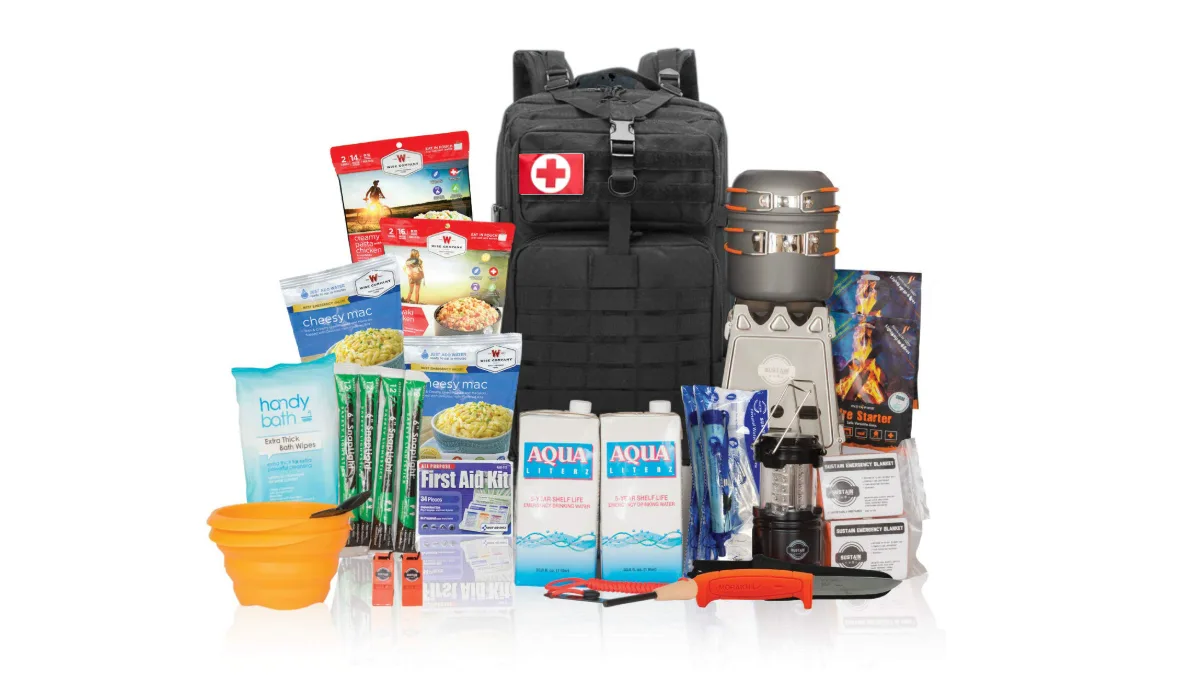
You might wonder, what is a bug out bag? It’s not just any backpack. A bug out bag is a special emergency kit you pack ahead of time. You keep it ready so you can grab it and go if you need to leave your home fast. Experts say a bug out bag holds everything you need to survive for at least 72 hours. You might hear people call it a 72-hour kit, go bag, or emergency kit. The main idea is simple: you want a portable bag with all the basics to help you stay safe and healthy when you can’t stay at home.
A bug out bag stands out from your everyday backpack. It’s not for school or work. You fill it with survival tools and supplies you pick for emergencies. You don’t want to pack random things. You want to think ahead and choose items that will help you in a crisis.
Purpose
So, what is a bug out bag really for? The main goal is to help you survive the first three days after you leave home in an emergency. You might need to evacuate because of a fire, flood, or another disaster. Your bug out bag gives you a head start. You don’t have to waste time searching for supplies. You just grab your bag and go.
Here’s what a bug out bag does for you:
- Keeps you alive for at least 72 hours
- Gives you water and food so you don’t go hungry or thirsty
- Protects you from the weather with shelter and clothing
- Helps you treat small injuries with first aid supplies
- Lets you find your way and stay in touch with tools for navigation and communication
- Keeps your important documents safe
You want your bug out bag to cover all your basic needs. That way, you can focus on staying calm and making smart choices during a tough time.
Tip: Pack water that you can drink right away and something to clean more water if you run out. Choose food that lasts a long time and gives you energy.
Key Features
You might ask, what is a bug out bag supposed to have that makes it different from other emergency kits? Here’s a quick look at the main features:
| Feature | Description |
|---|---|
| Focus on survival needs | Designed for the first 72 hours of an emergency, covering your most urgent needs. |
| Portable and ready-made | Pre-packed and easy to carry, so you can leave quickly when you need to. |
| Essential items included | Holds supplies for food, water, shelter, fire, navigation, communication, and protection. |
A bug out bag is all about being ready. You don’t want to scramble for supplies when every second counts. You want a bag that’s packed, easy to carry, and filled with the right gear. That’s what makes a bug out bag so important for emergency preparedness.
If you’re just starting out, ask yourself: what is a bug out bag for me? Think about your family, your pets, and your health needs. Your bug out bag should fit your life, not someone else’s.
Why Is a Bug Out Bag Important?
When you think about emergencies, you might picture wild weather, sudden fires, or even times when your city feels unsafe. A bug out bag gives you a real advantage in these moments. You never know when a disaster will strike, but you can control how prepared you are. Let’s look at why having a bug out bag ready matters so much for your survival and peace of mind.
Emergency Situations
You face many types of emergencies in life. Some happen with no warning. Others give you just a few minutes to act. Here are some of the most common situations where a bug out bag can save the day:
- Natural disasters
- Civil unrest
- Personal safety threats
Natural Disasters
Nature can surprise you at any time. Floods, hurricanes, wildfires, and earthquakes can force you to leave home fast. If you have a bug out bag packed, you don’t waste time searching for supplies. You grab your bag and go. This simple step can make a huge difference in your survival. Many people who live through disasters say their bug out bag helped them stay calm and focused.
Civil Unrest
Sometimes, your city or neighborhood can become unsafe. Protests, riots, or other forms of civil unrest may break out. In these moments, you want to leave quickly and safely. A bug out bag gives you the tools and supplies you need to get out and find shelter. You don’t want to risk your survival by being unprepared.
Immediate Support
Emergencies can happen when you least expect them. You might be at home, at work, or even on vacation. If you have a bug out bag ready, you have instant support. You get food, water, first aid, and shelter right away. This support can help you stay strong and healthy during the first hours of a disaster. Preparedness means you don’t have to rely on luck or wait for help to arrive.
Tip: Keep a go bag for each family member. Make sure everyone knows where their bag is stored. This way, you can all act fast if a disaster happens.
Quick Response
Time is everything in an emergency. You may only have seconds to decide what to do. A bug out bag lets you respond fast. You don’t need to pack or plan at the last minute. Your bag is ready to go. This quick response can protect your survival and keep you ahead of danger. Preparedness is not just about having supplies. It’s about having them ready when you need them most.
You can’t predict disasters, but you can prepare for them. A bug out bag is your first step toward real survival and safety. Make preparedness a habit, not just a plan. Your future self will thank you.
Bug Out Bag Essentials
Food and Water
You need food and water at the top of your bug out bag essentials list. When a disaster hits, you want to grab your realistic bug out bag and know you have enough to keep you going. Survival depends on staying hydrated and fueled. Experts recommend packing at least one gallon of water per person per day. That means you need three gallons for a 72-hour period. If you want a lighter realistic bug out bag, you can carry water filters or purification tablets. These let you clean water from streams or lakes if you run out.
Here’s a quick look at what you should pack:
| Item | Quantity |
|---|---|
| Water | At least 1 gallon per person per day |
| Food | Lightweight foods for three days |
You want food that lasts, is easy to carry, and gives you energy. Think about MREs, dried fruit, energy bars, and lightweight canned goods. These foods don’t spoil fast and help you stay strong during a disaster. Here’s a table to help you choose:
| Food Type | Characteristics |
|---|---|
| MREs | Ready-to-eat meals with a long shelf life |
| Dried Fruit | Lightweight and nutrient-dense |
| Energy Bars | Convenient and high in calories |
| Lightweight Canned Goods | Easy to pack and store, with a long shelf life |
For water purification, you can use:
- Water filter
- Iodine tablets
- Boiling water
A realistic bug out bag gives you options. You want to be ready for any survival challenge. If you pack smart, you won’t worry about food or water when disaster strikes.
Tip: Rotate your food and water every six months. This keeps your bug out bag fresh and ready for survival.
First Aid
First aid is a must for any realistic bug out bag. You never know when a disaster will cause injuries. You want to treat cuts, burns, or sprains right away. A good first aid kit helps you handle emergencies until you get help. Pack supplies that cover basic survival needs and more serious problems.
Here’s a list of what you should include:
- Tourniquet
- Gauze rolls and pads
- Compression bandages
- Adhesive bandages (various sizes)
- Antiseptic wipes
- Alcohol pads
- Antibiotic ointment
- Medical gloves
- Burn cream or gel
- Splint (SAM or foldable)
- Ace bandage
- Triangle bandage
- Moleskin (for blister care)
- Pain relievers (ibuprofen, acetaminophen)
- EMT shears
- Tweezers
- Medical tape
- Safety pins
You want your realistic bug out bag to help you survive any disaster. First aid supplies keep you safe and healthy. If you have allergies or special medical needs, add those items too. Your bug out bag should fit your life.
Note: Check your first aid kit every few months. Replace expired items so your bug out bag stays ready for survival.
Shelter and Clothing
Shelter and clothing protect you from the elements. A realistic bug out bag should help you stay warm, dry, and safe in any disaster. You want materials that work for your climate and are easy to pack. Tyvek is lightweight and durable. Tarps are cheap and useful for quick shelters. Cuben fiber is strong and light, perfect for rough terrain. Some emergency kits, like the AMK SOL, give you everything you need to build a shelter fast.
| Shelter Material | Description |
|---|---|
| Tyvek | Lightweight, durable, and breathable; excellent for making shelters. |
| Tarps | Inexpensive and readily available; used for makeshift shelters but not as light as Tyvek. |
| Cuben Fiber | Lightweight and rip-resistant; great for rugged terrain and can be used similarly to tarps. |
| AMK SOL Emergency Kit | Contains all necessary items to create a shelter quickly in emergencies. |
Pack clothing for the season. In summer, you want lightweight fabrics and UV protection. In winter, insulated layers and snow gear keep you warm. For rainy weather, waterproof jackets and ponchos are best.
- Summer: Lightweight fabrics and UV protection clothing.
- Winter: Insulated layers and snow gear.
- Rainy Season: Waterproof gear including rain jackets and ponchos.
A realistic bug out bag helps you survive any disaster. Shelter and clothing keep you comfortable and safe. You want to be ready for anything, so choose gear that fits your climate and needs.
Tip: Try packing your bug out bag and carrying it for a day. You’ll see if your survival gear is realistic and comfortable.
A bug out bag is more than just a backpack. It’s your lifeline in a disaster. When you pack food, water, first aid, shelter, and clothing, you build a realistic bug out bag that supports your survival. Start with these bug out bag essentials and adjust for your life. You’ll feel safer and more prepared for whatever comes your way.
Tools
You want your bug out bag to help you handle any emergency. The right tools make a big difference. When you build a realistic bug out bag, you should focus on items that serve more than one purpose. Multi-use tools save space and weight, which helps you move quickly.
Here’s a list of essential tools you should pack:
- Cutting and digging tools, like a sturdy knife or a small shovel, help you prepare food, build shelter, and clear paths.
- Rope and cordage let you tie things down, set up shelters, or even help with first aid.
- Compasses and binoculars help you find your way and spot danger from a distance. Some people add radiation detection tools if they live near power plants.
- Tarps and blankets keep you warm and dry. You can use them for shelter or as ground cover.
- Fire-making tools, such as waterproof matches, lighters, or a ferro rod, help you cook food and stay warm.
- Water containers let you carry clean water. Collapsible bottles save space in your bug out bag.
- Communications equipment, like a whistle or a battery-powered radio, helps you call for help or get news updates.
You want your realistic bug out bag to be practical. Choose tools that work for your environment and needs. If you live in a city, you might want a pry bar or a flashlight with extra batteries. In the woods, a multi-tool and a compass are more useful.
Tip: Practice using your tools before you pack them. You want to know how everything works in your bug out bag.
Personal Items
Your bug out bag should include personal items that keep you safe and organized. You want to carry copies of important documents. If you lose your wallet or need to prove your identity, these papers help you get support.
Pack these items in your realistic bug out bag:
- Copies of driver’s licenses
- Copies of passports
- Copies of home and title documents and keys
- Copies of prescriptions and important medical records
You can store these papers in a waterproof pouch. You want to keep them dry and easy to reach. If you have special medical needs, add a list of your medicines and allergies. You might also want a small notebook and pen for writing down information.
Think about comfort, too. Add a few personal touches to your bug out bag. A family photo, a favorite snack, or a small book can help you feel calm during stressful times.
Note: Update your documents every year. Make sure your realistic bug out bag always has the latest information.
Customization
No two bug out bags look the same. You want your realistic bug out bag to fit your life. Customizing your bag helps you stay safe and comfortable in any emergency.
Family Needs
If you have kids, you need to add supplies for them. Babies need diapers, wipes, and formula. Young children might need snacks, small toys, or comfort items. You want your bug out bag to help every family member feel safe.
- Diapers and baby wipes
- Formula or baby food
- Extra snacks for kids
- Small toys or comfort items
You can pack these items in separate pouches. This makes your realistic bug out bag easy to organize and quick to grab.
Pets
Pets are part of your family. Your bug out bag should include supplies for them, too. You want to keep your pets healthy and calm during emergencies.
- Pet food and treats
- Collapsible water bowl
- Leash or harness
- Copies of pet vaccination records
Pack enough food and water for your pets for at least three days. You want your realistic bug out bag to support every member of your household.
Medical Requirements
Your health matters most. If you have special medical needs, customize your bug out bag to fit them. Pack extra medicine, medical devices, or dietary supplies. You want to make sure your realistic bug out bag helps you stay healthy.
- Extra prescription medicine
- Medical devices (like inhalers or insulin)
- Allergy-friendly snacks
- Copies of medical records
You can add extra clothing, like socks, hats, and gloves, for comfort. Your bug out bag should match your environment and health needs. If you live in a cold area, pack warm gear. In hot climates, choose light fabrics.
Tip: Review your realistic bug out bag every season. Update supplies for weather changes and personal needs.
A realistic bug out bag is more than just a backpack. You want it to help you survive, stay comfortable, and support your family and pets. When you customize your bug out bag, you make it work for your life. You feel ready for anything that comes your way.
Urban Bug Out Bag
Urban-Specific Needs
When you live in a city, your bug out bag needs to handle different challenges than one for the wilderness. An urban bug out bag helps you deal with crowded streets, tall buildings, and busy neighborhoods. You want tools that work in concrete jungles, not just forests. The best urban bug out bag includes gear for breaking through barriers, staying safe around strangers, and using city resources.
Here are some things you should add to your urban bug out bag:
- Multi-tools for quick fixes and repairs
- Pry bars for opening doors or windows
- Water keys for accessing water from city pipes
- Self-defense items for protection in crowded places
- Low-profile clothing to blend in and avoid attention
You might meet other people during an emergency. Some will help, but others may not. Your urban bug out bag should help you stay safe and move quickly. You want to know how to use everything in your urban survival kit before you need it.
Tip: Practice using your tools at home. You’ll feel more confident if you ever need to use your urban bug out bag in real life.
Navigation and Safety
Getting around a city during an emergency can be tricky. Streets may be blocked, and crowds can slow you down. Your urban bug out bag should help you find safe routes and avoid danger. You want to pack tools that help you navigate and stay aware of your surroundings.
Some helpful items for your urban bug out bag:
- Detailed city maps and public transport guides
- AR navigation apps for real-time directions and hazard alerts
- Whistles or radios for communication
- Reflective markers to signal for help or mark safe paths
AR navigation apps give you instant directions and warn you about fires or floods. These tools help you avoid crowds and find the best exits. Your urban bug out bag should make it easy to change your route if things get dangerous.
Adapting Contents
Packing the best urban bug out bag means thinking about your city’s unique risks. You want gear that protects you from smoke, dust, and chemicals. Your urban bug out bag should include items for medical emergencies and tools for escaping buildings.
Consider adding these to your urban bug out bag:
- N95 respirators, safety glasses, gloves, and coveralls for environmental protection
- Compact pry bar, window punch, silcock key, and bolt cutters for urban survival
- Advanced wound care supplies and blood clotting agents
- Wheeled bags or backpacks with good load distribution for easy movement
- Quick-access compartments and secure storage for valuables
- Rappelling gear if you live in a high-rise apartment
- Child-specific tools for families
You want your urban bug out bag to be light and easy to carry. A low-profile design helps you blend in and move faster. If you drive, choose a bag that fits in your car and is easy to grab.
Tip: Review your urban bug out bag every season. Update your gear for weather changes and new risks in your city.
Your bug out bag is your lifeline in an emergency. The best urban bug out bag keeps you safe, helps you navigate, and adapts to your city’s challenges. When you build your urban bug out bag, you prepare for anything your environment throws at you.
Planning and Practice
Choosing Your Bag
Picking the right bug out bag is the first step in your emergency plan. You want a bag that can handle tough situations and keep your gear safe. Look for a bag that feels comfortable on your back and does not slow you down. When you shop for a bug out bag, check these features:
- Durable material that stands up to rough use
- Water-resistant fabric to protect your supplies from rain
- Plenty of pockets for easy organization
- Heavy stitching that holds up under stress
- Strong straps, buckles, and zippers that do not break easily
A good bug out bag makes a big difference when you need to move fast. You want to trust your bag to carry everything you need without falling apart.
Organizing Supplies
How you pack your bug out bag matters just as much as what you put inside. If you organize your supplies well, you can find what you need quickly, even in the dark. Try these best practices to keep your bug out bag neat and easy to use:
| Best Practice | Description |
|---|---|
| Compartmentalization | Use smaller sacks inside your bug out bag to group items by usage, making them easier to find. |
| Grouping by Function | Organize items into kits (fire making kit, sleep kit) for quick access. |
| Use of Organizational Tools | Attach gear to loops or MOLLE systems on your bug out bag for easy access to frequently used items. |
| Color Coding or Clear Bags | Pick different colored sacks or clear bags to quickly identify contents and keep them waterproof. |
| Regular Practice and Review | Practice finding items in your bug out bag and review contents every year to stay familiar and ready. |
You want your bug out bag to help you stay calm and focused. If you know where everything is, you save time and avoid stress. Practice packing and unpacking your bug out bag so you feel confident in an emergency.
Tip: Try a packing drill with your family. See who can find a first aid kit or flashlight fastest. This helps everyone learn how the bug out bag works.
Route Planning
Planning your escape route is just as important as packing your bug out bag. You need to know where to go and how to get there if you must leave home. Think about these factors when you plan:
- Decide if you should stay put or leave, based on the emergency
- Consider your location and the safest way out
- Take your family’s needs into account, like kids or pets
- Look at what resources you have along the way
- Map out several routes out of town, not just one
- Practice evacuation drills to see how fast you can move
Your bug out bag supports you, but your plan gets you to safety. Walk your routes and look for places to rest or get help. Update your plan as your family grows or your city changes.
Note: Keep a printed map in your bug out bag. Phones and GPS may not work during a disaster.
A bug out bag is more than just gear. It is part of a bigger plan that helps you stay safe and ready. When you choose the right bag, organize your supplies, and plan your route, you give yourself the best chance in any emergency.
Testing and Maintenance
You want your bug out bag to work when you need it most. Testing and maintenance keep your gear ready for any emergency. Many people pack their bug out bag once and forget about it. That’s a mistake. Supplies can expire, batteries can die, and your needs can change. You need to check your bug out bag often to make sure everything still works.
Experts suggest you inspect your bug out bag at least once every 3 to 6 months. This habit helps you spot problems before they become serious. You might find that food has expired or that your flashlight batteries are dead. You can fix these issues right away. Regular checks also remind you to update your bug out bag for new risks or changes in your life.
A smart way to remember bug out bag maintenance is to use the seasons as your guide. Each season brings new challenges. You want your bug out bag to match the weather and threats you might face. Try this simple routine:
- Spring Check: Swap out winter gear for lighter clothes. Add rain gear and check for storm supplies.
- Summer Check: Make sure you have sun protection, extra water, and light clothing. Remove heavy winter items.
- Fall Check: Add warmer layers and prepare for cold nights. Check your bug out bag for items that help in storms.
- Winter Check: Pack gloves, hats, and heating packs. Make sure your bug out bag has enough supplies for freezing weather.
Aligning your bug out bag maintenance with the seasons creates a natural reminder. You will always have the right gear for the time of year. This habit also helps you stay prepared for sudden changes, like a surprise snowstorm or heatwave.
Don’t just look at your bug out bag—test your gear, too. Try using your water filter or starting a fire with your matches. Practice setting up your shelter. If you find something hard to use, replace it with something better. You want to feel confident that every item in your bug out bag works for you.
Tip: Set a reminder on your phone for each season. When the alert pops up, check your bug out bag that week.
Your bug out bag is only as good as the care you give it. Regular testing and maintenance keep you ready for anything. When you make these checks a habit, you know your bug out bag will support you and your family in any emergency.
Common Mistakes
Packing your bug out bag can feel exciting. You want to be ready for anything. Sometimes, though, you might make mistakes that could slow you down or leave you unprepared. Let’s look at the most common mistakes people make when building a bug out bag, so you can avoid them and stay safe.
Overpacking
You might think more gear means better survival. In reality, stuffing your bug out bag with too many items can hurt you. If your bug out bag gets too heavy, you move slower during an emergency. Quick movement is key when you need to evacuate. Carrying a huge bug out bag can tire you out fast. You want to pack smart, not just pack more.
People often fill their bug out bag with extra tools, weapons, or gadgets they never use. This makes the bag bulky and hard to carry. You should focus on the basics. Leave out things you don’t need. A lighter bug out bag helps you move quickly and stay safe.
Tip: Before you pack, lay out everything you want to include. Ask yourself, “Will I really use this?” If not, leave it out.
Neglecting Updates
Your bug out bag needs regular attention. If you forget to check your supplies, you might find expired food or dead batteries when you need them most. Some people pack their bug out bag once and never look at it again. That’s risky. Your needs change over time. Seasons shift, and new threats appear.
Here are some things people often forget to update in their bug out bag:
- Clothing for the right season
- Shelter items like tents or sleeping bags
- Food and water with fresh expiration dates
- First aid supplies and medicines
- Navigation tools and maps
If you neglect updates, your bug out bag might not help you when disaster strikes. Make a habit of checking your bug out bag every few months. Swap out old items and add new ones as your life changes.
Ignoring Personal Needs
Your bug out bag should fit your life. If you ignore personal needs, you might struggle during an emergency. Some people forget to pack hygiene items, comfort supplies, or special medical gear. This can make you feel dirty, stressed, or even sick.
Here’s what you should remember for your bug out bag:
- Personal hygiene items like deodorant and wet wipes help you feel clean and boost your mood.
- Medical supplies such as bandages and painkillers keep you healthy.
- Comfort items, like a favorite snack or a small book, reduce anxiety and help you think clearly.
You want your bug out bag to support your body and mind. Packing for your personal needs makes a big difference when you face tough times.
Note: Take a moment to think about what makes you comfortable. Add those items to your bug out bag. You’ll thank yourself later.
Building a bug out bag is about more than just gear. Avoid these common mistakes, and you’ll have a bug out bag that keeps you safe, comfortable, and ready for anything.
Conclusion
You know a bug out bag can change how you handle emergencies. When you build your bug out bag, you take control of your safety. Your bug out bag gives you peace of mind. You can customize your bug out bag for your family, pets, and health. You should check your bug out bag every season. Your bug out bag needs fresh supplies.
If your organization needs custom bug out bags, initi can help. As a professional bag manufacturer, we offer OEM/ODM services to create durable, purpose-built emergency bags tailored to your requirements. Contact initi to develop reliable, custom bug out bags designed for every scenario.
FAQ
What is the best size for a bug out bag?
You want a bag that holds enough for three days but stays light. Most people choose a 30–50 liter backpack. Try it on before you pack it.
How often should you check your bug out bag?
Check your bug out bag every three to six months. Rotate food, water, and medicine. Update gear for the season. Set a reminder on your phone.
Can you use a regular backpack as a bug out bag?
Yes, you can start with any sturdy backpack. Make sure it feels comfortable and has strong zippers. Upgrade later if you need more space or features.
What food lasts longest in a bug out bag?
Pack foods like MREs, energy bars, and dried fruit. These last a long time and give you energy. Avoid foods that spoil quickly or need cooking.
Should you pack cash in your bug out bag?
You should keep some cash in small bills. ATMs may not work during emergencies. Store it in a waterproof pouch with your important documents.
How do you choose water purification tools?
Pick tools that fit your area. Water filters work for streams. Purification tablets are light and easy. You can boil water if you have fire-making gear.
What if you have pets or babies?
Add supplies for each family member. Pack diapers, formula, and comfort items for babies. Bring pet food, bowls, and leashes for pets. Customize your bag for everyone.