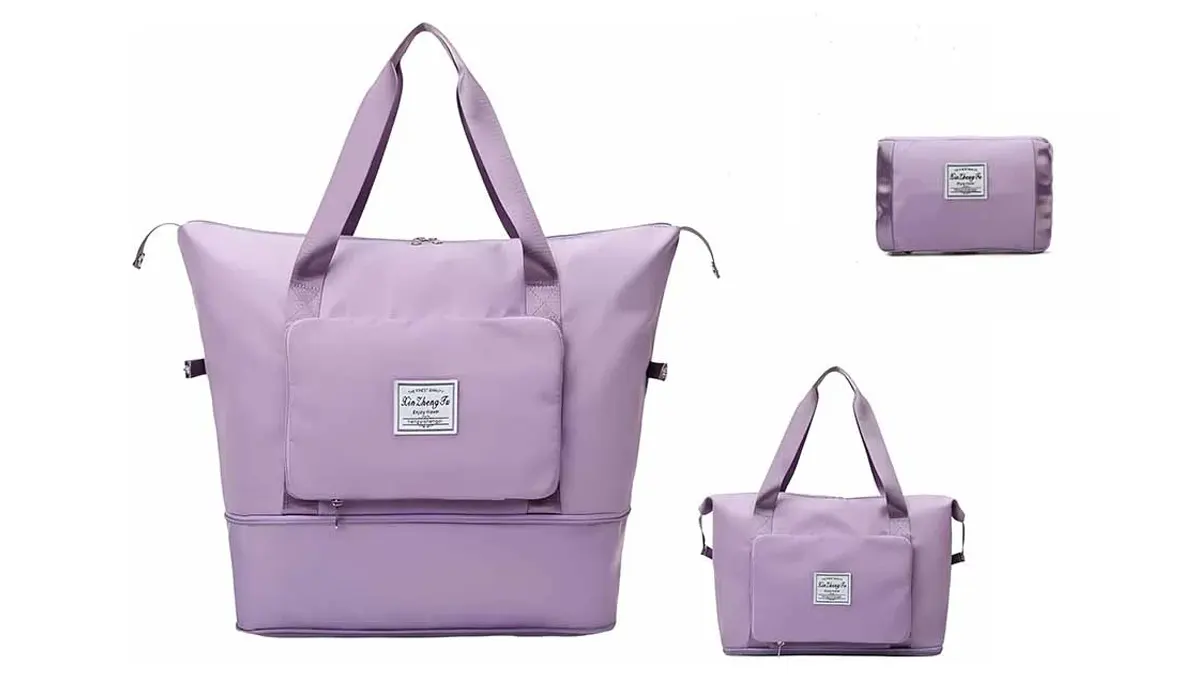
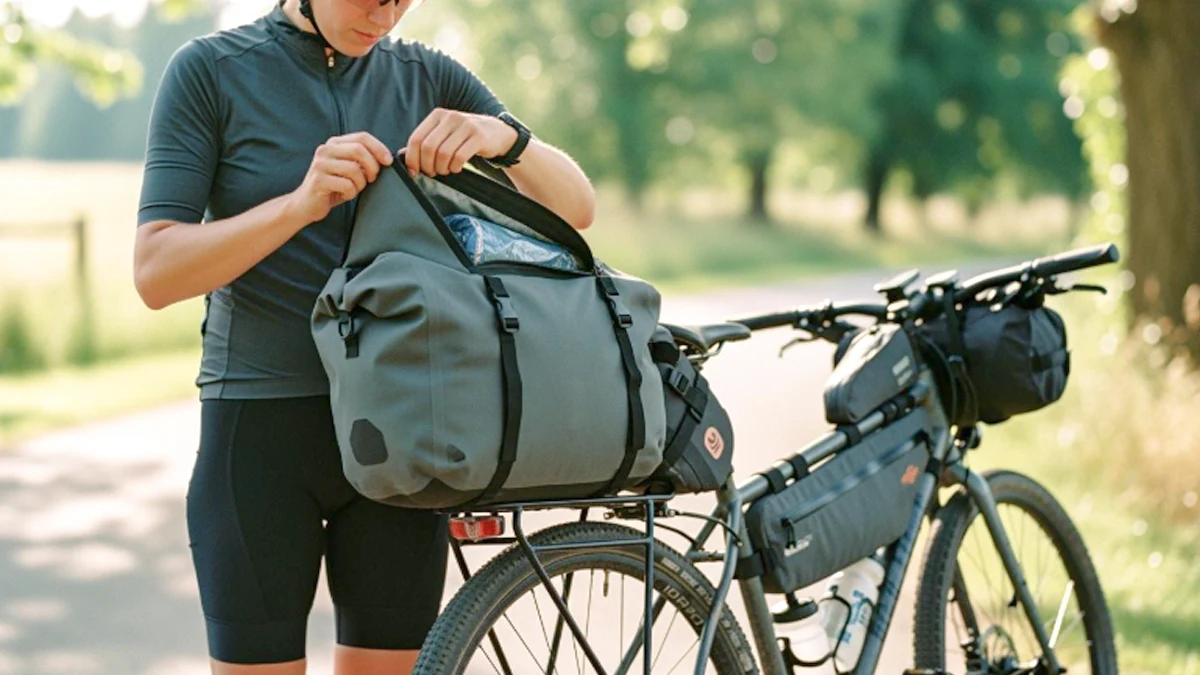
When you ask what is a bike bag, think of it as an important thing made just for your bike. You use a bike bag to carry tools, clothes, food, electronics, and travel gear on every ride. This helpful bicycle bag keeps your things neat, so you do not have to search through your backpack while traveling. Many cyclists find that a bike travel bag makes daily rides and long trips much easier. Look at the chart below to see which bike travel bag types are most liked for travel and daily use:

- The market for bike bags keeps growing as more cyclists pick travel and adventure.
- Handlebar bags and frame bags give you fast access and smart storage on every trip.
Picking the right bike travel bag for your bike makes every trip easier.
Key Takeaways
- A bike bag is a special bag for carrying things. You can put tools, snacks, and clothes in it when you ride your bike.
- There are different bike bags like frame bags, handlebar bags, and panniers. Each type has its own job and makes biking better.
- A bike bag helps keep your things neat and easy to reach. You can stop quickly and grab what you need without taking everything out.
- If you pack your bike bag the right way, your bike will be easier to control. This helps you ride smoother and stay safe.
- Bike bags made from waterproof materials keep your stuff dry. Strong closures help stop people from stealing your things.
- Clean your bike bag and check the straps often. This helps your bike bag last longer.
- Pick a bike bag that fits your trip, like commuting, touring, or bikepacking.
- Using more than one kind of bag can help you carry more and keep your bike balanced. This makes your ride more comfortable.
What Is a Bike Bag
Definition
Purpose-Built Storage
When you ask what is a bike bag, you are looking for a special storage solution made just for your bicycle. A bike bag attaches right to your bike, so you can carry things like tools, clothing, and even groceries. Over time, these bags have changed a lot. They started as simple leather pouches. Now, you can find waterproof panniers and sleek frame bags that help you ride with more comfort, safety, and efficiency. You do not need to worry about carrying a heavy backpack or losing small items on your ride. The right bike bag keeps everything in place and easy to reach.
Attachment Methods
You can attach a bike bag to your bicycle in different ways. Some bags use strong straps that wrap around the frame or handlebars. Others have clips or mounts that snap onto racks or seat posts. Many bike bag types fit in special spots, like under your seat or along the top tube. You can pick from many types, so you always find one that fits your bike and your travel plans. Some bags even have quick-release systems, so you can take them off fast when you stop.
Main Uses
Carrying Essentials
You use a bike bag to carry all the things you need for your ride. Most cyclists pack tools, snacks, and extra clothes. Some bags hold electronics, like your phone or a small camera. If you plan a long travel day, you might add a first aid kit or spare parts. Here is a table showing what cyclists often keep in their bike bag types:
| Item | Type |
|---|---|
| Spare tube | Saddle Bag |
| Tire levers | Saddle Bag |
| Digital pressure gauge | Saddle Bag |
| CO2 cartridge and inflator | Saddle Bag |
| Tire repair kit | Saddle Bag |
| Multitool | Saddle Bag |
| Wet wipes | Saddle Bag |
| Gorilla tape | Saddle Bag |
| Spare tubeless valve | Saddle Bag |
| First aid kit | Storage Bottle |
| Spare valve stems w/ stem tool | Storage Bottle |
| Quick links | Storage Bottle |
| Zip ties | Storage Bottle |
| Spare derailleur hanger | Storage Bottle |
| Extra CR2032 batteries | Storage Bottle |
| Spare GoPro thumb screw | Storage Bottle |
You can see that different bike bag types help you organize your gear. You do not have to dig through a backpack or worry about losing small tools. Each type has a special job, so you can match your bag to your travel needs.
Enhancing Convenience
A bike bag does more than just hold your stuff. It makes your ride easier and safer. When you use the right bike bag types, you get quick access to your gear. You do not have to stop and unpack everything to find a snack or tool. Many bags have special pockets and zippers, so you can keep things neat and easy to grab.
Here are some benefits you get from using bike bag types, especially on long travel rides:
| Benefit | Description |
|---|---|
| Improved Accessibility | Front bags make it easy to grab gear during stops, so you do not waste time unpacking. |
| Enhanced Comfort | You keep weight off your back, which means less sweat and more comfort on hot days. |
| Increased Safety | Reflective strips on bags help drivers see you, and stable bags keep your bike steady. |
| Versatile Organization | Many pockets let you sort tools, snacks, and other essentials, so you stay organized. |
| Quick Access for Technical Terrain | You can reach important items fast when you ride on rough or tricky paths. |
| Keeps Valuables Safe | Strong closures protect your things from theft or damage, and you can keep them close by. |
You can see how the right bike bag types help you enjoy your travel, whether you ride to work or go on a big adventure. You stay organized, ride safer, and keep your essentials close. When you know what is a bike bag and how to use it, you make every bicycle trip better.
Types of Bike Bags
When you look for the best way to carry your gear, you will find many types of bike bags. Each type has a special job and helps you ride with more comfort and style. Let’s break down the most popular types and see how they work for you.
Frame Bags
A bike frame bag fits right inside the triangle of your bike’s frame. This spot keeps your gear safe and steady. You do not need a rack for these bags, so you can attach them directly to your bike. Many riders love frame bags because they are compact and keep your bike looking sleek. You can find aerodynamic frame bags that help you cut through the wind and ride faster.
Weight Distribution
Frame bags help you balance your load. When you put your essentials in a bike frame bag, the weight sits low and in the center. This makes your bike easier to handle, especially if you use panniers or a bike pannier bag on the back. You will notice less stress on your rear wheel, and your ride feels smoother. You do not have to worry about your bike tipping or feeling wobbly.
Tip: If you plan a long trip, try splitting your gear between a frame bag and waterproof panniers. This keeps your bike steady and your ride safe.
Tool Storage
You can use a frame bag to organize your tools and small items. These bags have pockets and sections for things like a multitool, tire levers, or snacks. You will not waste time digging through your backpack. Everything stays in place, even on bumpy roads. Many frame bags are waterproof and tough, so your gear stays dry and safe in any weather.
Here’s a quick look at how different types of bike bags compare:
| Type of Bike Bag | Primary Function |
|---|---|
| Frame bag | Fits inside the main triangle for stable storage of essentials |
| Top tube bag | Quick access to snacks, tools, or electronics while riding |
| Saddle bag | Carries repair kits, spare tubes, or compact essentials |
| Handlebar bag | Keeps maps, cameras, or valuables within reach |
| Panniers | Balances heavy loads for commuting, shopping, or long-distance touring |
Handlebar Bags
Handlebar bags attach to the front of your bike, right on the handlebars. These types of bags are perfect when you want to keep important things close. You can grab your phone, wallet, or snacks without stopping your ride. Many handlebar bags have mesh pockets and wide openings, so you can reach inside with one hand. Some even keep their shape, making it easy to open and close while you ride.
Easy Access
You will love how easy it is to use a handlebar bag. The main compartment holds bigger items, while side pockets keep small things handy. If you use a handlebar bag with your panniers, you get the best of both worlds—quick access up front and big storage in the back. These bags work great for maps, cameras, or anything you want to grab fast.
Note: Handlebar bags are a smart choice for city rides or long tours. You can keep your valuables close and never miss a photo or snack break.
Saddle Bags
Saddle bags fit right under your bike seat. These types of bike bags are small but mighty. You can use a saddle bag to carry a spare tube, repair kit, or even your house keys. Most saddle bags hold between 0.8 and 1.5 liters, so you have just enough space for the basics. They come with adjustable straps, so you can use them on road bikes, mountain bikes, or gravel bikes.
Compact Storage
You do not need to carry a big backpack for short rides. A saddle bag gives you compact storage for all your must-have items. Some saddle bags even have a modular system, so you can add more bags if you need extra space. You can attach your helmet or other gear for easy transport. If you use a saddle bag with waterproof panniers or a large pannier, you get a setup that works for any trip.
Pro Tip: Keep your repair kit and snacks in your saddle bag. You will always be ready for a flat tire or a quick energy boost.
Top Tube Bags
Quick Reach
You want to grab a snack or check your phone without stopping your ride. A top tube bag makes this easy. This bike bag sits right on your bike’s top tube, close to your handlebars. You can open it with one hand while you keep pedaling. Many cyclists use top tube bags for snacks, energy gels, or small tools. You can also store your phone, power bank, or navigation essentials inside.
Here’s a quick look at why top tube bags are so popular:
| Benefit | Description |
|---|---|
| Quick Access | You reach snacks or energy bars with one hand while riding. |
| High-Volume Storage | You get enough space for snacks and small items. |
| Versatile Use | You can store tools, phones, or anything you need fast. |
You do not have to dig through a backpack or stop your bike. Everything stays close and easy to find. If you like to keep your ride smooth and organized, a top tube bag is a smart choice.
Tip: Pack your favorite snacks, a multi-tool, and your phone in your top tube bag. You will always have what you need right in front of you.
Bike Pannier Bag
Large Capacity
Sometimes you need to carry more than just the basics. A bike pannier bag gives you lots of space for bigger items. You attach panniers to racks on the sides of your bike’s rear wheel. This setup helps you carry heavy loads without hurting your back or shoulders. Most panniers come in sizes like 22, 25, 30, or even 35 liters. You can pack clothes, groceries, or camping gear with no problem.
Panniers help your bike carry the weight, so you do not feel tired or sore. You keep a good posture while riding, and your hands stay free for steering. If you use a compact saddle bag with your panniers, you get even more ways to organize your gear.
Grocery and Gear Transport
You can use panniers for many things. They work great for grocery shopping, carrying books, or hauling gear for a weekend trip. When you use a bike pannier bag, you spread the weight evenly on both sides of your bike. This makes your ride smoother and safer. You do not have to worry about a heavy backpack pulling you to one side.
Here are some reasons why panniers are perfect for carrying groceries and gear:
- You can fit a week’s worth of groceries in large panniers.
- Your bike stays balanced, even with a heavy load.
- You avoid back and shoulder pain because the bike holds the weight.
- You can pack camping gear, clothes, or sports equipment for longer trips.
If you want to carry a lot, choose a bike pannier bag and a compact saddle bag for the best setup.
Trunk and Front Bags
Extra Cargo Space
Sometimes you need even more room for your stuff. Trunk bags and front bags give you that extra cargo space. You can mount a trunk bag on your bike’s rear rack. This type of bike bag is perfect for bulky items like tents or sleeping bags. You free up space in your panniers for other gear.
Front bags attach to the front rack or handlebars. You can use them for things you want to reach quickly. Some trunk bags, like rack packs, hold big items and keep your load balanced. Brands like Vaude make trunk bags that fit on top of your rack or even on your seatpost. You get more space without making your bike feel heavy or hard to control.
Note: If you plan a long tour, use trunk bags for your sleeping gear and panniers for clothes and food. You will ride farther and stay organized.
Using Bicycle Bags
Installation
Straps and Mounts
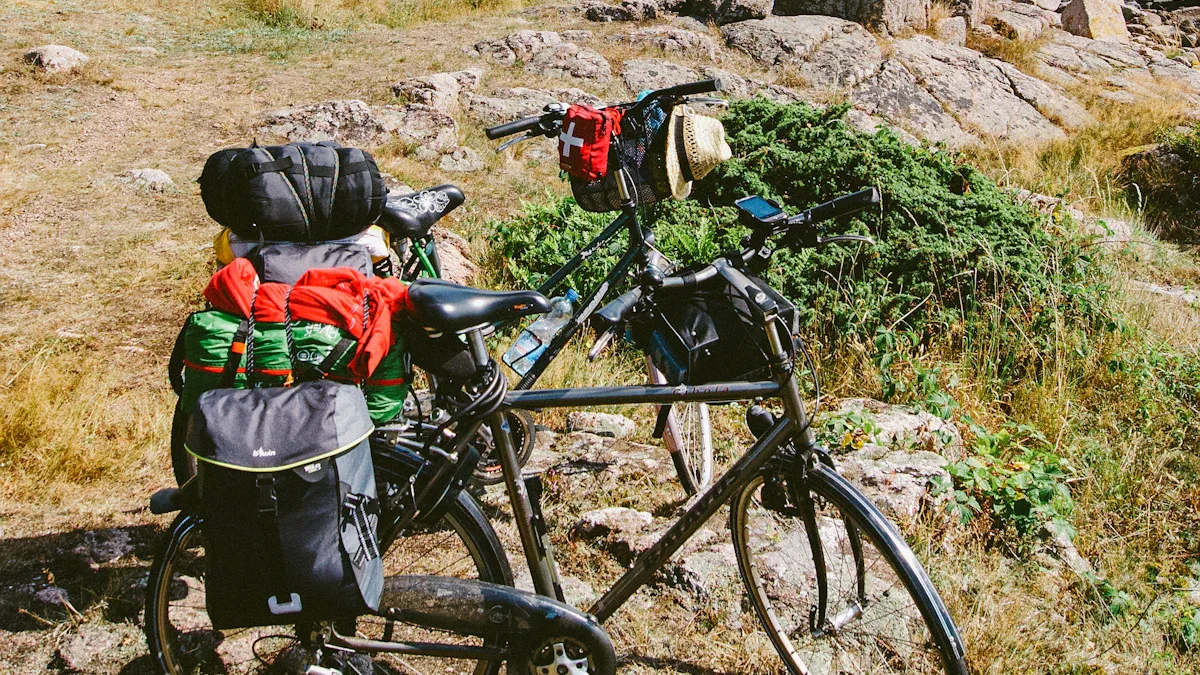
You want your bike bag to stay in place when you ride. Most bicycle bags use strong straps or mounts to attach. You wrap the straps around the frame, handlebars, or seat post. Some racks and dry bags help keep your bag steady and useful, even with a dropper post. Saddlebags are good for simple trips, but you need a rack or bag support and a saddle with loops. Panniers hook onto racks and let you carry gear on all kinds of bikes. Rear mini-panniers are great for shorter riders or anyone who needs more space. Lightweight bags make your load easier to handle.
Tip: Always check your straps and mounts before you ride. If bags are loose, they can move and mess up your balance.
Quick-Release Systems
Quick-release systems let you take your bike bag off fast. You can remove panniers or bikepacking bags in just a few seconds. This is helpful when you need your gear quickly for travel or daily rides. Many cyclists like quick-release systems for touring and bikepacking because they save time and keep things neat. You can move bags between bikes or bring them inside when you stop.
Packing Tips
Organizing Gear
Packing your gear the right way makes your ride better. You want to keep tools, snacks, and other things sorted. Use pockets and sections in your bike bag to keep items apart. Cyclists put heavy gear close to the wheel’s center. This helps your bike stay balanced and easy to control. Try using hydration bladders instead of bottles for better weight balance. Make sure everything is secure before you start your trip.
| Packing Tip | Why It Matters |
|---|---|
| Use pockets for small items | Makes gear easy to find |
| Pack heavy items low | Helps balance and keeps you steady |
| Secure all gear | Stops things from moving around |
| Hydration bladders | Helps with weight balance |
Weight Balance
Weight balance is important for safe travel and long rides. Do not put more than one-third of your load on the handlebars and forks. This keeps steering smooth and easy. Pack things as low as you can to keep your center of gravity steady. Do not make your bikepacking bags wider than your handlebars. This makes it easier to ride on narrow trails. Always check that your seat and pedaling feel right after you pack your gear.
Note: Put heavy gear close to the wheel’s center. This helps you stay steady on bumpy roads when touring or bikepacking.
Practical Applications
Commuting
Bike bags make going to work easy. You can use a pannier backpack convertible for your work stuff. This bag changes from pannier to backpack, so you can carry your things easily. Handlebar bags are good for city rides and fun trips. They hold your personal items and keep them dry if it rains. The commute seat pack gives you 1.5 liters of space, which is great for daily rides and weekend trips. Cyclists like these bags because they are flexible and simple to use.
Touring
Touring means riding your bike for long distances. You need bike travel bag options for tools, clothes, and food. Panniers are best for long trips because they balance heavy loads and keep things neat. The commute seat pack gives you more space for longer rides. Cyclists pick panniers and bikepacking bags because they are strong and comfortable. You can use basketpacking to carry gear cheaply, especially if you do not ride on hard trails. Touring with the right bags makes every trip safer and more fun.
Bikepacking
Bikepacking is about adventure and riding off the main roads. You use bikepacking bags to carry light gear for camping and exploring. Basket bags help you carry gear without spending a lot. These bags are good for dirt road trips and long rides. Cyclists like bikepacking gear because it fits many bikes and lets you tie on extra things. You can mix panniers, saddle bags, and handlebar bags for the best setup. Bikepacking bags keep your gear safe and easy to grab on every adventure.
Tip: Try different bag setups for commuting, touring, and bikepacking. You will find the best mix for your bike and travel style.
Selecting a Bike Bag
Assessing Needs
Trip Type
You need the right bike bag for your ride. First, think about what kind of trip you will take. Is it a short commute, a long touring adventure, or a quick travel ride? For commuting, you want a bag that is easy to open and keeps things dry. Touring trips need bigger bags that are strong and last a long time. If you like to travel on weekends, pick a bag that is light and waterproof. Each trip needs different things from your bag.
Tip: Write down your main cycling activity. This helps you focus on the features that matter most.
Item List
Next, make a list of what you want to carry. Commuting means you might bring a laptop, lunch, and maybe extra clothes. Touring trips need space for cooking gear, clothes, and tools. For travel rides, you may only need snacks and your phone. Your list helps you choose the right size and features for your bag.
Here’s what to check before you choose:
- Volume (10 to 40 liters for most bags)
- Physical size for comfort and easy riding
- Compartments to keep your things organized
- Comfort and balance so your back does not hurt
- Strong material and weather resistance
- Easy to reach your stuff when you stop
- Safety features like reflective strips
Key Features
Capacity
Capacity is important for every cyclist. If you plan to go touring or on long trips, panniers give you more space and help balance your bike. You can use both front and back panniers to spread the weight. For short trips, bikepacking bags keep you fast and neat. For commuting, smaller bags work best for your daily things.
Note: Carrying too much can slow you down. Try to pack only what you need for your trip.
Material
The material of your bike bag changes how strong and weatherproof it is. Here is a quick look at common materials:
| Material | Durability Features |
|---|---|
| Nylon | Light, strong, does not stretch, often keeps water out |
| Polyester | Handles sun, keeps color, good for rainy days |
| Waxed Canvas | Water-resistant, tough, heavier, needs care |
| Leather | Lasts long, keeps water out if treated, needs care |
| TPU-Coated Fabrics | Keeps water out, bends easily, great for heavy rain, very strong |
Pick a material that fits your travel or commute. For touring, choose something strong and good in bad weather.
Waterproofing
Waterproofing keeps your things safe and dry. Look for these features:
| Technology | Description | Effectiveness |
|---|---|---|
| High-frequency welding | Seals seams with no holes, blocks water | Very effective |
| TPU materials | Bends, strong, does not break in cold | Great for waterproofing |
| PVC-coated nylon | Blocks water and sun, protects from UV | Very effective |
| Roll-top closures | Folds to keep water out | Extra leak protection |
| Double-stitched seams | Stops leaks, makes bag stronger | Improves waterproofing |
If you ride in rain or wet weather, these features are important. Always check waterproofing before you buy a bike travel bag.
Matching Bag to Purpose
You want your bike bag to fit how you ride. Here is a table to help you match bag types to your needs:
| Bag Type | Suitable Use Cases | Suitable Bikes |
|---|---|---|
| Basket Bags | Smooth roads, errands, light loads | Road, cyclocross, hybrid bikes |
| Bike Back Bags | Errands, meetings, school | Any bicycle, check fit and safety |
| Pannier Bags | Touring, travel with lots of gear | Touring bikes, mountain bikes |
| Frame Bags | Off-road, keeps weight centered | Most bicycles, light loads on road |
Pick a bag that matches your main activity. For commuting, choose a bag that is easy to open and keeps things dry. For touring, look for big, strong, and waterproof bags. For travel, pick a light bag with smart features. The right bike travel bag makes every ride better.
Maintenance and Care
Taking care of your bike bag helps you get the most out of every ride. If you want your bag to last and keep its durability, you need to clean, store, and repair it the right way. Let’s look at some easy steps you can follow.
Cleaning
Routine Care
You should clean your bike bag often. Dirt and dust can wear down the fabric and lower its durability. Here’s a simple way to keep your bag fresh:
For regular road dirt, just hose down your panniers. Use enough water to wash the dirt away. If the dirt is dry and stuck, grab a soft bristle brush and use it with water. Never use the brush alone because it can push dirt deeper into the fabric.
- Use mild soap and water for the first cleaning.
- Wipe down zippers and straps to keep their durability.
- Organize your gear after cleaning to avoid messes inside the bag.
If you keep your bag clean, you help it stay strong and keep its durability for many rides.
Deep Cleaning
Sometimes your bike bag needs a deeper clean. If you see oil stains or tough spots, you can use a stain remover like Shout! but only on oily marks. For a full clean, take off all hardware and inner plates. Put the bag in the washing machine with cold or lukewarm water. Add a little soap and pick the gentle cycle. This helps the bag keep its durability and shape.
You can also apply a bit of silicon oil to the zippers once a year. This small step boosts the durability of the zipper and makes it easier to open and close.
Storage
Off-Season Tips
When you’re not riding, you need to store your bike bag the right way. Good storage keeps the durability of your bag high. Here are some tips:
- Remove all electronics and hydration items from your bag.
- Clean and inspect your bike and bag before storing.
- Inflate your tires and lubricate cables and chains to keep everything working.
- Store your bike and bag indoors where the temperature and humidity stay steady.
- Use a cover to protect your bike and bag from weather, rust, and UV damage.
- Hang your bike if you can. This keeps pressure off the tires and rims and helps the durability of your gear.
Preventing Damage
You want your bike bag to last for years. To prevent damage, always clean and organize your bag before storing it. Make sure nothing sharp or dirty touches the fabric. Use a cover to block sunlight and rain. This simple step helps the durability of your bag and keeps it looking new.
Regularly using a cover can stop paint fading, seat damage, and rust. This extends the durability of your bike and bag.
Repairs
Zippers and Straps
Sometimes zippers and straps break or get stuck. These parts matter for the durability of your bike bag. If you notice a problem, you can fix it yourself. Snap fastener kits are easy to find at hardware stores. Lubricate zippers with silicon oil to keep them moving smoothly. If mounting hardware fails, check with the manufacturer for help or replacement parts.
- Common issues include snap failures and mounting hardware problems.
- DIY repairs help you keep the durability of your bag high.
- Contact the maker if you need a full inspection or new parts.
Extending Lifespan
You want your bike bag to last as long as possible. Clean it often, store it right, and fix small problems quickly. These steps protect the durability of your bag. If you care for your bag, you get more rides and fewer worries.
Here’s a quick table to help you remember:
| Step | How It Helps Durability |
|---|---|
| Clean regularly | Stops dirt from wearing fabric |
| Store indoors | Blocks sun and moisture |
| Fix fasteners | Keeps bag working longer |
| Lubricate zippers | Prevents sticking and breaks |
| Use a cover | Shields from weather and rust |
If you follow these tips, your bike bag will keep its durability and serve you well on every adventure.
Conclusion
You now know a bike bag helps you carry everything you need for touring and travel. You can pick from panniers, handlebar bags, frame bags, or saddlebags for your next touring adventure. Each type makes touring and travel easier, safer, and more fun. When you choose the right bag and keep it clean, you enjoy every touring and travel ride. Custom bags fit your bike and style, making touring and travel even better. As a bike bag manufacturer, we offer custom options for touring and travel. Let us help you get ready for your next touring or travel journey!
| Custom Service Option | What You Get for Touring and Travel |
|---|---|
| ODM Customization | Design your own bag for touring |
| Private Label | Add your logo for travel style |
| Package Customization | Special packaging for touring gear |
Ready for your next touring or travel adventure? Try a custom bag made just for you!
FAQ
What size bike bag should I choose?
Pick a bag based on what you need to carry. For short rides, a small saddle bag works well. For long trips, try panniers or a frame bag. Always check your bike’s fit before buying.
Are bike bags waterproof?
Many bike bags use waterproof materials or have rain covers. Check the product details. If you ride in wet weather, look for roll-top closures and sealed seams. These features keep your gear dry.
Can I use more than one bike bag at a time?
Yes! You can mix saddle bags, handlebar bags, and panniers. This helps you organize your gear and balance the weight. Try different setups to see what works best for your ride.
How do I clean my bike bag?
Use mild soap and water for most bags. Wipe down zippers and straps. For tough stains, use a soft brush. Always let your bag air dry before storing it.
Will a bike bag fit any bicycle?
Most bike bags fit many bikes, but some need special racks or mounts. Check your bike’s frame and the bag’s attachment system. If you’re unsure, ask your local bike shop for help.
What should I keep in my bike bag?
Here’s a quick list:
- Spare tube
- Tire levers
- Multitool
- Snacks
- Phone
Pack only what you need for your ride. This keeps your bag light and easy to carry.
Do bike bags affect how my bike handles?
A heavy or unbalanced bag can change how your bike feels. Keep heavy items low and centered. Test your setup before a long trip. You’ll ride safer and feel more comfortable.