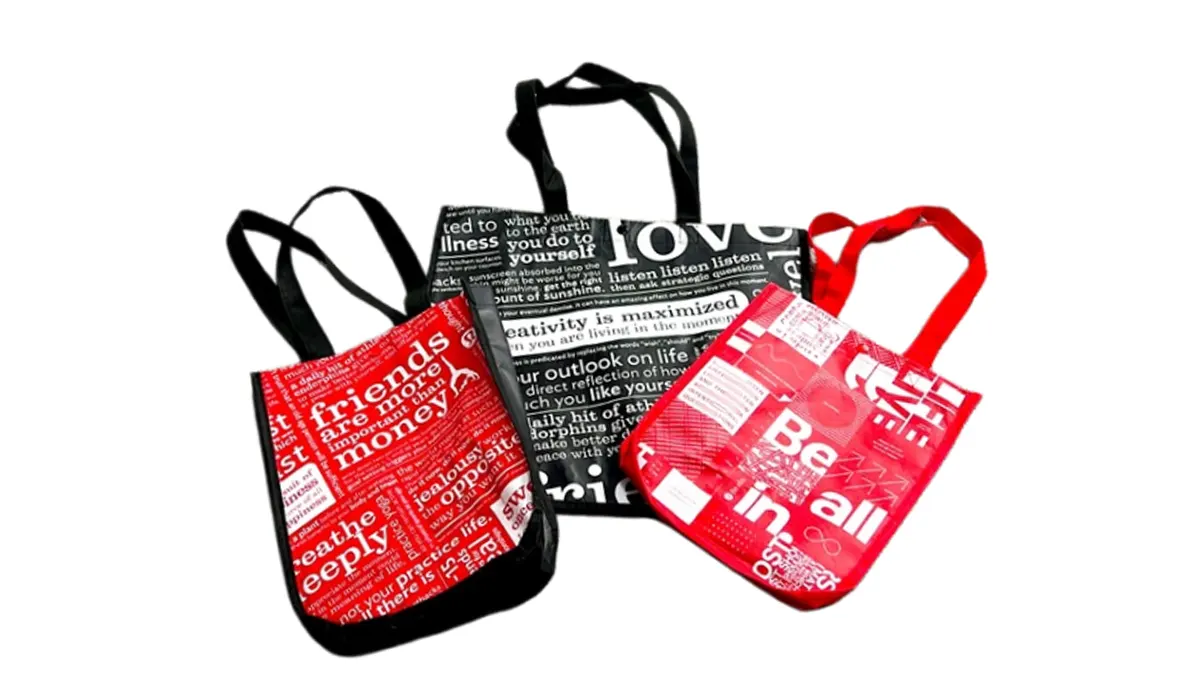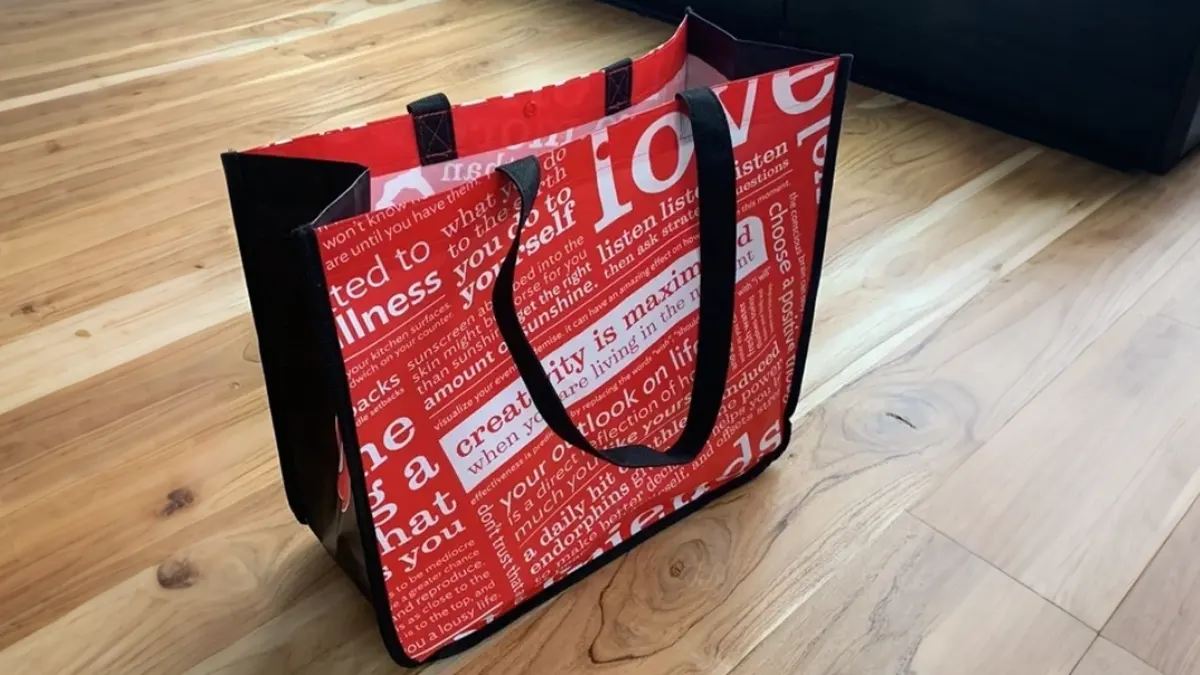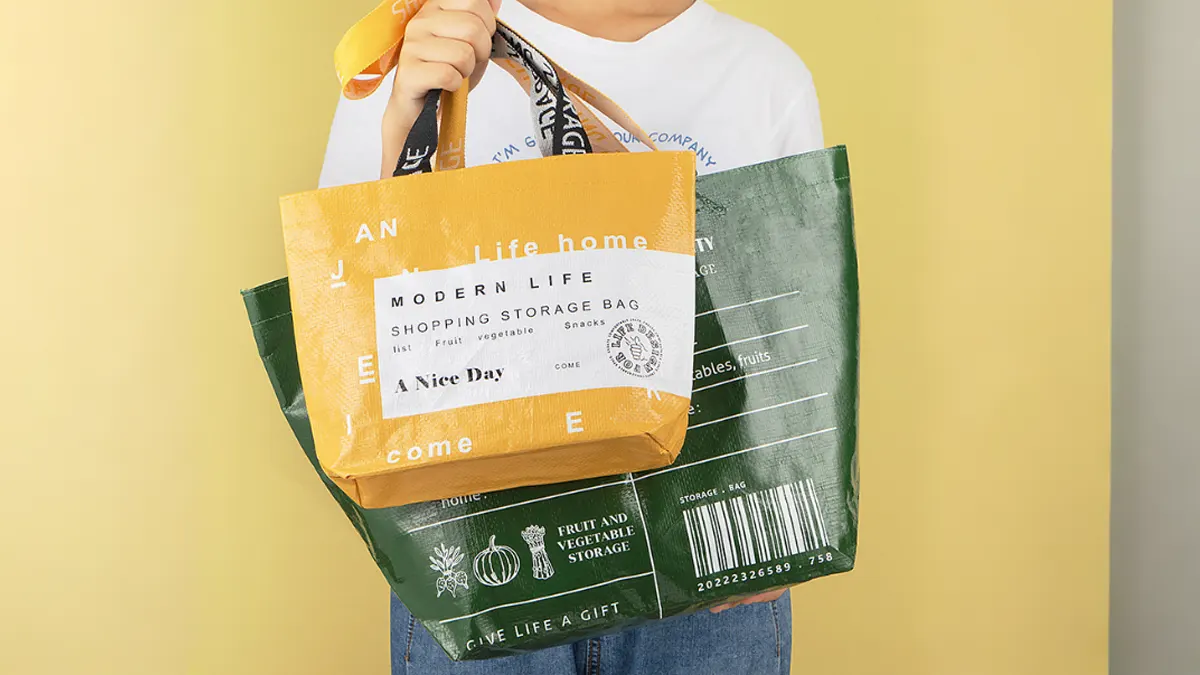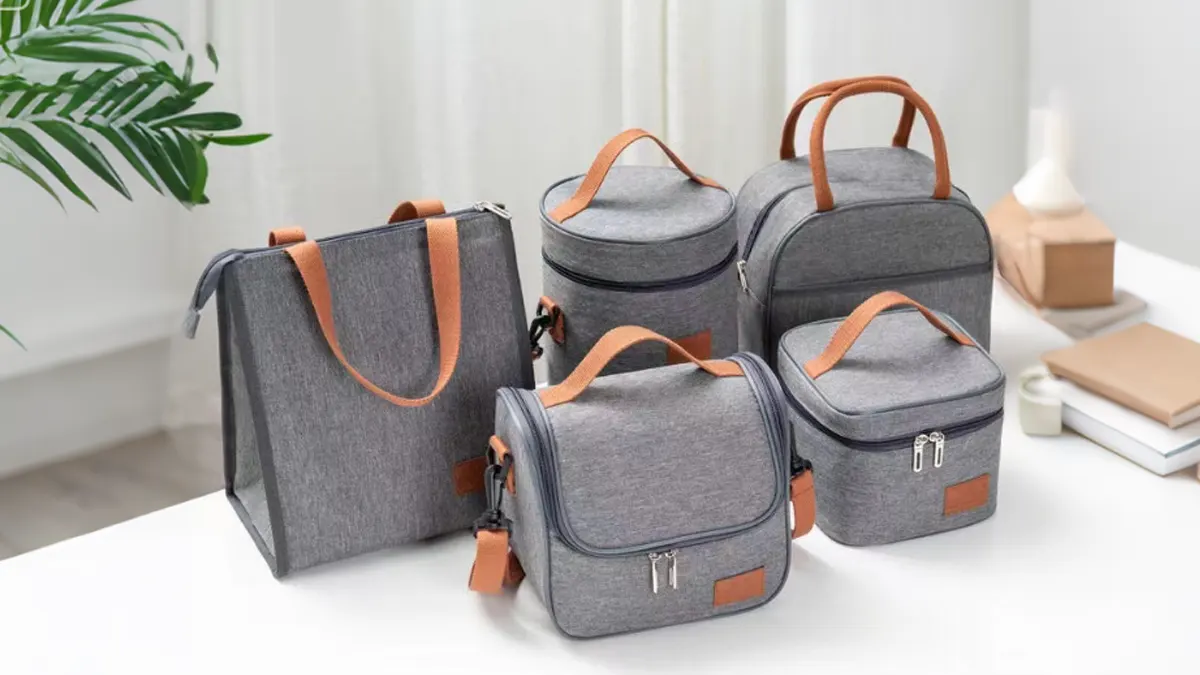
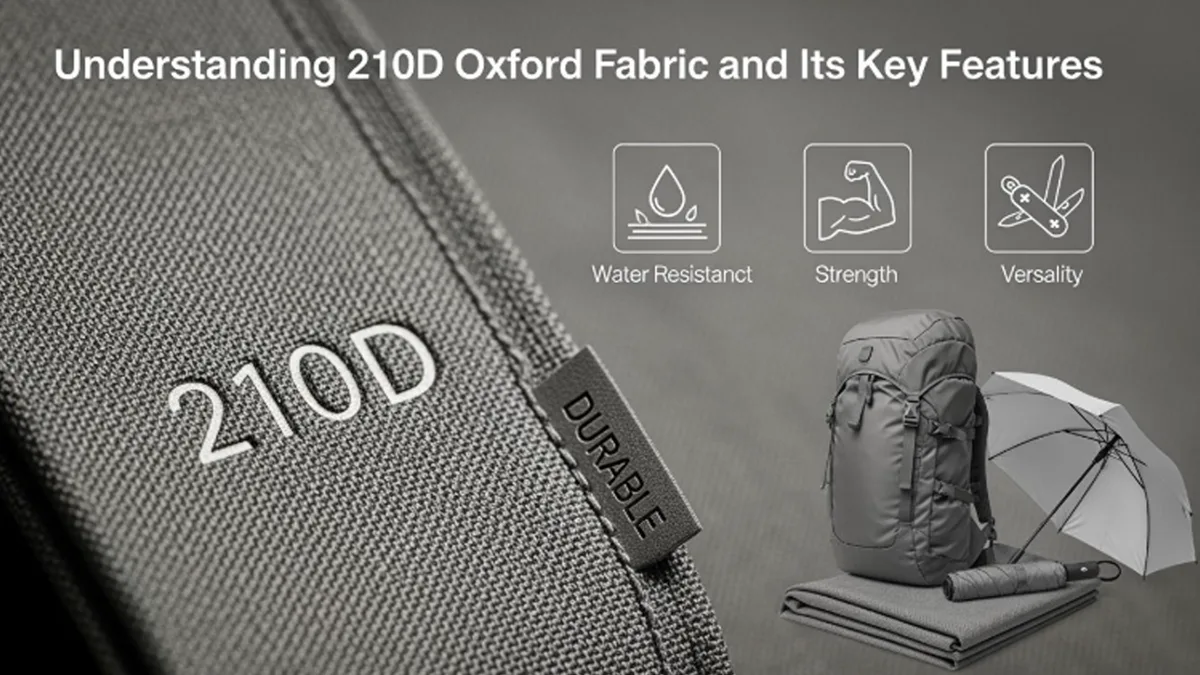
You might wonder what is 210d oxford fabric. This material uses a special weave and strong fibers. You get a fabric that feels light but can handle rough use. 210d oxford fabric resists water, so your gear stays dry. You can trust it to last through everyday wear and tear.
Key Takeaways
- 210D Oxford fabric is light but also strong. This makes it great for outdoor gear and bags you use every day.
- The fabric has a basket weave pattern. This pattern helps it last longer and not tear easily. It can handle rough use.
- The fabric is water resistant. PU or PVC coatings help keep your things dry when it is wet outside.
- 210D Oxford fabric can be used in many ways. People use it for backpacks, tents, and covers.
- When you pick fabric, look at the denier rating. 210D gives a good mix of strength and weight for many uses.
- Always check for quality certifications and test results. This helps make sure the fabric is right for you.
- For outdoor things, find fabric with UV-resistant coatings. These coatings help stop sun damage and fading.
- This fabric is simple to clean and take care of. That makes it a smart choice for things you use every day.
What Is 210D Oxford Fabric
If you want to know about 210d oxford fabric, start with what it means. This fabric uses polyester fibers that are 210 deniers thick. The name Oxford comes from the basket weave pattern. This weave makes the fabric strong and gives it texture. Many times, 210d oxford fabric gets a PU or PVC coating. These coatings help keep water out and make the fabric last longer. Look at the table below for a quick summary:
| Feature | Description |
|---|---|
| Denier | 210D means polyester fibers with a thickness of 210 deniers. |
| Weaving Pattern | Basket-style weave, known as Oxford. |
| Coating | Usually PU or PVC for water resistance and durability. |
| Properties | Water-resistant, durable, great for outdoor gear and lightweight products. |
| Tear Resistance | Higher than plain weave fabrics of the same denier. |
| Applications | Bags, covers, light rainwear. |
Denier Rating Explained
You might wonder what “210D” means in 210d oxford fabric. The “D” stands for denier, which tells you how thick the yarn is. Here’s what you should know:
- 210 denier yarn is not too thick or thin.
- The Oxford weave makes the fabric stronger and helps stop scratches.
- This fabric lasts a long time in many places.
- 210d oxford fabric uses polyester yarn that is 210 deniers thick.
- If the denier is higher, the fabric is thicker and stronger, but 210d oxford fabric is thinner than some other types.
- This fabric is tough and light.
- It keeps water out.
- You can use it for bags, backpacks, tents, and outdoor clothes.
Material Composition
When you look at 210d oxford fabric, you will see it is usually made from all polyester. This makes the fabric strong and lets air pass through. PU or PVC coatings help keep water out and protect from sun and scratches. The basket weave makes the fabric hard to tear and even stronger. Here’s a table to show what each part does:
| Material | Properties | Effects on Fabric |
|---|---|---|
| 100% Polyester | Durable, breathable, resists abrasion | Makes the fabric strong and long-lasting |
| PU/PVC Coating | Waterproof, UV resistant, abrasion resistant | Improves performance in wet/sunny places |
| Basket Weave | Tear resistant, strong | Adds durability and structure |
PU or PVC coating gives waterproof features. This keeps your things dry even when it rains a lot. The tight weave also helps stop water from getting inside.
Weaving and Structure
The way 210d oxford fabric is woven is important. The basket weave uses several threads going up and down and the same number going side to side. This makes the fabric strong and gives it a nice feel. The fabric looks smooth and bends easily. The thin 210 denier yarns make the fabric soft and easy to shape. The basket weave helps stop tears and scratches. You can sew 210d oxford fabric into many things, so it works well for bags, covers, and outdoor gear.
Tip: If you want a fabric that is strong, bends easily, and keeps water out, 210d oxford fabric is a good pick for your next project.
Key Features of 210D Oxford Fabric
Strength and Durability
When you touch 210d oxford fabric, you can tell it is strong. This fabric is tough because of its basket weave and polyester fibers. It does not break easily, even if you use it a lot or take it outside. If you look at plain weave fabrics, they tear and wear out faster than 210d oxford fabric.
Check out this table to see how the weaves compare:
| Fabric Type | Durability | Tear Strength | Abrasion Resistance |
|---|---|---|---|
| Oxford Weave | Good | Better than Plain Weave | Favorable against similar weight plain weaves |
| Plain Weave | Moderate | Lower | Standard |
| Ripstop Weave | High | High | High |
You can use 210d oxford fabric for things that need to last. The basket weave makes it extra strong, so your bags and jackets stay nice for a long time. The fabric feels smooth but does not scratch or rip easily. If you want something light but still tough, this fabric is a good pick.
Water Resistance
One of the best things about 210d oxford fabric is that it keeps water out. You do not have to worry about your stuff getting wet with this fabric. The tight weave and special coatings, like PU or PVC, make a shield that blocks water. This means your gear stays dry in rain or wet places.
Here is a table that shows how water resistance works:
| Rating (mm) | Description | Typical Use |
|---|---|---|
| 0 – 1,500 | Minimal Water Resistance | Casual bags, windbreakers (not for rain) |
| 1,500 – 5,000 | Water-Resistant / Moderately Waterproof | Light rain jackets, daypacks, light tents |
| 5,000 – 10,000 | Waterproof | Most tents, reliable rain jackets, medium-duty backpacks |
| 10,000 – 20,000+ | Highly to Extremely Waterproof | Expedition tents, heavy-duty outerwear, dry bags |
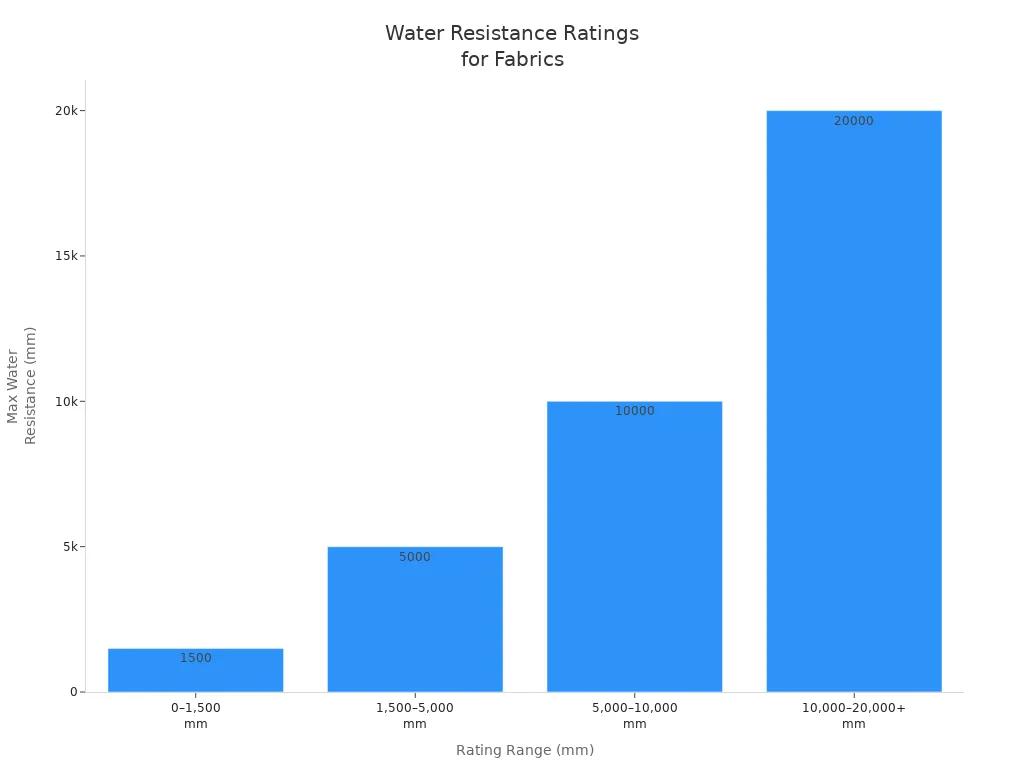
This fabric gives you good water resistance for daily use. The coating stops water, so your things stay dry. If you need fabric for outdoor gear or covers, 210d oxford fabric is a smart choice. You can trust it to keep water out, even in heavy rain.
Tip: Always look at the water resistance rating before you buy. Bigger numbers mean your gear will stay drier.
Weight and Flexibility
210d oxford fabric feels light when you hold it. Because it is light, you can carry, sew, and shape it easily. You can fold it, pack it, or sew it into many things without problems. The fabric bends well but still stays strong.
Many people like how flexible this fabric is. Here are some things people say:
- Elena Martinez – Travel Gear Producer: “We used the Pro Model 210D Polyester with PU Coating in our new carry-ons, and it works great. The 800mm water resistance and 26N tear strength stopped most problems.”
- James Whitaker – Home Sewing Enthusiast: “I made a backpack and a waterproof tote bag with the Base Model. It is easy to sew, does not fray, and the 70gsm weight is comfy to carry.”
- Sofia Lin – Backpack & Tent Designer: “This 210D encrypted Oxford did better than nylon and cotton blends in water resistance and packing.”
- Marcus Reed – Interior Restoration Workshop: “The double PU coating keeps colors bright and wipes clean fast. It is perfect for people who want strong and nice-looking fabric.”
- Priya Nair – Handmade Children’s Toys: “This fabric is amazing. The 70gsm weight is light for kids, but the PU coating keeps it strong after many washes.”
This fabric is easy to use and feels nice. You can use it for many things, like bags, tents, and clothes. If you want something strong, soft, and easy to work with, 210d oxford fabric is a great choice.
Tear Resistance
You want a fabric that does not rip easily. Tear resistance is one of the best things about 210d oxford fabric. The special basket weave gives it extra strength. When you pull or stretch this fabric, the threads work together. They stop small holes from turning into big rips. This means your bag or cover will last longer, even if you use it every day.
Here are some reasons why 210d oxford fabric stands out for tear resistance:
- The basket weave pattern spreads out the force. If you poke or snag the fabric, the damage stays small.
- Polyester fibers add toughness. They do not break down fast, so your gear stays strong.
- The PU or PVC coating helps too. It keeps the threads in place and blocks sharp objects.
Tip: If you need a fabric for outdoor gear, sports bags, or covers, pick 210d oxford fabric. It will not tear easily, even if you use it in rough places.
You can test tear resistance at home. Try pulling on a small piece of the fabric. You will see that it does not rip like thin cotton or cheap nylon. This makes 210d oxford fabric a smart choice for things that need to last.
210D Oxford vs Other Fabrics
210D vs 420D, 600D
You might wonder how 210d oxford fabric stacks up against thicker options like 420D and 600D. The main differences come down to weight and strength. Here’s a quick breakdown:
- 210D Oxford fabric feels the thinnest and lightest. You can fold it easily and carry it without much weight.
- 420D Oxford fabric is thicker and stronger. It works well for gear that needs more toughness.
- 600D Oxford fabric is the thickest and strongest of the three. You see it in heavy-duty bags and outdoor equipment.
If you want something lightweight for easy carrying, 210d oxford fabric is a smart pick. If you need more strength for rough use, 420D or 600D might fit better.
Tip: Choose the fabric that matches how tough you need your gear to be. Lighter fabrics are great for travel and packing, while thicker ones handle more abuse.
210D Oxford vs Other Oxford Types
You have more choices than just 210D, 420D, or 600D. Other Oxford fabrics, like 300D and 1680D, offer different benefits. Take a look at this table to see how they compare:
| Fabric Type | Weight | Durability | Common Applications |
|---|---|---|---|
| 210D Oxford | Lightweight | Moderate | Tents, outdoor shelters |
| 300D Oxford | Moderate | Good | Tents, outdoor gear |
| 1680D Oxford | Heavy | High | Luggage, travel bags |
If you want a fabric for camping or light covers, 210D Oxford works well. For something that needs to last longer or carry more weight, 300D or 1680D might be better.
Pros and Cons
Every fabric has its strengths and weaknesses. Here’s a simple table to help you decide if 210d oxford fabric fits your needs:
| Advantages | Disadvantages |
|---|---|
| Good for gym bags, school sacks, rain jackets | Lower abrasion resistance than 420D/600D |
| Aesthetic versatility, takes dye well | Shorter lifespan under heavy use (12–18 months) |
| Easy to clean, resists stains and odors | UV sensitivity, color may fade outdoors |
| Cost-effective, $0.80–$1.20 per meter |
You get a fabric that is easy to care for and looks good. It works for many projects and does not cost much. If you need something for heavy-duty use, you might want to look at thicker Oxford fabrics.
Note: Always think about how you plan to use your fabric. The right choice depends on your project and how much wear and tear you expect.
Common Uses of 210D Oxford Fabric
Outdoor Gear
If you love spending time outside, you probably want gear that can handle the weather. 210d oxford fabric works well for outdoor gear because it keeps water out and stands up to rough use. You can find this fabric in rain jackets, ponchos, and lightweight hiking packs. The material feels light, so you can move easily. It also dries fast if it gets wet. You might notice that your outdoor gear stays looking new, even after many trips. The fabric’s smooth surface makes it easy to clean mud or dirt. You can trust it for camping, hiking, or just walking in the park.
Tip: When you pick outdoor gear, check if it uses 210d oxford fabric. You get a good mix of comfort and protection.
Bags and Backpacks
You see 210d oxford fabric in many bags and backpacks. The fabric’s lightweight feel makes it perfect for everyday use. You can carry your books, lunch, or gym clothes without feeling weighed down. The soft hand feel and semi-dull surface give bags a nice look. You might notice that your backpack bends easily but still holds its shape. This fabric works well for small and medium bags, outdoor bags, and casual wear bags.
Here’s a quick look at the types of bags and their features:
| Type of Bag/Backpack | Characteristics |
|---|---|
| Backpacks | Lined with 210D, soft feel, good for small to medium sizes |
| Outdoor Bags | Lightweight, flexible, moderate durability |
| Casual Wear Bags | Easy to carry, comfortable, stylish |
- Backpacks
- Outdoor bags
- Casual wear bags
You get a bag that feels light but lasts a long time. The fabric’s flexibility means you can pack it full or keep it empty, and it still looks good. If you want a bag for school, travel, or sports, this fabric is a smart choice.
Covers and Tents
You want your outdoor furniture, car, or boat to stay safe from rain and sun. 210d oxford fabric helps with that. The waterproof coating keeps water out, so your things stay dry. You can use this fabric for outdoor furniture covers, boat covers, and car covers. It also works well for tents. Oxford cloth tents last a long time and handle bad weather. You can trust them for camping trips or backyard sleepovers.
Here’s why this fabric is great for covers and tents:
- Waterproof, so it protects your things from rain
- Durable, so it does not tear or wear out fast
- Versatile applications, so you can use it for many types of covers and tents
- Oxford cloth tents stay strong and keep you dry.
- You can use this fabric for different products, depending on what you need.
- Many manufacturers trust this fabric for tents because it works well in all kinds of weather.
If you want covers or tents that last, pick 210d oxford fabric. You get protection, strength, and flexibility all in one.
Industrial Applications
Some people think 210D Oxford fabric is just for bags. It is also used in many industries. Factories and companies like this fabric because it is strong and light. It keeps water out, so things stay dry. Workers use it when they need materials that last but are easy to carry.
Here are some ways businesses use 210D Oxford fabric and why:
| Application | Reason for Selection |
|---|---|
| Outdoor Gear | Water resistance protects against light rain and moisture. |
| Bags | Significant abrasion resistance allows for durability under rough handling. |
| Home Furnishings | Breathability provides comfort for users. |
You can find 210D Oxford fabric in tool bags and safety vests. It is also used for covers that protect machines. Workers need gear that does not rip or let water in. This fabric helps because it is tough and easy to clean. You can wipe off dirt and it looks new again.
Factories use this fabric for dust covers and wraps for equipment. The coating keeps machines safe from spills and dust. Sometimes, it lines carts or bins to protect products during shipping. It helps keep items safe while they move or sit in storage.
At home, you might see 210D Oxford fabric in chair covers or cushion linings. It is also used for storage organizers. The fabric lets air pass through, so it feels soft and comfy. It lasts a long time, even if you use it every day. If you want things that stay clean and strong, this fabric works well.
You can also spot 210D Oxford fabric in banners and tents at events. Companies like it because colors look bright and clear. You can print logos or designs that stand out. The fabric stays nice, even after many uses.
Here are some other ways people use this fabric:
- Protective aprons for workers in food or chemical plants
- Laundry bags in hotels or hospitals
- Temporary partitions or curtains in factories
Tip: Pick 210D Oxford fabric if you need something strong and light. It is good for tough jobs and easy to use.
This fabric works well in many places. It keeps things dry and does not tear easily. It feels comfortable too. That is why so many businesses trust 210D Oxford fabric every day.
Choosing Quality 210D Oxford Fabric
Durability Checks
You want your fabric to last, so checking durability is a smart move. Start by looking for materials that have passed waterproof tests. Ask for water column test results. These tests show how much water the fabric can handle before it leaks. You should also check for certifications from groups like ISO or ASTM. These show the fabric meets safety and quality standards.
Here are some important tests you can ask about:
| Test Category | Test Name | Why It Matters |
|---|---|---|
| Strength | Tensile/Tear | Tells you how much weight or force the fabric can take before it rips |
| Wear | Abrasion (Martindale/Taber) | Shows how well the fabric stands up to rubbing and daily use |
| Coating | PU/TPU Adhesion | Makes sure the waterproof layer stays on and does not peel |
| Stability | Dimensional Stability | Keeps the fabric from shrinking or warping after washing |
| UV | UV Resistance | Protects your gear from sun damage |
| Color | Colorfastness to Rubbing & Washing | Stops color from fading or rubbing off |
| Chemical | OEKO-TEX Testing | Confirms the fabric is safe and free from harmful chemicals |
Tip: Always ask your supplier for test reports. This helps you know you are getting strong and safe fabric.
Coating and Finish
The coating and finish make a big difference in how your fabric performs. You can pick from several options to get the features you want. Here is a quick look at the most common coatings:
| Coating Type | Benefits |
|---|---|
| PU (Polyurethane) | Adds water resistance up to 1000–2000 mm hydrostatic pressure. |
| PVC | Gives full waterproofing and a thicker feel. |
| Silver/UV coating | Reflects sunlight and protects against UV damage. |
| Fire-retardant | Meets safety rules like CPA I-84 or NFPA 701. |
Chemical coatings and finishes can make 210d oxford fabric waterproof, UV-resistant, or even fire-retardant. The fabric’s weight, the type of yarn, and the coating you choose all affect how well it works. If you want your gear to last outdoors, look for UV or silver coatings. For safety, fire-retardant finishes are a good pick.
- Choose coatings based on your needs: waterproofing, sun protection, or fire safety.
- Always check if the fabric has been tested for these features.
Supplier Selection
Picking the right supplier helps you get the best fabric for your project. You want a supplier who cares about quality and safety. Look for companies with certifications like ISO 9001 or OEKO-TEX®. These show the supplier follows strict rules and uses safe materials.
Here are some things to check when choosing a supplier:
- Do they have 50–120 air-jet or water-jet looms?
- Can they handle different fabric weights?
- Do they keep daily loom tension records?
- Do they use automated systems to spot weaving problems?
You should also ask about minimum order quantities. This helps you plan your budget and avoid buying too much. Reliable suppliers will share test results and answer your questions. They will help you find the right 210d oxford fabric for your needs.
Note: A good supplier makes your job easier. They give you strong, safe, and tested fabric every time.
Ensuring Quality When Buying
Questions for Suppliers
When you want to buy 210D Oxford fabric, asking the right questions helps you avoid problems. You want to make sure the fabric matches what the supplier claims. Here’s a table that shows what you should check:
| Parameter | What to Check | Why It Matters |
|---|---|---|
| Denier Accuracy (210D) | Actual denier should match declared | Wrong denier means weak yarn |
| Filament Count | More filaments = smoother, stronger | Affects how tough and soft it feels |
| Yarn Grade | Virgin, recycled, or mixed? | Mixed yarn can fail quality tests |
| Yarn Treatment | Anti-static, anti-pilling, RFD | Helps with finishing and durability |
You should also ask for lab test results. Here’s a quick list of what to request:
- Tensile strength
- Tear strength
- Abrasion resistance
- Colorfastness
- Coating adhesion
- Hydrolysis testing
Certifications matter too. Look for OEKO-TEX Standard 100, REACH, RoHS, and GRS if you want recycled yarn. These show the fabric is safe and traceable.
Tip: If you plan to make backpacks or outdoor gear, ask about the yarn source and grade. High-strength virgin yarn lasts longer than low-grade recycled yarn.
Requesting Samples
You want to see and feel the fabric before you buy a lot. Samples help you check quality and make sure the fabric fits your needs. Here’s a table with best practices:
| Best Practice | Description |
|---|---|
| Request Samples | Ask suppliers for fabric samples to check quality and performance |
| Test Samples | Try the samples for strength, water resistance, and durability |
| Conduct Extra Tests | Test for colorfastness and abrasion resistance if needed |
| Evaluate Consistency | Make sure color, texture, and quality are the same across all samples |
When you get samples, pull and stretch them. Pour water on them to see if they stay dry. Check if the color rubs off or fades. If you see big differences between samples, ask the supplier why.
Note: Good suppliers send samples fast and answer your questions. If they hesitate, you might want to look elsewhere.
Understanding Pricing
Prices for 210D Oxford fabric change depending on where you buy, how much you order, and the quality. You want to know what affects the cost so you can plan your budget. Here’s a table that shows how pricing varies:
| Region / Supplier | MOQ (Meters) | Sampling Lead Time | Cost Tier |
|---|---|---|---|
| SzoneierFabrics (China) | 300–500 | 3–5 days | $ |
| Vietnam Oxford Converters | 500–800 | 7–10 days | $$ |
| Italy Premium Mills | 200–300 | 10–14 days | $$$ |
| India/Bangladesh | 800–1000 | 12–15 days | $ |
If you order from India or Bangladesh, you usually need to buy more meters, but the price is lower than China. Italy offers premium fabric, but you pay more and wait longer for samples.
| Country | MOQ Typical | Lead Time (Days) | Cost vs. China |
|---|---|---|---|
| India | 1000m+ | 20–25 | −15% |
| Bangladesh | 800m+ | 18–22 | −18% |
| Pakistan | 1000m+ | 20–30 | −12% |
| Vietnam | 500m+ | 14–18 | Similar |
Tip: Always ask about minimum order quantity (MOQ) and sample lead time before you decide. Cheaper fabric may not always mean better quality.
If you follow these steps, you can buy 210D Oxford fabric with confidence. You get the right quality, price, and support for your project.
Conclusion
You now know what makes 210d oxford fabric special. You get a strong, water-resistant material that works for bags, covers, and outdoor gear. You can compare it with other fabrics and pick the best one for your needs. If you want custom bags or need help choosing quality fabric, reach out to us.
We help you find the right solution for your project. Let’s make your ideas real!
FAQ
What does “210D” mean in Oxford fabric?
“210D” tells you the thickness of the yarn. The “D” stands for denier. Higher numbers mean thicker, stronger yarn. 210D Oxford fabric uses yarn that is strong but still light.
Is 210D Oxford fabric waterproof?
210D Oxford fabric resists water well, especially with a PU or PVC coating. You can trust it to keep your things dry in light rain. For heavy rain, check the water resistance rating.
Can I wash 210D Oxford fabric in a machine?
Yes, you can wash it in a machine. Use cold water and a gentle cycle. Avoid bleach. Air dry the fabric to keep it strong and looking new.
What are the main uses for 210D Oxford fabric?
You see this fabric in backpacks, covers, tents, and outdoor gear. It works well for bags, rainwear, and even banners. People like it because it is light, strong, and easy to clean.
How does 210D Oxford compare to 600D Oxford?
210D Oxford feels lighter and softer. 600D Oxford is thicker and tougher. If you want something for heavy-duty use, pick 600D. For lighter gear, 210D works great.
Does 210D Oxford fabric fade in the sun?
It can fade if you leave it in the sun for a long time. Some coatings help protect against UV rays. If you want bright colors to last, look for UV-resistant options.
Can I sew 210D Oxford fabric at home?
You can sew it with a regular sewing machine. Use a sharp needle and strong thread. The fabric is easy to cut and shape, so you can make bags, covers, or crafts.
Is 210D Oxford fabric safe for kids’ products?
Yes, it is safe if you choose fabric that meets safety standards like OEKO-TEX. Always check for certifications if you plan to use it for toys or children’s gear.