Reusable shopping bags are everywhere now—from supermarkets to gift shops to trade shows. They are tough, eco friendly, and a smart swap for single use plastic. But have you ever wondered what they are actually made of?

The material makes all the difference. It decides how much weight a bag can carry, how long it lasts, whether it is washable, and how green it really is. Cotton, jute, hemp, polyester, nylon, polypropylene, and even recycled plastic bottles are the most common options. Each has its own pros and cons, and in this guide we will break them down so you can pick the best bag for your needs.
Why Material Matters in Reusable Bags
Choosing a reusable bag is not just about style or size. The material plays a huge role in how useful the bag will be.
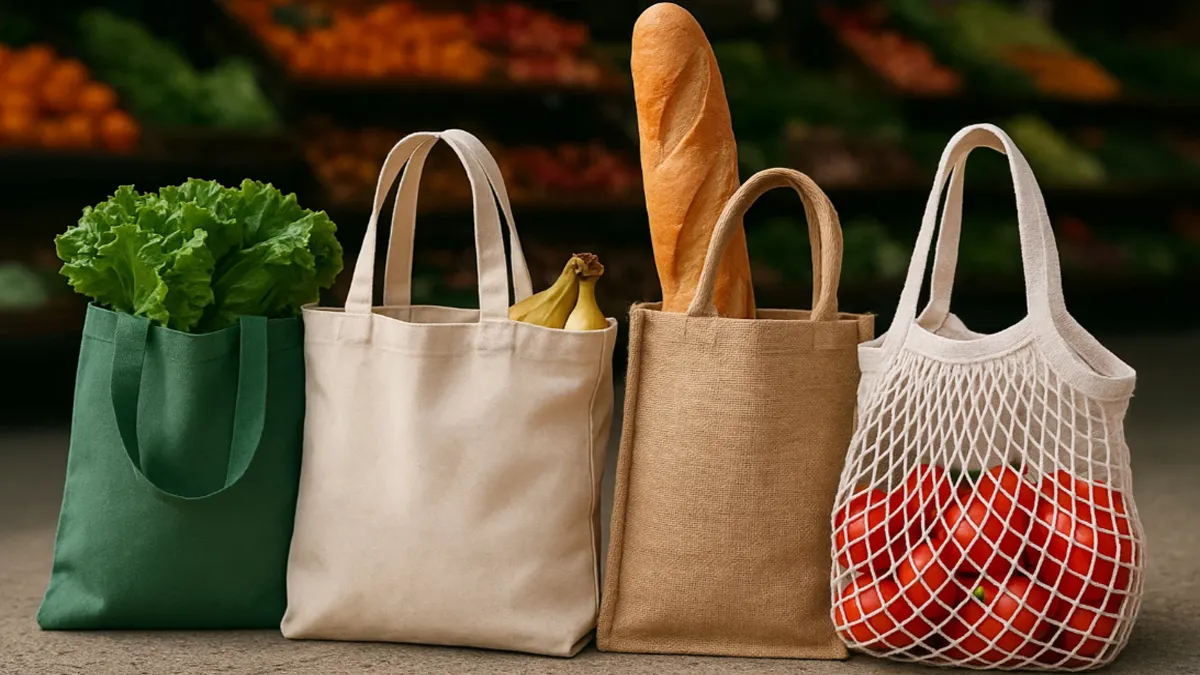
- Strength and durability: Some materials like jute or canvas can carry heavy groceries, while others like non-woven polypropylene are better for lighter items.
- Washability: Cotton and polyester are easy to wash, while jute is harder to clean.
- Environmental footprint: Natural fibers like hemp are biodegradable, while synthetic fabrics are not, but may last longer.
- Branding potential: Smooth polyester allows vivid printing, while cotton gives a natural, rustic look.
- Cost: Non-woven PP bags are cheap to produce, while organic cotton or hemp bags cost more.
The right material makes a reusable bag something you actually want to use every day, not just once in a while.
Common Materials for Reusable Shopping Bags
1. Cotton
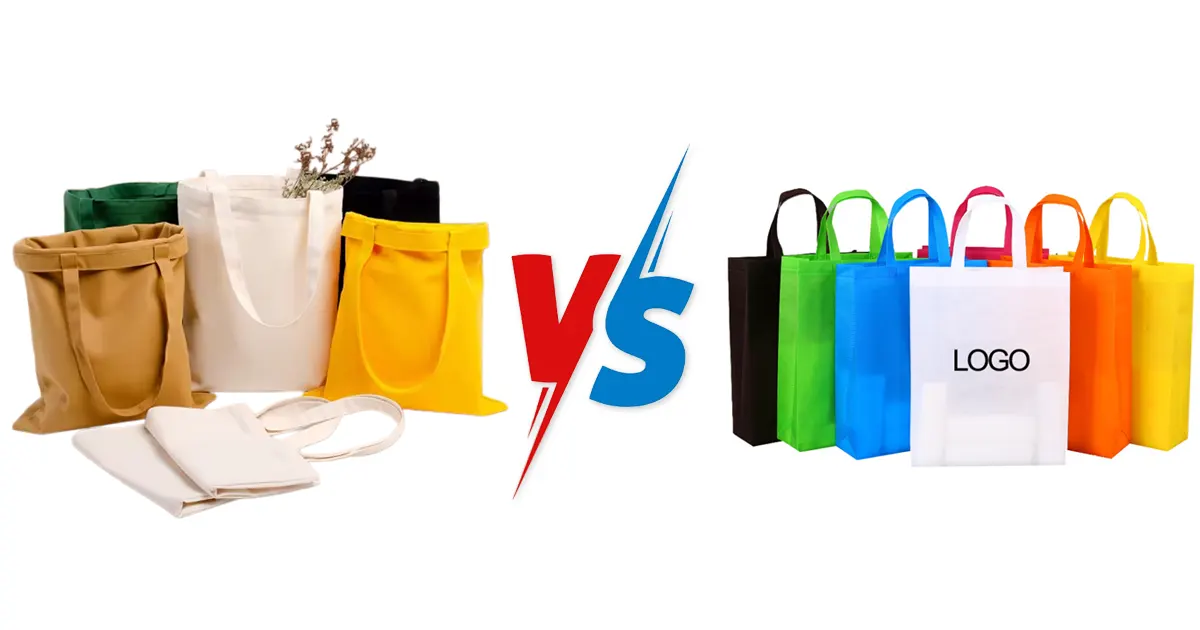
Cotton bags are one of the most popular choices. They feel soft, are easy to fold, and can be washed in a machine. Cotton is breathable, making it great for groceries like fruits and vegetables. However, cotton farming uses a lot of water and pesticides, which makes its environmental impact higher unless organic cotton is used.
2. Organic Cotton
Organic cotton is grown without harmful pesticides and requires less water than conventional cotton. It is safer for farmers, the environment, and consumers. Organic cotton bags are more expensive, but they are a better choice if sustainability is your top priority.
3. Jute
Jute, also known as the golden fiber, is strong and biodegradable. It has a rustic, earthy look and is very popular in farmers’ markets. Jute bags can carry heavy loads and last for years. The downside is that they are harder to wash and may develop mold if stored wet.
4. Hemp
Hemp is one of the most eco-friendly fibers. It grows quickly, requires little water, and does not need pesticides. Hemp bags are durable, resistant to stretching, and biodegradable. They are not as common as cotton or jute bags yet, but their popularity is growing.
5. Polyester
Polyester bags are lightweight, water-resistant, and easy to fold. They are often used for compact foldable shopping bags that fit into a small pouch. Polyester is not biodegradable, but it is durable and lasts for years, reducing waste in the long term.
6. Nylon
Nylon is similar to polyester but slightly smoother and more flexible. Many foldable shopping bags are made from nylon because it packs down small and dries quickly. Like polyester, nylon is synthetic and not biodegradable.
7. Non-Woven Polypropylene (PP)
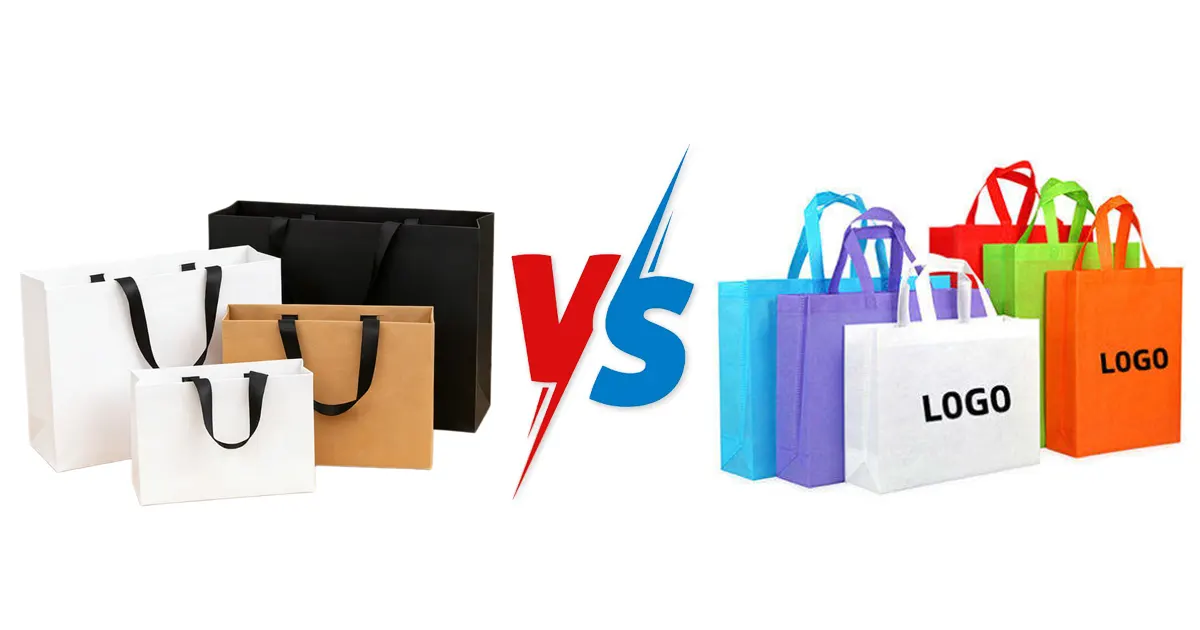
Non-woven PP bags are some of the most common reusable bags you see in supermarkets. They are affordable, lightweight, and easy to print logos on. While they are not biodegradable, they can be recycled in some facilities. They are not as strong as jute or cotton, but they are good for promotional giveaways.
8. Recycled PET (rPET)
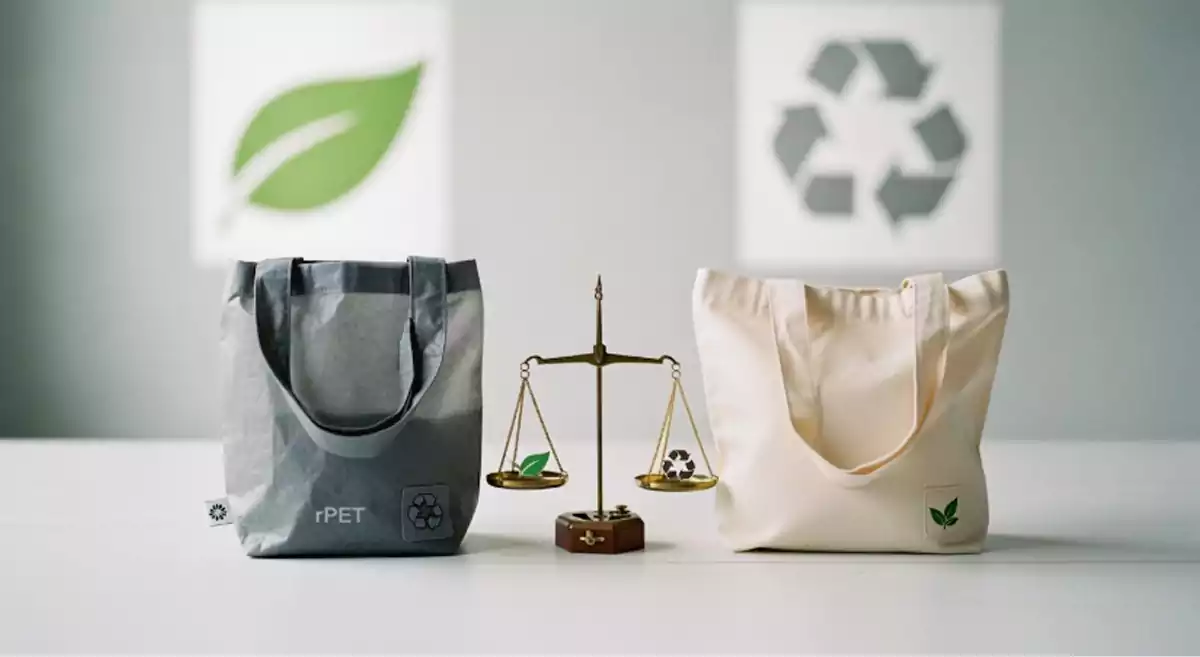
Recycled PET is made from plastic bottles. It gives waste a second life and reduces the need for virgin plastic. rPET bags are durable, smooth, and look professional. They are popular for fashion-forward reusable bags and corporate branding.
9. Blended Fabrics
Sometimes manufacturers combine natural and synthetic fibers. For example, a cotton-polyester blend makes a bag more durable, less likely to shrink, and still eco-friendly.
10. Innovative Materials
New eco-materials are being tested, such as bamboo fiber, cornstarch-based biodegradable plastics, and recycled canvas. These are not yet as common, but they represent the future of reusable bags.
Table 1: Material Comparison
| Material | Eco Impact | Durability | Washable | Cost | Best For |
|---|---|---|---|---|---|
| Cotton | High water use | Medium | Yes | Medium | Everyday groceries |
| Organic Cotton | Lower water use | Medium | Yes | Higher | Eco-conscious users |
| Jute | Biodegradable | High | Limited | Medium | Farmer’s markets |
| Hemp | Very eco-friendly | High | Yes | Higher | Long-lasting totes |
| Polyester/Nylon | Not biodegradable | High | Yes | Low | Foldable travel bags |
| Non-woven PP | Recyclable | Medium | Limited | Low | Promotional events |
| rPET | Made from waste | High | Yes | Medium | Sustainable fashion |
How Material Affects Daily Use
- Strength and capacity: Jute and hemp are best for heavy loads, while cotton is fine for medium groceries.
- Portability: Nylon and polyester are the winners when it comes to foldable, pocket-sized bags.
- Washability: Cotton and polyester can be thrown in the wash, while jute requires more careful spot cleaning.
- Longevity: Synthetic fabrics like polyester last the longest if maintained, while natural fibers biodegrade faster but may wear sooner.
Environmental Considerations
When people think “reusable,” they assume it is automatically eco-friendly. But the reality is more complex.
- Cotton: While biodegradable, it has a high environmental cost due to farming. A cotton bag must be reused hundreds of times to offset its footprint compared to a plastic bag.
- Jute and Hemp: Much more eco-friendly to grow and process. They are biodegradable, making them a sustainable choice.
- Polyester and Nylon: Made from petroleum, but they last for years. They reduce waste by being used repeatedly.
- rPET: A strong choice for recycling because it reuses existing plastic waste.
The key is not just the material, but how often you actually use the bag. A polyester bag used 500 times is more sustainable than a cotton bag used only twice.
Choosing the Right Material for You
Everyday Groceries
Cotton, jute, or non-woven PP are the best options. They are roomy, sturdy, and inexpensive.
Travel and On-the-Go
Polyester, nylon, or rPET are better because they fold into tiny pouches and resist rain.
Branding and Promotions
Non-woven PP and polyester bags are ideal because they are affordable and print logos well.
Eco-Conscious Living
Organic cotton, hemp, and rPET are your top choices if you care about sustainability above all else.
The Future of Reusable Bag Materials
As consumers demand more sustainable products, innovation continues. We are seeing:
- Biodegradable plastics made from cornstarch or cassava.
- Recycled textiles from old clothing being repurposed into bags.
- Sustainable farming practices improving cotton and hemp.
- Circular design where bags are fully recyclable at end-of-life.
Table 2: Best Material by User Need
| User Type | Recommended Material | Reason |
|---|---|---|
| Daily grocery shopper | Cotton, Jute, Non-woven PP | Strong, affordable, easy to carry |
| Frequent traveler | Polyester, Nylon, rPET | Lightweight, foldable, water-resistant |
| Eco-conscious buyer | Organic Cotton, Hemp, rPET | Sustainable, biodegradable or recycled |
| Businesses & brands | Non-woven PP, Polyester | Affordable, customizable, visible logo |
Conclusion
Reusable shopping bags are made from cotton, jute, hemp, polyester, nylon, or recycled materials like rPET. Each material has pros and cons, and the right choice depends on whether you use it for groceries, travel, or promotions. More than just bags, they represent a lifestyle choice that helps you cut waste and live more sustainably.
As a Reusable shopping bags manufacturer, we offer a wide range of reusable shopping bags in cotton, jute, hemp, polyester, non-woven PP, and rPET. We specialize in wholesale and custom printing, making it easy for businesses and eco-conscious consumers to find the right bags. Contact us today to create reusable bags that are durable, stylish, and sustainable.
FAQ
What is the most eco-friendly material for reusable bags?
Hemp and jute are considered the most eco-friendly because they require fewer resources to grow and are biodegradable. rPET is also a great choice as it reuses plastic waste.
Are polyester reusable bags sustainable?
Yes, if they are used many times. Polyester is not biodegradable, but it is very durable. A polyester bag reused hundreds of times offsets its production impact.
Can cotton shopping bags be machine washed?
Yes. Cotton bags are washable and easy to clean, but they may shrink slightly. Always wash in cool water and air dry.
How long do jute bags last?
Jute bags can last for years if kept dry and stored properly. Avoid soaking them in water, as this can weaken the fibers.
Are non-woven polypropylene bags really reusable?
Yes. Non-woven PP bags can be reused many times. They are not as durable as canvas, but they are stronger than single-use plastic.
What about recycled PET bags?
rPET bags are durable, stylish, and sustainable. They are made from recycled plastic bottles, giving waste a new life.