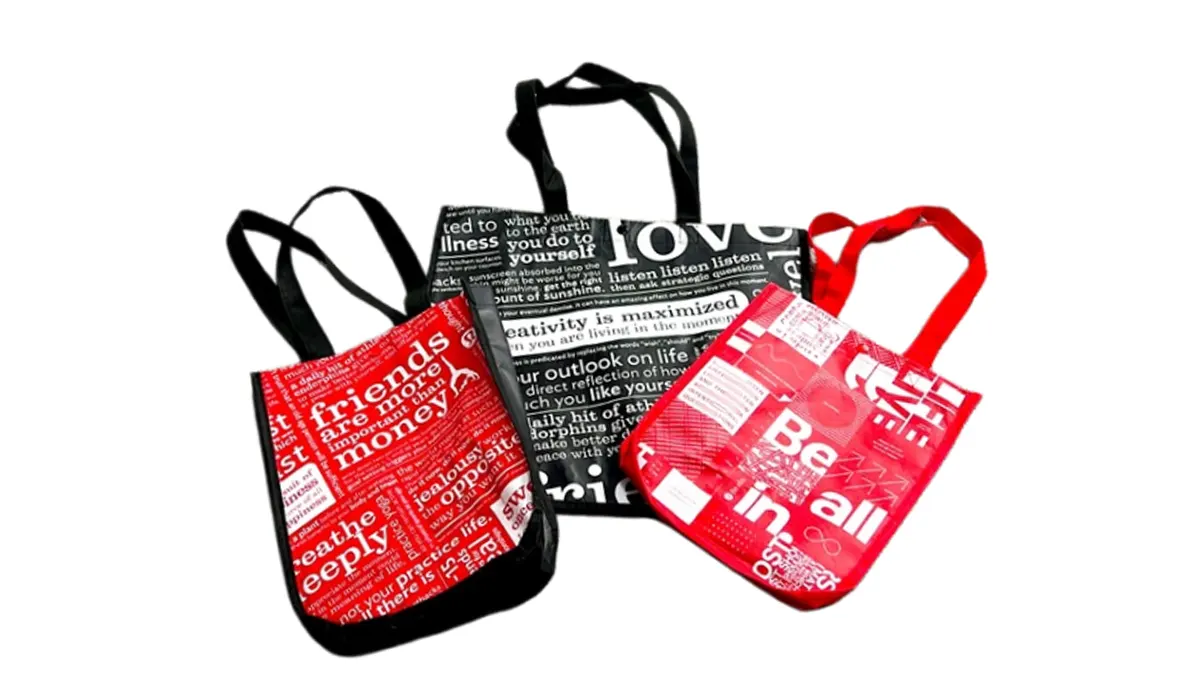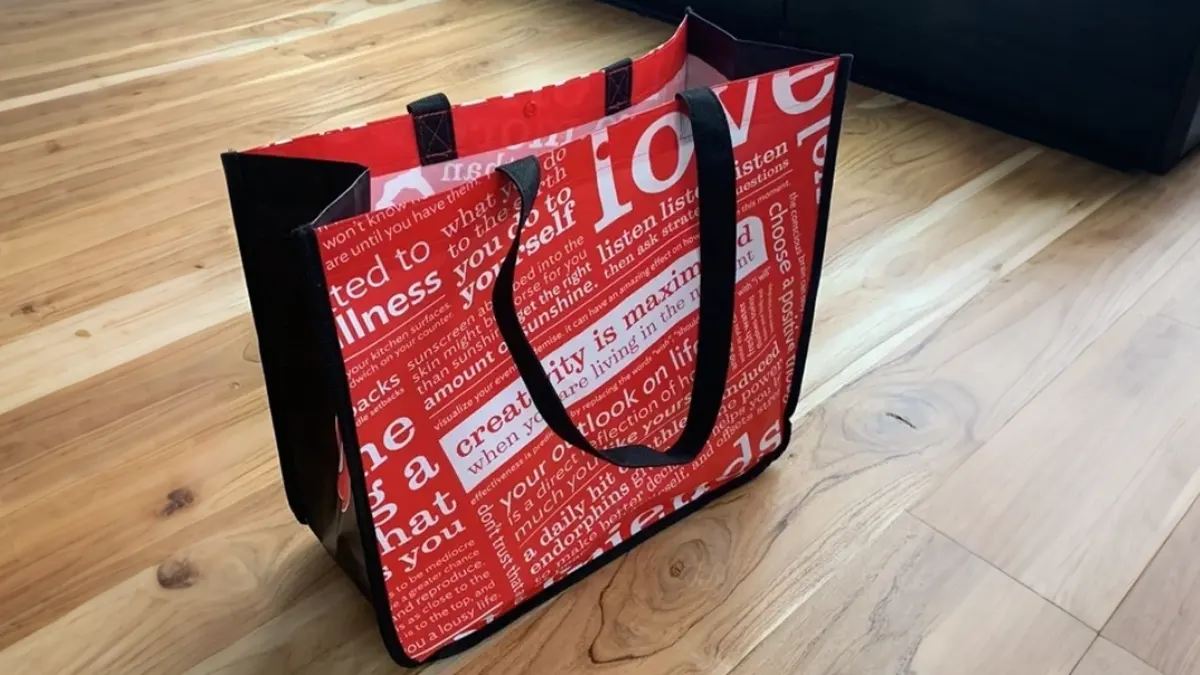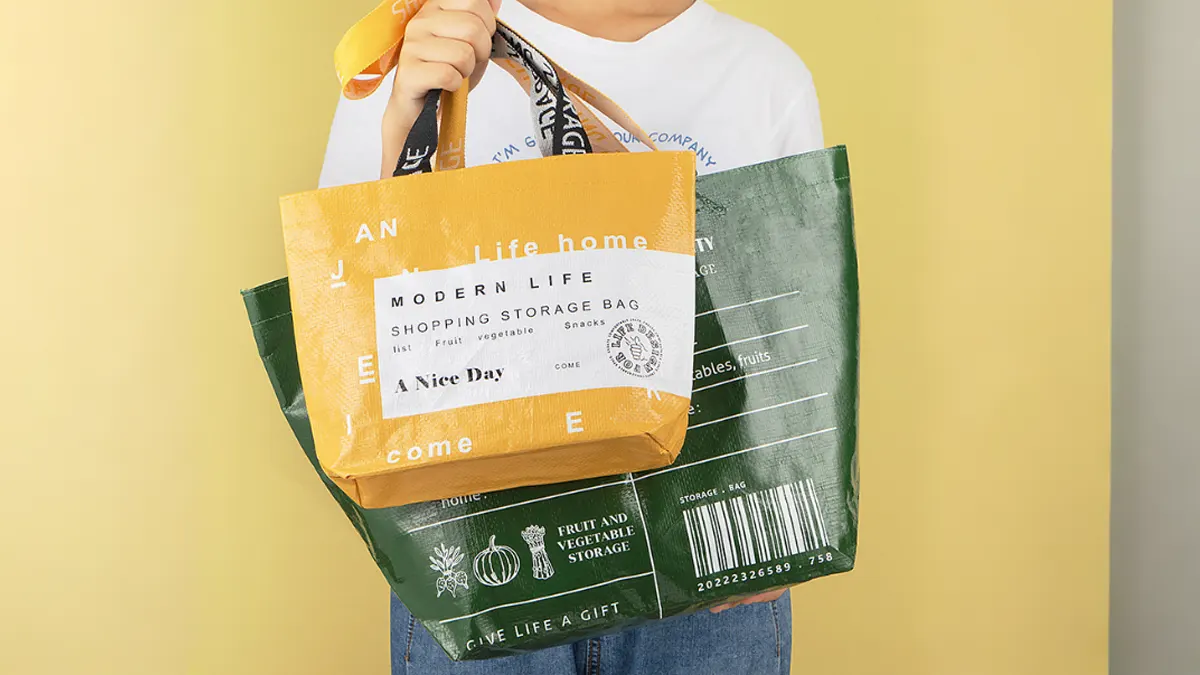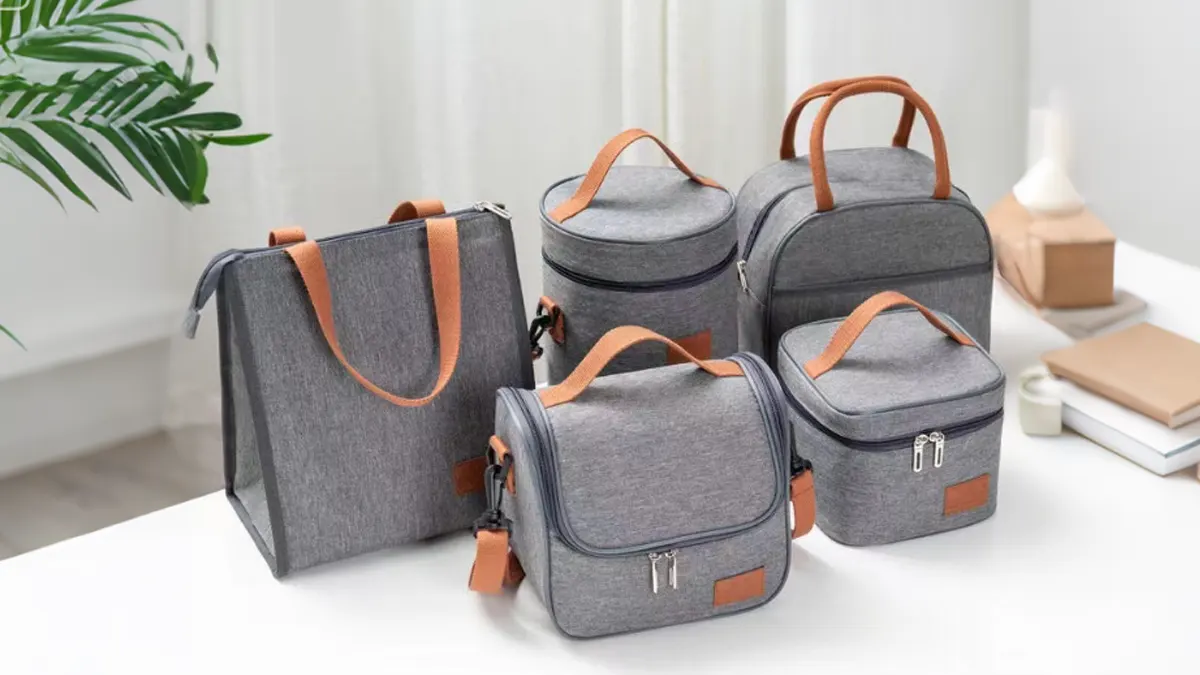

If you’re wondering what are lunch bags made of, you’ll find that they use materials such as polyester, nylon, cotton, canvas, neoprene, PEVA, aluminum foil, Oxford fabric, silicone, PVC, and vinyl. When asking what are lunch bags made of, it’s important to know that each material offers unique benefits. Some materials help keep your food cold, others are easy to clean, and a few are more eco-friendly. Here’s a quick table to help answer what are lunch bags made of:
| Material | Durability | Water Resistance | Eco-Friendly |
|---|---|---|---|
| Polyester | High | Moderate | No |
| Nylon | High | Moderate | No |
| Cotton | Moderate | Low | Yes |
| PVC | High | High | No |
| Vinyl | High | High | No |
When deciding what are lunch bags made of, you might want a bag that’s durable, easy to wash, or crafted from organic cotton. We can create custom lunch bags from any material you prefer—just let us know what you need!
Key Takeaways
- Lunch bags use many materials like polyester, nylon, cotton, and silicone. Each material has its own special benefits. Polyester and nylon are strong and resist water. This makes them good for daily use. Eco-friendly choices include organic cotton and recycled fabrics. These help cut down on waste and pollution. Insulation materials like EVA foam and aluminum foil keep food warm or cold longer. Waterproof linings like PEVA and PVC stop leaks and make cleaning simple. Pick lunch bags with food-safe materials. This keeps your food fresh and safe from bad chemicals. Look for bags with strong seams and many pockets. These features make bags last longer and help you stay organized. Some lunch bags can be customized. You can pick the materials and designs you like best.
What Are Lunch Bags Made Of
When you start looking for lunch bags, you might wonder what are lunch bags made of and why it matters. You’ll see that manufacturers use a mix of common materials for both the outer and inner layers. Each material brings something special to the table, whether it’s durability, insulation, water resistance, or eco-friendliness.
Here’s a quick table to show you the most common materials for the outer and inner layers of lunch bags:
| Layer | Common Materials |
|---|---|
| Outer Layer | Non-woven, Oxford fabric/Polyester, Cotton/Canvas, Laminated non-woven material, Laminated PP woven, Laminated RPET, Tyvek, Washable kraft paper |
| Inner Layer | PEVA, PVC |
Common Materials
Lunch bags come in many shapes and sizes, but the materials used are what really set them apart. Let’s break down the common materials you’ll find in different types of lunch bags.
Polyester
Polyester is everywhere in lunch bags. You’ll notice it because it’s tough, holds its shape, and resists wrinkles. If you want a bag that lasts, polyester is a smart choice. It also handles water pretty well, so spills don’t soak through right away. Many brands use polyester for the outer layer because it keeps your lunch bag looking new, even after lots of use.
Nylon
Nylon is another favorite for lunch bags. It’s lightweight and waterproof, so you can carry it easily and not worry about leaks. Nylon stands up to wear and tear, making it perfect for students and busy professionals. You’ll find nylon in bags that need to be strong and flexible.
Oxford Fabric
Oxford fabric gives lunch bags a sturdy feel. It’s dense, lightweight, and non-toxic. You’ll like Oxford fabric if you want strong cold preservation and a waterproof surface. This material is popular for bags that need to keep food fresh for hours.
Neoprene
Neoprene feels soft and stretchy. It’s great for insulation, so your food stays cool or warm. Neoprene adapts to different container shapes, which means you can pack odd-shaped snacks without a problem. If you want a lunch bag that’s easy to carry and keeps food at the right temperature, neoprene is a good pick.
PVC and Vinyl
PVC and vinyl are common in lunch bags because they’re waterproof and easy to clean. You’ll see these materials in the inner lining, where leaks and spills happen most. PVC and vinyl also make the bag more durable, so you can use it every day without worrying about damage.
Silicone
Silicone is a newer option for lunch bags. It’s food-grade, reusable, and stands up to heat. If you care about safety and want a bag that lasts, silicone is worth considering. You can wash it easily, and it seals tightly to keep food fresh.
Cotton and Canvas
Cotton and canvas give lunch bags a natural look. These materials are eco-friendly and comfortable to carry. You’ll find them in bags that focus on sustainability. Cotton and linen materials breathe well, but they can get dirty faster and may not resist stains as much as synthetic fabrics.
Oilcloth and Laminated Cotton
Oilcloth and laminated cotton add a waterproof layer to natural fabrics. You get the look and feel of cotton, plus extra protection from spills. These materials are great if you want a stylish lunch bag that’s also practical.
Ripstop Nylon
Ripstop nylon is tough and resists tearing. You’ll see it in lunch bags designed for outdoor use or heavy-duty needs. If you want a bag that can handle rough treatment, ripstop nylon is a solid choice.
Tip: If you want a lunch bag that’s easy to clean and keeps food cold, look for one with a polyester or nylon outer layer and a PEVA or PVC inner lining.
Why Insulation and Water-Resistant Linings Matter
You might ask, “Why do so many lunch bags have insulation and water-resistant linings?” The answer is simple. These features help keep your food at the right temperature and prevent leaks. Many reviewers say their lunch bags keep food cold for hours, even in hot weather. Some bags use multiple layers, like BPA-free PEVA and foam, to make sure your lunch stays fresh. Water-resistant exteriors, such as polyester, help stop leaks and keep your bag dry.
Tests show that insulated lunch bags can keep yogurt at refrigerator temperatures and prevent spills, even when packed full. Leakproof designs mean you don’t have to worry about messy accidents. If you want your lunch to stay cool and your bag to stay clean, insulation and water-resistant linings are key.
Lunch bag materials also affect price and performance. Plastic bags are usually cheaper and easy to clean, while natural fabrics like canvas and jute cost more but offer eco-friendly benefits. Some users worry about chemicals in synthetic materials or cleaning issues with natural fabrics. If you care about health and sustainability, you’ll find more options in North America and Europe, where eco-friendly lunch bags are popular.
Lunch bags are not just for students. Working professionals want convenience and style, while younger buyers in Asia look for affordable and trendy designs. No matter your needs, you’ll find a lunch bag made of materials that fit your lifestyle.
If you want a lunch bag that matches your style and needs, we can help. We’re a professional manufacturer in China, and we support customized lunch bags made from all kinds of materials. Just let us know what you’re looking for!
Insulation Layers
When you pick out a lunch bag, you want your food to stay fresh and at the right temperature. That’s where insulation layers come in. These layers help keep your lunch cold or warm for hours. Let’s look at the most common insulation materials you’ll find in insulated lunch bags.
Foam
Foam is one of the best materials for insulation. It traps air and slows down heat transfer. This means your food stays cooler or warmer for longer.
EVA Foam
EVA foam stands for Ethylene Vinyl Acetate. You’ll find it in many insulated lunch bags because it’s lightweight and flexible. EVA foam also lasts a long time and doesn’t break down easily. It helps keep your food at the right temperature, so you don’t have to worry about your lunch getting warm before you eat.
PE Foam
PE foam, or Expanded Polyethylene, is another top choice for insulation. It’s strong, light, and does a great job at keeping heat out or in. Both EVA and PE foam are popular because they make lunch bags easy to carry and very effective at keeping food fresh. You get the best of both worlds: durability and insulation.
Did you know? Both EVA and PE foam are the main types used in lunch bags because they are light, tough, and keep your food at the right temperature.
Aluminum Foil
Aluminum foil is another material you’ll see in insulated lunch bags. It reflects heat, which helps keep your food cool or warm. While it doesn’t insulate as well as foam, it adds an extra layer of protection. Here’s a quick look at how aluminum foil compares to other insulation materials:
| Material Type | Effectiveness in Thermal Retention | Notes |
|---|---|---|
| Aluminum Foil | Moderate | Reflects heat back into the bag |
| Foam Insulation | High | Provides a barrier to heat transfer |
| Plastic Liners | Low | Less effective than foam in maintaining temperature |
If you want a lunch bag that keeps your food cold for a long time, look for one with both foam and aluminum foil layers.
PEVA and Plastic Liners
PEVA (Polyethylene Vinyl Acetate) and plastic liners are common in lunch bags. They help keep the inside of your bag clean and safe for food. PEVA stands out because it’s food-grade, FDA-approved, and eco-friendly. It also insulates well and is easy to wipe down after spills.
Here’s a table to show you the benefits of PEVA and plastic liners:
| Advantage | Description |
|---|---|
| Great Insulation | PEVA keeps cold temperatures for a long time, which is key for food freshness. |
| Easy to Clean | The smooth surface makes cleaning simple and quick. |
| FDA-Approved Safety | PEVA is safe for storing food and drinks. |
| Eco-Friendly | PEVA is more sustainable than traditional vinyl, but still works just as well. |
If you want a lunch bag that’s safe, easy to clean, and keeps your food fresh, PEVA liners are a smart choice.
Insulated lunch bags use these layers to give you the best results. You get fresh food, fewer spills, and peace of mind. Want a lunch bag that fits your needs? We’re a professional manufacturer in China and can customize lunch bags with any insulation material you like. Just let us know what you need!
Waterproof and Water-Resistant Materials
When you pick a lunch bag, you want to make sure it keeps leaks and spills inside. Waterproof and water-resistant materials help you do just that. These materials protect your food and make cleaning up much easier. Let’s look at some of the most popular choices you’ll find in lunch bags today.
PEVA
PEVA stands for Polyethylene Vinyl Acetate. You’ll see it in many lunch bags because it’s flexible and safe for food. PEVA does a good job at stopping water from soaking through. It’s also soft and bends easily, so your lunch bag feels comfortable to carry. Many people like PEVA because it’s free from harmful chemicals like PVC and phthalates.
You might notice that PEVA is not as waterproof as some other materials, but it still keeps most spills contained. It’s also easy to wipe clean. If you want a lunch bag that’s affordable and flexible, PEVA is a solid choice.
Here’s a quick look at how PEVA compares to silicone for water resistance and flexibility:
| Material | Water Resistance | Flexibility | Durability | Cost |
|---|---|---|---|---|
| PEVA | Moderate | High | Moderate | Low |
| Silicone | High | Very High | High | High |
Tip: PEVA is a great pick if you want something light, flexible, and easy to clean.
PVC
PVC, or Polyvinyl Chloride, is another material you’ll find in lunch bags. It’s tough and very good at keeping water out. PVC linings stop leaks and make sure your bag stays dry on the outside. You can wipe it clean with a damp cloth, which makes it perfect for busy days.
Some people worry about chemicals in PVC, but many lunch bags now use safer, food-grade versions. You’ll find PVC in both the outer shell and the inner lining of lunch bags. It’s strong and lasts a long time, so you don’t have to replace your bag often.
Fluf lunch bags use a non-toxic Thermoplastic Polyurethane (TPU) coating for waterproofing. TPU is a safer alternative to traditional water-repellent chemicals. It works well to prevent leaks and keeps your lunch bag reliable.
Vinyl
Vinyl is similar to PVC and is often used for the same reasons. It’s waterproof, strong, and easy to clean. Vinyl linings help keep spills inside the bag, so you don’t have to worry about leaks in your backpack or purse. You can wipe vinyl clean in seconds, which is great if you pack juicy fruit or yogurt.
Vinyl also adds a bit of shine and style to your lunch bag. It’s flexible, so your bag won’t feel stiff or bulky. Many people choose vinyl for its mix of looks and performance.
- PEVA: Inexpensive, easy to use, moderate water resistance, high flexibility.
- Silicone: Thicker, sturdier, high water resistance, very high flexibility, can handle high heat.
If you want a lunch bag that keeps leaks in and looks good, vinyl is a smart option.
Looking for a lunch bag that fits your needs? We’re a professional manufacturer in China. We can customize lunch bags with any waterproof material you like. Just let us know what you want!
Silicone
Silicone is a superstar when you want a lunch bag that stands up to spills and messes. You might have seen silicone in kitchen tools like baking mats or spatulas. Now, you can find it in lunch bags, too. Why do people love silicone? It’s flexible, strong, and keeps water out. If you want a bag that lasts, silicone is a smart choice.
You can bend silicone, twist it, or squish it. It pops right back into shape. This means your lunch bag won’t crack or tear easily. Silicone also handles heat and cold. You can put hot soup or cold drinks inside, and the bag won’t get damaged. If you spill something, just wipe it off. Silicone doesn’t stain or hold smells, so your bag stays fresh.
Let’s look at some reasons why silicone works so well for lunch bags:
- Waterproof: Silicone keeps water out. You don’t have to worry about leaks.
- Easy to Clean: You can wash silicone with soap and water. It dries fast.
- Safe for Food: Silicone is food-grade. It doesn’t have harmful chemicals.
- Durable: You can use a silicone lunch bag every day. It won’t wear out quickly.
- Flexible: You can fold or roll the bag. It fits in small spaces.
Here’s a quick table to show how silicone compares to other waterproof materials:
| Feature | Silicone | PEVA | PVC | Vinyl |
|---|---|---|---|---|
| Waterproof | Excellent | Good | Excellent | Excellent |
| Flexibility | Very High | High | Moderate | High |
| Food Safety | Very High | High | Moderate | Moderate |
| Heat Resistance | Very High | Moderate | Low | Low |
| Cleaning Ease | Very Easy | Easy | Easy | Easy |
Tip: If you want a lunch bag that you can toss in the dishwasher, silicone is your best bet. It comes out clean and ready for your next meal.
Some silicone lunch bags have airtight seals. You can keep snacks fresh for hours. You can even use them for soups or sauces. The bag won’t leak, even if you turn it upside down. If you care about the environment, you’ll like silicone. You can use the same bag for years. You don’t need to buy new ones often.
You might see silicone bags in bright colors or fun shapes. They look cool and stand out from regular lunch bags. Kids and adults both enjoy using them. If you want a lunch bag that’s safe, easy to clean, and lasts a long time, silicone is a great choice.
Ready to try a silicone lunch bag? We are a professional manufacturer in China. We support customized lunch bags made from silicone and many other materials. Let us know what you need, and we’ll help you create the perfect lunch bag for your style!
Eco-Friendly Materials
Are you looking for eco-friendly lunch bags that help the planet? Many people want bags that cut down on waste and keep the environment clean. Lunch bags made with sustainable materials try to use less plastic and fossil fuels. They also help stop food waste. These goals are important when you think about how different materials affect the earth.
Organic Cotton
Organic cotton is popular for eco-friendly lunch bags. It comes from cotton grown without harmful chemicals. This means less pollution and a safer bag for you. Organic cotton can lower carbon emissions by almost half compared to regular cotton. Choosing organic cotton helps the planet. These lunch bags feel soft and look nice. They last a long time, but you should wash them gently to keep them fresh.
Here’s a table that shows how organic cotton compares to other materials:
| Material | Carbon Emissions (kg CO2 eq. / 1000 grams) | Freshwater Consumption (kg / 1000 grams) | Energy Consumption (MJ / 1000 grams) |
|---|---|---|---|
| Standard Cotton | 7.5 | 2967.5 | 158.53 |
| Organic Cotton | 4.1 | 254.76 | 60.88 |
| Recycled Cotton | 1.5 | 148.38 | 47.56 |
| Standard Polyester | 4.4 | 26.45 | 97.09 |
| Recycled Polyester | 1.2 | 5.08 | 13.63 |

You can see that organic cotton uses less water and energy than regular cotton. It’s a smart pick if you want to help the earth.
Recycled Fabrics
Recycled fabrics are another good choice for eco-friendly lunch bags. You can find bags made from recycled polyester, recycled cotton, or even old plastic bottles. These materials help lower waste and cut down on carbon emissions. Recycled polyester, called rPET, comes from used plastic bottles. Picking recycled lunch bags helps keep plastic out of landfills.
Here’s a table to show how recycled fabrics compare:
| Material | Sustainability Benefits | Performance Characteristics |
|---|---|---|
| Organic Cotton | Cuts carbon emissions by almost half compared to regular cotton. | Strong, but may need more care than synthetic bags. |
| Recycled Fabrics | Lowers waste and carbon emissions; stays strong for long use. | Usually tough, but recycled cotton might be less strong. |
| Biodegradable | Breaks down in certain places, so it helps the earth. | Depends on type; some need special composting places. |
Lunch bags made from recycled fabrics are strong and last a long time. Some recycled cotton bags might not be as tough as new cotton, but they work well for daily use.
Tip: Recycled polyester is better than regular polyester. It helps lower microplastics and fossil fuel use.
Biodegradable Options
Biodegradable lunch bags break down after you finish using them. You can get bags made from jute, hemp, or special biodegradable plastics. Jute is a natural fiber that is strong and lasts a long time. Hemp uses less water and fewer chemicals, so it’s a great eco-friendly choice. Some biodegradable plastics need special places to break down, so check the label before you buy.
Here are some popular eco-friendly lunch bag options:
- Organic cotton: Grown without chemicals, gentle for the earth.
- Recycled polyester: Made from plastic bottles, lowers waste.
- Jute: Natural, breaks down, and is strong.
- Hemp: Needs less water, fewer chemicals, and lasts long.
When you shop for eco-friendly lunch bags, look for labels like FSC, Cradle to Cradle, Green Seal, SFI, Rainforest Alliance, or EU Ecolabel. These labels show your bag meets high standards for caring for the earth.
| Certification Name | Description |
|---|---|
| Forest Stewardship Council (FSC) | Makes sure forests are managed well and materials are sourced the right way. |
| Cradle to Cradle Certified® | Checks how materials affect the earth during their whole life. |
| Green Seal | Shows the product saves resources and uses good practices. |
| Sustainable Forestry Initiative (SFI) | Supports wood products and forest care in North America. |
| Rainforest Alliance | Makes sure products come from forests certified by FSC. |
| EU Ecolabel | Given to products that meet high environmental standards all the way through their life. |
Eco-friendly lunch bags have some trade-offs. Organic cotton and recycled fabrics may need gentle washing. Biodegradable bags sometimes need special composting. You get a cleaner planet and a cool lunch bag, but you should check how to care for it.
Ready to help the earth with your next lunch bag? We are a professional manufacturer in China. We make custom lunch bags from organic cotton, recycled fabrics, and other eco-friendly choices. Tell us what you need, and we’ll help you get the perfect eco-friendly lunch bag!
Food-Safe Linings
When you pick a lunch bag, you want to know your food stays safe and fresh. That’s why food-safe linings matter so much. These linings touch your snacks and drinks every day. You need to trust that they won’t leak chemicals or hold onto smells. Let’s look at the most common food-safe materials you’ll find inside lunch bags.
PEVA Linings
PEVA stands for polyethylene vinyl acetate. You’ll see this material in many modern lunch bags. PEVA is a safer alternative to PVC. It doesn’t have chlorine, so it won’t release harmful chemicals. You can wipe it clean with a damp cloth. It doesn’t hold onto stains or odors. If you want a lunch bag that’s easy to care for, PEVA makes a great choice.
Here’s why you might like PEVA linings:
- No harmful chemicals
- Easy to clean
- Flexible and soft
- Keeps food fresh
Tip: If you pack juicy fruit or yogurt, PEVA linings help prevent leaks and make cleanup simple.
Food-Grade Aluminum Foil
You might notice a shiny, silver lining inside some lunch bags. That’s food-grade aluminum foil. This material reflects heat and helps keep your food at the right temperature. It’s safe for direct contact with food. You can trust it not to react with your lunch. Aluminum foil linings also make it easy to wipe away spills.
Check out this quick comparison:
| Feature | Food-Grade Aluminum Foil | PEVA Linings |
|---|---|---|
| Insulation | Excellent | Good |
| Cleaning Ease | Very Easy | Easy |
| Leak Protection | High | Moderate |
| Food Safety | High | High |
If you want your lunch to stay cool or warm, aluminum foil linings work well. They also help stop leaks from reaching the outside of your bag.
Food-Safe Plastics
Some lunch bags use food-safe plastics for their linings. These plastics don’t contain BPA or phthalates. You can feel confident packing sandwiches, fruit, or snacks. Food-safe plastics resist stains and odors. They’re tough and last a long time. You can wipe them clean or even rinse them out.
Here are some benefits of food-safe plastics:
- No harmful chemicals
- Strong and durable
- Easy to clean
- Keeps food tasting fresh
Remember: Always check that your lunch bag uses food-safe materials for the lining. This keeps your meals healthy and safe.
If you want a lunch bag that’s safe, easy to clean, and built to last, you have lots of options. We are a professional manufacturer in China. We support customized lunch bags with all kinds of food-safe linings. Let us know what you need, and we’ll help you create the perfect lunch bag for your style!
Choosing Materials
Durability
When you pick a lunch bag, you want it to last. No one likes a bag that rips or falls apart after a few weeks. You should look for water-resistant fabrics like nylon or polyester. These materials handle spills and light rain much better than cotton or canvas. If you plan to make a diy lunch bag, try to use these tough fabrics for the outside.
Here are some tips to help you choose a durable lunch bag:
- Pick bags with double-stitched seams and reinforced handles. These features help prevent tears.
- A thick insulated layer keeps your food safe and adds strength.
- Look for bags with multiple compartments. They help organize your food and stop things from getting squished.
- Choose bags with wipe-clean linings or ones you can toss in the washing machine.
Polyester or nylon exteriors with EVA foam insulation give you both durability and good thermal performance. Reinforced bottoms and water-repellent finishes help prevent warping and stains. Heavy-duty zippers and seam-sealed gussets also make a big difference. After several weeks of use, insulated lunch bags with these features usually last longer than standard nylon or polyester bags. If you want your diy lunch bag to stand up to daily use, focus on these details.
Insulation
Keeping your food at the right temperature is important. You don’t want your sandwich to get warm or your yogurt to spoil. Insulated lunch bags use special layers to keep food hot or cold. Laboratory tests show that not all insulated bags work the same. Some do a great job, while others let food get warm too fast.
You might think a more expensive bag always works better, but that’s not true. Consumer reviews and tests found that both low-cost and high-end insulated lunch bags can keep food safe. The key is the insulation layer. If you’re making a diy lunch bag, try to add a layer of EVA or PE foam. These materials help trap air and slow down heat transfer. You can also use aluminum foil for extra protection. When you build your own diy lunch bag, test it at home to see how well it keeps your food cool or warm.
Water Resistance
No one wants a soggy lunch. Water resistance is a must, especially if you carry juicy fruit or cold drinks. Waterproof lunch bags do the best job at stopping leaks. They have sealed seams and high-grade materials that block all liquid. Water-resistant bags only handle light splashes. If you spill a drink inside, water-resistant bags might let some moisture seep through.
Tests show that waterproof bags, like the NXY Waterproof Lunch Bag, keep spills inside with no dampness outside. Bags that are only water-resistant, like the US Stock Camino tote, can let moisture leak out after a big spill. If you want to make a diy lunch bag, try to use waterproof fabric and seal the seams well. You can also add a PEVA or silicone lining for extra protection.
Tip: If you want a lunch bag that lasts, keeps food fresh, and stops leaks, focus on strong fabrics, good insulation, and waterproof linings. These features make your diy lunch bag ready for anything.
Ready to create your own lunch bag or need help choosing the right materials? We are a professional manufacturer in China. We support customized Lunch Bags of various materials. Let us know what you need, and we’ll help you design the perfect lunch bag for your style!
Cleaning
Cleaning your lunch bag should be quick and simple. You want a bag that fits your busy life, not one that adds extra chores. The material you choose makes a big difference in how easy it is to keep your lunch bag fresh and ready for the next meal.
Let’s look at how some popular lunch bag materials stack up when it comes to cleaning:
| Material | Cleaning Method | Ease of Cleaning |
|---|---|---|
| Polyester | Machine washable or spot clean with a damp cloth and mild detergent. | Easy |
| Neoprene | Wash in the washing machine or hand wash in the sink, then drip dry. | Very Easy |
| Cotton | Machine washable or spot clean with a damp cloth and mild detergent. | Easy |
| Silicone | Typically easy to clean, often just requires wiping down with a damp cloth. | Easy |
Polyester and cotton lunch bags are both easy to clean. You can toss them in the washing machine or just wipe them down with a damp cloth and a little soap. This makes them great for everyday use, especially if you pack messy foods or have kids who love to spill.
Neoprene stands out for its super simple cleaning. You can put it in the washing machine or wash it by hand in the sink. After that, just let it drip dry. Neoprene doesn’t hold onto stains or smells, so your bag stays fresh longer.
Silicone is another winner for easy cleaning. Most of the time, you only need to wipe it down with a damp cloth. If you want, you can even put some silicone bags in the dishwasher. Silicone doesn’t stain or absorb odors, so it always looks and smells clean.
Here’s a quick list to help you remember:
- Polyester: Machine washable or spot clean with mild detergent.
- Neoprene: Machine wash or hand wash, then drip dry.
- Cotton: Machine washable or spot clean.
- Silicone: Wipe down or toss in the dishwasher.
Tip: Always check the care label on your lunch bag. Some bags have special coatings or linings that need gentle cleaning.
If you want a lunch bag that’s easy to keep clean, look for one made from polyester, neoprene, cotton, or silicone. These materials save you time and help your bag last longer.
Need a lunch bag that fits your cleaning routine? We are a professional manufacturer in China. We support customized Lunch Bags of various materials. Let us know what you need, and we’ll help you create the perfect lunch bag for your lifestyle!
Picking a lunch bag depends on what you care about most. If you want a bag that is strong and good for the earth, canvas and cotton are good choices. Non-woven bags are lighter and cost less money.
| Feature | Canvas | Cotton | Non-Woven Polypropylene |
|---|---|---|---|
| Durability | Very High | Moderate | Low to Moderate |
| Eco-Friendliness | Good | Best | Fair |
| Weight | Heaviest | Medium | Lightest |
You should think about how long the bag will last. Insulation and food safety are important too. Make sure the bag is BPA-free and the right size for your lunch. It should be easy to clean. If you need help, just ask us! We are a professional lunch bag manufacturer in China and can make lunch bags the way you want.
FAQ
What is the safest material for a lunch bag?
You can trust food-grade silicone, PEVA, and BPA-free plastics. These materials do not leak chemicals into your food. Always check for safety labels before you buy.
How do I clean my lunch bag?
Most lunch bags wipe clean with a damp cloth. Some, like neoprene or cotton, go in the washing machine. Always check the care label first.
Can I put a lunch bag in the freezer?
You can freeze many lunch bags, especially those with PEVA or aluminum linings. Freezing helps keep your food cold longer. Just make sure the bag is dry before freezing.
Are insulated lunch bags better than regular ones?
Yes! Insulated bags keep your food cold or warm for hours. Foam and aluminum layers work best. Regular bags do not keep food at the right temperature.
What makes a lunch bag eco-friendly?
Eco-friendly bags use organic cotton, recycled fabrics, or biodegradable materials. These options help reduce waste and protect the planet.
How do I stop my lunch bag from smelling?
Wipe the inside after each use. Let it air dry with the zipper open. For tough smells, sprinkle baking soda inside and leave it overnight.
Can I customize my own lunch bag?
Absolutely! You can choose the size, color, and material. We are a professional manufacturer in China. We support customized lunch bags of various materials. Contact us to create your perfect lunch bag!