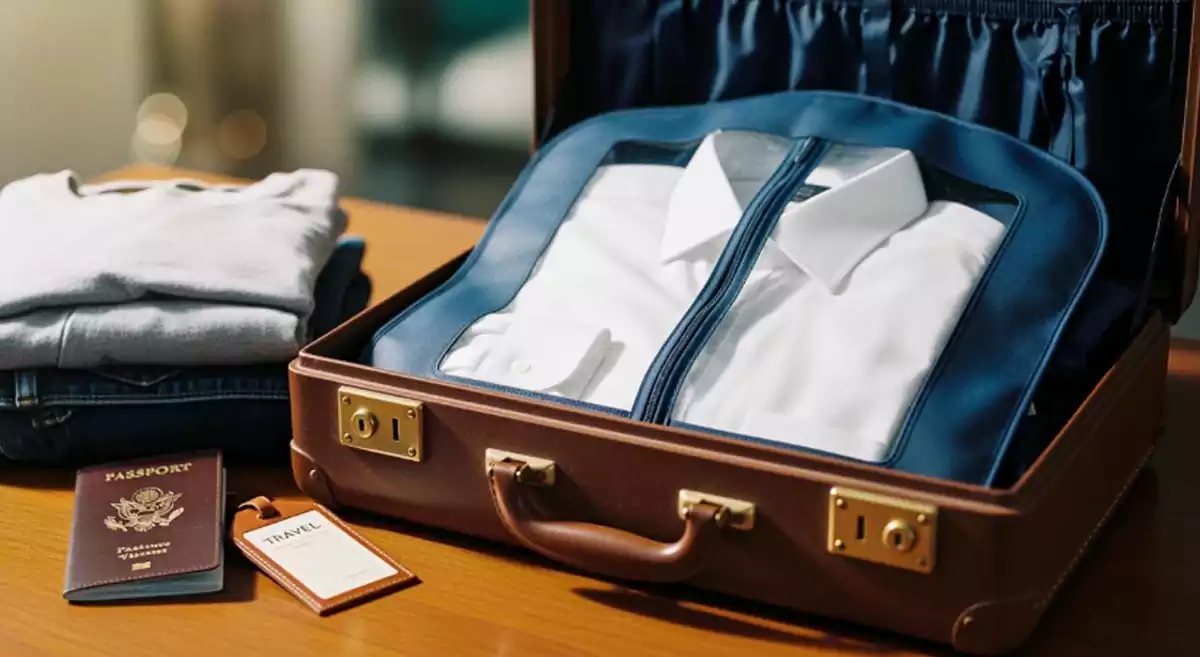
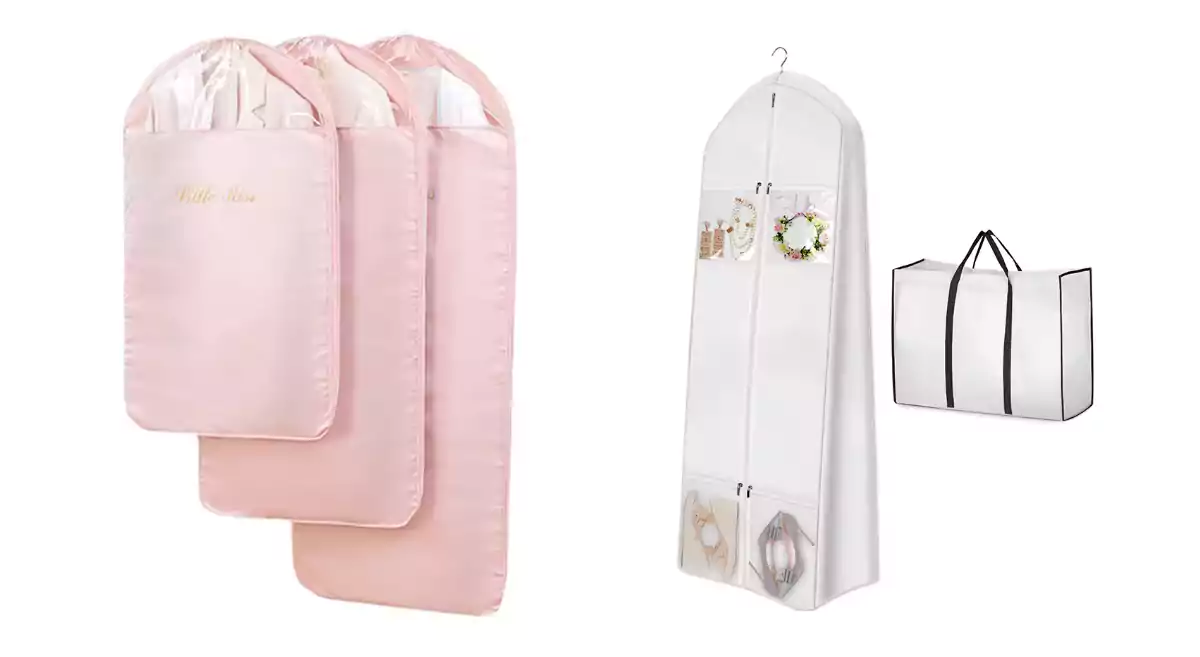
You may ask what are garment bags made of. Most garment bags are made from materials such as cotton, non-woven polypropylene, polyester, nylon, PVC or vinyl, leather or faux-leather, PEVA, Oxford cloth, and recycled materials. Each of these materials affects how well your garment bag protects clothes, keeps them fresh, and lasts over time. Look at this table to see how cotton and polyester differ:
| Feature | Cotton | Polyester |
|---|---|---|
| Breathability | Excellent | Limited |
| Moisture-Wicking | Poor | Excellent |
| Origin | Natural | Synthetic |
| Renewable | Yes | No |
| Biodegradable | Yes | No |
| Microplastics | No | Yes |
Cotton garment bags stop odors because their fibers soak up sweat and oils. In contrast, polyester bags tend to hold smells inside, which means your clothes may not stay as fresh.
Studies show that cotton T-shirts smell better and less strong than polyester ones. The natural fibers in cotton help prevent bad smells from accumulating.
You can choose cotton if you want something renewable that breaks down naturally and reduces plastic waste.
- Cotton is a renewable resource.
- It breaks down naturally, unlike synthetic fabrics.
- Choosing cotton helps reduce plastic waste and microplastics.
When selecting a garment bag, understanding what are garment bags made of is crucial for keeping your clothes safe, fresh, and protected for a long time.
Key Takeaways
- Garment bags use materials like cotton, polyester, nylon, and PVC. Each material has its own special benefits.
- Cotton garment bags let air in and are good for the planet. They also help stop bad smells. This makes them a good choice for storing clothes for a long time.
- Polyester and nylon bags are strong and help keep water out. Because of this, they are often a better option for travel. Non-woven polypropylene costs less, but it is not as strong as woven fabrics.
- Leather and faux-leather bags look nice and can last a long time. Faux-leather is usually more affordable and does not use animal products.
- When choosing a garment bag, it is important to think about breathability, durability, and sustainability. These factors can help you find the best option for your needs.
- It is best to avoid non-breathable plastics and cheap synthetic materials. These can trap moisture and odors, which may damage your clothes over time.
- If sustainability matters to you, choose garment bags made from recycled materials or natural fibers. This can help reduce environmental impact.
Common Materials For Garment Bags
When you shop for a garment bag, you will see many choices. Some materials are used more often than others. Let’s look at the most common ones and what makes them special.
Cotton And Recycled Cotton
Cotton is a very old and trusted material for garment bags. You can find 100% cotton garment covers in stores or online. Cotton garment bags feel soft and are strong. They are gentle on your clothes. Air can move through cotton, so your clothes stay fresh. If you care about the earth, you can pick cotton bags made from recycled cotton. These use leftover cotton fibers and help cut down on waste.
Here’s why cotton and recycled cotton are good for garment bags:
- Cotton pulls in moisture because of its cellulosic structure. This keeps your clothes dry.
- Some treatments make cotton even better at soaking up water.
- Cotton sticks well to other materials, so it works in fabric blends.
- Both cotton and recycled cotton are strong and last a long time.
- They cost less than some synthetic materials.
- Chemical treatments can make cotton even tougher, so your bag lasts longer.
Many people have cotton garment bags in their closets. People like them because they are natural, renewable, and break down over time. If you want to avoid plastic, 100% cotton covers are a smart choice. Cotton also helps stop bad smells from building up inside your bag. Many people use cotton garment bags for suits, dresses, or delicate things.
Non-Woven Polypropylene
Non-woven fabric is another popular choice for garment bags. Non-woven polypropylene is a kind of plastic, but it feels soft and light. You will see non-woven fabric in many peva garment bags and suit covers. Non-woven fabrics are made by bonding fibers together, not weaving or knitting.
Let’s compare non-woven polypropylene to other materials:
| Material | Breathability | Durability | Water Resistance | Eco-Friendly |
|---|---|---|---|---|
| Non-woven Polypropylene | Moderate | Low | Low-Moderate | Good |
| Nylon | High | High | High | Moderate |
| Canvas | Moderate | High | Moderate | Good |
Non-woven fabric is liked because it is cheap and easy to make. Many peva garment bags use non-woven fabric for the outside layer. Non-woven fabric is not as strong as canvas or nylon, but it is light and easy to carry. If you want a low-cost garment bag, non-woven fabric is a good pick. Some non-woven bags are also eco-friendly, especially if they use recycled materials.
Polyester And Woven Polyester
Polyester is used everywhere. You will find it in many peva garment bags, travel bags, and storage covers. Polyester is a synthetic material, which means it is made from chemicals, not plants. Woven polyester is stronger than non-woven fabric and can handle more use.
Here’s a quick look at the good and bad sides of polyester and woven polyester:
| Advantages | Disadvantages |
|---|---|
| Cost-effectiveness | Environmental impact |
| Versatility | Heat sensitivity |
| Low maintenance | Fading over time |
| Durability | |
| Water resistance |
Polyester garment bags are tough and keep out water. They do not wrinkle much, so your clothes look neat. Many people choose polyester for travel because it is light and strong. Woven polyester is even better for heavy use. If you want a bag that lasts, polyester is a good choice. But polyester is not as good for the earth as cotton or canvas. It can also hold in smells if you store clothes for a long time.
When you look for a garment bag, you will see these materials a lot. Cotton, non-woven fabric, and polyester are the most common materials for garment bags today. Each one has its own good points, so you can pick the best one for you.
Nylon And Oxford Cloth
You might notice that many travel garment bags use nylon or Oxford cloth. These materials stand out because they are tough, light, and keep your clothes safe from water. If you want a garment bag that can handle a busy trip or a crowded closet, you should look at these options.
Nylon is a synthetic fiber. It feels smooth and weighs very little. You can fold a nylon garment bag and pack it in your suitcase without adding much weight. Nylon also resists water very well. If you get caught in the rain, your clothes inside the garment bag stay dry. Oxford cloth is another strong choice. It is a woven fabric, often made from polyester or nylon. Oxford cloth feels thicker and has a textured look. Some garment bags use coated Oxford cloth, which makes them even better at keeping water out.
Let’s see how these two materials compare when it comes to water resistance and strength:
| Material | Water Resistance Characteristics |
|---|---|
| Oxford Cloth | Good at keeping water out, does not tear easily |
| Nylon | Keeps water out even better, light and strong |
You can count on both nylon and Oxford cloth to protect your clothes from spills and rain. Nylon Oxford, a special blend, has even higher tear strength and stands up to rough use better than polyester Oxford. Many people pick a nylon garment bag for travel because it is easy to carry and lasts a long time. Oxford cloth, especially with a coating, gives you a sturdy garment bag that does not rip or wear out quickly.
Tip: If you want a garment bag that lasts for years, choose one made from nylon Oxford. It resists tears and keeps your clothes safe on every trip.
PVC, Vinyl, And PEVA
Some garment bags use clear or semi-clear plastic materials like PVC, vinyl, or PEVA. These materials let you see what is inside your garment bag without opening it. You might find these bags handy for quick storage or for keeping dust off your clothes at home.
PVC (polyvinyl chloride) and vinyl are both types of plastic. They make a garment bag stiff and waterproof. PEVA (polyethylene vinyl acetate) is a newer plastic that does not use chlorine. It is softer and more flexible than PVC. Many people choose PEVA garment bags because they are lighter and do not have a strong plastic smell.
However, you should know about some health and environmental concerns with these materials:
- PVC production can create dioxins, which are very dangerous and can cause cancer.
- Chemicals used to make vinyl, like ethylene-dichloride and vinyl chloride, are linked to cancer.
- Vinyl products often contain phthalates, which can harm your health and may cause asthma in children.
- PVC and vinyl can cause serious health problems, including hormone changes and nerve damage.
- Making and throwing away PVC can pollute the environment and make recycling hard.
If you want a garment bag that is safe for you and the planet, you might want to avoid PVC and vinyl. PEVA is a better choice, but it is still a plastic. For short-term use or for protecting clothes from water, these bags work well. Just remember to keep them away from heat and do not use them for long-term storage.
Leather And Faux-Leather
If you want a garment bag that looks stylish and feels luxurious, you might consider leather or faux-leather. Leather garment bags have a classic look. They last for many years if you take care of them. Faux-leather, also called vegan leather, gives you a similar look but uses no animal products.
Let’s compare leather and faux-leather garment bags:
| Attribute | Leather | Faux Leather |
|---|---|---|
| Durability | Generally high, can last years | Durable, but may vary by type |
| Maintenance | Requires regular conditioning | Easier to clean, stain resistant |
| Cost | Typically more expensive | Generally more affordable |
Leather garment bags need regular care. You have to clean and condition them to keep the leather soft and prevent cracks. Faux-leather is easier to clean and does not stain as easily. It also costs less, so you can get a stylish garment bag without spending a lot.
The fashion world is changing fast. More people want cruelty-free and eco-friendly products. Vegan leather is becoming more popular, especially with younger shoppers. New materials made from plants, like pineapple leaves and mushrooms, are making faux-leather even better. If you care about animals or the environment, a faux-leather garment bag is a smart pick.
Note: Leather garment bags last a long time, but faux-leather options are catching up in quality and are better for the planet.
No matter which material you choose, you can find a garment bag that fits your style, budget, and values. Each material has its own strengths, so think about what matters most to you before you buy.
Other Materials (PU, High-Quality Non-Woven)
Some garment bags use different materials than cotton or polyester. PU and high-quality non-woven fabrics are two popular choices. These materials make your garment bag strong and useful. They are good if you want something new and tough.
PU is a coating that goes on fabric. This coating makes the bag stronger and more bendy. It also keeps water out, so your clothes stay dry in rain. PU-coated fabrics feel smooth and look shiny. You can fold them and they will not crack. Many outdoor brands use PU because it lasts in hard weather. If you pick a bag with PU, your clothes get better protection.
High-quality non-woven fabrics are another good choice. These fabrics are not made by weaving or knitting. They are made by sticking fibers together with heat, chemicals, or pressure. This makes a light and cheap fabric that is still strong. Many non-woven fabrics use recycled fibers, which is better for the earth. A bag made from high-quality non-woven fabric is easy to carry and store. It also keeps dust and dirt off your clothes.
Here are some reasons to pick these materials for your garment bag:
- PU-coated fabrics last longer and keep water out.
- High-quality non-woven fabrics are light and good for the planet.
- Both types are flexible and easy to store.
- Non-woven fabrics often use recycled fibers, so they make less waste.
Tip: If you want a garment bag that works well and looks cool, try one made from PU or high-quality non-woven fabric. These materials give you good protection, are light, and look modern.
You can find garment bags with PU or high-quality non-woven fabric in many stores now. These bags keep your clothes safe, dry, and looking nice. If you travel a lot or need to store special clothes, these are smart choices.
What Are Garment Bags Made Of: Material Characteristics
Protection And Durability
You want your garment bag to last a long time. It should keep your clothes safe from damage. The material you pick is very important. Some materials are strong and protect your clothes well. Full-grain leather is known for being tough and hard to tear. If you want a fancy bag that lasts, leather is a good choice. Ballistic nylon is also very strong. It was first used for bulletproof vests. This means it can handle rough use. Ballistic nylon does not scratch or tear easily. It is even stronger than leather. If you travel a lot, this is a smart material to pick.
Here are some materials that are good for protection and durability:
- Leather and canvas are great for storing clothes for a long time. They are strong and last a long time.
- Nylon and polyester are lighter but not as strong for long use.
- Dyneema and ballistic nylon are the toughest and resist damage best.
If you want a strong garment bag, look for these materials. They help your clothes stay nice, even if you use your bag every day.
Breathability And Freshness
You want your clothes to smell good and stay fresh. The right material helps air move in and out. Some garment bags let air flow through. This keeps your clothes from smelling bad or getting wet.
Let’s see how different materials help keep clothes fresh:
| Feature | Benefit |
|---|---|
| Airflow | Lets air move through, protecting fabrics from damage. |
| Moisture Retention Prevention | Stops moisture from building up, so no mold or mildew. |
| Freshness Maintenance | Keeps clothes smelling clean for a long time. |
| Ventilation Panels | Gives extra air movement, so air doesn’t get trapped. |
| Temperature Regulation | Balances temperature, so you don’t get condensation inside. |
Cotton is a good choice if you want your bag to breathe. It lets air go in and out. This helps your clothes stay fresh. Nylon and polyester do not let as much air in. Some bags use mesh or vents to help with this. When you compare materials, think about how they keep your clothes dry and smelling good. Cotton is better for breathability. Peva is better for keeping water out.
Eco-Friendliness
You may want a garment bag that is good for the earth. The material you choose can help you be more eco-friendly. Some materials are better for the planet.
Here is a quick look at how experts compare eco-friendly choices:
| Index Name | Description | Limitations |
|---|---|---|
| Higg Materials Sustainability Index | Scores fabrics on environmental impact from start to finish. | May favor fossil-fuel materials; misses end-of-life and care impacts. |
| Made-By Environmental Benchmark | Ranks fibers by emissions and water use. | Outdated; doesn’t cover microplastics or new recycling methods. |
Some experts say polyester is good for the earth, but not everyone agrees. Polyester can make microplastic pollution and does not break down. Natural materials like cotton and wool break down over time. They are better for the planet in the long run. If you want an eco-friendly bag, look for recycled or natural fibers. Cotton is more eco-friendly than peva. Peva is better than PVC, but it is still plastic.
When you pick a garment bag, think about how the material affects the earth. Choose a bag that protects your clothes and the planet. There are many eco-friendly bags that are strong, look good, and are better for the environment.
Cost Factors
When you shop for a garment bag, price often plays a big role in your decision. You want something that fits your budget but still protects your clothes. The cost of a garment bag depends on the material, the style, and how many you buy at once.
Let’s break down what affects the price:
- Material: Natural fibers like cotton usually cost more than basic plastics. Leather sits at the top of the price range. Faux-leather and high-quality synthetics fall in the middle.
- Design: Simple open-top bags cost less. Bags with zippers, handles, or extra features cost more.
- Quantity: Buying in bulk saves money. Packs of 25, 50, or 100 bags cost less per bag than buying just one.
You might wonder how much you’ll actually spend. Here’s a quick look at typical prices for different types of garment bags:
| Type of Bag | Price Range (USD) |
|---|---|
| Open-top (pack of 50) | $8–$15 |
| Drawstring (pack of 50) | $12–$20 |
| Zipper-closure (pack of 25) | $20–$35 |
| Pre-sealed retail bags (pack of 100) | $15–$25 |
If you only need a few bags for home use, you’ll probably pay a bit more per bag. If you run a dry cleaner or need bags for a big event, buying in bulk makes sense.
Here’s what you get for your money:
- Low-cost bags: Usually made from thin plastic or non-woven fabric. Good for short-term use or protecting clothes from dust.
- Mid-range bags: Often made from thicker polyester, nylon, or PEVA. These bags last longer and may have zippers or handles.
- High-end bags: Made from leather, heavy canvas, or premium synthetics. They look stylish and last for years.
Tip: If you travel a lot or want to protect special clothes, spending a little more on a sturdy bag can save you money in the long run.
You don’t have to spend a fortune to get a good garment bag. Think about how you’ll use it and what features matter most to you. Sometimes, a simple bag does the job. Other times, it’s worth investing in something stronger and more stylish.
Pros And Cons Of Garment Bag Materials
Cotton Vs. Synthetics
Cotton and synthetic materials are very different. Cotton feels soft and natural. Air moves through cotton, so clothes stay fresh. You can wash cotton bags easily. Cotton breaks down over time, which helps the planet.
Synthetics like polyester and nylon are tough. They resist water and do not wrinkle much. These bags last a long time and are light. Synthetics usually cost less than cotton. But, they do not let air in as well. Clothes can trap smells inside. Synthetics come from plastic, so they do not break down in nature.
Quick Pros and Cons:
- Cotton
- Breathable, natural, eco-friendly
- Can shrink, not as water-resistant, may cost more
- Synthetics
- Durable, water-resistant, affordable
- Less breathable, not biodegradable, can hold odors
Tip: Pick cotton if you want your clothes to stay fresh. Synthetics are better for travel or rainy days.
Non-Woven Vs. Woven Fabrics
Non-woven and woven fabrics are both used in garment bags. Non-woven fabrics, like non-woven polypropylene, are made by bonding fibers. These bags feel light and cost less. They are good for short-term use or when you need many bags.
Woven fabrics, like canvas or Oxford cloth, use threads woven together. These bags are strong and last longer. They protect clothes better from tears and rough handling. Woven bags often look nicer and feel thicker.
Here’s a simple breakdown:
- Non-Woven
- Lightweight, cheap, easy to carry
- Less durable, can tear, not for heavy use
- Woven
- Strong, long-lasting, better protection
- Heavier, more expensive
Woven fabric is smart for travel or special clothes. Non-woven bags work well for everyday dust covers.
Leather Vs. Faux-Leather
Leather and faux-leather both make garment bags look stylish. Real leather feels rich and unique. It gets better with age and can last for decades if you care for it. Faux-leather looks similar but costs less and uses no animal products.
Here’s a quick table to help you compare:
| Feature | Real Leather | Faux Leather |
|---|---|---|
| Durability | Exceptional, can last decades | Generally less durable, may need replacement sooner |
| Ethical Considerations | Raises animal welfare concerns | Cruelty-free, appealing to vegans and animal rights advocates |
| Environmental Impact | Biodegradable | Plastic-based, contributes to pollution |
| Maintenance | Requires regular cleaning and conditioning | Requires gentler cleaning methods, should be kept dry |
Some people care about animal welfare. Real leather raises concerns about animal treatment. Faux-leather is cruelty-free, so it’s good for vegans.
- Real leather lasts a long time and feels special.
- Faux-leather is easier to clean and costs less.
- Faux-leather is better for vegans and those who care about animals.
Real leather stands out for its durability and texture. It often develops character as you use it. Faux-leather may not last as long and can show wear sooner. If you want a bag that lasts for years and looks classic, leather is a great choice. If you want something affordable and animal-friendly, faux-leather is the way to go.
Note: Think about what matters most to you—style, ethics, or durability—when you choose between leather and faux-leather.
Table: Quick Comparison
Picking the right garment bag material can be hard. You want a bag that fits your needs and your style. You also want it to fit your budget. This table shows the main features of each popular material. It helps you see the differences quickly. You can use it to make a fast choice!
| Material | Durability | Breathability | Water Resistance | Eco-Friendly | Cost | Best For |
|---|---|---|---|---|---|---|
| Cotton | Good | Excellent | Low | High | $$ | Everyday, storage |
| Recycled Cotton | Good | Excellent | Low | Very High | $$ | Eco-conscious storage |
| Non-Woven Polypropylene | Fair | Moderate | Moderate | Moderate | $ | Short-term, budget |
| Polyester | Very Good | Low | Good | Low | $ | Travel, frequent use |
| Nylon | Excellent | Low | Excellent | Low | $$ | Travel, outdoor use |
| Oxford Cloth | Excellent | Moderate | Very Good | Moderate | $$ | Heavy-duty, travel |
| PVC/Vinyl | Good | None | Excellent | Very Low | $ | Dust cover, short-term |
| PEVA | Good | None | Very Good | Moderate | $ | Dust cover, light use |
| Leather | Excellent | Low | Good | Moderate | $$$$ | Luxury, long-term |
| Faux-Leather | Good | Low | Good | Moderate | $$$ | Stylish, vegan choice |
| PU/High-Quality Non-Woven | Good | Moderate | Good | Moderate | $$ | Modern, versatile |
Tip: If you need a bag for travel, pick nylon or Oxford cloth. If you care about the earth, try recycled cotton or high-quality non-woven. For style, leather or faux-leather is a great choice.
This table helps you match your needs to the best material. If you need a bag for a rainy trip, nylon or Oxford cloth is best. If you want to keep your suit fresh in your closet, cotton or recycled cotton works well. If you do not want to spend much, non-woven polypropylene or PEVA is a good option.
Here’s a simple checklist to help you choose:
- Need breathability? Pick cotton or recycled cotton.
- Want water resistance? Choose nylon, Oxford cloth, or PVC.
- Looking for eco-friendly? Go with recycled cotton or high-quality non-woven.
- Want a stylish look? Leather or faux-leather is best.
Every material has its own good points. Think about what matters most to you. This table gives you a clear place to start. You can pick the best garment bag for your clothes, your trips, and your values.
Best Material For Garment Bags By Use
Travel Garment Bags
When you travel, you want your clothes to look nice. The best material for travel garment bags stops wrinkles and keeps clothes dry. Polyester and nylon are strong and resist water. They are light, so your suitcase is not heavy. Oxford cloth is also a good choice. It does not tear easily and protects clothes from spills.
Surveys show how travel garment bags work for travelers:
| Feature | Carry-On Garment Bag | Rolling Duffel (with Hanging System) | Standard Rolling Duffel (No Hanging) |
|---|---|---|---|
| Wrinkle Resistance (Single Suit) | Excellent (94% pass rate) | Very Good (86% pass rate) | Poor (31% pass rate) |
| TSA Efficiency (Time to Clear Screening) | Fastest (avg. 42 sec) | Medium (avg. 78 sec) | Slowest (avg. 112 sec; frequent unpack requests) |
| Post-Flight Suit Readiness | Immediate (hang & go) | Requires 2–3 min hang time + light steaming | Requires steaming or pressing (87% of cases) |
Carry-on garment bags made from polyester or nylon work best. Your suit stays neat and you get through security quickly. Look for bags with strong seams and tough zippers. Some brands use recycled polyester for eco-friendly travel. These bags last long and help the planet.
Tip: Pick a travel garment bag with a hanging system and water-resistant material. Your clothes will stay safe!
Storage Garment Bags
When you store clothes, you want them safe from dust and moisture. The best material for storage garment bags lets air move in and out. Cotton and canvas are good because they breathe. This stops mold and mildew from growing. Experts say breathable garment bags are best for storing special clothes.
Here’s what to look for in storage garment bags:
- Choose cotton or canvas for long storage. These protect clothes and let them breathe.
- Do not use plastic covers for special outfits. Plastic traps moisture and can hurt clothes.
- Use plastic hangers made from polypropylene or polyethylene. These support clothes and do not stain.
Organic cotton or recycled canvas are eco-friendly and gentle. Polyester storage bags are common but do not breathe as well. Polyester is fine for short storage. For long storage, natural fibers are the best material for garment bags.
Suits And Delicate Clothing
Suits and delicate clothes need gentle care. The best material for garment bags is always breathable and soft. Experts suggest natural fibers like cotton or muslin. These let air flow and keep suits and dresses fresh. They also block dust and light.
Here’s how to protect delicate clothing:
- Use a 42-inch archival suit bag for suits. It lets air move and keeps dust out.
- Pick natural fiber bags for long storage. Cotton and muslin are best.
- For silk and wool, put unbuffered tissue paper inside the bag. For cotton or polyester, use buffered tissue paper.
Plastic garment bags can trap moisture and cause damage. If you want your suits and delicate clothes to last, pick a breathable material. Your favorite outfits will look new for years.
Note: Always check the care label before picking a storage bag. The right material keeps your clothes safe.
Eco-Friendly Choices
You want to help the planet and pick a green bag. Eco-friendly garment bags use materials that break down or come from recycled stuff. Cotton and recycled cotton are great choices. These bags let air move, keep clothes fresh, and cut down on plastic trash. Some bags use non-woven fabric made from recycled fibers.
If you want to be sure your bag is good for the earth, look for special labels. These labels mean the bag is compostable or biodegradable. Here are some common certifications you might see:
| Certification Name | Region |
|---|---|
| EN 13432 | European Union |
| ASTM D6400 | United States |
| BPI Compostable Certification | N/A |
| TÜV OK Compost Industrial | N/A |
| AS4736 & AS5810 | Australia |
You can trust these labels when picking an eco-friendly bag. They help you choose a bag that is safe for your clothes and the earth.
Many brands now make bags from recycled polyester or organic cotton. These materials use less water and energy. You help stop pollution and keep the planet clean. Some bags use plant-based plastics or blends that break down. You get a strong bag that does not hurt nature.
Tip: Always check for eco-friendly labels. Every time you pick a green bag, you help the planet.
Budget Options
You want to keep your clothes safe without spending a lot. Cheap garment bags use low-cost materials but still work well. Non-woven fabric bags are the cheapest. They are light and good for short trips or storage. Polyester and nylon bags cost a bit more but last longer. You can use them for travel or daily use.
Cotton bags can also be a budget pick. They let air in and stop moisture. If you care about the earth, cotton is a green choice at a fair price.
Here’s a table to compare budget bag materials:
| Material | Attributes |
|---|---|
| Non-Woven Fabric Bags | Light and cheap, good for short use. |
| Polyester and Nylon Bags | Strong and water-resistant, great for travel. |
| Cotton Bags | Green, lets air in, stops moisture, good for eco-friendly shoppers. |
You can buy budget bags in packs to save money. This gives you more bags for your home or business. Look for simple bags with zippers or drawstrings. You get good protection without paying for extras.
Note: If you need a fast fix, pick non-woven fabric bags. For longer use, polyester or cotton is a better deal.
You can find a bag that fits your wallet and your values. Whether you want a green choice or just need to save, there is a bag for you.
Materials To Avoid In Garment Bags
Choosing the right garment bag keeps your clothes looking sharp and fresh. But some materials can do more harm than good. Let’s talk about what you should avoid when picking out your next garment bag.
Non-Breathable Plastics
You might see plastic garment bags everywhere. They look handy and cheap. But these bags can cause big problems for your clothes. Non-breathable plastics, like some types of nylon and polyester, trap moisture inside. When moisture gets stuck, mildew and musty odors can grow. Over time, your clothes can start to smell bad and even change color.
Textile preservation studies show that these plastics do not let moisture escape. This can hurt the fabric’s strength. Some plastic garment bags also contain chemicals like BHT. When BHT reacts with air and moisture, it can turn white or light-colored clothes yellow. You want your clothes to stay bright and clean, so it’s smart to skip non-breathable plastics.
Tip: Always check if your garment bag lets air flow. If it feels like a raincoat, it probably traps moisture.
Low-Quality Synthetics
Low-quality synthetics might look like a good deal at first. They cost less and feel light. But these materials can tear easily and won’t protect your clothes for long. Cheap plastic garment bags often rip at the seams or get holes after a few uses. When that happens, dust and bugs can get in.
Low-quality synthetics also break down faster. They can leave flakes or sticky spots on your clothes. You might save money now, but you’ll spend more replacing ruined clothes or buying new bags. It’s better to pick a garment bag made from strong, trusted materials.
Odor-Trapping Materials
No one likes opening a garment bag and smelling something bad. Some materials trap odors instead of letting them escape. This can make your favorite jacket or dress smell musty, even if you just washed it.
Here’s what lab tests say about odor-trapping and odor-fighting materials:
- Activated carbon works well for absorbing smells. It acts like a sponge for odor molecules.
- Multi-layer bags can keep odors from getting out.
- You can look for bags with odor transmission rate (OTR) testing or certifications like ASTM F1249. These show the bag can block or let out smells.
If you want your clothes to stay fresh, avoid bags that trap odors. Choose a material that lets air move or has special layers to fight smells.
Note: If you store clothes for a long time, check your garment bag for any strange smells before you use it again.
Picking the right material for your garment bags makes a big difference. Stay away from non-breathable plastics, low-quality synthetics, and odor-trapping materials. Your clothes will thank you!
How Material Choice Affects Garment Care
Preventing Wrinkles And Damage
You want your clothes to look neat when you take them out. The material of your garment bag matters a lot. Experts say cotton covers protect clothes from chemicals and dyes. Cotton also blocks light, dust, and bugs. Bags with overlapping flaps keep out dust and insects. If you use buttons instead of zippers, your clothes are less likely to snag. Cotton bags let air move, so moisture does not get trapped. This helps stop color fading and yellow stains after dry cleaning.
Here’s how you can keep your clothes safe:
- Cotton stops damage from chemicals and sunlight.
- Overlapping flaps and extra space block dust and bugs.
- Buttons are better than zippers for delicate clothes.
- Cotton lets air in, so moisture does not build up.
If you want your clothes to stay smooth and fresh, pick a bag made from natural, breathable fibers.
Mold, Mildew, And Odor Protection
No one wants their clothes to smell bad or get moldy. The material you pick for your bag can help stop these problems. Breathable bags let air move, so moisture does not get stuck inside. This keeps your clothes safe from mildew and bad smells. Cotton and linen soak up and release moisture, which keeps things balanced. Experts at the Smithsonian say breathability is very important for storing clothes.
Look at this table to see which materials work best:
| Material Type | Effectiveness |
|---|---|
| Breathable Garment Bags | Let air move, stop moisture from building up, and protect clothes from mildew and odors. |
| Cedar | Has a natural oil that keeps moths away; needs to be refreshed every 6-12 months. |
| Lavender | Keeps moths away, but you need to replace it every season. |
Natural fibers help control moisture and let air flow. This keeps your clothes smelling clean and safe from mold.
Long-Term Garment Quality
You want your clothes to last a long time. The material inside your garment bag affects how well your clothes age. Cotton and linen soak up extra moisture and let it out slowly. This helps stop big changes in humidity that can hurt wool, silk, and cashmere. Experts always say to use natural, breathable bags for special clothes.
Cotton and linen soak up extra moisture inside the bag and let it out slowly as things change. This helps stop big changes in moisture that can hurt wool, silk, and cashmere.
Synthetic bags like nylon or polyester do not soak up moisture. Clothes in these bags feel every change in humidity.
Experts always say to use natural, breathable bags for valuable clothes.
If you want your clothes to stay nice and strong, pick garment bags made from natural fibers. They help your clothes handle changes in humidity and keep them looking great.
Conclusion
Picking the right material for garment bags is important. It helps keep your clothes safe, fresh, and looking nice. Experts have some tips for you:
- Use UV-resistant synthetics if you store clothes outside.
- Choose cotton for long storage and good airflow.
- Pick synthetics for trips and to keep water out.
- Think about your weather and how long you will store things.
Knowing these tips helps you choose what works best for you. Here’s a simple chart to help you decide:
| Material | Best For | Pros | Cons |
|---|---|---|---|
| Polyester | Travel, everyday use | Strong, keeps water out, not expensive | Does not let air in well |
| Cotton / Muslin | Delicate, vintage items | Lets air in, gentle on clothes | Does not stop moisture |
| Nylon | Weather protection | Hard to tear, light to carry | Not as good for the earth |
| Vinyl/Plastic | Short-term, dry cleaning | Keeps water out, easy to see inside | Air does not move through |
As a garment bag manufacturer, we understand what buyers really care about. Before choosing the right bag, think about your main needs—whether it is for travel, storage, sustainability, or budget. At INITI, we support custom garment bag development with flexible OEM and ODM services, helping brands and businesses create solutions that match their market, material, and design requirements.
FAQ
What is the best material for a garment bag?
You should pick a material based on your needs. Cotton works well for breathability. Nylon and polyester are great for travel. Leather looks stylish. If you want eco-friendly, try recycled cotton or high-quality non-woven fabric.
Can I wash my garment bag?
Most cotton and polyester garment bags can go in the washing machine. Always check the care label first. Leather and faux-leather bags need gentle cleaning with a damp cloth. Never put plastic or vinyl bags in the washer.
Are garment bags waterproof?
Some garment bags are waterproof, especially those made from nylon, polyester, or PVC. Cotton and canvas bags resist water a little but are not fully waterproof. Always check the product details before you buy.
Do garment bags prevent wrinkles?
Garment bags help keep clothes flat and protected. They do not stop all wrinkles, but they reduce them during travel or storage. For best results, hang your clothes inside the bag and avoid overstuffing.
How do I store a garment bag when not in use?
You can fold most garment bags flat and store them in a drawer or closet. Leather bags should be kept in a cool, dry place. Avoid putting heavy items on top to keep the bag in good shape.
Are clear plastic garment bags safe for long-term storage?
Clear plastic bags trap moisture and can cause mold or yellowing. For long-term storage, use breathable cotton or canvas bags. These keep your clothes fresh and safe.
What size garment bag do I need?
Pick a size that fits your clothes. Standard bags work for suits and dresses. Longer bags fit gowns or coats. Always measure your clothing before you buy to make sure it fits.
Can I use a garment bag for airline travel?
Yes, you can use a garment bag for flights. Many fit in overhead bins or fold for easy carrying. Check your airline’s rules for carry-on sizes before you travel.