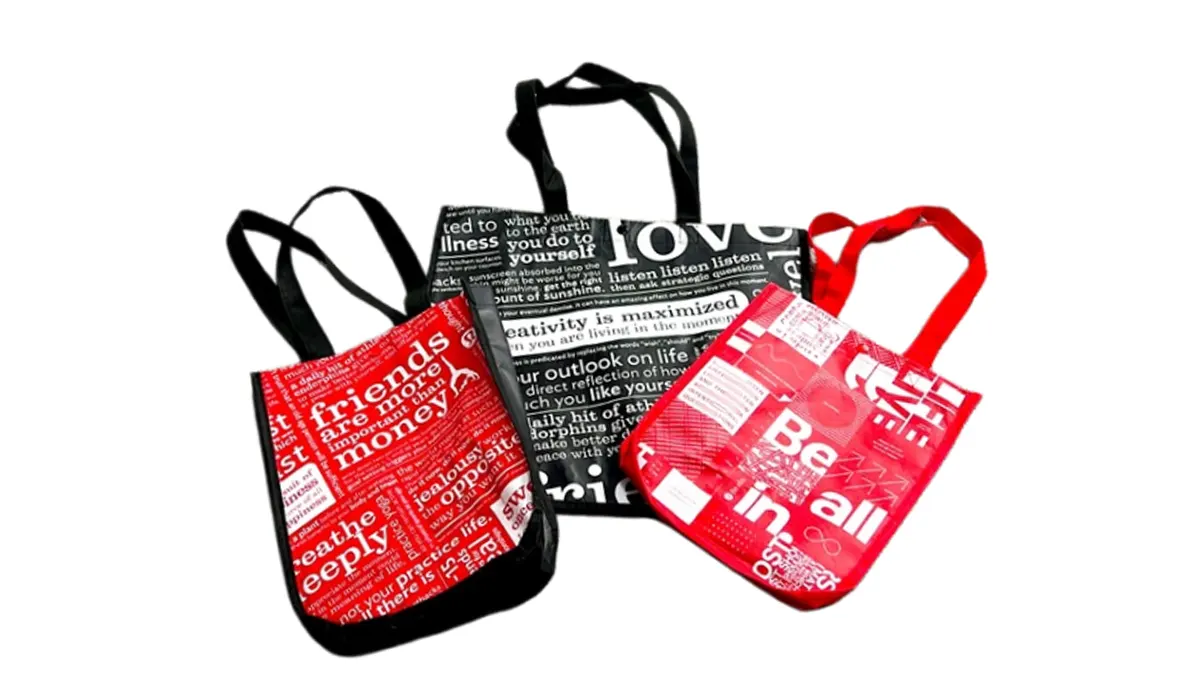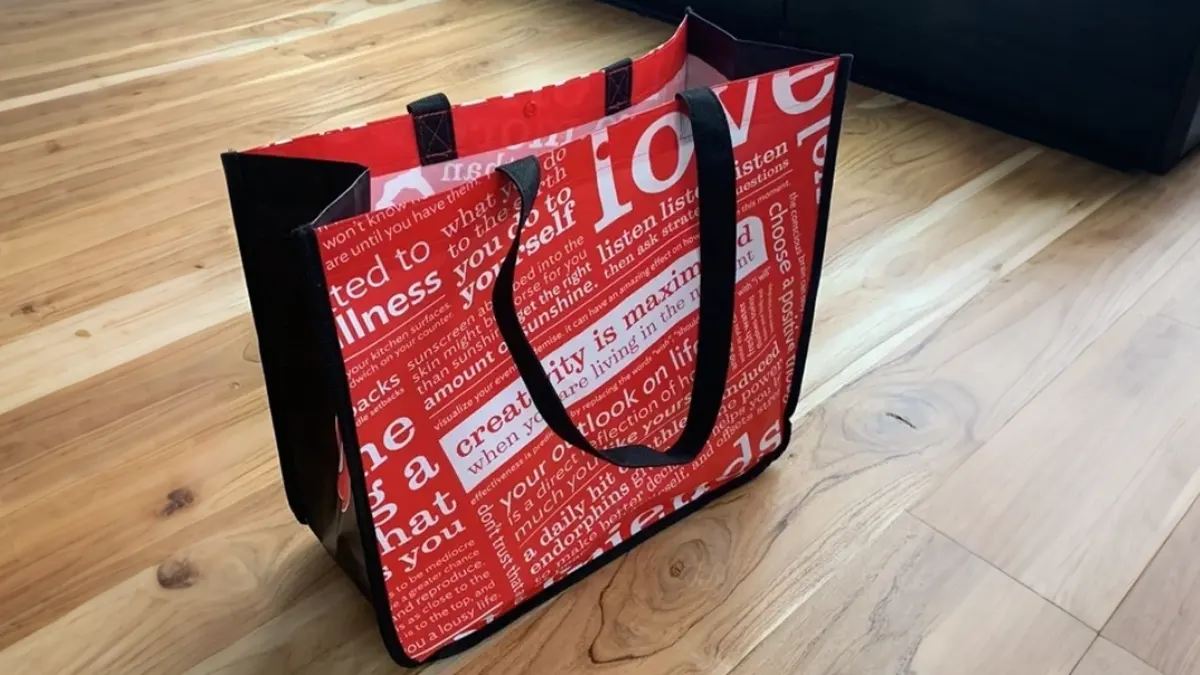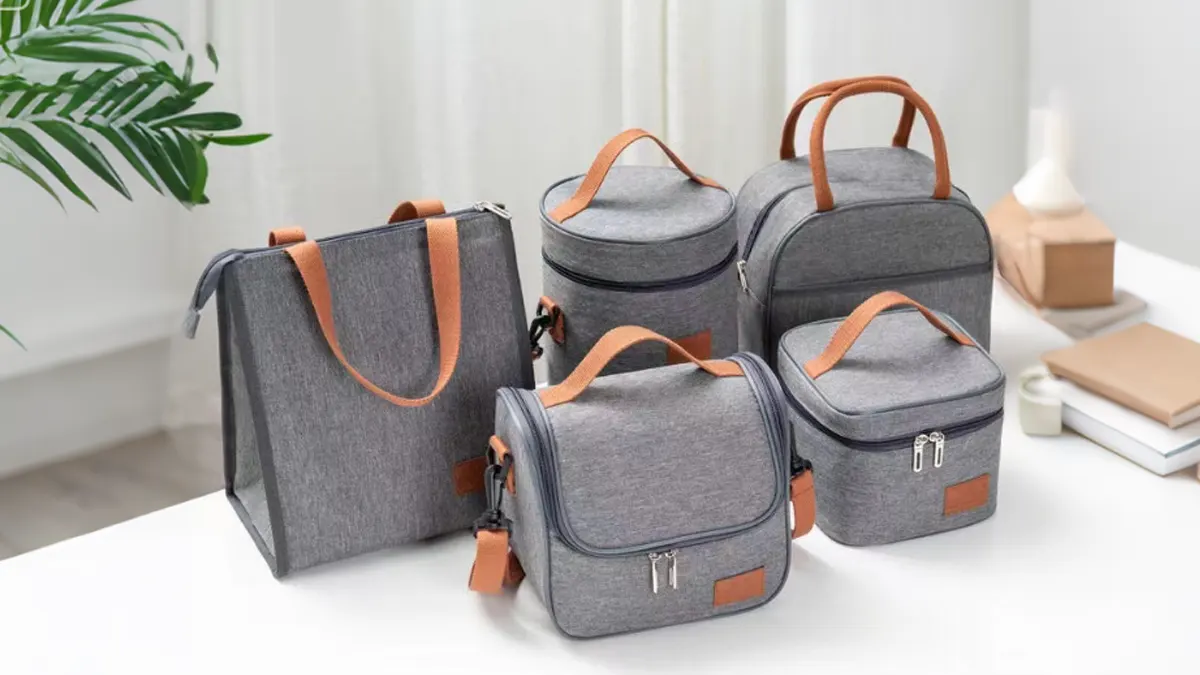
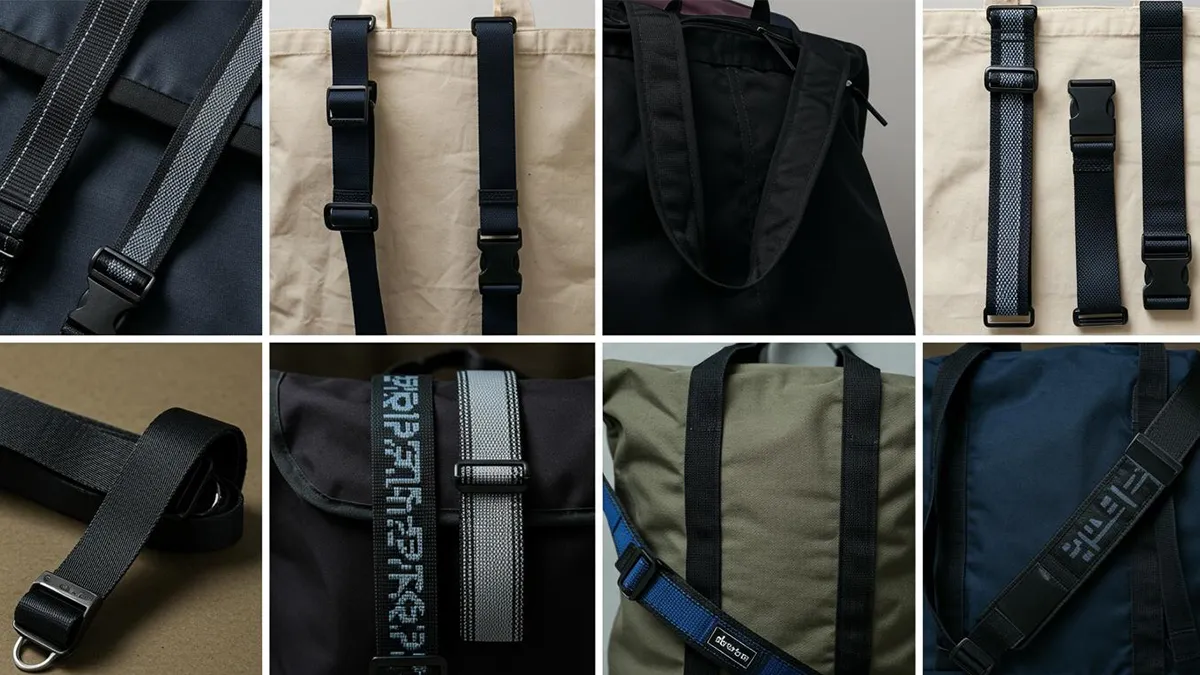
When you choose webbing straps for bags, you have many options. There are classic choices like nylon, polyester, and cotton. You can also find new materials like Dyneema®, flat weave, and tubular styles. Each type is special for different reasons. Some are more comfortable. Some are stronger or resist water better. Dyneema® webbing is stronger, lighter, and thinner than most. This makes it great for tough jobs. Here is how some common materials compare:
| Material | Characteristics |
|---|---|
| Polypropylene | Cheap, smooth, resists water, keeps color, comes in two weights. |
| Cotton | Feels natural, not shiny, can be colored. |
| Nylon | Very strong, comes in two styles for tough straps. |
Pick straps that fit what you need. You may want durability, comfort, or a certain look. The right strap can make your bag look good, feel nice, and last longer.
Key Takeaways
- Pick webbing straps that fit what you need. Think about if you want them to last long, feel good, or look nice.
- Nylon webbing is very strong and bends easily. It works well for heavy things and outside use.
- Polyester webbing does not get hurt by the sun or water. It is good for bags you use outside or when you travel.
- Cotton webbing feels soft and lets air pass through. It is nice for bags you use every day or if your skin is sensitive.
- Dyneema® webbing is light but very strong. People use it for gear that needs to work really well.
- Polypropylene webbing does not cost much and does not soak up water. It is great for bags you take to the beach or for sports.
- Leather webbing looks fancy and lasts a long time. It is best for stylish or expensive bags.
- If you take care of your webbing straps, they will last longer and stay nice.
Types of Webbing Straps for Bags
When you look at bag straps, you’ll notice there are several types of webbing. Each one has its own feel, strength, and best use. Let’s break down the three most popular styles you’ll see: flat weave, tubular weave, and Dyneema® webbing.
Flat Weave
Flat weave webbing is the classic choice for many bags. You can spot it on backpacks, duffel bags, and even seat belts. This webbing has a solid, single-layer construction. It feels stiff and holds its shape well. If you want a strap that stays flat and looks neat, flat weave is a great pick.
Tip: Flat weave webbing works well for everyday bags because it resists abrasion and keeps its color.
Here’s a quick look at how flat weave compares to tubular weave:
| Feature | Flat Webbing | Tubular Webbing |
|---|---|---|
| Construction | Solid, single-layer | Hollow tube, flattened |
| Abrasion Resistance | Good | Excellent |
| Flexibility & Handling | Stiffer, holds shape | Softer, more pliable |
| Strength | Very high for weight | Extremely high |
| Common Materials | Polyester, Nylon, Polypropylene | Nylon, Polyester |
| Best For | Tie-downs, backpack straps, general use | Climbing, safety slings, high-abrasion uses |
Flat webbing can handle up to 9,800 pounds of force. That’s why you see it in heavy-duty uses like seat belts and cargo straps.
Tubular Weave
Tubular weave webbing looks similar to flat weave, but it’s made differently. Manufacturers weave it as a hollow tube and then flatten it. This makes the edges softer and less likely to fray. You’ll notice tubular webbing feels more flexible and comfortable on your shoulder.
Tubular webbing shines in tough situations. Climbers use it for slings and harnesses because it’s strong and resists abrasion. You might also find it on military gear or rescue bags. Premium tubular webbing can hold up to 10,000 pounds, so you know it’s tough.
Note: If you want a strap that won’t dig into your shoulder, tubular weave is a smart choice.
Dyneema® Webbing
Dyneema® webbing is the high-tech option. It’s made from ultra-high-molecular-weight polyethylene fibers. This material is famous for being stronger than steel by weight. Dyneema® webbing feels light, thin, and almost slippery. You’ll see it on high-end hiking packs, technical gear, and ultralight bags.
You might pick Dyneema® webbing if you want the lightest bag possible without giving up strength. It resists water, UV rays, and chemicals. While it costs more, it lasts a long time and keeps your gear safe.
If you need a strap for extreme adventures or want the latest in bag technology, Dyneema® webbing stands out.
When you choose between these types of webbing, think about how you’ll use your bag. Flat weave works for most daily needs. Tubular weave gives extra comfort and strength. Dyneema® webbing is best for cutting-edge performance.
Nylon Webbing for Straps
Features
Strength
When you pick webbing for straps, strength matters a lot. Nylon webbing stands out because it has an exceptional strength-to-weight ratio. You can carry heavy loads without making your bag bulky. Nylon webbing also resists abrasion, so it lasts longer even if you use your bag every day. It can handle over 20,000 cycles of friction, which means it won’t wear out quickly. If you need a strap that won’t snap or fray, nylon is a smart choice.
| Feature | Description |
|---|---|
| Strength-to-weight | Handles heavy loads, keeps bags light |
| Abrasion Resistance | Withstands lots of rubbing, stays strong |
| Environmental Resilience | Keeps most of its strength when wet, resists UV rays |
| Temperature Stability | Works in cold and hot climates, from 0°F to 180°F |
| Elasticity | Stretches 15-20%, absorbs shock, prevents sudden breaks |
Flexibility
You want your bag strap to move with you, not fight against you. Nylon webbing offers just the right amount of stretch. It can stretch about 5% to 7% when you load it up, and up to 30% before it breaks. This flexibility helps absorb shock if you drop your bag or pull on the strap. The webbing bounces back, so it doesn’t stay stretched out. You get a strap that feels comfortable and adapts to your movements.
Tip: If you need a strap for sports bags or travel packs, nylon webbing gives you both strength and flexibility.
Pros
- You get high durability. Nylon webbing can handle rough use and heavy weights.
- It works well in different climates. Rain, sun, or cold, your strap stays strong.
- The webbing resists chemicals and harsh conditions, so it’s great for outdoor adventures.
- You’ll notice it performs well in high-abrasion situations, like hiking or camping.
- The stretch and recovery feature makes it perfect for dynamic uses, such as recovery straps or sports bags.
- Nylon webbing balances stretch and strength, so you can use it for many types of bags.
Cons
- Nylon webbing does not breathe well. If you use your bag in hot or humid weather, the strap might feel sticky or uncomfortable.
- Making nylon has a big impact on the environment. Factories that produce nylon can cause pollution.
- Sunlight can weaken nylon over time. If you leave your bag outside a lot, the strap may lose strength.
- Nylon absorbs some moisture. When it gets wet, it can change shape and lose some of its toughness.
- Nylon shrinks when it cools down after getting hot. This can affect how well the strap fits or works.
If you want a strap that lasts and handles tough jobs, nylon webbing is a top pick. Just remember to keep it dry and out of the sun when you can.
Uses
You see nylon webbing on all kinds of bags. It’s everywhere because it works so well in different situations. Here are some of the most common places you’ll find it:
- Backpacks: You need straps that can handle heavy books or gear. Nylon webbing gives you that strength. It won’t snap when you load up your bag for school, hiking, or travel.
- Totes: These bags get tossed around a lot. Nylon webbing makes the handles flexible and tough. You can carry groceries, gym clothes, or anything else without worrying about the straps wearing out.
- Duffels: When you pack for a trip, your duffel bag needs to hold up. Nylon webbing handles the weight and rough treatment at airports or in the trunk of your car.
- Outdoor gear: If you love camping or climbing, you want gear that lasts. Nylon webbing stands up to rocks, dirt, and rain. It keeps your bag strong, even in tough conditions.
You might also spot nylon webbing on messenger bags, camera bags, and even pet carriers. It’s a favorite for anyone who wants a strap that won’t quit. The webbing resists stretching and fraying, so you get more use out of your bag.
Tip: If you need a bag for sports, travel, or outdoor adventures, look for one with nylon webbing straps. You’ll notice the difference in comfort and durability.
Care Tips
Taking care of nylon webbing is easy, but it makes a big difference. If you want your straps to last, follow these simple steps:
- Clean your nylon webbing with mild soap and water. Use a soft brush or cloth to scrub away dirt. Make sure you rinse off all the soap so nothing gets left behind.
- Let your straps air dry. Don’t use a dryer or put them in direct sunlight. Heat and sun can weaken the fibers over time.
- Store your bag in a cool, dry place. Avoid leaving it in a hot car or damp basement. This helps the webbing stay strong and flexible.
- Check your straps for damage. If you see fraying or cuts, fix them right away. Use high-quality materials for repairs so your bag stays safe to use.
Note: A little care goes a long way. Clean and store your bag properly, and your nylon webbing straps will keep working hard for years.
Polyester Webbing Straps for Bags
Features
Polyester webbing is a common pick for bag straps. You can find it on backpacks, duffels, and camera bags. Many brands use polyester because it has good features.
Here are some things that make polyester webbing stand out:
| Feature | Description |
|---|---|
| Strength | Polyester webbing is known for its high strength, making it durable for bags. |
| Cost-effectiveness | It offers a competitive price point for manufacturers and consumers alike. |
| Quick-drying properties | The material dries quickly, which is beneficial for outdoor and travel bags. |
| Moisture resistance | Polyester does not absorb moisture, enhancing the longevity of the straps. |
| Dimensional stability | Maintains its shape and size across various temperature changes. |
UV Resistance
You want your bag to last if you use it outside. Polyester webbing stands up well to sunlight. The sun can damage some straps, but not polyester. Your straps will not fade or break down fast. Even after many sunny days, they stay strong. This makes polyester good for beach bags and hiking packs.
Tip: Polyester webbing helps your bag look new if you use it outside.
Abrasion Resistance
If you drag your bag on rough ground, polyester webbing can take it. The fibers do not wear out from rubbing on rocks or pavement. Your straps stay smooth and strong after lots of use. That is why travel and sports bags often use polyester webbing.
Pros
Polyester webbing has many good points. Here is why you might want it for your bag:
| Benefit | Description |
|---|---|
| Longevity and Reliability | Offers long-lasting performance, reducing the need for frequent replacements. |
| Easy Maintenance | Can be easily cleaned and maintained, making it convenient for applications requiring cleanliness. |
| Enhanced Safety and Performance | Contributes to safety in critical applications due to its strength and resistance to degradation. |
- The straps last a long time. You do not need to replace your bag often.
- Cleaning is easy. Wipe the straps with a damp cloth to make them look new.
- The material keeps its shape in hot or cold weather.
- Polyester webbing stays strong for heavy loads or important gear.
Note: Polyester webbing is a good choice if you want a bag that is easy to care for and reliable.
Cons
No material is perfect. Polyester webbing has some downsides you should know:
| Drawback | Description |
|---|---|
| Thermal performance disadvantages | Polyester webbing can lose mechanical properties or deform in high temperatures, with a melting point of 255℃~265℃ and thermal deformation around 70℃. |
| Lack of high elasticity | Compared to nylon, polyester has limited resilience and dynamic flexibility, making it unsuitable for applications requiring energy absorption or cushioning. |
| Insufficient hygroscopicity | Polyester’s low hydrophilicity can cause discomfort when in contact with skin, limiting its use in high-end clothing. |
| Environmental issues | Although recyclable, polyester has a long degradation cycle (over 50 years) and its production is energy-intensive, raising concerns about its environmental impact. |
- Polyester webbing can melt or lose shape if it gets too hot.
- The straps do not stretch much. If you need a strap that absorbs shock, polyester is not the best.
- Some people think polyester straps feel less comfy on bare skin, especially in hot weather.
- Polyester takes a long time to break down in nature, and making it uses a lot of energy.
If you care about the environment or want a stretchy strap, you may want to try something else.
Uses
You see polyester webbing straps on all kinds of bags. This material works well for both style and strength. If you want a bag that looks good and lasts a long time, polyester webbing is a smart pick. Many designers use it to make handbags more practical. You also find it on backpacks, duffel bags, and camera bags. Polyester webbing helps these bags handle daily wear and tear.
Here’s a quick look at how polyester webbing is used in bag manufacturing:
| Use in Bag Manufacturing | Description |
|---|---|
| Handbags and Fashion | Polyester webbing is utilized to enhance the practicality of designer handbags. |
| Durability | It is often combined with other materials to extend the lifespan of the accessory due to its advantageous properties. |
You might notice polyester straps on gym bags and travel totes. These straps hold up well when you carry heavy loads. If you like outdoor adventures, you’ll see polyester webbing on hiking packs and sports bags. The material resists water and dries fast, so it’s perfect for rainy days or trips to the beach.
Polyester webbing also works well for messenger bags and laptop cases. The straps stay strong, even if you use your bag every day. Some brands use polyester webbing for pet carriers, diaper bags, and even luggage. You get a strap that feels sturdy and keeps its shape.
Tip: If you want a bag that can handle busy days and still look sharp, polyester webbing straps are a great choice.
Care Tips
Taking care of your polyester webbing straps keeps your bag looking fresh and helps it last longer. You don’t need fancy tools or special cleaners. Just follow a few simple steps.
- Rotate your bags. Give each one a break so the fabric can rest and recover.
- Protect zippers and straps. Lubricate metal zippers to stop them from snagging the webbing.
- Use a waterproofing spray. This shields polyester from rain and stains.
- Store your bag with care. Stuff it with tissue paper or a soft cloth to help it keep its shape.
- Empty your bag often. This stops crumbs and dirt from building up inside.
- Wipe down the straps every week. A quick clean keeps grime away.
- Keep your bag away from oily lotions or pens. These can leave stains that are hard to remove.
- Fix small problems right away. A tiny tear or loose thread can get worse if you ignore it.
- Use a breathable dust bag for storage. This keeps dust off your bag.
- Stuff the bag gently. Don’t overfill it or force it into a tight space.
- Avoid hanging your bag by the straps. This can stretch or deform the webbing.
- Store your bag in a cool, dry place. This prevents fading and mildew.
Note: A little care goes a long way. If you treat your polyester webbing straps well, your bag will stay strong and stylish for years.
Polypropylene Webbing for Straps
Features
Lightweight
You want your bag to feel light, even when you pack it full. Polypropylene webbing helps with that. This material is much lighter than nylon or cotton. You can carry your backpack or tote for hours without feeling weighed down. If you enjoy hiking or need a travel bag, you’ll notice the difference right away. The lightweight nature also makes it easy to handle when you adjust or tie the straps.
Moisture Resistance
Do you worry about your bag getting wet? Polypropylene webbing stands out because it does not soak up water. Rain, splashes, or even a quick dip in a puddle won’t bother these straps. They dry fast and do not get heavy when wet. This feature makes them perfect for beach bags, boating gear, or any bag you use outdoors.
Here’s a quick look at what sets polypropylene webbing apart from other materials:
| Feature | Description |
|---|---|
| Strong and Durable | Handles tough weather, water, and daily wear. |
| UV Resistant | Stays strong and keeps color in sunlight. |
| Lightweight | Feels easy to carry and comfortable on your shoulder. |
| Easy to Clean | Wipes clean or goes in the wash. |
| Variety of Colors | Comes in many colors for fun or style. |
| Affordable | Costs less, so you can replace it easily. |
Pros
You get a lot of benefits when you choose polypropylene webbing for your bag straps:
- Super light, so your bag never feels too heavy.
- Water just rolls off, making it great for rainy days or pool trips.
- Stays strong even if you use it outside a lot.
- Resists many chemicals, so it works well for school, sports, or work bags.
- Costs less than other webbing types, which is great if you want to save money.
- Holds color well, so your straps look bright and new for a long time.
- Does not stretch much, so your straps keep their shape.
- Easy to clean—just wipe or wash and you’re done.
- Won’t get moldy or rot, even in humid places.
Tip: If you want a bag for outdoor adventures, sports, or the beach, polypropylene webbing is a smart pick.
Cons
While polypropylene webbing has many good points, you should know about a few drawbacks:
| Disadvantage | Description |
|---|---|
| Lower heat resistance | Can’t handle high temperatures—may melt or warp. |
| Less durable against abrasion | Wears out faster if you drag it on rough surfaces. |
| Weaker tensile strength | Not as strong as nylon or polyester for heavy loads. |
| Poor UV resistance | May fade or weaken if left in the sun for a long time. |
- Not the best choice for bags that face a lot of rubbing or scraping.
- If you leave your bag in the sun all summer, the straps might not last as long.
- Don’t use it for carrying very heavy items—choose nylon or polyester for that.
Note: Think about how and where you’ll use your bag before picking polypropylene webbing. It’s great for light, water-friendly bags but not for heavy-duty jobs.
Uses
You see polypropylene webbing on all kinds of bags. This material pops up everywhere because it’s strong, easy to sew, and lasts a long time. If you look at sports equipment bags, like backpacks, duffel bags, or gym bags, you’ll probably spot polypropylene straps. These bags need to handle rough use, and polypropylene webbing stands up to the challenge.
You also find this webbing on straps for weightlifting and other sports gear. The webbing feels light, but it holds up under pressure. You can trust it to keep your gear safe, whether you’re heading to the gym or out for a hike.
Here are some common uses for polypropylene webbing:
- Sports equipment bags (backpacks, duffel bags, gym bags)
- Straps for weightlifting and other sports
- General bags, backpacks, and luggage
- Beach bags and pool totes
- Outdoor gear like camping chairs or coolers
- Pet carriers and travel crates
Polypropylene webbing works well for bag straps and handles. You get a material that’s easy to sew, so bag makers love it. The webbing doesn’t soak up water, which makes it perfect for bags you use at the pool or beach. If you need a bag that can handle rain, sand, or mud, polypropylene webbing is a smart pick.
Tip: If you want a bag that’s light, tough, and easy to clean, look for one with polypropylene webbing straps.
Care Tips
Taking care of polypropylene webbing is simple. You don’t need fancy cleaners or special tools. Just follow a few easy steps, and your straps will stay in great shape.
- Clean with mild soap and water. Use a soft brush or cloth to scrub away dirt. Rinse well so no soap stays behind.
- Let the straps air dry. Don’t use a dryer or put them in direct sunlight for too long. Too much heat can make the webbing weak.
- Check for fraying or cuts. If you see any damage, fix it right away. You can trim loose threads or use a lighter to carefully seal the ends.
- Store your bag in a cool, dry place. Avoid leaving it in a hot car or damp basement. This helps the webbing last longer.
- Avoid harsh chemicals. Bleach or strong cleaners can damage the fibers. Stick to gentle soap.
Note: Polypropylene webbing resists mold and mildew, so you don’t have to worry much about moisture. Just keep it clean, and your straps will last for years.
If you follow these tips, your polypropylene webbing straps will keep looking good and working hard. You’ll get more life out of your favorite bags, whether you use them for sports, travel, or everyday adventures.
Cotton Webbing Straps for Bags
Features
Comfort
You want your bag to feel good on your shoulder. Cotton webbing gives you that comfort. The soft texture feels gentle against your skin, even if you carry your bag all day. Many people like cotton straps because they do not rub or cause irritation. If you have sensitive skin, you will notice the difference right away. Cotton webbing is also flexible, so it moves with you and does not dig in.
Here’s a quick look at what makes cotton webbing comfortable:
| Feature | Description |
|---|---|
| Superior Softness | Feels gentle on your skin, perfect for direct contact. |
| Flexibility | Bends and moves easily, making it great for daily use. |
| Hypoallergenic | Less likely to cause skin irritation, even for sensitive users. |
| Breathability | Lets air flow, so your shoulder stays cool and dry. |
Tip: If you want a strap that feels soft and stays comfortable, cotton webbing is a smart choice.
Eco-Friendly
You might care about the planet when you pick a bag. Cotton webbing stands out because it is eco-friendly. Cotton comes from plants, so it is a renewable resource. When you finish using your bag, the cotton strap will break down naturally. This means less waste in landfills. Many brands choose cotton webbing to help reduce their impact on the environment.
Here’s a table showing why cotton webbing is a green choice:
| Feature | Description |
|---|---|
| Biodegradable | Breaks down naturally, leaving less waste behind. |
| Renewable Resource | Made from plants, so it can be grown again and again. |
| Sustainable | Good for eco-conscious shoppers who want to make better choices. |
Choosing cotton webbing helps you support a cleaner, greener world.
Pros
You get a lot of benefits when you pick cotton webbing for your bag straps. Here are some of the main pros:
| Property | Description |
|---|---|
| Superior Softness and Comfort | Feels gentle on your skin, even after hours of use. |
| Natural, Breathable, and Hypoallergenic | Lets your skin breathe and rarely causes irritation. |
| Eco-Friendly and Biodegradable | Comes from plants and breaks down naturally, so it is better for the earth. |
- Cotton webbing feels soft and comfortable, even if you carry your bag all day.
- The material is breathable, so your shoulder stays cool.
- Cotton is hypoallergenic, which means it is less likely to bother your skin.
- You help the planet by choosing a strap that is biodegradable and renewable.
Note: Cotton webbing is a top pick if you want comfort and care about the environment.
Cons
While cotton webbing has many good points, you should know about a few drawbacks:
- Cotton webbing can fray along the edges after lots of use. This can make your bag look worn out sooner.
- The material is softer than nylon or polyester, so it does not handle heavy wear as well. If you use your bag for tough jobs, cotton webbing might not last as long.
- Cotton absorbs water, so it can get heavy or take longer to dry if it gets wet.
If you need a strap for rough use or wet weather, you might want to look at other options.
Uses
You might wonder where cotton webbing straps really shine. You see them on all sorts of bags, from casual totes to stylish handbags. Cotton webbing works well for everyday bags because it feels soft and looks natural. If you carry a messenger bag to school or work, you probably enjoy the comfort of a cotton strap on your shoulder.
Many people pick cotton webbing for diaper bags and baby carriers. The soft material feels gentle against your skin, which makes it perfect for parents and kids. You also find cotton straps on reusable grocery bags. These straps hold up well when you fill your bag with heavy items, and they do not dig into your hand.
Crafters love cotton webbing for DIY projects. If you like to sew, you can use cotton webbing to make custom bag handles or crossbody straps. The material comes in lots of colors and patterns, so you can match your bag to your style. Cotton webbing also works for camera straps, yoga mat carriers, and even pet leashes.
Here are some common uses for cotton webbing straps:
- Tote bags and reusable shopping bags
- Messenger bags and crossbody purses
- Diaper bags and baby carriers
- Camera straps and yoga mat slings
- Pet leashes and collars
- DIY crafts and sewing projects
Tip: If you want a strap that feels soft and looks classic, cotton webbing is a great choice for your next bag.
Care Tips
You want your cotton webbing straps to last and look good. Taking care of them is easy if you follow a few simple steps. Cotton is tough, but it needs a little attention to stay at its best.
- Wash your cotton webbing by hand or in the washing machine using cold water. This helps keep the fibers strong and prevents shrinking.
- Skip harsh detergents or bleach. These can damage the cotton and make the colors fade.
- For tough stains, use a mild soap solution. Gently scrub the spot with a soft brush or cloth.
- Try not to let your straps stay wet for too long. Too much moisture can weaken the fibers over time.
- Store your bag in a dry, cool place. This keeps mold and mildew away.
- Keep your cotton webbing out of direct sunlight. Sunlight can cause the colors to fade and the material to wear out faster.
Note: A little care goes a long way. If you treat your cotton webbing straps gently, they will stay soft, strong, and stylish for many seasons.
Leather Webbing for Straps
Features
Style
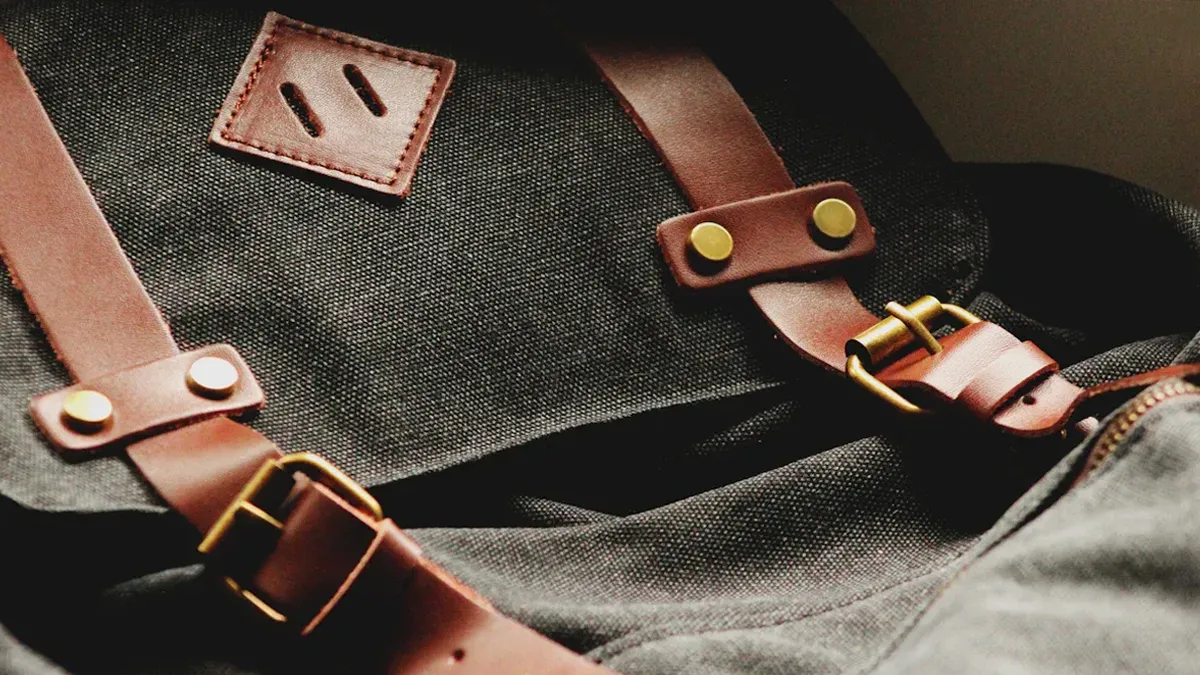
When you want your bag to stand out, leather webbing brings a touch of class. Leather straps look elegant and feel luxurious. You can spot them on high-end handbags, briefcases, and even some backpacks. The smooth finish and rich color make any bag look more expensive. Leather webbing pairs well with both business and casual outfits. You can take your bag to work or out on the weekend, and it always looks right.
Synthetic straps have come a long way. Some now mimic the look of real leather, offering bold designs and trendy details. Still, nothing beats the real thing for that classic, timeless style. If you want your bag to turn heads, leather webbing is a great choice.
- Leather straps are known for their durability and classic appearance.
- Fabric straps give a more casual and lightweight feel.
Tip: Leather webbing adds instant sophistication to any bag. If you want a bag that looks sharp and feels special, go for leather.
Longevity
Leather webbing is not just about looks. You also get a strap that can last for years. With the right care, leather straps stay strong and keep their shape. They do not fray like fabric straps. Over time, leather develops a unique patina. This means your strap gets even better with age.
You do need to look after leather. It likes to stay dry and clean. If you treat it well, your leather strap can outlast most synthetic options. Many people keep their favorite leather bags for decades.
| Advantages of Leather Webbing for Bag Straps | Description |
|---|---|
| Comfort | Soft touch, great comfort during prolonged wear. |
| Style | Classic look that pairs well from business to weekend. |
| Longevity | Requires maintenance to ensure durability, but can last long with proper care. |
Pros
Leather webbing gives you a lot of benefits:
- Timeless style: Leather never goes out of fashion. Your bag will always look good.
- Comfort: The soft touch feels nice on your shoulder, even if you carry your bag all day.
- Durability: Leather can handle daily use and still look great.
- Versatility: You can use leather straps on many types of bags, from work totes to travel duffels.
- Aging well: Leather develops character over time, making your bag unique.
If you want a strap that feels good and looks even better as it ages, leather webbing is a smart pick.
Cons
Leather webbing does have a few drawbacks:
- Needs care: You must clean and condition leather to keep it looking its best.
- Sensitive to water: Leather does not like getting wet. Water can stain or damage the material.
- Heavier: Leather straps weigh more than fabric or synthetic options.
- Higher cost: Real leather usually costs more than other materials.
- Not vegan: Leather comes from animals, so it is not the best choice if you want a cruelty-free bag.
Note: If you want a low-maintenance or lightweight strap, you might prefer fabric or synthetic webbing.
Uses
You see leather webbing on many types of bags. Designers love it because it brings both style and strength. If you want a bag that looks sharp and lasts a long time, leather webbing is a top pick. You might notice leather straps on luxury handbags, briefcases, and even some backpacks. These straps do more than just look good—they help your bag stay strong and keep its shape.
Here’s a table that shows how leather webbing works in bag design:
| Application of Leather Webbing | Characteristics |
|---|---|
| Provides strength and durability | Essential for the longevity of bags |
| Customization options | Allows for unique designs and personalization |
| Affects aesthetics | Color, width, and texture influence the overall look of the bag |
| Sustainable production | Eco-friendly options reduce environmental impact |
You can pick leather webbing in different colors, widths, and textures. This means you get a bag that matches your style. Some brands even let you add your initials or choose special finishes. If you want a one-of-a-kind bag, leather webbing makes it possible.
Leather webbing also works well for travel bags and duffels. These bags need to handle heavy loads and lots of movement. Leather straps help them stay strong, even after years of use. You might also see leather webbing on camera bags, laptop cases, and messenger bags. These straps give you comfort and support, especially when you carry your bag all day.
If you care about the environment, you can find leather webbing made with eco-friendly methods. Some companies use vegetable-tanned leather or recycled materials. This helps lower the impact on the planet while still giving you a stylish, sturdy strap.
Tip: If you want a bag that stands out and lasts, look for one with leather webbing straps. You get both beauty and strength in one package.
Care Tips
Leather webbing needs a little extra care to stay looking its best. If you treat your straps well, they can last for many years. Here are some simple tips to help you keep your leather webbing in great shape:
- Periodically clean and condition the leather to replenish vital oils. Use a soft cloth and a gentle leather cleaner.
- Protect the leather from exposure to elements, dirt, and oils from handling. Try not to let your bag get soaked in rain or sit in direct sunlight for too long.
- Regularly check on the bag during storage to ensure it remains in good condition. Look for any signs of dryness or cracking.
- Adjust the position or stuffing materials as needed. This helps the leather keep its shape and prevents creases.
If your leather webbing gets dirty, wipe it gently with a damp cloth. Don’t use harsh soaps or too much water. Let the strap air dry away from heat. You can use a leather conditioner every few months to keep the material soft and flexible.
Note: A little care goes a long way. If you follow these tips, your leather webbing straps will stay beautiful and strong for years to come.
Specialty Webbing for Straps
When you want something different for your bag straps, specialty webbing gives you cool options. These webbing types stand out because of their look, feel, or performance. You might see them on designer bags, safety gear, or custom projects. Let’s check out some unique choices.
Seatbelt Webbing
Seatbelt webbing feels smooth and strong. You probably know it from car seatbelts, but bag makers love it too. This webbing uses tightly woven polyester. It resists tearing and holds up under heavy weight. You get a strap that feels soft against your skin and slides easily over your shoulder.
| Feature | Seatbelt Webbing |
|---|---|
| Material | Polyester |
| Texture | Silky, smooth |
| Strength | Very high |
| Common Uses | Backpacks, messenger bags, travel gear |
You might pick seatbelt webbing if you want a modern look. The shiny finish adds style to your bag. It works well for everyday bags and travel gear. You can trust it to last a long time.
Tip: If you want a strap that feels soft but stays tough, seatbelt webbing is a smart choice.
Jacquard Webbing
Jacquard webbing brings color and pattern to your bag. You see this webbing on fashion bags, guitar straps, and pet collars. Jacquard weaving lets makers create detailed designs right in the strap. You get stripes, logos, or even pictures woven into the material.
This webbing uses polyester, nylon, or cotton. It feels sturdy and holds its shape. You can match your bag to your style with custom patterns.
Jacquard webbing stands out in these ways:
- Bright colors and bold patterns
- Durable and keeps its look
- Great for branding or personal style
You might choose jacquard webbing if you want your bag to show off your personality. It works for handbags, camera straps, and even luggage.
Want a strap that pops? Jacquard webbing lets you express yourself.
Other Specialty Types
You can find even more specialty webbing for bags. Some makers use reflective webbing. This type shines when light hits it, so it keeps you safe at night. You see it on bike bags, running packs, and outdoor gear.
Elastic webbing stretches and snaps back. It works for sports bags or gear that needs a snug fit. You might also spot webbing made from recycled materials. These straps help the planet and still feel strong.
| Specialty Type | Best Use | Key Feature |
|---|---|---|
| Reflective Webbing | Safety gear, bike bags | Glows in the dark |
| Elastic Webbing | Sports bags, pouches | Stretches easily |
| Recycled Webbing | Eco-friendly bags | Sustainable |
You can mix and match these webbing types to get the bag you want. Specialty webbing gives you choices for style, safety, and comfort.
Note: Specialty webbing helps your bag stand out and work better for your needs.
Choosing Webbing Straps for Bags
Durability
When you pick webbing straps for bags, you want them to last. Durability means your straps can handle daily use, heavy loads, and rough treatment. Some materials stand out for their toughness.
- Nylon is famous for its strength. It can take a lot of pulling and rubbing without breaking. If you need a bag for hiking, travel, or carrying heavy books, nylon straps are a smart choice.
- Polyester also does well with wear and tear. It resists sunlight, so it won’t fade or get weak if you use your bag outside a lot. Many outdoor bags use polyester for this reason.
- Polypropylene is strong enough for most uses and costs less. It handles water well, so it’s good for bags you take to the pool or beach. Just remember, it’s not as tough as nylon or polyester if you drag your bag on rough ground.
- Cotton feels soft but wears out faster than synthetic options. It can fray if you use your bag every day or carry heavy things.
- Leather lasts a long time if you take care of it. It doesn’t fray, and it gets better with age, but it needs regular cleaning and conditioning.
Here’s a quick table to help you compare:
| Material | Strength | Abrasion Resistance | UV Resistance | Water Resistance |
|---|---|---|---|---|
| Nylon | High | High | Medium | Medium |
| Polyester | High | High | High | High |
| Polypropylene | Medium | Medium | Medium | High |
| Cotton | Low | Low | Low | Low |
| Leather | High | High | Medium | Low |
Tip: If you want your bag to last for years, choose nylon or polyester webbing straps for bags.
Appearance
You want your bag to look good, right? The webbing you choose can change the whole style of your bag. Some straps blend in, while others stand out and make a statement.
- Cotton webbing gives a natural, classic look. It comes in many colors and patterns, so you can match your bag to your style.
- Leather straps look elegant and rich. They add a touch of class to any bag, from work totes to weekend duffels.
- Polyester and nylon can look sleek and modern. You’ll find them in bright colors, bold prints, or even shiny finishes.
- Jacquard webbing lets you show off patterns, logos, or special designs. This is great if you want your bag to be unique.
- Seatbelt webbing has a smooth, glossy finish. It gives your bag a cool, urban vibe.
You can pick webbing that matches your bag or choose a color that pops. Some people like straps that blend in, while others want their straps to stand out.
Want your bag to turn heads? Try a patterned or colorful webbing strap!
Comfort
Comfort matters, especially if you carry your bag all day. The right strap can make a big difference for your shoulder and hand.
- Cotton webbing feels soft and gentle on your skin. It’s a top pick for people who want comfort, especially for tote bags or diaper bags.
- Tubular webbing has rounded edges and a flexible feel. It won’t dig into your shoulder, even if your bag is heavy.
- Leather gets softer over time. It molds to your shape and feels nice, but it can be heavier than other options.
- Polyester and nylon are smooth and strong. Some people find them a bit stiff at first, but they soften up with use.
- Seatbelt webbing is silky and slides easily over your clothes. It’s comfy for crossbody bags or messenger bags.
If you have sensitive skin, look for straps with a soft texture. Wider straps also help spread the weight, so your bag feels lighter.
Choose comfort if you carry your bag for long hours. Your shoulders will thank you!
Intended Use
When you pick webbing straps for your bag, think about how you plan to use the bag. The right webbing makes your bag work better for your needs. Each type of webbing fits certain uses best. Let’s look at some common bag types and see which webbing works well for each.
Everyday Bags
You use these bags for school, work, or shopping. You want straps that feel comfortable and last a long time. Cotton webbing feels soft on your shoulder. Polyester and nylon webbing give you more strength if you carry heavy books or a laptop. Leather straps add style for work or business bags.
Outdoor and Adventure Bags
Do you love hiking, camping, or sports? You need webbing that can handle rough use and bad weather. Nylon webbing stands out for backpacks and hiking bags. It resists abrasion and holds up in rain or sun. Polyester webbing also works well for outdoor bags. It dries fast and keeps its color in the sun. Polypropylene webbing is great for beach bags or boating because it does not soak up water.
Travel Bags and Luggage
Travel bags need strong, reliable straps. You want webbing that can handle heavy loads and lots of movement. Nylon and polyester webbing both work well for suitcases, duffels, and carry-ons. Seatbelt webbing is another smart choice for travel. It feels smooth and slides easily over your clothes.
Fashion and Designer Bags
If you care about style, look at leather or jacquard webbing. Leather straps give your bag a classic, high-end look. Jacquard webbing lets you show off patterns, logos, or bright colors. Cotton webbing also works for casual fashion bags. You can pick from many colors and prints.
Safety and Technical Bags
Some bags need special webbing for safety or performance. Climbing bags, rescue gear, or tool bags use tubular or Dyneema® webbing. Tubular webbing gives extra strength and comfort. Dyneema® webbing is super light and strong, perfect for technical gear.
Quick Guide: Best Webbing for Bag Types
| Bag Type | Best Webbing Choices | Why It Works Well |
|---|---|---|
| School/Work Bags | Nylon, Polyester, Cotton | Strong, comfy, easy to clean |
| Outdoor/Hiking Bags | Nylon, Polyester, Polypropylene | Tough, weather-resistant |
| Travel/Luggage | Nylon, Polyester, Seatbelt | Durable, smooth, handles weight |
| Fashion/Designer Bags | Leather, Jacquard, Cotton | Stylish, unique, soft |
| Safety/Technical Bags | Tubular, Dyneema® | Extra strong, high performance |
| Beach/Water Bags | Polypropylene, Polyester | Water-resistant, dries fast |
Tip: Always match your webbing to how you use your bag. If you carry heavy things, pick strong webbing like nylon or polyester. If you want style, try leather or jacquard. For outdoor fun, go with webbing that resists water and sun.
You can mix and match webbing types for different parts of your bag. For example, use leather for handles and nylon for shoulder straps. Think about what matters most to you—comfort, strength, or style. When you choose webbing that fits your needs, your bag will work better and last longer.
Conclusion
You have many choices when it comes to webbing straps for bags. Each type brings something special, whether you want strength, comfort, or style. Think about how you use your bag and what matters most to you. Pick webbing straps for bags that match your needs. If you want something custom, We’re a bag manufacturer in China providing full OEM/ODM customization. Choose your materials, sizes, and printing options — we’ll handle sampling and production. Message us to start your project today!
FAQ
What is the strongest webbing for bag straps?
Dyneema® webbing is the strongest. You get high strength with low weight. Nylon and polyester also offer great strength for most bags.
Can I wash webbing straps in the washing machine?
You can wash most nylon, polyester, and cotton webbing in the machine. Use cold water and mild soap. Air dry the straps to keep them in good shape.
Which webbing is best for outdoor bags?
Nylon and polyester work best for outdoor bags. They resist water, sun, and abrasion. Polypropylene is also good for wet conditions.
Do leather straps last longer than fabric straps?
Leather straps last a long time if you care for them. They resist fraying and get softer with age. Fabric straps may wear out faster with heavy use.
How do I stop webbing straps from fraying?
Use a lighter to carefully melt synthetic strap ends. For cotton, sew or glue the edges. This keeps your straps neat and strong.
Are webbing straps eco-friendly?
Cotton and recycled webbing are eco-friendly choices. Synthetic webbing like nylon and polyester takes longer to break down. Some brands now offer recycled options.
Can I replace bag straps myself?
Yes! You can buy webbing by the yard and sew or attach new straps. Many bags have clips or rings that make swapping straps easy.
What width of webbing should I choose?
Wider straps spread weight better and feel more comfortable. For heavy bags, pick straps at least 1.5 inches wide. For small purses, 1 inch works well.