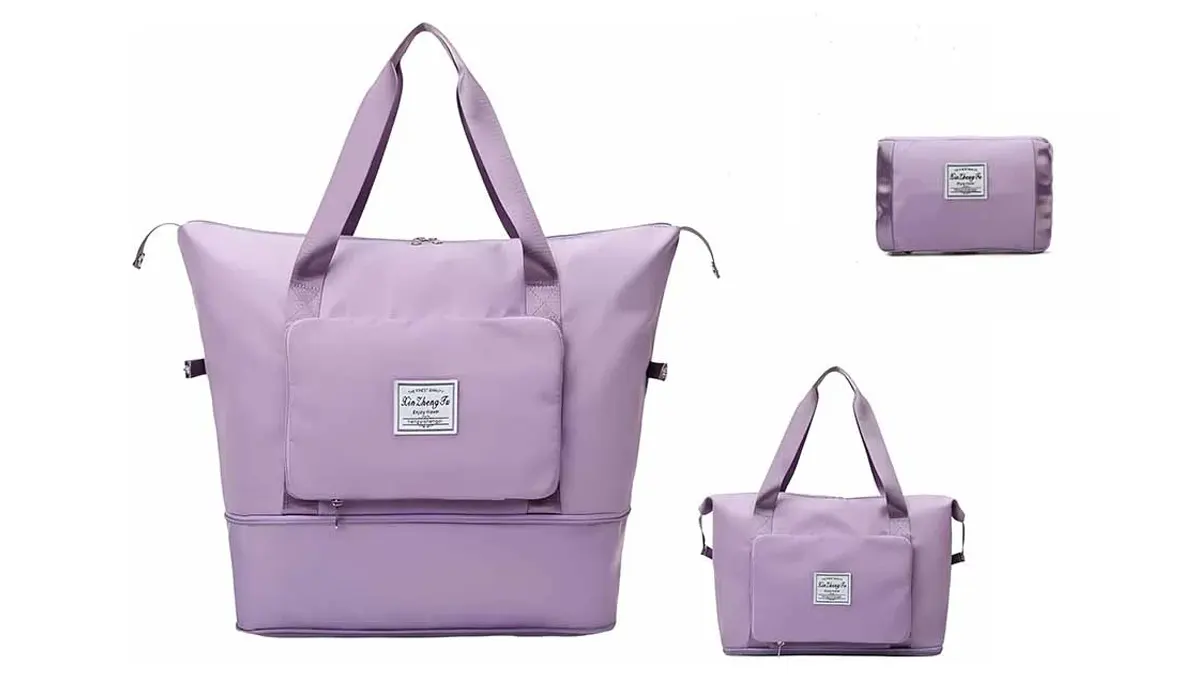
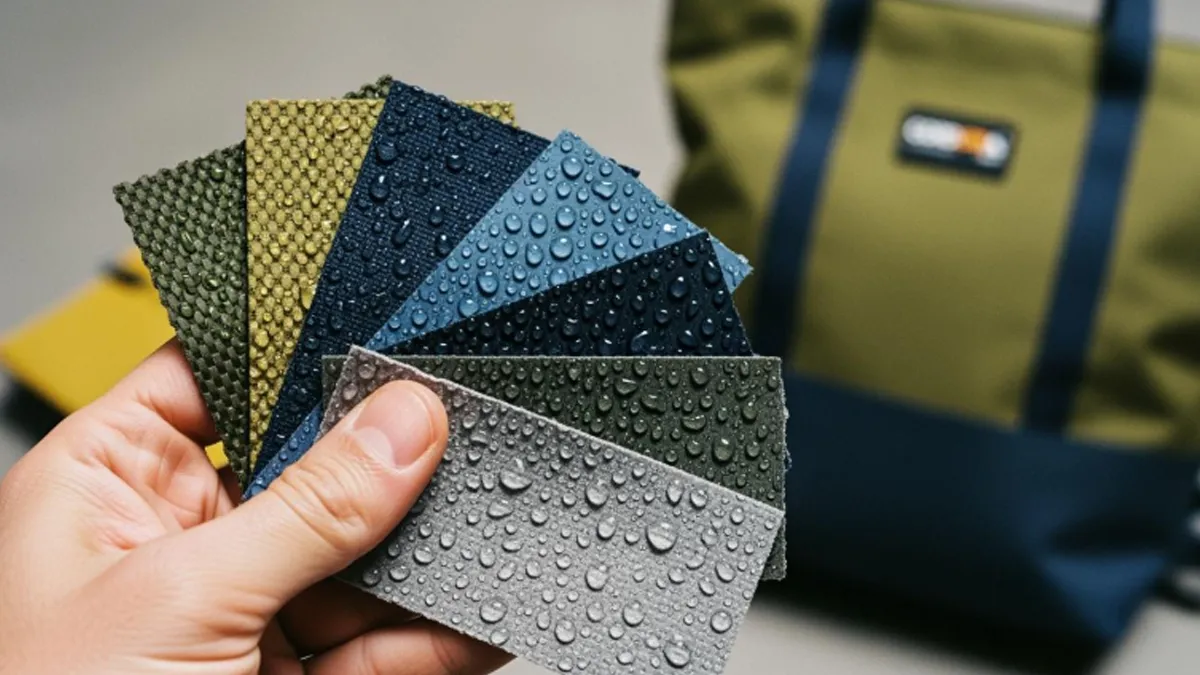
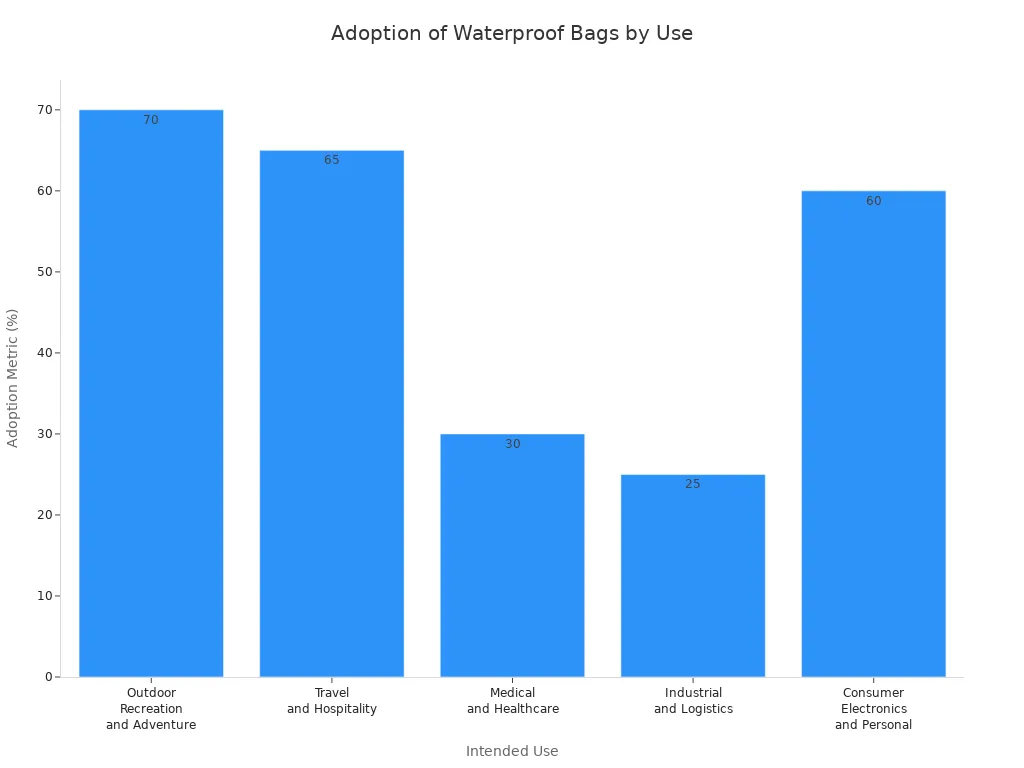
So, what is the best waterproof fabric for bags? The answer depends on how you will use your bag. It also depends on how much protection you want. You should think about how strong you want the bag to be. Your budget matters too. For example, people who like the outdoors need strong, waterproof materials. These keep their gear dry on hikes or kayak trips. Travelers want bags that can handle rain and spills. Look at how people use these bags:
| Intended Use | Description | Adoption Metrics | Outcome Metrics |
|---|---|---|---|
| Outdoor Recreation and Adventure | Keeps gear safe during kayaking, hiking, and camping. | 70% of outdoor gear brands have waterproof options; 15% more sales reported. | Less gear loss, better safety, and happier customers. |
| Travel and Hospitality | Keeps things safe from rain and spills. | 65% of travelers want waterproof luggage; 20% more sales in wet places. | Fewer water damage claims, better customer reviews. |
| Medical and Healthcare | Holds and moves sensitive medical equipment. | 30% more use of waterproof containers by medical device companies. | Fewer contamination problems, better cleaning. |
| Industrial and Logistics | Moves sensitive parts and goods that can spoil. | 25% fewer product returns from water damage after using waterproof solutions. | Less product loss, better supply chain reliability. |
| Consumer Electronics and Personal | Keeps items like smartphones and tablets safe. | Over 60% of smartphone users have waterproof cases; 10% more market share. | Fewer returns, happier customers. |
When you choose a waterproof fabric for bags, think about how much water it blocks. Also, think about how well air can move through it. Check if it is good for the environment. You want to make a smart choice. Pick what fits your needs and keeps your things safe.
Key Takeaways
- Think about how you will use your bag. Bags for travel, sports, or daily use need different waterproofing.
- Know the difference between waterproof and water-resistant fabrics. Waterproof fabrics stop all water. Water-resistant fabrics only block light rain.
- Check the water column rating. A higher number, like over 10,000 mm, means better rain protection.
- Look for breathability in waterproof fabrics. Breathable fabrics let sweat escape. This keeps your things dry and comfy.
- Pick strong fabrics if you want your bag to last. Ballistic nylon and TPU-laminated fabrics are very tough and resist damage.
- Think about how heavy the fabric is. PU-coated nylon is light and easy to carry. Heavier fabrics protect your things more.
- Think about cost and value. A good waterproof bag costs more but lasts longer and protects your stuff better.
- Take care of your waterproof bag. Clean it often and add waterproof treatments when needed. This helps your bag work well for a long time.
Waterproof Fabric Basics
Waterproof vs. Water-Resistant
You might wonder how waterproof fabric is different from water-resistant fabric. Waterproof fabric keeps all water out, even in strong rain. Water-resistant fabric only slows water down. It can stop light rain or splashes, but not heavy soaking. If you want your bag dry in any weather, pick waterproof fabric.
How do makers make fabric waterproof? They use smart ways:
- Tight weaving keeps water from getting inside. Patterns like plain weave and twill help a lot.
- Polymer coatings, like polyurethane or silicone, cover the fabric and push water away.
- Blended fibers mix materials to help air move and block water.
- Laminated fabrics have special layers stuck together. These layers stop water and make the fabric stronger.
- Chemical treatments change the surface so water slides off.
Coatings and laminates do more than block water. They make the fabric stronger and help it last longer. Some coatings also protect from sunlight and chemicals. Laminated fabrics often have two or more layers, so they are tough and hard to rip.
Water Column Rating
When you shop for waterproof fabric, you will see a water column rating. This number shows how much water pressure the fabric can take before leaking. A higher number means better waterproofing.
Here is a simple guide:
| Water Column Rating (mm) | What It Means |
|---|---|
| 5,000 | Good for normal rain |
| 10,000 – 20,000 | Works for long, heavy rain |
| 28,000 | Handles the strongest storms |
If you want a bag for hiking or travel, choose fabric with a rating over 10,000 mm. For daily use, 5,000 mm is usually enough.
Waterproof and Breathable Fabrics
You might think waterproof fabric always feels hot and stuffy. That is not always true. Some waterproof fabrics let air move through but keep water out. This is called breathability. Breathable waterproof fabric lets sweat and moisture escape. Your bag stays dry inside, and your things do not get wet.
Breathability is important for sports and outdoor bags. If you carry your bag while running or hiking, you will sweat. A breathable waterproof fabric keeps you cool and protects your stuff.
Tip: Always check if your waterproof fabric is breathable. This helps you stay comfortable, especially when you are active.
Now you know the basics. You can tell the difference between waterproof and water-resistant fabrics. You know why coatings, laminates, and fiber structure matter. You can use water column ratings to pick the best waterproof fabric for your bag.
Best Waterproof Fabrics for Bags
PU-Coated Nylon
You see PU-coated nylon in many waterproof bags. Manufacturers add a thin layer of polyurethane (PU) to nylon fabric. This coating blocks water and makes the fabric stronger. You get a lightweight material that feels soft but stands up to daily use.
Why choose PU-coated nylon?
- It keeps water out during rain or splashes.
- The fabric stays flexible, so your bag does not feel stiff.
- You can find it in many colors and patterns.
But you should know that PU coatings do not last forever. Over time, the coating can wear off, especially if you use your bag a lot or leave it in the sun. Most PU-coated nylon bags last between 2 and 5 years with normal use.
Here’s a quick look at how PU compares to other coatings:
| Coating | Average Lifespan (under typical use) |
|---|---|
| PU | 2–5 years |
| PVC | 5–10 years |
| TPU | 5–8 years (often longer for medical use) |
Tip: If you want a lightweight, affordable waterproof fabric for bags you use every day, PU-coated nylon is a smart pick. Just remember to check for signs of wear after a few years.
PVC-Laminated Polyester
PVC-laminated polyester is another popular waterproof fabric. Makers bond a layer of polyvinyl chloride (PVC) to polyester fabric. This creates a tough, shiny surface that water cannot get through. You often see this fabric in heavy-duty waterproof bags, duffel bags, and gear for outdoor work.
What makes PVC-laminated polyester stand out?
- It handles rough use and heavy loads.
- The surface wipes clean easily.
- It resists mold and mildew.
PVC-laminated polyester offers strong water resistance. In lab tests, it can handle a hydrostatic head of 5,000 to over 10,000 mm. That means it keeps water out even in heavy rain. It also lasts longer than PU-coated nylon, with an average lifespan of 5 to 10 years.
| Coating Type | Hydrostatic Head (mm) | Martindale Abrasion Cycles |
|---|---|---|
| PU-Coated Polyester | 2,500–5,000 | 15,000–20,000 |
| PVC-Coated Polyester | 5,000–10,000+ | 20,000–40,000 |
Keep in mind, PVC can feel stiff and heavy. It does not breathe well, so it traps moisture inside the bag. If you need a waterproof fabric for bags that will face tough jobs or lots of rain, PVC-laminated polyester is a strong choice.
TPU-Laminated Fabrics
TPU-laminated fabrics use thermoplastic polyurethane (TPU) as a waterproof layer. You get a fabric that feels soft and flexible but blocks water very well. TPU is lighter than PVC and often more eco-friendly.
Why pick TPU-laminated fabrics?
- They offer great water resistance and flexibility.
- The fabric stays soft, even in cold weather.
- TPU does not crack or get brittle as fast as other coatings.
TPU-laminated fabrics last about 5 to 8 years with normal use. Some medical bags use TPU because it holds up even longer. You will notice that TPU fabrics are often used in high-end waterproof and breathable bags, like dry bags for kayaking or cycling.
Note: TPU-laminated fabrics cost more than PU or PVC, but you get a lighter, more flexible, and sometimes greener option.
When you look for the best waterproof fabrics, think about how you will use your bag. PU-coated nylon works well for light, everyday bags. PVC-laminated polyester is best for heavy-duty or outdoor bags. TPU-laminated fabrics give you a mix of strength, flexibility, and water protection, perfect for sports or travel.
Oxford Cloth
You might have seen Oxford cloth in backpacks, school bags, and even laptop sleeves. This fabric stands out because it feels smooth and looks a bit shiny. Oxford cloth uses a special basket weave that makes it strong and helps it last a long time. When you add a waterproof coating, it turns into a great waterproof fabric for bags.
Why do people like Oxford cloth?
- It feels light but holds up well.
- The fabric resists tearing and scratching.
- You can clean it easily with a damp cloth.
Most Oxford cloth bags use a PU or PVC coating. This coating keeps water from soaking through. If you want a bag for school, work, or travel, Oxford cloth works well. It gives you a balance of strength, style, and water protection.
| Feature | Oxford Cloth (with coating) |
|---|---|
| Weight | Light to medium |
| Durability | Good |
| Water Resistance | High |
| Cost | Affordable |
Tip: If you want a stylish bag that keeps your things dry, Oxford cloth is a smart pick. Just check the coating before you buy.
Ballistic Nylon
Ballistic nylon sounds tough—and it is! The U.S. military first used this fabric in World War II. Today, you find it in luggage, laptop bags, and outdoor gear. Ballistic nylon uses thick, tightly woven fibers. This makes it one of the best waterproof fabrics for bags that need to survive rough use.
What makes ballistic nylon special?
- The fabric resists cuts, tears, and abrasions.
- It handles heavy loads without stretching.
- You get a smooth, shiny look that feels high-end.
Manufacturers often add a waterproof coating to ballistic nylon. This turns it into a true waterproof fabric. Some bags use a double layer for extra strength. If you need a bag for travel, work, or outdoor adventures, ballistic nylon gives you peace of mind.
| Feature | Ballistic Nylon (coated) |
|---|---|
| Weight | Medium to heavy |
| Durability | Excellent |
| Water Resistance | Very high |
| Cost | Higher |
Note: Ballistic nylon bags can feel heavier than others. If you want the toughest waterproof bags, this fabric is hard to beat.
X-Pac and Spectron
If you want something high-tech, check out X-Pac and Spectron fabrics. These materials use layers of different fibers, like polyester, nylon, and even special waterproof films. X-Pac started in the sailing world, but now you see it in backpacks and bike bags.
Why choose X-Pac or Spectron?
- The fabric is waterproof and breathable, so your gear stays dry and fresh.
- It feels light but stays strong, even after years of use.
- The unique look stands out from regular fabrics.
X-Pac and Spectron use a sandwich design. You get a waterproof layer in the middle, with tough fabric on the outside and a soft layer inside. This makes the fabric strong, flexible, and very good at blocking water.
| Feature | X-Pac/Spectron |
|---|---|
| Weight | Light |
| Durability | Very good |
| Water Resistance | Excellent |
| Cost | Premium |
If you want a modern, lightweight bag that handles rain and rough trips, X-Pac and Spectron are top choices. These fabrics cost more, but you get high performance and a cool style.
Each of these waterproof fabric options gives you something different. Oxford cloth works for everyday bags. Ballistic nylon is best for tough jobs. X-Pac and Spectron are perfect for high-tech, lightweight waterproof bags.
Canvas with Waterproof Treatment
Canvas has a long history as a strong and reliable fabric. You might picture old tents or classic backpacks made from canvas. Today, you can still find canvas in many bags, but now it often comes with a waterproof treatment. This makes it a smart choice if you want a mix of tradition and modern performance.
When you treat canvas with special coatings or wax, you turn it into a waterproof fabric. The treatment fills the tiny gaps between the fibers. Water beads up and rolls off instead of soaking in. Some brands use wax, while others use synthetic coatings like polyurethane. Both methods help keep your gear dry.
Why choose canvas with waterproof treatment?
- You get a classic look that never goes out of style.
- The fabric feels sturdy and holds its shape well.
- Treated canvas can last for years if you care for it.
- You can reapply wax or spray to refresh the waterproof layer.
But canvas is not perfect for every job. It weighs more than nylon or polyester. It can feel stiff, especially when new. If you want a lightweight bag for hiking or sports, you might want to look at other options. Canvas also needs a little more care. You should avoid washing it in a machine, and you may need to re-treat it after heavy use.
Here’s a quick comparison to help you decide:
| Feature | Treated Canvas | Synthetic Waterproof Fabric |
|---|---|---|
| Weight | Heavy | Light to medium |
| Durability | Very good | Good to excellent |
| Style | Classic, rugged | Modern, technical |
| Maintenance | Needs re-treatment | Low maintenance |
| Breathability | Moderate | Can be waterproof and breathable |
Tip: If you love the look and feel of classic bags, canvas with waterproof treatment is a great pick. You get a tough waterproof fabric that stands up to daily life and looks better with age.
Canvas works well for tote bags, messenger bags, and even some travel backpacks. It gives you a unique style and solid protection from rain. If you want a waterproof fabric for bags that blends tradition with function, canvas deserves a spot on your list.
Choosing Waterproof Fabric for Bags
Waterproof Level
When you pick a waterproof fabric for bags, you want to know how much water it can block. The waterproof level tells you this. You can check the hydrostatic head rating. This number shows how much water pressure the fabric can handle before it leaks. If you see a higher rating, you get better protection. For outdoor adventures, you need a fabric with a strong waterproof level. Rain, puddles, and splashes will not get inside your bag.
Here’s a quick list to help you focus on what matters most for outdoor use:
- Level of Waterproof
- Fabric breathability
- The durability of the fabric
- Fabric Weight
- Fabric cost
You should look for a hydrostatic head value above 10,000 mm if you plan to use your bag in wet places. This keeps your gear dry even in heavy rain. If you only need protection from light showers, a lower rating works fine. Always check the label or product details before you buy.
Tip: If you want your bag to survive storms or river crossings, choose a fabric with a high waterproof rating.
Breathability
You might think waterproof means stuffy, but that’s not true. Breathable waterproof fabric lets air and moisture escape while keeping water out. This keeps your things dry and helps you stay comfortable. If you use your bag for sports or travel, breathability matters a lot.
Different fabrics have different breathability ratings. You can see these numbers in grams per square meter per 24 hours (g/m²/24hrs). Higher numbers mean more air can move through the fabric. Here’s a table to show you how breathability fits different activities:
| Breathability Rating (g/m²/24hrs) | Usable Conditions | Ideal Activities |
|---|---|---|
| 10,000 | Cooler weather, less movement | Snowsports, motorsports, fishing, hunting |
| 20,000 | All weather, moderate movement | Backpacking, climbing, hunting, snowsports |
| 30,000 | Warm weather, high movement | Cycling, trail running, cross country skiing |

If you want a waterproof and breathable bag for running or biking, pick a fabric with a higher breathability rating. For cold weather or less active use, a lower rating works fine. Always balance waterproofing with breathability. This helps you avoid sweaty gear and keeps you comfortable.
Durability
You want your bag to last. Durability means the fabric can handle rough use, heavy loads, and lots of trips. Some fabrics stand out for their toughness. Cordura nylon is famous for resisting rips and tears. Ballistic nylon is even stronger and was first made for the military. Kevlar is super tough and used in safety gear.
- Cordura nylon resists rips and tears. You can trust it for outdoor gear.
- Ballistic nylon gives you extra abrasion resistance. It works well for tactical and travel bags.
- Kevlar offers top-level strength. You see it in cut-resistant and bulletproof products.
If you need a bag for hiking, camping, or work, choose a durable waterproof fabric for bags. It will keep your things safe and last for years. You do not want your bag to fall apart after a few trips.
Note: Durability helps your bag keep its waterproof power, even after lots of use and exposure to rain, mud, or sun.
Weight
Weight is important when you pick fabric for your bag. You want a bag that is easy to carry. Heavy bags can make you tired fast. Some fabrics are very light. Others are heavy, even when empty.
Here are some things to remember:
- Lightweight fabrics like PU-coated nylon, Oxford cloth, and X-Pac are easy to carry. These are good for school, travel, or sports.
- Medium-weight fabrics like TPU-laminated polyester are strong and comfy. These work for most daily needs.
- Heavy fabrics like canvas or ballistic nylon give more protection. They last longer but can feel bulky.
| Fabric Type | Typical Weight | Best For |
|---|---|---|
| PU-coated nylon | Light | Backpacks, daypacks |
| Oxford cloth | Light | School bags, laptop sleeves |
| TPU-laminated fabric | Medium | Travel, sports, outdoor use |
| Ballistic nylon | Heavy | Luggage, tactical bags |
| Treated canvas | Heavy | Tote bags, classic backpacks |
Tip: If you walk or bike a lot, pick a lighter fabric. Your shoulders will feel better!
Cost
Cost is a big deal when you buy a new bag. Some fabrics cost more because they use special layers. Others are cheaper but still work well.
Here is what you should know:
- Budget-friendly: PU-coated nylon and Oxford cloth are not expensive. They keep water out and are strong. These are good for students or anyone who wants a simple bag.
- Mid-range: PVC-laminated polyester and TPU-laminated fabrics cost a bit more. They last longer and block water better.
- Premium: Ballistic nylon, X-Pac, and treated canvas cost the most. These look nice and last a long time, but you pay more for them.
| Fabric Type | Price Range | Value for Money |
|---|---|---|
| PU-coated nylon | $ | Good for everyday use |
| Oxford cloth | $ | Stylish and affordable |
| PVC-laminated fabric | $$ | Tough and long-lasting |
| TPU-laminated fabric | $$ | Flexible and durable |
| Ballistic nylon | $$$ | Super tough, premium feel |
| X-Pac/Spectron | $$$ | Lightweight, high-tech |
| Treated canvas | $$$ | Classic look, very durable |
Note: Spending more at first can save money later. A strong bag can last for years.
Sustainability
If you care about the earth, you want to know about your bag’s fabric. Some fabrics use chemicals that can hurt nature. Others use recycled or safer materials.
Here is how you can help the planet:
- Look for recycled fabrics. Some brands use recycled polyester or nylon. These help cut down on trash.
- Check for eco-friendly coatings. TPU is usually safer than PVC. Waxed canvas uses natural wax, not plastic.
- Think about how long the bag lasts. A tough bag means you buy less often, which is better for the earth.
| Fabric Type | Eco-Friendly? | Why or Why Not? |
|---|---|---|
| PU-coated nylon | Sometimes | Some use recycled nylon |
| PVC-laminated fabric | No | Hard to recycle, uses harsh chemicals |
| TPU-laminated fabric | Yes | Safer, some use recycled materials |
| Ballistic nylon | Sometimes | Can be recycled, lasts long |
| X-Pac/Spectron | Sometimes | Some versions use recycled fibers |
| Treated canvas | Yes | Natural fiber, can use natural wax |
Tip: To help the planet, pick waterproof bags made from recycled or natural materials. Always check the label or ask the maker about their green choices.
Matching Waterproof Fabric to Bag Use
Travel Bags
When you travel, you want a bag that keeps your things dry, no matter where you go. Humid climates and rainy cities can make this tricky. You need a fabric that blocks moisture and stands up to rough handling. TPU-coated polyester works well for travel bags. It gives strong protection against water, so your clothes and electronics stay safe, even if you set your bag down on a wet floor.
You might also look at high-tech fabrics like 420D Spectron or X-Pac RX30. These materials handle heavy rain and wet weather. If you travel to places with steady rain, 630D or 1050D HT Ballistic Nylon is a solid choice. It keeps water out during showers, but it may not protect against all-day downpours.
Here’s a quick list of top picks for travel bags:
- TPU-coated polyester – Best for keeping items dry on wet surfaces
- 420D Spectron or X-Pac RX30 – Great for heavy rain and humid climates
- 630D or 1050D HT Ballistic Nylon – Good for steady rain
Tip: If you travel often, choose a bag with sealed seams and water-resistant zippers. These features help keep water out, even in tough conditions.
Sports and Outdoor Bags
Sports and outdoor adventures bring you face-to-face with rain, mud, and sweat. You need a bag that can handle all of it. Look for fabrics with a waterproof rating over 10,000mm. This means the bag can stand up to harsh weather and keep your gear dry. Breathability matters too. If you run, hike, or bike, you want sweat to escape so your things stay fresh.
Check out this table to see what matters most for sports and outdoor bags:
| Property | Description |
|---|---|
| Waterproof Rating | Fabrics with ratings over 10,000mm are ideal for harsh weather. |
| Breathability Rating | Ratings above 15,000 g/m²/24h let sweat escape, keeping you comfy. |
| Material Strength | Strong fabrics with sealed seams last longer in rough conditions. |
You might pick X-Pac or Spectron for lightweight, waterproof, and breathable bags. Ballistic nylon works for tough jobs, but it feels heavier. TPU-laminated fabrics give you a good mix of strength and flexibility.
Note: Always check if your sports bag has sealed seams. This helps stop leaks during heavy rain.
Everyday Bags
You use everyday bags for school, work, or errands. You want something that looks good and keeps your stuff safe from spills or light rain. Waterproof bags are important if you live in a rainy place or carry electronics. If you only face occasional splashes, a water-resistant bag might be enough.
Here’s what everyday bag users say matters most:
- Waterproof bags are a must for people who deal with heavy rain and spills.
- Water-resistant bags work for those with a drier lifestyle.
- Your choice depends on how much risk you want to take.
Oxford cloth with a waterproof coating is a smart pick for everyday use. It feels light, looks stylish, and blocks water. Treated canvas gives you a classic look and solid protection, but it needs more care. PU-coated nylon is affordable and keeps your things dry during short walks in the rain.
Tip: Think about your daily routine. If you walk outside a lot, pick a bag with strong waterproof fabric. If you stay indoors, water resistance might be enough.
Specialty Bags
Some bags need more than simple water protection. These bags are for special things like medical gear, cameras, or food delivery. Each type has its own needs. You want your items safe, dry, and sometimes very clean.
Let’s look at some types of specialty bags and good fabrics for them:
- Medical Bags: These bags need to block water and germs. TPU-laminated polyester is a good choice. It stands up to chemicals and is easy to wipe clean. Some medical bags use PVC-laminated polyester for extra strength. You can clean these bags with disinfectant. This keeps your tools safe and clean.
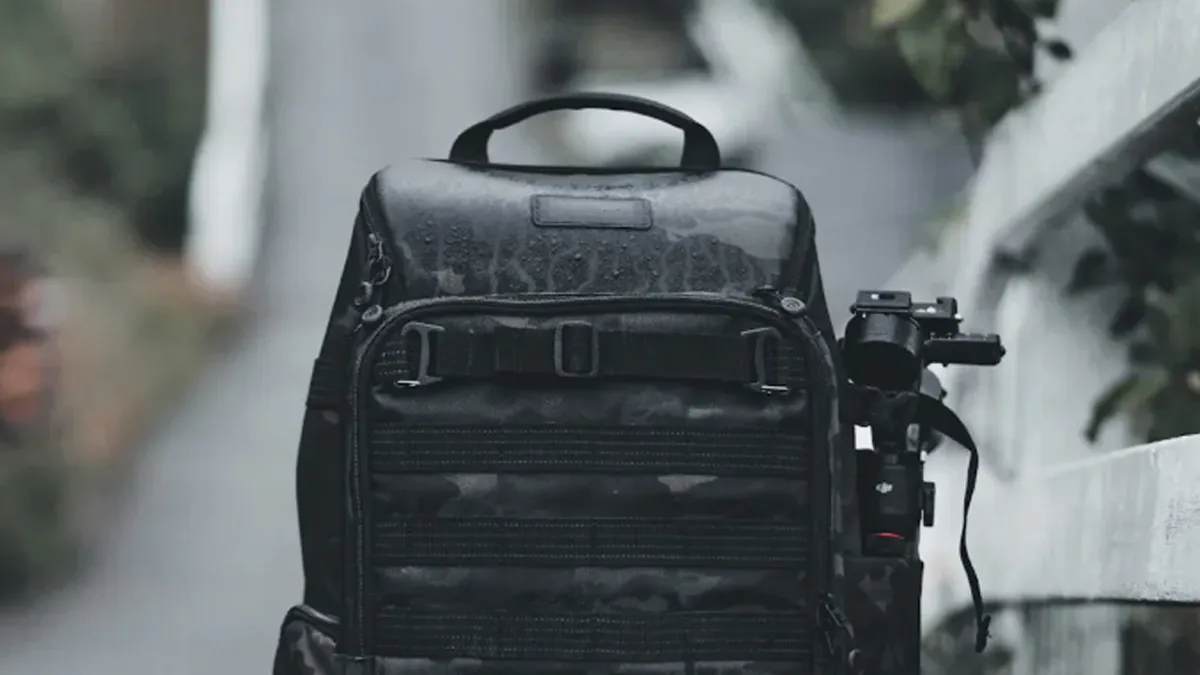
- Camera Bags: Cameras and lenses must stay dry. Ballistic nylon with a waterproof coating gives strong protection. X-Pac fabric is also a smart pick. It keeps water out and is not heavy. Some camera bags have extra padding inside for shock safety.
- Food Delivery Bags: These bags keep food hot and dry. Many use PVC-laminated polyester. This fabric blocks water and is easy to wipe. Some bags have foam between layers. This helps food stay warm and fresh.
- Electronics Bags: Laptops and tablets need strong water protection. Oxford cloth with a waterproof coating works for daily use. For bad weather, TPU-laminated nylon or X-Pac fabric gives more safety.
Here’s a table to help you match specialty bags with the right fabric:
| Specialty Bag Type | Best Waterproof Fabric | Why It Works |
|---|---|---|
| Medical | TPU-laminated polyester | Chemical resistance, easy cleaning |
| Camera | Ballistic nylon, X-Pac | Strong, lightweight, waterproof |
| Food Delivery | PVC-laminated polyester | Easy to clean, keeps heat in |
| Electronics | Oxford cloth, TPU, X-Pac | Water protection, light, stylish |
Tip: Always check if your specialty bag has sealed seams and water-resistant zippers. These features help stop leaks and keep your items safe.
You can find waterproof bags for almost any special use. Think about what you need to protect. Pick a fabric that fits your needs. If you carry sensitive gear, choose a fabric that blocks water and is easy to clean. For food or medical use, pick fabrics that handle heat and chemicals.
Specialty bags may cost more, but they protect your things better and last longer. The right fabric keeps your items safe and ready for anything.
Care and Maintenance for Waterproof Bags
Cleaning
Keeping your waterproof bag clean helps it last longer and look better. Dirt and grime can wear down the fabric and coatings over time. You do not need fancy tools or harsh chemicals. Most of the time, you just need a soft brush, mild soap, and water.
Here’s how you can clean your bag:
- Empty your bag and shake out any crumbs or dirt.
- Use a damp cloth or soft brush to wipe away dust and mud.
- Mix a little mild soap with water. Gently scrub any stains or sticky spots.
- Rinse with clean water. Make sure you remove all soap.
- Let your bag air dry. Hang it up or lay it flat in a cool, dry place.
Tip: Never put your waterproof bag in the washing machine or dryer. High heat and spinning can damage the waterproof coating.
If your bag smells musty, sprinkle a bit of baking soda inside. Let it sit overnight, then shake it out. This helps remove odors without harming the fabric.
Storage
How you store your waterproof bag makes a big difference in how long it lasts. If you toss it in a damp closet or leave it zipped up after a rainy day, you might find mold or mildew the next time you use it.
Here’s what can happen if you store your bag the wrong way:
- Moisture can sneak into the fabric and zippers, leading to mold growth.
- Mold can weaken the bag and make it smell bad.
- Humid, closed spaces—even vacuum-sealed bags—let mold thrive.
- No airflow means mildew can develop inside and outside the bag.
- Storing your bag tightly packed increases the risk of mold on your gear.
To keep your bag in top shape, always store it in a dry, well-ventilated area. Leave zippers open so air can move through. If your bag gets wet, dry it completely before putting it away. You can stuff it loosely with paper to help it keep its shape.
Note: Never store your bag in direct sunlight for long periods. Sunlight can fade colors and weaken the fabric.
Maintaining Waterproof Performance
Over time, even the best waterproof bags can lose some of their water-blocking power. Dirt, oils, and regular use can wear down coatings. You can keep your bag performing well with a few simple steps.
- Clean your bag regularly to prevent dirt from breaking down the waterproof layer.
- Reapply waterproof sprays or waxes if water stops beading on the surface. Follow the instructions on the product for best results.
- Check seams and zippers for leaks. If you spot any, use a seam sealer or waterproof tape to fix them.
- Avoid folding or crushing your bag for long periods. This helps prevent cracks in the coating.
Tip: If you notice water soaking in instead of rolling off, it’s time to refresh the waterproof treatment. A quick spray or wax can make your bag as good as new.
Taking care of your waterproof bag does not take much time, but it makes a big difference. Clean, dry, and store your bag the right way, and it will protect your gear for years.
Repairs
Even the best waterproof bag can get a tear or a hole. Zippers might break. Seams can start to leak. You do not have to throw your bag away when this happens. You can fix many problems at home with simple tools.
Common Bag Repairs You Can Do:
- Small Tears or Holes:
Use a waterproof patch or repair tape. Clean the area first. Cut a patch that covers the hole with extra space around it. Press it down firmly. Some patches need heat from an iron. Always check the instructions. - Leaky Seams:
Seams can start to leak after lots of use. You can buy seam sealer at most outdoor stores. Squeeze a little along the seam. Let it dry for a few hours. This keeps water out. - Broken Zippers:
If your zipper gets stuck, rub a little candle wax or soap on the teeth. For a zipper that splits, try to realign the teeth and zip it up again. If the pull tab breaks, you can use a paperclip or a keyring as a quick fix. - Worn Coating:
Sometimes the waterproof coating wears off. You can spray on a new waterproof layer. Look for sprays made for outdoor gear. Spray evenly and let it dry before you use your bag again.
Tip: Always clean the area before you start any repair. Dirt and oil can stop patches and glue from sticking.
When Should You Get Professional Help?
Some repairs need special tools or skills. If your bag has a big rip, a broken buckle, or a damaged strap, you might want to visit a repair shop. Many outdoor stores offer repair services. They can sew heavy fabrics and replace hardware.
Quick Reference Table:
| Problem | DIY Fix | When to Seek Help |
|---|---|---|
| Small tear/hole | Patch or tape | Large or jagged tear |
| Leaky seam | Seam sealer | Seam coming apart |
| Broken zipper pull | Replace with keyring | Zipper track damaged |
| Worn coating | Waterproof spray | Deep cracks or peeling |
Note: Fixing small problems right away keeps them from getting worse. A quick patch or a dab of seam sealer can add years to your bag’s life.
You do not need to be an expert to repair your waterproof bag. With a few supplies and a little time, you can keep your bag working and looking good. Take care of small issues early, and your bag will stay ready for every adventure.
Common Mistakes When Choosing Waterproof Fabric
When you shop for a waterproof bag, you want to make the best choice. Sometimes, people make simple mistakes that lead to wet gear, sweaty backs, or bags that fall apart too soon. Let’s look at the most common mistakes and how you can avoid them.
Ignoring Breathability
You might think that the most waterproof fabric is always the best. That’s not true. If you ignore breathability, your bag can trap air and moisture inside. In hot weather, this can make your things damp, even if rain never touches them.
Here’s a quick look at what happens when breathability gets ignored:
| Disadvantage | Description | Impact on Usability |
|---|---|---|
| Limited Breathability | Fully waterproof materials trap air and moisture inside. | Potential condensation can dampen contents in hot climates. |
If you plan to use your bag for sports, travel, or outdoor adventures, pick a fabric that lets air move through. Breathable waterproof fabrics keep your gear dry and fresh. You’ll feel more comfortable, and your things will stay safe.
Tip: Always check for breathability ratings when you buy a waterproof bag. Your gear will thank you!
Overlooking Water Column Rating
Some people buy waterproof bags without looking at the water column rating. This rating tells you how much water pressure the fabric can handle before it leaks. If you skip this step, you might end up with a bag that can’t handle heavy rain or puddles.
A low water column rating means your bag might leak during storms. A high rating gives you better protection. For outdoor use, look for ratings above 10,000 mm. For everyday use, a lower rating might work.
Note: The water column rating is like a shield. The higher the number, the stronger the shield against water.
Choosing by Price Only
It’s easy to pick the cheapest bag and hope for the best. But low prices often mean low-quality materials. Cheap or flimsy fabrics can rip, tear, or lose their waterproof coating fast. You might save money now, but you’ll spend more later when you need a new bag.
Here are some mistakes people make when choosing by price:
- Picking low-quality materials that don’t last.
- Buying fabrics that tear easily.
- Forgetting about water-resistant coatings for all-weather use.
Tip: Don’t let price be your only guide. Look for strong, well-made fabrics with good waterproof ratings and breathability. Your bag will last longer and protect your gear better.
If you avoid these common mistakes, you’ll find a waterproof bag that fits your needs and stands up to any adventure.
Custom Waterproof Bags and Manufacturer Services
Do you want a bag that fits your needs? You should think about custom waterproof bags. Many companies let you order lots of bags at once. They also help you design bags for your brand or special use.
Wholesale and OEM/ODM
Wholesale lets you buy many bags for less money. This is good for stores, teams, or big events. OEM and ODM services let you design your own bag or pick a design and add your logo. You can choose how the bag looks, its size, and what features it has.
With OEM/ODM, you can:
- Show your own drawings or ideas for a new bag.
- Ask to print your logo on the bag and box.
- Pick the materials and colors you like best.
Most companies want you to order at least 300 bags. This helps keep prices low and gives you a better deal.
Customization Options
You can make your waterproof bag special in many ways. Companies give you lots of choices so your bag is just right for you.
Here are some popular ways to customize your bag:
| Customization Aspect | Details |
|---|---|
| Size | Pick any size you want. |
| Color | Choose from many colors for your brand or style. |
| Material | Pick tarpaulin, PVC, TPU, or nylon for strength and waterproofing. |
| Branding | Add your logo, slogan, or design to the bag and box. |
| Construction Technique | Use high frequency welding for better waterproofing. |
| Minimum Order Quantity | Start with as few as 300 bags for custom orders. |
You can also ask for things like extra pockets, soft straps, or cool shapes. If you want a bag that matches your ideas, these choices help you get it.
Professional Manufacturer Benefits
When you work with a good manufacturer, you get more than just a bag. You get help and good quality from start to finish. Here’s what you get:
| Advantage | Description |
|---|---|
| Customization Options | Bags made for you, with your logo and features. |
| Quality Control | Experts check every step, so you get great bags every time. |
| Production Capabilities | Fast samples and easy handling of big orders. |
| Aftersales Service | Friendly help if you have questions or problems after you get your bags. |
Tip: Working with experts saves you time and trouble. You get a bag that looks good, works well, and lasts longer.
Custom waterproof bags help you stand out and keep your things safe. If you want something special, wholesale and OEM/ODM services make it easy to get what you want.
Conclusion
Picking the right waterproof fabric for your bag depends on how you use it and the weather you deal with. Here’s a simple chart to help you:
| Fabric Type | Water Protection | Best For |
|---|---|---|
| 420D Spectron | Excellent | Heavy rain, all-weather protection |
| X-Pac RX30 | Excellent | Torrential downpours, high-performance durability |
| 630D & 1050D HT Ballistic Nylon | High | Steady rain, everyday use |
| 200D Halcyon & 210D Cerylon | Moderate | Sunny days, minimal moisture |
Choose fabric that is strong, lasts long, and lets air move. If you want a special bag or need help, our team can help you make the best waterproof bag for any use!
FAQ
What is the difference between waterproof and water-resistant bags?
Waterproof bags keep all water out, even in heavy rain. Water-resistant bags only protect against light rain or splashes. If you want your things dry in any weather, choose waterproof.
How do I know if a fabric is truly waterproof?
Check the water column rating. If it’s above 10,000 mm, the fabric is waterproof for most uses. You can also look for sealed seams and waterproof zippers.
Can I wash my waterproof bag in a washing machine?
You should not use a washing machine. Hand wash your bag with mild soap and water. Let it air dry. This keeps the waterproof coating strong.
Which waterproof fabric is best for outdoor sports?
X-Pac, Spectron, or TPU-laminated fabrics work best. They block water, breathe well, and feel light. These fabrics keep your gear dry and comfortable during outdoor activities.
How can I make my canvas bag more waterproof?
You can apply wax or a waterproof spray. Follow the instructions on the product. Reapply as needed to keep your bag water-repellent.
Do waterproof bags lose their protection over time?
Yes, coatings can wear off. Clean your bag gently and reapply waterproof treatments when water stops beading on the surface. This helps your bag last longer.
Are eco-friendly waterproof fabrics available?
Yes! Some brands use recycled nylon, polyester, or natural waxed canvas. Look for eco-friendly labels or ask the manufacturer about their materials.
What should I do if my waterproof bag gets a tear?
Use a waterproof patch or repair tape. Clean the area first. Press the patch down firmly. For big tears, visit a repair shop for help.