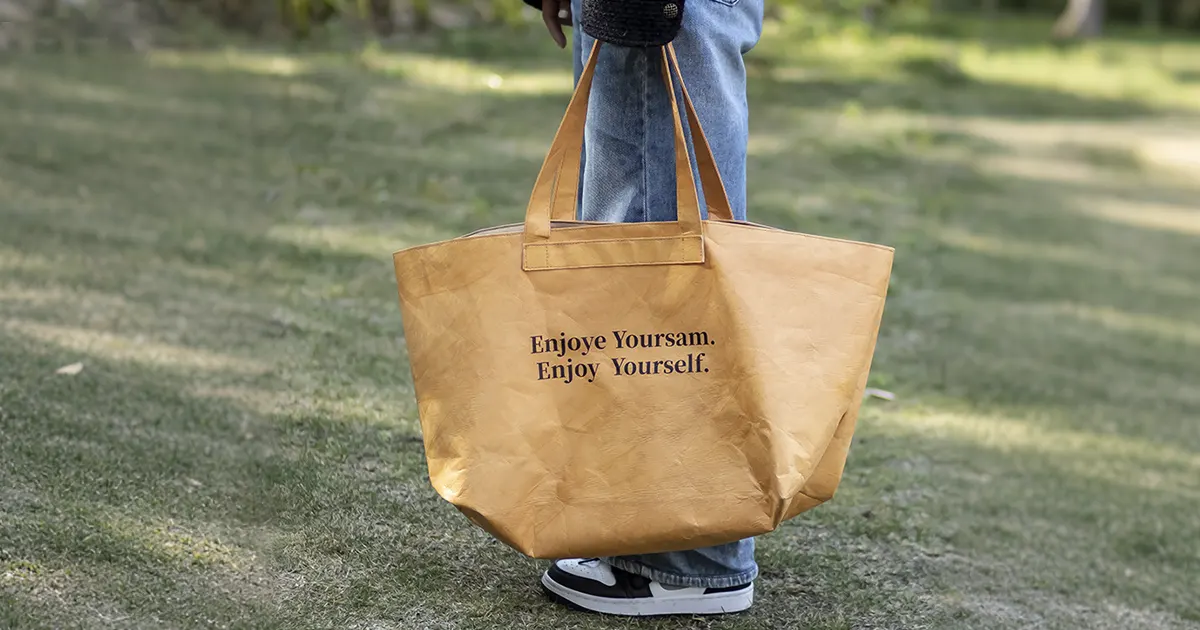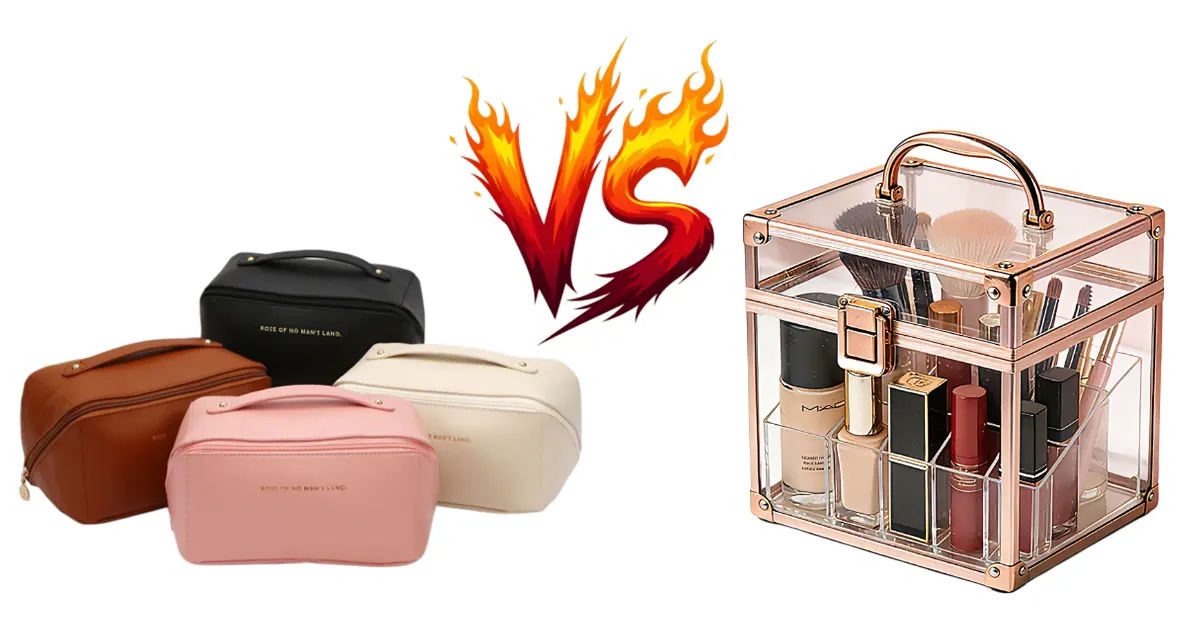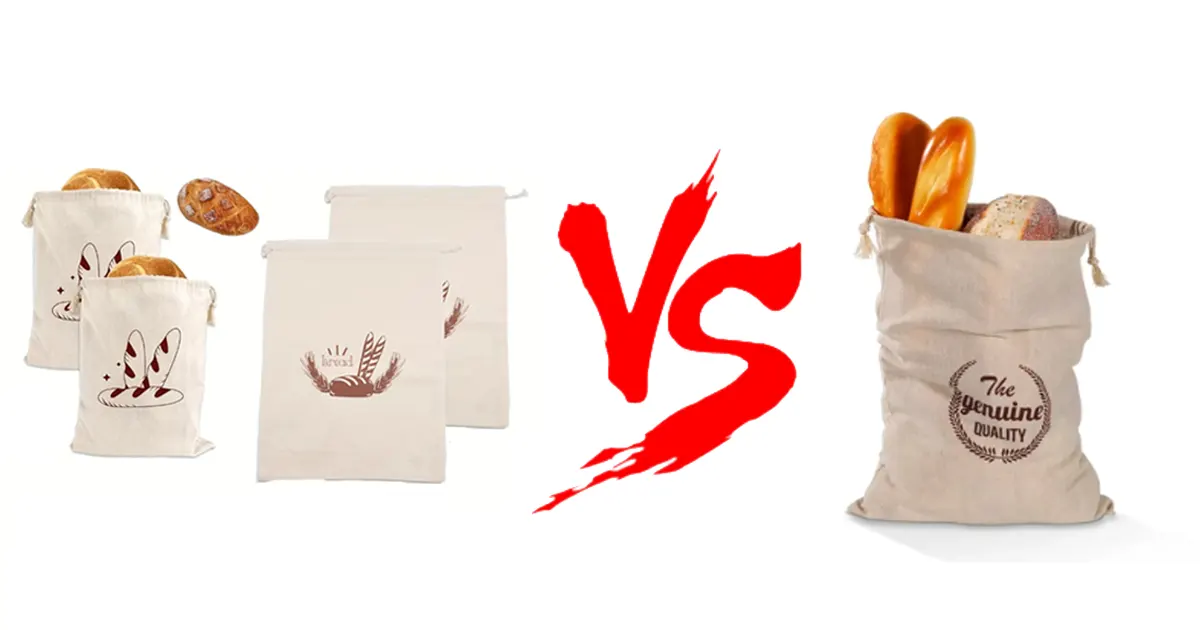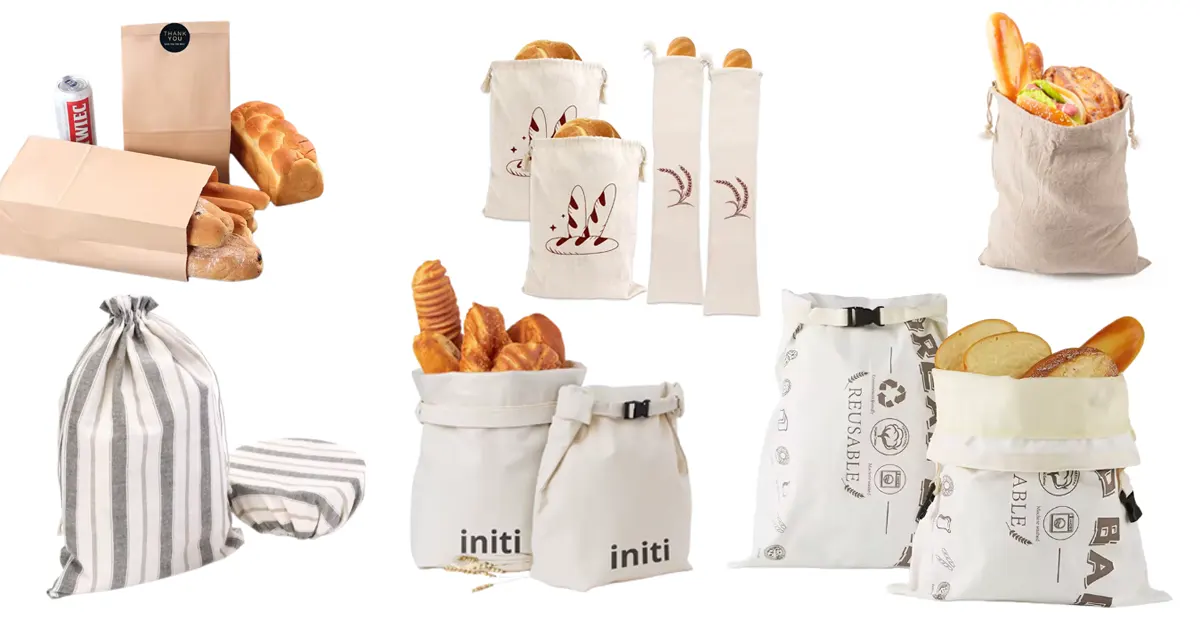
When you look at uv coating vs lamination, you notice big differences. UV coating makes your bags shiny and bright. It helps colors stand out and catch people’s eyes. Lamination puts on a thicker layer. This makes your product stronger and keeps it safe from scratches and water. You should choose uv coating if you want your design to stand out. Pick lamination if you need more protection that lasts longer. The finish you pick can help your brand get noticed. It can also help your bags do well in the market.

Key Takeaways
- UV coating makes bags look nicer. It helps colors pop and designs show up more. Lamination adds a thick layer to bags. This layer protects bags from water, dirt, and damage. Pick UV coating if you want bags to look good. This works well for store and promo bags. Use lamination if you need strong bags. It is best for shopping bags you use again and food packs. UV coating dries fast. This means bags can be made quicker. Lamination costs more money. But it lasts longer and feels fancy. Think about how you will use your bags. This helps you pick the right finish. Try samples of both finishes. This helps you choose what fits your brand best.
UV Coating
Definition
When you hear about uv coating, think of it as a special clear layer that goes on top of your printed bags or packaging. This layer uses uv light to dry fast and stick tight. You get a glossy or matte finish that makes your product look sharp and professional. Many people love uv coating because it makes colors pop and gives your bags a high-end feel. If you want your brand to stand out on the shelf, this finish can help you do that.
Process
The process for uv coating is pretty simple but powerful. First, you print your design on the bag or packaging. Next, you apply a liquid coating over the printed surface. Then, you run the bag under uv light. The uv light cures the coating in seconds. This quick drying means you can move your bags to the next step without waiting. You get a smooth, even finish every time. As a manufacturer, you will notice that this process works well for both small and large orders. It also fits many types of printing, including book printing and packaging.
Tip: If you want to highlight certain parts of your design, you can use spot uv. This lets you add shine only where you want it, like on your logo or brand name.
Pros
You get a lot of benefits when you choose uv coating for your bags. Here are some reasons why many brands pick this finish:
- Vibrant Colors: Uv coating makes colors look brighter and more eye-catching. Your designs will stand out, even from a distance.
- Fast Turnaround: The uv process dries in seconds. You can get your finished bags faster and keep your project on schedule.
- Durability: This finish adds a layer of protection against scratches and smudges. Your bags stay looking new for longer.
- Versatile Finishes: You can pick from glossy or matte finishes. Both options give your bags a premium look.
- Quality Feel: Uv coating gives your bags a smooth, high-quality surface. Customers notice the difference when they touch your product.
As a bag manufacturer, you know that the right finish can boost your brand’s image. Uv coating helps you deliver quality and style, making your products more appealing to customers. If you want to impress with both looks and function, uv coating is a smart choice.
Cons
You might think uv coating is perfect for every project, but it does have some drawbacks. As a bag manufacturer, you need to know these before you make your choice. Here are some things you should watch out for:
- Limited Protection: Uv coating gives your bags a nice look, but it does not offer the thick shield that lamination provides. If you want heavy-duty protection against water or rough handling, uv coating may fall short.
- Cracking and Peeling: Sometimes, uv coating can crack or peel if you fold or bend your bags too much. This can make your product look worn out faster than you expect.
- Fingerprints and Smudges: Glossy finishes from uv coating can show fingerprints and smudges easily. You might need to clean your bags more often to keep them looking fresh.
- Not Ideal for All Materials: Uv coating works best on smooth surfaces. If your bags have a textured or uneven surface, the finish might not stick well.
- Recycling Challenges: Some recycling centers do not accept products with uv coating. If you want an eco-friendly option, you should check local recycling rules first.
Note: If you need bags that last through tough conditions, lamination might be a better fit. Uv coating shines when you want style, but it does not always win on strength.
Best Uses
Uv coating stands out when you want your bags to grab attention. You should use this finish for projects where looks matter most. Here are some of the best uses for uv coating:
- Retail Shopping Bags: If you want your brand to pop in stores, uv coating makes your logo and colors look bold and bright.
- Gift Bags: Special occasions call for eye-catching finishes. Uv coating adds a touch of luxury that makes your gift bags feel special.
- Promotional Packaging: When you launch a new product, you want people to notice. Uv coating helps your packaging stand out at trade shows or events.
- Product Catalogs and Brochures: If you print catalogs or brochures, uv coating gives pages a glossy finish that highlights images and text.
- Limited Edition Bags: For exclusive releases, uv coating creates a premium look that matches your brand’s high standards.
As a manufacturer, you know that the right finish can make your bags more appealing and help your brand succeed. Uv coating works best when you want to impress with color and shine. It is a smart choice for bags that need to look great but do not face harsh conditions every day. If you want to boost your brand’s image and catch customers’ eyes, uv coating is a finish you should consider.
Lamination vs UV Coating
Lamination Definition
When you think about lamination vs uv coating, you see that lamination gives your bags a strong, protective layer. Lamination means you cover your printed surface with a thin film. This film can be glossy or matte. It sticks to your bag and makes it feel smooth and sturdy. You get a finish that looks clean and feels high quality. Lamination works well if you want your bags to last longer and look great even after lots of use.
Lamination Process
The lamination process starts after you finish printing your design. You place a clear plastic film over the printed surface. Then, you use heat or pressure to bond the film to the bag. This step seals the design under the film. The result is a bag that resists water, dirt, and scratches. You can choose between glossy and matte films. Glossy lamination makes colors look brighter. Matte lamination gives a soft, elegant look. Both types help protect your bags and keep them looking new.
Tip: If you want extra strength, you can pick thicker films. Thicker lamination adds more protection and makes your bags feel even more premium.
Lamination Pros
You get many benefits when you choose lamination for your bags. Here are some reasons why many brands and manufacturers prefer this finish:
- Superior Protection: Lamination gives your bags a tough shield. It keeps out water, dust, and stains. Your bags stay clean and fresh, even with heavy use.
- Long-Lasting Quality: The film helps your bags keep their shape and color. You do not have to worry about fading or tearing. This means your bags look high quality for a long time.
- Professional Appearance: Lamination makes your bags look polished and smooth. Customers notice the difference right away. A well-laminated bag can boost your brand’s image.
- Versatile Uses: You can use lamination for many products. It works for shopping bags, gift bags, and even book printing. If you want your products to stand out, lamination helps you do that.
- Easy to Clean: If your bag gets dirty, you can wipe it clean. The film does not let stains soak in. This makes lamination a smart choice for bags that people use every day.
When you compare lamination vs uv coating, you see that lamination offers more protection and a thicker finish. As a bag manufacturer, you know that the right finish can make your product last longer and look better. Lamination helps you deliver quality and durability, which can set your brand apart in the market.
Lamination Cons
Lamination gives your bags a strong, polished look, but it does come with a few drawbacks. You should know these before you decide if this finish is right for your project.
- Higher Cost: Lamination usually costs more than UV coating. The extra film and the process add to your expenses. If you have a tight budget, this might be a concern.
- Less Eco-Friendly: Most lamination uses plastic films. These films can make recycling harder. Some customers want greener options, so you may need to check if lamination fits your brand’s values.
- Added Thickness: Lamination adds a layer to your bags. This makes them thicker and sometimes heavier. If you want a lightweight product, this could be a downside.
- Possible Peeling: Over time, the edges of the film might start to peel, especially if the bag bends a lot. This can make your product look worn out.
- Limited Texture Options: Lamination gives a smooth finish. If you want a textured or unique feel, you might not get it with this method.
Note: As a bag manufacturer, you need to balance these cons with the benefits. Think about your brand image and what your customers expect. Sometimes, the extra protection and premium look are worth the trade-offs.
Lamination Best Uses
You want your bags to last and look great. Lamination works best for projects that need extra strength and a high-end finish. Here are some top uses for lamination:
- Reusable Shopping Bags
Lamination makes these bags tough. They can handle heavy loads and lots of trips to the store. Your brand logo stays bright and clear, even after many uses. - Luxury Gift Bags
When you want to impress, lamination gives your gift bags a smooth, shiny look. Customers notice the quality right away. - Food Packaging
Lamination protects against moisture and spills. This keeps food fresh and safe. It also helps your packaging stand out on the shelf. - Product Catalogs and Book Covers
Lamination keeps pages and covers from tearing or getting dirty. Your catalogs look new, even after lots of handling. - Promotional Bags for Events
You want your brand to shine at trade shows or events. Lamination gives your bags a professional look that grabs attention.
Tip: If you want to boost your brand’s image, choose lamination for products that need to last and look premium. This finish shows customers you care about quality.
As a bag manufacturer, you know that the right finish can make or break your product’s success. Lamination helps you deliver bags that look great and stand up to daily use. When you want to protect your design and impress your customers, lamination is a smart choice.
UV Coating vs Lamination
Durability
When you compare uv coating vs lamination, you see big differences in durability. If you want your bags to last through heavy use, you need to think about how much protection each finish gives. Uv coating adds a thin layer on top of your printing. This layer helps protect against scratches and light moisture. It works well for bags that do not face rough handling every day.
Lamination, on the other hand, gives excellent protection. It covers your bag with a thicker film. This film keeps out water, dirt, and even oil. Your bags stay strong and look new, even after many uses. If you want your bags to survive in tough conditions, lamination is the better choice. As a bag manufacturer, you know that the right finish can make your product stand out for its durability.
Tip: If your bags will be used over and over, or if they need to carry heavy items, lamination offers excellent protection that lasts.
Appearance
The look and feel of your bags matter a lot. Uv coating vs lamination gives you different results. Uv coating makes colors pop. Your designs look shiny and bright. This finish grabs attention and gives your bags a high-end look. You can also choose a matte uv finish if you want something less shiny but still smooth.
Lamination also makes your bags look great. It gives a smooth, polished surface. Glossy lamination makes colors look even brighter, while matte lamination gives a soft, elegant feel. Both finishes help your brand look professional. The main difference is that uv coating feels thinner and lighter, while lamination feels thicker and more solid in your hand.
If you want your bags to catch eyes on the shelf, uv coating is a strong choice. If you want a premium, sturdy feel, lamination might fit your brand better. As a manufacturer, you can use these finishes to match your brand’s style and make your products more appealing.
Cost
Cost is always important when you pick a finish. Uv coating vs lamination have different price points. Uv coating usually costs less. The process is fast, and you do not need extra materials. This makes it a good choice if you want to save money but still get a nice finish.
Lamination costs more because it uses a plastic film and takes more time. You pay extra for the excellent protection and premium feel. If you have a tight budget, uv coating helps you keep costs down. If you want your bags to last longer and look more luxurious, lamination is worth the extra money.
Here’s a quick table to help you compare:
| Feature | UV Coating | Lamination |
|---|---|---|
| Durability | Good | Excellent protection |
| Appearance | Shiny, vibrant | Smooth, premium |
| Cost | Lower | Higher |
Note: Think about your project needs and your budget. The right choice can help your bags succeed in the market and boost your brand’s image.
Flexibility
When you choose a finish for your bags, flexibility matters. You want your bags to look great, but they also need to bend, fold, and move without damage. As a bag manufacturer, you know that the right finish can make your product stand out and last longer.
UV coating gives your bags a smooth, shiny surface. This finish works well for flat designs and simple shapes. If you need bags that stay crisp and sharp, UV coating does the job. But, if you fold or bend your bags a lot, UV coating can crack or peel. You might see lines or chips where the bag bends. This can hurt your brand’s image if your bags look worn out too soon.
Lamination offers more flexibility. The plastic film covers your bag and moves with it. You can fold, bend, or twist laminated bags, and the finish stays strong. Lamination protects your design and keeps your bags looking new, even after many uses. If you want to make reusable shopping bags or bags that need to handle rough treatment, lamination is the better choice.
Here’s a quick look at how each finish handles flexibility:
| Finish | Flexibility Level | Best For |
|---|---|---|
| UV Coating | Low to Medium | Flat, rigid bags |
| Lamination | High | Foldable, reusable, durable bags |
Tip: If your bags need to bend or fold often, pick lamination. You’ll keep your product looking fresh and your brand strong.
As a manufacturer, you know that flexibility can make or break your product’s success. The right finish helps your bags last longer and keeps customers happy. Think about how your bags will be used before you choose a finish.
How to Choose
Project Type
You want your bags to stand out and last. The type of project you have makes a big difference in your choice between uv coating and lamination. If you need bags for retail, gift, or promotional events, uv coating works well. This finish makes colors pop and grabs attention. You get a shiny look that helps your brand shine on the shelf.
If your project involves reusable shopping bags, food packaging, or products that need extra strength, lamination is the better choice. Lamination gives your bags a tough shield. It protects against water, dirt, and rough handling. You want your bags to look good and stay strong, especially if customers use them again and again.
As a bag manufacturer, you know that matching the right print finishes to your project type can boost your brand’s image. The finish you choose affects how customers see your product and how long it lasts.
Tip: Think about where your bags will be used. Will they face lots of handling or need to look extra special? Your answer helps you pick the best finish.
Budget
Your budget plays a big role in your decision. Uv coating usually costs less than lamination. The process is quick and does not need extra materials. If you want a high-quality look without spending too much, uv coating is a smart choice. You get vibrant colors and a smooth surface for less money.
Lamination costs more because it uses a plastic film and takes more time. You pay extra for the added protection and premium feel. If your project needs bags that last longer and look more luxurious, lamination is worth the investment. You want your brand to stand out, but you also need to watch your costs.
Here’s a simple table to help you compare:
| Finish | Cost Level | Best For |
|---|---|---|
| UV Coating | Lower | Eye-catching designs |
| Lamination | Higher | Durable, premium bags |
You want to balance quality and cost. The right print finishes help you get the most value for your money.
Desired Finish
You want your bags to match your brand’s style. The finish you choose changes how your product looks and feels. Uv coating gives you a glossy or matte surface. Glossy uv makes colors bright and bold. Matte uv gives a soft, elegant look. Both options help your bags stand out, especially for book printing or promotional packaging.
Lamination offers a smooth, polished finish. You can pick glossy or matte films. Glossy lamination makes your bags shine, while matte lamination feels more subtle and refined. Lamination also adds thickness, making your bags feel sturdy and high-end.
As a manufacturer, you know that the right print finishes can make your product more appealing. You want customers to notice your bags and remember your brand. The finish you choose helps you create the look and feel you want.
Note: Try samples of both finishes before you decide. Seeing and touching the final product helps you pick the best option for your brand.
Volume
When you plan your next bag project, think about how many bags you need. The size of your order can change which finish works best for you. As a bag manufacturer, you know that volume affects cost, speed, and even the look of your final product.
If you have a small order, UV coating often makes more sense. The process moves fast and does not need extra setup for each piece. You can get a high-quality finish without waiting long or paying for extra materials. This works well for limited runs, special events, or custom designs.
For large orders, lamination can be a smart choice. The setup takes more time, but you save money as you make more bags. Lamination gives you strong, durable bags that hold up well in bulk. If you want to supply big retailers or run a major promotion, lamination helps you keep quality high across every bag.
Here’s a quick guide to help you decide:
| Order Size | UV Coating Benefits | Lamination Benefits |
|---|---|---|
| Small Volume | Fast turnaround, lower cost | Not cost-effective |
| Large Volume | May increase costs | Better value, strong finish |
Tip: If you want to test a new design or run a short campaign, start with UV coating. When you scale up, lamination gives you the best mix of durability and value.
You want your bags to look great and last, no matter how many you order. The right finish helps you deliver quality at any scale and keeps your brand looking sharp.
Conclusion
You have to pick between UV coating and lamination. UV coating makes bags look shiny and helps your brand get noticed. Lamination gives strong protection, so it works well for reusable bags and books. Think about what you need, how much you want to spend, and your style before choosing. I can help with custom designs, big orders, OEM, and ODM. Contact me if you want advice or want to talk about your next project!
FAQ
What makes UV coating different from lamination?
UV coating gives your bags a shiny, vibrant look. Lamination adds a thicker layer for extra protection. You choose UV coating for style. You pick lamination for strength and durability.
Can I recycle bags with UV coating or lamination?
Some recycling centers accept UV-coated bags. Laminated bags are harder to recycle because of the plastic film. Always check local recycling rules before you decide.
Which finish lasts longer for reusable bags?
Lamination lasts longer. The film protects against water, dirt, and heavy use. If you want your bags to stay strong after many trips, lamination is the best choice.
Does UV coating work on all bag materials?
UV coating works best on smooth surfaces. If your bags have texture or uneven areas, the coating may not stick well. You should test a sample first.
Will lamination make my bags look bulky?
Lamination adds thickness and weight. Your bags feel sturdier but may look bulkier. If you want a lightweight bag, UV coating is a better option.
How do I choose the right finish for my brand?
Think about your brand image. If you want bold colors and shine, go with UV coating. If you need durability and a premium feel, pick lamination. The right finish helps your product stand out.
Is UV coating or lamination more expensive?
UV coating usually costs less. Lamination costs more because of the extra film and process. You should balance your budget with the look and protection you want.
Can I use both UV coating and lamination together?
You can combine both finishes for special projects. UV coating adds shine, and lamination gives strength. This mix works well for luxury bags or exclusive releases.