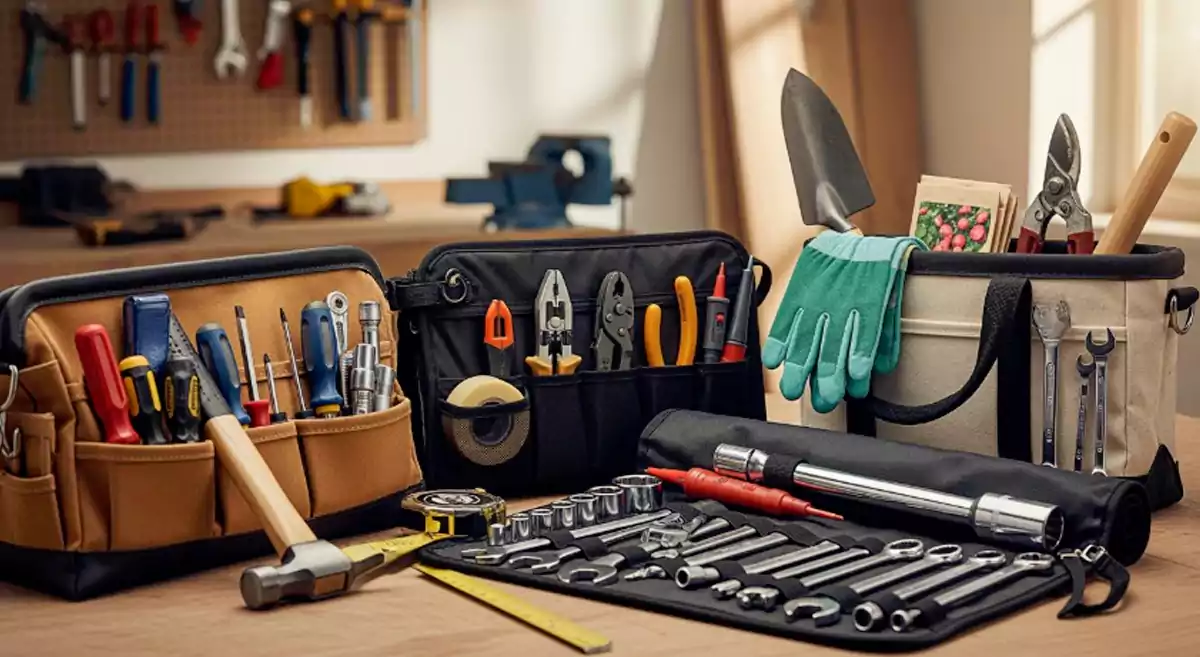
You can pick from many types of tool bags. The main types of tool bags include tool totes, backpack tool bags, rolling tool bags, bucket organizers, and belt tool bags. Each type helps you keep your tools neat and organized, allowing you to work faster.
| Tool Bag Type | Description | Common Users |
|---|---|---|
| Tool Backpacks | You wear it on your back, which spreads out the weight. It has many pockets for organization. | Electricians, technicians |
| Tool Belts | You wear it around your waist, enabling quick access to small tools. | Contractors, handymen |
| Tote Tool Bags | It is easy to carry, featuring a strong handle and maintaining its shape. | DIY enthusiasts, professionals |
You can choose the best bag from the various types of tool bags for your work. It will keep your tools safe and easy to access.
Key Takeaways
- Tool bags come in many types. These include totes, backpacks, rolling bags, bucket organizers, and belt bags. Each type is made for a special job.
- Tool totes have an open top. This lets you grab tools quickly. They are good for people who need tools fast.
- Backpack tool bags let you carry tools on your back. This keeps your hands free for other things.
- Rolling tool bags help you move heavy tools easily. You can roll them instead of carrying them. This saves your energy and time.
- Bucket organizers go over regular buckets. They have many pockets for small tools. They are great for quick jobs.
- Belt tool bags keep tools close to you. You can get tools fast and do more than one thing at a time. You do not have to stop working to get a tool.
- Pick the right tool bag for your needs. Think about what tools you use and where you work.
- Take care of your tool bag. Clean it often and store it well. This helps your tool bag last longer. It also keeps your tools safe and neat.
Types of Tool Bags Overview
Tool Totes
Spacious Design
Tool totes look different from other tool bags because they have an open top. You can see all your tools right away and grab them fast. The bag has a strong metal frame or a stiff mouth, so it keeps its shape even when full. You can put many tools inside, like drills and hand tools, and the bag will not fall apart.
| Feature | Tool Tote | Other Tool Bags |
|---|---|---|
| Design | Open-top | Soft or hard covers |
| Structure | Metal or stiff mouth | Soft, semi-hard, or hard shell |
| Best For | Quick tasks | Daily jobs, heavy tools |
| Advantage | Fast tool access | Flexible space, strong shell |
| Trade-off | Less weather safety | Less crush safety, bulky |
Versatility
Tool totes work for many kinds of jobs. People use them to hold hand tools, plumbing items, and electrical parts. If you work in a shop or move tools a lot, a tool tote lets you see and grab things quickly. You might pack a drill, socket set, wire nuts, or parts for switchboards. The open top helps you keep everything in order.
| User Feedback | Tools Mentioned |
|---|---|
| Rated 5 out of 5 | m18 drill, m18 ratcheting 3/8 socket drill, m18 battery |
| Rated 5 out of 5 | Hand tools, plumbing tools |
| Rated 5 out of 5 | Electrical tools, wire nuts, staples, crimp rings, grommets |
| Rated 5 out of 5 | Switchboard assembly tools |
| Rated 4 out of 5 | General tools, missing tape strap |
Backpack Tool Bags
Hands-Free Convenience
Backpack tool bags let you carry tools on your back. Your hands stay free for climbing or opening doors. The weight spreads across your shoulders, so you feel less tired. You can move around easily and work longer without hurting your back.
| Benefit | Description |
|---|---|
| Less strain | Less pressure on your back and shoulders |
| Work faster | Easy tool access helps you finish jobs quickly |
| Carry more tools | Bigger backpacks hold more tools |
Mobility
Backpack tool bags help you move around with ease. Strong materials protect your tools from bumps and rain. The bag’s shape keeps everything neat, so you find tools fast. Water-resistant fabric keeps your gear dry outside. Multi-use backpacks work for many job sites, so you do not need to switch bags.
| Feature | Benefit for Mobility |
|---|---|
| Strong Materials | Protects tools from damage |
| Shaped Design | Keeps tools organized |
| Good Organization | Helps you move quickly |
| Water-Resistant Fabric | Keeps tools safe from water |
| Multi-Use Backpacks | Works for different jobs |
Rolling Tool Bags
Easy Transport
Rolling tool bags make moving heavy tools simple. You pull the bag by its handle and let the wheels roll. Some bags hold up to 250 pounds, so you can pack power tools, hand tools, and parts all at once. You save energy and do not have to carry heavy bags far.
- Big rolling tool bags can hold up to 250 pounds.
- Many bags carry 200 pounds, enough for heavy tools and parts.
Large Capacity
Rolling tool bags give you lots of space. Strong wheels and handles help you move everything together. You keep tools neat, so you find what you need fast. Padded straps and smart layouts make your work safer and easier.
| Benefit | Description |
|---|---|
| Neatness | Keeps tools tidy and easy to find |
| Easy to move | Wheels and handles help you roll the bag |
| Saves time | You roll tools instead of carrying them |
| Safety | Tools stay safe while you move them |
| Efficiency | You move all your tools at once |
Tip: Rolling tool bags help you save 15-30 minutes every day because you spend less time looking for tools. You also feel less tired, so you can work longer and finish more jobs.
- You keep your tools neat and ready.
- You finish jobs faster with easy tool access.
- You work better because your tools are close by.
You can pick the tool bag that fits your work best. Each type has special features to help you stay organized, work faster, and keep your tools safe.
Bucket Organizers
Accessibility
You might want a tool bag that lets you grab your tools fast. Bucket organizers fit right over a standard bucket and give you a wide opening. You can see everything at a glance. Many outside pockets line the bucket, so you reach for pliers, screwdrivers, or tape without digging around. You stay organized and save time on every job.
Here’s how bucket organizers compare to traditional tool bags:
| Feature | Bucket Organizer | Tool Bag |
|---|---|---|
| Accessibility | Quick access with a wide opening and many outside pockets | Better internal organization with compartments and dividers |
| Organization | Many pockets (up to 45) for easy visibility of tools | Specific slots for different tool sizes, keeping tools sorted |
| Weight Distribution | Lighter feel when full, balanced weight in the bucket | Heavier, but organized for specific tools |
You get a lighter feel when you fill a bucket organizer. The weight spreads out, so you don’t feel weighed down. You can carry it from room to room or even up a ladder.
Fits Standard Buckets
Bucket organizers work with most five-gallon buckets. You just slip the organizer over the rim. The pockets hang on the outside, and you can toss larger items inside the bucket. You don’t need a special bag or case. You can use your own bucket from home or the job site.
If you need to carry lots of small tools, a bucket organizer gives you up to 45 pockets. You keep everything in plain sight. You don’t waste time searching for a wrench or tape measure. You can even use a roll up tool bag for extra storage inside the bucket if you want more organization.
Belt Tool Bags
Quick Access
You want to finish jobs quickly. Belt tool bags help you do that. You wear the bag around your waist, so your tools stay close. You reach for a hammer, nails, or tape measure without stopping your work. You don’t need to bend down or open a bag. You keep moving and get more done.
- You move freely and multitask with your hands.
- You work faster because you don’t search for tools.
- You keep tools organized and ready to use.
You stay efficient. You complete more tasks in less time. You boost your productivity because your tools are always within reach.
Hands-Free Work
Belt tool bags let you work without holding a bag or box. You climb ladders, hold materials, or use both hands for repairs. You don’t worry about dropping tools or losing them. You keep your focus on the job.
- You keep essential tools organized, so you spend less time searching.
- You protect your tools, which means fewer replacements.
- You work safely and keep your hands free for important tasks.
You get a streamlined work process. You finish jobs faster and with less hassle. Belt tool bags make your day easier, whether you’re a contractor, technician, or DIY enthusiast.
Benefits of Using Tool Bags
Organization
You know how frustrating it feels when you can’t find the right tool. A well-designed tool bag changes that. Each tool gets its own spot, so you see everything at a glance. You grab what you need without digging through a pile. This saves you time and keeps your work area neat.
- You get quick access to every tool.
- You spend less time searching and more time working.
- You keep your tools safe from damage because they don’t bump into each other.
- Staying organized helps you avoid mistakes and impress your clients.
If you upgrade to a better-organized tool bag, you notice the difference right away. Your tools last longer, and you feel more confident on the job.
Efficiency
When you use a tool bag with smart compartments, you work faster. Tool belt pouches and special pockets let you reach for your tools without stopping. You don’t waste time looking for things. You finish tasks quicker and move on to the next job.
- Designated compartments keep everything in order.
- You retrieve tools instantly, so your workflow never gets interrupted.
- Weight spreads across your waist or shoulders, which means less strain and better posture.
- Time-saving features boost your productivity.
- Secure storage keeps tools in place, lowering the risk of accidents.
You notice that your day runs smoother. You get more done and feel less tired. That’s one of the biggest benefits of using tool bags.
Protection of Tools
Tool bags do more than just organize. They offer protection for your valuable gear. When you toss tools into a regular box, they can get scratched or bent. A good tool bag keeps each item safe and secure.
| Type of Damage | Description |
|---|---|
| Scratches | Tools can get scratched when jumbled together. |
| Bending | Tools may bend during transportation without protection. |
| General Damage | Overall tool damage is minimized with better organization. |
You want your tools to last. Tool bags help prevent scratches and bending. You also avoid general damage by keeping everything in its own compartment. This protection means you spend less money replacing broken tools. You work with confidence, knowing your gear is safe.
Tip: If you care about the protection of tools, choose a bag with padded dividers and sturdy material. Your tools stay in top shape, and you get the most out of your investment.
Choosing the Best Tool Bags
Assessing Needs
You want to pick the best tool bags for your job. First, think about what you do every day. What tools do you use most? Do you carry heavy tools or just a few light ones? Do you work outside in the rain or mostly inside? Before you choose, check these things:
- Material durability: Pick strong fabrics like 1680D polyester or ballistic nylon.
- Stitching quality: Double or triple stitching makes the bag last longer.
- Handles and straps: Padded handles and straps help you carry the bag easily.
- Interior organization: Lots of pockets and trays keep tools sorted.
- Weather resistance: Water-resistant bags keep tools safe from rain and dust.
- Dimensions and capacity: Make sure your tools fit inside the bag.
- Security: Lockable zippers help keep your tools safe.
Tip: If you work in rough places, get a bag with strong stitching and weather resistance. If you have many small tools, look for a bag with lots of pockets.
Matching Features
You need a tool bag that fits your job. Every job is different, so tool bags have special features. Look at this table to compare different bags:
| Tool Bag Name | Best For | Features | Storage | Size |
|---|---|---|---|---|
| DEWALT DG5582 16-Inch Tool Bag | Budget-conscious pros, DIYers | Heavy-duty polyester, reinforced stitching | 16 pockets | Medium |
| Klein Tools 55421BP-14 Tool Master Pro | Electricians, contractors | Multiple pockets, tool loops, shoulder strap | Many compartments | Medium |
| CLC Custom LeatherCraft 1134 | Carpenters, electricians | 48 pockets, padded shoulder strap, heavy-duty zippers | Multiple pockets | Medium |
| ToughBuilt Contractor Tool Bag | Heavy-duty contractors | Industrial-grade polyester, extra-long tool loops | Deep compartment | Large |
| Veto Pro Pac MB3 | Electricians, contractors | High-density polyester, waterproof zippers | 20+ pockets | Medium |
Some bags have lots of pockets. Others use tough fabric or special straps. If you want a bag for quick jobs, pick a light one with easy access. For big jobs, choose a bag with deep pockets and strong handles.
Ideal Users
Not every tool bag works for everyone. You should match your work style to the right bag. Here’s a simple guide:
| Tool Bag Type | Ideal Users | Characteristics |
|---|---|---|
| Tote Bags | Electricians, technicians, maintenance | Good for short jobs, quick access, less weather protection |
| Backpack Tool Bags | Field techs, installers, service engineers | Comfortable, safe, good for stairs or ladders |
| Rolling Tool Bags | Industrial, aviation, construction workers | Carries heavy tools, easy to move, best for long distances |
| Bucket Tool Bags | Electricians, plumbers, utility workers | Small, affordable, best for little jobs |
If you do projects at home, you might want a tote or bucket bag. Contractors often use rolling bags for heavy tools. Technicians and field workers like backpacks for comfort and safety. You get the best tool bag when you pick one that matches your needs.
Tool Bags for Protection of Tools
Durable Materials
When you pick a tool bag, you want it to last. The material makes a big difference. Some fabrics and materials stand up to tough jobs better than others. Here are the most common choices for durable tool bags:
- Heavy-duty canvas
- Polyester fabrics
- Nylon fabrics
- Natural or synthetic leather
- Reinforced composite materials, like PVC- or EVA-backed fabrics
Each material has its own strengths and weaknesses. Take a look at this table to see how they compare:
| Material | Pros | Cons |
|---|---|---|
| Leather | Exceptional durability, natural water resistance, looks great | Heavy, needs care, costs more |
| Nylon | Lightweight, strong, water-resistant, easy to clean | Can fade in sunlight, fewer style options |
| Polyester | Affordable, keeps color, flexible | Not as strong, can melt with heat, feels cheaper |
You might notice that leather and high-denier nylon, like 1000D ballistic nylon, are the toughest. Leather stands up to scratches and rough use. Nylon gives you a lighter bag that still resists water. If you want a bag that lasts, these are smart picks.
Tip: Choose a tool bag with reinforced corners or a double-layered bottom. This helps your bag handle heavy tools and rough surfaces.
Secure Compartments
You want your tools to stay safe and organized. Secure compartments make this possible. Each tool gets its own spot, so you do not have to dig around. This setup keeps your tools from banging into each other and getting damaged. You also find what you need faster.
Many tool bags use padded pockets or reinforced sections. These features protect your gear from bumps and drops. Some bags even have zippered or Velcro pockets for small parts. When your tools stay in place, you work with more confidence.
Note: Secure compartments do more than organize. They help your tools last longer by stopping scratches and dents.
Weather Resistance
You never know when you will face rain or mud on the job. A weather-resistant tool bag keeps your tools dry and safe. Some bags use special fabrics that block water. For example, Cordura fabric gets treated to repel water. Bags made with PVC or TPU-coated fabric often have sealed seams, making them almost waterproof.
Here’s a quick look at how some materials handle water:
| Material | Water Resistance |
|---|---|
| PVC or TPU coated fabric | Waterproof with sealed seams |
| Cordura | Good, treated to repel water |
Cordura stands out for its strength and abrasion resistance. It also does a good job keeping water out. If you work outside a lot, you might want a bag with these features.
Pro Tip: Always check for water-resistant zippers and flaps. These small details can make a big difference when the weather turns bad.
A tough, well-designed tool bag protects your tools from damage, keeps them organized, and stands up to the elements. You get peace of mind and tools that last longer.
Tool Bags for Specific Professions
Electricians
Electricians use wires, testers, and small tools every day. They need tool bags that keep everything neat and easy to grab. Bags with flexible slots and covered pockets help store screwdrivers and pliers safely. These bags also hold voltage testers without damage. Electricians want bags that can handle sharp tools and wet places. Strong fabric and waterproof bottoms make the bag last longer. Padded handles and straps make carrying heavy tools more comfortable. Wide openings and bright colors inside help you find tools quickly, even when it’s dark. Waterproof material keeps tools safe from rain and moisture.
Here are features electricians like:
- Strong fabric that lasts a long time
- Waterproof bottom keeps tools dry
- Many pockets for sorting tools
- Soft handles and straps for comfort
- Wide opening for fast tool access
- Bright inside so you see tools easily
Popular tool bags for electricians are:
- Veto Pro Pac Tech XL Tool Bag: Very tough and hard to scratch
- Klein Tools Tradesman Pro Organizer: Made with strong 1680d fabric
- DeWalt DWST60104-1 Pro 20″ Open Mouth Toolbag: Easy to see inside
These bags help electricians work faster and keep tools safe.
Plumbers
Plumbers use wrenches, pipe cutters, and fittings. Their tool bags must handle wet and messy jobs. Plumbers like bags with waterproof bottoms and wide openings. These features help them grab big tools quickly and keep the bag clean. The bag needs to stand up to water and heavy use. Wide openings let plumbers toss in large items easily. Waterproof bottoms stop leaks from getting tools wet.
See how tool bag needs are different:
| Trade | Unique Features | Best For |
|---|---|---|
| Electrician | Flexible slots, covered pockets | Small tools, testers |
| Plumber | Waterproof bottom, wide opening | Wrenches, pipe cutters |
Plumbers pick bags that fit their tools and keep them dry. They spend less time looking for things and more time fixing pipes.
Contractors
Contractors work on big jobs and carry lots of tools. They want tool bags that hold hammers, laptops, and more. Bags with many pockets and strong materials are best. Rolling toolboxes and portable boxes help move heavy gear easily. Big tool chests have large drawers and locks for safety. Technician cases have foam to protect delicate tools. Tool backpacks give comfort and space for electronics.
Here’s a quick guide for contractor tool bags:
| Tool Bag Type | Key Features |
|---|---|
| Portable Tool Box | Many pockets, strong build, holds lots of tools |
| Rolling Toolbox | Wheels, pull handle, easy to move, extra pockets |
| Professional Tool Chest | Steel body, big drawers, locks for safety |
| Technician Tool Case | Foam inside, sturdy, protects fragile tools |
| Tool Backpack | Soft straps, laptop pocket, lots of space |
| Electrician’s Tool Pouch | Small, quick access, sorted pockets |
| Specialty Tool Bags | Custom sizes and materials for special jobs |
Contractors choose the bag that fits their work. They stay organized and ready for any job.
DIY Enthusiasts
You love fixing things around the house. Maybe you build shelves, hang pictures, or repair a leaky faucet. You need a tool bag that keeps up with your projects. The right tool bag makes every job easier and more fun.
When you pick a tool bag, you want one that fits your style. Some people like small bags for quick jobs. Others want a big bag for all their tools. You might even have more than one bag for different tasks. Let’s look at what matters most for DIYers like you.
Here’s a handy table that shows the top features you should look for:
| Feature | Benefit |
|---|---|
| Organization | Multiple compartments and pockets help save time and increase efficiency by keeping tools in order. |
| Protection | Durable materials protect tools from elements like rain and dust, preventing damage. |
| Material Durability | Options like canvas, polyester, nylon, and leather offer varying levels of durability and weight. |
| Size | Different sizes cater to various needs, from small for minor tasks to large for professionals. |
| Comfort | Ergonomic features like padded handles and adjustable straps enhance carrying comfort. |
| Weight Consideration | The weight of the bag affects portability; heavier materials offer durability but can be cumbersome. |
You want to stay organized. A tool bag with lots of pockets helps you find your screwdriver or tape measure fast. No more digging through a messy pile. You save time and finish your project sooner.
Protection matters too. You don’t want your tools to get rusty or broken. Bags made from tough materials like canvas or nylon keep out rain and dust. Your tools stay safe, even if you work outside.
Think about the size of your bag. For small repairs, a compact bag works best. If you tackle bigger projects, you might need a larger bag. Some DIYers use a tote for quick fixes and a backpack for bigger jobs.
Comfort makes a big difference. You might carry your bag up and down stairs or across the yard. Look for padded handles or adjustable straps. These features make your bag easier to carry, even when it’s full.
Weight is important too. Heavy bags can slow you down. Lighter materials are easier to carry, but strong fabrics last longer. You get to choose what works best for you.
Tip: Try out a few bags before you decide. See how they feel when loaded with your tools. Pick the one that feels right for your hands and your projects.
You don’t need to be a pro to enjoy a good tool bag. The right bag helps you stay organized, protects your tools, and makes every project more enjoyable. You’ll spend less time searching for tools and more time building, fixing, and creating.
Maintenance and Care of Tool Bags
Taking care of your tool storage helps you get the most out of your investment. You want your bag to last and keep your tools safe. Good maintenance also boosts your efficiency every day. Let’s look at some easy ways to keep your tool storage in top shape.
Cleaning Tips
You use your tool storage in all kinds of places. Dirt and grime build up fast. Cleaning your bag keeps it looking good and working well. Different materials need different care. Here’s how you can clean each type:
- Nylon: Wipe your tool storage with a damp cloth and mild detergent. Dry it well so mold doesn’t grow.
- Leather: Use a leather cleaner and conditioner. Keep your tool storage away from too much water and sunlight.
- Cordura: Spot clean with mild soap and lukewarm water. Air dry your tool storage and skip harsh chemicals.
- Canvas: Wash with mild soap and water. Let your tool storage air dry completely.
Tip: Clean your tool storage regularly. You’ll keep your tools safe and improve your efficiency.
Storage Advice
Storing your tool storage the right way makes a big difference. You want to avoid damage and keep your bag ready for work. Here are some smart steps:
- Inspect your tool storage often for frayed stitching or worn fabric.
- Fix small tears or holes with a heavy-duty sewing kit or fabric repair tape.
- Keep zippers clean and use silicone spray to stop sticking or breaking.
- Replace straps or handles when they wear out. This keeps your tool storage comfortable and safe.
- Don’t overload your tool storage. Too much weight strains the fabric and seams.
- Wipe down your tool storage to keep it clean.
- Store your tool storage in a cool, dry place. Keep it away from sunlight and moisture.
- Clean your tool storage with a damp cloth. Avoid harsh chemicals.
- Use a waterproofing treatment to protect your tool storage from moisture.
Note: Good storage habits help your tool storage last longer and keep your efficiency high.
Extending Lifespan
You want your tool storage to last for years. Simple habits help you get more life out of your bag. Here are some ways to extend the lifespan:
| Habit | Benefit for Tool Storage |
|---|---|
| Regular cleaning | Stops dirt from wearing out fabric |
| Quick repairs | Prevents small problems from growing |
| Careful storage | Protects against sun and moisture |
| No overloading | Keeps seams and handles strong |
| Waterproofing | Stops water damage |
You can boost your efficiency by keeping your tool storage in good shape. When your bag works well, you spend less time fixing problems and more time getting things done. You also save money because you don’t need to buy new tool storage as often.
Pro Tip: Treat your tool storage with care. You’ll notice better efficiency and longer life for your tools and bag.
Conclusion
Choosing the right tool bag makes your work easier and keeps your tools safe. You show your skill and readiness when you pick a bag that fits your needs. Here’s what matters most:
- The right bag boosts your efficiency and safety.
- Good materials like Cordura or leather last longer.
- Strong zippers and pockets help you stay productive.
If you want something special, we offer custom tool bags. Check out some options:
| Custom Feature | What You Get |
|---|---|
| Tailored layouts | Spaces for your exact tools and workflow |
| Material selection | Fabrics that match your job and environment |
| Reinforced zones | Extra strength where you need it most |
You can contact us for a tool bag made just for you!
FAQ
What tool bag works best for heavy tools?
You want a rolling tool bag. It has strong wheels and a sturdy handle. You can move heavy tools without lifting. This bag saves your back and keeps your gear safe.
Can I use a tool backpack for outdoor jobs?
Yes, you can. Tool backpacks use water-resistant fabric. You get padded straps for comfort. Your tools stay dry and organized, even when you work outside.
How do I clean my tool bag?
Wipe your bag with a damp cloth. Use mild soap for tough stains. Let it air dry. If you have a leather bag, use a leather cleaner and keep it away from water.
What’s the difference between a tote and a bucket organizer?
A tote has a strong handle and keeps its shape. You get an open top for quick access. A bucket organizer fits over a bucket and gives you lots of outside pockets for small tools.
Do tool bags protect my tools from rain?
Most tool bags use water-resistant materials. Some have sealed seams and flaps. You keep your tools dry in light rain. For heavy rain, look for bags with waterproof zippers.
Can I carry power tools in a belt tool bag?
No, you can’t. Belt tool bags hold small hand tools like screwdrivers and pliers. You wear them around your waist. Power tools need a tote, backpack, or rolling bag.
How do I pick the right size tool bag?
Check your tool collection. If you have many tools, pick a large bag with lots of pockets. For quick jobs, choose a small bag. Try to match the bag size to your daily needs.
Are custom tool bags worth it?
Custom tool bags fit your tools and work style. You get special pockets and strong materials. If you want better organization and comfort, a custom bag helps you work smarter.