You can see many types of medical bags in hospitals and clinics. Each bag has a special job and helps people like doctors, nurses, and EMTs stay organized. Choosing the right type of medical bag is important for safety and for helping patients. You might notice doctor bags, nurse bags, EMT trauma bags, medical backpacks, first-aid bags, ALS/BLS bags, oxygen cylinder bags, IV or medication bags, surgical bags, pediatric medical bags, vaccine cooler bags, and rolling medical cases. The right type of medical bag helps you act fast and keeps your supplies safe. When you pick the best type of medical bag, your work gets easier and you help patients better.
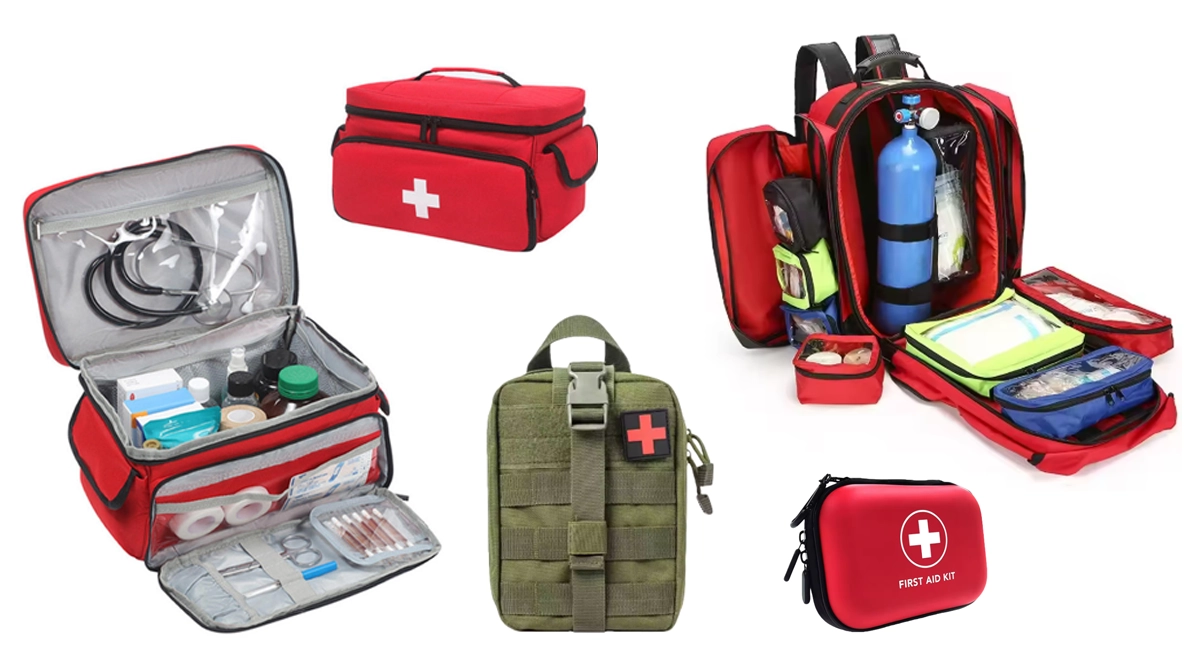
Key Takeaways
- Medical bags come in many types. Each type is made for a special job in healthcare. Some examples are doctor’s bags, nurse bags, and trauma bags.
- Picking the right medical bag helps keep people safe. It also helps workers do their jobs faster. This lets them help patients quickly.
- Doctor’s bags help keep tools and supplies neat for home visits. Nurse bags are light and easy to carry. They help nurses get what they need fast in hospitals.
- Trauma bags are very important for emergency workers. They hold important supplies for bad injuries. They help keep patients safe until they get more help.
- First aid bags are good for daily use. They help treat small injuries at home, school, or work.
- You can change medical bags to fit your needs. This helps you stay organized and find things easily.
- When you pick a medical bag, think about how much it can hold. Also, check if the material is strong and easy to clean. Make sure it fits what you need every day.
- Always check and refill your medical bags. This makes sure you have what you need and everything works well in an emergency.
Types of Medical Bags
When you look at medical bags, each one has a job. Some bags carry tools for emergencies. Other bags keep medicine safe. Some bags help organize supplies for daily care. Let’s talk about three common medical bags you see in healthcare.
Doctor’s Bags
You might think of a doctor’s bag as a strong leather case with a handle. Today, doctor’s bags come in many shapes and materials. All doctor’s bags help doctors stay organized and ready. Inside, there are many compartments. You can separate tools, medicine, and papers. This design helps you grab things quickly.
Here are some things you might find in a doctor’s bag:
- Airway intubation tools for emergencies
- Wound care products like dressings and bandages
- Scissors for cutting clothes or tape
- Israeli chest wound bandages for serious injuries
Tip: If you pack a doctor’s bag well, you can treat patients anywhere, like homes or accident scenes.
Doctor’s bags are easy to carry. You can take them to different places. The tough material keeps your supplies safe. These bags are great for doctors who travel or visit homes.
Nurse Bags
A nurse bag is lighter than a doctor’s bag. It is easy to carry. You will like how portable it is. This helps if you visit homes or move between hospital rooms. Most nurse bags have compartments you can move. You can organize your gear how you want.
Here are things you might keep in a nurse bag:
- Basic wound care supplies
- First aid items like band-aids and pain relievers
- Medication bags for pills or shots
- Personal protective equipment, like gloves and masks
Nurse bags help you get things fast. You can open them quickly. You find what you need without searching. This helps you help patients fast, at the bedside or on the move.
Hospital Bags
Hospital bags come in many types. Each bag is made for a special job. You see bags for patient belongings, pharmacy deliveries, and hazardous materials. These bags help keep the hospital neat. They make sure things go to the right place.
Here is a table that shows some hospital bags and their uses:
| Bag Type | Design Features | Intended Use |
|---|---|---|
| Patient Belonging Bags | Secure, easy to label, often with drawstrings | Keep personal items safe during hospital stays |
| Pharmacy Bags | Leak-proof, sometimes insulated | Deliver medications to patient rooms |
| Chemotherapy Transport Bags | Extra protection, prevents leaks and contamination | Safely move hazardous medications |
| Specimen Bags | Sealed, labeled, sometimes with biohazard symbols | Deliver samples to labs for analysis |
Hospital bags are important for patient care. You use them to move medication bags, keep personal items safe, or take samples to the lab. Each bag has a special design for its job. You always have the right bag for the task.
Note: Hospital bags use materials that are easy to clean. This helps you keep things clean and safe for patients.
When you look at medical bags, you see each one helps a part of healthcare. Doctor’s bags, nurse bags, and hospital bags all have a purpose. You can pick the right bag for your job. This makes your work easier every day.
Trauma Bags
You might see trauma bags in ambulances, fire trucks, or with EMTs at accident scenes. These medical bags help you respond fast when someone gets hurt badly. You can grab a trauma bag and know you have what you need for emergencies. Trauma bags hold supplies for bleeding, broken bones, and breathing problems.
Here’s what you often find inside trauma bags:
- Tourniquets for stopping heavy bleeding
- Chest seals for chest wounds
- Splints for broken arms or legs
- Gauze and bandages for wounds
- Gloves and masks for safety
You can organize trauma bags by type of emergency. Some bags have color-coded pockets. This helps you find things quickly. If you work in emergency medical services, you know how important it is to have a trauma bag ready. You never want to waste time searching for supplies when every second counts.
Pro Tip: Always check your trauma bag before a shift. Make sure you have enough medical supplies and that nothing is expired.
First Aid Bags
First aid bags are everywhere. You see them in schools, offices, cars, and even at home. These bags help you treat small injuries fast. You can use first-aid supplies for cuts, scrapes, burns, or stings. If you have a first aid bag, you feel ready for life’s little accidents.
A first aid bag usually holds:
- Band-aids and adhesive tape
- Antiseptic wipes and ointments
- Tweezers and scissors
- Cold packs and gloves
- Small first-aid booklets
You might hear people call these bags first aid kits. Some first aid kits are small enough to fit in your backpack. Others are big and have lots of medical supplies for groups. If you want to be extra prepared, you can get an individual first aid kit. This kit is just for one person and fits in a pocket or on a belt.
Note: You should check your first-aid bag every few months. Replace anything you use or that gets old.
First-aid bags help you stay calm and act quickly. You can help yourself or others before medical help arrives. If you work in a place with lots of people, you need more than one first aid kit. You want everyone to feel safe.
Medication Bags
Medication bags keep medicine safe and organized. You use these medical bags to carry pills, syringes, or liquid medicine. Hospitals, clinics, and home care nurses all use medication bags. You can find them in ambulances, too.
Medication bags have special features. Some have locks to keep medicine safe. Others have cool packs to keep medicine cold. You can label each pocket so you know what’s inside. If you give medicine to patients, you need a medication bag to avoid mistakes.
Here’s a quick look at what you might store in a medication bag:
| Medicine Type | Example Supplies | Why You Need It |
|---|---|---|
| Pills | Pain relievers, antibiotics | Easy to carry and give |
| Injections | Insulin, epinephrine | For fast action in emergencies |
| Liquid Medicine | Cough syrup, vaccines | Needs to stay upright |
You can use medication bags at home, too. If you take lots of medicine, a bag helps you keep track. You never want to lose or mix up your medicine. A good medication bag makes your life easier and safer.
Tip: Always keep your medication bag out of reach of children. Lock it if you can.
Specialty Bags
You may ask what makes a bag a “specialty” in healthcare. Specialty bags help with special jobs that regular bags cannot do. Paramedics, surgeons, pediatric nurses, and veterinarians use these bags. Each specialty bag is made for a certain job.
Here are some common specialty bags you might use:
- Surgical Instrument Bags
These bags carry sharp tools and delicate instruments. They have soft padding and strong zippers. You keep everything clean and safe inside. - Pediatric Medical Bags
These bags hold supplies for children. You find small masks, tiny bandages, and medicine for kids. Pediatric nurses and doctors use these bags to help children at clinics or homes. - OB/GYN Bags
If you work in women’s health, you need a bag for pregnancy care. OB/GYN bags carry monitors, gloves, and special medicine. - Vaccine Cooler Bags
These bags keep vaccines cold. They have insulation and ice packs. You take them to schools, clinics, or faraway places. Vaccines stay safe and work well. - Veterinary Medical Bags
Vets use these bags for animal care. You find leashes, syringes, and wound care items inside. These bags help you treat pets or farm animals outside the clinic.
Tip: Always check your specialty bag before you leave. Make sure you have every tool you need for your patient or task.
Here is a table to show how specialty bags match users and jobs:
| Bag Type | Who Uses It | Main Purpose |
|---|---|---|
| Surgical Instrument Bag | Surgeons, OR nurses | Carry and protect surgical tools |
| Pediatric Medical Bag | Pediatric nurses/docs | Treat children’s health needs |
| OB/GYN Bag | OB/GYN professionals | Support women’s health and pregnancy |
| Vaccine Cooler Bag | Nurses, outreach teams | Keep vaccines cold and safe |
| Veterinary Medical Bag | Veterinarians | Care for animals in the field |
You may need a specialty bag if you work in a special part of healthcare. These bags help you stay organized and ready for anything. You save time and avoid mistakes because your supplies fit your job.
If you want, you can customize your specialty bag. You can add extra pockets, labels, or your name. This makes your work easier and safer. Specialty bags show that medical care can be flexible and personal.
Medical Bags for Doctors
Classic Doctor’s Bag
A classic doctor’s bag is usually made of strong leather. It has a sturdy handle and looks very professional. The bag feels solid but is not too heavy to carry. You can fit many tools inside the bag. The wide opening lets you see all your supplies at once. This helps you find things fast.
Here’s a quick look at the size and weight of a classic doctor’s bag:
| Dimension Type | Inches (W x H x D) | Metric (cm) | Weight (lbs) |
|---|---|---|---|
| Classic Doctor Bag | 16.5 x 14 x 7.75 | 41.9 x 19.7 x 10.1 | 3.9 |
You can take this bag to homes or clinics. Many doctors use a medicine bag for travel. This helps them treat patients anywhere. You might put a prescription medication bag inside to keep pills and bottles in order.
Modern Doctor’s Bag
Modern doctor’s bags look different from the old ones. They use lighter materials and come in bright colors. Some bags have wheels or backpack straps. You can pick a medicine bag for travel that matches your needs.
Modern bags have special pockets for electronics. You might have a spot for your tablet or phone. Some bags even have smart tools built in. You can use these for patient monitoring or video calls. These features help you work faster and safer.
Doctors need bags that help with mobile healthcare. Some bags have sensors to collect patient data. Others have AI tools for quick checks. You stay organized and ready for emergencies or home visits.
Key Features
When you choose a doctor’s bag, you want it to help you do your job. You need space for tools, medicine, and papers. The bag should protect your supplies and keep them clean.
Here are some key features you should look for:
- Strong material that lasts a long time
- Surfaces that are easy to clean
- Secure locks to keep medicine safe
- Compartments you can adjust for different tools
- Lightweight design so it is easy to carry
You usually pack these tools in your bag:
| Tool | Purpose |
|---|---|
| Thermometer | Checking body temperature |
| Stethoscope | Listening to heart and lungs |
| Sphygmomanometer | Measuring blood pressure |
| Tongue depressor | Looking at the throat |
| Otoscope | Checking the ears |
| Ophthalmoscope | Looking at the eyes |
| Percussion hammer | Testing reflexes |
| Hemoglobinometer | Measuring hemoglobin |
| Uninometer | Checking urine |
| Vaccination tools | Giving vaccines |
You might also add a nasal speculum, pulse oximeter, and blood pressure monitor. These tools help you check patients quickly and give the right medicine.
Modern bags help you stay organized. You can find what you need fast. You do not waste time looking for your prescription pad or medicine. You can treat patients at home, in clinics, or while traveling. Your bag helps you in emergencies and regular care. You feel sure your supplies are safe and ready.
Tip: Always check your doctor’s bag before you leave for work. Make sure you have every prescription, tool, and medicine you need for the day.
Hospital Bags
Hospital bags help hospitals work well. You see them in patient rooms and hallways. These bags keep things neat and easy to find. You use hospital bags to care for patients. They help you work faster and safer. You can grab supplies without searching. Hospital bags come in many shapes and sizes. Each bag is made for a special job.
Patient Care Bags
Patient care bags help you every day. You use these bags for medicine, bandages, and personal items. Patient belonging bags keep a patient’s things safe. You can write the patient’s name on the bag. This way, nothing gets lost. These bags help patients feel safe and comfortable.
You see patient care bags in many departments. Nurses use them to bring supplies to rooms. You can pack wound care items, gloves, and snacks. These bags make it easy to carry what you need. If you work with kids, you use smaller bags. In surgery, you need bags for clean tools and dressings.
Tip: Always check your patient care bag before your shift. Make sure you have enough supplies for your patients.
Staff Utility Bags
Staff utility bags help you do your job. You use these bags for paperwork, devices, and cleaning supplies. Doctors, nurses, and helpers use utility bags. You can keep your phone, tablet, and pens together. Some bags have pockets for charts and forms.
You need a utility bag if you move around. These bags help you stay neat in different areas. You can pack wipes, gloves, and masks. If you work in the pharmacy, you use bags to deliver medicine. Staff utility bags make work easier and help you act fast.
Here’s a quick list of things for a staff utility bag:
- Clipboard and forms
- Hand sanitizer
- Extra gloves
- Small medical tools
- Personal protective equipment
Organizational Features
Hospital bags have smart designs to help you. You find leakproof compartments and strong materials. Clear labels help you find things fast. With clear compartments, you can keep lab forms away from samples. This helps you avoid mistakes and keeps things tidy.
Let’s see how hospital bag features help patient care:
| Feature | Impact on Patient Care Outcomes |
|---|---|
| Leakproof designs | Stop contamination and mix-ups, lowering errors. |
| Heavy-duty materials | Stop leaks and spills, keeping toxic medicines safe. |
| Biohazard labeling | Shows safe handling, following safety rules. |
| Clear compartments | Keep lab forms apart from samples, lowering mistakes. |
| Proper labeling | Makes tracking easy, lowering loss or theft. |
You see hospital bags in every department. In the emergency room, you need bags that open fast and hold many supplies. In the lab, you use bags with biohazard labels for samples. On the surgical floor, you want bags that keep tools clean. Every department needs hospital bags to work well.
Note: Hospital bags with easy-to-clean surfaces help you stop germs and keep patients safe.
Hospital bags make your work easier and safer. You can trust these bags to hold what you need. When you pick the right hospital bags, you help your team and give patients great care.
Types of Trauma Bags
EMS Trauma Bags
If you work in emergencies, you need a bag that helps you act fast. EMS trauma bags are very common in ambulances and with paramedics. These bags hold everything you need for emergencies and quick care. You can grab an emergency resus bag and know you have tools for bleeding, breathing, and broken bones.
Inside EMS trauma bags, you will find:
- Tourniquets and trauma dressings for stopping bleeding
- Gauze and pressure bandages
- Nasopharyngeal and oral airways for helping people breathe
- Bag valve masks for breathing support
- CPR shields and oxygen masks
- SAM splints and cervical collars to keep people still
- Burn dressings and antiseptic wipes
- Trauma shears, penlights, BP cuffs, and stethoscopes
- Gloves, face masks, and eye shields for safety
- Medication compartment for EpiPens, aspirin, glucose, and inhalers
You use these trauma bags to treat many kinds of injuries. EMS trauma bags help you stay ready and organized for any emergency. You can trust your emergency resus bag to keep supplies safe and easy to find.
Tip: Always check your EMS trauma bag before your shift. Make sure you have enough tourniquets and chest seals for emergencies.
Tactical Trauma Bags
Tactical trauma bags are another important kind of trauma bag. You see these bags with SWAT teams, military medics, and police. These bags are made for tough places and stressful times. You need a bag that can handle rough use and keep you comfortable on long missions.
Here’s a table that shows how tactical trauma bags are different from standard EMS trauma bags:
| Feature | Tactical Trauma Bags | Standard EMS Trauma Bags |
|---|---|---|
| Design | Small, strong for dangerous places | Bigger, used for many jobs |
| Use | SWAT, military medics | General EMS workers |
| Customization | MOLLE system for adding pouches | Not much customization |
| Durability | Stays strong in hard situations | Regular strength |
| Ergonomics | Feels good for long use | Focus on holding more stuff |
Tactical trauma bags use the MOLLE system, so you can add extra pouches and gear. You get more choices for emergencies. The strong material means your bag will not break in tough spots. Padded straps and back support help you feel good, even if you carry the bag for hours.
Note: Tactical trauma bags are great for emergencies in dangerous places. You can set up your bag for your mission.
IFAK (Individual First Aid Kits)
You might hear people talk about ifak kits when they talk about trauma bags. An ifak is the smallest trauma bag you can get. You can clip it to your plate carrier or chest rig. If you want something small and easy to carry, an ifak is a good choice.
Ifak kits are for treating injuries from guns and other serious dangers. You use them for personal trauma care. They do not have many supplies, but they have what you need for your job. You can act fast when you need to.
Here’s a table that shows how ifak kits are different from bigger trauma bags:
| Feature | IFAK Kits | Larger Trauma Bags |
|---|---|---|
| Portability | Very easy to carry, small size | Not as easy to carry, bigger size |
| Intended Use | For one person’s trauma care | For helping many people |
| Contents | Few, job-specific items | Many items for bad injuries |
You will find these things in an ifak:
- Tourniquet for heavy bleeding
- Chest seal for chest wounds
- Trauma dressing and gauze
- Nasopharyngeal airway
- Gloves and antiseptic wipes
Ifak kits are good for emergencies. You can wear one on your belt or vest. You get the most important things for emergencies, even if you are alone. If you work in police or the military, you need an ifak for every job.
Tip: Always check your ifak before you go out. Make sure your tourniquet and chest seal are ready to use.
You see many types of trauma bags in healthcare and emergency work. EMS trauma bags, tactical trauma bags, and ifak kits all help you in emergencies. You can pick the right bag for your job and be ready for anything.
Mass Casualty Bags
When you face a big emergency with many injured people, you need a mass casualty bag. These bags help you treat lots of patients fast. You might see them at large accidents, natural disasters, or big public events. If you work as an EMT, firefighter, or in disaster response, you know how important these bags are.
Mass casualty bags are bigger than regular trauma bags. You can carry more supplies and treat more people at once. You often find these bags in ambulances, emergency shelters, and with first responders at big events. The design helps you grab what you need quickly, even when things get busy.
What’s inside a mass casualty bag?
You will find supplies for many types of injuries. Here’s a list of common items:
- Multiple tourniquets for heavy bleeding
- Chest seals for chest wounds
- Large packs of gauze and bandages
- Splints for broken bones
- Emergency blankets for shock
- Gloves and masks for safety
- Triage tags to mark patient priority
- Scissors and tweezers
- Burn dressings
- CPR masks
Tip: Always check your mass casualty bag before a big event or shift. Make sure you have enough supplies for many patients.
You might wonder how you keep things organized in such a big bag. Most mass casualty bags use color-coded pouches or clear pockets. This helps you find supplies fast. You do not waste time searching when every second counts.
Here’s a table to show how mass casualty bags compare to other trauma bags:
| Feature | Mass Casualty Bag | Regular Trauma Bag |
|---|---|---|
| Number of Patients | 10 or more | 1-3 |
| Size | Large, heavy-duty | Medium |
| Organization | Color-coded, labeled | Standard pockets |
| Main Use | Disasters, big events | Daily emergencies |
You use mass casualty bags when you need to help many people at once. You can set up a treatment area and start helping right away. Triage tags help you decide who needs care first. You can save more lives when you stay organized and ready.
Note: Mass casualty bags are not just for professionals. Schools, stadiums, and community centers can keep one on hand for big emergencies.
If you want to be ready for anything, think about adding a mass casualty bag to your emergency plan. You never know when you might need to help a crowd. With the right bag, you can make a big difference.
Medical Bag Design and Features
Water Resistance
Water resistance is very important when picking a medical bag. You want your supplies to stay dry in rain or near spills. Many medical bags use special materials to block water. Canvas can be made to resist water and is good for the planet, but you must take care of it often. Neoprene is another smart choice. It soaks up shocks, keeps out water, and stays bendy in hot or cold weather. Polypropylene non-woven fabric is strong, light, and keeps out water and chemicals. You see these materials in chemotherapy transport bags, specimen transport bags, and bags for moving samples.
Here’s a table to compare water-resistant materials:
| Material | Properties |
|---|---|
| Canvas | Can be made water-resistant; eco-friendly; needs care |
| Neoprene | Absorbs shocks, water-resistant, flexible in hot or cold |
| Polypropylene Non-Woven Fabric | Strong, light, keeps out water and chemicals |
Some medical bags use aluminum foil, asphalt-coated Kraft paper, polyethylene, or metalized film for more protection. If you need a locking medication bag or a custom lockable opioids medication bag, water resistance keeps medicine safe from spills. You want to stop medicine theft and keep your supplies safe.
Tip: Always check your bag for leaks before packing. Water can ruin medicine and important papers.
Strength and Durability
You need a medical bag that can handle rough use. Bags for field work must survive drops, bumps, and chemicals. Strong materials like LDPE and PVC give different benefits. PVC is very strong and does not tear easily. LDPE bends more, which helps if you need to squeeze your bag into small spaces. Chemotherapy transport bags and specimen transport bags must keep their shape and protect what’s inside, even with chemicals.
If you use your bag every day, it must last a long time. Bags that get weak can break and spill supplies. You want a locking medication bag that stays closed, even if you drop it. Custom lockable opioids medication bags use padding and strong zippers to keep medicine safe. Locks and strong seams help stop medicine theft.
Note: Bags with strong seams and tough materials last longer. You save money and avoid broken bags.
Compartment Organization
Good compartment organization helps your medical bag work better. You want to find supplies fast, especially in emergencies. Bags with clear sections and labeled pockets help you grab what you need quickly. Rothco’s Medical Rescue Response Bag has three main sections and extra pockets for easy sorting. Line2EMS bags have layouts that make lifesaving gear easy to reach.
Organized compartments help you move equipment fast. You can keep gloves, medicine, and tools in their own spots. This helps you work faster and keeps your supplies safe. Chemotherapy transport bags and specimen transport bags often use elastic pockets and dividers to keep things in place. If you use a locking medication bag, you want spots for pills, syringes, and papers. Custom lockable opioids medication bags can have clear windows, so you see what’s inside right away.
- Medical bags make it easier to move equipment than regular bags.
- You get quick access to emergency items without digging through mess.
- Organized bags in your car or at work help you get ready for surprises.
Pro Tip: Pack your bag the same way every time. You will always know where things are, even when you are in a rush.
Customization Options
You might wonder if you can make a medical bag fit your exact needs. The answer is yes! Customization lets you build a bag that works just right for your job. You can pick the size, color, and layout. You can even add your name or your company’s logo. When you customize your bag, you make your work easier and safer.
Here are some ways you can customize a medical bag:
- Choose Your Compartments:
You can add or remove pockets. Some bags let you move dividers around. You decide where to put your tools, medicine, and paperwork. This helps you find things fast. - Pick Your Color and Material:
You might want a bright color so you can spot your bag quickly. Some people choose colors to match their team or department. You can also pick materials that are easy to clean or extra strong. - Add Special Labels:
Labels help you stay organized. You can use color-coded tags or clear windows. Some bags let you write on the outside with a marker. This way, you always know what’s inside. - Personalize with Your Name or Logo:
You can add your name, job title, or company logo. This helps you keep track of your bag. It also looks professional. - Include Security Features:
You might need locks or tamper-proof zippers. These features keep medicine and supplies safe. Some bags have RFID tags for tracking.
Tip: If you work in a busy place, use bright colors and big labels. You will find your bag faster and avoid mix-ups.
Why does customization matter?
Every medical job is different. A nurse who visits homes needs a different bag than a paramedic. A doctor who travels needs space for a laptop or tablet. If you work with kids, you might want smaller pockets for tiny supplies. Customization helps you carry only what you need. You do not waste space or time.
Here’s a table to show how different roles use customization:
| Role | Custom Feature Example | Why It Helps |
|---|---|---|
| Paramedic | Extra trauma pockets | Quick access in emergencies |
| Nurse | Removable dividers | Easy to organize supplies |
| Doctor | Tech pocket for tablet | Store patient records safely |
| Pediatric Nurse | Small, soft compartments | Hold child-sized supplies |
| Pharmacist | Lockable medication section | Keep drugs secure |
You can talk to a medical bag company about your needs. Many companies offer custom medical bag solutions. You get a bag that fits your job, your style, and your safety needs. Customization makes your work smoother and helps you give better care.
Choosing a Medical Bag
Assessing User Needs
When you pick a medical bag, start by thinking about what you need every day. Your job and your tasks shape the kind of bag that works best for you. Here’s a simple way to figure out what fits:
- Storage Space and Compartments: Make sure your bag holds all your supplies. You want enough pockets for tools, medicine, and paperwork.
- Material: Choose something strong and easy to clean. Leather, nylon, and polyester are popular because they last and wipe down fast.
- Carrying Method: Decide if you like a tote, backpack, or a bag with wheels. Pick what feels comfortable for you.
- Functionality vs. Fashion: Always put function first. A stylish bag is nice, but it should help you do your job.
- Pricing and Warranty: Stay within your budget. Check if the bag comes with a warranty for peace of mind.
If you work in a hospital, you may need a custom hospital bag that matches your department’s needs. For nurses and doctors who move between rooms, a point of care bag makes it easy to carry everything you need for each patient.
Tip: Write down your daily tasks. Match your bag to your routine so you never miss a supply.
Environment and Setting
Your work setting changes what you need from a medical bag. Do you work in a busy hospital, a small clinic, or out in the field? Each place has its own challenges.
- In hospitals, you want bags that fit tight spaces and roll smoothly down hallways.
- For home visits, a point of care bag helps you carry supplies from your car to the patient’s door.
- If you work outdoors or in emergencies, pick a bag that stands up to weather and rough use.
Think about how far you walk each day. If you travel a lot, a lightweight bag with padded straps saves your back. If you handle medicine, look for bags with locks and cool packs. Always check if your bag fits in your workspace or vehicle.
Note: Some bags have special features for certain settings, like waterproofing or extra insulation for medicine.
Required Features
Now, focus on the features that matter most to you. Healthcare workers often ask for bags that make their jobs easier and safer. Here’s what to look for:
- Comfort: Choose a bag with padded straps or handles. You want to avoid sore shoulders after a long shift.
- Organization: Multiple pockets and clear compartments help you find things fast.
- Ease of Cleaning: Pick materials that wipe clean. This keeps germs away and protects your patients.
- Durability: Go for high-quality materials that last. You don’t want your bag to rip or wear out quickly.
- Extra Features: Waterproofing, insulation, and RFID-blocking can add safety and convenience.
A good medical bag should fit your supplies, keep them safe, and help you work faster. If you need something special, like temperature control or secure disposal for sharps, look for bags with those options.
Pro Tip: Test the zippers and straps before you buy. Make sure everything feels sturdy and easy to use.
Custom Medical Bags
Sometimes, you just can’t find a medical bag that fits your exact needs. Maybe you want more pockets. Maybe you need a special spot for medicine that stays cold. You might want your name or your company’s logo on the front. That’s where custom medical bags come in. You get to design a bag that works for you, not the other way around.
When you choose a custom medical bag, you pick the features that matter most. You can decide on the size, color, and material. You can add extra compartments or special locks. Some people want clear windows to see what’s inside. Others need waterproof zippers or padded straps for comfort. You get to build a bag that matches your job and your style.
Here are some ways you can customize your medical bag:
- Add or remove pockets for your tools and supplies.
- Pick your favorite color so you can spot your bag quickly.
- Choose strong, easy-to-clean materials like nylon or vinyl.
- Add your name, job title, or logo for a personal touch.
- Include locks or tamper-proof zippers for extra security.
- Request special features like insulated sections for medicine or RFID tags for tracking.
Tip: If you work in a busy place, bright colors and big labels help you find your bag fast and avoid mix-ups.
Custom medical bags help you stay organized. You don’t waste time searching for supplies. You know exactly where everything is. This makes your job easier and helps you care for patients better.
Let’s look at how different people use custom bags:
| Who Needs It? | Custom Feature Example | Why It Helps |
|---|---|---|
| Paramedic | Extra trauma pockets | Quick access in emergencies |
| Nurse | Removable dividers | Easy to organize supplies |
| Doctor | Tech pocket for tablet | Store patient records safely |
| Pediatric Nurse | Small, soft compartments | Hold child-sized supplies |
| Pharmacist | Lockable medication section | Keep drugs secure |
You might wonder how to get a custom bag. It’s easy! You just talk to a company that makes medical bags. Tell them what you need. They help you design the perfect bag for your job. You get a bag that fits your routine and keeps your supplies safe.
Note: Our company offers custom medical bag solutions. If you have special needs or want your own design, reach out to us. We love helping you find the perfect fit!
Custom medical bags give you control. You choose what works best for you. Your bag becomes a tool that helps you do your job well every day.
Conclusion
You need a medical bag that helps you stay safe and organized. The right bag lets you work quickly and help patients better. Look at this table to see what is important:
| Factor | Why It Matters |
|---|---|
| Functionality | You can grab supplies fast |
| Organization | Tools are easy to find |
| Mobility | You can move quickly in emergencies |
| Safety Equipment | You stay protected |
Think about what you use every day and what features matter most. If you need something tailored to your work, initi can help. As a professional bag manufacturer, we offer custom medical bags in different sizes, materials, and styles to fit your needs. Contact initi to develop the right medical bag for your organization.
FAQ
What is the best medical bag for home visits?
You want a lightweight bag with easy-to-carry handles. Look for adjustable compartments. Nurse bags and point-of-care bags work well for home visits.
How do you keep medicine safe in your medical bag?
Pick a bag with lockable zippers or built-in locks. Use labeled pockets for each medicine. Always store your bag out of reach of children.
Can you clean medical bags easily?
Most medical bags use materials that wipe clean. Nylon and vinyl are popular choices. You can use disinfectant wipes for quick cleaning.
What should you pack in a first aid bag?
Here’s a quick list:
- Band-aids
- Gauze pads
- Antiseptic wipes
- Tweezers
- Gloves
You can add more items if you need them.
Are custom medical bags worth it?
Custom bags help you stay organized. You choose the size, color, and pockets. If you have special needs, a custom bag makes your job easier.
How do you organize your medical bag?
Use labeled pockets and clear compartments. Pack your bag the same way every time. You will find supplies faster in emergencies.
Which medical bag is best for emergencies?
Trauma bags work best for emergencies. They hold tourniquets, chest seals, and splints. You can grab what you need quickly.
Can you use a regular backpack as a medical bag?
You can use a regular backpack, but you may struggle to organize supplies. Medical bags have special compartments and features for safety and speed.