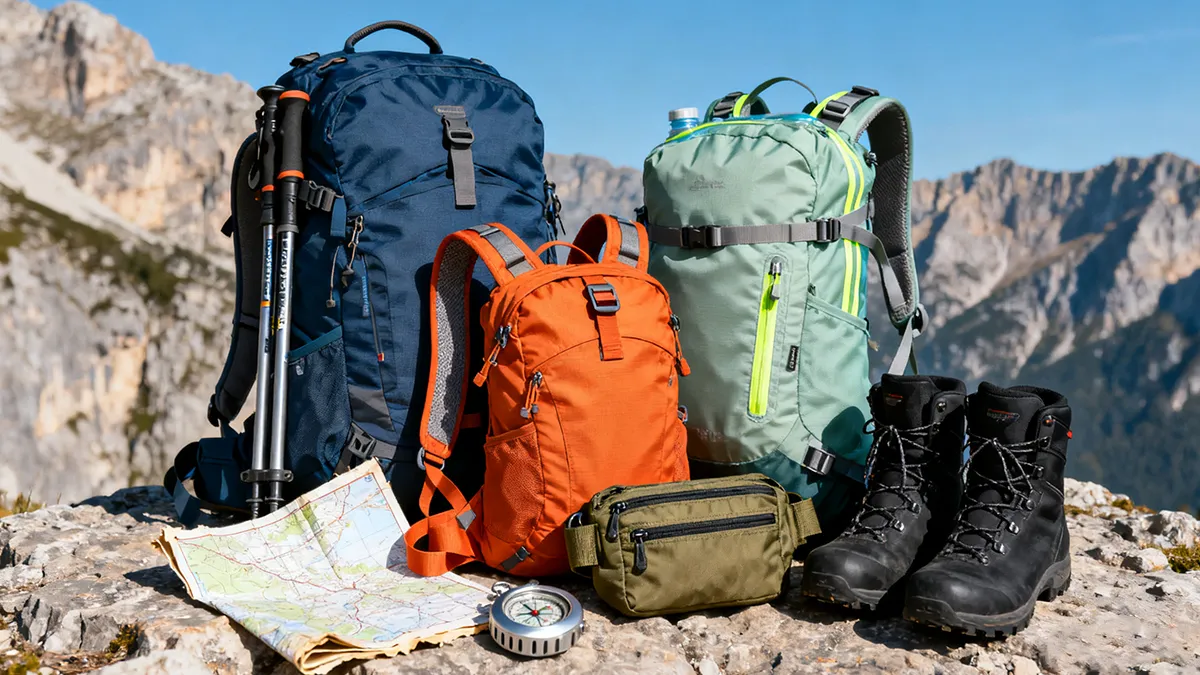
When you get ready for a hiking trip, you will notice there are many types of hiking bags to choose from. Each one fits a different need. Here is a quick look at how popular some options are:
| Type of Hiking Bag | Percentage Used |
|---|---|
| Internal Frame Packs | Over 75% |
| Frameless Packs | 19% |
| External Frame Packs | 5% |
Picking the right bag helps you stay comfortable and safe. Good shoulder straps, a solid hip belt, and a smart back system can make your hike much easier. You can find a bag that matches your next adventure and helps you enjoy the outdoors even more.

Key Takeaways
- Picking the right hiking bag helps you stay safe and comfy.
- There are many hiking bags like hydration packs, daypacks, and multi-day backpacks. Each one has a special use.
- Hydration packs let you drink water without using your hands. They are great for short hikes and trail running.
- Sling bags give you fast access to your things. They are good for short hikes or city trips.
- Daypacks are useful for hiking and daily life. They help you stay comfy and keep things organized.
- Ultralight backpacks are light and help you move faster. They are best for hikers with lots of experience.
- Internal-frame backpacks give you support and balance on long hikes. External-frame packs are good for carrying big gear.
- Multi-day backpacks are made for long trips. They have lots of space and keep your gear comfy to carry.
Types of hiking bags

When you start planning your next hiking trip, you will notice there are many types of hiking bags out there. Each one has its own style and purpose. You might feel a bit overwhelmed by all the choices, but do not worry. We can break it down together.
Here are the main categories you will see when shopping for hiking bags:
- Hydration packs
- Sling bags
- Daypacks
- Ultralight backpacks
- Frameless backpacks
- Internal-frame backpacks
- External-frame backpacks
- Multi-day backpacks
You will find that each type of hiking bag fits a different adventure. Some are perfect for short hikes, while others work best for long journeys. If you know the types of hiking bags, you can pick the one that matches your needs and makes your hike more enjoyable.
Tip: The right hiking bag can make a huge difference in how comfortable you feel on the trail. You do not want to carry a heavy pack if you only need water and snacks.
Let us look at a quick table that shows how some hiking bags compare:
| Category | Features |
|---|---|
| Ultra-light daypacks | Compact, lightweight, designed for essentials, often includes hydration solutions, limited space. |
| Daypacks | Adjustable, 15-35 litres capacity, specialist compartments, comfortable fit, water-resistant. |
| Mid-range backpacks | 35-60 litres, suitable for all seasons, may include extra storage, features for comfort. |
| Multi-day backpacks | Large capacity for extended trips, durable, adjustable frames for comfort and stability. |
You might wonder why you should learn about the types of hiking bags. Here is the answer. If you know what each bag offers, you can match your hiking style to the right gear. For example, if you love quick hikes, you might want a hydration pack or a sling bag. If you plan a weekend in the mountains, a multi-day backpack will help you carry everything you need.
Some hiking bags focus on keeping things light. Others give you more space for gear. You will see that hiking packs with frames offer better support for heavy loads. Frameless bags work well for short trips or when you want to move fast.
Choosing the right hiking bag is not just about size. You need to think about comfort, weight, and how easy it is to reach your gear. You will enjoy hiking more when your bag fits your adventure.
So, next time you look at hiking packs, remember these main types of hiking bags. You can pick the one that helps you feel confident and ready for the trail.
Hydration Packs
Hydration packs are a game changer for many hiking adventures. If you want to stay refreshed without stopping every few minutes, you will love how these packs work. Let us explore what makes hydration packs special and why you might want one for your next trip.
Hydration pack features
Hydration packs stand out from other hiking bags because they focus on keeping you hydrated with minimal effort. Here are some features you will find:
- Hands-free drinking lets you sip water while you walk, run, or bike. You do not need to reach for a bottle.
- Each pack has a hydration reservoir or bladder. Most hold between 1.5 and 3 liters, so you have enough water for long hikes.
- A drinking tube connects the reservoir to a bite valve. You can take a quick sip anytime.
- Many hydration packs include extra pockets for snacks, gear, or a light jacket. You get more than just water storage.
- Some models offer insulated tubes to keep your water cool. Removable reservoirs make cleaning easy.
You will notice how these features help you focus on your activity. You do not need to stop and dig through your backpack for a drink.
Best use cases
Hydration packs shine in certain situations. You might find them perfect for:
- Short hikes where you want to move fast and stay light.
- Trail running, since the pack stays close to your body and does not bounce around.
- Mountain biking, because you can drink while riding and keep your hands on the handlebars.
- Day-long hiking trips, especially when you want to carry just the basics and stay hydrated.
Some hiking packs designed for day hikes also help you carry trekking poles. Mountain bike packs give you space for tools and pumps. Running packs often have pockets on the shoulder straps for snacks, so you can refuel without stopping.
Tip: If you plan to hike in hot weather or tackle a tough trail, a hydration pack helps you drink more often and avoid dehydration.
Who should choose
You might wonder if a hydration pack is right for you. Here are some reasons to consider one:
- You like to hike, run, or bike and want quick access to water.
- You prefer to pack light and only bring essentials.
- You join adventure races or endurance sports and need hands-free hydration.
- You care about health and want a functional way to stay hydrated outdoors.
The market for hydration packs keeps growing. More people join hiking, cycling, and running events every year. Athletes and fitness fans make up a big part of this trend. If you want a simple, smart way to carry water and a few extras, a hydration pack could be your best choice.
You will see that hydration packs fit many hiking styles. They help you stay comfortable, safe, and ready for any adventure.
Sling Bags
Sling bags have become a favorite choice for many hikers and city explorers. You might notice their unique single-strap design. This makes them easy to swing around and access your gear without taking the bag off. If you want something light and simple, a sling bag could be just what you need.
Sling bag features
Sling bags stand out because of their smart design and practical features. Here is a quick table to help you see how they compare to other types of bags:
| Characteristic | Sling Bag | Backpack | Waist Pack |
|---|---|---|---|
| Strap Design | Single Shoulder | Dual Shoulder Straps | Hip Belt Only |
| Capacity | Small to Medium | Medium to Large | Small |
| Weight Distribution | One Shoulder | Even, both shoulders | Around the Waist |
| Accessibility | Quick (Swing Around) | Moderate (Remove/Unzip) | Easiest (Front Access) |
| Ideal Hike | Short to Medium | Medium to Long | Very Short, Low Gear |
You will find that most sling bags use water-resistant fabrics like nylon or polyester. These materials help keep your gear dry if you get caught in the rain. Many sling bags also have mesh panels. These panels let air flow and help keep your back cool. Look for reinforced stitching and strong zippers. These details make your bag last longer, even if you use it every day.
Tip: Sling bags let you grab your phone, snacks, or water bottle in seconds. You do not need to stop or take off your bag.
Best use cases
Sling bags work best for certain types of hiking and travel. Here are some situations where you might want to use one:
- Short hikes where you only need a few items like water, snacks, and a map.
- Urban adventures when you want to explore a new city and keep your hands free.
- Day trips to parks, museums, or festivals where you want to carry just the basics.
- Travel days when you need quick access to your passport, wallet, or camera.
You can see that sling bags fit both outdoor and city settings. They combine style and function, so you look good and stay organized.
Who should choose
You might wonder if a sling bag is right for you. Here are some reasons you might pick one:
| Feature | Benefit |
|---|---|
| Easy Access | Quick retrieval of items while on the go |
| Fashionable | Stylish options for city adventures |
| Versatile Use | Great for hiking and urban exploration |
If you like to pack light and move fast, a sling bag makes sense. City hikers and travelers love them because they are easy to carry and look good with any outfit. You will also enjoy a sling bag if you want to keep your essentials close and organized. Sling bags are a smart choice for anyone who values comfort, style, and convenience during hiking or city trips. You can use them as your main bag for short hikes or as a handy sidekick with your bigger hiking packs.
Daypacks
Daypacks are the go-to choice for many people who love hiking and want a bag that works for everyday life too. You might notice that daypacks come in all shapes and sizes, but they always focus on versatility. You can use a daypack for a quick hike, a trip to the park, or even your daily commute. If you want a bag that fits many situations, a daypack could be your best friend.
Daypack features
Daypacks pack a lot of smart features into a small space. You get comfort, organization, and user-friendliness all in one. Take a look at this table to see what makes daypacks stand out:
| Feature | Description |
|---|---|
| Comfort | Easy to wear for long hikes and daily commutes. |
| Organization | Lets you store and access gear quickly, perfect for many activities. |
| Hydration Compatibility | Makes it simple to stay hydrated while hiking or running errands. |
| User-friendliness | Helps you pack and grab items with ease, great for all users. |
You will also find extra touches that make daypacks even more useful:
- Trekking pole attachment points
- External lash points for gear
- Bottom accessory straps
- Included rainfly for wet weather
- Wrap-around U-shaped zipper for easy access
These features help you stay organized and ready for anything. You can grab your water bottle, snacks, or jacket without digging through your whole bag.
Tip: If you plan to hike in changing weather, look for a daypack with a rainfly. It keeps your gear dry and safe.
Best use cases
Daypacks shine in many situations. You might pick one for a short hiking trip where you only need water, snacks, and a light jacket. Daypacks are lightweight, so you will not feel weighed down. They work well for casual outings, like a walk in the park or a visit to a museum. You can use a daypack for urban exploration, carrying your essentials while you check out new places.
Here are some common reasons people choose daypacks:
- You want comfort for short hikes and daily use.
- You need a bag that fits many activities, from hiking to school.
- You prefer a lightweight option that does not slow you down.
Daypacks make it easy to switch from hiking to everyday life. You can use the same bag for a morning hike and an afternoon at the library.
Who should choose
Daypacks fit a wide range of users. If you are a casual hiker, you will love the comfort and simplicity. Students and commuters often pick daypacks because they have special compartments for laptops and tablets. Travelers like the safety features, such as reflectivity for visibility. Cyclists enjoy the low-profile design and pockets for tools. Trail runners appreciate vest-like construction that keeps the bag stable. Climbers and snow sports fans find daypacks with straps for gear and helmets.
Here is a quick look at who benefits most from daypacks:
| User Group | Key Features |
|---|---|
| Commuters | Laptop compartment, easy access for daily items |
| Travelers | Reflective details for safety |
| Cyclists | Slim design, tool pockets |
| Trail Runners | Stable fit, quick-access pockets |
| Climbers | Gear straps, ice axe attachments |
| Snow Sports | Ski/snowboard carry options, helmet pockets |
If you want a bag that works for hiking and everyday life, a daypack gives you flexibility and comfort. You can grab your daypack and head out for any adventure, big or small.
Ultralight backpacks
Some hikers talk about ultralight backpacks. You might wonder why they like them. These packs help you move fast and feel light. Many hikers pick them for their trips. Let us see what makes ultralight backpacks different.
Ultralight features
Ultralight backpacks use special materials and smart designs. This keeps the pack very light. You can wear one and almost forget it is there. Here is a table with some materials that make these packs light:
| Material Type | Description |
|---|---|
| UHMWPE | A stronger-than-steel material used in various formulations like Ultra and Dyneema. |
| X-Pac | Abrasion-resistant, waterproof laminated sailcloth. |
| Ripstop Nylon | Reinforced nylon fabric with a grid of UHMWPE threads. |
| Silnylon | Siliconized nylon that is twice as strong as regular nylon. |
| Robic Nylon | High-Tenacity Nylon, a stronger version of standard nylon. |
Designers use these materials to make tough packs. They do not add extra weight. Ultralight backpacks skip big frames and thick padding. They use simple shapes and smart pockets. You can pack your things in a neat way.
Tip: If you want your pack even lighter, look for roll-top closures and straps you can remove.
Best use cases
Ultralight backpacks work best when you want to go fast and carry less. You might use one for simple hiking or ultralight trips. Here is a table with some popular models and when to use them:
| Backpack Model | Volume (liters) | Ideal Base Weight (pounds) | Activity Type |
|---|---|---|---|
| Hyperlite Southwest 55L | 55 | 10-15 | Long-distance hikes |
| Hyperlite Aero 28 | 28 | 10-15 | Minimalist adventures |
| Zpacks Arc Haul Ultra 50L | 50 | 10-15 | Ultralight backpacking |
You can use these packs for long hikes or fast trips. They help you walk more miles each day. You will not get tired as quickly. These packs are best when you only bring what you need.
Who should choose
You might ask if an ultralight backpack is right for you. Here are some reasons to try one:
- Lighter packs help you move faster and feel less tired.
- You get better balance and can handle hard trails.
- Hiking feels more fun and you stay focused.
- Carrying less helps protect nature and trails.
- The simple style helps you pick smart gear and care for the outdoors.
- You learn to trust your skills and gear, which helps everyone on the trail.
If you have hiked before and want a challenge, try an ultralight backpack. People who care about weight love these packs. They help you go farther with less effort. You might also pick one if you want to protect the environment. Ultralight hiking is about enjoying nature with less stuff and more freedom.
Note: You do not need to be an expert to try ultralight hiking. Start small, see what works, and have fun.
Types of backpacks: frame options
When you look at the types of backpacks for hiking, you will notice that frame options make a big difference. The frame affects how your pack feels, how much weight you can carry, and how stable you stay on the trail. Let us break down the three main frame styles so you can pick the best one for your next adventure.
Frameless backpacks
Frameless backpacks are all about keeping things light and simple. You will not find any hard frame inside these packs. That means you get a flexible bag that moves with you. Many ultralight hikers love frameless packs because they help you move fast and save energy.
- Advantages:
- Super lightweight, so you feel less tired during hiking.
- Easy to squeeze into tight spaces or technical terrain.
- Simple design makes packing quick.
- Disadvantages:
- Less support for heavy loads. Your shoulders do most of the work.
- Not as stable if you carry bulky gear.
Frameless backpacks work best for day hikes or short trips when you carry less than 20 pounds. If you want to keep your pack weight low and focus on speed, this style is a smart choice.
Tip: Try a frameless pack if you want to challenge yourself with ultralight hiking. You will learn to pack only what you need.
Internal-frame backpacks
Internal-frame backpacks are the most popular choice for hiking. You will see these packs on most trails. The frame sits inside the pack, close to your back. This design helps you stay balanced and stable, even when you carry a lot of gear.
Here is a quick table to show how internal-frame packs compare to external-frame packs:
| Feature | Internal Frame Packs | External Frame Packs |
|---|---|---|
| Support | Holds load close to body, offers stability | Transfers load to hips, allows upright position |
| Weight | Lighter, with options from lightweight to ultralight | Generally heavier due to thick frame |
| Fit | Often adjustable for a precise fit | Rarely adjustable, needs to fit size |
| Cooling | Some have ventilation channels, others have mesh panels | Good airflow due to gap between frame and packbag |
| Storage | Often has lash patches for additional gear | Good for lashing bulky items, same capacity as internals |
| Organization | Varies widely, access can be top, front, or side | Many outer pockets, top access to main compartment |
Internal-frame packs help you keep heavy items at the center of your back. This makes hiking uphill easier and keeps your energy up. You get better stability, especially on rough trails. Many models let you adjust the fit, so you stay comfortable all day.
If you plan longer hikes or carry 20 to 30 pounds, an internal-frame backpack is a great pick. You will enjoy the balance and support, even on steep climbs.
External-frame backpacks
External-frame backpacks have a sturdy frame on the outside. You will notice the metal or plastic frame right away. These packs are not as common now, but they still work well for certain hiking trips.
- You get excellent support because the frame transfers weight to your hips.
- The upright design helps you walk tall and keeps your posture strong.
- Air flows between your back and the pack, so you stay cooler.
External-frame packs are heavier and less adjustable than internal-frame packs. They shine when you need to carry bulky gear or lash extra items to the outside. Many winter hikers and traditional backpackers choose this style for trips over 30 pounds.
Here is a table to help you match your hiking style to the right frame:
| Hiker Type | Total Pack Weight | Recommended Frame Type | Example Backpacks |
|---|---|---|---|
| Day Hiker / Weekend Warrior | < 20 lbs | Frameless | Zpacks Bagger Ultra 25L, SWD Superior 30 |
| Ultralight Thru-Hiker | 20-30 lbs | Lightweight Framed | ULA Circuit 32, Zpacks Arc Haul Ultra |
| Traditional Backpacker / Winter Hiker | > 30 lbs | Robust Framed | SWD Long Haul / Big Wild 20, ULA Catalyst |
Note: When you pack your backpack, keep heavy items near the center. This helps you stay balanced and comfortable during hiking.
You can see that each frame style fits a different hiking adventure. Frameless packs work for light trips. Internal-frame packs give you stability for longer hikes. External-frame packs help you carry big loads and stay cool. Think about your hiking plans and pick the frame that matches your needs.
Multi-day backpacks
If you plan to spend several nights on the trail, you need a bag that can handle it all. Multi-day backpacks are built for these big adventures. You get plenty of space, smart organization, and comfort for long journeys. These backpacking packs help you carry everything you need for hiking trips that last two days or more.
Multi-day pack features
Multi-day backpacking packs usually have a capacity between 40 and 70 liters. Some even go beyond that if you need extra gear for longer trips. You will notice these packs come with multiple access points. You can reach your gear from the top or through a front panel. Many packs have special compartments for sleeping bags and hydration systems. This makes it easy to organize your things and grab what you need without digging through everything.
You also get padded hip belts and adjustable shoulder straps. These features help spread the weight and keep you comfortable, even when your pack is full. Some backpacking packs include external straps for tents or sleeping pads. You can attach extra gear without losing space inside. You will find pockets for water bottles, snacks, and small items. This keeps your essentials close at hand.
Tip: When you choose a multi-day backpack, check the backpack capacity. Make sure it matches the length of your trip and the amount of gear you plan to bring.
Best use cases
Multi-day backpacking packs shine on long hikes and camping trips. If you want to explore remote trails or spend several nights outdoors, these packs are your best friend. You can pack your tent, sleeping bag, food, and clothes all in one place. The design helps you stay organized and comfortable, even on tough terrain.
Here is a quick look at why these packs work so well for hiking and backpacking:
| Feature | Description |
|---|---|
| Comfort | Designed for long-distance hiking, keeping you comfortable mile after mile. |
| Weight | Lightweight build makes it easier to carry over long distances. |
| Pack Size | Big enough for multi-day trips, so you can pack efficiently. |
| Functionality | Proven on real hiking trips, like 95-mile and 186-mile treks. |
| Organization | Lets you use zip-lock bags for easy access and to prevent leaks. |
People have used these backpacking packs on famous trails, like Hadrians Wall and the Pembrokeshire Coast Path. They hold up well and make long hikes much easier.
Who should choose
You might wonder if a multi-day backpack is right for you. If you love backpacking and want to spend nights in nature, this type of pack is a must. These packs work well for backpackers, campers, and anyone planning an expedition. You get the space and support you need for longer trips.
Many groups benefit from using multi-day backpacking packs:
- Photographers who want to capture nature and need to carry camera gear.
- Nature lovers who want to disconnect and enjoy the peace of the outdoors.
- People looking for a break from daily life and hoping to find clarity on the trail.
If you dream of hiking for days, camping under the stars, or exploring new places, a multi-day backpack will help you get there. You can pack everything you need and focus on the adventure ahead.
Choosing your hiking bag
Picking the right hiking bag can feel like a big decision, but you can make it easy by thinking about your adventure, your gear, and how the bag feels on your body. Let us walk through these steps together so you can feel confident and comfortable on your next trip.
Adventure length
Start by asking yourself how long you plan to be out on the trail. The length of your adventure helps you decide what kind of hiking bag you need. Here is a table that shows how different backpack types match up with trip length and gear:
| Backpack Type | Capacity (liters) | Use Case |
|---|---|---|
| The Essentialist | 0-10 | Day hikes with just water and snacks |
| The Transient Traveler | 10-30 | All-day hikes or quick overnight trips with a bit more gear |
| Expedition Edition | 30-50 | Extended camping trips, carrying sleeping and cooking gear for up to 6 days |
| Going Off The Grid | 50-70 | Multi-day trips with space for food, water, and extra comforts |
| Pathfinder | 70+ | Cold weather camping or carrying extra safety gear for a group |
You can also think about the distance you want to hike, how remote the location is, and what kind of weather you might face. If you plan a short hike in good weather, a small daypack works great. For longer trips or rough conditions, you need more space for supplies and safety gear.
Tip: Always check the weather before you pack. You might need extra layers or a rain cover to keep your gear dry.
Gear needs
Next, look at what you need to bring. Your gear list changes based on your activity and the season. For a simple hike, you might only need water, snacks, and a first aid kit. If you plan to camp or hike in cold weather, you need more space for sleeping bags, food, and extra clothes.
- Make sure your hiking bag has enough pockets for safety gear like a first aid kit and survival tools. You want to reach these items quickly in an emergency.
- Look for bags with good ventilation. Staying cool helps you feel better during long hikes.
- Padding on the shoulders and hips makes a big difference. It keeps you comfortable and helps prevent fatigue.
- If you like to drink water often, choose a bag that works with a hydration bladder. Easy access to water keeps you hydrated and healthy.
- A rain cover protects your gear from getting wet. This is important for safety and comfort.
You can use zip-lock bags to organize small items and prevent leaks. Think about what you need most and pack those things where you can grab them fast.
Fit and comfort
How your hiking bag fits matters just as much as what you pack. A good fit helps you stay comfortable and safe on the trail. Here are some tips to help you get the best fit:
- Try all the adjustment straps when you first get your backpack. Play around until you find what feels best.
- Remember your favorite settings so you can always get back to them.
- Adjust the straps as you hike. If you feel aches or pressure, tweak the straps to make things better.
- Switch between tightening the shoulder straps and loosening the hipbelt, then reverse. This helps manage load fatigue.
- Lean forward a little while hiking. This keeps your load balanced and makes walking easier.
- Take your pack off during breaks. Give your back a chance to rest.
A properly fitting backpack should transfer most of its weight to your hips and lower body, with only a little on your shoulders. You should not feel any weight on the top of your shoulders.
Measure your torso length and hip size before you buy a hiking bag. Use these numbers to find the right size. You can check product pages for sizing guides. When your bag fits well, you will enjoy hiking more and feel ready for anything.
Conclusion
Every hiking adventure calls for a different bag. You might want a small pack for a quick walk or a roomy backpack for a long trip. Think about your comfort, safety, and what you need to carry. Here are some things to keep in mind:
- The right pack boosts comfort, weight balance, and keeps you organized.
- Adjustable straps, hip belts, and good ventilation help you stay cool and steady.
| Feature | Best For | Key Feature |
|---|---|---|
| Adjustable Straps | Comfort and fit | Custom fit for your body |
| Ventilation | Warm weather hiking | Breathable back panel |
If you want a custom hiking bag, we are manufacturers and support OEM/ODM services. The right choice makes every hike better.
FAQ
What size hiking bag should you choose for a day hike?
You want a hiking daypack between 15 and 30 liters. This size lets you carry water, snacks, a light jacket, and a first aid kit. You will not feel weighed down, and you can move easily on the trail.
How do you clean a hiking backpack after a muddy adventure?
Empty your hiking backpack first. Use a soft brush to remove dirt. Wipe the inside and outside with a damp cloth and mild soap. Let your bag air dry completely before packing it away. Avoid harsh chemicals to keep your gear safe.
Can you use a hydration pack for long hikes?
You can use a hydration pack for long hikes if you pack light. Most hydration packs hold enough water for several hours. If you need to carry extra gear or food, you might want a larger hiking backpack with a hydration sleeve.
What features make a hiking backpack comfortable?
Look for padded shoulder straps, a supportive hip belt, and a ventilated back panel. Adjustable straps help you get the best fit. These features keep your hiking backpack comfortable and help you enjoy your adventure without aches.
How do you organize gear in a multi-day hiking backpack?
Pack heavy items close to your back and near the center. Use pockets for small essentials like snacks and a map. Store your sleeping bag at the bottom. Keep rain gear and water bottles in easy-to-reach spots. This setup keeps you balanced.
Are sling bags good for hiking in the city?
Sling bags work great for city hiking. You get quick access to your phone, wallet, and water bottle. The single strap design makes it easy to swing the bag around. You can explore urban trails without feeling bulky or weighed down.
What is the difference between internal-frame and external-frame backpacks?
Internal-frame backpacks keep the load close to your body and help you stay balanced on rough trails. External-frame backpacks offer better airflow and let you carry bulky gear. You can choose based on your hiking style and comfort needs.
How do you know if your hiking bag fits correctly?
Try your hiking bag on with some weight inside. The hip belt should sit on your hips, not your waist. Shoulder straps need to hug your shoulders without gaps. You should feel most of the weight on your hips, not your shoulders.