You want a bag that is good for the planet. When you compare rPET Bags vs Organic Cotton Bags, numbers matter a lot. rPET bags have a much smaller carbon footprint, producing only 0.79 kg CO₂ per bag, while Organic Cotton Bags generate a staggering 600 kg CO₂ each. Look at this table:
| Bag Type | Carbon Footprint (kg CO₂/bag) | Uses Required to Offset Single Use Plastic Bag |
|---|---|---|
| rPET Bags | 0.79 | 84 |
| Organic Cotton Bags | 600 | 20,000 |
You want your bag to help the environment and cut down on waste. rPET bags last 3-5 years and can be recycled, although they might release microplastics. In contrast, Organic Cotton Bags break down naturally and feel soft, but they require a lot of water and energy to produce. Here is a quick summary:
| Attribute | rPET Bags | Organic Cotton Bags |
|---|---|---|
| Durability | Lasts 3-5 years with daily use | 1-3 years depending on quality |
| End-of-Life Scenario | Can be recycled, but often ends up in landfills | Biodegradable and compostable |
| Microplastic Pollution | Contributes to microplastic pollution | No synthetic pollution |
| Cost | 15-30% more than virgin polyester | 20-40% higher than conventional cotton |
| Total Cost of Ownership | Better value over time due to durability | Quality withstands more wash cycles |
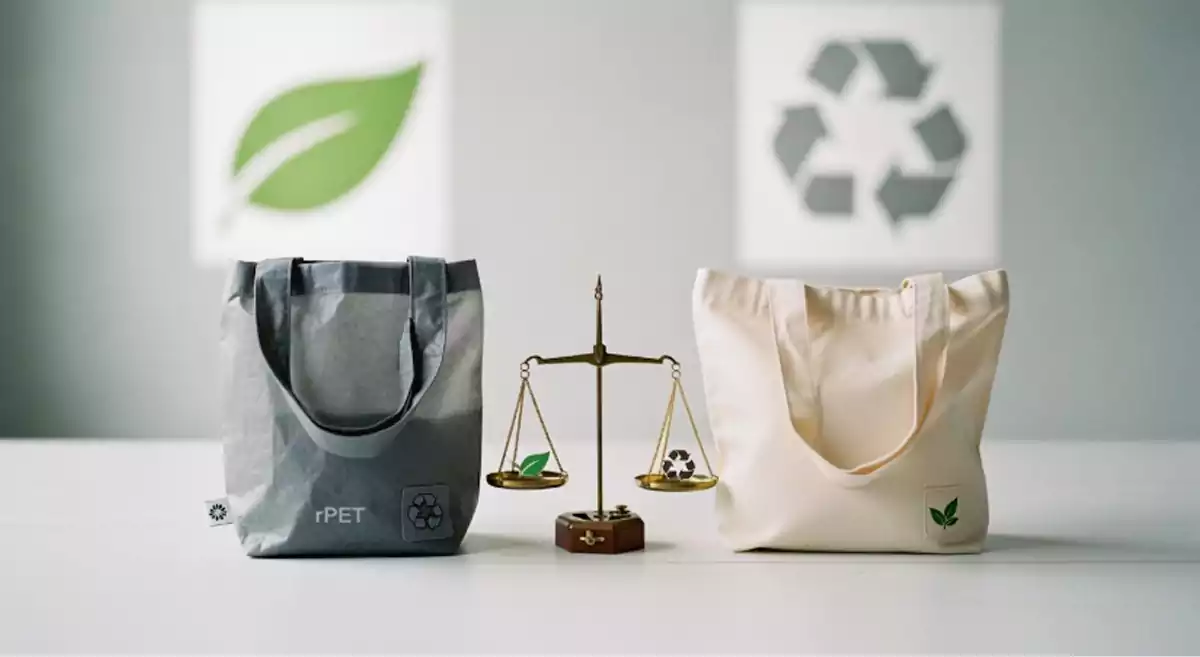
You can help the planet by picking bags that match your needs and beliefs, whether you choose rPET Bags vs Organic Cotton Bags.
Key Takeaways
- rPET bags make much less carbon dioxide. They make only 0.79 kg CO₂ for each bag. Organic cotton bags make 600 kg CO₂ for each bag.
- Picking rPET bags helps cut down plastic trash. They recycle old plastic bottles. This helps keep plastic in use and not in landfills.
- Organic cotton bags break down on their own. They are a good pick if you care about the environment.
- rPET bags last longer. They last about 3 to 5 years. Organic cotton bags last about 1 to 3 years. So, rPET bags are a better choice for long use.
- Both bags have special good points. rPET bags are strong and last a long time. Organic cotton bags feel soft and are nice on your skin.
- Wash bags in cold water to keep them safe. rPET bags can let out microplastics, so do not wash them too much.
- Think about how you use your bags. rPET bags are best for heavy things. Organic cotton bags are good for light shopping or easy trips.
- Check for certifications like GOTS on organic cotton. This helps you make a good choice for the planet.
rPET Bags Overview
What Is rPET?
You might ask what rPET is. rPET means recycled polyethylene terephthalate. This material is in water bottles and food containers. When you pick rPET bags, you help turn old plastic into something new.
Source and Recycling
Here is how rPET bags are made:
- Collection and Sorting: Workers pick up used PET bottles and packaging. They sort them by color, type, and quality.
- Cleaning and Decontamination: The plastics are washed to get rid of labels and dirt.
- Shredding and Grinding: Clean bottles are cut into small flakes.
- Decontamination of Flakes: These flakes go through a special cleaning process. This makes them safe for food contact.
- Extrusion and Pelletizing: The flakes are melted and shaped into pellets or tapes.
- Quality Testing: Each batch is checked for moisture, color, and purity.
This keeps plastic out of landfills and lets us use it again.
Manufacturing Process
Factories use rPET pellets to make strong fibers. These fibers are used to make rPET bags. You get a bag made from recycled stuff that feels strong. This way uses less energy than making new plastic.
rPET Environmental Impact
Carbon Footprint
You help the Earth when you choose rPET bags. Making these bags uses up to 80% less energy than virgin polyester. Carbon emissions can drop by as much as 75%. This means rPET bags are better for the environment than regular plastic bags.
Waste Reduction
rPET bags keep plastic bottles out of landfills and oceans. Check out this table:
| Evidence | Description |
|---|---|
| Raw material consumption | rPET bags use fewer new raw materials. |
| Reusable bags made from recycled materials | Help keep plastic in use and out of landfills or oceans. |
| RPET bags | Made from old plastic bottles, stopping waste from going into landfills and water. |
When you pick rPET bags, you support recycling. This helps the planet and the recycling industry.
Microplastics
You should know about microplastics. rPET bags can shed tiny plastic fibers when you use or wash them. These microplastics can end up in water or soil. rPET bags cut down on big plastic waste, but they do add to the microplastics problem.
rPET Bag Pros & Cons
Durability
rPET bags last for years. You can use them every day without worrying about rips. They can hold heavy things and handle rough use.
Recyclability
You can recycle rPET bags again, but the quality gets worse each time. They are not biodegradable, so they do not break down on their own.
Usability
rPET bags are light and easy to carry. They fold up small and are good for shopping, travel, or school. They are a smart pick if you want to help the environment.
Tip: Wash your rPET bags gently to stop microplastics from coming off.
Organic Cotton Bags Overview
What Is Organic Cotton?
Organic cotton bags are not the same as regular cotton bags. Organic cotton comes from farms that use natural ways to grow cotton. Farmers do not use synthetic pesticides or fertilizers. They also avoid genetically modified seeds. Instead, they use crop rotation and natural pest control. They add things to the soil to keep it healthy. These steps help protect the land and the environment.
Farming Practices
Organic cotton farming keeps the land healthy. Farmers use cover crops to help the soil. They use conservation tillage to make the soil better. These methods give plants more nutrients and stop erosion. You get stronger plants and better crops. Integrated Pest Management uses natural predators and biopesticides. Crop rotation stops pests and helps the ecosystem. Regenerative practices add organic matter and store carbon in the soil. Farmers also use plant leftovers and manure to close nutrient cycles. This shapes the tiny life in the soil.
- Organic cotton grows without synthetic pesticides, fertilizers, or genetically modified seeds.
- Organic farming uses natural pest control, crop rotation, and ways to enrich the soil.
- Conventional cotton uses chemical pesticides and fertilizers that can hurt people and the planet.
- Cotton takes up only 2.5% of farm land but uses 16%-25% of all pesticides.
- Toxic chemicals in regular cotton farming pollute soil, water, and air.
Certification
When you buy organic cotton bags, look for certifications. The best one is GOTS certification. This label means the cotton follows strict rules for organic farming. You can feel good knowing your bag supports safe farming.
Organic Cotton Environmental Impact
Biodegradability
Organic cotton bags break down naturally. You can put them in compost, and they will disappear over time. They return to the earth without leaving bad stuff behind. Unlike synthetic bags, organic cotton bags do not pollute soil or water when they break down.
Water Use
Organic cotton bags use less water than regular cotton bags. Most water comes from rain, not from irrigation. Studies show organic cotton uses 95% green water. The Organic Cotton Life Cycle Assessment found a 91% drop in blue water use. You help the planet by picking bags that need less water and do not use chemicals.
- Organic cotton farming skips synthetic pesticides and fertilizers, so there is less risk and pollution.
- A 2023 Textile Exchange study found 78 fewer hospital cases from pesticides on organic farms.
- Organic cotton mostly uses rainwater, so it needs less water than regular cotton.
- The Organic Cotton Life Cycle Assessment showed a 91% drop in blue water use for organic cotton.
- 95% of water used in organic cotton farming is green water, which is better for the planet.
Carbon Emissions
Organic cotton bags help cut down carbon emissions. Compared to regular cotton, organic cotton lowers global warming potential by 46%. You also see 70% less acidification. Organic cotton uses up to 91% less water and 62% less energy. This makes organic cotton bags a smart choice for the environment.
- Organic cotton farming cuts global warming potential by 46% and acidification by 70% compared to regular cotton.
- The LCA shows organic methods use less water and energy, which is good for the planet.
Organic Cotton Bag Pros & Cons
Softness & Feel
Organic cotton bags feel soft and nice. The natural fibers make them gentle to touch. Many people like them because they feel good.
Sustainability
Organic cotton bags are good for the planet. They help keep soil healthy and support biodiversity. They have a lower impact on the environment. You avoid synthetic chemicals and help farmers use eco-friendly ways. These bags break down fully, so you do not worry about pollution.
- Pros: Lower impact on the planet because no synthetic pesticides are used; better for soil health.
- Cons: Lower yields mean more land and water are needed; it can be hard to check if cotton is really organic.
Washability
You can wash organic cotton bags many times. They stay strong, but washing them a lot may cause some wear. You keep your bag clean, so it is great for daily use.
Tip: Always look for GOTS certification when buying organic cotton bags. This makes sure your bag meets high environmental standards.
rPET Bags vs Organic Cotton Bags: Sustainable Comparison
rPET vs Organic Cotton: Environmental Impact
Carbon & Water Footprint
You want to know which bag is better for the planet. When you look at rPET bags vs organic cotton bags, the numbers tell a clear story. rPET bags have a much lower carbon footprint. Making one rPET bag uses less energy and creates less pollution. You help the environment by choosing a bag that needs less energy to make.
Organic cotton bags use a lot of water. It takes about 2,700 liters of water to make just one kilogram of organic cotton. That is a lot of water for one bag. The carbon footprint for organic cotton bags is also much higher. Before you reuse your bag, organic cotton bags create 170 times more carbon than a single-use plastic bag. rPET bags are more energy efficient and work well for waterproof uses.
Here is a quick look at the main differences:
| Feature | rPET Bags (Recycled Polyester) | Organic Cotton Bags (Natural Fiber) |
|---|---|---|
| Core Sustainability Focus | Plastic waste diversion, circular economy, resource efficiency | Chemical-free agriculture, soil health, biodegradability |
| Primary Source Material | Post-consumer recycled plastic bottles | Sustainably farmed cotton (non-GMO, no synthetic pesticides) |
| Biodegradability | Non-biodegradable (but designed for recycling) | Fully biodegradable at end of life |
If you want a lower carbon footprint, rPET bags win this round.
Pollution & Waste
You care about pollution and waste. rPET bags vs organic cotton bags have different impacts. rPET bags help keep plastic out of landfills and oceans. They support a circular economy, which means you use old plastic to make new things. This reduces plastic waste and helps the planet.
Organic cotton bags do not use synthetic pesticides. They are fully biodegradable if you compost them the right way. You do not have to worry about microplastics with organic cotton bags. But, rPET bags can shed tiny plastic fibers when you wash or use them.
Here is a table to help you compare:
| Material | Contribution to Pollution and Waste Generation |
|---|---|
| rPET | Associated with a circular economy, reduces landfill and ocean plastic. |
| Organic Cotton | Grown without synthetic pesticides, fully biodegradable under proper conditions. |
If you want to cut down on plastic waste, rPET bags are a strong choice. If you want a bag that breaks down naturally, organic cotton bags are the way to go.
Durability & Longevity
Wear & Tear
You want a bag that lasts. rPET bags vs organic cotton bags show big differences here. rPET bags are tough. You can use them every day for 5 to 7 years. They hold up well to heavy loads and rough use. You do not have to worry about them ripping or wearing out fast.
Organic cotton bags are softer but not as strong. They last about 1 to 2 years with regular use. If you carry heavy things often, you might see them wear out sooner. You may need to replace them more often than rPET bags.
Maintenance
You want a bag that is easy to care for. rPET bags are simple to clean. You can wipe them down or wash them gently. They dry fast and do not shrink. Just remember, washing rPET bags too much can release microplastics.
Organic cotton bags are easy to wash in the machine. They get softer with each wash. But, they can shrink or lose shape if you use hot water or dry them in a machine. You need to wash them more often because they can pick up stains and odors.
Tip: Wash your bags in cold water and air dry them to make them last longer.
Cost & Accessibility
Upfront Cost
You want to know how much you will spend. rPET bags vs organic cotton bags have different price tags. rPET bags cost more at first, but they last longer. Organic cotton bags are cheaper, but you may need to buy new ones more often.
Here is a table to help you compare:
| Material | Durability | Cost Efficiency | Eco-Friendly? | Best For |
|---|---|---|---|---|
| rPET (Recycled Polyester) | High (5–7 yrs) | Very High (low shipping cost) | Yes (post-consumer) | Outdoor events, tech giveaways, ESG-focused companies |
| Cotton (Organic) | Moderate (1–2 yrs) | Medium | Yes | Budget retail, everyday use, light grocery bags |
Value Over Time
You want the best value for your money. rPET bags last longer, so you do not have to buy new bags often. This saves you money in the long run. Organic cotton bags cost less at first, but you may need to replace them sooner. If you use your bag every day, rPET bags give you better value over time.
Note: If you want a sustainable and eco-friendly bag that lasts, rPET bags are a smart investment. If you want a natural feel and full biodegradability, organic cotton bags are a good choice.
When you compare rPET bags vs organic cotton bags, think about what matters most to you. Do you want a lower carbon footprint, less plastic waste, or a bag that breaks down naturally? Your choice can make a real difference for the planet.
End-of-Life Options
Recyclability
You want to know what happens to your bag when you finish using it. rPET bags can go back into the recycling stream, but there are some challenges. The fibers in rPET bags get weaker each time you recycle them. After a few cycles, manufacturers need to mix in new polyester to keep the material strong. Many rPET bags also have zippers, linings, or prints that make recycling harder. You might find that your local recycling center does not accept these bags.
Organic cotton bags do not recycle in the same way. They break down naturally, but you cannot toss them in your blue bin. If you want to recycle organic cotton bags, you need a textile recycling program. These programs turn old bags into things like insulation or cleaning cloths. You help the planet by keeping both types of bags out of the landfill.
Here’s a quick look at the main recycling challenges:
| Material | Recyclability Challenges |
|---|---|
| rPET bags | Cannot be recycled indefinitely; fibers weaken with each cycle, requiring blending with virgin polyester. |
| Organic cotton bags | More sustainable in terms of biodegradability, but faces challenges in production and sourcing. |
- rPET bags reduce landfill overflow but carry environmental costs similar to virgin plastic.
- Many rPET bags are combined with materials that complicate recycling, making them hard to separate and reuse.
- Organic cotton bags are biodegradable but have sustainability challenges related to their production process.
Tip: Always check your local recycling rules before tossing out your bag.
Biodegradability
You might wonder how long your bag will last in nature. Organic cotton bags break down over time. If you compost them, they can disappear in as little as a week or take a few years, depending on how thick or treated the fabric is. You do not have to worry about microplastics or toxic leftovers.
rPET bags do not break down easily. They can last for decades in landfills. Over time, they may shed tiny plastic fibers that end up in soil or water. If you want a bag that returns to the earth, organic cotton bags are the better choice.
Here’s a table to compare how each bag breaks down:
| Material | Biodegradation Timeline |
|---|---|
| Organic Cotton | 1 week to several years (depending on thickness and treatment) |
| rPET | Does not biodegrade easily, contributes to microplastic pollution |
- Organic cotton bags are biodegradable and can take from a week to several years to decompose based on their thickness and treatment.
- rPET bags, made from recycled plastic, do not biodegrade easily and can lead to microplastic pollution.
Note: If you want a bag that disappears naturally, choose organic cotton bags.
Practical Use Cases
Shopping
You probably use reusable bags for groceries and errands. rPET bags work well for shopping because they are strong and last a long time. You can carry heavy items without worrying about the bag tearing. The handles feel sturdy, and the bag holds its shape. You can wipe them clean if something spills.
Organic cotton bags feel soft and light. They are perfect for carrying fruits, bread, or snacks. You can fold them up and keep them in your purse or car. If you want a bag that looks natural and feels gentle, organic cotton bags are a great pick for everyday shopping.
Fashion
You might want a bag that looks stylish. rPET bags come in many colors and designs. Brands use them for trendy totes, backpacks, and even gym bags. You can find rPET bags with cool prints or logos. They hold up well and keep their shape, so you can use them for work or school.
Organic cotton bags have a classic, simple look. Many people love them for their natural vibe. You can find organic cotton bags with fun prints, embroidery, or eco-friendly dyes. They match casual outfits and make a statement about your values. If you want a bag that shows you care about the planet, organic cotton bags fit your style.
Bulk Loads
Sometimes you need to carry a lot at once. rPET bags shine when you need to haul heavy groceries, books, or supplies. The material resists stretching and tearing. You can use the same bag for years without it falling apart.
Organic cotton bags can handle bulk loads, but you need to check the stitching and thickness. Thicker organic cotton bags work better for big shopping trips. If you use them for heavy items, wash them gently to keep them strong.
Here’s a table to show how people use these bags:
| Bag Type | Material | Common Use Cases | Consumer Preference |
|---|---|---|---|
| Recycled PET Bags | Recycled Plastic Bottles | 10+ | Yes |
| Organic Cotton Bags | Organic Cotton | 3-5 | Yes |
Tip: Choose rPET bags for heavy-duty use and organic cotton bags for light shopping or as a fashion accessory.
Choosing the Most Sustainable Bag
Values & Priorities
Plastic Reduction
You might care a lot about cutting down on plastic waste. If that’s your main goal, you’ll want to look for bags that help keep plastic out of landfills and oceans. rPET bags do this well because they use recycled plastic bottles. When you pick rPET, you support recycling and the idea of a circular economy. Here’s how your values can guide your choice:
- If you want to reduce plastic pollution, rPET bags are a strong option.
- Many brands that focus on plastic reduction choose rPET bags for their eco-friendly image.
Supporting Organic Farming
Maybe you care more about natural products and healthy farming. Organic cotton bags support farms that skip chemicals and use earth-friendly methods. These bags show you care about soil health and safe farming. You might like organic cotton if you want to:
- Support chemical-free agriculture.
- Choose products that are gentle on the planet and people.
- Show your commitment to organic farming and sustainable choices.
Usage Patterns
Frequency
Think about how often you use your bag. If you use a bag every day for shopping, work, or school, you need something tough. rPET bags last longer and handle daily wear and tear. You won’t have to replace them as often, which makes them a sustainable pick for heavy use.
If you use bags only once in a while, organic cotton bags work well. They feel soft and look nice, so you might save them for special trips or light loads.
Item Types
What do you carry in your bag? If you haul heavy groceries, books, or supplies, rPET bags can handle the weight. They keep their shape and don’t rip easily. For lighter items like snacks, clothes, or gifts, organic cotton bags are a good fit. They look stylish and feel comfortable to carry.
Tip: Match your bag to your daily needs. You’ll get more use and waste less.
Budget & Availability
Cost-Effectiveness
Your budget matters when you pick a bag. rPET bags cost more at first, but they last longer. You save money over time because you don’t need to buy new bags often. Organic cotton bags usually cost less up front, but you might need to replace them sooner if you use them a lot.
- Recycled cotton is more cost-effective for big orders or if you need lots of bags.
- Organic cotton bags are popular for high-end or wellness-focused products.
Local Options
You might want to buy bags made close to home. Sometimes, it’s hard to find the type you want. The supply of recycled cotton depends on how much textile waste gets collected and sorted. This can limit your color choices and how many bags are available.
Organic cotton bags depend on the season and weather. Prices can change if there’s a big demand or if farms have trouble getting certified. It can take longer to get organic cotton bags for big events or campaigns.
- You need to balance cost, availability, and your sustainability goals when you choose between rPET and organic cotton bags.
Making Your Choice
You have learned a lot about rPET bags and organic cotton bags. Now, you might wonder, “Which bag should I pick?” The answer depends on what matters most to you. Let’s break it down so you can feel good about your choice.
Start with your top priority. Ask yourself these questions:
- Do you want to cut down on plastic waste?
- Do you care more about natural materials and organic farming?
- Will you use your bag every day or just sometimes?
- Is your budget tight, or can you spend a bit more for durability?
Here’s a quick table to help you match your needs with the right bag:
| Your Priority | Best Bag Choice | Why It Works for You |
|---|---|---|
| Reducing plastic waste | rPET Bag | Uses recycled bottles, lasts longer |
| Supporting organic farming | Organic Cotton Bag | Grown without chemicals, biodegradable |
| Everyday heavy use | rPET Bag | Strong, resists wear and tear |
| Light, casual use | Organic Cotton Bag | Soft, stylish, easy to wash |
| Lowest long-term cost | rPET Bag | Fewer replacements needed |
| Fastest composting | Organic Cotton Bag | Breaks down naturally |
Tip: If you want the best of both worlds, keep one of each bag. Use your rPET bag for heavy groceries or travel. Grab your organic cotton bag for light shopping or when you want a natural look.
Here’s how you can make your final pick:
- List your top three needs. Write them down.
- Check the table above. See which bag matches your needs.
- Think about your habits. If you shop a lot, durability matters. If you love eco-friendly fashion, style might come first.
- Look for certifications. Choose GOTS for organic cotton or reliable recycling labels for rPET.
- Buy from trusted brands. Local makers or certified suppliers often have better quality and greener practices.
You don’t have to stress about making a perfect choice. Every step toward reusable bags helps the planet. If you already own a bag, use it as much as possible before buying a new one. The most sustainable bag is the one you use again and again.
Remember: Your choice sends a message. When you pick a sustainable bag, you show others that you care about the Earth. That’s a small action with a big impact.
So, go ahead—choose the bag that fits your life, your values, and your budget. You’re already making a difference!
Conclusion
You want the best bag for the planet and your needs. Check out this quick table:
| Material | Carbon Emissions | Water Use | Energy Use |
|---|---|---|---|
| Organic Cotton | 4.1 kg CO₂ | 254.76 kg | 60.88 MJ |
| rPET | 1.2 kg CO₂ | 5.08 kg | 13.63 MJ |
rPET bags use less energy and water, while organic cotton bags break down naturally. Think about these points:
- rPET bags keep plastic out of landfills and last longer.
- Organic cotton bags are gentle and biodegradable but need more resources.
- Your choice shows what you care about—innovation or nature.
Want a custom bag? We offer OEM and ODM services for both rPET and organic cotton bags!
FAQ
How many times should I reuse my rPET or organic cotton bag?
You should use your rPET bag at least 84 times and your organic cotton bag about 20,000 times to match the impact of a single-use plastic bag. The more you use your bag, the better for the planet.
Can I wash rPET and organic cotton bags in the washing machine?
You can wash both types. Use cold water for organic cotton to prevent shrinking. Wash rPET bags gently by hand or on a delicate cycle to reduce microplastic shedding.
Do rPET bags shed microplastics every time I use them?
Yes, rPET bags can shed tiny plastic fibers, especially when you wash them. Try to wash them less often and use a gentle cycle. This helps reduce microplastic pollution.
Are organic cotton bags always better for the environment?
Not always. Organic cotton bags use a lot of water and energy to make. They are biodegradable, but you need to use them many times to make them truly eco-friendly.
Which bag is better for carrying heavy groceries?
You should pick an rPET bag for heavy loads. These bags are strong and last longer. Organic cotton bags work well for lighter items or short trips.
Can I compost my organic cotton bag at home?
Yes! You can compost your organic cotton bag if it is 100% cotton and has no prints or plastic parts. Cut it into small pieces to help it break down faster.
Where can I recycle my rPET bag?
Check with your local recycling center. Some places accept rPET bags, but others do not. Remove any zippers or labels before recycling.