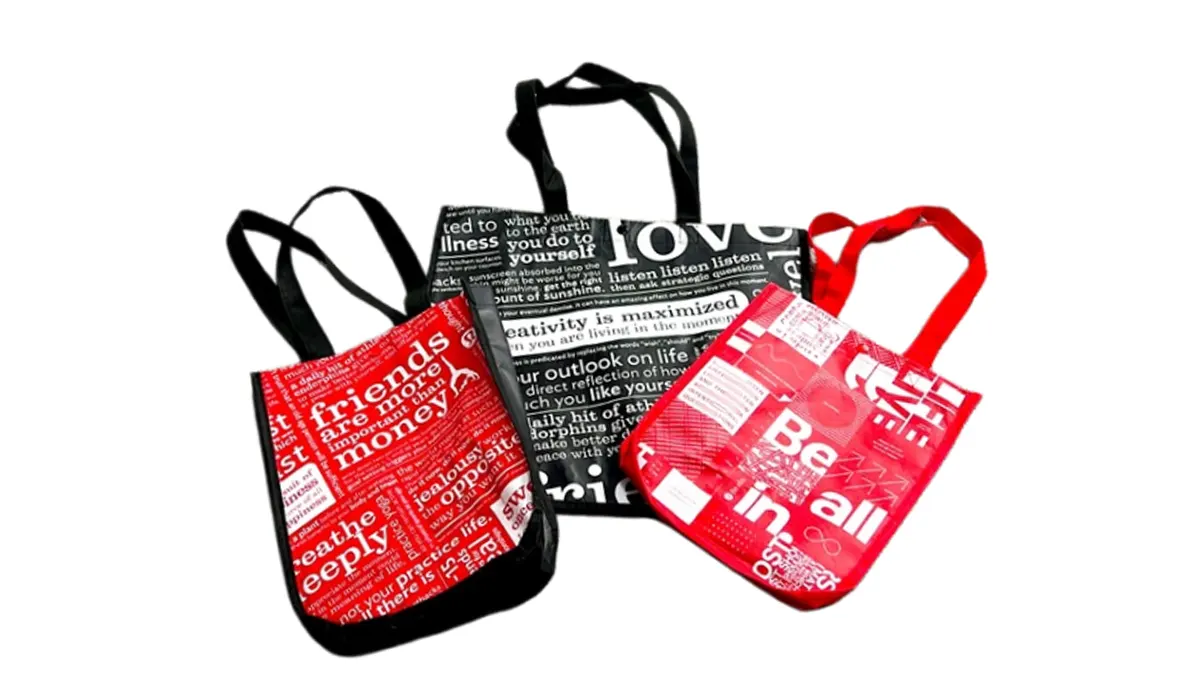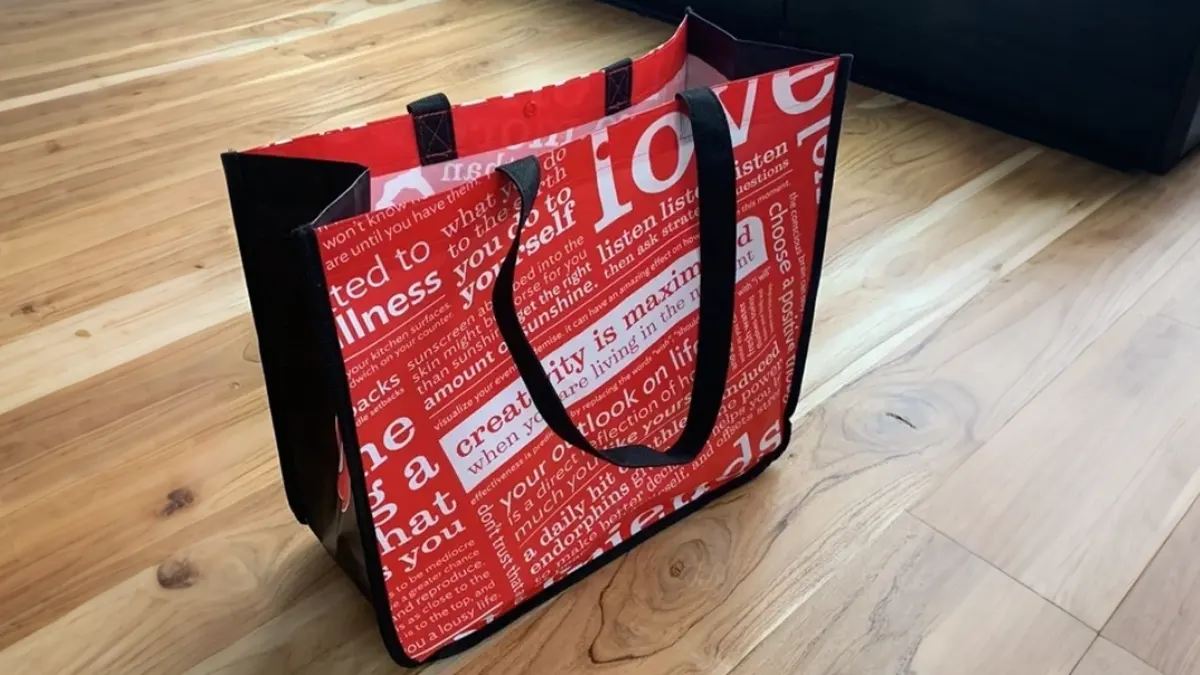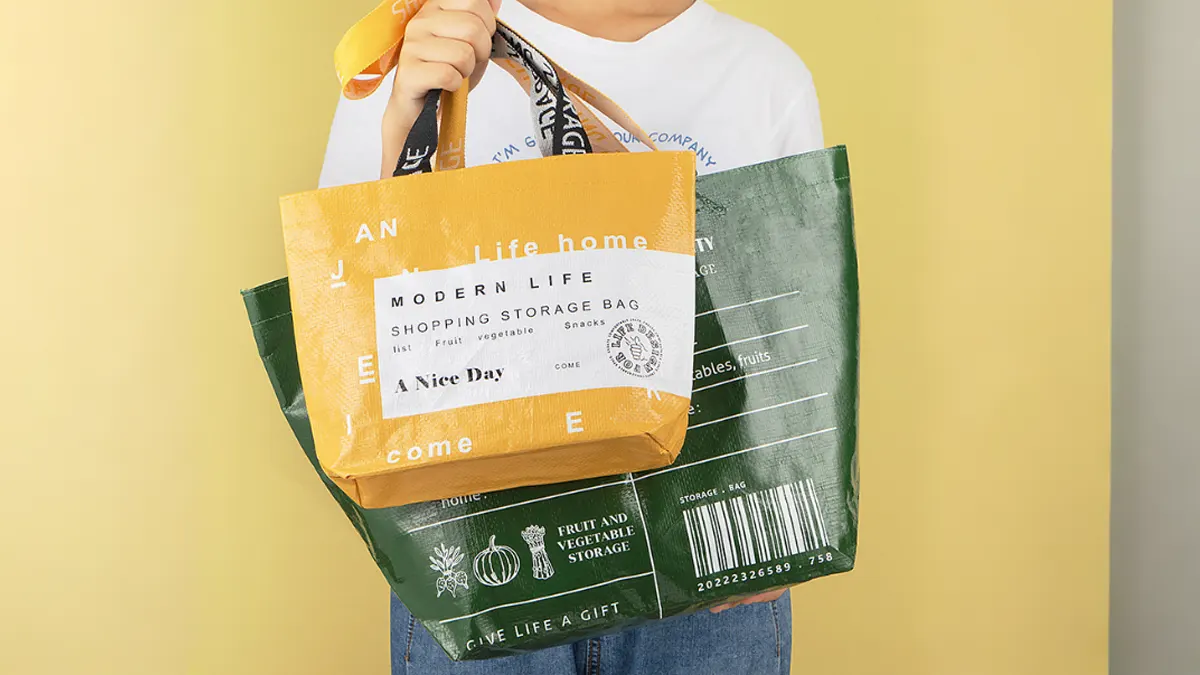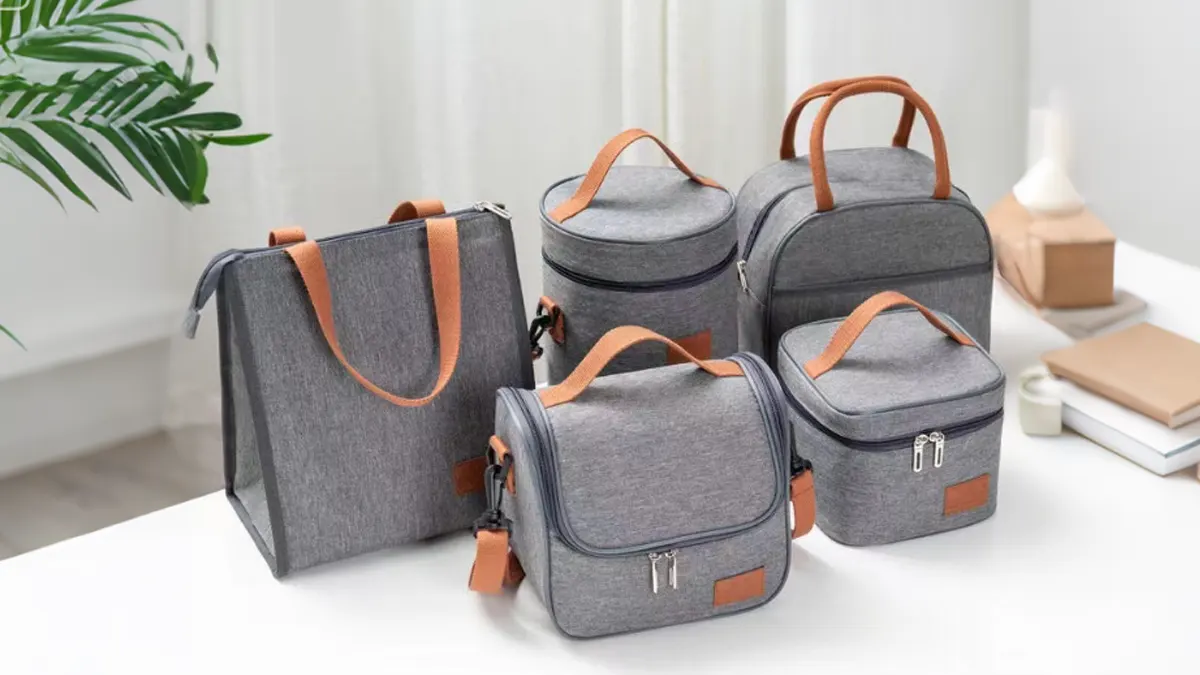
Sublimation printing is a popular way to decorate bags, clothes, and promo items. It gives you bright colors, sharp details, and designs that do not peel or crack. But it is not perfect—it only works on polyester or coated materials and struggles with dark fabrics. In this guide, we will go through the main pros and cons of sublimation printing and explain when it is the right choice, especially for custom tote bags and shopping bags.

What Is Sublimation Printing?
Sublimation printing is a digital printing process that uses heat to transfer dye into a material. Instead of printing ink on the surface like screen printing, sublimation turns solid dye into gas and bonds it directly into polyester fibers or a polyester coated surface.
Key Features of Sublimation Printing
- Works best on polyester fabrics and coated surfaces.
- Produces full color, photo quality results.
- Permanent and resistant to fading or peeling.
- Smooth to the touch, with no extra layer of ink.
For bags, sublimation is especially useful on polyester shopping bags, promotional totes, and foldable travel bags. It creates colorful, durable logos that don’t wash off easily.

Pros of Sublimation Printing
1. Vivid and High Quality Colors
The first thing people notice with sublimation is the color. Prints come out bright, bold, and crystal clear. Gradients flow smoothly, tiny details show up perfectly, and even photo-style images look great. This is why brands love sublimation for polyester shopping bags—a colorful logo or artwork really jumps out when customers carry the bag around. Imagine someone walking down the street with a tote covered in a vibrant sunset design—it looks like art, not just a promo bag.
2. Long Lasting and Durable
Because the dye actually becomes part of the fibers, the print doesn’t just sit on top of the fabric. That means no cracking, no peeling, and no fading after a few uses. Even if a bag is folded, tossed in the car, or washed multiple times, the design stays solid. For reusable shopping bags, this is a huge win—you want your logo or artwork to stay visible for years, not wear off after a few trips to the grocery store.
3. Soft Hand Feel
One of the underrated pros of sublimation is how the finished product feels. With vinyl or screen printing, you often end up with a thick, rubbery layer on top of the bag. Sublimation is different. The design is fused into the fabric, so the surface stays smooth and flexible. That’s why sublimated polyester totes are so popular—they fold up easily without stiff patches, and they still feel light in your hands. Customers notice that quality.
4. Full Coverage Printing
You’re not limited to just the middle of the bag. With sublimation, you can print edge to edge—even across seams and straps—opening up way more creative freedom. This means you can turn a plain bag into a walking billboard or a fashion statement. Want a bag with an all-over galaxy print? No problem. Want your logo repeated like a pattern across the entire surface? Easy. With sublimation, shopping bags go from simple carriers to brand showcases.
5. Great for Small Batches
Most printing methods become expensive unless you’re doing big runs. Sublimation flips that. Since there are no screens or plates to set up, you can print just one bag or a dozen without wasting money. This makes it perfect for custom orders, limited edition designs, or trial runs. For example, an online store can offer personalized tote bags where each design is unique. That’s tough to do with screen printing, but sublimation makes it affordable and fast.
6. Eco Friendlier Process
No printing method is perfectly green, but sublimation is cleaner than many alternatives. It doesn’t waste a lot of water, doesn’t require harmful chemicals, and the ink is fully absorbed, leaving no residue. For brands that care about sustainability, this is an easy talking point: your reusable bags aren’t just better for the planet because they replace plastic—they’re also decorated with a method that avoids unnecessary waste. That combination makes sublimation a natural fit for eco-conscious companies.
Cons of Sublimation Printing

1. Material Limitations
Sublimation only works on polyester or polyester coated materials. If you want to print on cotton tote bags, jute bags, or non woven bags, sublimation will not give you good results. Yes, there are special coatings that make cotton suitable for sublimation, but that means extra cost and more steps. Sublimation is excellent for polyester bags, but if your brand prefers natural fabrics you will need other methods like screen printing or embroidery.
2. Color Limitations
Sublimation does not use white ink. The design depends on the base color of the bag. On white or light colored polyester, colors look bright and professional. On dark fabrics, they turn out faded and dull. So if your brand usually uses darker bags, sublimation may not be the right fit.
3. Equipment Cost
Sublimation requires special equipment. You need a sublimation printer, heat press, inks, and transfer paper. This setup can be expensive, especially if you only plan to do small DIY projects. For many businesses it makes more sense to work with a manufacturer that already has the equipment in place.
4. Size Restrictions
Most sublimation presses are limited in size. They are great for small and medium items like T shirts, mugs, or compact foldable bags. But when it comes to oversized tote bags or all over prints, you will need industrial machines, which are more expensive and raise production costs.
5. UV Sensitivity
Sublimation prints are long lasting indoors, but they do not hold up as well under strong sunlight. Over time, UV rays can cause colors to fade. For a grocery tote that is used occasionally this is not a big issue, but for beach bags or outdoor promotional items it matters.
6. Learning Curve
It may look simple, but sublimation takes practice. You need to get the heat, pressure, and time exactly right. Too hot and the colors can bleed. Too cold and they will look faded. If the paper shifts, you might see ghost images. Without experience, results can be inconsistent.
Sublimation Printing vs Other Printing Methods
Table 1: Printing Methods Comparison
| Method | Durability | Color Range | Cost Effectiveness | Materials | Hand Feel | Best For |
|---|---|---|---|---|---|---|
| Sublimation | Very High | Full color | Small batch friendly | Polyester, coated items | Soft | Bags, mugs, apparel |
| Screen Printing | High | Bold colors | Large batches | Cotton, polyester, blends | Slightly thick | T-shirts, tote bags |
| Heat Transfer | Medium | Good | Small batches | Cotton, polyester | Can feel heavy | Simple logos |
| DTG (Direct to Garment) | Medium | Full color | Best for cotton | Cotton fabrics | Soft | T-shirts, hoodies |
Best Applications for Bags
- Polyester Shopping Bags
Perfect for sublimation. Logos and full designs print well, stay bright, and do not peel. - Promotional Foldable Bags
Sublimation allows vibrant printing on lightweight, foldable polyester bags, making them popular for giveaways. - Non Woven Polypropylene Bags
Not suitable for sublimation. Instead, screen printing or heat transfer works better. - Cotton Tote Bags
Not ideal for sublimation unless coated. Screen printing or embroidery are better options here.
Table 2: Bag Materials and Printing Suitability
| Bag Material | Sublimation Suitability | Alternative Printing Methods |
|---|---|---|
| Polyester | Excellent | Screen printing, heat transfer |
| Coated Polyester | Excellent | Screen printing |
| Non Woven PP | Poor | Screen printing, heat transfer |
| Cotton | Poor (unless coated) | Screen printing, DTG, embroidery |
| Jute/Hemp | Not suitable | Screen printing, embroidery |
Tips for Achieving the Best Sublimation Results on Bags
- Always choose white or light colored polyester bags for best results.
- Use high resolution artwork to get sharp prints.
- Pre press bags to remove moisture and wrinkles before printing.
- Test small samples before mass production.
- Avoid sublimation on bags meant for heavy outdoor use to reduce UV fading.
Who Should Use Sublimation Printing for Bags?
- Small businesses: Great for personalized tote bags or promotional runs.
- Event organizers: Perfect for giveaways, conferences, and branded swag bags.
- E-commerce brands: Works well for on demand bag customization.
- Manufacturers (like us): For wholesale orders, sublimation allows us to combine vibrant prints with durable polyester bags.
Conclusion
Sublimation printing is a powerful method that produces vibrant, durable, and professional designs. For bags, it is ideal on polyester and coated materials, making it one of the best options for promotional or retail shopping bags.
That said, it is not suitable for cotton or jute bags, and equipment cost can be high for small scale DIY use. If you need high volume cotton tote customization, screen printing may still be the better choice.
As a professional bag manufacturer, we offer a wide range of reusable bags—polyester, cotton, non woven, and jute—and provide multiple decoration options including sublimation, screen printing, heat transfer, and embroidery. Whether you want eco friendly totes, promotional shopping bags, or custom wholesale solutions, we can help bring your designs to life.
FAQ
Can sublimation printing be done on cotton bags?
Not directly. Cotton needs a polyester coating to accept sublimation ink. Otherwise, choose screen printing or embroidery.
How long does sublimation printing last?
It can last for years without peeling or cracking. However, constant sun exposure may cause fading.
Is sublimation better than screen printing for bags?
It depends. Sublimation works best for polyester with full color designs. Screen printing is better for cotton or non woven bags.
Do sublimation prints peel off?
No. Because the dye bonds into the fibers, sublimation does not peel or crack like vinyl.
What type of bags are best for sublimation?
Polyester shopping bags, foldable totes, and coated polyester promotional bags.