Ever wonder why backpacks often use polyester backpack material? You see polyester everywhere. There is a reason for this. Polyester backpack material is used in many backpacks and makes up about 32.4% of the global market. Nylon is just a bit more popular.
| Material | Percentage of Global Market Value |
|---|---|
| Nylon | 39.1% |
| Polyester Backpack Material | 32.4% |
| Canvas | 17.3% |
| Leather | 11.2% |
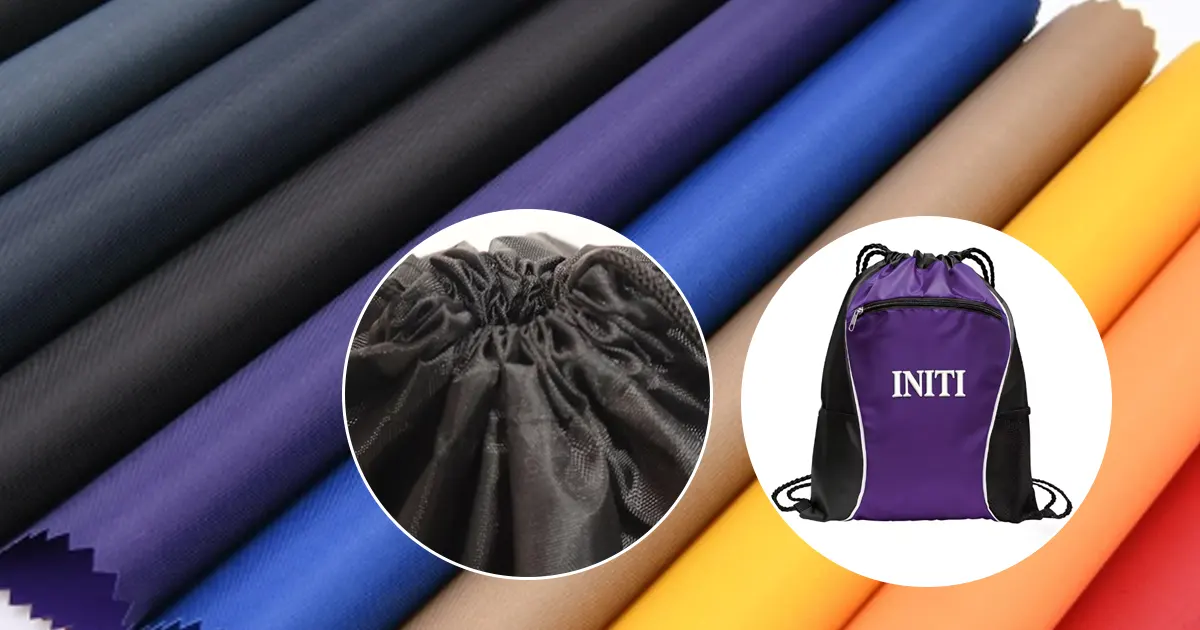
Polyester backpack material gives you strength, is light, and resists water. But you should also think about how it affects the environment. Comfort is important too. As you read, think about the good and bad sides of polyester backpack material. Decide if it works for you.
Key Takeaways
- Polyester is a common material for backpacks because it is strong and light.
- It does not weigh much, so it is easy to carry.
- Polyester keeps your things dry if there is a little rain.
- These backpacks do not cost a lot of money. This makes them good for students and people who travel.
- Polyester is tough and can last two to four years if you use it often.
- The colors on polyester stay bright and do not fade as fast as other materials.
- But, polyester is not good for the environment. It does not break down and can make microplastic pollution.
- Polyester is fine for everyday use, but not for heavy things or outdoor trips. Think about what you need and how much you want to spend before you pick a polyester backpack.
Polyester Backpack Material: Pros
Durability & Strength
Abrasion Resistance
You want your backpack to last a long time. Polyester backpack material can handle daily use. It does not get scratched or scuffed easily. You can drop your bag or slide it under your desk. You do not have to worry about it getting damaged. Lab tests show polyester can take thousands of rubs before it wears out. Look at this table to see how polyester and nylon compare:
| Material | Tensile Strength (lbs) | Abrasion Resistance (cycles) |
|---|---|---|
| 1000D Nylon | 70 | 100,000 |
| 1000D Polyester | 55 | 60,000 |
Polyester is not as strong as nylon. But it is still tough enough for most uses.
Everyday Use
You use your backpack every day for school or work. Polyester backpack material stays strong for these activities. It keeps its shape and does not tear easily. Many polyester backpacks last two to four years. This depends on the fabric and coating. You can trust polyester for your daily needs.
- Polyester 210D + PU: lasts 2–3 years
- Polyester 420D + Silicone: lasts 3–4 years
Water Resistance
Moisture Protection
Rain can happen anytime. Polyester backpack material helps keep your things dry. The fibers push water away. Your books and electronics stay safe in light rain. Untreated polyester resists water better than untreated nylon. Here’s a table showing how polyester compares to other materials:
| Material | Water Resistance Characteristics | Notes |
|---|---|---|
| Polyester | Hydrophobic fibers resist water absorption, providing better raw water repellency. | Untreated polyester repels light rain better than untreated nylon. |
| Nylon | More absorbent but can be treated with coatings for improved water resistance. | Untreated nylon absorbs moisture, but treated nylon can match polyester’s performance. |
| Coatings | Both materials can achieve high water resistance with proper treatments (PU or TPU coatings). | Nylon’s performance can be enhanced significantly with coatings, unlike untreated nylon. |
You can feel calm knowing your backpack can handle surprise weather.
Quick Drying
If you spill water or get caught in rain, polyester dries fast. It does not soak up much water. You do not have to wait long for your bag to dry. This makes polyester a smart choice for students and travelers.
Tip: If your backpack gets wet, hang it up. Polyester dries faster than cotton or canvas.
Lightweight Design
Easy to Carry
You do not want a heavy backpack. Polyester backpack material is light. You can carry it all day. Your shoulders and back feel less tired. Polyester feels smooth and comfortable. This helps if you walk or bike to school.
Travel & School Use
You need a bag that fits your busy life. Polyester backpacks weigh less than leather or canvas bags. Here’s a table showing the average weight of different backpack materials:
| Travel Bag Type | Nylon Version | Polyester Version |
|---|---|---|
| Travel backpack | 0.9 kg | 1.1 kg |
| Medium duffle bag | 1.2 kg | 1.4 kg |
| Carry-on travel bag | 1.5 kg | 1.7 kg |
You can pack more without feeling heavy. Polyester backpack material works well for school, travel, and daily adventures. The light design helps you stay comfortable, even on long days.
Cost-Effectiveness
Affordable Choice
You want a backpack that does not cost too much. Polyester is a good choice for this. You can buy a nice bag without spending a lot. Polyester is cheaper to make than canvas or nylon. This means you pay less when you buy it. Many students and travelers pick polyester because it is cheap and easy to find.
Here’s a table that shows how polyester compares to other materials in price and durability:
| Material | Durability | Price Implication |
|---|---|---|
| Canvas | Highly durable, breathable, withstands abrasion | Generally more expensive due to natural fibers |
| Polyester | Lighter, water-resistant, easier to clean | Less expensive, but may not last as long |
| Nylon | Stronger, more durable, abrasion-resistant | Typically more expensive than polyester |
You can see that polyester is a good deal for the price and how well it works.
Value for Money
You want your backpack to last and not cost too much. Polyester backpacks are a great deal. They can last for years if you use them for school or trips. You do not have to get a new bag every year. Even if you buy a cheaper polyester backpack, you still get water resistance and light weight.
You can save money and still get a backpack that works well. Polyester is smart if you want a cool bag that does not cost a lot.
Color & Style Retention
Fade Resistance
You want your backpack to look nice for a long time. Polyester helps with this. It does not fade as fast as canvas or untreated nylon. Sunlight can make colors fade, but polyester stays bright. Some polyester bags have special coatings to block UV rays. These coatings help keep the colors looking new.
Here’s a table that shows how different materials resist fading:
| Material | Resistance to Fading | Notes |
|---|---|---|
| Polyester | Good | Popular for fashion bags due to UV resistance |
| Canvas | Poor | Retains less than half its color after 500 hours of UV exposure |
| Untreated Nylon | Moderate | Loses about 40% of its color after 500 hours of UV exposure |
| UV-Stabilized Nylon | Better | Retains color and elasticity better than untreated nylon |
Tip: If you want your backpack to stay bright, pick polyester or UV-stabilized fabrics.
Vibrant Colors
You want your backpack to show your style. Polyester lets you do this. It holds color well, so you can find many colors and patterns. The colors stay bright, even after a lot of use. You can pick a backpack that fits your style and know it will not fade quickly.
- Polyester can have UV-resistant coatings to keep colors bright.
- Good polyester blocks most UV rays, which helps stop fading.
- Polyester is a top pick for fashion bags because it keeps color longer.
You get both style and color that lasts when you pick a polyester backpack.
Polyester Backpack Material: Cons
Environmental Impact
Non-Biodegradable
You might want a backpack that is good for the planet. Polyester backpack material does not break down easily. When you throw it away, it can stay in a landfill for a very long time. Take a look at this table:
| Material | Decomposition Time |
|---|---|
| Polyester fabric | 100+ years |
That means your old backpack could still be around when your great-grandkids are grown up. Polyester also takes a lot of energy to make. When factories produce this material, they release a lot of carbon dioxide into the air.
- Making polyester fibers creates about 27.2 kg of CO2 for every kilogram of fabric.
- If you use 2 square meters of polyester, that equals 6.4 kg of CO2.
This adds up fast. If you care about the environment, this is something to think about when you look at the pros and cons of polyester.
Microplastics
Polyester can also cause microplastic pollution. When you wash your backpack or it rubs against things, tiny fibers can break off. These small pieces are called microplastics. They can end up in rivers, lakes, and even the ocean.
- Washing polyester fabrics can release over 1,900 tiny fibers in just one wash.
- Most backpacks and clothes made from polyester let out more than 100 fibers for every liter of water during washing.
- Even a small amount, like 0.033% to 0.039% of the backpack’s weight, can turn into microplastics after washing.
These microplastics are hard to clean up. Fish and other animals can eat them by mistake. This is a big reason why some people look for other materials.
Comfort Issues
Breathability
You want your backpack to feel good on your back. Polyester does not let air pass through very well. This means your back can get sweaty, especially on hot days. Here’s a quick look at how different materials compare:
| Material | Breathability |
|---|---|
| Polyester | Low |
| Cotton | High |
| Canvas | High |
If you want a backpack that feels cool and fresh, cotton or canvas might work better. Polyester can trap heat and sweat, which can make you feel sticky.
Heat Retention
Polyester holds in heat. If you wear your backpack for a long time, your back might feel warm or even hot. Some users like that polyester dries quickly and wicks away moisture. Others say it can feel too warm, especially if you do not have good airflow.
- People like polyester for its quick-drying and moisture-wicking features.
- Some users wish for more ventilation or extra fabric to cover their skin for comfort.
If you walk or bike a lot, you might notice your back gets hot. This is one of the cons of polyester, especially if you want to stay cool.
Longevity Concerns
UV Degradation
Sunlight can hurt polyester over time. If you use your backpack outside a lot, the sun’s rays can make the material weaker. You might not see the damage right away, but it happens slowly.
Ultraviolet rays, like UVA and UVB, break down polyester. The fabric can go from strong and flexible to brittle and weak. You might see fading, yellow spots, or a chalky feel. Even if your backpack looks okay, it can lose over 80% of its strength after long sun exposure.
This means your backpack might not last as long if you use it outside every day.
Fabric Pilling
Have you ever seen little balls of fuzz on your backpack? That’s called pilling. Polyester can pill when the fibers rub together or against other things. Here are some reasons why this happens:
- Friction and abrasion from daily use.
- Short fibers in the material tangle and form pills.
- Washing and drying in machines can make pilling worse.
- High-friction spots, like the bottom or straps, pill faster.
If you want your backpack to look new, you might need to clean off these pills sometimes. Pilling does not hurt the strength, but it can make your backpack look old.
You can see that polyester backpack material has some downsides. It is smart to weigh the pros and cons before you choose your next backpack. Think about what matters most to you—durability and load capacity, water resistance and weather protection, or comfort and the environment.
Strength Limitations
Heavy Load Performance
You might want to carry a lot in your backpack. Maybe you pack heavy books, a laptop, or even sports gear. Polyester can handle daily use, but it does have limits when you load it up. If you fill your bag with heavy items, polyester may stretch or lose its shape over time. The seams and straps can also feel the strain. You may notice the fabric pulling or the stitching getting loose if you carry heavy loads every day.
Polyester is strong, but it is not the best choice if you need to carry very heavy things often. Nylon usually does better with big loads. It has a higher strength-to-weight ratio, which means it can hold more weight without tearing or stretching. Polyester works well for school, light travel, or daily use, but it is not the top pick for hiking trips or carrying lots of gear.
Tip: If you need a backpack for heavy books or outdoor adventures, check the weight rating and look for extra-strong stitching.
Comparison to Nylon
You might wonder how polyester stacks up against nylon. Both materials are popular for backpacks, but they have some key differences. Take a look at this table:
| Material | Strength-to-Weight Ratio | Abrasion Resistance | Durability | Water Resistance |
|---|---|---|---|---|
| Polyester | Lower | Higher | Good | Good |
| Nylon | Higher | Lower | Excellent | Excellent |
- Polyester is more abrasion resistant than nylon. Your backpack will look newer for longer because it resists scuffs and pilling.
- Nylon has a higher strength-to-weight ratio. It is stronger for its weight, so it can handle heavier loads without tearing.
- Polyester is known for good durability and load capacity, but nylon is the winner if you want the strongest material.
Lab tests, like the Elmendorf Tear Test, show that polyester can have high tear resistance, especially with certain weaves. Still, nylon stands out for its toughness under stress. If you need a bag for rough use or heavy packing, nylon might be the better choice.
You can pick polyester for style, water resistance, and everyday use. If you need extra strength, nylon is worth a look.
Pros and Cons of Polyester vs Other Backpack Materials
Polyester vs Nylon
Durability
You might wonder which material stands up better to daily life. Nylon is known for being tough and elastic. It handles bumps, scrapes, and heavy loads without much trouble. Polyester is strong, but it is not as rugged as nylon. If you want a backpack that lasts for years of rough use, nylon usually wins.
Here’s a quick look at how these two compare:
| Feature | Nylon | Polyester |
|---|---|---|
| Durability | More durable, abrasion resistant, elastic | Less durable, not as rugged |
If you plan to use your bag for hiking or carrying heavy books, nylon might be the better choice.
Water Resistance
Both nylon and polyester offer some protection from rain. Polyester is designed to be hydrophobic. This means it absorbs little to no water. Nylon can soak up a bit more moisture, especially if it does not have a special coating. If you want a bag that keeps your things dry in light rain, polyester is a smart pick.
| Feature | Nylon | Polyester |
|---|---|---|
| Water Resistance | Less hydrophobic, absorbs some water | Designed to be hydrophobic, absorbs little to no water |
Polyester vs Canvas
Weight
Canvas feels sturdy and classic, but it can get heavy. Polyester is much lighter. If you walk a lot or carry your bag all day, you will notice the difference. A lighter bag means less strain on your shoulders and back.
- Canvas: Heavier, adds weight even when empty
- Polyester: Lightweight, easy to carry
Style
You get a different look with each material. Canvas gives you a vintage or rugged style. It looks great for casual or outdoor use. Polyester comes in many colors and patterns. It holds bright shades well and does not fade quickly. If you want a modern or sporty look, polyester gives you more choices.
Tip: Pick canvas for a classic vibe. Choose polyester if you want bold colors and a fresh style.
Polyester vs Leather
Cost
Leather bags look fancy and last a long time, but they cost a lot. Polyester is much more affordable. You can find a good-quality polyester backpack without spending too much money. If you want to save cash, polyester is the way to go.
Maintenance
Leather needs special care. You have to clean and condition it to keep it looking nice. Polyester is easy to clean. You can wipe it with a damp cloth or toss it in the wash. If you want a low-maintenance bag, polyester makes life simple.
Note: Each of these backpack materials has its own strengths. Think about what matters most to you—weight, style, price, or water resistance—before you choose.
Is Polyester Backpack Material Right for You?
Assessing Your Needs
Budget
You probably want a backpack that does not cost a lot. Polyester backpacks are cheaper than leather or nylon ones. If you want to save money, polyester is a good choice. You can find many colors and styles for less money. This makes polyester a smart pick for students and people who want to spend less.
Usage (School, Travel, Outdoor)
Think about how you will use your backpack. Do you need it for school, travel, or outdoor trips? Polyester works well for daily use, like carrying books or a laptop. It is also good for light travel or city trips. If you want a bag for hiking or camping, you may need something stronger, like nylon or Cordura.
Here’s a table to help you compare materials for different uses:
| Material | Durability | Weight | Water Resistance | Ideal Use Cases |
|---|---|---|---|---|
| Nylon | High | Lightweight | Yes | Outdoor adventures, heavy-duty |
| Polyester | Moderate | Moderate | Yes | Urban backpacks, school bags |
| Canvas | High | Moderate | Moderate | Eco-friendly, heavy-duty |
| Cordura | Very High | Moderate | Yes | Military, tactical, extreme sports |
| Leather | High | Heavy | No | Luxury, professional use |
| Kevlar | Extremely High | Lightweight | Yes | Specialized, extreme durability |
If you need a bag for school or city life, polyester is a good choice. For rough outdoor trips, nylon or Cordura might be better.
Who Should Choose Polyester?
Best Fit Users
Polyester backpacks are great for students, commuters, and people who want something easy to clean. You can get bright colors and fun patterns. The bag does not need much care. Companies like polyester for promo bags because it is easy to print logos.
Here’s a quick look at who benefits most:
| User Type | Preferred Material | Reason |
|---|---|---|
| Students and daily commuters | Polyester | Affordable, lightweight, colorful, easy to clean |
| Corporate and promotional buyers | Polyester | Lower cost, printable surface for branding |
If you want a backpack that looks nice and does not cost much, polyester is a great option.
Occasional vs Daily Use
Will you use your backpack every day or just sometimes? Polyester works well for daily school or work use. It keeps its shape and color, even with lots of use. If you only need a backpack once in a while, polyester is still a good pick. It is cheap and easy to store.
Tip: If you need a bag for tough outdoor use, like hiking or camping, try nylon or Cordura. For school, travel, or city life, polyester works well.
So, is polyester good for bags? If you want something cheap, colorful, and easy to clean, the answer is yes. When you pick a backpack, think about your budget, how you will use it, and what style you like.
Alternatives to Polyester Backpacks
Do you want a backpack that is not polyester? You have many other choices. Let’s look at some popular backpack materials and what makes them special.
Common Materials
Nylon
Nylon is liked by many people. It is strong and light. Nylon does not tear easily and keeps water out. Outdoor backpacks often use nylon because it is tough. Nylon feels smooth and dries fast. If you need a bag for hiking or trips, nylon is a good choice.
Canvas
Canvas gives a classic style. This material is sturdy and tough. You see canvas in old-school backpacks and tote bags. Canvas lets air move through, so your things stay fresh. It can be heavier than other materials. If you want a natural feel and something that lasts, canvas is a good pick.
Leather
Leather is known for style and strength. It looks better as it gets older. Leather feels soft and smooth. It can last for years if you care for it. Leather bags are heavier and need special cleaning. If you want a fancy backpack that lasts, leather is a great choice.
Want to try something new? Some backpacks use high-tech materials like Dyneema, Spectra, X-Pac, and UHMWPE. These are very light, waterproof, and super strong. They cost more, but they work really well.
- Ultra-High Molecular Weight Polyethylene (UHMWPE): Very light, waterproof, resists sun and chemicals, stronger than steel, but expensive.
- Dyneema: Very strong, light, resists sun and chemicals, often waterproof.
- Spectra: Like Dyneema, strong and tough, but can stretch with heavy stuff.
- X-Pac: Made from layers, light, tough, waterproof, and strong.
Pros and Cons Overview
Durability
You want your backpack to last a long time. Here’s a quick look at how the materials compare:
| Material | Pros | Cons |
|---|---|---|
| Nylon | Strong, water-resistant, light, does not tear easily | Not very breathable, can keep smells |
| Polyester | Strong, light, keeps color, good with water | Not as tough as nylon, can get fuzzy |
| Canvas | Tough, lets air in, classic look | Not as good with water, heavier |
| Leather | Very strong, looks better over time | Heavy, needs care, not good with water |
Nylon and leather last a long time. Canvas is strong and looks cool. Polyester is still a good pick for daily use.
Environmental Impact
You might care about the earth. Canvas is made from cotton, so it breaks down faster than plastic materials. Leather is natural but uses lots of water and energy to make. Nylon and polyester take a long time to break down. High-tech materials like Dyneema and X-Pac use lots of energy to make, but they last a long time, so you may not need a new bag soon.
Tip: If you want a green backpack, look for recycled or organic ones. Some brands use recycled nylon or canvas to help the planet.
Now you know more about backpack materials. You can choose the one that fits your style, needs, and what you care about.
Conclusion
You now understand the pros and cons of polyester backpack material. When choosing the right option, think about what matters most to you, such as style, budget, durability, or sustainability. If eco-friendliness is a priority, recycled polyester is a practical choice because it offers good strength while helping reduce plastic waste. Backpacks made from recycled materials work well for everyday use. If polyester is not the best fit for your market or product goals, other materials may be worth considering. As a professional backpack manufacturer, we produce polyester backpacks in a wide range of styles and also provide custom development services to match different branding and functional needs. If you are looking for a reliable manufacturing partner for custom backpack projects, feel free to contact us.
FAQ
Is polyester backpack material waterproof?
Polyester resists water, but it is not fully waterproof. Light rain will not soak through quickly. For heavy rain, you need a backpack with a waterproof coating or a rain cover.
How do I clean a polyester backpack?
You can wipe your backpack with a damp cloth. For deeper cleaning, use mild soap and water. Let it air dry. Avoid bleach and hot dryers.
Does polyester fade in sunlight?
Polyester holds color well. Sunlight can fade any fabric, but polyester fades slower than canvas or untreated nylon. You can keep colors bright by storing your bag away from direct sun.
Is polyester safe for kids’ backpacks?
Yes, polyester is safe for kids. It is lightweight and easy to clean. You should check for non-toxic dyes and safe zippers if you buy for young children.
Can polyester backpacks carry heavy books?
You can carry books in a polyester backpack for school. For very heavy loads, nylon or reinforced seams work better. Polyester handles daily use, but it may stretch with too much weight.
How long does a polyester backpack last?
Most polyester backpacks last two to four years with regular use. The lifespan depends on fabric thickness, stitching, and how you use the bag.
Are there eco-friendly polyester backpacks?
Yes! Some brands use recycled polyester made from plastic bottles. These backpacks help reduce waste and work just like regular polyester bags.