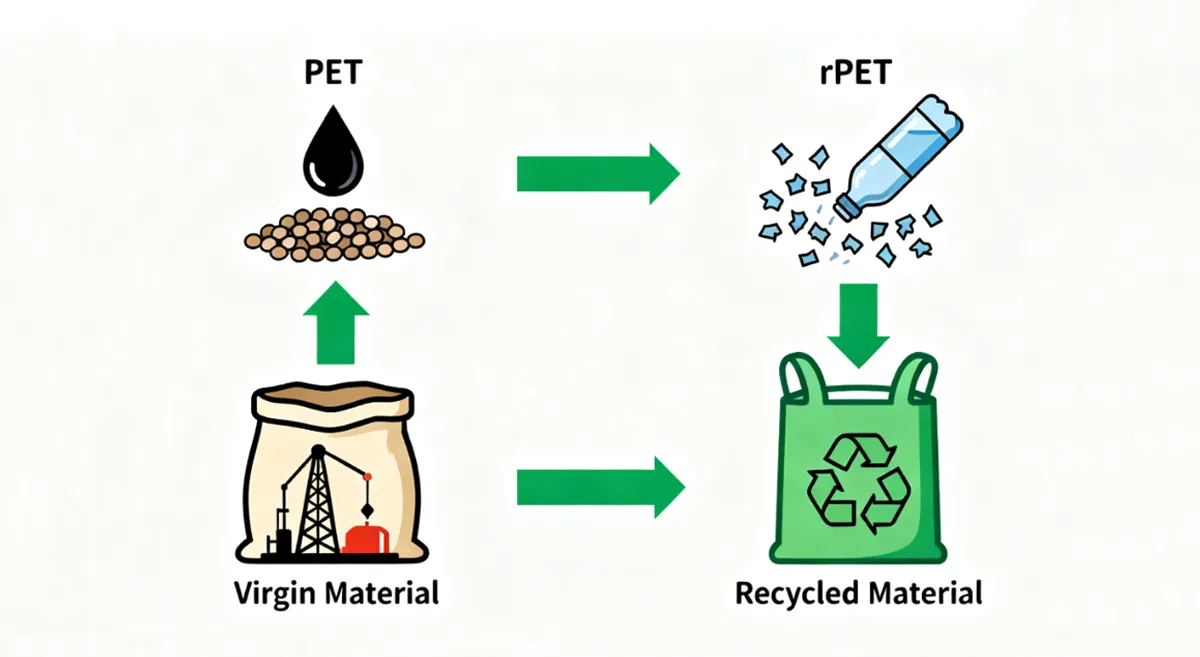
You may wonder what makes pet vs rpet different for bags. PET is made from new plastic, while rPET is made from old plastic bottles. If you care about the Earth, rPET is the better choice. Both pet and rpet can be recycled, but making rPET uses less energy and results in 79% less pollution. Additionally, rPET has a carbon footprint that is only 25% of that of PET. Choosing rPET helps prevent waste from ending up in landfills and oceans. When you compare pet vs rpet, it’s clear that rPET is more beneficial for the planet and contributes to a better future for all of us.

Key Takeaways
- PET comes from new plastic. rPET comes from used plastic bottles. Choosing rPET cuts pollution by 79%. It also uses up to 50% less energy. Both PET and rPET bags are strong and light. You can recycle both types of bags. rPET bags help the planet. They keep plastic out of landfills and oceans. Check for the Global Recycled Standard (GRS) label. This label shows your bag uses recycled materials. Both bags last a long time. But rPET is better for nature. Think about what matters to you when you shop. You might care about price, strength, or helping the earth. Ask for fabric samples or prices. This helps you pick the best bag for you.
What Is PET?
Definition
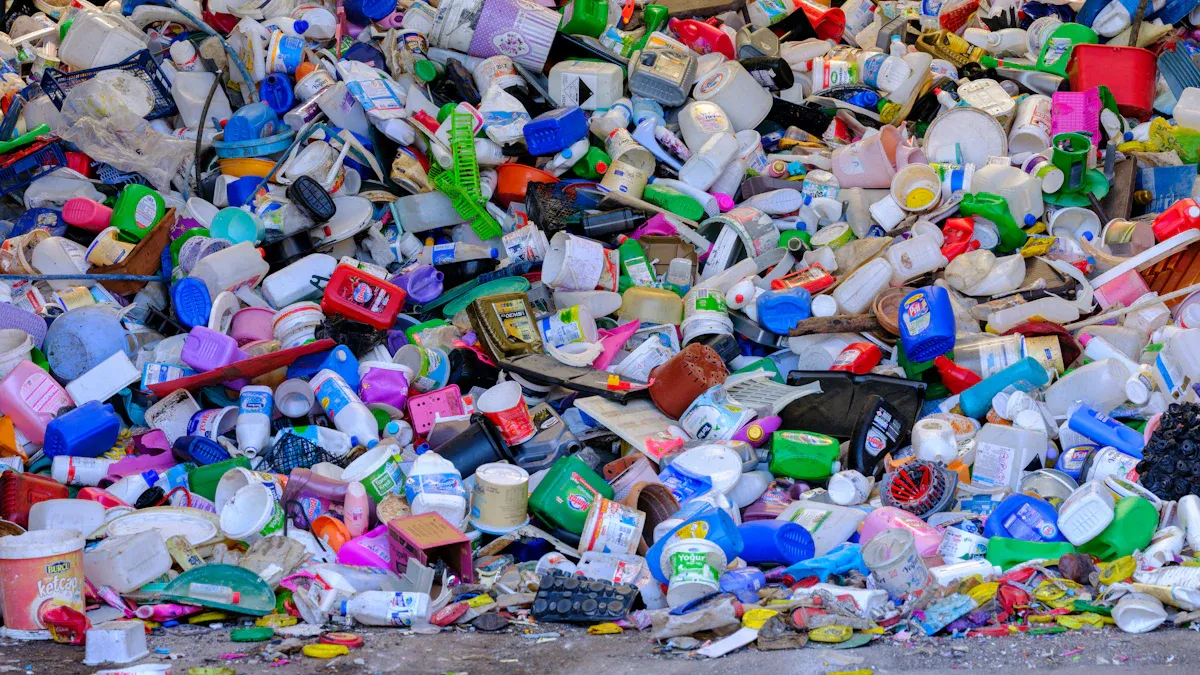
You might see PET on labels and wonder what it means. PET stands for polyethylene terephthalate. This is a type of plastic that you find in many everyday products. People use PET because it is strong, lightweight, and clear. You see it in water bottles, food containers, and, of course, bags. PET is popular because it keeps things safe and fresh. It does not break easily, so you can trust it to protect your stuff.
How It’s Made
Let’s talk about how PET comes to life. Manufacturers make PET by combining two main ingredients:
- Ethylene glycol (MEG), which usually comes from natural gas.
- Purified terephthalic acid (PTA), made from p-xylene, a product of crude oil.
Sometimes, companies use dimethyl terephthalate (DMT) instead of PTA. They mix these chemicals together in a process called polymerization. This process creates long chains of molecules, which turn into strong plastic pellets. Factories melt these pellets and shape them into fibers or sheets. These fibers become the fabric for bags, while sheets can be molded into other products.
Did you know? PET is one of the most widely produced plastics in the world. Its chemical structure makes it tough and flexible, which is perfect for making bags that last.
Uses in Bags
You see PET everywhere in the bag world. Companies use PET to make tote bags, cosmetic bags, backpacks, and even cooler bags. PET fabric feels smooth and looks shiny, so brands like to use it for stylish designs. You get bags that are water-resistant and easy to clean. PET bags hold up well against daily wear and tear. If you spill something, you can wipe it off without much trouble.
Here are some common ways PET shows up in bags:
- Shopping totes that you can reuse many times.
- Travel organizers that keep your things neat.
- Lunch bags that keep food fresh.
- Trade show bags that carry samples and gifts.
PET bags come in many colors and styles. You can find them at stores, events, and even as giveaways. People choose PET bags because they are practical and look good.
Properties
When you pick up a PET bag, you might notice how light it feels. PET has some special properties that make it a favorite for bag makers and shoppers like you. Let’s break down what makes PET stand out.
Here’s a quick look at the main properties of PET:
| Property | What It Means for You |
|---|---|
| Transparency | You can see through PET, so it’s great for bags that show off what’s inside. |
| Lightweight | PET bags don’t weigh you down, making them easy to carry anywhere. |
| Strength and Durability | These bags can handle heavy books, groceries, or gym gear without tearing. |
| Chemical Resistance | PET stands up to spills from drinks, lotions, or cleaners, so your bag stays safe. |
| Barrier Properties | PET keeps out moisture and air, helping protect your stuff from getting wet or stale. |
| Recyclability | You can recycle PET bags, which helps keep plastic out of landfills and oceans. |
Let’s talk about each property in more detail:
- Transparency: PET is naturally clear. If you want a bag that lets you see your snacks, makeup, or school supplies, PET is perfect. Brands use this feature for stylish designs and practical organizers.
- Lightweight: You don’t want a heavy bag slowing you down. PET gives you strength without the bulk. You can pack your bag full and still carry it with ease.
- Strength and Durability: PET bags are tough. You can toss them around, fill them up, and they won’t rip easily. This makes PET a smart choice for backpacks, shopping totes, and travel organizers.
- Chemical Resistance: Life gets messy. PET resists many chemicals, so if you spill juice or sunscreen, your bag won’t get ruined. You can wipe it clean and keep going.
- Barrier Properties: PET acts like a shield. It keeps moisture and air out, which is great for lunch bags or cooler bags. Your food stays fresh, and your belongings stay dry.
- Recyclability: PET is one of the most recyclable plastics. When you finish using your PET bag, you can recycle it. This helps reduce waste and gives old bags a new life as new products.
Tip: If you want a bag that’s strong, light, and easy to clean, PET is a solid choice. You get style and function in one package.
PET’s properties make it a go-to material for all kinds of bags. You get durability, protection, and a chance to help the planet by recycling. Next time you shop for a bag, think about how these features fit your needs. Do you want something clear and stylish? Or maybe you need a tough bag for everyday use? PET gives you options that work for your lifestyle.
What Is rPET?
Definition
You might see the term rPET and wonder what it means for bags. rPET stands for recycled polyethylene terephthalate. This material comes from used plastic, mostly old water bottles and food containers. In the bag industry, rPET is the most common recycled plastic in the polyester family. When you see a bag labeled as rPET, it means the fabric was made from recycled plastic instead of new, raw materials.
Many brands use the Global Recycled Standard (GRS) to show their bags contain real recycled content. For a bag to get the GRS label, at least half of its material must be recycled. This standard helps you trust that your rPET bag truly supports sustainability.
Note: When you pick an rPET bag, you help reduce waste and support a cleaner planet.
How It’s Made
You may wonder how old bottles turn into new bags. The process is pretty cool and involves several steps:
- Raw material preparation: Workers collect used PET bottles. These bottles get cleaned, shredded, and turned into small rPET pellets.
- Fabric production: Factories melt the rPET pellets and spin them into thin threads. These threads are woven or bonded together to create strong rPET fabric.
- Cutting to design: Machines cut the fabric into the right shapes and sizes for each bag style.
- Sewing and finishing: Workers sew or heat-seal the pieces together. They add handles and print logos or designs as needed.
- Quality control & packaging: Each bag goes through careful checks for stitching, color, and print quality before getting packed up for sale.
This process gives new life to plastic waste and turns it into something useful for you.
Uses in Bags
You can find rPET in all kinds of bags. Brands love rPET because it looks and feels like regular polyester, but it comes from recycled sources. Here are some popular ways rPET shows up in bags:
- Tote bags: Great for shopping or carrying books.
- Backpacks: Perfect for school, travel, or outdoor adventures.
- Cosmetic bags: Handy for keeping your makeup or toiletries organized.
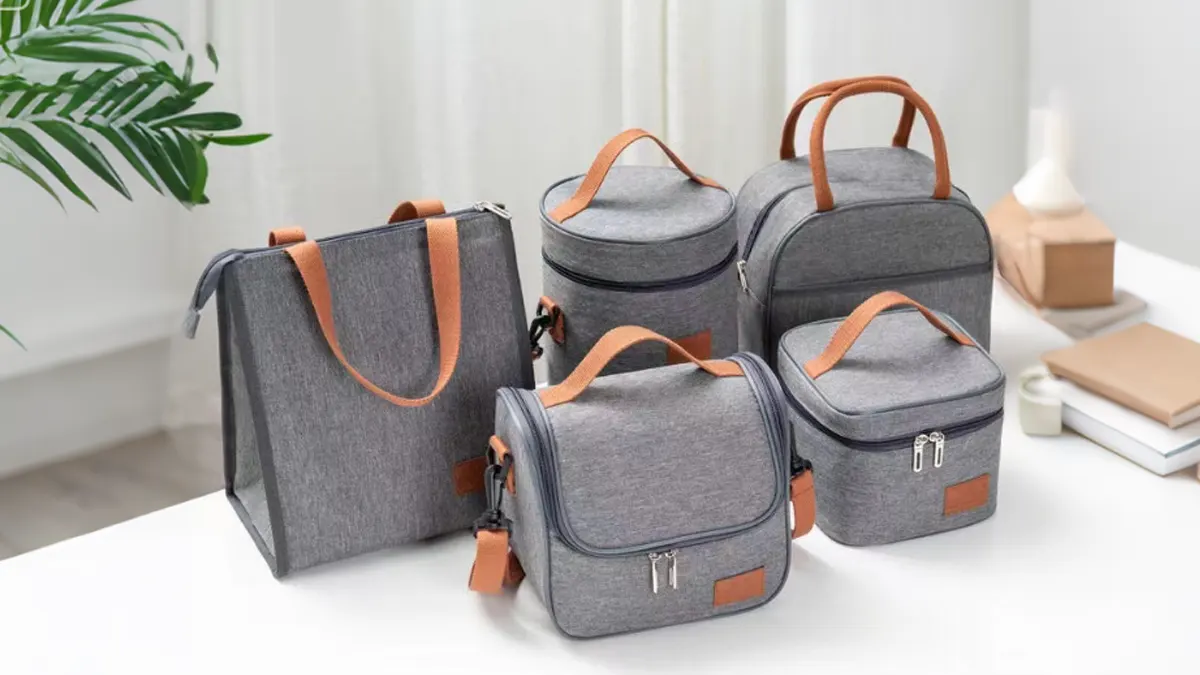
- Lunch bags and coolers: Keep your food fresh and cool.
- Drawstring bags: Easy to carry for gym or sports.
- Travel organizers: Help you pack smarter for trips.
- Trade show or gift bags: Used for events and promotions.
rPET bags come in many colors and styles. You can find them with custom prints, logos, or even special textures. When you choose rPET, you get a bag that is stylish, strong, and better for the environment.
Tip: Next time you shop for a bag, check the label for rPET or GRS certification. You’ll know you’re making a greener choice.
Properties
When you pick up a bag made from rPET, you might wonder how it feels and performs compared to regular PET. You’ll notice that rPET bags are sturdy and reliable. You can use them for heavy loads, and they won’t let you down during travel or outdoor adventures. If you love camping or trekking, rPET bags handle tough conditions with ease.
Let’s look at some of the main physical qualities you get with rPET:
- Strong fabric that stands up to daily use
- Keeps its shape even when packed full
- Lasts a long time, even in rough settings
- Works well for many activities, from school to sports
You might ask, “Is rPET as good as virgin PET?” The answer is yes! rPET keeps most of the strength and durability of new PET. You don’t have to worry about your bag falling apart or losing its shape. Here’s a quick comparison to help you see how rPET stacks up:
| Property | rPET | Virgin PET |
|---|---|---|
| Mechanical Strength | Comparable to virgin PET | High |
| Durability | Excellent, retains strength | High |
| Recycling Cycles | Retains strength after cycles | N/A |
You want a bag that can handle pressure and rough treatment. rPET bags do just that. They keep their form and resist wear, so you can use them again and again. Take a look at how rPET performs in tough situations:
| Property | rPET | Virgin PET |
|---|---|---|
| Form Stability | Maintains shape under pressure | High |
| Abrasion Resistance | Long-lasting in tough settings | High |
If you spend time outdoors, you’ll appreciate rPET’s resistance to sunlight and temperature changes. Your bag won’t fade or weaken in the sun, and it stays strong in hot or cold weather.
| Property | rPET | Virgin PET |
|---|---|---|
| UV Resistance | Excellent for outdoor use | High |
| Temperature Tolerance | Reliable in diverse climates | High |
Tip: rPET bags give you the same performance as regular PET, but with a smaller impact on the planet.
You get all these benefits while helping reduce waste and support recycling. rPET uses old plastic bottles, so you help keep trash out of landfills and oceans. You also support brands that care about the environment.
When you choose a bag, think about what matters most to you. Do you want something tough and long-lasting? Are you looking for a stylish bag that shows off your brand? Maybe you want to make a greener choice. rPET lets you do all of this.
If you want to see the quality for yourself, ask for GRS certification documents, fabric swatches, or a fast quote for your next bag project. You can get answers in just 48 hours. Try rPET and see how it fits your needs!
Similarities
Physical Qualities
When you look at bags made from PET and rPET, you’ll notice they share many physical qualities. Both materials give you a bag that feels light and easy to carry. You can toss your bag in the car, take it to school, or bring it on a trip without worrying about extra weight. These bags don’t shatter, so you don’t have to worry about cracks or breaks if you drop them. You can also customize both PET and rPET bags with colors, prints, or logos to match your style or brand.
Here’s what you get with both PET and rPET bags:
- Shatterproof design for everyday use
- Lightweight feel for easy transport
- Customizable options for colors and branding
- Effective barriers that help keep food and drinks fresh
If you want a bag that looks good and works hard, you’ll find both PET and rPET deliver on these qualities. You can use them for shopping, travel, or even as a lunch bag. The material helps protect your things and keeps everything organized.
Durability
You want a bag that lasts. PET and rPET bags both offer strong durability. You can fill them with books, groceries, or gym gear, and they won’t tear or break easily. These bags are designed for repeated use, so you can rely on them day after day. Whether you choose PET or rPET, you get a bag that stands up to heavy loads and rough handling.
Let’s look at how rPET compares to PET in real life:
- rPET bags are strong and durable, just like PET bags.
- You can use rPET bags over and over without worrying about wear and tear.
- Both types work well for school, travel, sports, and more.
If you need a bag for tough jobs, you can trust rPET to perform as well as PET. You get strength and reliability, no matter which material you pick.
Recyclability
You care about the planet, so recyclability matters. PET and rPET bags are both recyclable. You can recycle PET bags again and again, helping reduce waste. rPET bags go a step further because they already use recycled plastic. When you choose rPET, you support a cycle that keeps plastic out of landfills and oceans.
Here’s a quick look at recycling rates:
| Region | PET Recycling Rate | rPET Share in PET Market |
|---|---|---|
| Global | ~20% | — |
| U.S. | <6% | 16.2% (in bottles, 2023) |
| Europe | — | >30% |
You can help improve these numbers by choosing bags made from rPET. Every time you recycle or buy recycled, you make a difference. If you want to see proof of recycled content, ask brands for GRS documents or fabric swatches. You can even request a fast quote for your next bag project and see how rPET fits your needs.
Tip: Choosing rPET bags helps close the recycling loop and supports a cleaner environment.
PET vs rPET
Material Source
When you compare pet vs rpet, the first thing you notice is where each material comes from. PET, or polyethylene terephthalate, starts as brand-new plastic. Manufacturers make it using chemicals from oil and natural gas. You see PET most often in water bottles and soda bottles before it gets turned into bags.
rPET is different. You get rPET from recycled plastic bottles. Factories collect old bottles, clean them, and turn them into new pellets. These pellets become the fabric for your bag. So, when you pick rPET, you help give old plastic a second life.
Here’s a quick look at the sources for each material:
| Material Type | Source Description |
|---|---|
| PET | Commonly used in beverage containers, such as water and soda bottles. |
| rPET | Made from recycled plastic bottles, primarily sourced from discarded water and soda bottles. |
You can see that the main differences between pet and rpet start with the source. PET uses new resources, while rPET uses recycled ones. If you want to help reduce waste, rPET is the way to go.
Sustainability
You might wonder which material is better for the planet. The answer is clear when you look at pet vs rpet. rPET stands out for sustainability. Factories make rPET by reusing old bottles, which means less plastic ends up in landfills or oceans.
Life cycle studies show rPET uses less energy and creates fewer greenhouse gases than PET. In fact, making rPET releases about 82% fewer greenhouse gases compared to making new PET. You also save energy because you don’t need to create new plastic from scratch.
Choosing rPET helps you lower your carbon footprint and support a cleaner environment. You don’t just get a bag—you help make a difference.
Both PET and rPET can be recycled again. But rPET goes further by starting with recycled materials. If you care about eco-friendly choices, rPET is the better option.
Cost
You probably want to know how much each material costs. The differences between pet and rpet show up here, too. PET usually costs a bit more because it uses new resources. rPET, made from recycled bottles, can be cheaper, but sometimes the price changes based on supply and demand.
Here’s a table to help you see the average cost for each material:
| Material Type | Average Cost (per pound) |
|---|---|
| Virgin PET | $0.60 – $0.65 |
| rPET | $0.52 – $0.56 |
| Cost Difference | $0.08 – $0.13 |
You might find rPET bags cost less, but sometimes they cost more if there aren’t enough recycled bottles available. The price can change depending on where you live and how many people recycle.
Tip: If you want to save money and help the planet, ask your supplier for a quote on rPET bags. You can also request GRS documents or fabric swatches to check the quality.
When you look at pet vs rpet for bags, you see big differences in source, sustainability, and cost. PET comes from new plastic, while rPET uses recycled bottles. rPET helps you lower your impact on the environment and can save you money. Both materials give you strong, durable bags, but rPET lets you support recycling and a cleaner future.
If you want to make a smart choice, think about what matters most to you. Do you care about cost, durability, or eco-friendly branding? You can ask for GRS certification, fabric samples, or a fast quote for your next bag project. Try rPET and see how it fits your needs!
Performance
When you pick a bag, you want it to last. Both PET and rPET give you strong, reliable bags that stand up to daily life. You can count on these materials for shopping, school, travel, or work. Let’s break down how they perform so you can choose what fits your needs best.
Strength and Durability
You might wonder if recycled plastic is as tough as new plastic. The answer is yes! rPET matches the strength of virgin PET. You get a bag that can handle heavy books, groceries, or gym gear without tearing. Most rPET tote bags last over two years. You can use them hundreds of times, and they keep their shape and quality.
- rPET bags are durable and perfect for everyday use.
- They carry loads from 5kg to 10kg, depending on the design.
- rPET keeps its high tensile strength and water resistance, even after many uses.
Flexibility and Longevity
You want a bag that feels good to carry. rPET bags feel soft and light. They bend and flex, so you can pack them full or fold them up when empty. Even after lots of use, they don’t lose their shape. You can reuse an rPET bag for years, making it a smart choice for the long run.
Here’s a quick look at how rPET compares to other common bag materials:
| Feature | rPET Bags | Laminated PP Woven Bags |
|---|---|---|
| Strength | Softer and lighter, good for medium loads | Superior strength, handles heavy items |
| Flexibility | More flexible, easy to fold and store | Less flexible, more rigid |
| Longevity | Reusable for over two years | Built for heavy-duty, long-term use |
Water Resistance and Everyday Use
You never know when you’ll get caught in the rain or spill something in your bag. Both PET and rPET resist water, so your things stay dry. You can wipe them clean if you have a mess. These bags work well for shopping, sports, or travel. They protect your stuff and look good doing it.
Tip: If you want a bag that’s tough, flexible, and lasts a long time, rPET gives you all that—plus the bonus of being made from recycled plastic.
What Does This Mean for You?
You don’t have to give up quality to make a greener choice. rPET bags perform just as well as PET bags. They last for years, carry heavy loads, and keep your things safe. You get the same strength and style, but you also help reduce waste and support recycling.
So, when you choose between PET and rPET, think about what matters most. Do you want a bag that’s strong, flexible, and eco-friendly? rPET checks all those boxes. If you care about durability and the planet, rPET is a smart pick for your next bag.
Environmental Impact
Energy Use
When you look at how much energy goes into making bags, you see a big difference between PET and rPET. Factories use a lot of energy to create new PET from oil and gas. This process takes heat, electricity, and special machines. Making rPET is different. You start with recycled bottles, so you skip some steps. Recent data shows that rPET production uses up to 50% less energy than making new PET. That means you help save power every time you choose rPET for your bag. Less energy use also means less stress on the planet’s resources.
| Material | Energy Use (Compared to Virgin PET) |
|---|---|
| PET | 100% |
| rPET | Up to 50% less |
If you want to lower your impact, picking rPET bags is a smart move.
Emissions
You might wonder about pollution and greenhouse gases. When factories make PET, they release carbon dioxide and other gases into the air. These emissions add to climate change. rPET changes the story. Because rPET uses recycled plastic, it creates fewer greenhouse gases. The whole process—from collecting bottles to making new bags—leads to much lower emissions. In fact, rPET bags can cut carbon emissions by up to 79% compared to regular PET bags. You help keep the air cleaner and fight global warming when you choose rPET.
Choosing rPET bags means you support cleaner air and a healthier planet. You make a difference with every bag you buy.
Waste Reduction
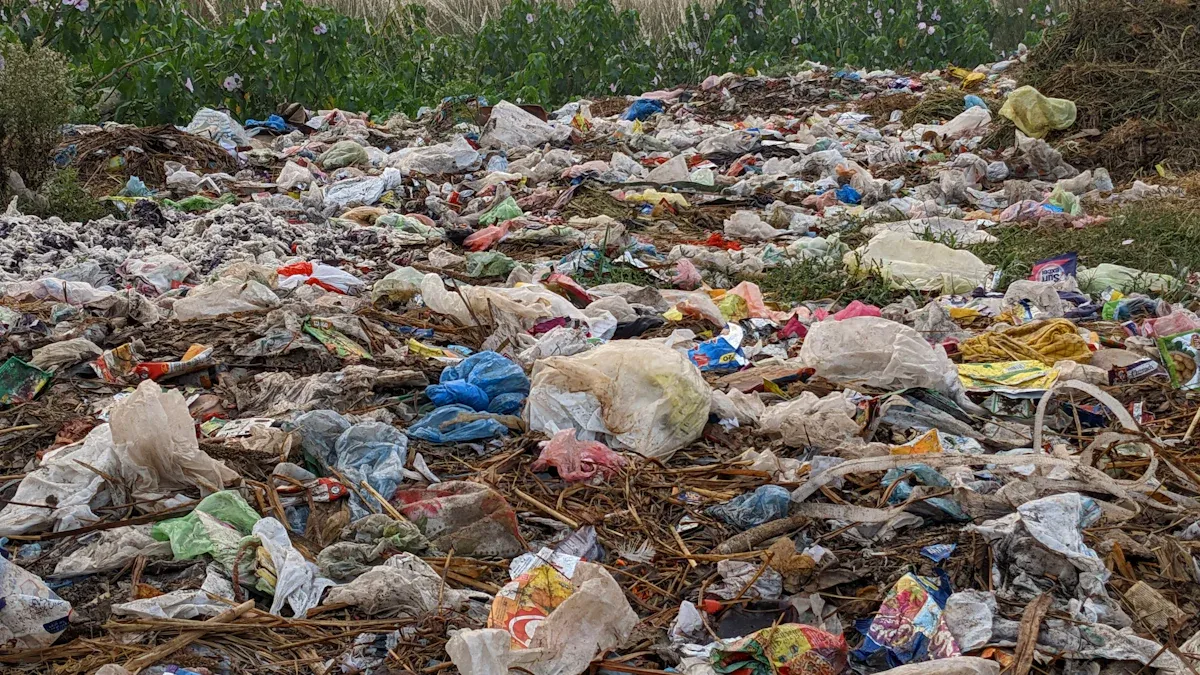
Plastic waste is a big problem. You see bottles and bags in landfills and oceans. rPET helps solve this issue. When you pick rPET bags, you help reduce the need for new plastic. Here’s how rPET makes a difference:
- rPET bags cut down on virgin plastic use, which lowers plastic waste.
- They encourage recycling and help build a circular economy.
- rPET bags use materials that might end up in landfills or oceans.
- You help close the loop in the plastic cycle by choosing rPET.
- Switching to rPET bags can also lower production costs and shrink the environmental footprint.
Both PET and rPET bags are 100% recyclable. But rPET goes further by starting with recycled materials. You support a cycle where old bottles become new bags, and those bags can be recycled again.
Tip: If you care about waste, rPET bags are a great choice. You help keep plastic out of nature and support brands that care about the environment.
When you compare PET and rPET for bags, you see clear differences in energy use, emissions, and waste reduction. rPET stands out for sustainability. You get strong, stylish bags and help the planet at the same time. Think about what matters most—cost, durability, look, and eco goals. If you want proof of recycled content, ask for GRS documents, fabric swatches, or a fast quote for your next bag project. You can get answers in just 48 hours!
Which Is Better?
Choosing for Your Needs
You want a bag that matches your life and values. When you look at PET and rPET, think about what is most important to you. Do you care about how long a bag lasts, how much it costs, or helping the environment? Both materials make strong bags that are light and last a long time. PET bags are good if you want something you can trust and recycle easily. If you want to help the planet, rPET bags are better because they use recycled plastic and keep waste out of landfills and oceans.
Let’s look at how you might choose:
- If you want the cheapest bag, PET bags sometimes cost less, but rPET prices are getting closer as more brands use recycled plastic.
- If you care about helping the Earth, rPET is the best choice. You save energy and help cut down pollution.
- If you need a tough bag, both PET and rPET are strong and work well.
- If you want cool colors or logos, you can customize both types.
Tip: Ask your supplier for GRS certification, fabric samples, or a quick quote. You can get answers in 48 hours and see which bag is right for you.
Pros and Cons
You want to know the good and bad before you pick. Here is an easy way to see the pros and cons of PET and rPET bags:
Advantages of rPET:
- Keeps plastic out of landfills and oceans.
- Uses 59% less energy to make than new polyester.
- More brands are choosing rPET for eco-friendly products.
Disadvantages of rPET:
- Recycling does not work well if the bag is not pure polyester.
- The recycling process can make colors look different.
- rPET bags can release tiny plastic pieces when washed.
Advantages of PET:
- Can be recycled many times and made into new things.
- Saves energy and helps lower landfill waste.
Disadvantages of PET:
- Some PET bags are hard to recycle if mixed with other materials.
Here is a simple table to help you compare:
| Feature | PET Bags | rPET Bags |
|---|---|---|
| Source | New plastic | Recycled plastic bottles |
| Sustainability | Good | Better |
| Cost | Usually lower | Sometimes higher |
| Durability | High | High |
| Customization | Easy | Easy |
You can see rPET is great for the environment, but you should also think about price and recycling limits. PET bags are still a good choice if you want something reliable and easy to recycle.
Note: Think about your choices. Look at price, strength, style, and eco goals. If you want to help the planet, rPET is a smart pick.
You can ask for GRS papers, fabric samples, or a fast quote for your next bag. This helps you get the facts and find the best bag for you.
Future Trends
Recycling Innovations
You might wonder what will happen next with PET and rPET bags. Recycling is changing quickly. New machines help turn old plastic into better bags. Factories now use chemical recycling and smart sorting with artificial intelligence. These tools help get rid of dirt and mistakes. This means the recycled material is cleaner and stronger. Governments are also making new rules. For example, the EU’s Single-Use Plastics Directive tells companies to use more recycled plastic and less new plastic. So, you will see more rPET bags in stores soon.
Here’s a quick look at some of the biggest changes:
| Innovation Type | Description |
|---|---|
| Advanced Recycling Technologies | Chemical recycling and AI-driven sorting systems make materials cleaner and reduce mistakes. |
| Regulatory Support | Rules like the EU’s Single-Use Plastics Directive push for more recycled plastic and less new plastic. |
Tip: When you pick bags made with these new ways, you help support better recycling and stronger bags.
Market Shifts
You will soon see more rPET bags in stores. People care more about the planet now. Governments want companies to use more recycled materials. Because of this, experts think rPET bags will become much more popular in the next five years. You may find more brands selling rPET bags for shopping, travel, and even fashion. Europe already made 21% more space for recycling PET. Big companies like Indorama Ventures are building more factories to meet the need for rPET from packaging and clothing brands.
There are still some problems. Sometimes, there are not enough recycled bottles for all the rPET needed. Recycling centers also need better machines to handle all the plastic. Even with these problems, the future looks good for rPET bags. You will have more choices, and there will be less waste on the planet.
If you want to be ready, look for new rPET bag styles and ask brands about their recycling. You can help make the future better by picking bags that fit your needs and values.
Bag Types & Use Cases
Totes/Shopping Bags
You probably use tote or shopping bags all the time. These bags help you carry groceries, books, or anything you need for the day. PET and rPET are both popular choices for these bags because they are strong, light, and easy to clean. You can fold them up and keep them in your car or backpack for quick trips.
Here’s a quick look at the most common bag types made from PET and rPET:
| Type of Bag | Description |
|---|---|
| Tote Bags | Versatile bags for carrying various items. |
| Shopping Bags | Used for grocery shopping and everyday use. |
| Drawstring Bags | Lightweight bags with a drawstring closure. |
| Backpacks | Durable bags for carrying on the back. |
When you pick an rPET tote, you help the planet. rPET fabric comes from recycled plastic, so you reduce waste and save energy. These bags last a long time and keep their shape, even if you use them every day. They also send a strong message that you care about the environment. Many brands now use rPET for totes and shopping bags to show their commitment to sustainability.
Tip: If you want a bag that is tough, reusable, and eco-friendly, rPET totes and shopping bags are a smart choice.
Cosmetic/Toiletry Bags
Cosmetic and toiletry bags keep your makeup, toothbrush, and other small items organized. You want a bag that is durable and water-resistant, so your things stay safe and dry. rPET works great for these bags. It is made from recycled plastic, which means you help the environment every time you use it.
Here’s why rPET is a good pick for cosmetic and toiletry bags:
- rPET is cost-efficient, so you get quality without spending too much.
- It is durable and stands up to daily use.
- The material resists water, which protects your items from spills.
- rPET production uses less energy and cuts down on fossil fuel use.
- These bags are 100% recycled and recyclable, which supports green goals.
You can find rPET cosmetic bags in many colors and styles. They look good and last a long time. If you want to show off your eco-friendly side, these bags are a great way to do it.
Backpacks/Daypacks
Backpacks and daypacks help you carry books, clothes, or gear for school, work, or travel. PET and rPET both make strong, lightweight backpacks. You can trust these bags to hold up under heavy loads. rPET backpacks often have a simple, minimalist design, which keeps them light and easy to carry.
Keep in mind, no backpack is 100% waterproof, but PET and rPET both offer good water resistance. Your things stay dry in light rain or if you spill a drink. rPET backpacks may cost a bit more than regular polyester or nylon, but you get the benefit of recycled materials and a smaller carbon footprint.
Here’s what you get with PET and rPET backpacks:
- Durable fabric that handles daily use
- Lightweight feel for easy carrying
- Good water resistance for everyday life
- Eco-friendly branding if you choose rPET
Note: If you want a backpack that is strong, light, and better for the planet, rPET is a great option. You can ask for GRS certification, fabric swatches, or a fast quote to see if it fits your needs.
Travel Organizers/Packing Cubes
Travel organizers and packing cubes make your trips so much easier. You can keep your clothes, shoes, and gadgets neat and easy to find. No more digging through a messy suitcase! PET and rPET both work well for these handy bags, but you might wonder which one fits your needs best.
When you pick a travel organizer made from rPET, you help the planet in a real way. rPET comes from recycled plastic bottles and even old fishing nets. This means you give new life to plastic that might have ended up in a landfill or the ocean. You also use less petroleum, which is a non-renewable resource. The process to make rPET uses less water and energy than making regular polyester. So, every time you pack with rPET cubes, you travel lighter on the Earth.
You want your packing cubes to be strong and light. Both PET and rPET give you that. These materials keep your clothes safe from spills and dirt. They also help you fit more in your suitcase because the fabric is thin but tough. You can zip, stack, and squeeze them without worrying about rips.
Here’s a quick look at what you get with PET and rPET travel organizers:
| Feature | PET Organizers | rPET Organizers |
|---|---|---|
| Source | New plastic | Recycled plastic |
| Sustainability | Good | Better |
| Durability | High | High |
| Water Resistance | Yes | Yes |
| Eco Impact | Standard | Lower carbon footprint |
You might notice that rPET organizers sometimes cost a bit more. This happens because collecting and recycling plastic takes extra steps. Still, many travelers feel the small price difference is worth it for the environmental benefits.
Tip: If you want to show off your eco-friendly side, look for travel organizers with a GRS (Global Recycled Standard) label. This means the bag really uses recycled materials.
Travel organizers and packing cubes made from rPET give you the same performance as regular PET. You get strong, lightweight, and water-resistant bags. At the same time, you help reduce waste and save resources. Next time you plan a trip, think about what matters most—cost, durability, style, or helping the planet. If you want to see and feel the difference, ask your supplier for GRS documents, fabric swatches, or a fast quote. You can get answers in just 48 hours!
Trade Show/Gift Bags
You see trade show and gift bags everywhere at events, conferences, and company parties. These bags help you carry samples, brochures, and swag. You want a bag that looks good and feels sturdy. PET and rPET both work well for these bags, but each has its own story.
PET trade show bags come from new plastic. They look shiny and smooth. You can print logos and bright colors on them. These bags stand out at events. They hold up well, even when you fill them with heavy catalogs or water bottles. You get a reliable bag that shows off your brand.
rPET trade show bags use recycled plastic bottles. You help the planet every time you choose rPET. These bags look and feel just like PET bags. You can print your logo, pick your favorite color, and add special touches. rPET bags send a message that you care about the environment. Many companies now choose rPET for their event bags because customers notice the eco-friendly label.
Let’s compare PET and rPET trade show bags:
| Feature | PET Bags | rPET Bags |
|---|---|---|
| Source | New plastic | Recycled bottles |
| Sustainability | Good | Better |
| Cost | Usually lower | Sometimes higher |
| Durability | High | High |
| Branding | Easy to customize | Easy to customize |
You want your bag to last through the whole event. Both PET and rPET bags are strong. You can reuse them for shopping or travel after the show. If you want to show your brand cares about the planet, rPET is the way to go. You help reduce waste and support recycling.
Tip: If you want to impress your customers and help the environment, ask your supplier for rPET bags with GRS certification. You can also request fabric swatches to check the quality and get a fast quote in 48 hours.
When you pick a trade show or gift bag, think about what matters most. Do you want the lowest price? Are you looking for a bag that matches your brand colors? Maybe you want to show your eco-friendly values. PET and rPET both give you strong, stylish bags. rPET goes further by using recycled materials and lowering your carbon footprint.
You make a difference with every bag you choose. If you want to see the options, ask for GRS documents, fabric samples, or a quick quote. You can get answers fast and find the perfect bag for your next event.
Conclusion
When you compare PET and rPET for bags, you see clear differences. PET comes from new plastic, while rPET uses recycled bottles. Both give you strong, safe bags, but rPET stands out for sustainability. You help cut CO2 emissions and save energy with rPET. This material can be recycled many times without losing quality. You also use fewer natural resources. If you want a bag that matches your eco goals, rPET is a smart pick. Think about cost, durability, and style. Want to see the options? Ask for GRS documents, swatches, or a fast quote in 48 hours.
FAQ
What is the main difference between PET and rPET bags?
PET bags use new plastic. rPET bags come from recycled bottles. Both look and feel similar, but rPET helps reduce waste and supports recycling. You help the planet when you pick rPET.
Are rPET bags as strong as PET bags?
Yes! You get the same strength and durability from both. rPET bags hold up well for daily use, shopping, or travel. You do not have to worry about them breaking easily.
Can I recycle my PET or rPET bag after use?
You can recycle both types. Just make sure your bag is clean and free of mixed materials. Recycling centers accept these bags, so you help close the loop.
Do rPET bags cost more than PET bags?
Sometimes rPET bags cost a bit more. This happens when there are not enough recycled bottles. Prices change, but many people feel the small extra cost is worth it for the eco benefits.
Will my rPET bag look different from a PET bag?
No, you probably will not notice a difference. Both types come in many colors and styles. You can add your logo or design to either one.
Why should I choose rPET for my next bag project?
You help cut down on waste and save energy. rPET bags support a cleaner planet. If you want to see samples or check recycled content, ask for GRS documents, swatches, or a fast quote in 48 hours.
How do I know if a bag is really made from rPET?
Look for the GRS (Global Recycled Standard) label. You can also ask the supplier for proof, like certification documents or fabric samples.