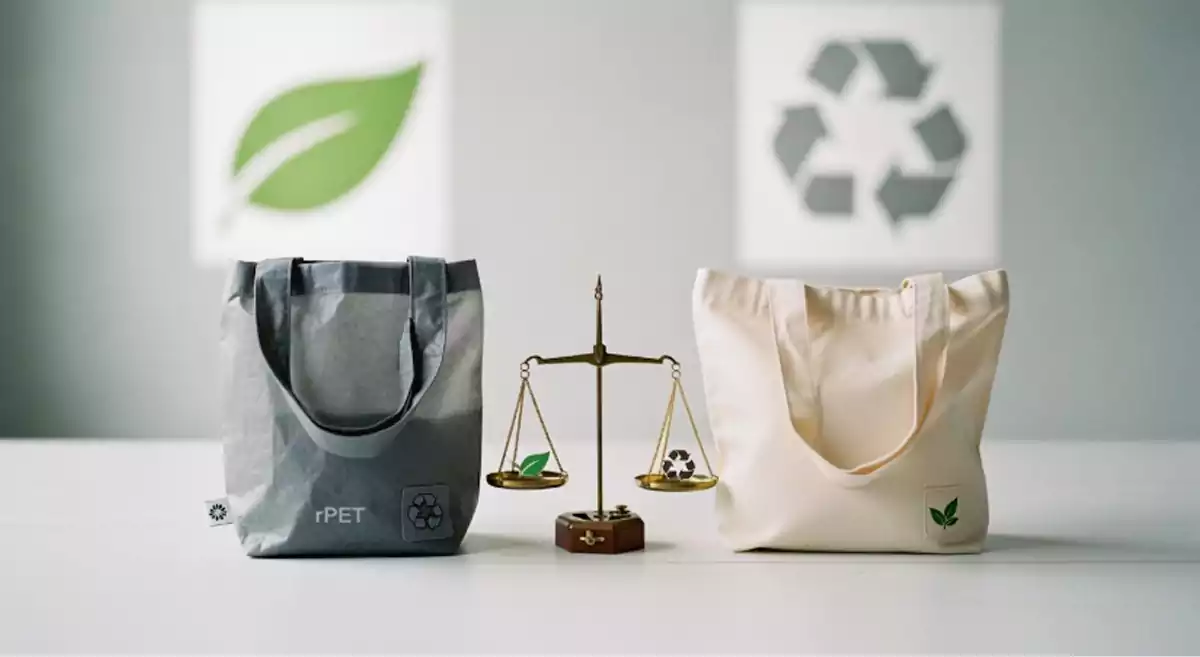
Cotton bags are everywhere now, from simple shopping totes to branded promotional giveaways. But when it comes to materials, one big question always comes up: organic cotton vs regular cotton. People want to know which is softer, which lasts longer, and whether organic cotton really makes a difference.

In this guide, we will break it down step by step. We will explain how organic cotton is grown compared to regular cotton, what that means for bag quality, and why the choice matters for brands, businesses, and eco conscious customers. By the end, you will know exactly which type of cotton bag is the right fit for your needs.
What Is Regular Cotton?
Regular cotton, sometimes just labeled as “100% cotton,” is grown using conventional farming methods. This usually involves chemical fertilizers, pesticides, and large amounts of water to boost production. Cotton is one of the world’s most widely grown crops, and regular cotton accounts for the majority of what we see in stores.
It is versatile, durable, and affordable, which is why it is so common in everyday clothing, bedding, and promotional tote bags. However, the heavy use of chemicals in regular cotton farming has raised environmental concerns. Water pollution, soil degradation, and pesticide exposure are all issues linked to conventional cotton.
What Is Organic Cotton?
Organic cotton is grown without synthetic pesticides, insecticides, or chemical fertilizers. Farmers use natural methods like crop rotation, composting, and biological pest control to keep the plants healthy. The result is cotton that is considered more eco friendly and gentler on the skin.
When a label says 100% organic cotton, it means the fabric is made entirely from cotton fibers that were farmed using certified organic practices. This does not change the fact that it is still pure cotton—it just means the way it was grown is different. That distinction is why people often ask, is 100% organic cotton the same as 100% cotton? The answer is no, they are not the same. Both are cotton, but one is grown conventionally and the other under organic standards.
Organic cotton is often softer to the touch because the fibers are less damaged by chemicals during processing. It is also hypoallergenic, making it a favorite for baby products, eco friendly fashion, and high end cotton tote bags.
Key Differences Between Organic Cotton and Regular Cotton

There are a few areas where organic cotton and regular cotton stand apart:
- Farming Methods: Organic cotton avoids chemicals, while regular cotton relies heavily on them.
- Environmental Impact: Organic farming protects soil health and reduces water pollution, while conventional farming consumes more resources.
- Softness & Comfort: Organic cotton often feels smoother because it keeps more of its natural fiber structure. This answers another common question: which is softer, organic cotton or regular cotton? In most cases, organic cotton feels softer.
- Cost: Organic cotton is more expensive due to lower yields and stricter certification. Regular cotton is cheaper and more widely available.
- Durability: Both can last for years if cared for properly, though organic cotton may hold up better over time since it avoids harsh chemical treatments.
Table 1: Organic Cotton vs Regular Cotton Quick Comparison
| Feature | Organic Cotton | Regular Cotton |
|---|---|---|
| Farming Method | No pesticides or synthetic fertilizers | Uses chemical fertilizers and pesticides |
| Environmental Impact | Lower, protects soil and water | Higher water usage, chemical runoff |
| Softness & Comfort | Naturally softer, hypoallergenic | Comfortable, sometimes coarser |
| Durability | Long lasting with proper care | Durable but often processed with chemicals |
| Cost | More expensive, lower yield | More affordable, high supply |
Advantages of Organic Cotton
Organic cotton has grown in popularity because it fits the demand for sustainability and healthier living. Here are a few reasons people choose it:
- Better for sensitive skin: No chemical residues, hypoallergenic.
- Eco friendly: Supports soil health, reduces water contamination, and lowers carbon footprint.
- Soft and comfortable: Many people say organic cotton feels smoother and more breathable.
- Brand value: Eco conscious consumers love brands that use organic cotton, especially in reusable shopping bags and apparel.
- Summer friendly: This addresses another question—is organic cotton good for summer? Yes, organic cotton is lightweight and naturally keeps you cooler in hot weather.
Advantages of Regular Cotton
Regular cotton remains dominant for a reason—it is practical and affordable.
- Low cost: Easy to produce and more budget friendly for large orders.
- High availability: Found almost everywhere in fashion and textiles.
- Durable: Holds up well in everyday use.
- Works for bulk products: Ideal for promotional tote bags, uniforms, and budget clothing lines.
Organic Cotton vs Regular Cotton in the Bag Industry

The bag industry makes heavy use of both organic and regular cotton, depending on the customer’s needs.
- Eco Shopping Bags: Organic cotton is the go to choice for eco conscious brands. Customers love the soft feel and the environmental story behind it.
- Promotional Tote Bags: Regular cotton is better when budgets are tight and large quantities are needed. It allows businesses to hand out branded bags at events without overspending.
- Fashion Totes: Organic cotton adds a premium touch. It feels softer and aligns with luxury or eco friendly branding.
Table 2: Cotton Bag Material Comparison
| Bag Type | Best Choice Material | Reason |
|---|---|---|
| Eco Shopping Bag | Organic Cotton | Appeals to eco conscious customers, premium feel |
| Promotional Tote | Regular Cotton | Affordable, great for bulk giveaways |
| Fashion Tote | Organic Cotton | Stylish, soft, supports sustainable branding |
Is Organic Cotton Worth It?
At the end of the day, the choice between organic cotton vs regular cotton depends on your priorities. If your focus is budget and large scale production, regular cotton makes sense. If you value sustainability, softness, and eco branding, organic cotton is worth the extra cost.
It also depends on what you are using it for. For eco shopping bags or premium totes, organic cotton adds a brand story that customers connect with. For giveaways or promotional events, regular cotton is often the more practical option.
Conclusion
So, organic cotton vs regular cotton—what is the bottom line? Regular cotton is affordable, widely available, and durable, making it perfect for bulk products and promotional use. Organic cotton is softer, eco friendly, and better for branding when you want to show a commitment to sustainability.
As a professional bag manufacturer, we produce both organic cotton bags and regular cotton bags depending on your needs. We support OEM, ODM, and wholesale orders, and can customize your bags with printing or embroidery. If you are ready to create eco friendly, stylish, or budget friendly cotton bags for your brand, contact us today for samples or a fast quote.
FAQ About Organic Cotton vs Regular Cotton
Is 100% organic cotton the same as 100% cotton?
Not quite. Both are cotton, but 100% cotton usually refers to conventionally grown cotton that may have been produced with chemicals. 100% organic cotton means the cotton was grown under certified organic conditions without synthetic pesticides or fertilizers. They are both pure cotton, but the growing methods set them apart in environmental impact, softness, and sometimes durability.
Which is softer, organic cotton or regular cotton?
Many people find that organic cotton feels softer. This is because it keeps more of its natural fiber properties during processing, since it does not undergo heavy chemical treatments. Regular cotton can also be soft, especially if treated, but organic cotton often feels smoother and more comfortable against the skin, making it popular for baby products, luxury fashion, and eco friendly tote bags.
Is organic cotton more breathable?
Both organic and regular cotton are breathable fabrics. However, organic cotton is often considered more breathable because it retains its natural fiber structure without being broken down by harsh chemicals. That makes it feel fresher and cooler, especially in warm weather. It is one reason why eco brands highlight organic cotton for their summer collections.
Why is organic cotton more expensive?
Organic farming methods avoid chemical shortcuts, so yields are lower and farming requires more labor. Certification also adds costs. That said, many people see the price as an investment in sustainability and comfort. When used for bags, organic cotton allows brands to justify higher retail prices and appeal to eco conscious buyers.