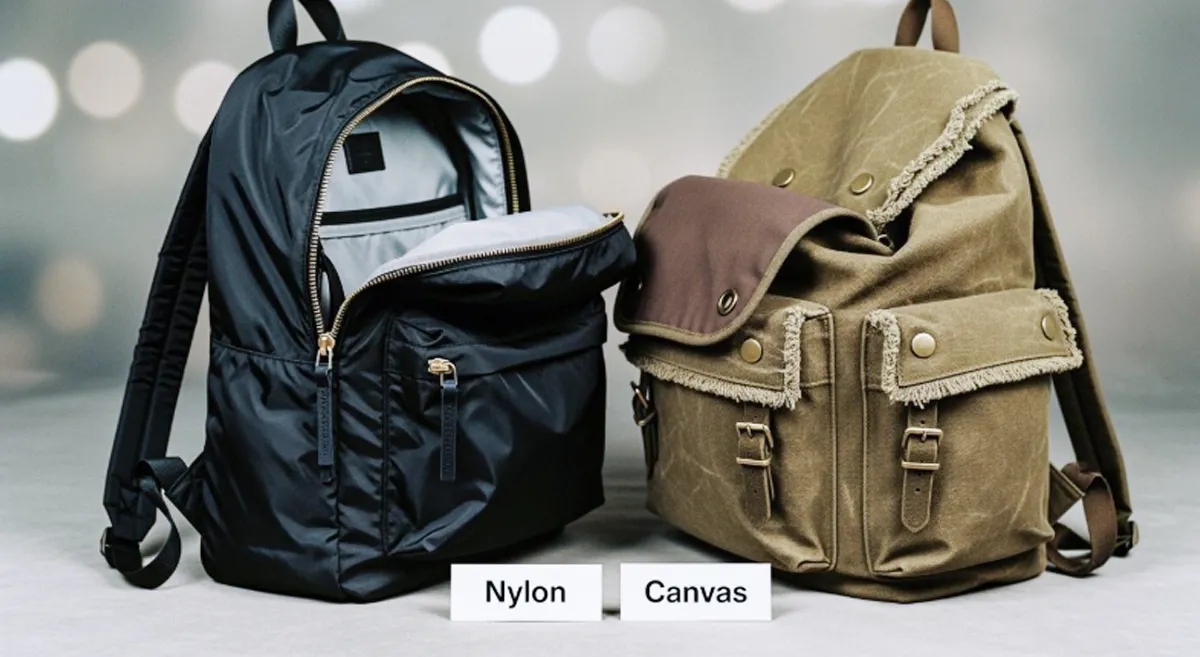
When you compare a nylon vs canvas backpack, you’ll find that nylon is better at stopping scratches. Nylon backpacks can endure more rough use than canvas ones. However, canvas can wear out faster if you drag it on the ground. If you take care of a canvas backpack, it can last longer than nylon. Here is a quick chart to show the differences:
| Property | Nylon | Canvas |
|---|---|---|
| Abrasion Resistance | Superior | Moderate |
| Average Lifespan | 3-5 years | Can last longer |
If you want a backpack for everyday use, both nylon and canvas have their advantages.
Key Takeaways
- Nylon backpacks do not scratch or tear easily. This makes them good for tough use.
- Canvas backpacks can last a long time if you take care of them. Keep canvas away from water and sunlight to help it last.
- Nylon is light and dries fast. This makes nylon good for outdoor fun and daily use.
- Canvas bags change as you use them. They get softer and feel nicer over time.
- Canvas backpacks hold heavy things well and do not stretch.
- Nylon bags are easier to carry for a long time.
- Both nylon and canvas have good and bad sides.
- Pick nylon if you want water resistance and easy cleaning.
- Pick canvas if you want style and strength.
- Clean and care for your backpack often. This stops mold and bad smells.
- Think about what you need before you choose nylon or canvas. This helps you pick the best backpack for you.
Nylon vs Canvas Backpack: Material Overview
What Is Nylon?
Nylon is a man-made material. It is strong and bends easily. People make nylon bags from fibers that stretch and snap back. Nylon backpacks feel light but are also tough. They can handle heat up to 120°C. You do not need to worry if you leave them in a hot car. Nylon bags resist chemicals and dry fast after getting wet. They are good for outdoor trips because the sun does not damage them easily.
Here’s a quick table showing why nylon is special:
| Property | Description |
|---|---|
| Strength | High tensile strength, great for impacts |
| Durability | Handles heat and rough use |
| Elasticity | Stretches and returns to shape |
| Abrasion Resistance | Tough against scratches and scrapes |
| Chemical Resistance | Stays strong even with exposure to chemicals |
| Water Absorption | Absorbs some moisture but dries fast |
| UV Resistance | Keeps its shape and color in sunlight |
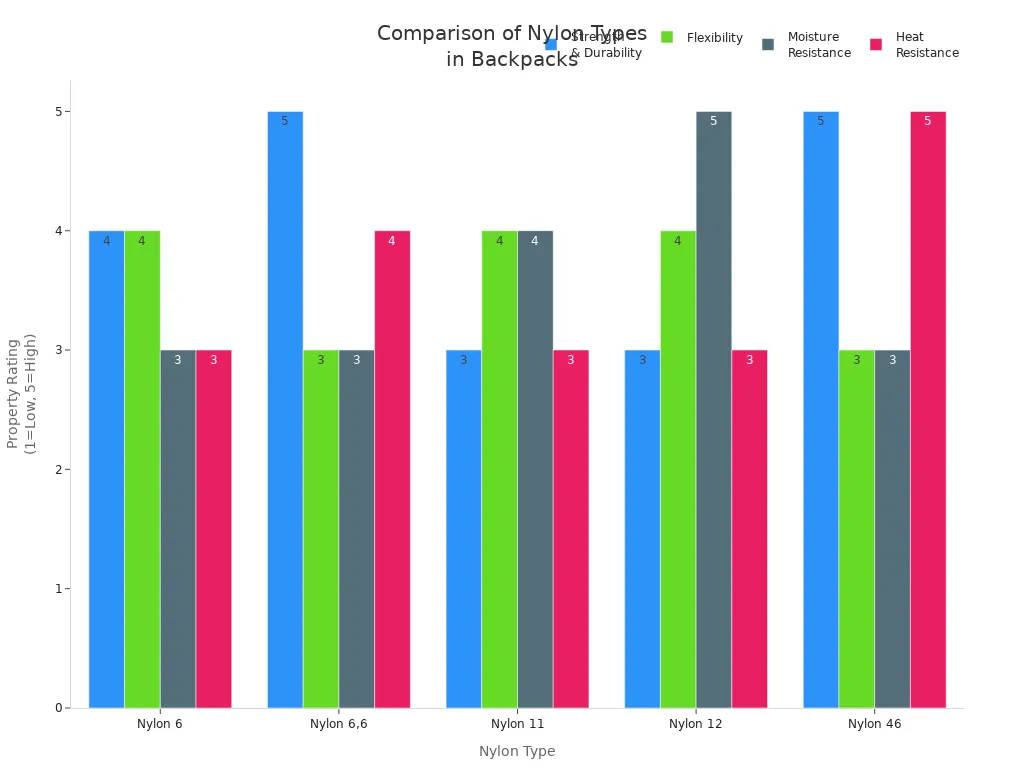
There are different kinds of nylon bags. Some types are Nylon 6, Nylon 6,6, and Nylon 12. Each type has its own strength and flexibility. Nylon 6,6 is very strong. It is often used for luggage and tool bags.
What Is Canvas?
Canvas is a fabric made from cotton or linen. Canvas bags feel heavier and stronger than nylon bags. The thick weave makes canvas good for carrying heavy things. Over time, canvas gets softer and fits your shape. The more you use it, the more comfortable it feels. Canvas bags can handle scraping and dragging. That is why people use them for hiking or carrying tools.
Canvas bags do not stretch much. But they do not tear easily if you drag them. Canvas handles sparks and rough surfaces better than nylon. Workers and electricians often use canvas bags because they are tough.
Here’s a table comparing nylon and canvas in backpack manufacturing:
| Material | Tensile Strength | Tear Strength | Abrasion Resistance | Best Use Case |
|---|---|---|---|---|
| Nylon | Higher | Higher | Medium | High tension or impact applications |
| Canvas | Lower | Lower | High | Static load and scraping |
Tip: If you want a backpack that gets softer and feels more like yours over time, canvas is a good pick.
Common Uses in Backpacks
You see nylon backpacks everywhere. People use them for school, travel, hiking, and sports. Nylon bags are light and easy to carry. You can pack a lot in them without feeling heavy. Nylon is also used in jackets and other gear.
Canvas backpacks are used for outdoor trips, work, and daily life. Many people like canvas bags for their classic look and strong feel. Canvas bags are good for books, tools, and groceries. You see them in vintage and rugged styles.
Here’s a quick list of where you’ll see these materials:
- Nylon bags: travel backpacks, hiking packs, sports bags, school bags, fashion accessories
- Canvas bags: work backpacks, tool bags, tote bags, messenger bags, vintage backpacks
Both canvas and nylon backpacks have their own good points. Canvas bags give you style and strength. Nylon bags are light and keep out water. When you choose, think about how you will use your backpack and what you need most.
Nylon vs Canvas Backpack: Comparison in Terms of Durability
When you look at backpacks, you want something durable. You want a bag that can handle daily life, rough trips, and even a little neglect. This comparison in terms of durability will help you see how nylon and canvas backpacks perform in real life.
Abrasion and Tear Resistance
Ballistic Nylon Performance
Nylon stands out for its resistance to scratches and tears. If you drag nylon bags across rough ground or brush them against walls, you will notice fewer marks. Ballistic nylon, a special type of nylon, takes this even further. It was first made for military gear, so you know it is tough. You can count on ballistic nylon to handle sharp objects, keys, and even rocks without ripping.
Laboratory tests show how well nylon holds up. Here’s a table that shows how many cycles or rubs nylon can take before it gets damaged:
| Fabric Type | Testing Method | Cycles/Rubs Before Damage |
|---|---|---|
| Nylon | Martindale | 4,500 |
| Wyzenbeek | 8,000 double rubs | |
| Taber | 1,500-2,000 cycles |
You can see that nylon bags, especially those made from ballistic nylon, are very durable. They resist wear and tear better than most other materials. If you want a backpack that can survive school hallways, airports, or hiking trails, nylon is a smart choice.
Heavy-Duty Canvas Strength
Canvas bags have their own kind of strength. The thick weave of canvas gives it a rugged feel. You can drag canvas backpacks across the ground, and they will not tear easily. Heavy-duty canvas is even better. It can handle tools, books, and heavy loads without falling apart.
But canvas does not do as well as nylon in lab tests for abrasion resistance. Here’s a table that shows how canvas compares:
| Fabric Type | Test Method | Cycles Endured Before Damage |
|---|---|---|
| Canvas | Martindale | 2,500 |
| Canvas | Taber | 1,000 |
Canvas bags are still durable, but they show wear faster than nylon bags. You might see scuffs or faded spots after a while. Still, many people love canvas backpacks for their classic look and the way they age over time.
Long-Term Wear and UV Exposure
You want your backpack to last, even if you use it every day. Nylon bags usually keep their shape and color longer than canvas bags. But there are some disadvantages to nylon. If you leave a nylon backpack in the sun for months, it can lose color and get weaker. Untreated nylon loses about 40% of its color after 500 hours of UV exposure. It can also turn yellow and lose some strength.
Canvas backpacks have their own disadvantages. Canvas fades even faster in the sun. After 500 hours of UV, canvas keeps less than half its color. It also absorbs UV rays, which can make the fabric weaker over time. Here’s a table to show you how both materials handle UV:
| Fabric Type | 500h UV Exposure (Color Retention %) | Notes |
|---|---|---|
| Untreated Nylon | 60% | Slight yellowing, strength loss |
| UV-Stabilized Nylon | 90% | Retains color and elasticity |
| Canvas | <50% | Fades quickly, absorbs UV |
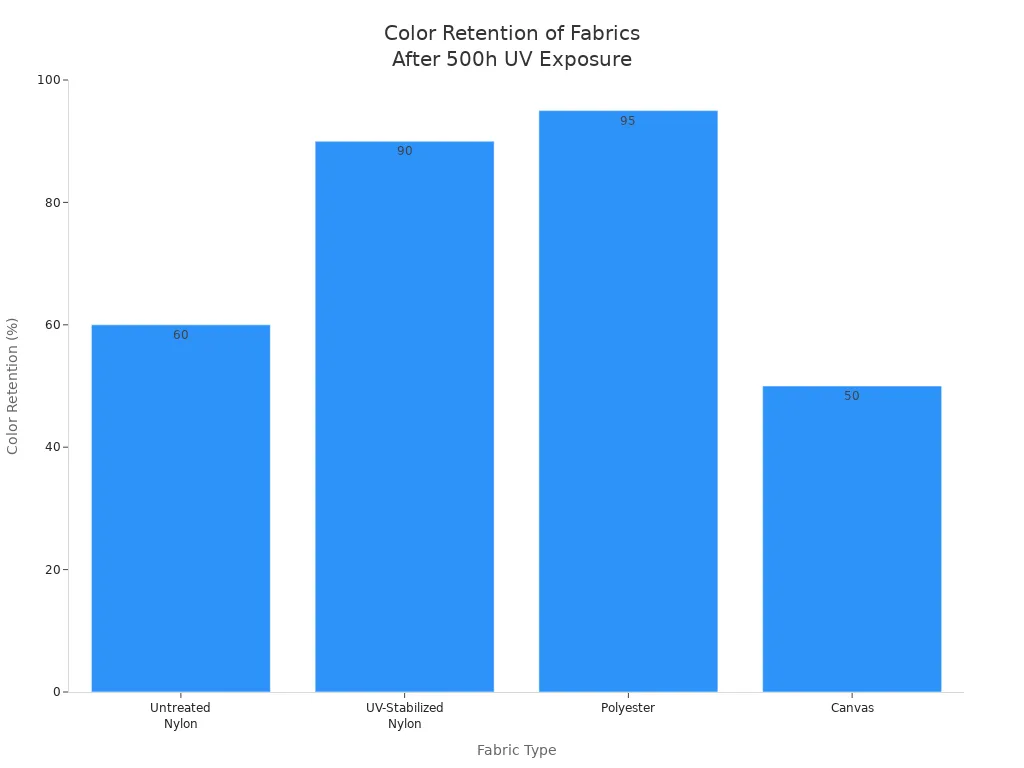
If you want a backpack for outdoor use, look for UV-stabilized nylon. It keeps its color and stays strong. Canvas bags will fade, but some people like the vintage look that comes with age.
Everyday Use and Longevity
When you use a backpack every day, you want it to last. Nylon bags are lightweight and resist daily wear. You can toss them in your car, stuff them in a locker, or take them on a hike. They dry fast if they get wet, and they do not hold on to dirt. Nylon bags are easy to clean, which helps them last longer.
Canvas backpacks feel heavier, but they can handle heavy loads. If you carry books, groceries, or tools, canvas bags will not let you down. They get softer and more comfortable with use. Some canvas backpacks last for years, even decades, if you take care of them. But they do have disadvantages. Canvas absorbs water and stains more easily. It can also get moldy if you leave it damp.
Here are some points to remember:
- Nylon bags are more durable against scratches and tears.
- Canvas bags can last longer if you care for them and do not expose them to too much sun or moisture.
- Both materials have disadvantages. Nylon can lose color in the sun. Canvas can get heavy and moldy when wet.
Note: If you want a backpack that looks better with age, canvas is a great pick. If you want something that stays looking new, nylon is the way to go.
In this comparison in terms of durability, nylon wins for resistance and lightweight use. Canvas wins for classic style and the way it ages. You need to think about how you will use your backpack and what matters most to you. Both nylon and canvas backpacks can be durable, but each has its own strengths and disadvantages.
Comparison in Terms of Water Resistance
Nylon Water Repellency
When you look at nylon bags, you notice how well they handle water. Nylon offers strong water resistance, but it is not fully waterproof. If you walk in light rain, water beads up and rolls off most nylon backpacks. This happens because manufacturers often add coatings to boost water resistance. You see nylon bags with PU, DWR, or TPU coatings. These coatings help keep your gear dry, but they can wear down over time.
Check out this table showing how nylon compares to polyester in water resistance tests:
| Test Parameter | Nylon (210D PU-Coated) | Polyester (210D PU-Coated) |
|---|---|---|
| Hydrostatic Head (mm, ISO 811) | 12,500 | 9,800 |
| Spray Test Rating (AATCC 22) | 95/100 | 90/100 |
| Average Outdoor Lifespan (Years) | 3.2 | 2.5 |
Nylon bags with high-density fabric and thick coatings offer better water resistance. If you want a backpack for wet weather, look for nylon with TPU or PU coatings. These coatings bond well with nylon and block water from getting inside. You should know that water resistance drops if the coating wears off or cracks. True waterproof backpacks use coated nylon and sealed seams.
Tip: Nylon bags with TPU coatings give you the best water resistance for tough outdoor trips.
Canvas and Water Absorption
Canvas bags have a different story. Canvas absorbs water much faster than nylon. If you get caught in the rain, canvas backpacks soak up water and get heavy. Untreated canvas can take in 10–12% of its weight in water. Waxed or PU-coated canvas bags do better, but they still absorb some moisture.
Here’s a table showing water uptake for different types of canvas:
| Type of Canvas | Water Uptake (%) |
|---|---|
| Untreated Cotton Canvas | 10–12 |
| Waxed Canvas | 1–3 |
| PU-Coated Canvas | 1–2 |
Canvas bags need regular care to keep their water resistance. You can wax your canvas backpack or use sprays to help water bead up. If you skip maintenance, water gets in and makes the bag heavier. Wet canvas can stretch, lose shape, and even grow mold if you leave it damp.
Note: Waxed canvas bags offer better water resistance, but you need to reapply wax to keep them durable.
Impact of Wet Conditions on Durability
Wet conditions change how long your backpacks last. Nylon bags dry fast and keep their shape, so you do not worry about mold or odor. If you use nylon bags in rain or snow, you get good water resistance and long-lasting durability. Canvas backpacks, on the other hand, need more care. When canvas absorbs water, it gets heavier and weaker. If you do not dry your canvas bags, they can wear out faster and lose their durable feel.
Here are some things to remember about water resistance and durability:
- Nylon bags resist water and dry quickly, making them durable for outdoor use.
- Canvas bags absorb water, get heavy, and need regular care to keep their resistance and durability.
- If you want a backpack for wet weather, nylon is the better choice for water resistance and durability.
- Canvas backpacks work well in dry conditions, but you need to maintain them for long-lasting resistance.
If you want a backpack that stays light and durable in wet weather, nylon bags are your best bet. Canvas bags give you classic style, but you need to protect them from water to keep their durability.
In this comparison in terms of water resistance, nylon bags win for keeping water out and staying durable. Canvas bags need more care and absorb water, which affects their resistance and durability. Choose nylon for wet conditions and easy maintenance. Pick canvas if you love the look and do not mind extra care.
Weight and Load-Bearing
Lightweight Benefits of Nylon
When you pick up nylon bags, you notice how light they feel. Nylon weighs much less than canvas. This makes a big difference when you carry backpacks for a long time. You can walk farther and feel less tired with nylon on your back. Nylon bags help you avoid shoulder pain and sore muscles. The light weight means you can pack more things without making the bag too heavy.
Nylon bags also have a special stretch. The fabric flexes when you fill it with books, clothes, or gear. This stretch helps the backpack fit your back better. You feel more comfortable, even if you carry heavy loads. Nylon does not add extra weight, so you can focus on your trip or your school day.
If you use backpacks for hiking or travel, nylon is a smart choice. You can move quickly and stay comfortable. Nylon bags dry fast if they get wet, so you do not carry extra water weight. Many people choose nylon for sports, camping, or daily use because it keeps things light and easy.
Tip: If you want a backpack that feels light and helps you avoid tired shoulders, nylon bags are your best friend.
Canvas Under Heavy Loads
Canvas bags feel heavier than nylon bags, even when empty. The thick fabric adds weight before you put anything inside. When you fill canvas backpacks with books or groceries, they get even heavier. You might notice the weight on your shoulders after a short walk.
But canvas has its own strengths. Canvas bags can handle heavy loads without tearing. The strong weave lets you carry tools, laptops, or even groceries. Canvas backpacks do not stretch like nylon, so they keep their shape. You can trust canvas bags to hold up when you need to carry a lot.
Some people like the solid feel of canvas. Canvas backpacks feel sturdy and safe. If you need a bag for work or school, canvas gives you peace of mind. You know your things will stay safe inside. Canvas bags do not sag or lose shape, even after years of use.
Here’s a quick table to compare nylon and canvas for weight and load-bearing:
| Feature | Nylon Bags | Canvas Bags |
|---|---|---|
| Weight (Empty) | Very light | Heavier |
| Comfort (Long Carry) | High | Moderate |
| Handles Heavy Loads | Yes, with stretch | Yes, keeps shape |
| Best Use | Travel, hiking | Work, heavy items |
Note: If you want a backpack that feels strong and can carry a lot, canvas backpacks are a great pick. If you want to keep things light, nylon bags are the way to go.
You have many choices when it comes to backpacks. Nylon bags give you comfort and light weight. Canvas bags give you strength and a classic feel. Think about what you need most before you choose.
Maintenance and Care
Cleaning and Upkeep
You want your backpacks to look good and last a long time. Cleaning nylon bags and canvas bags is easy if you follow a few steps. For both types, use mild detergent and cold or lukewarm water. Hand washing works best. Scrub gently and rinse well to get rid of soap. If you use a washing machine, put your backpack in a laundry bag and pick a gentle cycle. Air drying in a shaded spot helps prevent mold and keeps your backpack fresh.
Regular cleaning makes a big difference in durability and longevity. If you use your backpack every day, check it weekly for dirt and wear. A cyclist found that a quick clean every two weeks kept their nylon bags in great shape. If you use canvas bags for outdoor sports, a monthly deep clean is enough. Keeping up with cleaning stops material from breaking down and helps your backpack last longer.
Tip: Always let your nylon bags and canvas bags dry completely before storing them. This simple step keeps your backpack smelling fresh and stops mold from growing.
Mold, Mildew, and Odor Resistance
Nylon bags stand out because they resist mold, mildew, and odors. Their water-resistant surface blocks moisture, which helps stop mold from forming. You can use nylon bags in wet weather and not worry much about mildew. Still, nylon is less breathable than canvas. If your backpack does not have good ventilation, odors can build up inside.
Canvas bags breathe better, so they control moisture and odors well. You might notice that canvas bags smell less after a long trip. But canvas is made from natural fibers, so it can attract mildew if you leave it damp. Humid air, rain, and poor airflow make canvas bags more likely to get moldy. If you store your backpack in a damp place or forget to dry it, mold spores can grow fast.
Here are some things to watch out for:
- Mold spores love humid, stagnant air.
- Backpacks stored in damp or closed spaces are at higher risk.
- Trapped water in canvas bags creates perfect conditions for mildew.
Note: Nylon bags are generally resistant to mildew, but trapped moisture can still cause problems. Canvas bags need extra care in wet or humid places to keep their durability and longevity.
Repair and Longevity
Sometimes backpacks get tears or worn spots. You can fix nylon bags and canvas bags with simple tools. Sewing patches with heavy-duty thread and needles works well for both. For big tears, add a backing patch inside the bag for support. Use strong thread like polyester or nylon to keep stitches from snapping. Clean the area before you repair it. Dirt trapped in stitches can wear out the fabric faster.
Here’s a table showing common repair techniques and how they help durability and longevity:
| Repair Technique | Tools/Materials Needed | Impact on Durability |
|---|---|---|
| Sewing patches | Heavy-duty thread, needles, canvas patches | Reinforces weak areas, prevents further tearing |
| Backing patches for large tears | Additional fabric for support | Prevents stitches from ripping out under stress |
| Using strong thread | Polyester or nylon thread | Reduces risk of thread snapping under tension |
| Cleaning area before repair | Cleaning supplies | Prevents dirt from causing premature wear |
| Professional repairs | Industrial stitching machines | Ensures maximum durability for significant damage |
If you want your nylon bags and canvas bags to last, check for frayed edges and fix them early. Don’t pull stitches too tight, or you might make the hole bigger. Reinforce worn corners with extra fabric inside the backpack. For serious damage, professional repairs with industrial machines give you the best durability and longevity.
Tip: Regular care and quick repairs help your backpacks last for years. You get more value and keep your favorite nylon bags and canvas bags looking great.
Environmental Impact
Material Sourcing
When you check how backpacks are made, you see big differences. Nylon is made from oil, which we cannot replace once it is gone. Making nylon uses lots of energy and causes pollution. When you wash a nylon backpack, tiny plastic pieces can break off. These small pieces can end up in rivers and oceans. Fish and other animals can get hurt by these microplastics.
Making nylon uses a lot of energy and oil. This causes big problems for the environment. Washing nylon backpacks makes tiny plastic fibers. These fibers pollute the ocean and do not break down. Nylon stays in landfills for a long time. Some companies use recycled nylon, like Econyl, to help the planet. Using recycled nylon cuts down on waste and saves resources.
Canvas is different because it comes from cotton or linen. These are natural fibers from plants. If farmers use earth-friendly ways to grow them, canvas is better for nature. Some companies now use recycled nylon for backpacks. This helps save energy and makes less trash. But recycling nylon is not as common as recycling other things.
Nylon stays in landfills for hundreds of years. It lets out bad chemicals as it breaks down. Making nylon uses lots of energy. Not many people recycle nylon compared to other materials. We need better choices to help the earth.
Biodegradability
You might wonder what happens when you throw away a backpack. Nylon and canvas break down at very different speeds. Here’s a quick look:
| Material | Biodegradability Rate |
|---|---|
| Nylon | 30 to 40 years |
| Canvas (Cotton) | 1 to 5 months |
| Canvas (Synthetic) | Non-biodegradable |
Cotton canvas breaks down fast, sometimes in just a few months. Nylon can stay in landfills for many years. If your backpack uses synthetic canvas, it will not break down at all. Natural canvas is better for the earth if you care about the environment.
Environmental Effects on Durability
You want your backpack to last, but weather and nature can change that. Here are some things to remember:
- Nylon is light and dries fast, so it works in many places.
- It is strong and does not scratch easily, which is good for rough use.
- Nylon can get weak in strong sunlight and can melt if it gets too hot.
- Nylon bags keep water out, so they are good in the rain.
- Canvas bags can keep out some water if treated, but not as much as nylon.
Nylon’s man-made fibers help block water, so it is good for rainy days. Treated canvas can stop some water, but not as well as nylon. If you want a backpack for all kinds of weather, nylon is a good pick. If you want a backpack that breaks down quickly after you throw it away, cotton canvas is best.
Which Material Is Better? Use Cases and Recommendations
Best for Everyday Use
You want a backpack that fits your daily life. Nylon works well for most people who need something light and easy to carry. You can toss a nylon backpack in your locker or car, and it will not get heavy. Nylon dries fast if you spill water on it. You do not need to worry about mold or bad smells. Nylon backpacks also come in many colors and styles, so you can find one that matches your look.
Canvas backpacks give you a classic style. They feel strong and sturdy. If you like a bag that gets softer and looks better with age, canvas is a great pick. You can use canvas backpacks for school, work, or trips to the store. They hold heavy books and groceries without tearing. You will need to clean them more often, but they last a long time if you take care of them.
Best for Outdoor and Heavy-Duty Use
If you love hiking, camping, or travel, nylon is the superior choice. Nylon backpacks resist rain and dry quickly. You can use them in the woods or on a mountain, and they will not get soggy. Nylon stands up to scratches from rocks and branches. You can pack a lot of gear without feeling weighed down. Many outdoor brands use nylon because it is so durable.
Canvas backpacks also work for outdoor jobs. They handle heavy tools and rough use. If you work on a farm or at a job site, canvas backpacks will not let you down. They do not stretch, so they keep their shape. You can drag them across the ground, and they will still hold up. Waxed canvas gives you some water resistance, but you need to reapply wax to keep it strong.
Trade-Offs to Consider
You might wonder which material is better for your needs. Nylon gives you a lightweight, water-resistant, and durable option. You can clean it easily and use it in all kinds of weather. Canvas backpacks offer a strong, classic look and can last for years with care. They feel heavier and need more cleaning, but they do not tear easily.
Here is a quick table to help you compare:
| Feature | Nylon Backpacks | Canvas Backpacks |
|---|---|---|
| Durability | High | High with care |
| Water Resistance | Good | Low (unless waxed) |
| Weight | Very light | Heavier |
| Maintenance | Easy | Needs more care |
| Style | Modern, sporty | Classic, vintage |
| Best Use | Travel, sports, hiking | Work, school, tools |
Tip: Think about where you will use your backpack most. If you want something light and easy, nylon is best. If you want a bag that feels strong and looks classic, canvas backpacks are a smart choice.
No matter what you pick, both nylon and canvas backpacks can be durable. You just need to match the material to your lifestyle.
Conclusion
You’ve seen how nylon and canvas stack up for durability. Nylon works best if you want a light, water-resistant bag for busy days or outdoor trips. Canvas gives you a classic look and can last for years with care. Think about what matters most—weight, style, or easy cleaning. Need custom backpacks for your brand or business? Reach out to us for OEM and ODM solutions!
FAQ
Are nylon backpacks really waterproof?
Nylon backpacks resist water well, but most are not fully waterproof. You can walk in light rain, and your things stay dry. For heavy rain, look for backpacks with sealed seams or extra coatings.
Can you wash a canvas backpack in the washing machine?
You should not use a washing machine for canvas backpacks. Hand wash with mild soap and cold water. Let it air dry. This keeps the fabric strong and helps your backpack last longer.
Which backpack is better for carrying heavy books?
Canvas backpacks handle heavy loads without stretching. You can pack books or tools, and the bag keeps its shape. Nylon bags feel lighter, but canvas gives you more support for big loads.
Do nylon backpacks fade in the sun?
Nylon can fade if you leave it in the sun for a long time. UV-stabilized nylon keeps its color better. If you want your backpack to look new, store it away from direct sunlight.
How do you keep a canvas backpack from getting moldy?
Always dry your canvas backpack after it gets wet. Store it in a cool, dry place. You can use a fan or hang it outside. This stops mold and keeps your bag smelling fresh.
Is nylon or canvas better for kids?
Nylon backpacks work best for kids. They are light, easy to clean, and come in many colors. Kids can carry them all day without feeling tired. Canvas bags feel heavier and need more care.
Can you repair a tear in a nylon backpack?
Yes! You can sew small tears with strong thread or use a patch kit. For bigger rips, visit a repair shop. Fixing tears early helps your backpack last longer.
Do canvas backpacks get softer over time?
Yes, they do. The more you use your canvas backpack, the softer and more comfortable it feels. Many people love how canvas bags break in and fit their style.