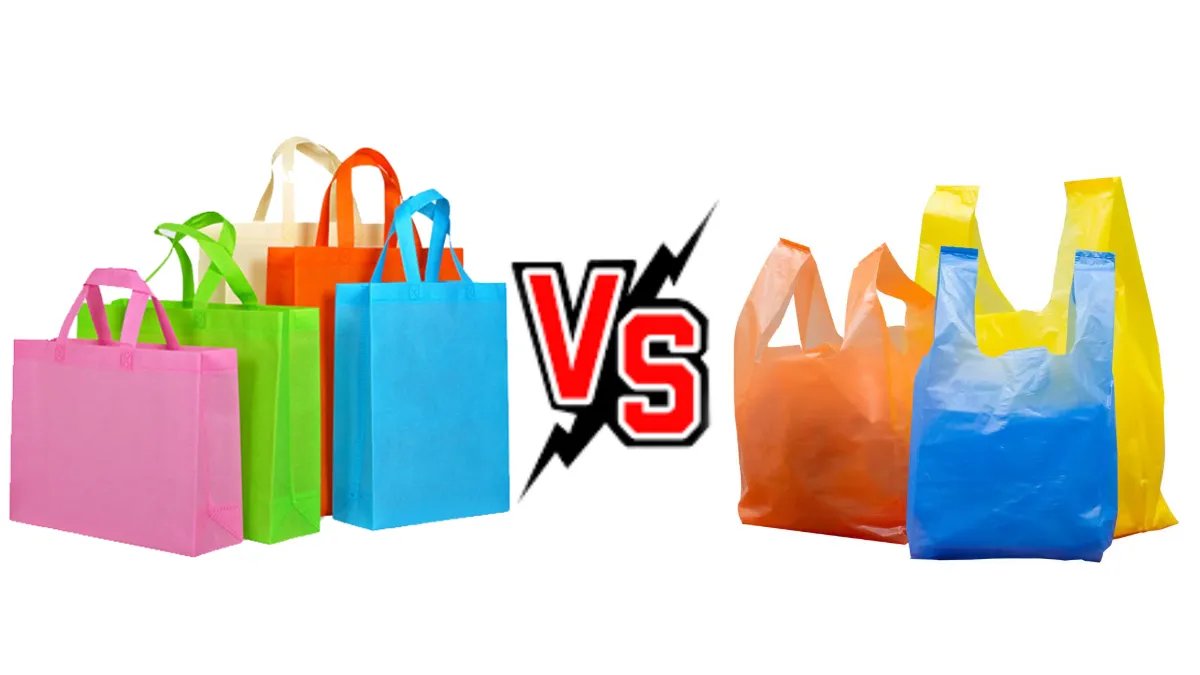
If you own a store, work with food, or care about the environment, you might be wondering about non woven bags vs plastic bags and which is better for packaging. Non woven bags vs plastic bags is a hot topic, and non woven bags are becoming more popular. Retail stores now use non woven bags 22% more, while plastic bags usage has dropped by 27%. In fact, 64% of people prefer eco-friendly packaging, showing a clear shift in the non woven bags vs plastic bags debate. Here’s how the landscape is changing:
| Category | Non-Woven Bags Usage | Plastic Bags Usage | Change (%) |
|---|---|---|---|
| Retail | 22% increase | 27% decrease | Non woven bags are more popular now |
| Food Service | 850 million bags | N/A | Non woven bags are used a lot more |
| Consumer Preference | 64% prefer eco-packaging | N/A | More people want reusable bags |
When considering non woven bags vs plastic bags, you should think about durability, cost, appearance, environmental impact, and what your customers prefer. We’re here to help you decide which option is best for your business.
Key Takeaways
- Non woven bags last longer and you can use them many times. This makes them a good choice for saving money over time.
- Plastic bags cost less at first but can cost more later. This is because people usually use them only once.
- Using non woven bags can make your brand look better. People think they are good for the environment and show you care.
- You can change non woven bags in many ways. This helps businesses show their brand in a strong way.
- More people now want things that help the planet. Over 60% of shoppers like packaging that is eco-friendly.
- Non woven bags can be recycled in lots of places. This helps cut down on trash and helps the earth.
- Many places now have rules against using plastic bags one time. Non woven bags follow these rules and are allowed.
- Picking the right bag can match your business values. It also meets what customers want for helping the planet.
Overview
Non Woven Bags

Material
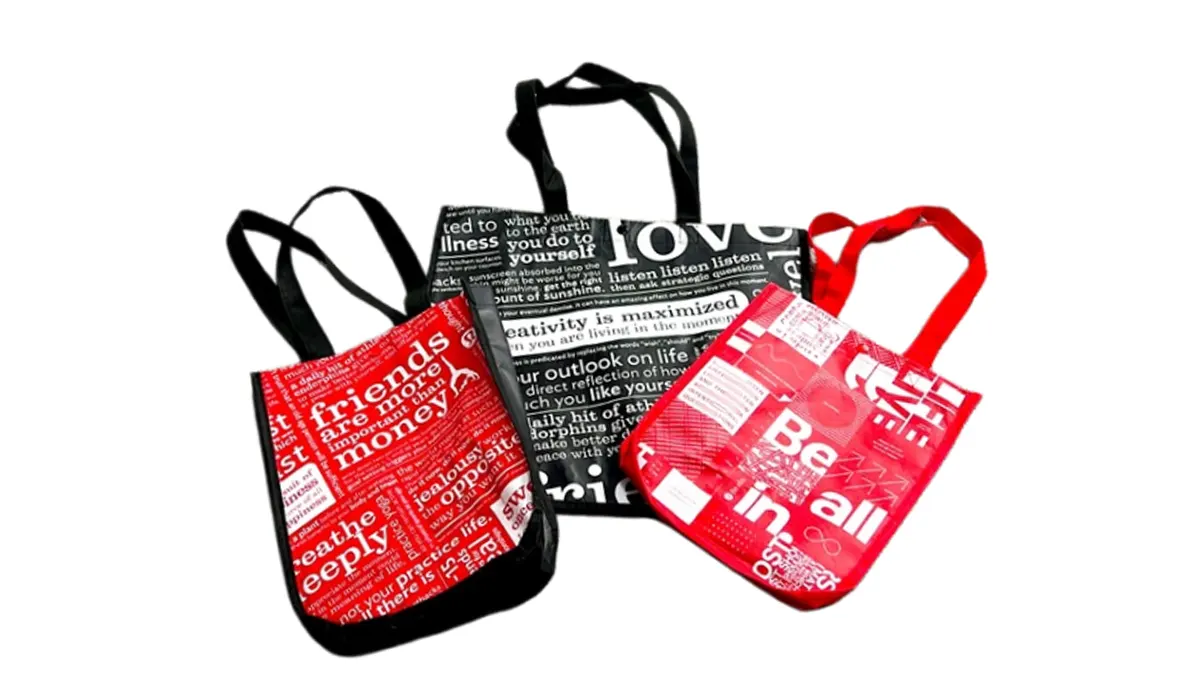
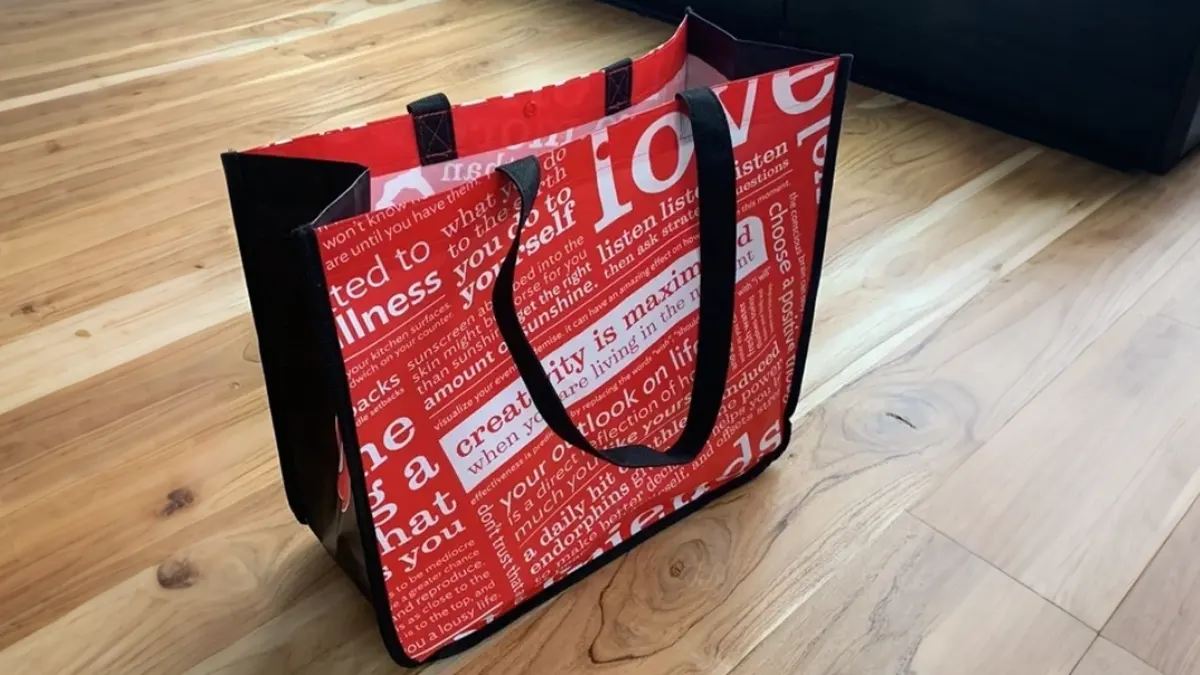
Non woven bags are made from fibers stuck together. These fibers do not need to be woven. Most non woven bags use polypropylene. This material feels soft and strong. The process makes the bag feel like fabric. Non woven bags look and feel different from plastic bags. They are light and bend easily. You can print designs on them. You can fold these bags. They return to their shape after folding. Non woven bags do not tear easily. You can use them many times. If you want a bag that is comfy and looks nice, non woven bags are a good pick.
Did you know? Non woven bags come in bright colors. You can put your brand logo on them with clear detail.
Uses
Non woven bags are used in many places. People like them because they help the environment. Their design is useful too. Here are some ways businesses use non woven bags:
- Retail stores use non woven bags for packing and carrying things. They want to show they care about the planet.
- Food and drink shops use these bags for clean and green packaging.
- Hospitals use non woven bags for medical supplies. They want strong bags that keep things clean.
- Factories use non woven bags for heavy or big items. They want to meet their green goals.
- Events use non woven bags for giveaways. You can make these bags special for your brand.
Non woven bags vs plastic bags is important for these businesses. If you want to show you care about nature, non woven bags help you do that.
Plastic Bags
Material
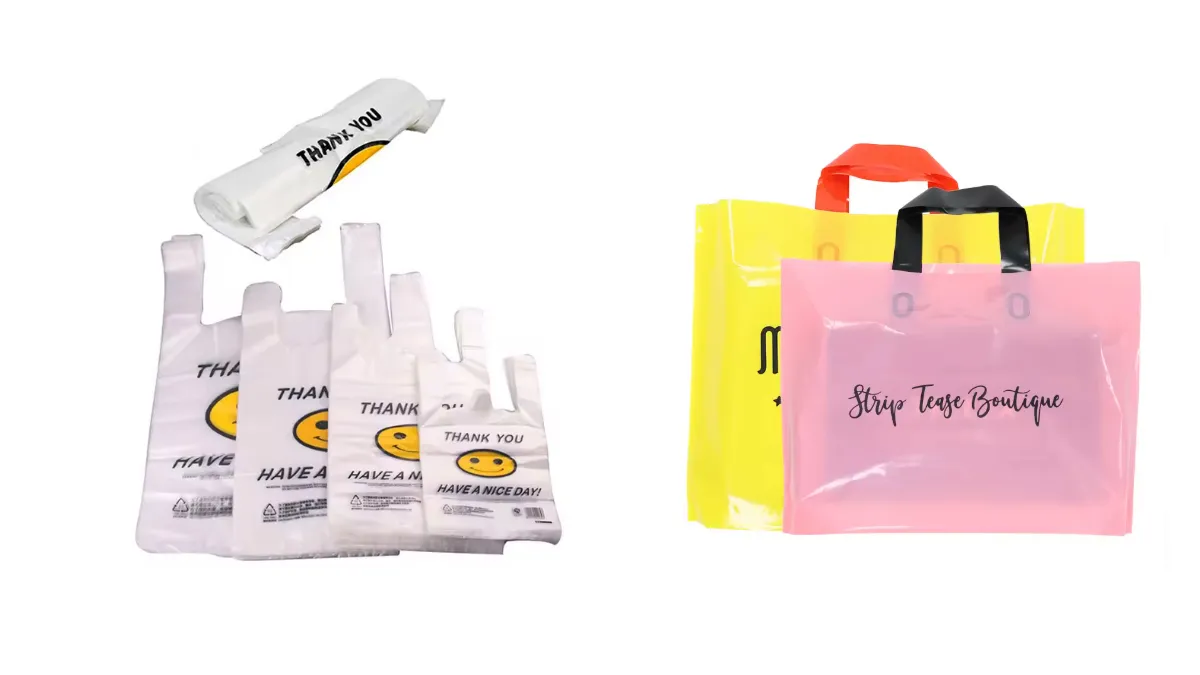
Plastic bags are made from oil-based stuff. Most are made from polyethylene. These bags feel smooth and slippery. Plastic bags keep things dry. They do not let water in. They are thin and light. You can store and carry them easily. You can stretch them a little. But sharp things can rip them. Plastic bags come in clear or solid colors. You see them everywhere because they are cheap to make.
Quick tip: Plastic bags are good for wet or messy things. They do not soak up water.
Uses
Plastic bags have been used by businesses for a long time. You see them in many places:
- Grocery stores give out plastic bags for food and other items.
- Restaurants use plastic bags for takeout meals. They stop spills.
- Shops use plastic bags for fast checkout.
- Factories use strong plastic bags for packing and shipping.
- Hospitals use plastic bags for trash and supplies.
When you look at non woven bags vs plastic bags, plastic bags are better for water and cost. If you want something cheap and easy, plastic bags work well. But if you want your business to look green, non woven bags are a better choice.
Non Woven Bags vs Plastic Bags: Comparison
Durability
Lifespan
When you look at non woven bags vs plastic bags, you’ll notice a big difference in how long each bag lasts. Non-woven bags can stick around for several years. You can use them again and again without seeing much wear. Plastic bags, on the other hand, are usually single-use. Most people throw them away after one trip. If you want a bag that keeps working for you, non-woven bags win in this area.
Here’s a quick table to show you the difference:
| Bag Type | Average Lifespan | Resistance to Wear |
|---|---|---|
| Non-woven bags | Several years | High |
| Plastic bags | Single-use | Low |
Strength
You want your bags to hold up under pressure, right? Non-woven bags are made from strong polypropylene fibers. This makes them tough and able to handle heavy loads. You can fill them with groceries, books, or even clothes, and they won’t tear easily. Plastic bags can stretch a little, but they rip if you put in sharp or heavy items. When you compare woven and non-woven bags to plastic bags, you’ll see that non-woven bags are much stronger and more reliable for repeated use.
- Non-woven bags are built for strength and durability.
- They handle heavy loads without tearing.
- Plastic bags are more likely to rip, especially after a few uses.
Cost
Production
Let’s talk about the cost comparison between non woven bags vs plastic bags. Plastic bags are cheap to make. Manufacturers use less material and energy, so they can offer these bags at a low price. That’s why you see plastic bags everywhere. Non-woven bags cost more at first because they use more material and take longer to make. But you get a bag that lasts much longer.
- Manufacturing plastic bags is inexpensive.
- Non-woven bags have a higher initial cost due to stronger materials.
Bulk Pricing
If you order bags in bulk for your business, you’ll want to know how the cost comparison works out. Plastic bags are the cheapest option upfront. You can buy thousands for a low price. Non-woven bags cost more per bag, but you don’t have to replace them as often. Over time, the cost per use drops because customers reuse them.
- Non-woven bags have a higher upfront price but save you money in the long run.
- Plastic bags are affordable for large orders but may cost more over time if you keep buying replacements.
Branding
Customization
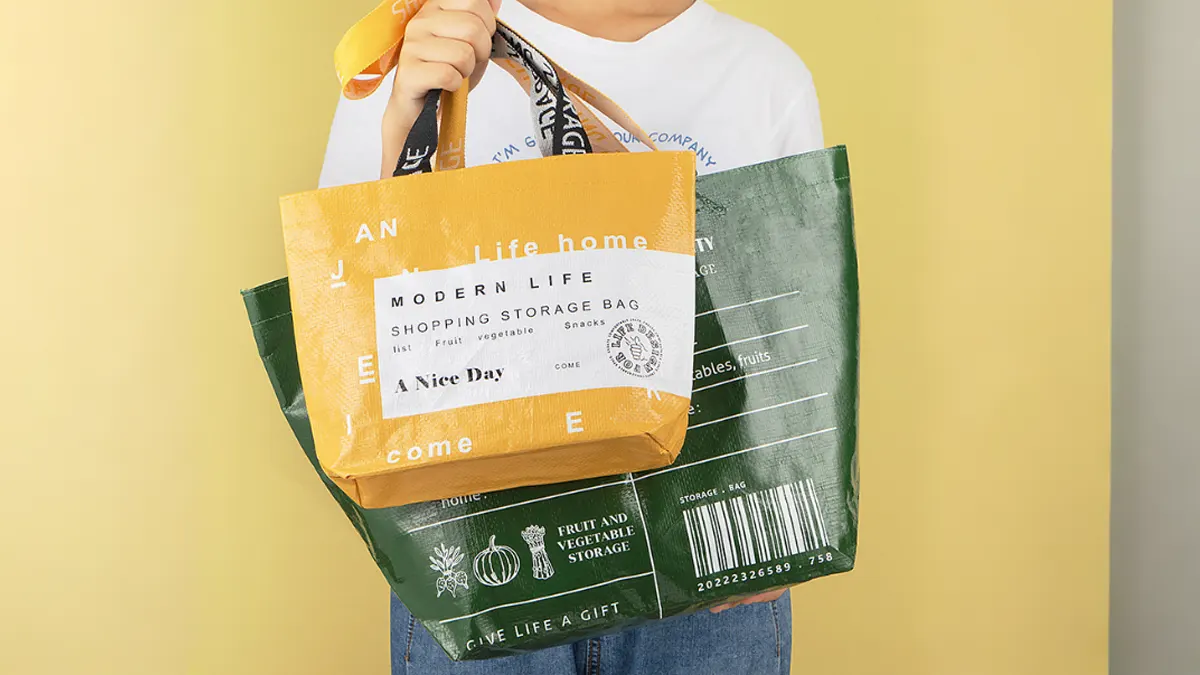
Branding matters a lot when you want your business to stand out. With non woven bags vs plastic bags, you get more options for customization with non-woven bags. You can pick from many colors, sizes, and materials. You can print your logo, slogan, or even a cool design. These bags become walking ads for your brand. Plastic bags can also be customized, but the options are more limited.
| Customization Aspect | Description |
|---|---|
| Sizes | Various sizes for different needs |
| Colors | Wide range to match your brand identity |
| Materials | Different choices for durability and style |
| Printing Options | Custom logos and designs for visibility |
- You can choose colors, logos, and even fun patterns.
- Custom bags help your brand get noticed.
- Woven and non-woven bags give you more ways to show off your business style.
Perception
How do people see your brand when you use non woven bags vs plastic bags? More shoppers care about the environment now. When you use non-woven bags, people see your business as eco-friendly and responsible. This boosts your reputation. Plastic bags, while convenient, can make your brand look less green. Some customers still like the ease and low cost of plastic, but most prefer businesses that care about the planet.
- People notice when you use eco-friendly packaging.
- Non-woven bags improve your brand image.
- Some shoppers still pick convenience, but most want sustainable choices.
- Woven and non-woven bags help you stand out as a modern, caring business.
Environmental Impact
Recyclability
When you think about the environment, the type of bag you choose really matters. Non-woven bags and plastic bags have different impacts on the planet. Non-woven bags are made from polypropylene, which you can recycle in many places. They last longer, so you don’t need to throw them away after one use. This helps cut down on waste.
Plastic bags, especially single-use ones, often end up in landfills or as litter. They take hundreds of years to break down. Even though you can recycle some plastic bags, many recycling centers do not accept them. This makes it hard for you to keep plastic bags out of the trash.
Let’s look at how these bags compare when it comes to their impact on the environment:
| Impact Factor | Non-woven Polypropylene | High-density Polyethylene (Plastic Bags) |
|---|---|---|
| CO2 Emissions (kg) | 5 | 12.8 |
| Greenhouse Gas Emissions (kg) | 5 | 12.8 |
| Non-renewable Energy Usage | Higher | Lower |
| Fresh Water Usage | Higher | Lower |
Non-woven bags use more energy and water to make, but they create less carbon dioxide and greenhouse gases over their lifetime. If you use your non-woven bags at least 11 times, you help the planet more than if you use plastic bags once and toss them.
Tip: Try to reuse your non-woven bags as much as possible. The more you use them, the better they are for the environment!
Regulations
You might notice more rules about bags in stores these days. Many places want to protect the environment, so they are making new laws. Over 35% of U.S. states have banned or limited single-use plastic bags. This means you may not even get a plastic bag at some stores.
Here’s what’s happening with bag regulations:
- Many states and cities have banned single-use plastic bags.
- More shoppers want eco-friendly packaging, with 62% saying they prefer it.
- Governments are pushing businesses to use sustainable options like non-woven bags.
If you run a business, you need to keep up with these rules. Using non-woven bags can help you stay ahead of the law and show your customers you care about the planet.
Consumer Preferences
Trends
People’s shopping habits are changing fast. More of your customers want to use bags that are good for the environment. Non-woven bags are now leading the way in stores and restaurants. In 2024, non-woven bags took over 45% of the market in retail and food service. This shows that people really like them.
Check out these trends:
| Evidence | Description |
|---|---|
| Nonwoven Bags Dominance | Nonwoven bags captured over 45% market share in 2024, showing strong demand. |
| Environmental Concerns | Bans on single-use plastics are making nonwoven bags more popular. |
- About 62% of people in cities bring their own bags when shopping.
- Around 54% of cafes and restaurants use reusable bags for delivery now.
Big grocery stores are switching to reusable bags, and non-woven bags are a top choice. This matches what shoppers want—bags that last and help the planet.
Feedback
You might wonder what people really think about these bags. Customers say non-woven bags are strong and don’t tear easily. They also like that the designs and logos stay bright, even after many uses. Plastic bags often fade or rip, which can be frustrating.
Here’s what customers say about non-woven bags:
- They are more durable and less likely to tear than plastic bags.
- The prints and logos look better and last longer.
- People feel good using bags that are eco-friendly and reusable.
- Many believe non-woven bags are the best choice for businesses that want to help the environment.
If you want happy customers and a positive brand image, non-woven bags are a smart pick. They meet the needs of today’s shoppers and help your business stand out.
Decision Factors
Business Needs
Industry
Your type of business matters when picking bags. Cafés and restaurants want packaging that matches eco-friendly values. Non woven bags are good for delivery and takeaway. They look nice and last longer. Schools give students branded non woven bags to show they care about the planet. Nonprofits use these bags at charity events to show they support sustainability. Grocery and clothing stores offer non woven bags as a green choice. Sometimes they use them for promotions. Big companies use non woven bags at events to help people remember their brand.
- Non woven bags help you reach your green goals.
- They make your brand look modern and caring.
- Plastic bags cost less and are easy to use, but they do not help with eco-friendly branding.
Product Type
What you sell changes which bag works best. Food needs packaging that keeps things clean and dry. Plastic bags are great for wet or messy items. They do not soak up moisture. If you sell clothes, books, or gifts, non woven bags are strong and reusable. Customers like these bags. You can make them fit your products and show off your brand.
Tip: Pick bags that match your products and what your customers want for eco-friendly packaging.
Cost Efficiency
Budget
How much money you have affects your choice. Non woven bags cost more at first, but you can use them many times. Plastic bags are cheap and easy to buy in large amounts. You might spend more later if you keep buying new ones. To save money, set a budget and decide how much you can spend on each bag.
| Key Considerations | Description |
|---|---|
| Cost Control | Balance price and usefulness when choosing bag materials. |
| Durability | Non woven bags save money over time because they are strong. |
| Customization | Non woven bags let you add your brand, even with a small budget. |
Quantity
Think about how many bags you need for your business. If you order thousands, plastic bags seem cheaper. But non woven bags last longer and get reused. They may save you money over time. Figure out your total budget and divide by the number of bags. This helps you see which bag fits your needs.
- Decide your budget before you buy.
- Check the price for each type of bag.
- Pick the amount that matches what your business and customers need.
Compliance
Laws
You must follow local rules when choosing bags. Many places ban or limit single-use plastic bags now. Over 160 countries have laws against disposable plastics. Europe has rules that cut plastic bag use. Africa has strong bans, and Asia is moving to greener choices. North America has cities and states with bag bans or fees. To avoid problems, check the rules in your area before you buy bags.
| Certification/Standard | Purpose | Where Needed |
|---|---|---|
| ISO 9001/14001 | Quality & environment | Global |
| GRS, OEKO-TEX | Eco-friendly materials | Global |
| ESMA | Local environmental compliance | UAE |
| REACH, LFGB, BRC | Product safety | EU, North America |
| SA8000 | Social responsibility | Global |
Sustainability
Sustainability goals help you pick eco-friendly packaging. Many businesses choose bags made from recycled materials to show they care about the planet. If you want to follow green rules, look for bags with at least 95% recycled content. Making bags in places with strict rules, like the EU, helps you follow the law and build trust with customers.
Note: Picking non woven bags made from recycled stuff helps you reach your green goals and keeps your business ready for new rules.
Brand Fit
Image
Your brand image shapes how customers see your business. If you want people to think of your company as eco-friendly, non woven bags help you send that message. These bags show you care about the planet. You can reuse and recycle them, which lowers your carbon footprint. Many companies with strong environmental values pick non woven bags because they match their goals. You get more chances to customize these bags, so your logo stands out. Customers notice when you use bags that look good and help the environment.
- Non woven bags support your green brand image.
- You can print your logo and message in bright colors.
- Customers connect your business with sustainability.
Plastic bags work for brands that focus on cost and convenience. They are cheap and easy to use. Some shoppers still like them for quick trips. If your brand wants to look modern and responsible, non woven bags fit better.
Strategy
Your branding strategy guides your choice between non woven bags vs plastic bags. Non woven bags give you more options for long-term brand visibility. People reuse these bags, so your logo travels everywhere. You build trust with customers who care about eco-friendly packaging. Non woven bags let you create a strong, lasting impression.
- Non woven bags are reusable and customizable.
- They help you promote your brand for a long time.
- Customers see your logo every time they use the bag.
Plastic bags offer cheap advertising. You can print your logo and hand them out easily. They are durable and get passed from person to person, which increases brand impressions. If you want fast, low-cost promotion, plastic bags work. But more shoppers now prefer brands that use sustainable packaging.
Tip: Match your bag choice to your brand strategy. If you want to stand out as an eco-conscious business, non woven bags are the way to go.
Supply Chain
Lead Time
Lead time affects how quickly you get your bags. Non woven bags usually have more accurate lead times. Suppliers build strong relationships with businesses, so you know when your order will arrive. This helps you plan better and avoid running out of bags. Plastic bags sometimes have less reliable lead times. Price changes and shortages can slow down delivery.
Here’s a quick look at how supply chain factors compare:
| Factor | Non-Woven Bags | Plastic Bags |
|---|---|---|
| Supply Chain Stability | Consistent access to high-quality materials | Prone to price shocks and shortages |
| Lead Time | More accurate due to strong supplier relationships | Less reliable |
| Quality Assurance | Quality stays high during disruptions | Higher risk of lower-quality bags |
Reliability
Reliability matters when you need bags for your business every day. Non woven bags offer stable supply and quality. Suppliers focus on keeping standards high, even when things get tough. You can trust that your bags will look good and last. Plastic bags face more risks. Price changes and shortages can lead to lower-quality bags. You might get bags that tear or fade faster.
Businesses that choose non woven bags sometimes face higher costs. Some places still prefer plastic bags because they are cheaper and easier to find. In some countries, recycling systems for non woven bags are not strong yet. This can make switching harder. But if you want reliable, eco-friendly packaging, non woven bags are a smart choice.
- Non woven bags give you steady quality and supply.
- Plastic bags may be cheaper but can have supply problems.
- Think about your supply chain needs before you decide.
Note: Reliable suppliers help you keep your business running smoothly. Choose bags that fit your supply chain and brand goals.
Use Cases
Retail
Apparel
If you own a clothing store, you want customers to feel special. Non woven bags are a good choice for this. They look nice and last a long time. You can put your logo or a cool design on them. People use these bags again, so more people see your brand. Plastic bags are still used, but more shoppers now want eco-friendly bags.
Eco Brands
If your business cares about the earth, you want packaging that matches your values. Non woven bags help show you care about sustainability. You can pick bright colors and custom prints. These bags can be used many times and make your brand stand out. Many eco brands use non woven bags for shopping, events, and promotions.
Here’s a quick look at how non woven bags fit into retail:
| Use Case | Description |
|---|---|
| Shopping and promotional bags | Durable, reusable, and customizable, enhancing brand visibility and providing eco-friendly options. |
| Food packaging | Breathable materials that help preserve the quality of fresh produce and bakery items. |
| Luxury and gift packaging | Offers a sophisticated and sustainable solution for premium products due to its aesthetic appeal. |
| Protective retail covers | Protects delicate products during storage and transport, minimizing damage and waste. |
Tip: If you want people to remember your brand, pick bags they like to use again.
Food Service
Grocery
If you run a grocery store, you need strong bags for heavy items. Non woven bags are a smart pick. They are tough, can be used again, and help keep food fresh. Customers like them because they can use them for shopping or storage. These bags are great for stores that want to cut down on waste and offer eco-friendly choices.
Takeout
If you have a restaurant or café, you need bags that stop spills and keep food safe. Plastic bags are popular for takeout because they are light and cheap. They keep food from leaking. Many food places still use plastic bags for takeout, but more are switching to reusable bags as customers want greener options.
Here’s a table to show how businesses use different bags in food service:
| Bag Type | Durability | Sustainability | Use Case |
|---|---|---|---|
| Non-Woven Bags | High (reusable) | Eco-friendly | Grocery |
| Plastic Bags | Moderate (single-use) | Less sustainable | Takeout |
- Non woven bags are liked for being reusable and eco-friendly in grocery stores.
- Plastic bags are picked for takeout because they are light and cheap.
- The food industry uses plastic bags a lot for takeout because they are strong.
- More people want reusable food bags as they care more about the environment.
Hybrid
Promotions
If you want more people to know about your business, non woven bags are great for promotions. You can give them away at events or use them for gifts. These bags show your logo and message every time someone carries them. They last longer than plastic bags, so your brand gets seen more.
Events
If you are planning an event, you need bags that look good and last. Non woven bags are perfect for fairs, conferences, and community events. You can make them special for your event and give guests something they will use again. Event bags help people remember your brand and support your green goals.
Note: Picking the right bag for each use helps you meet customer needs and build a strong brand image.
Conclusion
Picking non woven bags or plastic bags depends on your business needs. You should think about how strong the bags are. You also need to look at the price. Branding is important for your company. Think about how the bags affect the environment. Make sure the bags match your business goals. Before you choose, talk to your supplier about these things:
- Check if the bags are good quality and if the company helps customers.
- Ask if you can add your logo or design.
- Make sure the bags use eco-friendly materials and fair work.
- Look at the prices and see if they can change for you.
If you want packaging that is good for the planet, we have non woven, canvas, and cotton bags. We can make custom bags for you with OEM or ODM services. We want to help you find the best bag for your brand!
FAQ
What are non woven bags made of?
Non woven bags use polypropylene fibers that stick together without weaving. You get a fabric-like feel that’s soft and strong. These bags stand out because they’re reusable and eco-friendly. If you want packaging that lasts and looks good, non woven bags are a smart choice for your business.
Are non woven bags better for the environment than plastic bags?
You help the planet when you pick non woven bags over plastic bags. Non woven bags last longer and you can recycle them in many places. Plastic bags often end up as litter and take hundreds of years to break down. Eco-friendly packaging makes your brand look responsible and modern.
Can I customize non woven bags for my brand?
You can easily customize non woven bags with your logo, colors, and special designs. These custom reusable bags turn every customer into a walking ad for your business. If you want your brand to stand out, non woven bags offer more options than plastic bags for printing and style.
Are non woven bags more expensive than plastic bags?
Non woven bags cost more upfront than plastic bags, but you save money over time. Customers reuse them, so you buy fewer replacements. If you want to balance cost and eco-friendly packaging, non woven bags give you long-term value and help your business look green.
Which bag is stronger for carrying heavy items?
Non woven bags win when you need strength. You can fill them with groceries, books, or gifts, and they won’t tear easily. Plastic bags stretch a little, but sharp or heavy items can rip them. If you want reliable packaging, non woven bags are the better choice for durability.
Are there laws about using plastic bags in stores?
Many places now ban or limit single-use plastic bags. You need to check local rules before you order bags for your store. Non woven bags help you stay ahead of regulations and show customers you care about eco-friendly packaging. Staying compliant keeps your business safe and trusted.
Do customers prefer non woven bags or plastic bags?
Most shoppers now want eco-friendly packaging. Surveys show over 60% of people prefer reusable bags like non woven bags. You make customers happy and boost your brand image when you offer sustainable options. If you want to attract modern shoppers, non woven bags are the way to go.
Can non woven bags be recycled?
You can recycle non woven bags made from polypropylene in many recycling centers. If you reuse them at least 11 times, you lower your carbon footprint compared to single-use plastic bags. Choosing recyclable packaging helps your business support green goals and keeps waste out of landfills.