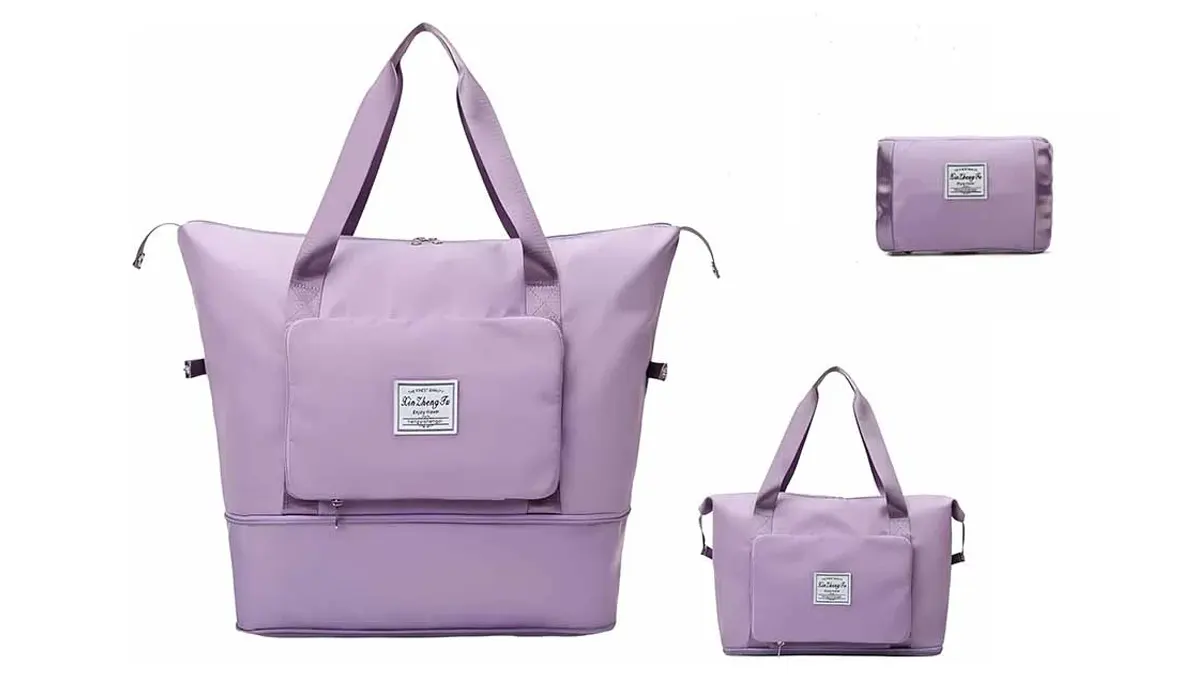
When you search for non woven bags, the same words pop up again and again: eco, reusable, durable. Those claims are fine, but the real story is in the material choices that shape how a bag looks, feels, carries weight, takes print, and holds up over time. This guide breaks down non woven bag material from a manufacturer point of view, so you can confidently specify the right fabric, thickness, finish, and construction for your brand or project.
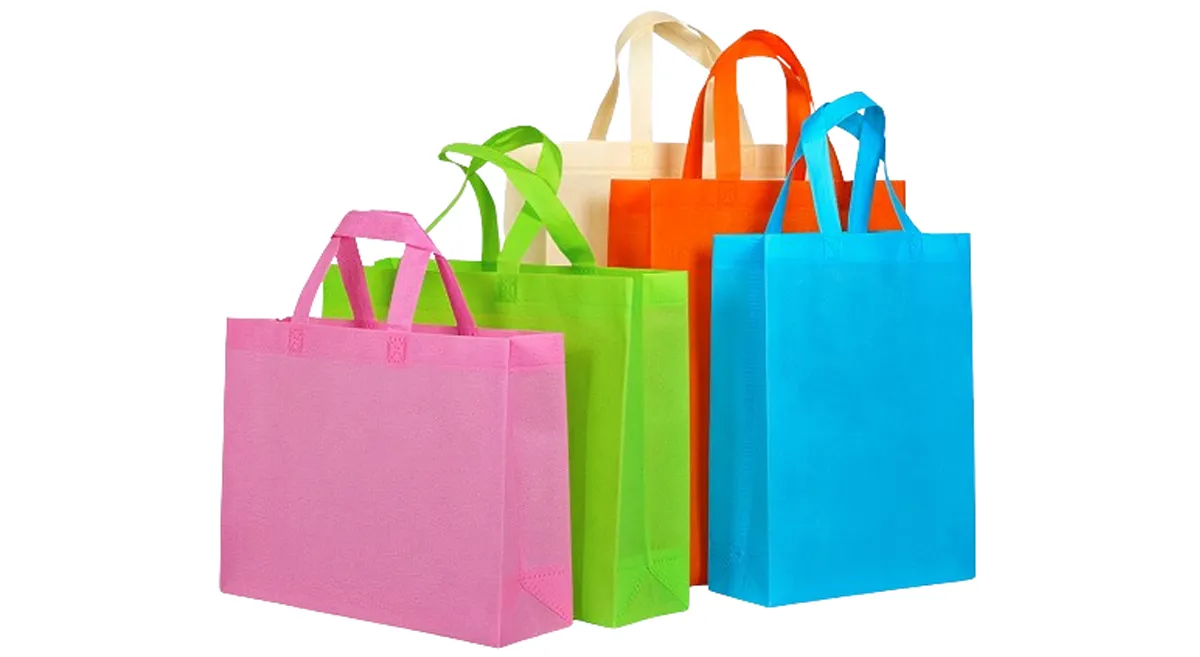
You will see how PP spunbond compares to PET and PLA, what GSM really means in day to day use, and when BOPP lamination is worth it for better print and wipe clean surfaces. We also outline printing methods that keep colors sharp, and we include honest sustainability notes about what can be recycled and what cannot, so your spec is both practical and responsible.
What Non Woven Means?
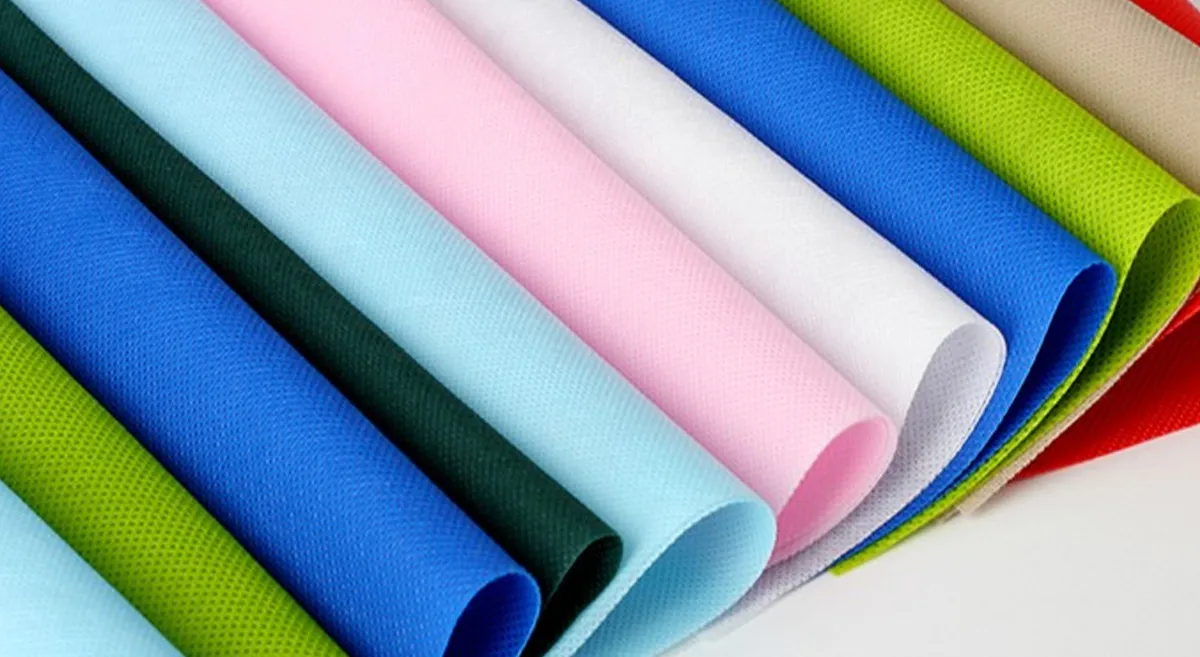
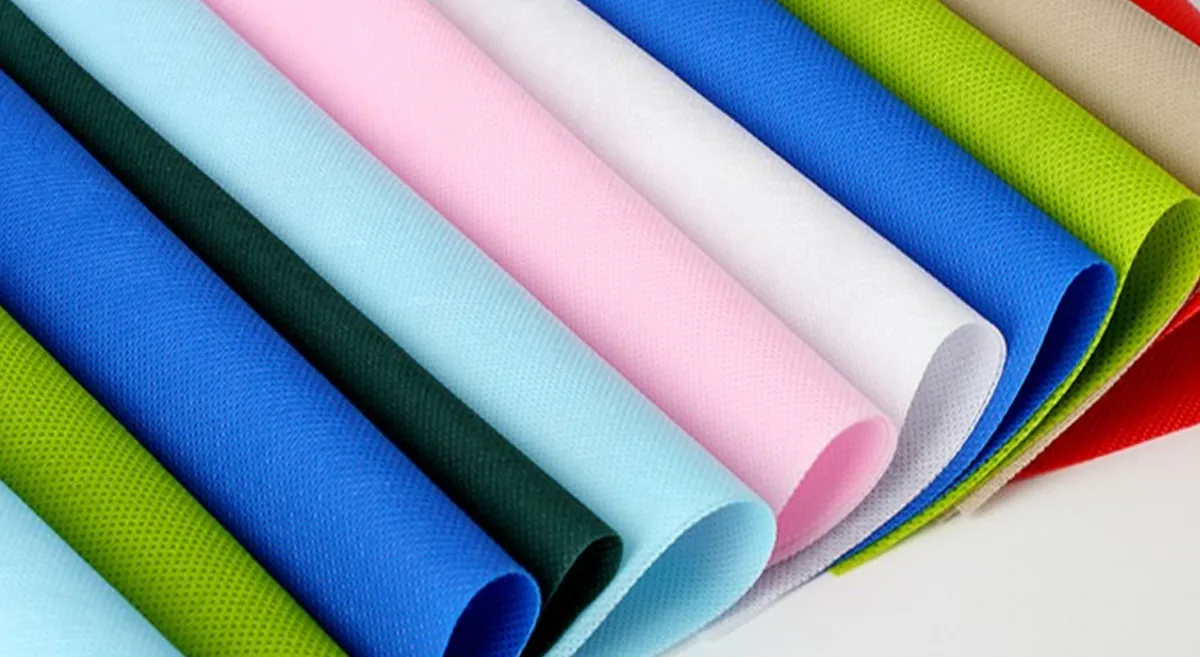
Most fabrics you know, like cotton or polyester, are woven or knitted by interlacing yarns. Non woven fabrics work in a different way. Instead of weaving, the fibers are spread out into a web and then bonded together with heat, pressure, or special treatments. For bags, the star of the show is spunbond polypropylene (PP). Tiny plastic pellets get melted, stretched into fine threads, laid down like a mat, and then sealed into a solid sheet. The result? A fabric that feels light, holds more weight than you expect, and is super easy to cut, print on, and sew—or even seal with ultrasonic welding if you want that clean finish.
There are also a few other non woven families worth knowing:
- PET spunbond: great when you need higher heat resistance and sharper printing results.
- Spunlace: soft to the touch, perfect for cosmetic pouches or garment packaging.
- PLA non woven: made from plant starch, a compostable option if your project is focused on green messaging.
Materials That Actually Work For Bags
Table 1 — Common Non Woven Bag Materials Compared
| Material | Best at | Print behavior | Weather and heat | End of life and notes |
|---|---|---|---|---|
| PP spunbond | Everyday shoppers, event totes, retail carry | Good with screen and flexo; excellent when laminated | Water resistant, low heat tolerance | Reusable and recyclable where PP is accepted; not biodegradable |
| PP spunbond with BOPP lamination | Photo quality branding, premium retail, gift bags | High resolution gravure or offset under glossy or matte film | Better stain resistance, wipe clean | Keep film as PP to support mono material handling |
| PET spunbond | Sharper edges, dimensional stability | Strong color hold; good for heat transfer | Higher heat resistance than PP | Recyclable where PET streams exist; use rPET for recycled content |
| Spunlace blends | Soft tactile pouches | Screen and heat transfer work well | Absorbent; may need coating | Recycling is limited; pick when hand feel is the priority |
| PLA non woven | Compostable storytelling campaigns | Decent with careful processing | Low heat tolerance | Industrial composting required; be precise with claims |
GSM and Strength: Choose the Right Thickness
GSM means grams per square meter. Higher GSM feels thicker and stronger, but also stiffer and more costly. For non woven bags, these ranges are reliable.
Table 2 — Use Case and Recommended GSM
| Use case | Bag style | GSM range | Why it works |
|---|---|---|---|
| Trade show giveaways | Simple tote | 60–80 GSM | Light, economical, still prints well |
| Retail shopper with repeat use | Boxy tote with piping | 80–100 GSM | Better body and seam strength |
| Grocery or books | Gusseted tote with bottom board | 100–120 GSM | Higher tear resistance for dense loads |
| Premium gift bag with photos | Laminated non woven | 120–150 GSM | Film adds stiffness and a premium look |
| Heavy duty or weekender | Reinforced non woven | 130–160 GSM | Extra durability for dense contents |
Rule of thumb: step up one GSM bracket when you need structure that stands or when users carry dense items like bottles or books.
When Lamination Makes Sense
A plain PP non woven bag has that slightly fibrous texture. It works fine for simple prints, but if you want photo-quality artwork, a smoother feel, easier cleaning, or better moisture resistance, then it is time to think about BOPP lamination.
- Glossy lamination gives bright, punchy colors and that shiny retail finish.
- Matte lamination feels soft and premium, with a satin look that hides fingerprints.
- No lamination keeps costs down, leaves the fabric breathable, and makes the bag easy to fold and store.
One more tip: if you go for lamination, stick with PP film instead of mixed materials. That way the bag stays closer to a single material, which makes end-of-life recycling simpler.
Construction Choices That Decide Durability
Non woven bags can be stitched or ultrasonically welded. Stitching handles thicker stacks and piping; ultrasonic welding gives clean edges with no thread and can be faster on simple seams.
Reinforcements that matter:
- X box or bar tack at handle roots to prevent tear out
- Turned edges and binding tape to improve abrasion resistance
- Bottom board to spread load in boxy shoppers
- Piping on edge seams for posture in premium gift or retail bags
Common handle options:
- Same fabric straps for cost efficiency and color match
- Nylon webbing for higher breaking strength
- Cotton tape for a natural look
- Die cut handle with reinforcement patch for sleek giveaways
Printing Methods That Keep Logos Sharp
Table 3 — Printing Options For Non Woven Bags
| Method | Best for | Look and feel | Cost logic | Notes |
|---|---|---|---|---|
| Screen printing | Solid logos, few colors | Bold, opaque colors | Efficient for small to mid runs | Works best on flat panels before sewing |
| Flexo | Repeat patterns on roll goods | Even coverage | Cost effective for volume | Great on unlaminated PP |
| Gravure under BOPP | Photos and gradients | Retail grade, high resolution | Higher setup, best at large orders | Print the film, then laminate to PP |
| Heat transfer | Small runs with gradients | Smooth patch with full color | Higher unit cost, low MOQ | Ideal for limited editions |
| Digital on film | Fast art changes | Photo quality | Moderate setup | Often paired with lamination |
Tip: if artwork has fine text or gradients, start from laminated PP with gravure or digital on film. For bold logos in one to two colors, screen is a smart default.
Sustainability: Practical Notes That Win Trust
When we talk about sustainability in non woven bags, the first thing to remember is reuse always comes first. A bag that lasts through dozens of trips is far more eco friendly than one that falls apart quickly. Strong seams and reinforced handles make the biggest difference here because they keep the bag in use for much longer.
Recyclability is the next factor. An unlaminated PP non woven bag is essentially polypropylene, which can be recycled in many places where PP streams exist. If you need lamination, choosing PP film over mixed films keeps the whole structure closer to a single material, which makes it easier for recycling systems to handle.
There is also the option of using recycled content. Fabrics made with rPP (recycled polypropylene) or rPET (recycled polyester) allow you to support recycled content claims while still offering durability and printability.
Compostable options, like PLA non woven, can be appealing too, but it is important to set clear expectations. These bags require industrial composting conditions and will not break down properly in a home compost bin.
Finally, keep an eye on chemistry and compliance. It is best to avoid PVC, use inks that are low in VOCs, and follow standards like REACH or Prop 65 if you are selling into regulated markets.
If you want a sustainability statement that truly holds up, focus on measurable points: how much recycled content is included, how many times the bag can realistically be reused, whether the design is mono material, and what packaging reductions you have achieved. These details are what build real credibility with customers who care about the environment.
Quality and Compliance Checkpoints
Create a simple QC list:
- Fabric: GSM tolerance, Pantone match, even bonding without thin spots
- Seams: stitch density and allowance, no skipped stitches; ultrasonic weld width and consistency
- Handles: pull test at handle roots and reinforcement pattern presence
- Printing: color accuracy, registration, rub resistance, no blocking in stacks
- Odor and cleanliness: low residuals, no oil marks, clean cut edges
- Documentation: compliance for destination markets
Ready To Use Specification Templates
Unlaminated shopper for retail
- PP spunbond 90 GSM
- 35 W x 12 D x 40 H cm
- Turned top edge with binding
- Two same fabric handles 60 x 2.5 cm, X box reinforcement
- One color screen print both sides
- Recycled bottom board, flat packed
Premium laminated gift bag
- PP spunbond 120 GSM with matte BOPP film
- 32 W x 12 D x 38 H cm
- Piping on edge seams
- Nylon webbing handles 60 x 3 cm with rivet reinforcement
- Four color gravure under film
- Inside binding tape, tissue packed to avoid scuffing
Grocery carry for heavy loads
- PP spunbond 120 GSM
- Boxy construction with full binding
- PP bottom board
- Same fabric handles 65 x 3 cm, bar tack plus X box
- Two color flexo all over pattern
- Packed 50 per carton
Cost Drivers To Watch
- Fabric GSM and bag volume
- Lamination and piping
- Print method and color count
- Handle type and reinforcement pattern
- Carton pack style and freight efficiency
Knowing these trade offs lets you bring a program into budget without losing the required look and performance.
Care and Use Tips
To keep non woven bags in good shape, shake out crumbs or dust after use. Spot clean with mild soap and cool water, and wipe laminated surfaces with a damp cloth. Let the bag air dry fully before folding or stacking. Avoid harsh detergents and do not leave the bag in hot places like car dashboards.
Conclusion
When it comes to non woven bag material, there is no single “perfect” choice. The real key is matching the bag to its purpose. Think about what it will be used for, pick the right GSM for strength, decide if lamination is needed, and choose handles and printing that fit the look you want. Once all these pieces come together, you get a bag that feels good to carry, shows off your brand, lasts through many uses, and truly supports sustainability. If you are planning a custom project and want advice on the right material, our team can help you design a bag that matches both your style and your values.
FAQs
What is the most common non woven bag material?
PP spunbond leads the category. It offers a strong weight to strength ratio, prints cleanly with screen or flexo, and keeps costs predictable at scale. It cuts well, sews or ultrasonically welds without fuss, and comes in broad GSM ranges for promo totes or sturdy retail shoppers.
Is non woven PP eco friendly?
Non woven PP is reusable and can be recyclable where PP streams exist. The biggest sustainability win is long service life, not a single material claim. Design with strong seams and handles, keep the build mono material when possible, and encourage many reuses to reduce total impact.
What GSM should I choose for a retail tote?
Eighty to one hundred GSM suits most repeat retail use. Step up to one hundred to one hundred twenty GSM when you want stand up structure, heavier loads, or boxy shapes. Add binding, piping, and a bottom board to improve posture and tear resistance without overspending on fabric.
Do laminated bags recycle?
If both the fabric and the film are PP and labels are removed, some programs may accept them. Local rules vary. Lamination adds wipe clean durability and photo grade print, so design for many reuses first. When recycling is a goal, favor PP film over mixed films to stay mono material.
Screen print or lamination for my artwork?
For bold logos with one or two spot colors, screen print is clean, durable, and cost effective. For photos, gradients, and small text, print on BOPP film by gravure or digital, then laminate to PP. Choose gloss for punchy color or matte for a premium, low glare look on retail bags.
Sewing or ultrasonic welding?
Sewing handles thick stacks, piping, and decorative binding, and it looks classic. Ultrasonic welding creates neat hems with no thread and can speed simple seams. Both are strong when reinforced with X box or bar tack at handle roots. Pick by design details, speed, and finish.
Can I use recycled content?
Yes. rPP or rPET non woven can meet recycled content targets while staying durable. Confirm color availability and surface consistency early, since recycled feeds can narrow palettes. Align claims with supplier certificates, and run pull and rub tests to verify performance at scale.
Are non-woven bags good?
Non woven bags are a solid choice for everyday carry. They are light, strong for their weight, easy to print, and affordable in volume. With the right GSM and reinforcements they handle groceries or retail use well. They are less heat tolerant than canvas and prefer hand cleaning.
Can non-woven bags be washed?
Yes, but gently. For unlaminated bags, spot clean or hand wash with mild soap in cool water, then air dry fully. Avoid hot water, spinning, and dryers. Laminated bags usually wipe clean with a damp cloth. Empty and air out after use to prevent odor and keep the fabric in good shape.