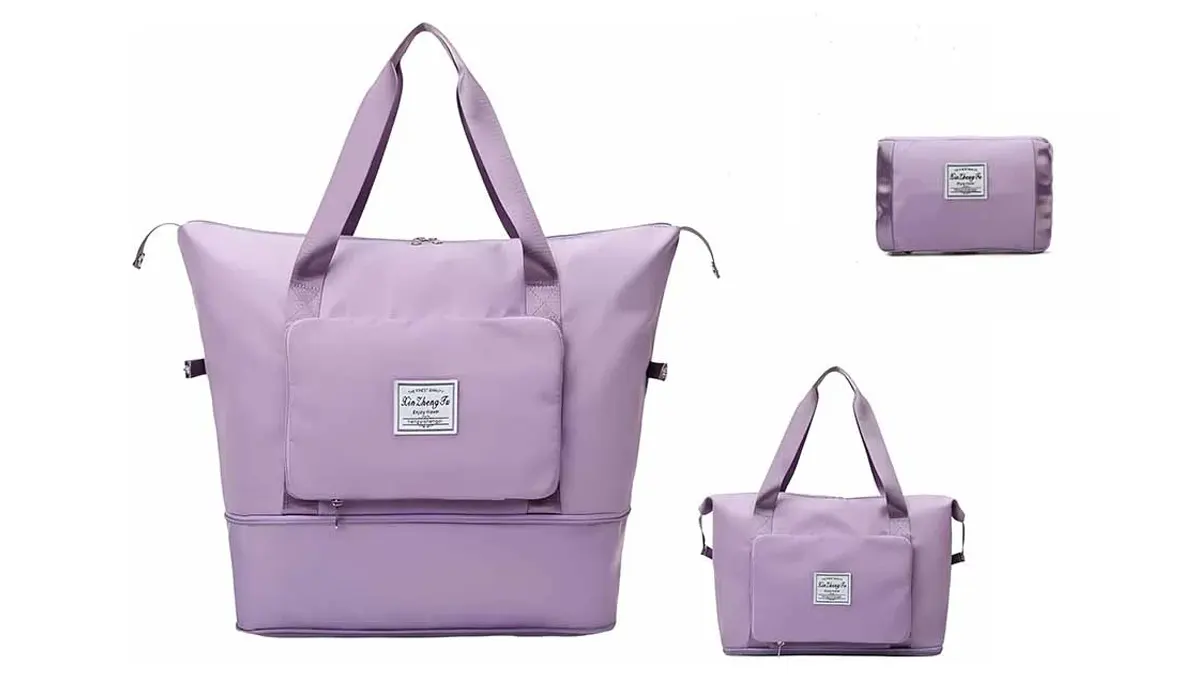
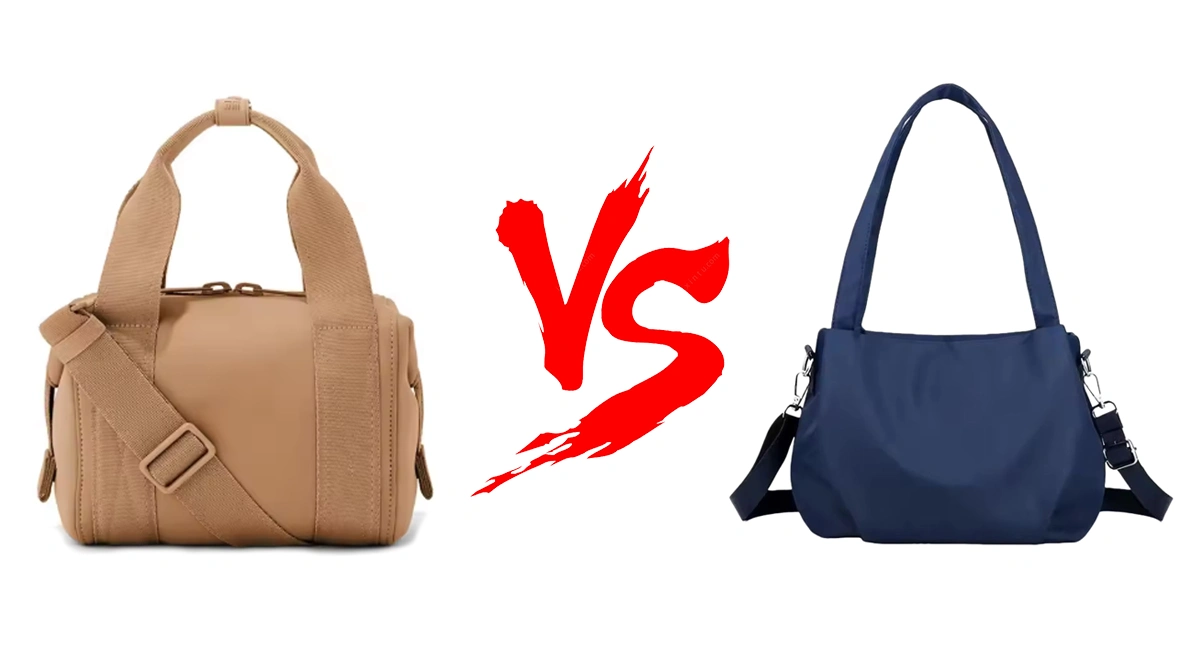
If you want a bag that lasts long, neoprene is best when comparing neoprene vs nylon bags. It does not get damaged easily by rubbing. Just look at this:
| Material | Abrasion Resistance |
|---|---|
| Neoprene | High |
| Nylon | Moderate |
Neoprene bags also keep water out better. But they feel heavier to carry. In the neoprene vs nylon bags debate, nylon bags are lighter and still strong. However, they do not stop scrapes as well. Here is a quick look at how neoprene and nylon bags are different:
| Feature | Neoprene Bags | Nylon Bags |
|---|---|---|
| Water Resistance | Excellent | Moderate |
| Durability | High | Moderate to high |
| Weight | Heavier | Lightweight |
Neoprene bags give you more protection and keep things warm or cool. When you pick between neoprene and nylon bags, think about what you need most. Do you want strength, water resistance, or easy carrying?
Key Takeaways
- Neoprene bags are very strong and resist water well. They are great for keeping electronics safe and items warm or cool.
- Nylon bags are light and do not cost much. They are good for school or travel because they do not feel heavy.
- Think about what you need in a bag.
- Pick neoprene if you want more protection and insulation.
- Pick nylon if you want something lighter and cheaper.
- Both materials look different.
- Neoprene bags have bright colors and modern styles.
- Nylon bags look classic and can be used in many ways.
- Nylon bags usually last longer and do not tear easily. They are good for carrying heavy things every day.
- Neoprene bags can hold smells and need more cleaning.
- Nylon bags are simple to wash and take care of.
- When you choose a bag, think about what you carry most.
- Also, think about how you use your bag each day.
- You can get custom bags with both materials.
- Neoprene bags often cost more because they are harder to make.
Neoprene vs Nylon Bags: Quick Comparison
At-a-Glance Features
When you look at neoprene vs nylon bags, you notice some big differences right away. You might want a bag that feels light, or maybe you need one that keeps water out. Here’s what you should know:
- Nylon bags feel lighter and breathe better. You can carry them all day without feeling weighed down. They work best for backpacks, luggage, and straps.
- Neoprene bags give you more cushioning and insulation. They feel soft and protect your stuff from bumps. You see them in laptop sleeves, cooler bags, and wetsuits.
- Nylon costs less. You can find recycled nylon bags, which is great if you care about the planet.
- Neoprene bags cost more because they take longer to make. New eco-friendly neoprene options are starting to show up.
“Nylon’s crystalline polymer structure gives it superior recovery after stress. It stretches slightly but snaps back—unlike neoprene, which creeps under sustained load.” — Dr. Lena Patel, MIT Textile Lab
You might wonder which bag holds its shape better. Nylon bags keep their form, even when they’re not full. Neoprene bags can slump or lose firmness over time. If you want a bag that looks neat and stands up straight, nylon is the way to go.
Summary Table
Here’s a quick table to help you compare neoprene vs nylon bags side by side. You can see which features matter most for your needs.
| Feature | Neoprene Bags | Nylon Bags |
|---|---|---|
| Durability | High abrasion resistance, but can slump | Strong seams, holds shape, supports heavy loads |
| Water Resistance | Excellent short-term repellency | Good with PU coating, dries fast |
| Weight | Heavier, adds bulk | Lightweight, easy to carry |
| Comfort | Cushioned, insulating, feels premium | Breathable, lighter, comfy for long wear |
| Style | Modern, bold colors, soft touch | Classic, many colors, crisp look |
| Maintenance | Prone to odor retention, needs airing out | Easy to clean, less likely to trap smells |
| Value | More expensive, premium feel | 20-40% cheaper, recycled options available |
If you need a bag for school or travel, nylon bags work well because they are light and strong. If you want extra protection for your laptop or snacks, neoprene bags keep things safe and insulated. When you compare neoprene vs nylon bags, think about what you carry and how you use your bag every day. You get more comfort and style with neoprene, but nylon gives you better value and easy care.
Material Overview
Neoprene Explained
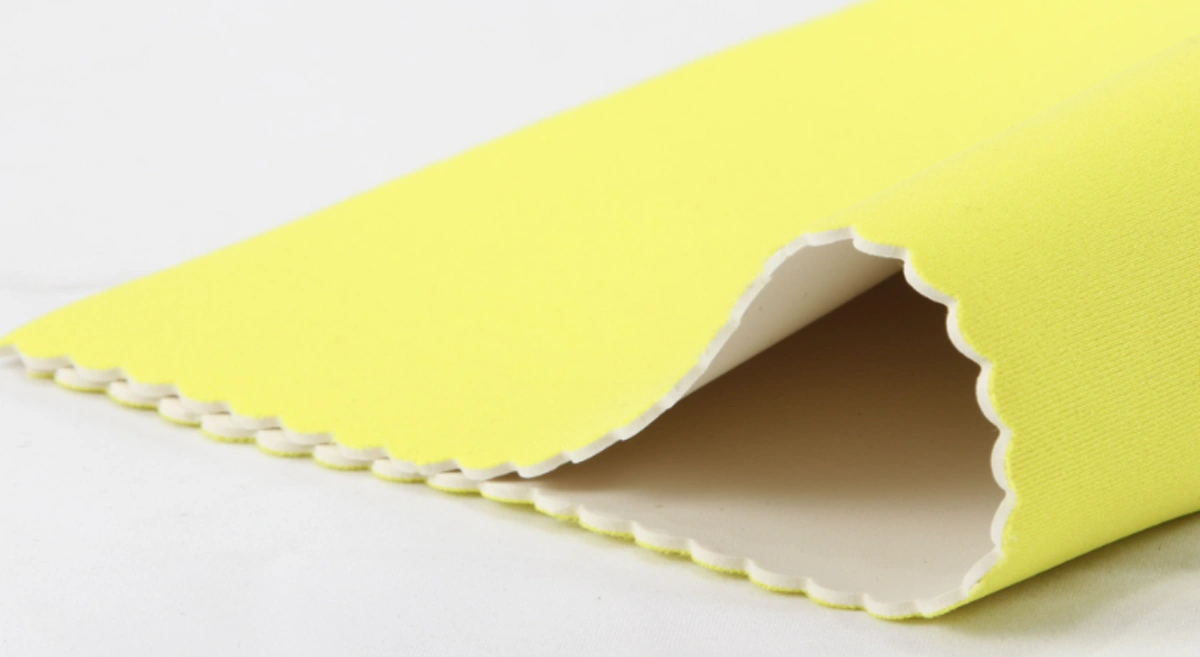
Composition
Neoprene is a type of synthetic rubber. You might notice it feels soft and stretchy when you touch it. Manufacturers create neoprene by blending chemicals and shaping the material into thick, flexible sheets. This process gives neoprene its famous bounce and cushion. Each step in making neoprene—like material selection, blending, shaping, and finishing—matters a lot. These steps help neoprene stay tough, flexible, and water-resistant. That’s why you see neoprene bags holding up so well, even when you use them every day.
Tip: Neoprene’s closed-cell structure keeps water out. This makes it a favorite for bags that need to protect your stuff from rain or spills.
Uses in Bags
You see neoprene in all sorts of bags. Laptop sleeves, lunch totes, and camera cases often use neoprene. Why? Neoprene cushions your gear and keeps it safe from bumps. It also helps keep your food warm or cool. If you drop your bag, neoprene absorbs some of the shock. You might like how neoprene bags feel soft and flexible. They stretch a bit, so you can fit more inside. Some people even use neoprene bags for the gym or beach because they resist water and stains.
- Popular neoprene bag uses:
- Laptop and tablet sleeves
- Lunch bags and cooler totes
- Camera and gadget cases
- Gym and swim bags
Neoprene bags often come in bold colors and modern designs. If you want a bag that stands out, neoprene gives you lots of choices.
Nylon Explained
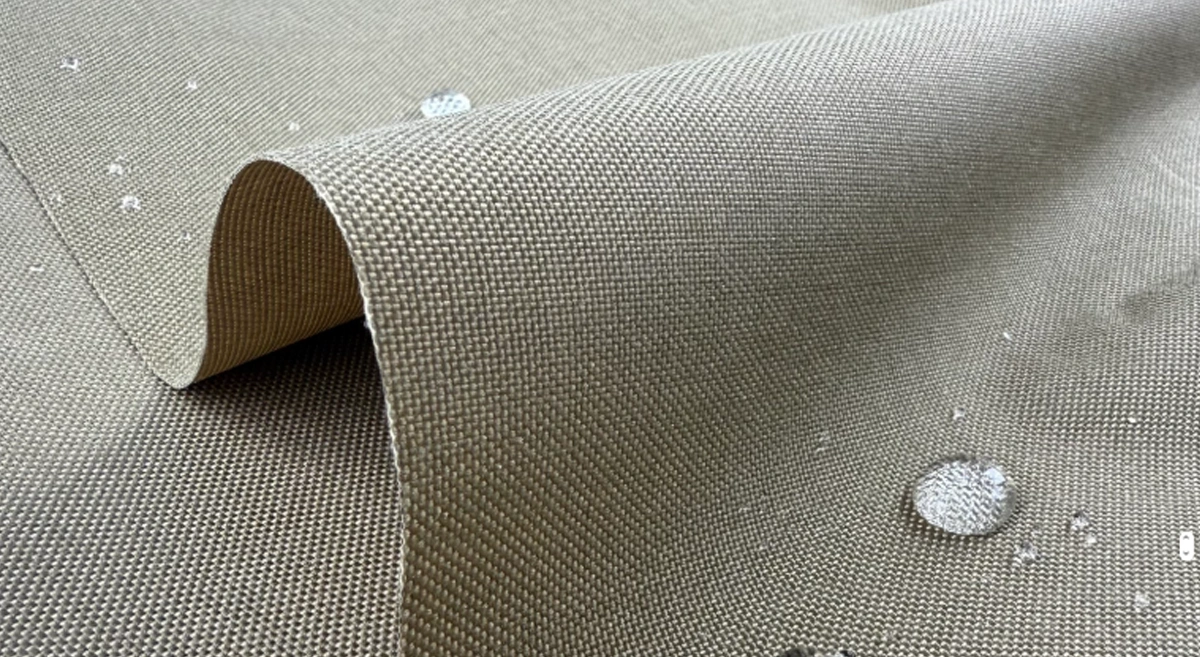
Composition
Nylon is a synthetic fiber made from long chains of molecules. It feels smooth and strong. You might notice nylon fabric in backpacks, jackets, or even tents. The process to make nylon bags has changed a lot over time. Today, factories use automated cutting and sewing. This makes each bag more precise and saves time. New types of nylon fabric add extra strength and durability. Some companies even use nanotechnology to make nylon bags more water-resistant and longer-lasting.
- How modern nylon manufacturing helps your bag:
- Automated cutting and sewing improve precision and efficiency.
- Advanced nylon fabrics enhance strength and durability.
- Nanotechnology applications improve water resistance and longevity.
Note: Nylon’s tight weave helps it resist tears. It also dries quickly if it gets wet.
Uses in Bags
You find nylon in many types of bags. Backpacks, duffel bags, and travel luggage often use nylon because it is light and strong. You can carry a nylon bag all day without feeling tired. Nylon bags work well for school, sports, or travel. They hold their shape, even when you pack them full. Some nylon bags use recycled materials, which is great if you care about the environment.
- Common nylon bag uses:
- School backpacks
- Travel luggage and duffels
- Tote bags and shopping bags
- Sports and gym bags
Nylon bags come in many colors and styles. You can find classic looks or bright, fun designs. If you want a bag that is easy to clean and lasts a long time, nylon is a smart choice.
Neoprene vs Nylon Bags: Durability Comparison
When you look at bags, you want them to last. This durability comparison will help you see how neoprene and nylon bags stand up to daily use, rough handling, and time.
Neoprene Durability
Abrasion Resistance
Neoprene bags do a great job protecting your stuff from bumps and scrapes. The material feels soft, but it is tough. Neoprene resists scratches and scuffs, so you do not see marks as quickly as you might on other fabrics. If you drop your bag or slide it across the floor, neoprene can take the hit.
Neoprene’s closed-cell structure helps it bounce back after rough treatment. You will notice fewer scratches, especially if you use your bag for sports or outdoor activities.
Longevity
Neoprene bags can last a long time if you take care of them. Most neoprene bags stay in good shape for about three years. The color may fade after a while, and sometimes the layers can peel if the bag is not laminated. Still, you get solid durability for everyday use.
| Bag Type | Average Lifespan | Additional Notes |
|---|---|---|
| Neoprene | ~3 years | Color may fade; neoprene can delaminate if not laminated. |
Neoprene bags keep working well even when you use them a lot. They hold up in wet weather and protect your things from water. If you carry heavy items often, you might notice the bag feels heavy, and it may lose its shape over time. Neoprene bags do best when you use them for light to medium loads.
If you want a bag that stays strong and looks good, remember to air it out and avoid overstuffing.
Nylon Durability
Strength
Nylon bags are famous for their strength. You can pack them full, and they will not tear easily. Nylon comes in different types, and some are stronger than others. For example, Nylon 6,6 is about 20–30% stronger than regular Nylon 6. This makes it perfect for luggage and tool bags.
| Type of Nylon | Tensile Strength |
|---|---|
| Nylon 6 | Good (baseline) |
| Nylon 6,6 | +20–30% stronger than Nylon 6 |
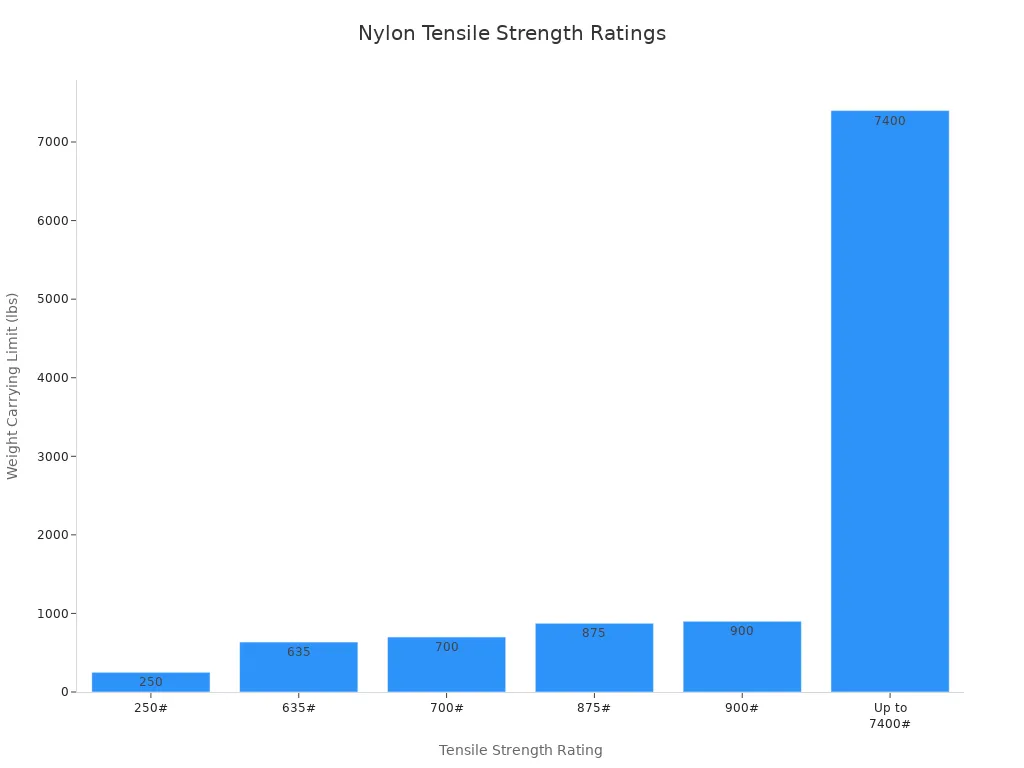
Nylon bags can carry a lot of weight. Some nylon fabrics can hold up to 7,400 pounds! That is more than you will ever need for a school bag or backpack.
| Tensile Strength Rating | Weight Carrying Limit |
|---|---|
| 250# | 250 pounds |
| 635# | 635 pounds |
| 700# | 700 pounds |
| 875# | 875 pounds |
| 900# | 900 pounds |
| Up to 7400# | 7400 pounds |
You will find different types of nylon in bags:
- Nylon 6: Used in backpacks and cosmetic bags.
- Nylon 6,6: Great for luggage and tool bags.
- Nylon 11: Good for eco-friendly outdoor bags.
- Nylon 12: Used in waterproof and dry bags.
- Nylon 46: Used in tactical gear and covers.
Everyday Use
Nylon bags hold up well in daily life. You can use them for school, sports, or travel. They resist tears and keep their shape, even if you use them every day. In tests, woven 420D nylon lasted over 25,000 abrasion cycles before showing wear. That means you can trust nylon bags to last.
| Fabric Type | Abrasion Cycles Before Wear (Standard ASTM D4966) |
|---|---|
| Nylon (woven 420D) | 25,000+ cycles |
| Rayon (plain weave) | 3,000–5,000 cycles |
Most nylon bags last between three and five years. If you pick a bag with ripstop nylon, you get even more durability. Tear rates stay under 5% in the first 18 months for these bags.
| Bag Type | Average Lifespan | Additional Notes |
|---|---|---|
| Nylon | 3–5 years | Tear rates <5% within 18 months when using 210D ripstop. |
Longevity
How long your bag lasts depends on how you treat it. Both neoprene and nylon bags need some care to reach their full lifespan. Here are some tips to help your bag last longer:
- Keep your bag out of direct sunlight for long periods. Sun can fade colors and weaken the material.
- Clean your bag with mild soap and warm water. Stay away from harsh chemicals.
- Let your bag air dry. Do not use high heat.
- Store your bag in a cool, dry place.
- Do not overload your bag. Heavy loads can stretch or damage the fabric.
- Check your bag for signs of wear. Replace it if you see damage.
Neoprene bags give you great water resistance and protection, but they may feel heavy and lose shape if you carry too much. Nylon bags offer strong seams, high weight limits, and better shape retention. You get more years out of nylon bags, especially if you pick a high-quality one.
If you want a bag that lasts, think about how you use it. For heavy loads and daily use, nylon is a smart pick. For water resistance and soft protection, neoprene works well.
Water Resistance
Neoprene Protection
Waterproof Qualities
You want your bag to keep your things dry. Neoprene bags do a great job with water resistance. The material has a closed-cell structure, so water cannot get inside easily. If you spill a drink or get caught in the rain, your neoprene bag will protect your stuff. You might notice that neoprene feels thick and rubbery. That helps block water from soaking through. Many people use neoprene bags for swimming gear or lunch because they trust the water resistance.
Neoprene bags work well for wet weather. You can carry your phone, snacks, or books without worrying about water damage.
Wet Conditions
When you use a neoprene bag in wet conditions, you see the benefits right away. The bag does not absorb much water, so it stays light. You do not have to wait long for it to dry. If you go to the beach or pool, neoprene bags keep your towels and clothes safe from splashes. You can shake off most of the water, and the bag will not feel soggy.
Nylon Protection
Water-Repellent
Nylon bags offer good water resistance, but they work a bit differently. Nylon fabric needs a special coating, like PU or TPU, to block water. Without this coating, nylon absorbs more water than neoprene. You might see nylon bags with a shiny finish. That is the coating that helps with water resistance features. Nylon bags dry faster than many other fabrics, but they can get heavy if they soak up too much water.
Here is a table that shows how nylon compares to other materials in wet conditions:
| Fabric Type | Water Absorption (%) | Water Weight After Rain (per m²) | Dry Time (hours in open air) |
|---|---|---|---|
| Nylon | 3–4% | 80–120g | 2–3 hours |
| Polyester | <1% | 20–40g | 1–1.5 hours |
You can see that nylon absorbs more water than polyester. If you want the best water resistance, look for nylon bags with a high-quality coating.
Wet Conditions
Nylon bags handle rain and splashes well, especially when they have a good coating. You can use them for school, travel, or sports. If your nylon bag gets wet, it will dry in a few hours. In a real-world test, a polyester backpack stayed drier than a nylon one after heavy rain. Nylon bags can sag if they absorb too much water, but they still protect your things better than cotton or canvas.
- Polyester usually beats nylon in basic water resistance tests.
- Both nylon and polyester need coatings for true waterproofing.
- Nylon with a strong coating can last longer and keep water out better over time.
Rain Protection
You want a bag that stands up to rain. Neoprene bags give you strong water resistance, so you do not have to worry about your things getting wet. Nylon bags also protect against rain, but you need to check for a good coating. If you live in a rainy area or carry electronics, you should pick a bag with top water resistance. Neoprene works best for short trips in wet weather. Nylon bags with PU or TPU coating are great for long-term use and heavy rain.
Tip: Always check the label for water resistance features before you buy a bag. That way, you know your gear will stay dry.
Weight & Comfort
Neoprene Weight
Cushioning
When you pick up a neoprene bag, you notice how soft it feels. Neoprene gives you extra padding, which helps protect your things. The material acts like a cushion, so your electronics and snacks stay safe from bumps. You might see neoprene bags with padded straps and handles. These features spread the weight across your shoulder, making it easier to carry for a long time.
Here’s a quick look at the comfort features you get with neoprene bags:
| Feature | Description |
|---|---|
| Padded Straps and Handles | These help you avoid sore shoulders by spreading out the weight. |
| Shock-Absorbing Padding | Your laptop or tablet gets extra protection from drops and knocks. |
| Soft Interior Lining | Keeps screens and surfaces scratch-free, so your gear stays in good shape. |
Neoprene bags often have a soft interior lining. This keeps your items from getting scratched. If you carry a phone or tablet, you’ll appreciate this gentle touch. The shock-absorbing padding also means you don’t have to worry as much about dropping your bag.
Carry Comfort
You might think neoprene bags feel heavy, but many lightweight options weigh under 300 grams. These lighter bags help reduce shoulder strain, especially if you carry them all day. If you choose a neoprene crossbody bag, it can weigh less than 8 ounces. That makes a big difference when you walk or travel for hours.
Still, comfort depends on more than just weight. The way the straps fit and how the bag sits on your body matter a lot. Wide, padded straps help spread the load, so you don’t feel tired as quickly. If the straps are thin, you might notice muscle tension after a while. Neoprene bags with good strap design keep you comfortable, even when you pack them full.
Tip: If you want a bag for long days, look for neoprene with padded straps and a soft lining. Your shoulders will thank you!
Nylon Weight
Lightweight
Nylon bags stand out because they feel light. You can carry a nylon backpack or tote all day without feeling weighed down. Most nylon bags weigh less than neoprene ones, so you get less bulk and more freedom to move. If you need a bag for school, sports, or travel, nylon makes it easy to pack and go.
You’ll notice that nylon bags don’t add much weight, even when you fill them up. This helps you avoid fatigue, especially if you walk or bike to school. Lightweight nylon bags are great for kids and adults who want something easy to carry.
Carry Comfort
Comfort with nylon bags comes from their lightness and smart design. Many nylon bags have adjustable straps, so you can find the best fit for your body. Some bags use wide straps to spread out the weight, which helps you stay comfortable during long trips.
The way the bag holds its shape also matters. Structured nylon bags often have padded straps that make carrying easier. Even if the bag is heavier, these straps help distribute the weight evenly. You get less pressure on your shoulders and back.
Note: When you choose a nylon bag, check the straps and padding. A lightweight bag with good straps gives you the best comfort for everyday use.
Insulation & Protection
Neoprene Insulation
Temperature Control
Neoprene does more than just look cool. It helps you keep things at the right temperature. If you pack a lunch or carry a drink, neoprene acts like a mini cooler or warmer. The thick, rubbery material traps heat or cold inside your bag. You can use a neoprene lunch tote to keep your sandwich fresh or your water bottle cold for hours. Many people love neoprene bags for picnics, school lunches, or even carrying snacks to the park.
Tip: Neoprene bags work great for food, drinks, or anything you want to keep warm or cool. You do not need ice packs or extra wraps most of the time.
Shock Absorption
You want your stuff to stay safe, right? Neoprene gives you a big advantage here. The material feels soft and bouncy, but it is tough when it comes to protecting your things. If you drop your bag, neoprene absorbs the shock and spreads out the impact. This means your laptop, tablet, or camera has a better chance of surviving a fall.
Neoprene outperforms nylon in shock absorption. Tests show that neoprene can cut down impact forces by up to 30% compared to nylon bags without padding. You get more peace of mind when you carry electronics or fragile items. You do not have to worry as much about bumps or drops.
- Why choose neoprene for protection?
- Absorbs and disperses impact energy
- Keeps electronics safer from falls
- Reduces the need for extra padding
Nylon Protection
Basic Insulation
Nylon bags give you some insulation, but not as much as neoprene. The fabric is thin and light, so it does not trap heat or cold very well. If you carry a cold drink in a nylon bag, it warms up faster. Hot food cools down quickly, too. Nylon works best for carrying books, clothes, or sports gear. You can use it for snacks, but do not expect it to keep things fresh for long.
| Feature | Neoprene Bags | Nylon Bags |
|---|---|---|
| Temperature Hold | 4-6 hours | 1-2 hours |
| Best Use | Food, drinks | Books, gear |
Shock Resistance
Nylon bags can handle daily bumps and scrapes. The fabric is strong and resists tearing. However, nylon does not absorb shock as well as neoprene. If you drop a nylon bag with a laptop inside, you might need extra padding to keep it safe. Nylon protects your things from scratches and light knocks, but it does not cushion heavy impacts.
If you want basic protection for everyday items, nylon works fine. For fragile electronics or valuables, you should look for added padding or choose neoprene.
- Quick recap:
- Nylon resists tears and scratches
- Needs extra padding for shock protection
- Best for books, clothes, and sturdy items
You can pick the right bag by thinking about what you carry most. If you want insulation and shock protection, neoprene is your best bet. If you need something light for everyday use, nylon does the job.
Style & Appearance
Neoprene Style
Colors
You will notice that neoprene bags come in a wide range of colors. You can find bright neons, soft pastels, and even deep, bold shades. If you like to stand out, you might love the way neoprene holds color. The material takes dye very well, so the colors look rich and vibrant. Some brands offer limited-edition prints or patterns, which can make your bag feel unique. You can match your neoprene bag to your outfit, your mood, or even your favorite sports team.
- Neon pink, electric blue, and lime green are popular choices.
- You can also find classic black, gray, and navy for a more subtle look.
- Some neoprene bags feature color-blocking or fun graphic designs.
Tip: If you want a bag that pops, go for a neoprene style with a bold color or pattern.
Modern Looks
Neoprene bags look modern and fresh. The material feels smooth and soft, almost like a wetsuit. You will see clean lines and simple shapes. Many neoprene bags have a structured form, so they keep their shape even when empty. This makes them look neat and tidy. You might see tote bags, backpacks, or crossbody bags made from neoprene. Some have chunky zippers or wide straps, which add to the modern vibe.
Neoprene bags are practical, too. They work well for the gym, the beach, or even as a lunch tote. The structure of neoprene makes these bags sturdy and reliable. While they look stylish, they also protect your things inside. If you want a bag that feels both trendy and useful, neoprene is a great pick.
Nylon Style
Colors
Nylon bags give you lots of color choices, too. You can find almost any shade, from soft earth tones to bright, playful colors. Nylon takes dye well, but the finish is usually more matte than neoprene. If you like a classic look, you might choose navy, olive, or black. For something fun, try red, yellow, or teal.
Here’s a quick table to compare color options:
| Material | Color Vibrancy | Finish | Popular Choices |
|---|---|---|---|
| Neoprene | Very bright | Smooth | Neon, pastel, bold |
| Nylon | Bright | Matte/crisp | Earth tones, brights |
Nylon bags often come in solid colors, but you can also find prints, stripes, or even camo patterns. Some brands use recycled nylon, which sometimes gives the bag a unique texture or color.
Classic Looks
Nylon bags have a timeless style. You will see simple shapes, like rectangles or ovals, and clean stitching. Many nylon bags look crisp and neat, which makes them perfect for school, travel, or work. The material feels light and flexible, so the bag moves with you. You might notice that nylon bags hold their shape well, even after lots of use.
Nylon bags fit in almost anywhere. You can carry one to class, to the gym, or on a trip. The classic look never goes out of style. If you want a bag that matches everything and always looks sharp, nylon is a safe choice.
Note: Recent fashion trends show more people choosing bags with texture and depth, like woven styles, for their unique look and eco-friendly appeal. Neoprene bags focus on structure and practicality, while nylon bags keep things classic and versatile.
Maintenance & Cleaning
Taking care of your bag keeps it looking fresh and helps it last longer. You might wonder if neoprene or nylon is easier to clean. Let’s break down what you need to know for each material.
Neoprene Care
Stain Resistance
Neoprene does a good job resisting stains. The rubbery surface blocks most spills, so you can wipe away dirt before it sets. If you drop your lunch or splash a drink, you usually see the mess on the outside. You can clean it up fast. Neoprene bags don’t soak up liquids like cotton or canvas. That means you get fewer deep stains.
Tip: If you spill something, grab a damp cloth and wipe the spot right away. Quick action stops stains from sticking.
Cleaning Tips
You want to keep your neoprene bag soft and bright. Manufacturers suggest gentle cleaning. Here’s a table to help you remember the do’s and don’ts:
| Recommended Procedures | Don’ts |
|---|---|
| Hand wash with mild detergent and lukewarm water | Machine washing |
| Air dry on a wide, padded hanger or lay flat | Using harsh chemicals |
| Store in a cool, dry place away from sunlight | Wringing out or twisting neoprene |
| Inspect regularly for damage | Hanging by straps or zippers |
| Rinse thoroughly after use | Leaving wet gear in a closed bag |
You can follow these steps for easy cleaning:
- Rinse your neoprene bag with fresh, lukewarm water after each use.
- Hand wash with mild detergent. Gently scrub any dirty spots.
- Rinse well to remove all soap.
- Lay the bag flat or hang it on a padded hanger to dry. Keep it out of direct sunlight.
- Store your bag in a cool, dry spot.
If you get a tough stain, put a little mild detergent on the spot and rub gently. Submerge the bag in cold water, reshape it while wet, and let it dry flat. Stay away from alcohol, acetone, or oil. Never use a washing machine. You could damage the material.
Nylon Care
Stain Resistance
Nylon bags resist stains pretty well. The tight weave keeps dirt on the surface. You can wipe away most messes with a damp cloth. If you spill juice or get mud on your bag, nylon won’t soak it up fast. That makes cleaning easier. Nylon also dries quickly, so you don’t have to wait long after cleaning.
Note: Nylon bags with a water-repellent coating block stains even better. If you want less cleaning, look for coated nylon.
Cleaning Tips
You can clean nylon bags with simple steps. Most nylon bags handle gentle machine washing, but always check the label first. If you want to play it safe, hand wash your bag.
Here’s how you can clean nylon:
- Use a soft brush or cloth to remove loose dirt.
- Mix mild soap with warm water. Wipe the bag with the solution.
- Rinse with clean water to get rid of soap.
- Air dry your bag. Avoid direct sunlight to keep colors bright.
- For tough stains, use a gentle stain remover. Test it on a small spot first.
Nylon bags don’t trap odors like neoprene. You can freshen them up by airing them out. If your bag gets really dirty, you can soak it for a few minutes before scrubbing. Just remember, strong chemicals can fade the color or weaken the fabric.
Tip: Regular cleaning keeps your bag looking new. You spend less time worrying about stains and more time enjoying your bag.
Price & Value
Neoprene Pricing
Cost Factors
When you look at neoprene bags, you notice the price is higher than nylon bags. The reason is simple. Neoprene costs more to make. Factories use special chemicals and thick sheets to create the soft, bouncy material. The process takes more time and energy. You also see strict safety rules in places like the EU. These rules push companies to use eco-friendly methods, which raise costs. Neoprene is popular in the automotive and construction industries, so demand stays strong. New eco-friendly neoprene options are growing because of sustainability policies.
Here are some things that make neoprene bags cost more:
- Extra energy needed for manufacturing
- Tough safety and environmental standards
- High demand in sportswear, cars, and building materials
- Innovation in eco-friendly neoprene
Value
You pay more for neoprene, but you get extra benefits. Neoprene bags protect your stuff from water and bumps. They keep food and drinks hot or cold. If you want a bag that stands out, neoprene offers bold colors and modern styles. You also get a premium feel. Many people use neoprene bags for laptops, lunch, or travel because they last and look good.
Let’s compare prices for popular bags:
| Bag Type | Price |
|---|---|
| Jenna Nylon & Vegan Top Handle Crossbody | $68.00 |
| Lily Woven Neoprene Tote with Pouch | $158.00 |
| Natalia Nylon Small Messenger | $88.00 |
You see that neoprene bags like the Lily Woven Tote cost more than nylon bags. If you want a bag that gives you protection and style, neoprene is worth the extra money.
Nylon Pricing
Cost Factors
Nylon bags usually cost less. Factories make nylon with long chains of molecules. The process uses a lot of energy, but it is faster than making neoprene. Nylon comes from polyamide, which is stronger but harder to produce than polyester. Environmental rules in the EU and Asia add to the cost, but not as much as with neoprene. Nylon is popular for backpacks, travel bags, and sports gear.
Here are some things that affect nylon bag prices:
- High energy use in manufacturing
- Environmental regulations
- Raw material costs (polyamide vs. polyester)
- Demand in sportswear and protective gear
Value
You get good value with nylon bags. They are strong, light, and easy to clean. Nylon bags hold their shape and last for years. You find many styles and colors, from classic to bright. Some brands use recycled nylon, which helps the planet and keeps costs low. If you want a bag for school, travel, or sports, nylon gives you quality without a big price tag.
You can find nylon bags for less than $70. For example, the Jenna Nylon Crossbody costs $68. The Natalia Nylon Messenger is $88. These bags offer durability and style at a lower price than neoprene.
Tip: If you want a bag that is light, strong, and affordable, nylon is a smart choice. You save money and still get a bag that works for everyday life.
Choosing Your Bag
Everyday Use
You want a bag that fits your daily routine. Neoprene and nylon both offer great choices, but each has its own strengths. If you carry your bag to school, work, or just around town, you need something that feels light and easy to manage. Nylon bags stand out here. They feel light, hold their shape, and come in many styles. You can toss your books, lunch, or gym clothes inside and head out the door.
Neoprene bags work well for everyday use too. You might like how soft and flexible they feel. They cushion your stuff, so your phone or tablet stays safe from bumps. Neoprene tote bags are washable and durable. You can use them for groceries, errands, or even as a diaper bag insert. If you want a bag that looks stylish and feels soft, neoprene is a solid pick.
Here are some top uses for neoprene bags in daily life:
- Medical device carrying cases for health tools
- Electronics sleeves for laptops and tablets
- Internal pouches for communication gear
- Tote bags for shopping or errands
- Diaper bag organizers for baby gear
- Rugged utility bags for tough jobs
Nylon bags make sense if you want something light and easy to clean. Neoprene bags give you extra protection and a soft touch. Think about what you carry most often. Do you need to protect electronics? Go with neoprene. Want a classic look and easy care? Nylon is your friend.
Travel & Outdoors
You need a bag that can handle travel and outdoor adventures. Nylon bags shine in this area. They feel light, resist tears, and dry quickly. You can pack a nylon backpack for a hike or a trip and not worry about weight. Nylon duffel bags work well for sports, camping, or weekend getaways. They hold up to rough use and keep your gear safe.
Neoprene bags offer good water resistance. If you plan to visit the beach or pool, a neoprene tote keeps your towels and snacks dry. You can use neoprene for short trips in wet weather. The material blocks water and cushions your things. For longer trips or heavy loads, nylon bags give you more comfort and strength.
Tip: For hiking or travel, pick a nylon bag with padded straps. You get less shoulder strain and more room for your gear.
Style Needs
You want your bag to match your style. Neoprene bags come in bold colors and modern shapes. You can find neon pink, electric blue, or cool patterns. These bags stand out and feel trendy. If you like a soft, smooth look, neoprene is a fun choice.
Nylon bags offer classic styles. You see earth tones, crisp lines, and simple shapes. Nylon fits in at school, work, or on a trip. You can pick a bright color or stick with navy or black. Nylon bags look neat and never go out of fashion.
| Style Feature | Neoprene Bags | Nylon Bags |
|---|---|---|
| Color Choices | Bold, vibrant | Classic, matte |
| Shape | Modern, structured | Timeless, flexible |
| Finish | Smooth, soft | Matte, crisp |
Think about your favorite outfits and where you use your bag. If you want to stand out, try neoprene. If you prefer a classic look, nylon is the way to go.
Budget
When you shop for a new bag, your budget matters. You want the best value for your money. Neoprene and nylon bags come at different price points, so let’s break it down.
Nylon bags usually cost less. You can find a good nylon backpack or tote for under $70. Many nylon bags cost between $30 and $90. If you want something simple for school, sports, or travel, nylon gives you a lot of choices without breaking the bank. You also see many sales and discounts on nylon bags, so you can save even more.
Neoprene bags cost more. You might see prices from $80 up to $200 or more, especially for bigger totes or designer brands. Why do neoprene bags cost extra? The material is thicker and takes more work to make. You also get extra features like better water resistance and more padding. If you want a bag that feels premium and protects your stuff, neoprene is worth the higher price.
Here’s a quick table to help you compare:
| Bag Type | Typical Price Range | What You Get |
|---|---|---|
| Nylon | $30 – $90 | Lightweight, strong, easy to clean |
| Neoprene | $80 – $200+ | Cushioned, water-resistant, stylish |
Tip: If you want to save money, look for nylon bags. If you want more protection and style, consider spending extra on neoprene.
You should also think about long-term value. Nylon bags last a long time if you take care of them. They resist tears and stains, so you don’t need to replace them often. Neoprene bags last too, but you pay more up front. You get extra features, but you need to decide if those features matter to you.
Here are some questions to help you choose:
- Do you need a bag for everyday use or special trips?
- Will you carry electronics or fragile items?
- Do you want a bag that stands out, or do you prefer something simple?
- How much do you want to spend right now?
If you have a tight budget, nylon is the smart pick. You get a strong, light bag for less money. If you want to treat yourself or need extra protection, neoprene is a good investment. Remember, the best bag is the one that fits your needs and your wallet.
Note: Sometimes, you can find neoprene bags on sale or buy last season’s colors for less. Keep an eye out for deals!
You don’t have to spend a lot to get a great bag. Think about what matters most to you, set your budget, and pick the bag that makes you happy.
Custom Bag Manufacturing & Wholesale
Our Services
You want a bag that fits your brand or business. We help you make it happen. Our team offers full-service bag manufacturing. You can work with us from the first idea to the final product. We guide you through every step. You get advice on materials, design, and printing. We handle both small and large orders. You can trust us to deliver quality bags on time.
Here’s what you get when you work with us:
- Design support: Share your vision. We help you turn it into a real bag.
- Material selection: Choose from neoprene, nylon, or other fabrics.
- Prototyping: See a sample before you order in bulk.
- Production: We use modern machines for fast, accurate results.
- Quality checks: Every bag goes through inspection before shipping.
Tip: You can ask us questions at any stage. We want you to feel confident about your order.
Custom Options
You want your bags to stand out. We offer many ways to customize your order. You can pick the size, color, and shape. You can add your logo or artwork. You can even choose special features like extra pockets or waterproof zippers.
Here are some popular custom options:
- Colors: Match your brand or event theme.
- Logos and prints: Show off your business or team.
- Handles and straps: Pick the length and style you like.
- Pockets: Add inside or outside pockets for more storage.
- Closures: Choose from zippers, snaps, or Velcro.
| Custom Feature | Options Available |
|---|---|
| Material | Neoprene, Nylon, Canvas |
| Color | Over 50 shades |
| Printing | Screen, digital, embroidery |
| Size | Small, medium, large |
| Extras | Key clips, mesh panels |
Want something unique? Just ask! We love new ideas.
Wholesale Benefits
Buying bags in bulk saves you money. You get lower prices per bag. You also save time because you get all your bags in one shipment. Wholesale is perfect for schools, sports teams, events, or businesses.
Here’s why wholesale works for you:
- Better pricing: The more you order, the less you pay per bag.
- Consistent quality: Every bag matches your standards.
- Easy reordering: Need more bags later? We keep your design on file.
- Fast turnaround: We ship large orders quickly.
Note: Wholesale orders start at low minimums. You don’t need to order thousands to get a good deal.
You can boost your brand, reward your team, or prepare for your next big event. Custom bags make great gifts and help people remember your name. Ready to get started? Reach out to us for a quote or free sample.
Conclusion
You now understand how neoprene and nylon bags are different. Neoprene bags last longer and keep water out better. Nylon bags are lighter and cost less money. Here’s a simple chart:
| Feature | Neoprene | Nylon |
|---|---|---|
| Durability | High | Moderate |
| Water Resistance | Excellent | Good |
| Price Range | Higher | Lower |
Pick neoprene if you want a strong bag that blocks water. Choose nylon if you want something light and want to save money. Think about what is most important for you. If you want custom bags, we can help you make and order the best ones for you!
FAQ
What makes neoprene bags better for water resistance?
Neoprene has a closed-cell structure. Water cannot get through easily. You can trust it to keep your things dry, even in heavy rain or at the pool.
Are nylon bags strong enough for heavy books?
Yes! Nylon bags hold up well with heavy loads. You can pack your textbooks, gym gear, or groceries. The seams and fabric stay strong.
Can I wash my neoprene bag in the washing machine?
No, you should not use a washing machine. Hand wash your neoprene bag with mild soap and water. Air dry it flat to keep its shape.
Do neoprene bags smell after a while?
Sometimes neoprene holds onto odors, especially if it gets wet often. You can air it out or wipe it with a damp cloth to keep it fresh.
Which bag is lighter to carry every day?
Nylon bags feel lighter. You can carry them all day without getting tired. Neoprene bags weigh more because of their thick, cushioned material.
Are there eco-friendly options for both materials?
Yes! You can find recycled nylon bags. Some brands now offer eco-friendly neoprene made with less waste. Always check the label for green choices.
Will the colors fade on neoprene or nylon bags?
Bright colors on both bags can fade over time, especially in sunlight. Neoprene holds color well, but you should store both bags away from direct sun.
Which bag is better for carrying electronics?
Neoprene bags give you more padding and shock protection. You can use them for laptops or tablets. Nylon bags work too, but you may need extra padding.