If you have ever thought about customizing a bag, a shirt, or even a gift, you have probably seen the terms monogram and embroidery. Both are popular ways to add a personal touch, but they are not the same. A monogram usually refers to letters, often initials, arranged in a decorative style, while embroidery is the actual process of stitching designs onto fabric.
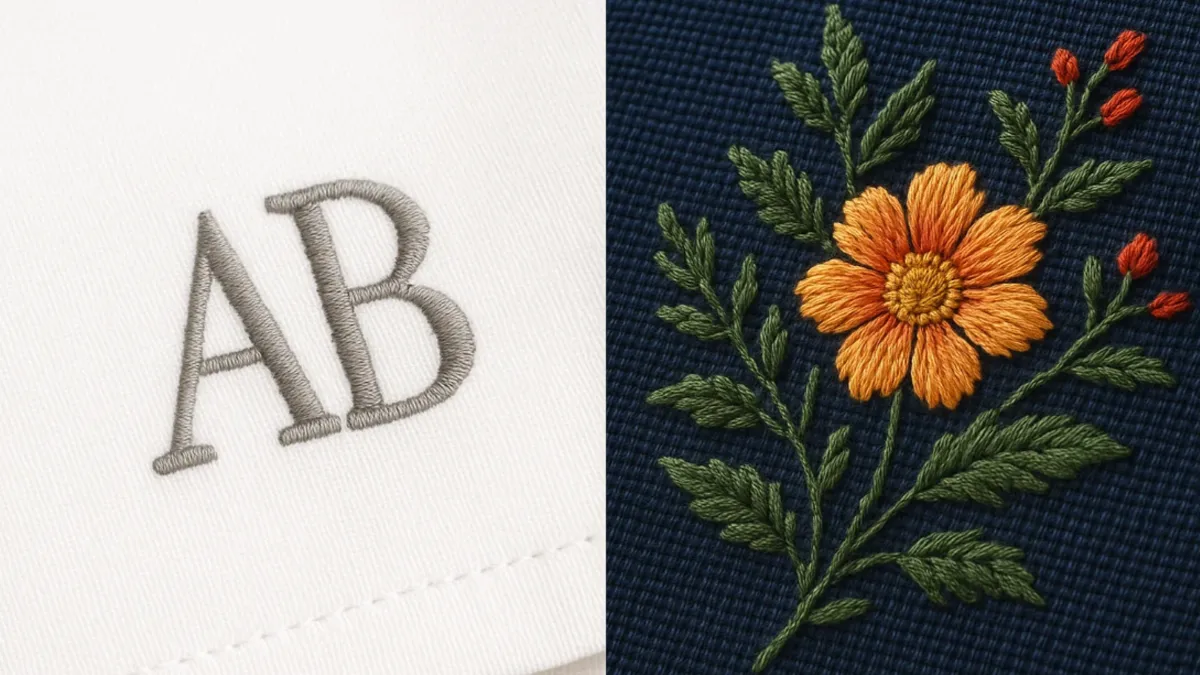
In this guide, we will break down monogram vs embroidery in simple terms. You will learn what each one means, how they are different, when to choose one over the other, and how both are used in the bag industry. By the end, you will know exactly which option fits your needs.
What Is a Monogram?
A monogram is one of the simplest but most effective ways to personalize a product. At its core, it is just a set of letters—often someone’s initials—arranged in a stylish way. You have probably seen monograms on tote bags, wallets, or even gift packaging. What makes monograms so popular is how versatile they are. Depending on the material of the bag or product, the letters can be applied using different techniques.
For example, embroidery is one of the most common methods. The letters are stitched directly into the fabric, creating a textured, durable finish that works well on canvas, cotton, or felt. If you are working with polyester or synthetic fabrics, heat transfer vinyl (HTV) is a great choice, because the vinyl letters bond tightly when pressed with heat. For larger batches, especially promotional tote bags, screen printing makes sense since it allows you to reproduce the same monogram quickly and cost effectively. And if you are working with leather or faux leather, embossing or debossing gives the letters a high end, luxury look that really stands out.
This flexibility is why monogramming is such a hit in branding and packaging. Whether it is reusable shopping bags, promotional giveaways, or company merchandise, a simple set of initials can instantly lift the look and feel of the product. It adds that personal touch people remember, while also helping businesses strengthen their brand identity.
| Material | Best Technique | Why It Works Well |
|---|---|---|
| Canvas / Cotton | Embroidery | Strong, textured, and durable finish |
| Polyester / Synthetics | Heat Transfer Vinyl (HTV) | Bonds tightly with heat, great for smooth fabrics |
| Tote Bags (bulk orders) | Screen Printing | Cost effective for large runs, bold colors |
| Leather / Faux Leather | Embossing / Debossing | Creates a premium, high end look with texture |
What Is Embroidery?
Embroidery is one of the most durable and professional ways to customize fabric. Designs are stitched directly into the material with strong, colorful threads, which makes them last for years. Unlike printing methods that can fade or crack, embroidery holds up well even after repeated washing and heavy use. That is why it is such a popular choice for long term branding, company merchandise, promotional products, and custom apparel.
How Embroidery Works
The embroidery process has a few key steps that bring designs to life:
- Digitizing the design: The logo or artwork is converted into a stitch file so the machine knows exactly where to place each thread.
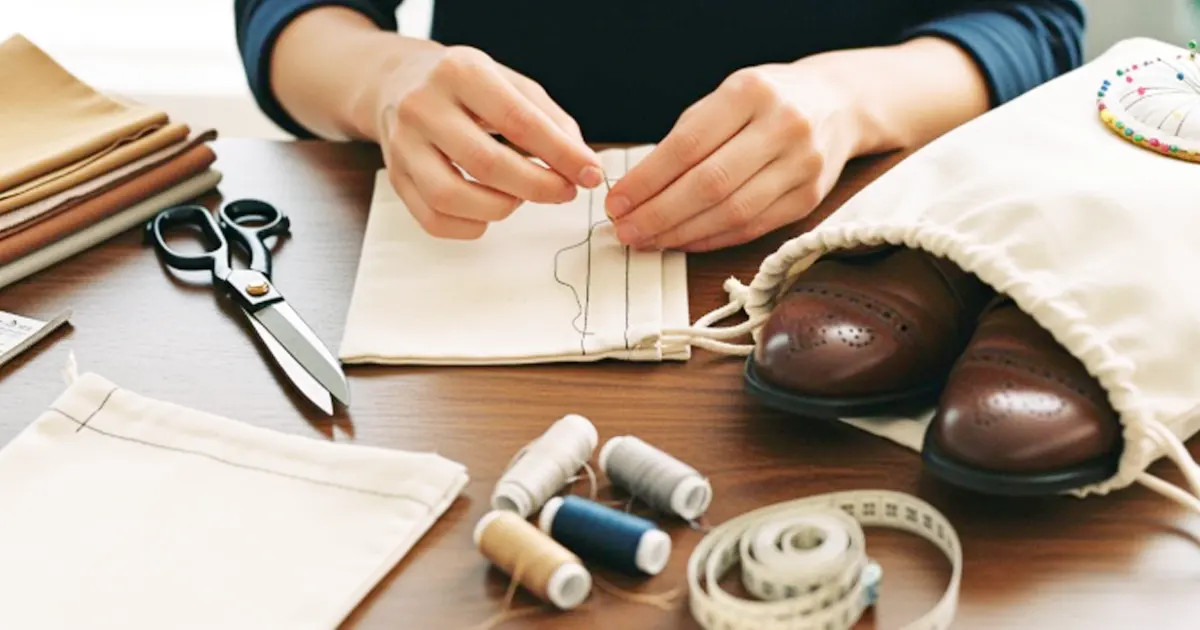
- Machine stitching: High quality embroidery machines sew the design onto the fabric using durable threads that add texture and depth.
- Finishing touches: Excess backing material is trimmed away, leaving the fabric neat and smooth.
| Feature | Embroidery | Printing (Screen / Heat Transfer) |
|---|---|---|
| Durability | Lasts for years, resists washing and wear | May fade, crack, or peel over time |
| Appearance | Textured, high end, premium look | Smooth, flat, vibrant colors |
| Best For | Logos, small to medium designs, long term use | Large colorful designs, short term promos |
| Cost | Higher for complex designs | Lower for bulk or simple designs |
| Perceived Value | Professional and upscale | Fun, bold, and budget friendly |
Because embroidery has a textured, high end appearance, it is often chosen by businesses that want their custom reusable bags to look premium and polished. Whether it is a tote bag, a backpack, or a promotional giveaway, embroidery adds a touch of quality that helps a brand stand out.
Key Differences Between Monogram and Embroidery?
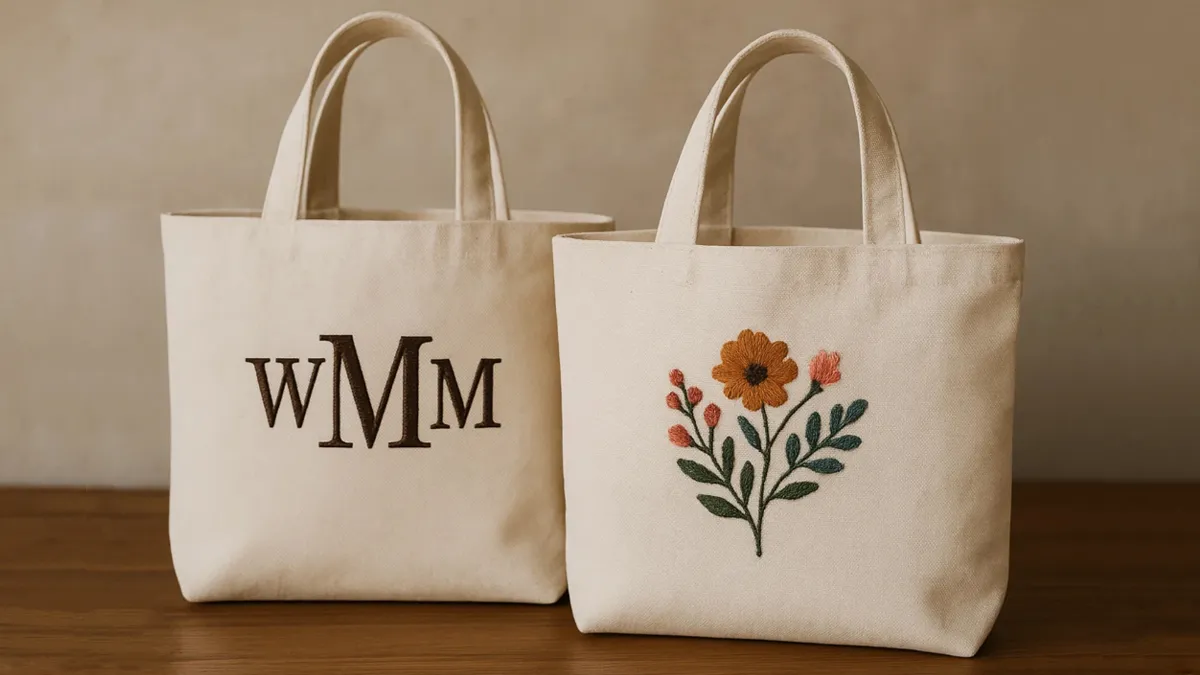
So now that we know what each one means, let us talk about the differences. This is where many people get confused, because monogram is often applied through embroidery. But the two are not the same.
- Monogram is a type of design. It usually uses letters, most often initials.
- Embroidery is a technique. It can be used to create monograms, but it can also create many other designs.
- Style: Monogramming is more minimal and classic, while embroidery can be as bold or detailed as you like.
- Durability: Monogram depends on how it is made. If embroidered, it is very durable. If printed, it may not last as long. Embroidery is almost always strong.
- Cost: Monogramming is usually cheaper if it is just a few letters. Embroidery can be more expensive if the design is big or complex.
Table 1: Monogram vs Embroidery Quick Comparison
| Feature | Monogram | Embroidery |
|---|---|---|
| Design Focus | Initials or letters | Logos, text, patterns, artwork |
| Style | Simple, elegant, subtle | Bold, detailed, decorative |
| Durability | Depends on method used | Very durable, long lasting |
| Cost | Lower for initials | Higher for complex designs |
| Best Use | Personal gifts, initials on bags | Company logos, uniforms, team bags |
When to Choose Monogram vs Embroidery?
The choice often comes down to purpose. If you want something simple, fast, and affordable, a monogram is perfect. If you want something more bold and permanent, embroidery is the way to go.

- Choose monogram if…
You want initials on a tote bag, a small cosmetic pouch, or a personal gift. It is subtle, stylish, and works well for individuals. - Choose embroidery if…
You want a company logo on a backpack, a team emblem on a sports bag, or detailed artwork on a promotional item. Embroidery can handle complexity and stand the test of time.
Applications in the Bag Industry
Bags are one of the most common items to customize, and both monogram and embroidery play an important role. Let us look at some examples.
- Monogrammed Tote Bags: Perfect as wedding gifts, bridesmaid presents, or corporate giveaways. Adding initials makes each bag feel unique.
- Embroidered Backpacks: Ideal for schools, sports teams, or brands. Logos stay bright and bold even with heavy use.
- Custom Cosmetic Bags: Monogram initials for brides or events, or embroidered logos for retail and promotional sales.
- Luxury Felt or Canvas Bags: Often feature embroidery for a high end look that lasts for years.
Table 2: Bag Personalization Examples
| Bag Type | Monogram Example | Embroidery Example |
|---|---|---|
| Tote Bag | Initials in corner | Company logo across the front |
| Backpack | Student initials | Sports team emblem |
| Cosmetic Bag | Bride initials for weddings | Brand logo for retail or giveaways |
| Travel Bag | Owner initials on handle tag | Decorative pattern stitched on surface |
Pros and Cons of Monogram vs Embroidery
Both monogram and embroidery have their strengths, and the right choice really depends on your needs. Monograms are simple, fast, and great for adding initials, while embroidery gives you durability and a premium look. Here is a quick comparison to help you see the differences at a glance:
| Method | Pros | Cons |
|---|---|---|
| Monogram | Quick and affordable for small designs Adds a personal touch without being too flashy Perfect for initials and names | Limited to simple designs If printed, not as durable as embroidery |
| Embroidery | Very durable, stands up to frequent use Can handle detailed logos and patterns Looks premium and professional | Costs more for complex designs Takes longer to produce intricate work |
When it comes down to monogram vs embroidery, think about what matters most to you. If you just want something simple like initials on a tote or a cosmetic bag, a monogram is quick, stylish, and cost effective. But if you are looking for long term durability or want your logo to stand out in a bold, professional way, embroidery is the better choice. Both options have their place—it is really about matching the style and function to your needs.
Conclusion
So, what is the real difference in monogram vs embroidery? A monogram is about design—most often initials—while embroidery is about technique. Monogramming gives you a subtle, elegant touch, while embroidery offers bold, durable, and versatile decoration.
Both have their place in the bag industry. Whether you want initials on a tote or a logo on a backpack, the right choice depends on your purpose and style.
As a professional bag manufacturer, we create monogrammed and embroidered bags that fit your exact needs. From tote bags and backpacks to cosmetic pouches and travel organizers, we support OEM, ODM, and wholesale orders. If you want custom bags for your team, your company, or your next event, reach out to us for samples or a fast quote—we will help you bring your design ideas to life.
FAQ
Is monogram the same as embroidery?
Not exactly. A monogram is the design itself, usually initials, while embroidery is the process of stitching designs into fabric. A monogram can be embroidered, but it can also be printed, embossed, or engraved. Embroidery is broader, covering everything from logos to patterns, while monogramming focuses mainly on letters.
Which lasts longer: monogram or embroidery?
If your monogram is embroidered, it will last as long as any other embroidery—often years, even with daily use. Printed monograms may fade faster. Embroidery in general is one of the most durable methods of customization, especially for bags that see heavy wear.
Can you do both monogram and embroidery on the same bag?
Yes, and it is quite common. For example, you might have a company logo embroidered on the front of a tote and add initials embroidered or printed in the corner. Combining both can make a bag more personal and still professional.
Is monogram cheaper than embroidery?
Usually, yes. A simple three letter monogram takes less time and fewer stitches than a full embroidered logo. But the exact cost depends on the method. A printed monogram can be very affordable, while embroidered monograms cost a little more but last longer.
What type of bags look best with embroidery vs monogram?
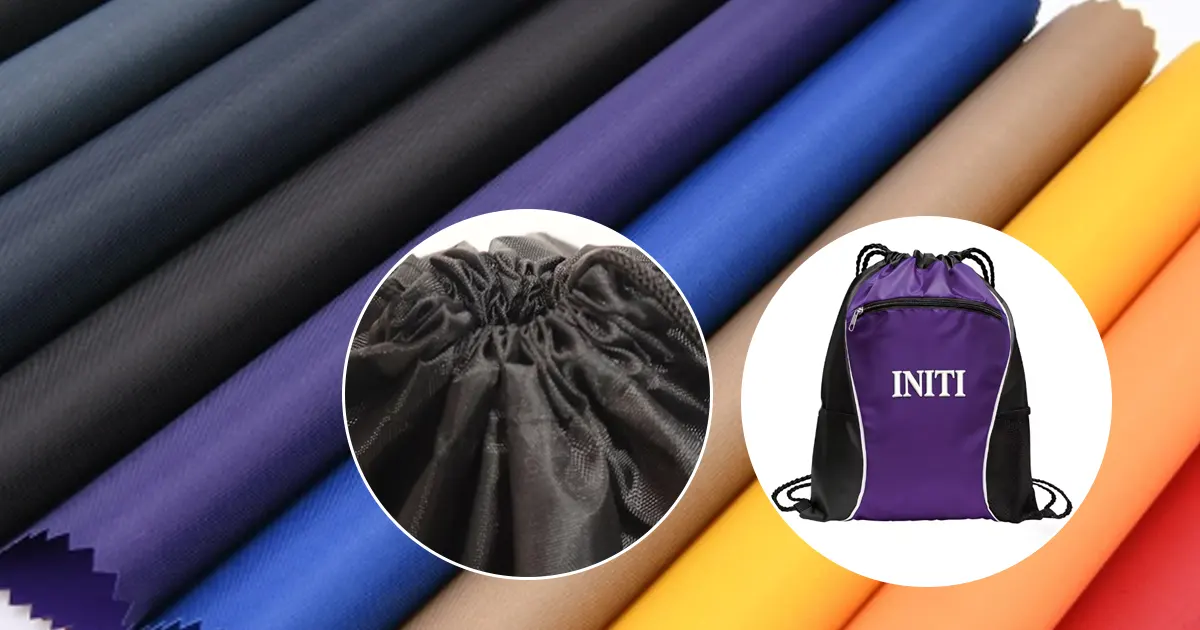
Tote bags and cosmetic bags often look great with monograms, especially for gifts. Backpacks, travel bags, and sports bags are better for embroidery because logos and emblems stand out. Felt, canvas, and polyester all hold embroidery well, while smooth fabrics like nylon can work for both monograms and embroidery depending on the design.