
Reusable shopping bags have become a symbol of eco living. When supermarkets banned or limited single use plastics, non woven polypropylene (often called NWPP) bags suddenly appeared everywhere. They are lightweight, cheap, colorful, and often printed with store logos.

But here comes the big question: are non woven polypropylene bags really eco friendly? The answer is not as simple as yes or no. NWPP has real advantages compared to single use plastic, but it also has limitations. Its eco value depends heavily on how often you use it, how you clean it, and what happens at the end of its life cycle.
This guide will break down what NWPP is, how it compares to other materials like cotton and jute, its environmental benefits and drawbacks, and how you can make sure your bags are as sustainable as possible.
What Is Non Woven Polypropylene?
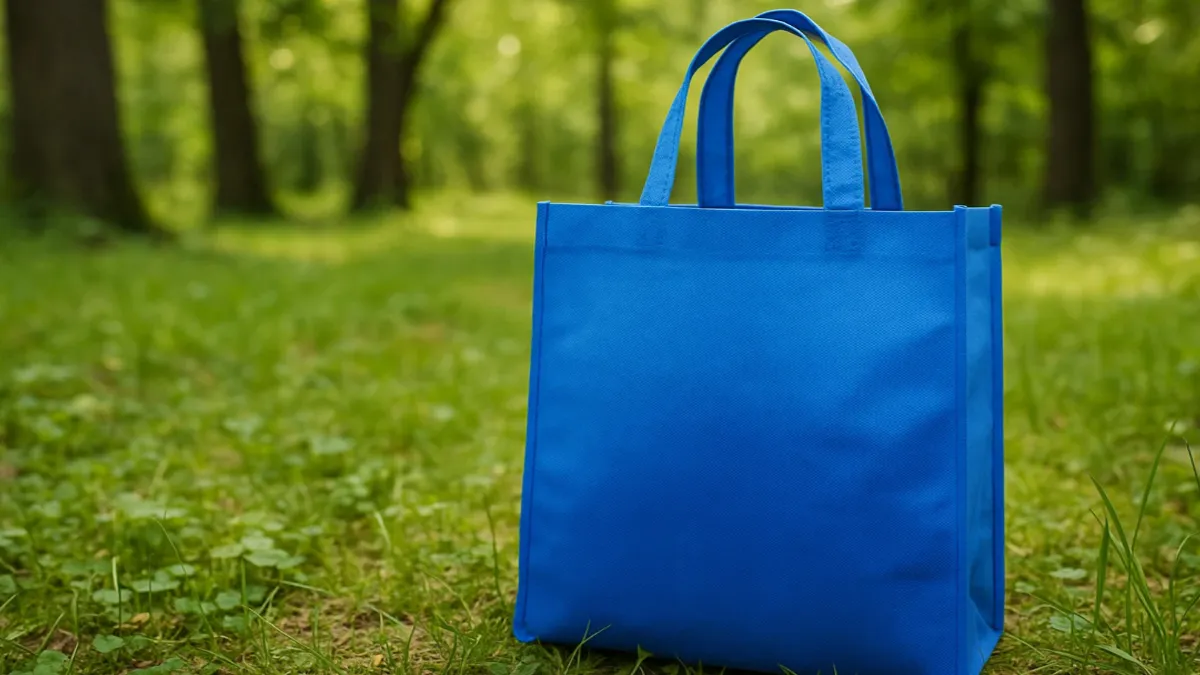
Polypropylene (PP) is a type of plastic. When it is made into a non woven fabric, the fibers are bonded together using heat and pressure rather than weaving or knitting. This creates a fabric like sheet that is soft, flexible, and easy to print on.
You may not realize it, but NWPP is everywhere:
- Shopping bags in supermarkets and retail stores.
- Medical products like masks and gowns.
- Furniture lining and packaging.
Key features of NWPP bags
- Lightweight but strong enough to carry groceries.
- Affordable to produce in bulk.
- Customizable with printing and colors.
- Water resistant and fairly durable.
Environmental Benefits of NWPP
- Reusable
Unlike flimsy plastic bags, NWPP bags can be reused dozens of times. This reduces single use plastic waste significantly. - Energy efficient to produce
Compared to cotton, NWPP requires much less energy and water to produce. Cotton farming is resource intensive, while polypropylene is made in a controlled industrial process. - Recyclable (in theory)
Polypropylene is labeled as plastic #5. In some regions, recycling facilities can process it. While recycling access is limited, it is at least possible. - Reduces demand for single use plastics
The more you reuse one NWPP bag, the fewer single use bags you consume.
Environmental Concerns of NWPP
- Not biodegradable
Unlike jute, hemp, or cotton, NWPP does not break down naturally. If it ends up in landfills, it can last for decades. - Recycling challenges
Even though polypropylene is recyclable, many local systems do not accept it. In reality, a lot of NWPP bags still end up in landfills or incinerators. - Limited lifespan
NWPP bags are stronger than single use plastics but weaker than cotton or jute. They tear more easily, and handles often rip after repeated use. - Microplastic risk
When NWPP wears down, fibers can shed and contribute to microplastic pollution.
NWPP vs Other Materials
Table 1: NWPP Compared to Other Bag Materials
| Material | Eco Friendliness | Durability | Washability | Biodegradable | Cost | Best Use Case |
|---|---|---|---|---|---|---|
| NWPP | Medium | Medium | Limited | No | Low | Promotional or grocery bags |
| Cotton | Medium-High | Medium | Yes | Yes | Medium | Daily groceries, fashion tote |
| Jute | High | High | Limited | Yes | Medium | Farmers’ markets, bulk shopping |
| Hemp | Very High | High | Yes | Yes | High | Long lasting eco totes |
| Polyester | Medium | High | Yes | No | Low | Foldable travel bags |
| rPET | High | High | Yes | No | Medium | Sustainable corporate bags |
How Eco Friendly Is NWPP Really?
The truth is, NWPP bags are only eco friendly if they are reused many times. Studies show that:
- One NWPP bag needs to be reused at least 10–20 times to offset its production impact compared to single use plastic.
- If a NWPP bag is used only once or twice and then discarded, it is worse than a single use plastic bag because it uses more resources.
- If used properly, NWPP bags can last months or even years, making them a decent eco choice.
So, the eco value depends less on the material itself and more on how consumers use it.
Best Practices for Using NWPP Bags Sustainably
- Use them often
Aim to reuse one NWPP bag at least 50–100 times. - Keep them clean
They cannot handle machine washing, but you can wipe them with a damp cloth. Avoid soaking. - Separate uses
Keep one bag for raw meat or seafood, another for produce, and one for dry goods. This prevents contamination. - Recycle if possible
Check your local recycling program. If they accept PP (#5), recycle when the bag is no longer usable. - Avoid collecting too many
Promotional events often hand them out for free. Only take what you actually need.
Alternatives to NWPP Bags
- Organic Cotton Bags: Biodegradable and washable, but require high reuses to offset farming impact.
- Jute Bags: Natural, strong, biodegradable, but heavier.
- Hemp Bags: Very sustainable, durable, and biodegradable.
- Recycled PET (rPET) Bags: Made from plastic bottles, strong and aligned with circular economy principles.
- Polyester or Nylon Foldable Bags: Not biodegradable but extremely durable, great for travel.
Table 2: When to Choose NWPP vs Other Bags
| Situation | Best Material | Why |
|---|---|---|
| Supermarket promotions | NWPP | Low cost, easy printing |
| Farmers’ market shopping | Jute | Strong, natural, biodegradable |
| Daily groceries | Cotton or rPET | Washable, durable, eco-conscious |
| Travel or compact use | Polyester/Nylon | Lightweight, foldable |
| Eco lifestyle focus | Hemp or Organic Cotton | Biodegradable, sustainable farming |
Conclusion
So, is non woven polypropylene eco friendly? The honest answer: it depends.
- On its own, NWPP is not biodegradable and can cause waste problems if used like a disposable bag.
- But if reused many times, kept in good condition, and recycled when possible, it is much more sustainable than single use plastic.
- NWPP bags are best seen as a step in the right direction, but not the perfect solution. They work well for promotions and everyday shopping if people commit to reusing them.
As a professional manufacturer, we produce a wide range of reusable bags: NWPP, cotton, jute, hemp, polyester, and rPET. Whether you need budget-friendly promotional bags or premium eco-friendly totes, we provide wholesale and custom printing options to match your brand and sustainability goals. Contact us to find the right bag solution that balances cost, durability, and environmental impact.
FAQ
Is non woven polypropylene biodegradable?
No, NWPP is not biodegradable. It is a type of plastic and can last for decades in landfills.
How many times can a NWPP bag be reused?
On average, a NWPP bag can be reused 50–100 times if handled carefully.
Can NWPP bags be recycled?
Yes, but only in facilities that accept polypropylene (#5 plastic). Recycling availability depends on your local program.
Is NWPP safer for the environment than single use plastic?
Yes, as long as it is reused multiple times. Using it once and throwing it away is worse than a plastic bag.
What is the most eco friendly reusable bag material?
Hemp and jute are among the most eco friendly natural fibers. rPET is also sustainable because it gives plastic waste a second life.