You may ask, “Is aluminum foil a conductor or insulator of heat?” The easy answer is that aluminum foil conducts heat when it comes into contact with something hot. Additionally, it reflects up to 95% of radiant heat, which is why people often use foil for thermal insulation. While foil does not completely stop heat transfer or provide significant resistance to heat, it excels at bouncing heat away. The properties of aluminum make foil an excellent conductor and a strong reflector, highlighting this special feature of aluminum foil.
Key Takeaways
- Aluminum foil conducts heat when it touches hot surfaces, making it useful in cooking.
- Foil reflects up to 95% of radiant heat, helping to keep food warm or cool.
- Foil alone is not a good insulator; it works best when combined with materials that trap air.
- Using the shiny side of foil facing out enhances its ability to reflect heat.
- Foil can help save energy by reflecting heat back into a room during winter.
- For best results, wrap food in foil and place it in a padded bag to maintain temperature.
- Avoid using foil in the microwave, as it can spark and cause fires.
- Foil is recyclable, but make sure it is clean and free of food before recycling.
Is Aluminum Foil a Conductor or Insulator of Heat
You probably wonder, is aluminum foil a conductor or insulator of heat? Let’s break it down so you can see how foil works in your kitchen or lunch bag. Foil acts as a conductor when it touches something hot, but it also reflects radiant heat. This makes foil unique compared to other materials.
What Makes a Material a Conductor
You can spot a conductor by looking at a few key features:
- High thermal conductivity. This means the material lets heat move through it quickly.
- Ordered atomic structure. Metals like aluminum have free-moving electrons that carry heat fast.
- Solid phase. Solids usually conduct heat better than liquids or gases.
- Density and microstructure. Dense materials with fewer defects transfer heat more efficiently.
- Moisture and temperature. These can change how well a material conducts heat.
If you check the numbers, aluminum stands out. Here’s a table showing how aluminum foil compares to other materials:
| Material | Thermal Conductivity (W/m·K) |
|---|---|
| Silver | ~429 |
| Copper | ~401 |
| Gold | ~318 |
| Aluminum | ~237 |
| Steel (Carbon) | ~45–60 |
| Glass (Soda-lime) | ~1.1 |
| Polyethylene | ~0.4 |
| Air | ~0.025 |
| Wood (dry) | ~0.1–0.2 |
| Polystyrene | ~0.03 |
You can see aluminum foil has much higher thermal conductivity than most insulators. That’s why foil feels cold to the touch—it pulls heat away from your fingers fast.
What Is an Insulator
An insulator slows down heat transfer. You want an insulator when you need to keep things hot or cold. Here’s what makes a material a good insulator:
- Low thermal conductivity. Heat moves through it slowly.
- High temperature limits. It won’t melt easily.
- Density. Lower density can help slow heat transfer.
- Fire resistance. It doesn’t catch fire quickly.
- Vapor permeability. It keeps moisture out.
- Thermal expansion. It doesn’t change shape much when heated.
Materials like foam, polystyrene, and air are classic insulators. They trap heat and keep your food warm or cold.
Aluminum Foil’s Heat Properties
Conducts Heat by Contact
When you touch foil to something hot, heat moves right through it. You might wrap leftovers in foil and notice they cool down quickly. That’s because foil conducts heat away from the food. Aluminum foil’s high thermal conductivity means it doesn’t block heat—it spreads it.
Let’s say you use foil to cover a baking dish. The foil gets hot fast because it transfers heat from the oven to the food. If you touch the foil, you feel the heat right away. That’s conduction in action.
Reflects Radiant Heat
Foil does something special with radiant heat. It reflects most of it away. You see this when you use foil to line a lunch bag or wrap food for a picnic. The shiny surface bounces heat back, keeping your food cooler or warmer.
Lab tests show the bright side of foil reflects about 86% of visible light and up to 40% of radiant heat. The matte side reflects even more radiant heat, around 75%. This means foil acts as a barrier against radiant energy, not just conduction.
Tip: If you want to keep food hot, use foil to reflect heat back toward the food. If you want to keep food cold, foil helps block heat from entering.
So, is aluminum foil a conductor or insulator of heat? You get both. Foil conducts heat when it touches something hot, but it also acts as a radiant heat barrier. That’s why you see foil in insulated bags and food wraps. It doesn’t work alone as an insulator, but it helps other materials do their job better.
How Aluminum Foil Transfers Heat
Conduction Explained
You might wonder how aluminum foil moves heat from one place to another. The answer is conduction. When you put foil in contact with something hot or cold, it quickly transfers heat. This happens because aluminum has free electrons that move easily. These electrons carry energy fast. The metallic bonds in aluminum help these electrons flow without much resistance. The shape of the foil does not change how well it conducts heat. Whether you use a thin sheet or a thick block, the heat transfer stays strong.
- Aluminum foil conducts heat if it touches a hot or cold surface.
- Free electrons in aluminum move energy quickly.
- The foil’s shape does not matter for conduction.
If you wrap hot food in foil, the heat spreads out fast. The foil does not hold the heat in by itself. Instead, it lets heat move through it. That is why your hands feel warm if you touch foil that just came out of the oven.
Radiant Heat Reflection
Foil does more than just conduct heat. It also reflects radiant heat. This means it bounces heat energy away, like a mirror reflects light. In fact, aluminum foil reflects up to 94 percent of radiant heat in real-life insulation. This makes it great for keeping things cool or warm, depending on what you need.
Here is a quick look at how foil handles heat transfer:
| Mechanism | Description |
|---|---|
| Thermal Reflectivity | Reflects up to 95% of radiant heat, minimizing heat transfer through electromagnetic waves. |
| Low Emissivity | Emits very little heat energy, helping insulation in extreme temperature environments. |
| Barrier Properties | Blocks air, moisture, and light, keeping the temperature steady and boosting insulation. |
When you use foil in a lunch bag, it reflects heat from the sun or a warm room. This helps keep your food at the right temperature. The shiny surface acts as a shield, sending most of the heat away.
Tip: Place the shiny side of the foil facing out to reflect more heat away from your food.
Why Air Matters in Insulation
You may have noticed that foil alone does not keep things hot or cold for long. That is where air comes in. Air has low thermal conductivity, which means it does not let heat move through it easily. When you add an air gap next to the foil, you get better insulation.
Let’s see how air helps with heat transfer:
| Key Findings | Description |
|---|---|
| Air’s Low Thermal Conductivity | Air gaps use air’s low thermal conductivity to boost insulation. |
| Limiting Convection | Air gaps stop heat from moving by convection, making insulation stronger. |
| Energy Savings | One study found a 17% energy saving with foil and an air space in a wall. |
Many insulated bags use foil with padding or bubble layers. These air pockets create a break in heat transfer by conduction. The foil reflects radiant heat, while the air slows down conduction and convection. Together, they keep your food at the right temperature for longer.
So, when you combine foil and air, you get a powerful team for insulation. Foil reflects heat, and air slows it down. That is why you see both in the best insulated products.
Aluminum Foil in Insulated Bags
How Foil Lining Works
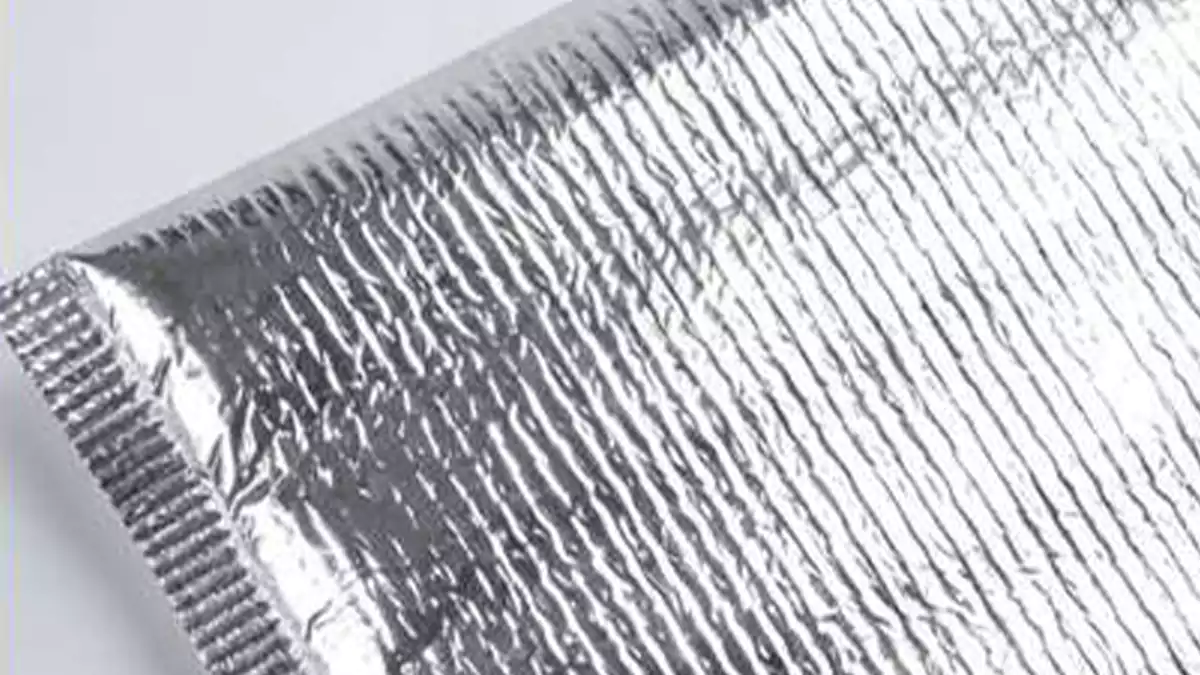
You might wonder why so many insulated bags have a shiny, silver lining. That’s the aluminum foil layer at work. This foil acts like a mirror for heat. When you pack a lunch or cold drinks, the foil reflects radiant heat away from your food. This keeps things cooler for longer, even if you leave your bag in the sun. The same thing happens when you want to keep food warm. The foil bounces your food’s heat back inside the bag, so it stays hot.
Here’s what makes foil lining so effective in insulated bags:
- The mirror-like surface of aluminum foil reflects thermal energy.
- This reflective barrier technology helps keep food and drinks cold, even in direct sunlight.
- Aluminum foil slows down heat transfer, so your snacks stay at the right temperature.
- You get better temperature retention compared to regular cooler bags.
You can see why foil is a popular choice for lunch bags and cooler bags. It works both ways—keeping cold things cold and hot things hot.
Role of Air and Padding
Foil does a great job reflecting heat, but it doesn’t work alone. Most insulated bags use layers of padding or foam along with the foil. These layers trap air, which is a poor conductor of heat. The air and padding slow down heat transfer by conduction and convection. This means less heat gets in or out.
Check out this table to see how foil, air, and padding work together:
| Feature | Description |
|---|---|
| Core Function | Temperature retention through aluminum foil lining reflecting radiant heat. |
| Effectiveness | Maintains temperature for 12–24 hours with ice packs or heat sources. |
| Insulation Design | Multi-layer insulation (foam + foil) enhances thermal resistance compared to single-layer designs. |
| Material Construction | Reflective aluminum foil bonded to food-safe polyethylene prevents contamination and enhances reflectivity. |
| Insulation Thickness & Capacity | Thicker insulation provides superior temperature retention but may reduce interior space. |
So, when you see a bag with foil and padding, you know it’s designed for top-notch insulation. The foil reflects heat, and the padding holds it back. Together, they make a strong team.
Real-Life Effectiveness
You probably want to know how well these bags work in real life. Tests show that high-quality insulated bags with aluminum foil lining can keep things cold for up to 14.5 hours if you use ice packs. Many bags keep drinks 10-15°F cooler than the outside air for about 6 hours. Most insulated bags can keep items cold for 4 to 8 hours, and some can last even longer.
Here are a few things to remember:
- Aluminum foil lining reflects heat, which helps keep your food at the right temperature.
- Insulated bags don’t make things cold—they just slow down heat transfer.
- Cooler bags with foil can keep items cold for 4 to 6 hours with ice packs.
- Some well-made bags can last up to 8 or even 12 hours.
If you want your food or drinks to stay cold or hot, always use ice packs or heat sources with your insulated bag. The foil and padding will do the rest. You get the best results when you combine all these features.
Aluminum Foil vs Other Insulators
Foil vs Foam
When you start comparing aluminum foil to other insulators, foam stands out as a common choice. You see foam in coolers, lunch bags, and even building insulation. Both materials help control heat, but they work in different ways.
- Aluminum foil reflects radiant heat. This means it bounces heat energy away from your food or drinks.
- Foam slows down heat transfer by trapping air. Air does not let heat move through it easily, so foam keeps things hot or cold for longer.
- Standard aluminum foil does not have much thermal resistance. It cannot stop heat from moving through it for a long time.
- Engineered foil insulation combines foil with a foam core. This combo gives you better temperature control and moisture resistance.
If you want to keep something cold for hours, foam works better than foil alone. When you add foil to foam, you get the best of both worlds.
When to Use Foil
You might wonder when to pick foil over other insulators. The answer depends on your needs. Here is a table to help you decide:
| Situation | Benefit |
|---|---|
| Hot Climates | Stops outside radiant heat from getting in. |
| Cold Climates | Reflects inside heat back toward your food or drinks. |
| Energy Efficiency | Makes your cooler or bag work less to keep things at the right temperature. |
| Vapor Barrier | Blocks moisture, keeping your food dry and safe. |
You should use foil when you want to reflect heat, not just slow it down. Foil works great in sunny places or when you need a vapor barrier. If you want to keep soup hot or ice cream cold for a long time, pair foil with foam or padding.
Tip: For the best results, look for bags or containers that use both foil and foam. You get strong heat reflection and long-lasting insulation.
Pros and Cons
Every material has strengths and weaknesses. Let’s look at how aluminum foil compares to other common insulators:
| Material | Advantages | Disadvantages |
|---|---|---|
| Aluminum Foil | Reflects radiant heat well | Not very durable, low thermal resistance |
| Fiberglass Insulation | High insulation value, lasts a long time | Heavy, hard to install |
| Polystyrene Foam | Good for cold items | Not great for keeping things hot |
| Bubble Foil (Radiant Barrier) | Stops heat transfer with air gap | Costs more, needs careful installation |
You can see that foil shines when you need to reflect heat. It does not work as well for long-term insulation by itself. Foam and fiberglass do a better job holding heat in or out. Bubble foil works best when you need to stop heat transfer and add an air gap.
If you want a lightweight, flexible, and moisture-resistant option, aluminum foil is a smart pick. For heavy-duty jobs, choose foam or fiberglass.
Common Myths About Aluminum Foil and Heat
Foil as a Standalone Insulator
You might think foil works as a good insulator all by itself. Many people believe you can just wrap food in foil and it will stay hot or cold for hours. That’s not true. Foil does not trap air, which is what a good insulator needs to do. Air pockets slow down heat transfer. Foil only reflects radiant heat. It does not stop heat loss from conduction or convection. If you use only foil, your food will cool down or warm up quickly.
Note: For the best results, always pair foil with padding or foam. This combo keeps your food at the right temperature much longer.
Misconceptions About Heat Retention
You may have heard some common myths about how foil handles heat. Let’s clear up a few:
- Some people say aluminum foil doesn’t heat up because it feels cool. In reality, it heats up fast but feels cool because it has low heat capacity.
- Others think foil only reflects heat and never absorbs it. Foil does reflect most radiant heat, but it can still get hot if you touch it.
- You might believe foil can’t burn you like other metals. That’s not true. Foil can cause burns, so you should handle it with care.
- Some folks use foil in the microwave, thinking it’s safe. Foil can spark and cause problems in microwaves. It’s best to avoid using it there.
If you want to keep food hot or cold, don’t rely on foil alone. It’s not a good insulator by itself. Always use it with another material that traps air.
The Science Behind the Myths
Let’s look at why these myths exist. Foil reflects radiant heat, which helps in hot climates. It does not work well as a good insulator for conduction or convection. Materials like foam or padding trap air and slow down heat transfer. That’s what makes them a good insulator. Foil works best when you use it as a radiant barrier, not as the main insulator.
Here’s a quick table to show the difference:
| Material | Main Function | Works Best For |
|---|---|---|
| Aluminum foil | Reflects radiant heat | Blocking sun or oven heat |
| Foam/Padding | Traps air | Slowing heat loss |
If you want to stop heat loss, use foil with a layer of foam or padding. This combination gives you the benefits of both. You get reflection from the foil and insulation from the padding. That’s the science behind why insulated bags use both.
Practical Tips for Using Aluminum Foil
Best Uses for Heat Control
You can use foil in many smart ways to control heat at home or on the go. If you want to keep food hot or cold, wrap it tightly in foil. This trick works well for baked potatoes, sandwiches, or even ice packs. The shiny surface reflects heat, so your food stays at the right temperature longer.
You can also use foil to line the back of vents or wall panels. This helps reflect heat back into your room during winter. In summer, it keeps heat out. Just make sure the foil is smooth and does not touch any electrical wires for safety.
Here are some best practices for using foil for heat control:
- Wrap food tightly to prevent heat from escaping.
- Use two layers of foil for extra insulation.
- Place a paper towel or cloth between layers to trap air and boost insulation.
- Line vents or panels with foil to reflect heat where you want it.
Tip: Always check that foil does not block airflow in ovens or heaters. Good airflow helps food cook evenly and keeps your home safe.
When Not to Use Foil Alone
Foil does a great job reflecting heat, but it cannot stop all heat transfer by itself. If you only use foil, your food may cool down or warm up faster than you want. Foil does not trap air, which is important for real insulation.
You should avoid using foil alone in these situations:
- When you need to keep food hot or cold for many hours.
- If you want to block both heat and moisture.
- When wrapping highly acidic foods, like tomatoes or citrus, since aluminum can leach into the food. You can use parchment paper between the food and foil to help.
Also, do not cover the entire oven rack with foil. This can block airflow and change cooking times.
Note: For the best results, always pair foil with padding, foam, or another insulating material.
Combining Foil with Other Materials
You get the most out of foil when you combine it with other materials. For example, you can wrap a sandwich in foil and then place it in a padded lunch bag. The foil reflects heat, while the padding traps air and slows down heat loss.
Here are some ways to combine foil for better insulation:
| Combo | How It Helps |
|---|---|
| Foil + Cardboard | Reflects heat and adds a barrier for coolers |
| Foil + Fiberglass | Reduces heat gain in attics and hot spaces |
| Foil + Foam | Keeps food hot or cold in lunch bags |
| Foil + Paper Towels | Creates an air pocket for extra insulation |
If you want to keep something cold for a long time, double-wrap it in foil and add a layer of cloth or foam. This method traps air and reflects heat at the same time.
Tip: Always make sure there are no gaps or open edges where heat can escape. A tight wrap works best.
By using these tips, you can make the most of aluminum foil for heat control at home, in your lunch bag, or even in your attic.
Conclusion
So, is aluminum foil a conductor or insulator of heat? Now you know that foil lets heat move through it easily. It also bounces radiant energy away. This makes foil a good choice for insulation. You get the best results when you use foil with foam or padding. This is especially true in insulated bags. Here’s a quick look at what works best:
| Material Combo | Best Use |
|---|---|
| Foil + EPE Foam | Daily lunch bags |
| Foil + Polyurethane | Medicine coolers |
If you want strong thermal protection, try our custom insulated bags. They help keep your food fresh and safe in any weather.
FAQ
Does aluminum foil keep things hot or cold?
You can use foil to help keep food hot or cold. It reflects heat, so it slows down temperature changes. For best results, pair foil with padding or foam.
Can you use aluminum foil in the microwave?
No, you should not use foil in the microwave. It can spark and cause a fire. Always use microwave-safe containers instead.
Which side of aluminum foil should face out?
Both sides work the same for cooking. If you want to reflect heat, place the shiny side out. For most uses, it does not matter.
Is aluminum foil safe for wrapping food?
Yes, you can wrap most foods in foil. Avoid wrapping acidic foods like tomatoes or citrus. Acid can react with aluminum.
Why does foil feel cool to the touch?
Foil pulls heat away from your skin quickly. That makes it feel cool, even if the room is warm.
Can you recycle aluminum foil?
You can recycle clean aluminum foil. Remove any food before recycling. Check your local recycling rules for details.
How does foil compare to plastic wrap for insulation?
| Feature | Aluminum Foil | Plastic Wrap |
|---|---|---|
| Reflects Heat | ✅ | ❌ |
| Traps Air | ❌ | ✅ |
| Best Use | Hot/Cold Bags | Food Storage |
Tip: Use foil for heat control and plastic wrap to keep food fresh.