

You might not know how bad plastic bags are. The numbers show a big problem:
- Americans use 100 billion plastic bags each year.
- Making these bags needs 12 million barrels of oil.
- Each person uses about 365 bags every year.
The Whole Foods reusable bag policy change tries to fix this waste. When stores change bag rules, you think more about your choices. These new rules encourage you to use reusable bags more often. But it can be hard to stop old habits. That’s why good options like INITI’s Eco Friendly Bag help promote real sustainability.
Key Takeaways
- Whole Foods stopped giving out plastic bags at checkout. They want shoppers to bring reusable bags instead. The store no longer gives a 10-cent reward for bringing your own bag. This change helps make reusable bags seem normal. Using reusable bags means less plastic waste. It also helps the environment. Whole Foods’ new rule changes how people shop. It makes eco-friendly choices more common. Shoppers can lower pollution by picking reusable bags. Single-use bags cause more trash. More customers now use reusable bags because of this rule. Picking strong reusable bags, like INITI’s Eco Friendly Bag, helps the planet even more. Every small choice, like using a reusable bag, helps the world. These actions add up and support sustainability.
Policy Change Overview
Whole Foods Reusable Bag Policy Change
You probably noticed some big changes at your local Whole Foods store. The whole foods reusable bag policy change means you can’t get plastic bags at checkout anymore. You also won’t see the old 10-cent credit for bringing your own bag. This credit lasted for 17 years and helped many shoppers switch to reusable bags.
Whole Foods has confirmed that it will no longer offer the reusable bag credit program, which has been in place for 17 years. This program provided a 10-cent credit for customers who brought their own bags, but the company believes that the goal of encouraging the use of reusable bags has been achieved.
Whole Foods Market has ended its bring-your-own-bag refund program after nearly two decades. The policy aimed to encourage the adoption of reusable bags by giving customers who brought in their own bags a 10-cent credit.
Now, you need to bring your own reusable bag or buy one at the store. You might see paper bags at checkout, but plastic bags are gone. The whole foods reusable bag policy change pushes you to think about your choices every time you shop. You see more people carrying reusable bags, and you might feel inspired to do the same.
Whole Foods wants you to make eco-friendly choices. The whole foods reusable bag policy change is not just about removing plastic bags. It’s about changing how you shop and how you think about waste. You get used to bringing your own bag, and soon it feels normal.
Motivation and Goals
Why did Whole Foods make these changes? The company wants to protect the environment. Plastic bags create a lot of trash, and they take hundreds of years to break down. By removing plastic bags, Whole Foods hopes you will help reduce pollution.
The whole foods reusable bag policy change also tries to shape your habits. When you don’t get a reward for bringing your own bag, you start to see it as the new normal. You don’t need a credit to do the right thing. The store believes you already understand why reusable bags matter.
Whole Foods hopes you will choose reusable bags every time. The whole foods reusable bag policy change encourages you to think about your impact. You help cut down on waste and support sustainability. When you use a reusable bag, you show others that small changes can make a big difference.
Sustainability Impact

Environmental Outcomes
Reduced Single-Use Waste
You notice changes each time you shop at Whole Foods. The store works hard to use fewer single-use items. Using less plastic helps keep trash out of landfills and oceans. Whole Foods has made choices that really help:
- The store stopped using plastic straws, so over 20 million straws do not become waste each year.
- You get paper bags made from 100% recycled materials, a change started in 2007.
- Smaller produce bags save more than 213,000 pounds of plastic every year.
- Rotisserie chicken now comes in bags, not hard plastic boxes, which saves almost 1.7 million pounds of plastic each year.
When you bring your own bag, you help reduce plastic waste. These actions help you support the environment and make a real difference.
Lower Resource Use
Switching to reusable bags means you use fewer resources. Making plastic bags needs oil and energy. Picking reusable bags helps save these things. You also help lower pollution from making and moving plastic bags. Each time you reuse a bag, you help protect natural resources and support the environment.
Long-Term Effects
Supply Chain Influence
Your choices at checkout can change how companies act. When you use reusable bags, stores and suppliers pay attention. They start looking for better materials and smarter packaging. Whole Foods has encouraged other companies to care about the environment. You help make this happen by choosing eco-friendly options.
Industry Trends
You are part of a bigger change. Grocery stores and brands follow new trends because of rules like those at Whole Foods. Here is what is happening in the industry:
| Trend | Impact on Industry |
|---|---|
| Increased Environmental Awareness | Makes people want better choices instead of single-use plastic bags. |
| Government Regulations | Rules and taxes on single-use plastic bags make people and businesses use reusable bags. |
| Corporate Social Responsibility | Brands use reusable bags for marketing and to show they care, which helps their image and keeps customers loyal. |
| Online Grocery Shopping | Makes reusable bag systems more complicated, so new ideas are needed. |
| Mindful Consumption | People want stronger, better bags, so stores sell higher-priced bags. |
You see more stores selling reusable bags and talking about sustainability. You notice brands using eco-friendly bags to show they care about the planet. These trends help you make good choices and support the environment.
Tip: When you use reusable bags, you help set new rules for caring about the environment in your community.
You can help shape the future by supporting rules that cut plastic waste and protect nature. What you do matters, and together, you and other shoppers can help make the world greener.
Challenges and Limitations
Adoption Barriers
Consumer Habits
It can be tough to change how you shop. Many people still grab plastic bags because it feels normal. The new reusable bag policy at Whole Foods tries to help, but habits are hard to break. Some shoppers worry about food leaking or bags breaking. Others wonder if reusable bags really save money. Here are some main things that make it hard:
| Barrier Type | Description |
|---|---|
| Risk Barrier | Concerns about food leakage and the breakage of reusable bags. |
| Use Barrier | The conflict between adopting reusable bags and the habitual use of traditional plastic bags. |
| Value Barrier | The perceived monetary benefits versus actual savings when using reusable bags. |
You might shop more often, so you need to remember your bags each time. Some people only use reusable bags when they get a reward. If the reward is gone, you may forget or not care as much. Stores that give out free reusable bags help you start new habits. Soon, bringing your own bag feels normal, not just something for a discount.
| Evidence | Description |
|---|---|
| Shopping Frequency | More frequent shoppers are likely to use reusable bags more often. |
| Financial Incentives | Financial bonuses can motivate consumers to adopt reusable bags, but may reduce overall shopping visits. |
| Behavioral Interventions | Providing free reusable bags can change consumer defaults and encourage pro-environmental behavior. |
Accessibility
Not everyone finds reusable bags easy to use. You might forget your bag at home or in the car. Some people have trouble carrying heavy bags, especially if they walk or take the bus. If you have a big family or shop for many people, you need more bags, which can cost more. Stores should make reusable bags easy to find and not too expensive.
Unintended Effects
Reusable Bag Overuse
Using more reusable bags does not always help the planet. If you collect too many bags or use them only a few times, it can hurt the environment. Here are some facts to remember:
- Reusable bags, especially cotton ones, need to be used many times to be better for the planet.
- A cotton bag should be used 50 to 150 times to have less impact on the climate than a single-use plastic bag.
- One report says a cotton bag needs to be reused at least 7,100 times to match the impact of a plastic bag reused once as a trash bag.
So, pick strong, high-quality bags and use them a lot. INITI’s Eco Friendly Bag is a good choice. These bags last longer and help you avoid having too many.
Resource Demands
Making and moving reusable bags uses more resources at first. You need more material and energy to make a reusable bag. Here’s a quick look:
| Category | Single-use Shopping Bags | Reusable Shopping Bags |
|---|---|---|
| Resource Usage | Depend on oil, a limited and non-renewable resource. | Made from various materials, including recycled bottles and cotton, it is a more sustainable option. |
Reusable bags use more resources at first, but they are better for the planet if you use them many times. After Whole Foods changed its reusable bag policy, the company faced new problems. Flooding and broken roads made it harder to deliver bags. New rules to cut food waste and possible carbon taxes also made things cost more. These changes show that even good ideas can have surprises.
Tip: Pick a reusable bag that is strong, easy to clean, and made from sustainable materials. INITI’s Eco Friendly Bag gives you all these benefits and makes shopping easier while helping the planet.
Customer Response

Feedback and Sentiment
You probably notice how people talk about the new bag policy at Whole Foods. Many shoppers share their thoughts with friends, family, and even store staff. Some people feel proud to bring their own bags. Others like the new reusable bags because they are bigger and stronger than the old ones. You might hear someone say, “These bags hold more groceries and don’t rip easily.” That makes shopping less stressful.
You also see that customers like bags they can wash. If you spill something, you just toss the bag in the wash and use it again. This makes your life easier and keeps your bags clean. People feel good knowing they help the planet and keep their groceries safe.
Here’s what shoppers have said about the new bags:
- The bags are large and sturdy, so you can carry more items.
- You can wash the bags, which means you use them again and again.
- Fewer bags get handed out at checkout, so you see less waste in your home.
Many shoppers say they feel better about their choices. You help the environment and set a good example for others.
Behavior Changes
Increased Reusable Use
You probably notice more people carrying their own bags into the store. Since Whole Foods stopped giving out plastic bags, the number of reusable bags has tripled. That’s a huge change! You and other shoppers now bring bags from home almost every time you shop. This shift means you help keep about 150 million plastic bags out of landfills. That’s a big win for the planet.
A.C. Gallo, the Co-president and COO of Whole Foods, says shoppers have really embraced reusable bags. You show that you care about eco-friendly shopping habits. You make a difference every time you choose a reusable bag over a plastic one.
Shopping Adaptations
You might have changed how you shop, too. Maybe you keep a few bags in your car or by the door, so you never forget them. Some people even use special bags for cold foods or produce. You find ways to make eco-friendly shopping habits part of your routine.
You see other shoppers doing the same thing. People talk about their favorite bags or share tips on how to remember them. You might even buy a new bag that matches your style or supports a cause you care about. These small changes help you support sustainability and make shopping easier for everyone.
Industry Comparison
Other Grocery Policies
You might wonder how Whole Foods stacks up against other grocery stores. Many stores have their own eco-friendly bag rules and rewards. Here’s what you see at some of the big names:
- Whole Foods gives you a discount of up to 10 cents for each eco-friendly bag you bring.
- Trader Joe’s sometimes gives out gift cards or goodies if you use eco-friendly bags.
- Ralphs offers fuel points when you use eco-friendly bags.
- Sprouts and Lowes Foods give you a 5-cent credit for every eco-friendly bag you use.
Whole Foods stands out because it was one of the first to ban single-use plastic bags and straws. This move pushed other stores to think about eco-friendly changes. You see more stores now using eco-friendly bags and talking about eco-friendly shopping. Some stores even charge a fee for plastic bags or only offer biodegradable options. These steps help you make eco-friendly choices every time you shop.
Note: Many stores now use recycled materials for their eco-friendly bags. This keeps plastic out of landfills and helps the planet.
Best Practices
You see some best practices that make a real difference. Stores that want to be eco-friendly often:
- Use recycled materials in their eco-friendly bags.
- Ban plastic bags or charge a fee for them.
- Offer only biodegradable or eco-friendly bag options.
- Give rewards or credits for using eco-friendly bags.
These ideas help you build new habits and make eco-friendly shopping easy.
INITI Eco Friendly Bag Solutions
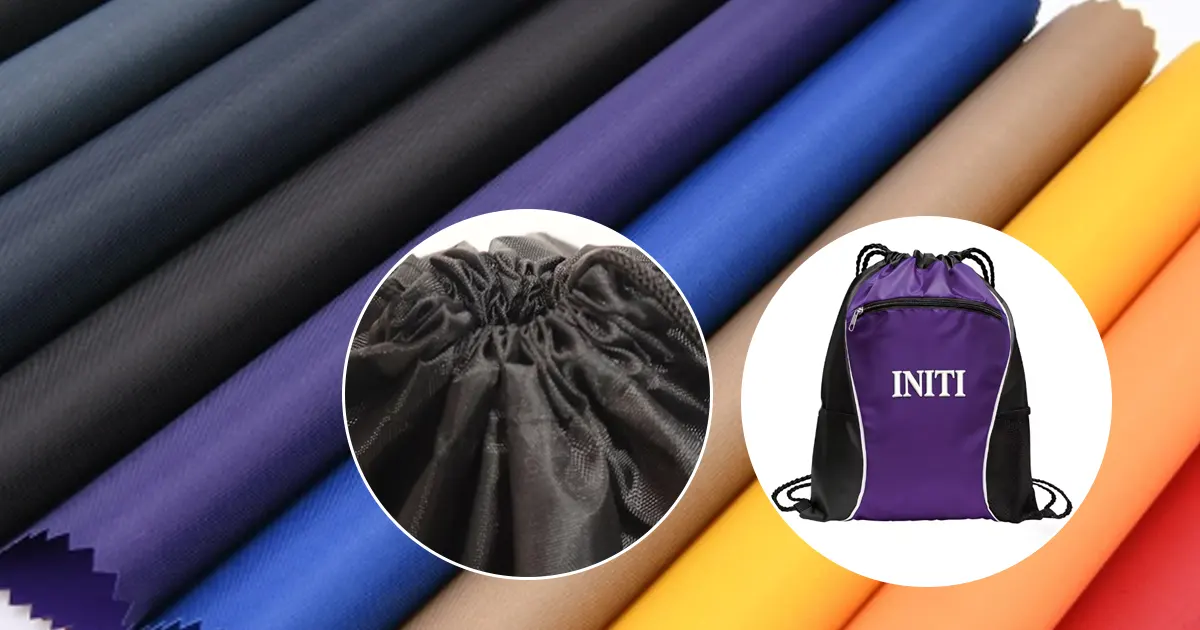
If you run a business or want to support eco-friendly brands, you should look at INITI’s Eco Friendly Bag. This bag stands out for many reasons. You get a bag that is strong, reusable, and made from eco-friendly materials like recycled PET, organic cotton, and jute. You can use it again and again, which means less plastic waste in oceans and landfills. You also help lower carbon emissions and stop deforestation for paper bags.
Here’s a quick look at how some brands use eco-friendly bags:
| Brand | Initiative | Impact |
|---|---|---|
| Primark | Brown paper bags | 190 million plastic bags eliminated yearly |
| Tesco | Recycled paper bags | 20% less plastic used |
| HM | FSC-certified packaging | 100% sustainable packaging by 2025 |
You can see that eco-friendly bags are changing the way stores work. INITI’s Eco Friendly Bag lets you customize your bag with your logo, size, and color. You get a bag that matches your brand and shows you care about eco-friendly shopping. The market for eco-friendly bags keeps growing. More people want eco-friendly options, and new rules make eco-friendly bags even more important.
Tip: When you choose INITI’s Eco Friendly Bag, you help your business stand out as an eco-friendly leader. You also make shopping better for your customers and the planet.
You play a big part in the move toward sustainability. Every time you pick an eco-friendly bag, you help stores, brands, and your community make better choices.
Future of Sustainability
Retail Trends
Stores are changing how they do things. They want to help you reach your sustainability goals. You see more reusable bags and packaging in stores. Companies are moving away from single-use plastics. They use refillable containers and bags you can use again. Some brands try new materials like seaweed or sugarcane. Others use packaging made from food waste. These ideas help stores make less trash and protect the planet.
Here’s what you might notice in stores now:
- Reusable and refillable packaging is common.
- Brands like Whole Foods Market and Trader Joe’s want you to bring your own bag.
- Walmart and Target give reusable bags to shoppers who care about the environment.
- New rules make stores use less plastic, so you see more eco-friendly choices.
When you pick a reusable bag, you help set new standards. Your choices push stores to meet their sustainability goals. You help lead the way to eco-friendly shopping.
Innovations
Stores look for better ways to make bags and packaging. You see new designs that last longer and use less energy. Some companies recycle old bags or turn them into new products. This helps create a circular economy, where nothing is wasted.
Many brands use new materials like stretchy plant fibers, water-soluble films, and biopolymers from farm waste. These materials make bags stronger and safer for the planet.
You also see new technology that tracks how many bags get reused. This helps stores see if they are meeting their sustainability goals.
Here’s a quick look at how new ideas shape reusable bags:
| Innovation Type | Description |
|---|---|
| Material Engineering | Bags use recycled content for extra strength and durability. |
| Cost Savings | Stores save up to 60% on bag costs by switching to reusable options. |
| Durability Specs | Some bags hold over 50 pounds and resist tearing much better than old bags. |
| Environmental Impact | New manufacturing methods cut waste by 35%. |
| Marketing Value | Custom bags show off your brand and get noticed by thousands of shoppers. |
Custom Eco Bags by INITI
You want a bag that fits your style and helps you be sustainable. INITI leads in making custom eco-friendly bags. You can design your own bag and pick the size, color, and logo. INITI uses recycled PET, organic cotton, and jute. These bags last a long time and help you avoid single-use plastics.
INITI’s bags are strong and easy to clean. You can use them for shopping, travel, or daily errands. Businesses like INITI because they can make bags that match their brand. This shows they care about eco-friendly shopping. INITI delivers bags quickly and keeps high standards, so it is easy to get the right bag.
When you choose a custom eco bag, you help shape the future of retail. INITI supports your sustainability goals and helps you make choices that matter for the planet.
You notice Whole Foods’ new bag policy makes you think about the environment each time you shop. You help lower waste, but you also need to change your habits. Eco-friendly ideas like INITI’s Eco Friendly Bag really help.
- These bags use recycled stuff, so you help stop pollution and keep trash out of landfills.
- They help save resources that cannot be replaced.
You get more than a simple bag:
- You save money because these bags last a long time.
- You bring in customers who care about the environment.
- You help your city spend less money cleaning up trash.
Your choices are important. When you use reusable bags, you help lead others and show you care about the environment.
FAQ
What makes reusable bags better for the environment?
Reusable bags help you cut down on plastic waste. You use them many times, so fewer bags end up in landfills or oceans. This helps protect wildlife and keeps your community cleaner.
How do I remember to bring my reusable bag?
Try keeping bags in your car or by your front door. You can also set a reminder on your phone. Some people hang a bag near their keys so they never forget.
Are reusable bags safe for carrying food?
Yes, reusable bags are safe for groceries. You should wash them often to keep them clean. Most bags from INITI are easy to clean and dry quickly.
How many times should I use a reusable bag?
You should use your bag as many times as possible. The more you use it, the better for the planet. Some bags need to be used at least 50 times to make a real difference.
What materials are best for eco-friendly bags?
Eco-friendly bags use recycled PET, organic cotton, or jute. These materials last longer and break down easier than plastic. You help the environment when you choose these options.
Why did Whole Foods end the bag credit program?
Whole Foods believes you now see reusable bags as normal. The company wants you to make eco-friendly choices without needing a reward. This helps with consumer adoption of sustainable habits.
Can I customize my own eco-friendly bag?
Yes, you can design your own bag with INITI. Pick your size, color, and logo. Custom bags help you show off your style and support sustainability.
What should I do with old reusable bags?
If your bag wears out, try recycling it if possible. Some stores collect old bags for recycling. You can also use old bags for storage or crafts at home.