Wondering how to store luxury bags to prevent damage? You need to clean your bags, gently stuff them, and place them in dust bags. Always keep them in a cool, dry, dark spot. Air circulation matters. Stand your bags upright. Never hang them by their straps or handles, since this can stretch and deform your luxury handbag collection. Direct sunlight and heat can fade and damage your designer bags. When you follow these tips on how to store luxury bags, you protect your investment and help your luxury bags last for years. With proper storage, you can enjoy your favorite pieces much longer. Remember, learning how to store luxury bags is key for every collector who cares about their bags’ beauty.
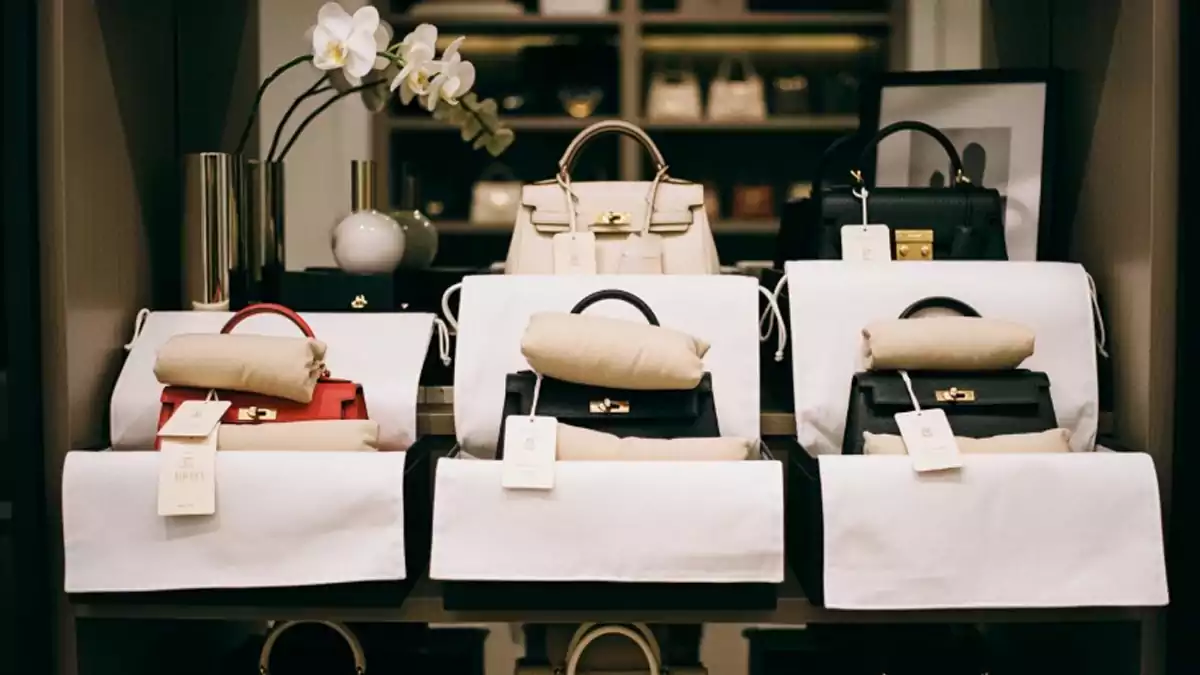
Key Takeaways
- Always clean your luxury bags before storage to prevent stains and damage.
- Stuff your bags with acid-free tissue or soft cloths to maintain their shape.
- Store bags upright in a cool, dry, and dark place to avoid deformation.
- Use dust bags to protect your bags from dust and UV light that can cause fading.
- Avoid overcrowding your storage space to prevent dents and scratches on your bags.
- Regularly inspect your bags for signs of wear and clean them as needed.
- Control humidity levels between 30% and 40% to prevent mold and material damage.
- Rotate your bags regularly to ensure even wear and keep your collection fresh.
How to Store Luxury Bags Properly
Taking the right steps before you put your designer handbags away can save you a lot of trouble later. If you skip these steps, you might see some common problems pop up:
- Loss of shape
- Cracked leather
- Dull hardware
- Mold growth
You want your bags to look as good as new, so let’s walk through the best way to store them.
Clean Before Storage
You should always clean before you store your bags. Dirt, dust, and oils can build up and cause stains or even damage the material. If you put your bag away dirty, you risk permanent marks and even mold. Cleaning also helps you spot any small issues before they turn into big problems.
Cleaning Leather
Leather needs special care. Never use harsh chemicals or too much water. These can dry out the leather or leave stains. Instead, grab a soft, damp cloth and a mild soap mixed with distilled water. Gently wipe the surface. After cleaning, use a quality leather conditioner with a clean cloth. This keeps the leather soft and helps prevent cracking. Always store leather bags in a box or a cloth dust bag to protect them from sunlight and dust. If you don’t have a dust bag, an old pillowcase works well.
Cleaning Suede and Fabric
Suede is delicate and hates moisture. If you know it’s going to rain, leave your suede bag at home. If your suede bag gets damp, blot it gently with a dry microfiber cloth. Let it air dry in a cool, dry place. Never use heat or direct sunlight, as this can fade the color. For storage, stuff your suede bag to help it keep its shape. Always use the original dust bag to protect it from dust and scratches. Fabric bags also need a gentle touch. Use a soft brush or cloth to remove dirt, and make sure the bag is completely dry before you put it away.
Dry and Air Out
After you clean your designer handbags, you need to make sure they are totally dry. Storing a bag with even a little moisture can cause big problems. Moisture can lead to discoloration, dye transfer, and even mold. It can also weaken the leather and cause stains that never come out.
Tip: Air out your leather bag for at least 24 hours after cleaning. Place it in a well-ventilated area, like a dry, shady spot outdoors. Never put it in direct sunlight, as this can fade the color and damage the material.
If you rush this step, you might end up with a bag that smells musty or has permanent stains. Always give your bags time to breathe before you tuck them away.
Common Storage Mistakes
Many people make simple mistakes when storing their bags. Here are a few to watch out for:
- Storing bags like groceries (piled up or squished)
- Under-filling bags, which lets them collapse
- Letting bags lose their shape
- Causing chain dents by not protecting hardware
If you avoid these mistakes and follow the steps above, your luxury handbags will stay beautiful for years. Remember, a little extra care now saves you a lot of worry later.
Maintain the Bag’s Shape
You want your luxury bags to look just as beautiful as the day you bought them. The secret? Always maintain the bag’s shape. If you skip this step, your bag can sag, wrinkle, or even get permanent dents. Let’s talk about the best ways to keep your bags looking their best.
Stuffing Materials
Stuffing your bag is the first step to help it keep its natural form. You have a few great options for what to use inside your bag.
Acid-Free Tissue
Acid-free tissue paper is a favorite for many collectors. It’s soft, gentle, and won’t leave marks or transfer color. For softer, less structured mini bags, tissue stuffing is essential to help them hold their shape. You can crumple the tissue lightly and fill the bag until it feels full but not tight. This keeps the bag from collapsing or getting creases.
Soft Cloths
If you don’t have tissue paper, soft cloths work well too. Old t-shirts, folded towels, or even clean scarves can fill out your bag. These materials are gentle and easy to adjust. Just make sure you don’t overstuff the bag, as this could cause it to stretch and become distorted. If you underfill, you risk causing permanent dents and wrinkles. The goal is to fill the bag so it stands up on its own, but not so much that it feels stiff.
Tip: Always check the inside of your bag before stuffing. Remove any items or debris that could press against the material and leave marks.
Upright Placement
Once you’ve stuffed your bag, you need to store upright. This helps your bag keep its shape and prevents it from leaning or getting squished by other bags.
The 2023 Leather Conservation Institute study of 147 archived luxury handbags confirmed that deformation correlated most strongly with lateral compression, not vertical load. Shallow shelves exacerbate lateral forces when bags lean or contact neighbors. Inserts eliminate that vector—full stop.
So, give each bag its own space on the shelf. If you have structured flap bags, keep them upright and use tissue or felt inserts. This simple step can make a big difference in how your bag looks over time.
Handle and Strap Care
Handles and straps need special attention during storage. If you let them dangle or press against the bag, they can stretch or crease. Here’s what you should do:
- Make sure your bag is properly stuffed to support the handles.
- Lay handles flat on top of the bag or wrap them in a soft cloth.
- Avoid putting heavy items on top of handles or straps.
- Use dust covers to protect the bag and its hardware.
A little maintenance goes a long way. When you care for your handles and straps, you help your bag stay beautiful and ready to use anytime.
Protect Designer Bags from Damage
You want your designer bags to look flawless every time you reach for them. The right storage steps help you avoid fading, scratches, and those annoying marks that can ruin a luxury bag. Let’s talk about how you can protect your collection and keep every piece in top shape.
Use Dust Bags and Covers
You should always use the dust bag that came with your designer handbag. Dust bags do more than just keep out dust. They help block light, which can fade colors and damage delicate materials. Sunlight and strong indoor lights contain UV rays. These rays can make vibrant colors dull and cause leather to lose its shine. Dust bags don’t block all UV rays, but they cut down on direct exposure. This helps preserve the original color, especially for dyed leather and bright fabrics.
Here’s a quick look at why dust bags matter:
| Feature | Benefit |
|---|---|
| Blocks dust | Prevents buildup that can dull finishes or stain materials |
| Reduces light exposure | Stops fading and discoloration, keeps colors vibrant |
| Breathable materials | Prevents moisture buildup, protects the bag’s material |
Tip: Always store your bag in a cool, dry place. Use dust bags made from breathable fabric so moisture doesn’t get trapped inside.
Wrap Hardware and Chains
Metal hardware and chain straps look beautiful, but they can scratch or tarnish if you don’t store them carefully. You should wrap chains and buckles in soft tissue or felt before putting your bag away. This simple step keeps metal from rubbing against leather or fabric. If your bag has a chain strap, tuck it inside the bag, but don’t let it press too hard against the sides. You can also use a jewelry polishing cloth to keep hardware shiny and free from tarnish.
Soft Tissue or Felt
Soft tissue or felt works best for wrapping delicate chains and hardware. These materials cushion the metal and stop it from leaving marks. You can cut small pieces of felt or tissue and wrap each part of the hardware. This keeps everything safe and scratch-free.
- Wrap chain straps in tissue or felt before storage.
- Use a jewelry cloth to polish hardware and prevent tarnishing.
- Tuck chains inside the bag gently, without pressing them against the leather.
Avoid Imprinting and Scratches
Imprints and scratches often happen when heavy handles or chains press against the side of your bag. You can prevent this by unclipping chain straps and storing them inside the bag or in a separate dust bag. Always wrap exposed hardware, like buckles and zippers, with tissue or a lint-free cloth. This stops them from marking the leather over time.
Here are some easy ways to avoid damage:
- Don’t let heavy handles rest against the bag’s surface.
- Unclip and store chain straps separately if possible.
- Wrap all hardware before storage.
- For flap bags, tuck the chain inside, but make sure it doesn’t press too firmly.
If you take care of these small details, you’ll keep your bags looking new for years. Protect your collection with these simple habits, and you’ll enjoy your luxury handbags every time you use them.
Ideal Storage Environment for Designer Handbags
Control Humidity (30-40%)
You want your luxury bags to look nice for a long time. Humidity is very important for this. If the air is too wet, mold and mildew can grow. Sticky spots may also appear on your bags. If the air is too dry, leather can crack and get damaged. The best humidity for storing designer handbags is between 30% and 40%. This level keeps all materials safe, like leather and silk.
You can use a small digital hygrometer to check the air. If the humidity is over 40%, use a dehumidifier close by. Cedar blocks or charcoal bags can help lower moisture, but do not let them touch your bags. If the humidity is under 30%, use a small humidifier. Always watch the humidity, especially when it rains or if you store bags in a basement.
Avoid Sunlight and Heat
Sunlight and heat can damage your bags quickly. Sunlight makes colors fade and weakens soft materials. High heat dries out leather and can shrink some fabrics. Always keep your bags away from windows, heaters, and radiators. If you use a closet, pick a cool and dark spot.
Here’s a quick look at what sunlight and heat do to different materials:
| Material | Effect of Sunlight and Heat |
|---|---|
| Silk | Heat can weaken silk fibers. |
| Cashmere | High heat can shrink cashmere fibers. |
| Wool | Wool can shrink in high temperatures. |
| Leather | Heat or sunlight can dry and crack leather. |
To keep your bags looking new, check the temperature in your storage area. Try to keep it cool and steady. Do not store bags in attics or garages, since the temperature changes a lot there.
Air Circulation and Ventilation
Good air flow is needed for the best storage. Stale air and trapped moisture can cause mold and bad smells. Never keep your bags in tiny, closed spaces. Use a bigger closet or cabinet with good air movement.
Here are some simple ways to help air move and control humidity:
- Use a dehumidifier to lower moisture.
- Do not pack bags too close together.
- Add vents or small fans to cabinets for better air flow.
- Put cedar blocks or charcoal bags nearby, but not touching the bags.
- Open closet doors or drawers every week for fresh air.
- Check and air out your bags often to keep them fresh.
Keep humidity below 50% to stop mold. If you follow these tips, your bags will stay nice for years. A little care with temperature, humidity, and air makes a big difference.
Open Box Storage Tips
Do you love seeing your luxury bags on display? Open box storage can look beautiful and make it easy to grab your favorite bag. But you need to follow a few smart tips to keep your collection safe and looking its best.
First, pick the right kind of box or shelf. Choose sturdy boxes with smooth edges. Avoid anything with rough surfaces that could scratch your bags. Clear acrylic boxes work well if you want to see your bags, but make sure they have small air holes for ventilation. If you use open shelves, line them with soft fabric or felt. This stops the bottom of your bags from getting scuffed.
Next, think about how you place your bags. Always stand bags upright. Give each bag its own space. Don’t let them touch or lean against each other. If you crowd your bags, you risk dents, creases, or color transfer. Use shelf dividers if you have a lot of bags. These keep everything neat and prevent bags from falling over.
Tip: Rotate your bags every few months. This helps them keep their shape and lets you spot any early signs of wear.
Dust can be a problem with open storage. You don’t want to find a layer of dust on your favorite designer bag! To fix this, use dust covers or pillowcases for each bag. You can also drape a soft cloth over the top of your open box or shelf. If you want to show off your bags, pick a light, breathable cover that still lets you see inside.
Here’s a quick checklist for open box storage:
- Choose sturdy, smooth boxes or shelves
- Line shelves with felt or soft fabric
- Stand bags upright and give them space
- Use shelf dividers for extra support
- Cover bags with dust covers or cloths
- Avoid direct sunlight and heat sources
- Check bags often for dust or signs of damage
You might wonder about humidity and air flow. Open boxes help with ventilation, but you still need to watch the room’s humidity. Place a small hygrometer nearby to track moisture. If you notice the air feels damp, use a dehumidifier. If it feels dry, add a small humidifier. Keep cedar blocks or charcoal bags close, but never let them touch your bags.
Note: Never store bags in cardboard boxes for long periods. Cardboard can trap moisture and attract pests.
Open box storage can make your closet look like a boutique. With these tips, you can keep your luxury bags safe, clean, and ready to use. Enjoy showing off your collection while protecting your investment!
Organize and Rotate Designer Bags
Prevent Overcrowding
You want your luxury bags to look their best every time you reach for them. Overcrowding can ruin that. When you squeeze too many bags together, you risk dents, scratches, and even color transfer. Bags need space to breathe. Give each bag its own spot on the shelf. If you have a small closet, try using shelf dividers or clear bins. These help keep bags upright and separated. You can also stack smaller clutches or wallets in a single bin, but never pile heavy bags on top of each other.
Here’s a quick checklist to help you avoid overcrowding:
- Stand each bag upright.
- Leave a small gap between bags.
- Use shelf dividers for extra support.
- Store smaller bags in bins, but don’t stack them too high.
- Avoid hanging bags by their straps.
Tip: If your collection grows, rotate some bags into storage boxes to keep your shelves neat.
Label for Easy Access
Finding the right bag should feel easy, not like a treasure hunt. Labels help you spot your favorite bag in seconds. You can use simple tags, photos, or even color-coded stickers. Attach a small label to each dust bag or storage box. If you want a touch of luxury, try using a set like the Cuyana Leather Travel Case Set. These cases have sturdy construction, smooth zippers, and a clamshell design that opens wide. You can store accessories or smaller bags inside. The wide mouths make it easy to see what’s inside, so you never waste time searching.
Here’s a table with some labeling ideas:
| Label Type | Best For | Extra Benefit |
|---|---|---|
| Photo tags | Large collections | Quick visual reference |
| Color stickers | Kids or shared closets | Easy sorting |
| Leather cases | Accessories/small bags | Adds a touch of elegance |
| Handwritten tags | Everyday use | Simple and affordable |
Note: Choose a labeling system that matches your style and makes your daily routine smoother.
Rotate Bags in Use
Using the same bag every day can cause uneven wear. Rotating your bags keeps them looking fresh and helps them last longer. Try to switch bags every week or two. This habit gives each bag a break and lets you enjoy your whole collection. Regular use and care can help your designer bags last a lifetime. When you rotate, you also get a chance to check for any signs of damage or dirt. If you spot something, you can clean or repair it right away.
You might set a reminder on your phone or mark your calendar for bag rotation days. Some people like to plan their bag choices based on the season or their outfits. Find a system that works for you. The key is to keep every bag in the spotlight, not hidden away.
Remember: A little care and attention goes a long way. Your bags will thank you with years of beauty and style.
Inspect Regularly
You want your luxury bags to stay in top shape, right? Regular inspection is the secret. When you check your bags often, you catch small problems before they turn into big ones. You also keep your collection looking fresh and ready to use.
Start by setting a reminder to look over your bags every month. Take each bag out of storage. Give it a gentle shake and a good look. This simple habit helps you spot creases, dents, or any signs of wear early.
Here’s a quick checklist you can follow:
- Take the bag out and look at it from all sides.
- Check for creases, dents, or compression marks.
- Rotate the bag’s position on the shelf to avoid pressure spots.
- Open the bag and inspect the lining for stains, odors, or tears.
- Smell the inside. If you notice any musty or strange odors, air the bag out.
- Look at the hardware. Handles, zippers, and chains can tarnish or corrode if you ignore them.
- Polish metal parts with a soft cloth to keep them shiny.
- Make sure straps and handles are not stretched or cracked.
Tip: Small pen marks or tiny stains inside the lining are common. Don’t panic! Most of the time, these do not affect the value or beauty of your bag.
You can also use a step-by-step routine to make inspections even easier:
- Empty the bag. Take out everything to relieve stress on the straps and lining.
- Wipe the exterior and interior with a dry microfiber cloth. For small stains, use a slightly damp cloth, but never soak the bag.
- Look for damage. Check for loose threads, scratches, or hardware that feels loose.
- Restuff the bag with acid-free tissue or a soft scarf. Never use newspaper because the ink can transfer.
- Place the bag back in its dust bag. The original dust bag is best, but a clean cotton pillowcase works too.
- Store the bag upright in a cool, dry place. Stay away from closets near windows or heaters.
- Rotate which bags you use. Try not to use the same bag two days in a row.
Regular inspections keep your bags looking their best. You’ll feel confident every time you reach for your favorite piece. Plus, you’ll catch any issues before they become real problems. Make this a part of your routine, and your luxury bags will thank you for years to come!
Make Your Designer Bags Last Longer
You want your luxury bags to look nice for a long time. Smart storage and regular care help keep your bags in great shape. If you store your bags the right way, you protect your money and can even make your bags worth more. Let’s see some simple ways to help your designer bags last longer.
Long-Term Storage Tips
Long-term storage needs extra steps. Clean your bag before putting it away. Dirt and oils can hurt the material over time. Stuff your bag with plain paper or a small pillow. This helps the bag keep its shape. Put the bag in a dust bag and then in a strong box. This keeps out dust and sunlight. Add a silica gel pack to control moisture and stop mold. Keep the humidity between 30% and 40%. Try to keep the temperature between 60 and 75 degrees Fahrenheit.
Here’s a quick checklist for long-term storage:
- Clean your bag well.
- Stuff the bag so it keeps its shape.
- Use a dust bag and box for safety.
- Add silica gel packs to stop moisture.
- Don’t crowd your bags in storage.
If you do these things, your bags will stay looking new. Take care of your bags, and you’ll enjoy them for a long time.
Tip: Put a base shaper or organizer inside your bag. This keeps the bottom flat and stops sagging.
Seasonal Care
Seasons can change how your bags look. Humidity and temperature go up and down during the year. You need to watch for mold and hardware tarnishing, especially in places like South Florida. Keep your storage area dry all year. Before you put your bag away for a new season, clean and condition the leather. Conditioning helps block humidity and keeps leather soft. Regular care makes sure your bags are ready when you want them.
If the air feels wet, use a dehumidifier. If it feels dry, use a small humidifier. Always check your bags when the seasons change. This helps you find problems early.
Note: If you’re not sure how to clean delicate materials, get professional help.
Professional Storage Solutions
Sometimes you need more than a shelf. Professional storage gives extra safety and helps you organize better. You can use chrome metal handbag hangers for bags you use a lot. Clear dust bags let you see your bags and keep them safe. Wall organizers and hooks work for small collections. Purse cubbies and hanging organizers help with bigger collections.
Here are some popular options:
- Chrome metal handbag hangers
- Clear dust bags
- Wall organizers
- Individual hooks
- Coat hooks
- Clear plastic totes
- Hanging closet organizers
- Purse cubbies
- Entryway shoe racks
- Decorative boxes
If you have a big collection worth over $5,000, you might want professional self-storage. These places have climate control and security, but you pay every month. Home storage is good for smaller collections and costs less.
| Condition | Resale Value Impact |
|---|---|
| Pristine Condition | 90-100% of secondary market peaks |
| Neglected Condition | Reduces values by 30-50% |
If you store your bags with resale in mind, you protect your money. Good care and smart storage help you get the most value from your bags. Take care of your collection, and you’ll see the benefits for years.
Conclusion
You can keep your luxury bags looking new by following a few simple steps. Clean, stuff, and store your bags with the right materials. Avoid bubble wrap or newspaper, and use acid-free tissue paper. Protecting your collection helps it last longer and keeps its value high.
- Handbag maintenance extends the life of your designer purse.
- Proper storage is key for resale and long-term use.
As a bag manufacturer, we offer custom solutions to help you care for your collection. Try our checklist for peace of mind!
FAQ
How often should you clean your luxury bags?
You should clean your bags every few months or after heavy use. Wipe them with a soft cloth and check for stains. Regular cleaning keeps your bags looking fresh and helps prevent damage.
Can you store bags in plastic containers?
Plastic containers trap moisture and can cause mold. Choose breathable dust bags or fabric boxes instead. If you must use plastic, leave the lid slightly open for air flow.
Should you hang your bags by the handles?
No, don’t hang bags by their handles. Hanging can stretch the handles and change the bag’s shape. Always store bags upright on a shelf or in a cubby.
What is the best way to stuff a bag for storage?
Use acid-free tissue paper or a soft scarf. Fill the bag until it holds its shape but isn’t too tight. Avoid newspaper because the ink can transfer to the lining.
How do you prevent mold and odors in stored bags?
Keep your storage area cool and dry. Use silica gel packs inside each bag. Air out your bags every few weeks. Good air flow helps stop mold and keeps bags smelling fresh.
Do luxury bags need special care during different seasons?
Yes, you should adjust your care routine with the seasons. In humid months, use dehumidifiers. In dry months, condition leather to keep it soft. Always check your bags for changes as the weather shifts.