Wondering how to make labels for bags that stand out? You can create unique labels with fabric, iron-on vinyl, or even wood. These diy projects let you personalize your bag and show off your creativity. You get practical results and a fun experience. Beginners find this process easy with tools like Cricut or Silhouette, but you can use simple household supplies too. Try different materials and see how to make labels for bags your way.
Key Takeaways
- Pick the best material for your bag labels. Fabric, vinyl, and wood each have special uses. Fabric feels soft and you can change its look. Vinyl is strong and does not get ruined by rain. Wood gives a natural, old-fashioned style.
- Use tools like Cricut or Silhouette for neat cuts. These machines help you work faster and make clean shapes. If you do not have them, you can use scissors and fabric markers instead.
- Try mixing different materials together. You can use fabric, vinyl, and wood in one label. Putting layers of different textures makes your labels look cool.
- Keep your workspace neat and tidy. Put out all your supplies before you start. A clean space helps you work better and make fewer mistakes.
- Make sure your labels are attached well. You can sew, glue, or use rivets to keep them on. This stops your labels from coming off when you use the bag.
- Make your labels special with names, logos, or fun pictures. Adding your own ideas makes your bag unique and shows your style.
- Take care of your labels so they last longer. Wipe vinyl with a wet cloth, spot clean fabric, and dust wood gently. Good care keeps your labels looking nice.
- Do not make common mistakes. Test your designs and materials first. Make sure you can read them and that they will last before you finish your labels.
Bag Label Materials Overview
Fabric Labels
You can make fabric labels for bags if you want a soft and classic look. Fabric works well because it feels nice and lasts a long time. You can use cotton, linen, or even recycled fabric scraps. Many people like fabric because you can sew, glue, or iron it onto your bag. You can write on fabric with markers, embroider names, or use iron-on vinyl to add designs. If you want to try something eco-friendly, cotton and natural jute are great choices. Take a look at some popular materials for bag labels:
| Material Type | Description |
|---|---|
| Recycled Paper | Eco-friendly and sustainable option for labels. |
| Natural Jute | Biodegradable and strong, ideal for craft bags. |
| Cotton | Durable and reusable, aligning with sustainability. |
| Unbleached Kraft Paper | Natural look, recyclable and eco-conscious. |
Fabric labels let you get creative. You can cut them into any shape. You can layer fabric with iron-on vinyl for extra color or texture. If you want a label that feels soft and looks handmade, fabric is a top pick.
Vinyl Labels
Vinyl labels give your bags a modern and bold look. You can use iron-on vinyl to make designs that stick right to the fabric. Iron-on vinyl comes in many colors and finishes, like shiny, matte, or glitter. You can cut vinyl with a Cricut or Silhouette machine, or use scissors for simple shapes. Iron-on vinyl works best on smooth fabric surfaces. You just place the vinyl on the fabric, press with heat, and peel away the backing. Iron-on vinyl sticks well and stays put, even after washing.
Vinyl labels are easy to clean. You can wipe them with a damp cloth. If you want to change your design, you can peel off the old iron-on vinyl and add a new one. Iron-on vinyl lets you make detailed logos, names, or fun shapes. You can mix vinyl with fabric for a layered effect. Iron-on vinyl is a favorite for school bags, sports bags, and gifts.
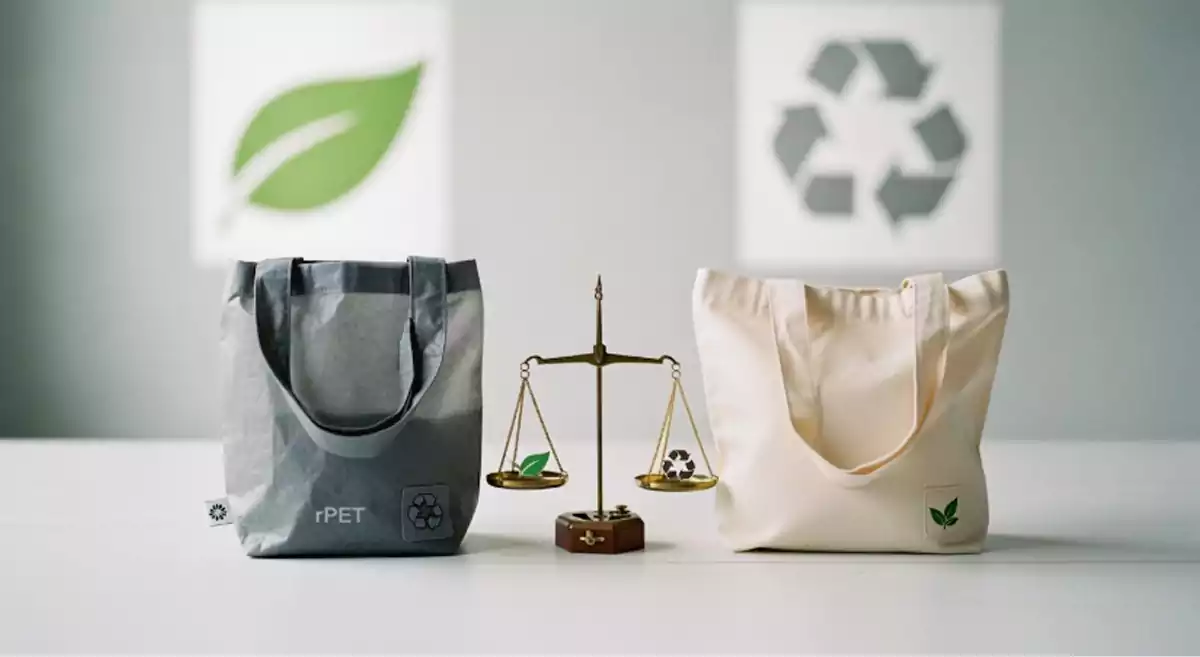
The use of eco-friendly materials in bag labels significantly impacts both their quality and appeal. Eco-friendly labels can enhance a brand’s image by aligning with consumer values around sustainability, which is increasingly important in today’s market. Additionally, sustainable materials can maintain or even improve the performance of labels while reducing environmental impact.
Wood Labels
Wood labels add a natural and rustic touch to your bags. You can use thin wooden slats or shapes. You can paint, engrave, or burn designs onto wood. Some people use iron-on vinyl on wood for a unique look. Wood labels work well for tote bags, backpacks, or gift bags. You can attach wood labels with glue, rivets, or string. If you want a sturdy label that stands out, wood is a good choice.
Wood labels last a long time if you keep them dry. You can seal them with clear varnish to protect the design. You can mix wood with fabric or vinyl for a creative label. Wood labels are great for handmade bags or eco-friendly brands.
Material Comparison
Choosing the right material for your bag label can feel tricky. You want something that looks good, lasts long, and matches your style. Let’s break down how fabric, vinyl, and wood stack up against each other.
Durability
If you want a label that stands up to daily use, think about where you’ll use your bag. Fabric labels feel soft and flexible. They handle gentle washing and bending. Cotton and linen last a long time if you sew them on well. Vinyl labels shine when you need something tough. They repel water and moisture, so rain or spills won’t ruin your design. Vinyl also resists fading from sunlight. Wood labels bring strength and a sturdy feel. They don’t bend or tear, but they can get scratched or chipped if you drop your bag.
Customization
You can get creative with all three materials. Fabric lets you draw, embroider, or layer designs. You can cut it into any shape. Vinyl gives you sharp lines and bold colors. You can use machines like Cricut or Silhouette to cut out names, logos, or fun shapes. Wood labels stand out with engraving, painting, or even burning designs into the surface. You can mix materials too. Try layering vinyl on fabric or adding a wooden tag to a fabric label for a cool look.
Ease of Use
Some materials are easier to work with than others. Fabric labels feel forgiving. You can sew, glue, or iron them on. If you make a mistake, you can usually fix it. Vinyl labels need a bit more care. You have to cut them just right and use heat to stick them on. If you fold vinyl, it can get permanent creases. Sewing vinyl can be tricky because it’s sticky, and any holes you make stay there. Wood labels take more prep. You need to sand, paint, or drill holes. Attaching wood usually means using glue, rivets, or string.
Here’s a quick look at vinyl’s pros and cons:
| Advantages of Vinyl | Disadvantages of Vinyl |
|---|---|
| Weatherproof – repels water and moisture | Permanent creases – folding causes wrinkles |
| UV and fade resistant – ideal for outdoor use | Can be tricky to sew – sticky nature |
| Flame resistant – non-flammable | Stitch holes are permanent – mistakes are lasting |
| Versatile – suitable for various products | Not breathable – air doesn’t flow through |
Tip: If you want a label for outdoor bags or sports gear, vinyl works best. For a handmade or eco-friendly vibe, try fabric or wood.
Summary
You get the most flexibility with fabric. Vinyl gives you bold, modern looks and stands up to weather. Wood brings a natural, rustic feel and lasts a long time if you care for it. Think about your bag’s purpose and your style. Try mixing materials for something unique. You can always experiment and see what works best for you!
Tools and Supplies for Labels
General Supplies List
You need the right tools to make nice bag labels. You can use fabric, vinyl, or wood for your labels. You can find supplies at home or in craft stores. The cricut machine helps you cut shapes and letters fast. It works for fabric, iron-on vinyl, and thin wood. Many people like the cricut because it saves time. It also makes your designs look sharp.
Here’s what you need for each method:
- cricut machine
- Standard Grip Cutting Mat
- Premium Fine-Point Blade
- Cricut Iron-On
- Cricut EasyPress or Iron
- Cricut EasyPress Mat
- Weeding Tools
- Scissors
- Tape Measure
- Fabric ‘Blank’
If you want to make wood labels, you need these things:
- Dremel Rotary-tool
- Workstation
- Acrylic paint
- Acrylic markers
- Fabric tassels (optional)
- Sandpaper
- Thin wooden slat (6 mm thick plywood)
Iron-on materials work well for fabric items like tote bags. You can use them on towels too. These materials come in many colors and shapes. The cricut machine cuts iron-on vinyl into names or logos. You can use it for zipper pouches, cosmetic bags, and coloring kits. It also works for beach towels. Try adding names to fabric bins, journals, or Christmas stockings. You can even use it for placemats. The cricut makes it easy to personalize almost anything.
If you do not have a cricut machine, you can use scissors. You can also use fabric markers and glue. You can still make labels for your bags with these basic supplies. The cricut gives you more choices, but you can start with what you have.
Tip: Keep your workspace clean and tidy. Lay out your supplies before you start. You will work faster and make fewer mistakes.
Safety and Workspace Tips
Safety is important when you use sharp tools or heat. You want your bag labels to look good and be safe. The cricut machine has sharp blades, so keep your fingers away. Always follow the instructions for the cricut and other machines.
Here’s a table with safety tips for making bag labels:
| Safety Precaution | Risk | Solution |
|---|---|---|
| Ensure container temperature is within adhesive’s specified range | Improper bonding due to temperature | Follow adhesive specifications for application temperature |
| Maintain cleanliness of substrate | Contaminants can prevent effective bonding | Implement strict cleanliness protocols |
| Balance adhesive and liner for high-speed dispensing | Risk of tearing or jamming | Use proper adhesive and liner balance |
| Allow sufficient dwell time for adhesive | Premature stress can cause bond failure | Schedule production to accommodate cure time |
You should keep your workspace clean. Dust and dirt can mess up your labels. If you use glue, let it dry before you touch the label. The cricut machine works best on a flat, clean table. If you use heat tools, keep them away from water. Always unplug them when you finish.
Note: If you work with wood, wear a mask and goggles. Sanding and painting can make dust and fumes.
You can make bag labels safely if you follow these tips. The cricut machine helps you work faster and keeps your cuts neat. You can use things from home or get a cricut for more options. Try different tools and see what works best for your bag label project.
How to Make Labels for Bags: Step by Step Instructions
Ready to create labels for your bags? You can follow these step by step instructions to make fabric, iron-on vinyl, and diy wooden bag labels. Each method lets you design your labels with your own style. You can use cricut, household supplies, or simple tools. Let’s get started!
Fabric Labels: Step by Step
Gather Supplies
You need fabric, scissors, fabric markers, embroidery thread, glue, fusible web, and a cricut if you want sharp cuts. Pick cotton, linen, or recycled scraps. Grab a ruler to measure and cut. Make sure you have a clean workspace.
Tip: Choose fabric that matches your bag. Soft cotton works well for tote bags. Jute gives an eco-friendly touch.
Prepare Fabric
Wash and iron your fabric. This step keeps your labels smooth and helps designs stick. Cut your fabric into the shape you want. Use cricut for precise shapes or scissors for simple ones.
- Make sure your fabric is dry.
- Remove wrinkles with an iron.
- Lay the fabric flat before you start.
Design Label
Sketch your label designs on paper first. Decide if you want to write names, draw shapes, or add logos. Use fabric markers or embroidery thread. You can also prepare your label designs with cricut for more detailed patterns.
Cut Fabric
Measure and cut your fabric. Use cricut for sharp edges or scissors for basic shapes. Keep your cuts clean. If you want layered labels, cut extra pieces.
- Cut slowly to avoid fraying.
- Use a cutting mat for safety.
Apply Design (Markers, Embroidery, Iron-on)
Decorate your labels with fabric markers. Write names or draw simple designs. Try embroidery for a handmade look. You can use iron-on vinyl for bold colors and shapes. Place iron-on labels on your fabric, press with heat, and peel away the backing.
- Iron-on vinyl sticks best to smooth fabric.
- Let markers dry before touching the label.
- Embroider with bright thread for contrast.
Attach Label (Sew, Glue, Fusible Web)
Sew your labels onto the bag for durability. Use glue for quick projects. Fusible web works well with iron-on labels. Place the label, press with an iron, and let it cool.
- Sew around the edges for strength.
- Use fabric glue for fast results.
- Fusible web keeps labels flat.
Finish and Care
Trim loose threads. Check that your labels stay in place. Wash gently if needed. Iron-on labels last longer if you avoid high heat in the dryer.
Note: Keep your labels clean. Store your bag in a dry place. Repair loose labels with glue or stitches.
Iron-On Vinyl Labels: Step by Step
Choose Vinyl and Tools
Pick iron-on vinyl in your favorite color or finish. Grab cricut, a cutting mat, weeding tools, and an iron or heat press. Make sure your bag is clean and dry.
- Iron-on vinyl comes in matte, glitter, and shiny styles.
- Cricut cuts vinyl into names, logos, or shapes.
Design with Cricut or Similar
Prepare your label designs using cricut software. Type names, draw shapes, or upload logos. Adjust the size to fit your bag. Preview your design before cutting.
- Use bold fonts for easy reading.
- Place important info where it stands out.
Cut and Weed Vinyl
Let cricut cut your iron-on vinyl. Remove extra vinyl with weeding tools. Keep only the parts you want on your label.
- Weed slowly to avoid tearing.
- Double-check your design before applying.
Apply with Heat
Place your iron-on vinyl on the bag. Cover with a protective sheet. Press with an iron or heat press. Follow the heat transfer vinyl instructions for temperature and time.
- Press firmly for best results.
- Let the vinyl cool before peeling the backing.
Troubleshooting: If your vinyl label does not stick, check that the bag is clean and dry. Use the right adhesive for your environment. Let the label set for 24 to 48 hours.
Seal and Finish
Check that your iron-on labels are smooth. Press again if needed. Clean gently with a damp cloth. Iron-on vinyl labels stay bright after washing.
Tip: Iron-on labels work well for school bags, sports bags, and gifts. You can change designs by peeling off old vinyl and adding new ones.
DIY Wooden Bag Labels: Step by Step
Select and Cut Wood
Pick thin wooden slats or shapes. Use cricut for small cuts or a saw for bigger pieces. Choose wood that matches your bag style.
- Plywood works well for diy wooden bag labels.
- Measure and cut your wood to fit your bag.
Drill, Sand, and Prep
Drill holes for string or rivets. Sand the edges to make them smooth. Wipe away dust before decorating.
- Wear a mask and goggles for safety.
- Sand gently to avoid splinters.
Decorate (Paint, Engrave, Burn)
Paint your diy wooden bag labels with acrylics or markers. Try engraving names or burning designs with a wood burner. Mix paint and iron-on vinyl for unique label designs.
- Let paint dry before attaching.
- Use bright colors for visibility.
You can attach personalized wooden labels to gym bags with names and phone numbers. Create bookmarks, gift tags, or name tags for events.
Attach to Bag (Rivets, Glue, Tassels)
Use rivets for a strong hold. Glue works for lighter bags. Add tassels or string for decoration. Make sure your diy wooden bag labels stay secure.
- Test the attachment before using the bag.
- Use strong glue for lasting results.
Care and Maintenance
Seal your diy wooden bag labels with clear varnish. Keep them dry. Clean gently with a soft cloth. Repair chips or scratches with paint.
Note: Store your bag in a dry place. Replace damaged labels for a fresh look.
You can design your labels with cricut, household supplies, or simple tools. Try iron-on labels for fabric, iron-on vinyl for bold designs, or diy wooden bag labels for a rustic touch. Prepare your label designs before you start. Mix materials for creative label designs. If you want to measure and cut with precision, cricut helps you get sharp results. You can use iron-on labels, heat transfer vinyl, or fabric markers for customization. Make sure your labels are clear, complete, and easy to read. Place important info where people can see it. Enjoy the diy process and show off your unique style!
Customizing Your Labels
Personalization Ideas
You can make your bag special by making your own tags. Add your name, a cool saying, or a fun picture to your tag. This makes your bag different from others. Many people like bag charms right now. You can put charms on your tags to make them stand out. Some stores, like Coach, let you pick colors and add decorations to your tags. This is a fun way to make labels that fit your style. Gen Z shoppers like these fun store experiences. More brands may let you personalize bags in stores soon.
Here are some popular ways to make your tags unique in 2024:
- Add bag charms with your initials or favorite pictures.
- Use cricut to cut shapes, names, or logos for your tags.
- Put on beads, patches, or pins for extra style.
- Pick colors that match your mood or outfit.
Tip: Try using cricut to make labels with big letters or fun designs. You can change your tags anytime you want a new style.
Mixing Materials
You can use different materials to make cool custom labels. With cricut, you can mix fabric, vinyl, and wood for special tags. Simple designs with neat lines and bold letters look nice. For example, matte vinyl with black letters looks modern. If you draw by hand, your tag will show your personality. Kraft paper with painted flowers gives a soft look.
Here’s how you can mix materials for your tags:
- Put iron-on vinyl on fabric with cricut for sharp shapes.
- Paint wooden tags and add vinyl letters for a bold look.
- Print names on fabric tags and glue them to wood pieces.
- Use cricut to cut shapes from different materials.
| Material Combo | Style Example |
|---|---|
| Fabric + Vinyl | Modern, bold, easy to clean |
| Wood + Paint | Rustic, colorful, handmade |
| Kraft Paper + Art | Soft, artistic, personalized |
Note: Mixing materials helps you make tags for any event. You can use cricut to try out new shapes and textures.
Themed and Seasonal Labels
You can make your tags match holidays or special days. Themed and seasonal labels make your bag feel fun. For Halloween, use orange and black with bats or pumpkins. Many brands sell special items for holidays, like t-shirts or tote bags. You can use cricut to cut shapes for Christmas, Valentine’s Day, or summer.
Some popular themed and seasonal tags are:
- Halloween tags with ghosts, pumpkins, or spooky letters.
- Christmas tags with snowflakes or red and green colors.
- Spring tags with flowers or light colors.
- Special tags inspired by famous things, like Starbucks’ red cups.
You can use cricut to make tags for every season. Try mixing materials and adding charms to make your labels pop. Changing your tags keeps your bag looking new and fun all year.
Durability and Care for Labels
Make Labels Last
You want your bag labels to look great for a long time. Start by choosing the right material for your needs. Fabric, vinyl, and wood each have their own strengths. If you use your bag every day, pick vinyl or tightly woven cotton. These materials handle wear and tear better than others.
Here are some easy ways to make your labels last:
- Attach labels securely. Sew, glue, or use rivets so they do not fall off.
- Avoid rough handling. Try not to scratch or pull at your labels.
- Keep labels away from sharp objects that could tear or chip them.
- For wood labels, seal them with clear varnish to protect against moisture.
Tip: If you notice the edges of your label lifting, press them down right away. A quick fix now can save you trouble later.
Cleaning and Storage
Keeping your labels clean and storing them the right way helps them last longer. You do not need fancy products. Just use gentle care.
- Wipe vinyl labels with a damp cloth. Do not use harsh cleaners.
- For fabric labels, spot clean with mild soap and water. Let them air dry.
- Dust wooden labels with a soft cloth. Avoid soaking them in water.
When you store extra labels or bags, follow these steps:
- Store labels in a climate-controlled space. Aim for 68°F to 75°F and 40% to 50% humidity.
- Keep labels in their original plastic packaging if possible. This protects them from dust and moisture.
- Place roll labels flat, not upright. This keeps the adhesive from shifting.
- Keep labels away from sunlight, heaters, and damp areas. Sun and heat can fade colors or weaken glue.
- Use your oldest labels first. This way, you avoid spoilage and always have fresh labels.
Note: Good storage keeps your labels looking new and ready to use. A little care goes a long way!
Repair and Replace
Sometimes labels get damaged. Do not worry. You can fix most problems with simple tools.
- If a fabric label starts to peel, sew it back on or use fabric glue.
- For vinyl labels, press down loose edges with a warm iron (use a cloth between the iron and label).
- If a wooden label chips, sand the rough spot and touch up with paint or varnish.
If a label is too worn out, it might be time for a new one. Making a replacement gives you a chance to try a new design or material.
| Problem | Quick Fix | When to Replace |
|---|---|---|
| Peeling edges | Re-glue or sew | If it keeps peeling |
| Faded colors | Touch up with marker/paint | If unreadable |
| Broken wood | Sand and repaint | If cracked deeply |
Taking care of your bag labels is easy. With a few simple steps, you keep them looking sharp and lasting longer.
Common Mistakes with Labels
When you start labeling projects, you might run into a few common mistakes. Don’t worry! You can fix most problems with a little know-how and practice. Let’s look at some of the biggest mistakes people make and how you can avoid them.
Material Selection
Picking the wrong material can cause trouble for your labels. You want your label to last and look good. If you choose fabric that frays easily, your label might fall apart. Vinyl works well for bold designs, but it doesn’t breathe and can crease if you fold it. Wood gives a rustic look, but it can chip or scratch if you drop your bag.
Here’s a quick table to help you choose the right material:
| Material | Best For | Watch Out For |
|---|---|---|
| Fabric | Soft, handmade look | Fraying, fading |
| Vinyl | Modern, bold style | Creasing, peeling |
| Wood | Rustic, sturdy tags | Chipping, heavy bags |
Tip: Always match your material to your bag’s use. If you carry your bag every day, pick something tough like vinyl or tightly woven cotton.
Application Issues
You might face problems when you attach your labels, especially with iron-on vinyl. Here are some issues and how you can fix them:
- Vinyl not sticking or peeling: Check if your fabric has sizing or starch. Make sure you use the right type of vinyl for your project.
- Wrinkles and bubbles: Use tools to push air bubbles out. Apply heat to smooth the vinyl.
- Peeling after washing: This happens if you wash too soon or the bond wasn’t strong enough. Repress the design and wait at least 24 hours before washing.
- Uneven application: If your heat press surface isn’t flat or your fabric is textured, your label might not stick well. Use a heat press pillow and pre-press your garment.
- Prevention tips: Always do a test press. Use a protective sheet. Clean your heat press regularly. Follow the manufacturer’s guidelines.
You can avoid these issues by preparing your workspace and following each step carefully. Practice makes perfect in labeling projects!
Design and Sizing
Design and sizing mistakes can make your labels hard to read or look messy. If your label is too small, people won’t see your name or logo. If it’s too big, it might cover up important parts of your bag. Busy designs with too many colors or shapes can confuse people.
Here’s how you can get your design and sizing right:
- Sketch your design before you start.
- Use bold fonts and simple shapes.
- Measure your bag and plan where your label will go.
- Test your label on paper first.
Note: Clear, simple designs stand out. Place important info where people can see it easily.
If you pay attention to material, application, and design, your labels will look great and last longer. Mistakes happen, but you can learn from them and improve your skills!
Tips for Beginners
Time-Saving Tricks
You want to make bag labels fast and easy. Start by prepping your workspace. Lay out all your supplies before you begin. This helps you avoid searching for things while you work. If you use a Cricut or Silhouette, set up your cutting mat and load your design ahead of time. You can batch your tasks. Cut all your fabric or vinyl pieces at once. Then decorate them together. This saves time and keeps your process smooth.
Try using templates for shapes and sizes. You can print or trace these onto your material. Templates help you get consistent results. If you use iron-on vinyl, preheat your iron or heat press. This way, you don’t wait for it to warm up. Keep your tools clean. Sharp scissors and clean mats make cutting faster and neater.
Tip: Keep a small box for your most-used tools. You grab what you need without digging through drawers.
Budget-Friendly Options
You don’t need expensive supplies to make great bag labels. Many beginners use leftover fabric and recycled materials. These options save money and help the environment. You can find scraps from old clothes, tote bags, or even pillowcases. Recycled paper and kraft paper also work well for simple tags.
Here’s a list of cost-effective materials and tools you can use:
- Leftover fabric scraps from home
- Recycled paper or cardboard
- Old buttons or beads for decoration
- Fabric markers or basic pens
- Glue sticks or fabric glue
- Scissors (no need for fancy cutters)
- String or ribbon from gift wrapping
Creating your own bag labels costs less than buying designer tags. You get to personalize your bag and help the planet at the same time. If you want to try new designs, use what you already have. You can always upgrade your tools later.
Note: Start with simple supplies. You can make beautiful labels without spending much.
Finding Inspiration
Sometimes you need fresh ideas for your bag labels. You can look online for creative designs. 99designs has a collection of bag packaging examples made by professional designers. You see different shapes, colors, and styles. These examples help you plan your own unique labels. You can mix ideas from several designs to create something special.
You can also check social media for inspiration. Search hashtags like #baglabels or #DIYbagtags. Many people share their projects and tips. Pinterest and Instagram show photos of finished labels. You can save your favorite ideas and try them later.
If you feel stuck, ask friends or family for suggestions. Sometimes a simple idea turns into your best design. Keep experimenting and have fun with your bag label project!
Working with a Bag Label Manufacturer
When to Seek Professional Help
Sometimes making bag labels at home is not enough. If your business grows, you might need more labels than you can make. A professional bag label manufacturer can help you keep up. Orders can come in faster than you expect. Manufacturers can make lots of labels quickly. Some companies finish labels in just three days. Others may take a few weeks. Letting experts handle big orders saves you time and stress.
Tip: If you need many labels for an event or your store, contact a manufacturer early. This helps you get your labels on time.
Communicate Your Ideas
You want your labels to look perfect. To help the manufacturer, give clear details about your design and needs. Here’s a table to help you organize what to share:
| Component | Description |
|---|---|
| Legibility | Make sure all text is easy to read and correct. |
| Company Information | Add your company name, address, and contact details. |
| Certifications | List any certifications your product has. |
| Nutritional Information | Add clear nutrition facts if your bag holds food. |
| Recycling Information | Explain how to recycle the packaging for eco-friendly customers. |
| Usage Instructions | Give simple instructions if your product needs special care or use. |
| Expiration Dates | Show “Use By” or “Best if Used By” dates for quality. |
Giving these details helps the manufacturer make labels that fit your brand. It also helps you follow the rules. If you want special colors, shapes, or materials, tell them. The more you share, the better your labels will be.
Note: Ask questions if you are not sure about something. Manufacturers can help you with your choices.
What to Expect
Working with a bag label manufacturer is like being on a team. You follow steps to get the best labels. Here’s what usually happens:
- Vision & Consultation: You talk about your brand, your customers, and your label ideas.
- Design Customization & Quoting: You pick designs and materials. The manufacturer gives you a price.
- Prototyping & Approval: The manufacturer makes a sample label. You check it and say if you like it.
- Production & Quality Control: The company makes your labels. They check the quality as they work.
- Final Inspection & Shipping: They look at the finished labels and send them to you.
You are part of each step. If you want changes, ask before they start making all the labels. Manufacturers want you to be happy with your labels. You get professional results and save time for your business.
Conclusion
You now know how to make bag labels yourself. Try fabric, vinyl, or wood to fit your style. Making custom labels gives you lots of good things:
- Makes your brand easier to notice
- Gives customers a better experience
- Saves you money
- Helps your brand be eco-friendly
- Makes you different from others
- Lets you use labels in many ways
- Builds strong feelings with customers
- Makes your bag worth more
If you need help with design or making labels, we can help you every step. Here’s what we do:
| Service Type | Description |
|---|---|
| Consultation | We listen to what you want and create special solutions. |
| Design Assistance | We help you make labels that look nice and work well. |
| Prototyping | We show you samples before making the real product. |
| Customization | We give you lots of choices so your labels match your brand. |
Are you ready to begin? Contact us for help and business ideas. Let’s make your bags look awesome together!
FAQ
How do I stop my fabric label from fraying?
You can use pinking shears to cut the edges. Try applying a little clear fabric glue or fray check around the border. Sewing a border stitch also helps keep the fabric from unraveling.
Can I wash bags with vinyl labels?
Yes, you can wash bags with vinyl labels. Turn the bag inside out and use cold water. Air dry the bag. Avoid using bleach or high heat in the dryer to keep your label looking new.
What’s the best way to attach a wooden label?
You can use strong glue, rivets, or string. For heavy bags, rivets work best. If you want a quick fix, glue holds well for light use. Always test the attachment before using your bag.
Do I need a Cricut to make bag labels?
No, you don’t need a Cricut. You can use scissors, fabric markers, or stencils. Cricut makes cutting shapes easier, but you can still create great labels with basic tools you have at home.
How do I make my label design last longer?
Choose durable materials like vinyl or tightly woven cotton. Attach the label securely. Avoid rough handling and wash gently. For wood, seal it with clear varnish. Quick tip: Press down any loose edges right away.
Can I remove or change my bag label later?
Yes, you can remove most labels. Peel off vinyl labels gently. For fabric labels, cut the stitches or use a seam ripper. Wooden labels attached with string or rivets can be replaced easily.
What if my iron-on label won’t stick?
Check that your bag is clean and dry. Use the right heat setting. Press firmly and let the label cool before peeling the backing. If it still won’t stick, try pressing again with a protective sheet.
Are DIY bag labels eco-friendly?
They can be! Use recycled fabric, kraft paper, or natural jute for your labels. Avoid plastic when possible. Making your own labels lets you pick materials that are better for the planet.