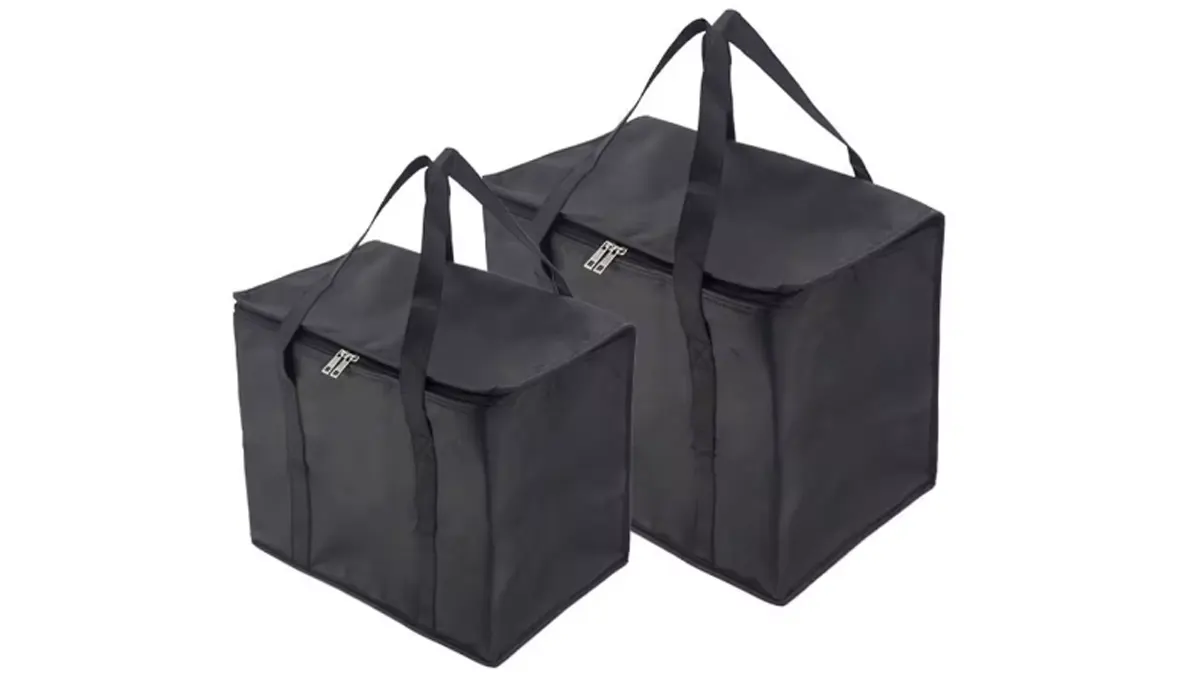
Are you curious about how to make a thermal bag? You can create one that keeps food hot or cold for many hours. People use coolers and insulated bags for grocery delivery every day. You might pack food for meal prep or keep hot items safe when delivering. Businesses utilize coolers and insulated bags for grocery delivery to maintain food at the right temperature. They also implement strategies to ensure that coolers and insulated bags last longer. Here are some common ways to use thermal bags:
| Use Case | Description |
|---|---|
| Grocery Runs | Keep food safe by separating hot and cold items during delivery. |
| Last-Mile Delivery | Coolers and insulated bags keep food at the right temperature for delivery. |
| Packing Methods | Stop food from losing heat and protect food quality during delivery. |
You can modify your bag for any use and help coolers and insulated bags last longer.
Key Takeaways
- Pick materials like foam and reflective foil for good insulation.
- Use tough outer fabrics and easy-to-clean linings for long use.
- Hold layers together with sewing clips or fabric glue to keep insulation strong.
- Add sturdy handles and safe fasteners like zippers or Velcro.
- Make the bottom of the bag square for more space and stability.
- Personalize your bag with pockets, compartments, and your own designs.
- Make sure it is waterproof by using special fabrics and sealed seams.
- Clean and take care of your thermal bag often to make it last longer.
Materials for Thermal Bags
Insulating Fabrics
You want your insulated bag to keep food hot or cold. The right fabric is important. Most people use foam, reflective materials, or both together. Foam, like EPE or EVA, holds air and keeps the temperature steady. You see foam in many grocery bags and coolers. Reflective materials, like shiny foil, bounce heat away or back inside. This helps your insulated bag work well on long trips or hot days.
Some people add cotton or polyester as extra layers. Cotton feels soft and lets air move, but it does not keep food hot or cold for long. Polyester is strong and lasts a long time. It works well for insulated bags. Neoprene is also used in some coolers. It keeps things insulated for hours and stands up to heavy use.
Tip: Use foam with a reflective sheet for the best insulation. This combo works well for grocery runs and coolers you use often.
Outer and Inner Layers
The outside and inside of your insulated bag are important. You want a tough outside and an easy-to-clean inside. Here are some common materials:
| Material | Thermal Insulation | Durability | Flexibility | Eco-Friendliness | Cost |
|---|---|---|---|---|---|
| Foam (EPE/EVA) | High | Low | High | Low | Low |
| Reflective Material | High | Low-Mod | Moderate | Low | Moderate |
| Cotton | Moderate | Moderate | Moderate | High | Moderate |
| Neoprene | Very High | High | High | Low | High |
| Polyester-based | Moderate | High | High | Low | Low-Mod |
Cotton is good if you want an eco-friendly insulated bag. It feels nice and is easy to carry. But it stains easily and does not block water. Reflective materials help your insulated bag last longer. They can tear if you are not careful. Polyester is a favorite for grocery coolers. It is strong and does not cost much.
Fasteners and Handles
You want your insulated bag to last a long time. Strong handles are important. Many coolers use metal handles with screws. These handles spread out the weight and do not break easily. Stainless steel or zinc alloy handles work best for bags you use often. If you want something lighter, try thick webbing straps. They feel comfortable and hold up well.
For fasteners, zippers and Velcro are popular. Zippers keep your insulated bag sealed tight. This helps food stay hot or cold. Velcro is easy to open and close. It helps when you are in a hurry during a grocery run. Some coolers use snaps or buckles for extra security.
Note: Always check that your bag’s handles and fasteners are sturdy before you fill it with heavy items. This keeps your grocery trips safe and easy.
Essential Tools
You want your thermal bag to look great and last a long time. The right tools make the job much easier. Here’s a handy list of what you’ll need to get started:
- Sewing machine: This tool helps you sew strong, even stitches. You can finish your bag faster and make it look professional.
- Bag fabric: Choose sturdy materials like polyester, canvas, vinyl, or even leather. These fabrics hold up well and give your bag a solid feel.
- Interfacing: This adds strength and shape to your bag. You can find fusible interfacing that sticks with heat or sew-in types you attach with stitches.
- Webbing: Use this for handles. It comes in many colors and widths, so you can match your style.
- D rings and other rings: These metal rings help you attach straps or handles. They make your bag more flexible and easy to carry.
- Sliders: Adjust the length of your straps with these. You can make your bag fit just right.
- Zippers: Keep your bag closed tight. Zippers work well for main openings and pockets.
- Rivets: These small metal pieces hold parts together without sewing. They add extra strength where you need it.
- Swivel snap hooks: Want a removable strap? Snap hooks let you take straps on and off in seconds.
- Magnetic snaps: These are perfect for closing flaps. They snap shut quickly and look neat.
Tip: Gather all your tools before you start. This way, you won’t have to stop in the middle of your project to find something.
Where to Buy Materials
You can find thermal bag materials in many places. Local craft stores often carry fabric, webbing, and zippers. If you want more choices, check out online shops. Many websites sell reusable bags, extra jumbo insulated bags, and supplies for food delivery or takeout. These bags work well for delivery drivers, curbside pickup, or even family picnics.
Note: Always check if the materials are food-safe and easy to clean. This helps your bag last longer and keeps your food safe.
If you want to save money, look for sales or bulk deals. Many suppliers offer discounts for larger orders. You can also reuse materials from old bags or jackets. Just make sure they are clean and in good shape.
How Thermal Bags Work
Insulation Principles
Insulated bags and coolers keep food hot or cold for hours. They do this by slowing down how heat moves. There are three ways heat can move: conduction, convection, and radiation. Insulated bags use layers to stop heat from getting in or out. The middle layer is usually foam. Foam traps air and slows heat moving by conduction. Thicker foam keeps things cold longer. The outside layer makes the bag strong. The inside layer is waterproof. This stops spills from soaking in and keeps the bag clean.
Reflective foil is also important in insulated coolers. This shiny layer bounces heat away from your food. It acts like a mirror for heat. It sends heat back instead of letting it pass through. When you zip up your insulated bag or use Velcro, you make a tight seal. This seal keeps warm air out and cold air in. Insulated coolers with tight closures work better.
Tip: Always close your insulated bag or cooler tightly. This helps keep your food at the right temperature for hours.
Choosing the Right Insulation
Choosing the best insulation for your bag or cooler matters a lot. Not all materials work the same way. Some insulated coolers use rigid closed-cell foam, like EPS. This foam has tiny pockets that trap air. It slows down heat transfer. You find this foam in many hard-shell insulated coolers. These coolers keep food cold longer than soft insulated bags.
Many people want insulated bags made with eco-friendly materials. EcoLiner uses recycled cotton. It works better than jute for keeping things cold. Tests show insulated bags with EcoLiner keep food colder for longer. Try insulated coolers with this material if you care about the environment.
Here are some popular insulation choices for insulated bags and coolers:
- Rigid closed-cell foam (like EPS) for hard insulated coolers
- Flexible foam for soft insulated bags
- EcoLiner (recycled cotton) for eco-friendly insulated coolers
- Reflective foil for extra heat protection
You can mix these materials to build the best insulated bag or cooler for your needs. Some insulated coolers use both foam and reflective foil for better results. When you shop for insulated bags, check the label for the insulation type. Insulated coolers with thicker layers and quality materials work better.
Note: If you want your insulated bag or cooler to last, pick one with strong outer fabric and a waterproof inner lining. This keeps your insulated cooler looking new and working well.
Planning and Measuring
Bag Size and Shape
You want your thermal bag to fit your needs. Start by thinking about what you plan to carry. Grocery runs, meal deliveries, and outdoor trips all need different sizes. Delivery professionals like tall, square-shaped carriers. Family shoppers pick wider bags for groceries. Outdoor users choose lightweight bags for easy transport.
Check out this table for common sizes and uses:
| Model | Capacity Range | Recommended Application | Key Measurements |
|---|---|---|---|
| HD-C20 | 12–20 liters | Everyday grocery or short trips | 32 cm × 22 cm × 28 cm |
| HD-D35 | 20–35 liters | Meal delivery or picnics | 38 cm × 26 cm × 32 cm |
| HD-E60 | 35–60 liters | Catering or large cold-chain | 45 cm × 32 cm × 40 cm |
Material thickness changes the bag’s outside size and inside space. Insulation, lining, and reinforcement all affect how much you can fit. If you want to carry more, pick a bigger model and check the thickness of the insulation.
Tip: Measure your most common items before you decide on a bag size. This helps you avoid wasted space or cramped packing.
Making a Simple Pattern
You don’t need fancy tools to make a pattern. Grab a ruler, some paper, and a pencil. Sketch the shape you want. Make sure you match the size to your needs. If you plan to carry meals, use thicker foam for longer hold times. For groceries, keep the pattern wide and stable.
Here’s what you should think about:
- Choose the right size for your use. This stops wasted space and keeps your bag efficient.
- Pick foam thickness based on how long you want to keep things cold or hot.
- Add pockets or compartments if you want extra features.
- Draw straight lines and clear corners. This makes sewing easier.
- Leave extra space for seams. Add about 1–2 cm to each edge.
Note: Patterns help you cut fabric accurately. You save time and avoid mistakes.
Cutting Tips
Cutting fabric can be tricky. You want clean edges and no waste. Use sharp scissors or a rotary cutter for straight lines. If you want to stop fraying, try heat cutting. This seals the edges and makes your bag last longer.
Here’s a quick look at cutting methods:
| Cutting Technique | Advantages | Disadvantages |
|---|---|---|
| Heat Cutting | Seals edges, prevents fraying, boosts durability | None |
| Blade Cutting | Easy to use | Can fray, needs extra sealing |
- Cut slowly and check your lines as you go.
- Use clips instead of pins to hold layers together. Pins can leave holes in insulation.
- Stack layers before cutting. This keeps sizes consistent.
Tip: Always cut on a flat surface. This keeps your fabric steady and helps you avoid mistakes.
Now you’re ready to plan and measure your thermal bag. Careful planning makes the next steps much easier!
How to Make a Thermal Bag: Step-by-Step
Cut Fabric and Insulation
You have your plan and pattern ready. Now it’s time to cut the pieces for your insulated bag. Start by laying out your outer fabric, insulation, and inner lining on a flat surface. Use your pattern as a guide. Make sure you cut each layer to the right size. Add an extra 1–2 centimeters around the edges for seams. This extra space helps when you start sewing.
Use sharp scissors or a rotary cutter for clean lines. If you want to stop the fabric from fraying, try heat cutting. This works well for synthetic fabrics like polyester or nylon. For the insulation, cut foam or reflective material to match your fabric pieces. If you use a product like Insul-Bright, cut it just a bit smaller than the fabric. This keeps the seams from getting too bulky.
Tip: Stack your layers before cutting. This helps you keep all the pieces the same size and shape.
Assemble Layers
Now you get to build the insulated part of your bag. This step is important for anyone learning how to make a thermal bag. The way you stack the layers will decide how well your bag keeps things hot or cold.
Layer Order
Here’s the best order for your layers:
- Outer fabric (like polyester or nylon): This layer protects your bag from water and dirt. It also gives your bag a strong, professional look.
- Foam insulation (EVA or polyurethane): This is the main barrier that keeps heat from moving in or out. It traps air and helps your insulated bag work better.
- Reflective material (aluminum foil or metallized film): This layer bounces heat away from your food or drinks. It boosts the thermal power of your insulated bag.
- Thermal liner (like Thinsulate): This smooth layer helps keep the inside temperature steady.
- Inner lining (cotton, oil cloth, or food-safe vinyl): This layer touches your food. It should be easy to clean and safe for food.
Note: If you want to know how to make a thermal bag that works for both hot and cold items, always use both foam and a reflective layer.
Securing Layers
Once you have your layers in order, you need to keep them together. You can use sewing clips or fabric glue to hold the layers in place. Avoid pins if you use foam or reflective material. Pins can leave holes and weaken the insulation.
Here are some ways to secure your layers:
- Use sewing clips around the edges. This keeps everything lined up.
- For extra hold, use a few drops of fabric glue between the insulation and the outer fabric.
- If you want a super strong insulated bag, baste the layers together with a long, loose stitch before final sewing.
Tip: Work slowly and check that your layers stay flat. Wrinkles or folds can create gaps in the insulation.
Sew or Seal Edges
Now you need to close up the edges of your insulated bag. This step is key for anyone who wants to know how to make a thermal bag that lasts.
You have a few options for sealing the edges:
- Sewing: Use a strong, straight stitch on your sewing machine. Go slowly to keep the layers from shifting. Sewing gives your insulated bag a tough edge that holds up to heavy use.
- Heat sealing: If you use synthetic fabrics or special insulated liners, you can use a heat sealer. This method melts the edges together. It creates a watertight bond that keeps spills and leaks out.
- Tape sealing: Some people use heat-activated tape for extra waterproofing. Place the tape along the seams and use an iron or heat tool to seal it.
Here’s a quick look at the pros and cons:
| Method | Durability Characteristics |
|---|---|
| Heat Sealing | Strong, watertight bond; ideal for waterproof applications. |
| Adhesive Sealing | Less durable over time; may degrade with temperature changes. |
| Sewing | High durability but can develop micro-gaps over time. |
If you want the best leak protection, try heat sealing. If you want a classic look and easy repairs, stick with sewing. For most home projects, sewing works well and gives you control over the finish.
Note: Always backstitch at the start and end of each seam. This keeps your insulated bag from coming apart.
You now know how to make a thermal bag that is strong, insulated, and ready for daily use. Keep going to add fasteners, handles, and finish your project!
Add Fasteners and Handles
Now you get to make your thermal bag easy to carry and close. You want strong handles and a secure fastener. These features help your bag last longer and keep your food safe.
Handles:
Pick webbing straps for your handles. Poly webbing feels soft but holds a lot of weight. Cut two strips to the length you like. Most people use handles that are 16–20 inches long. Place the ends of each strap between the outer fabric and the lining. Make sure the handles line up on both sides. Sew a square with an X inside at each end. This stitch keeps the handles from pulling out.
Tip: If you want a shoulder strap, add D-rings to the sides. Attach a longer strap with swivel hooks. You can take it off when you don’t need it.
Fasteners:
You have a few choices for closing your bag. Zippers work best for a tight seal. Pin or clip the zipper along the top edge. Sew it in place before you finish the side seams. If you want something quick, use Velcro strips. Stick or sew them to the inside edges. Snaps or magnetic buttons also work for flaps.
- Zippers: Best for keeping heat in or out.
- Velcro: Easy to open and close.
- Snaps: Good for extra security.
- Magnetic buttons: Fast and neat for flaps.
Check that your fastener lines up before you sew. Test the handles by pulling gently. You want everything to feel strong and even.
Square the Bottom
You want your thermal bag to stand up and hold more. Squaring the bottom gives your bag a boxy shape. This step makes your bag look professional and work better.
Here’s how you do it:
- Turn your bag inside out.
- Pinch each bottom corner so the side seam lines up with the bottom seam. You will see a triangle.
- Measure a few inches from the tip of the triangle. Draw a straight line across.
- Sew along this line. Cut off the extra fabric, leaving a small edge.
- Repeat for the other corner.
Why square the bottom?
- Your bag stands up on its own.
- You can stack bags together without them falling over.
- You fit more inside because the shape uses space better.
- Your bag stays upright in the car or on a shelf.
- You get a safer bag for carrying food or drinks.
This trick helps your bag look neat and keeps everything inside from tipping over.
Final Assembly
You are almost done! Now you put all the parts together and check your work. This step makes your bag both useful and good-looking.
Here’s what you do:
| Step | Description |
|---|---|
| Fabric Weaving | Start with strong fabric like woven polypropylene or non-woven material. This gives your bag a solid base and a nice look. |
| Cylinder Creation | Shape the main body of your bag. Sew the sides to make a cylinder or box shape. |
| Strap Weaving | Add your handles and straps. Make sure they are even and stitched well for strength. |
| Film Lamination | Add a waterproof layer. You can choose a shiny or matte finish for style and easy cleaning. |
| Semi-finished Products Incision | Cut the fabric into the right shapes. Double-check your pattern before you sew. |
| Insulation Layer Attachment | Place the insulation inside. Make sure it covers all sides for the best temperature control. |
| Quality Control and Packaging | Look over your bag. Check the seams, handles, and fasteners. Fix any loose threads or gaps. |
Tip: Turn your bag right side out. Smooth the corners and edges. Give your bag a gentle shake to test the strength. If everything feels sturdy, you did a great job!
Now you have a finished thermal bag. It looks neat, stands up straight, and keeps your food hot or cold. You can use it for groceries, picnics, or deliveries. Enjoy your new creation!
Customizing Coolers & Insulated Bags
Adjusting Size and Shape
You can make coolers & insulated bags fit your life. Maybe you want a small lunch bag or a big family cooler. You get to pick the size that works best for you. Some people like tote bags. Others want a backpack style. You can even try a messenger bag or a hybrid shape. Each style changes how you carry your coolers & insulated bags and what you can fit inside.
You can also choose the look and feel. Try premium leather for a fancy touch. Go with tough synthetic materials for everyday use. You can pick bright colors with special dyeing methods. If you want your coolers & insulated bags to keep things cold or hot longer, use EVA foam for insulation. You can also pick the closure you like. Zippers, magnetic snaps, or drawstrings all work. You can even change the straps, add more pockets, or create special compartments. These changes make your coolers & insulated bags unique and useful.
Tip: Think about what you carry most. Choose a shape and size that makes your day easier.
Adding Pockets or Compartments
You can make coolers & insulated bags even better with pockets and compartments. These features help you stay organized. You can keep snacks, drinks, and utensils in their own spots. Some coolers & insulated bags have insulated compartments built right in. This means your food stays cold or hot, not just the main part of the bag.
Here’s a look at popular ways to add pockets and compartments to coolers & insulated bags:
| Feature | Description |
|---|---|
| Insulated compartment | Built into the bag’s architecture, not an add-on, ensuring functionality from the start. |
| Separate zip for compartment | Ensures insulation is effective and not just decorative. |
| Wipe-clean interior | Prevents spills and odors, enhancing usability. |
| Compartment location | Positioned at the base for balanced weight distribution. |
| Structural integrity | Holds its shape whether full or empty, maintaining the bag’s form. |
You can add a pocket with a zipper for small items. You can put a wipe-clean compartment at the bottom for drinks. This keeps your coolers & insulated bags neat and easy to use. You can also make sure your bag keeps its shape, even when it is empty.
Note: Pockets and compartments help you find things fast. You do not have to dig around in your coolers & insulated bags.
Personalizing Design
You can show your style with coolers & insulated bags. Add your favorite colors or patterns. Try patches, embroidery, or even custom printing. You can put your name or a logo on your coolers & insulated bags. Some people like to add reflective strips for safety. Others want fun zipper pulls or charms.
You can also pick special linings. Try a wipe-clean surface for easy care. Choose a bright color inside so you can see everything. You can even add a waterproof layer for extra protection. If you want, you can match your coolers & insulated bags to your backpack or lunch box.
Callout: Personal touches make your coolers & insulated bags stand out. You will always know which bag is yours.
You can change the look, size, and features of your coolers & insulated bags. You get a bag that fits your needs and shows your style. Try new ideas and make your coolers & insulated bags one of a kind.
Waterproofing Options
When you make your own thermal bag, you want to keep everything inside dry and safe. Waterproofing matters a lot, especially if you plan to carry ice packs, cold drinks, or even hot soup. You do not want leaks or spills to ruin your day. Let’s look at some ways you can make your insulated bag waterproof and see which ones work best.
You have a few main choices for waterproofing. Some people use special fabrics like oilcloth or vinyl. These materials block water and wipe clean easily. You can also add a waterproof liner inside your bag. Food-safe vinyl or coated nylon works well for this. If you want extra protection, try using seam tape or a waterproof spray on your finished bag. These products seal up tiny holes and keep water from sneaking in.
Zippers and closures play a big role in keeping your bag dry. Regular zippers might let water in if you get caught in the rain. Some bags use special waterproof zippers, like HydroLok or Tru Zip. These zippers stay sealed even after years of use. You can find them on high-end duffel bags and backpacks. They work so well that some bags stayed completely dry after 24 hours underwater during product testing. That’s pretty impressive!
Here’s a quick table to show you some top waterproofing features from real products:
| Bag/Closure Type | Waterproof Feature | Test Result |
|---|---|---|
| SealLine Pro Zip, Watershed | 100% dry after 24 hours underwater | Excellent |
| Panga Duffel/Backpack | HydroLok zipper | Stays waterproof for years |
| NRS Expedition DriDuffel | Tru Zip closure | Fully waterproof |
| Watershed Colorado Duffel | Secure zip-top closure | No water ingress in tough tests |
| SealLine Discovery View | Double-banded closure | Better than single-band, some leaks |
If you want the best waterproofing, pick a bag design with a strong closure. Double-banded or zip-top closures work better than simple flaps. Waterproof zippers cost more, but they keep your stuff dry even in heavy rain or if your bag falls in water.
Tip: Always check your seams and corners. These spots leak first. Use seam tape or extra stitching to make them stronger.
You can also use a waterproof spray on the outside of your bag. This adds a layer that makes water bead up and roll off. It works best on canvas or polyester. Just remember to reapply the spray every few months.
If you want a bag that stands up to anything, combine a waterproof liner, strong closure, and sealed seams. You will have a thermal bag that keeps your food safe and dry, no matter where you go.
Make an Insulated Snack Bag
Materials and Pattern
You can make a handy insulated snack bag with just a few supplies. Most people use the same materials found in coolers, so your snack bag will keep food fresh and safe. Here’s a quick look at what you need:
| Material | Quantity |
|---|---|
| Exterior fabric (canvas/cotton) | 1/2 yard |
| Lining fabric | 1/2 yard |
| Medium-weight fusible interfacing | 1/4 yard |
| Vinyl fuse or transparent vinyl | 1 package or 1 sq. yard |
| Insul-Bright polyester fabric | 1/2 yard |
| Insulated lining fabric | 1/2 yard |
| Hook-and-loop tape | 1 strip (2 1/4 inches) |
| Thick ribbon or strap | 14 inches |
| Regular zipper | 22 inches |
| Swivel hooks/D-rings (optional) | 2 each |
| Coordinating thread | N/A |
| Basic sewing supplies | N/A |
| Sewing machine | N/A |
| Scissors, pins, ruler, iron | N/A |
You can draw a simple rectangle or square for your pattern. Most snack bags measure about 7 by 9 inches, but you can adjust the size to fit your favorite snacks. If you want your bag to match your coolers, pick the same fabric or color.
Construction Steps
Let’s get started! Making your own insulated snack bag is easier than you think. Just follow these steps:
- Cut your exterior, lining, interfacing, and insulation to match your pattern.
- Fuse the interfacing to the wrong side of the exterior fabric with an iron.
- Layer the exterior fabric, insulation, and lining. Place the shiny side of the insulation facing the lining.
- If you want a waterproof inside, add a layer of vinyl fuse or transparent vinyl on top of the lining.
- Pin or clip the layers together. Sew around the edges, leaving one side open for turning.
- Turn the bag right side out. Push out the corners for a neat shape.
- Topstitch around the opening to close it up.
- Attach the zipper or hook-and-loop tape to the top edge.
- Sew on the ribbon or strap for easy carrying. You can add D-rings and swivel hooks if you want to clip your bag to coolers or backpacks.
Tip: Always check your seams before finishing. Strong seams help your snack bag last longer, even when you toss it in with your coolers.
Tips for Snack Bags
You want your insulated snack bag to stay clean and work well. Here are some easy tips:
- Wipe down the inside with a damp cloth after every use.
- Wash removable liners and let them air dry.
- Pick materials that resist stains and odors. Vinyl and polyester work well for this.
- Clean up after every use to keep germs away and make your snacks taste better.
- Don’t leave your snack bag or coolers in hot cars or direct sunlight. This keeps the insulation strong.
- Choose a lunch box or snack bag that is machine washable or has removable liners for easy cleaning.
Note: If you use your snack bag with coolers, you can keep everything cold for even longer. Just pop your snack bag inside your coolers before heading out.
With these steps and tips, you can make a snack bag that matches your coolers and keeps your food fresh all day.
Troubleshooting and Care
Fixing Insulation Gaps
You want your insulated bag to work well every time. Sometimes, you might notice cold spots or warm air sneaking in. These problems usually come from insulation gaps. Let’s look at what causes them and how you can fix them.
- You might use foam that is too thick or tall. This can stop the lid from closing right and let warm air in.
- Foam insulation can grow or shift over time. This makes the fit loose and weakens your insulated bag.
- If you put foam in a closed space with no room, it can bunch up and cause more problems.
Here’s a quick table to help you spot common fit problems:
| Common Fit Problems | Description |
|---|---|
| Foam insulation grows | Can cause issues with fit and may damage the cooler. |
| Insulation too thick or tall | Prevents the lid from sealing properly, allowing warm air to enter. |
| Foam in closed spaces | May lead to additional problems due to lack of space. |
You can fix these gaps by trimming the foam so it fits better. Try to use eco-friendly materials for daily use and travel. Pick durable materials if you use your insulated bag for camping or outdoor trips. For work lunches or picnics, choose high insulation materials. Always check the seams and corners. If you see a gap, add a patch of insulation and sew it in place. This keeps your insulated bag working like new.
Ensuring a Tight Seal
A tight seal keeps your food hot or cold for hours. If your insulated bag leaks air, you lose temperature fast. You want to make sure your bag closes well every time.
Some methods work better than others for sealing insulated bags and coolers. Take a look at this table:
| Method | Importance |
|---|---|
| Impulse Heat Sealing | Provides controlled heating and cooling cycles for high integrity seals, crucial for temperature retention. |
| TOSS Technology | Ensures consistent and repeatable sealing results, minimizing the risk of defective seals. |
| TOSS® PIREG® Heatseal Controller | Allows for optimized time-temperature programs, enhancing seal quality and performance. |
You can use impulse heat sealing if you want a strong, even seal. This works well for insulated bags you use often. TOSS technology helps you get the same seal every time. If you want to fine-tune your seal, try a heatseal controller. Always check your zippers, Velcro, or snaps. Make sure nothing blocks the closure. If you see a gap, reseal or restitch that spot. Your insulated bag will keep food safe and fresh.
Repairing Damage
Sometimes, your insulated bag or coolers get a tear or hole. Don’t worry. You can fix most problems at home. First, clean the damaged area. Cut a patch from extra insulated fabric. Make sure it covers the hole with extra space around the edges. Use strong glue or sew the patch in place. For leaks, add seam tape or waterproof spray. This keeps your insulated bag and coolers ready for the next trip.
If the handles break, sew them back with a box and X stitch. For broken zippers, replace them with a new one. Always test your repairs before you use the insulated bag again. You want to make sure it holds temperature and stays strong.
Tip: Check your insulated bag and coolers after every use. Small fixes now stop big problems later.
Cleaning and Maintenance
You want your insulated bag to last a long time and keep working well. Good cleaning and maintenance make a big difference. If you take care of your insulated bag, you will keep food safe and avoid bad smells or stains.
Let’s start with a simple cleaning routine. You should wipe down the inside and outside of your insulated bag every week. Use a damp cloth or a gentle cleaner. This stops crumbs, spills, and sticky spots from building up. For a deeper clean, wash your insulated bag with soap or put it in the washing machine once a month. Always check the label first. Some insulated bags can handle a gentle cycle, but others need hand washing.
Here’s a quick table to help you remember how often to clean your insulated bag:
| Cleaning Task | Frequency |
|---|---|
| Wipe down interior and exterior | Weekly |
| Deep clean with soap or machine wash | Monthly |
| Air dry completely before storage | After each use |
After you clean your insulated bag, you need to dry it well. Air out your insulated bag every time you use it. Hang it up or lay it flat in a place with good air flow. Never put your insulated bag away when it is still damp. Closed, damp spaces can cause mold and mildew. That can ruin your insulated bag and make it smell bad.
You should also check your insulated bag for damage. Look for tears, loose stitches, or worn spots. If you find a small tear, sew it up with a needle and thread. For bigger holes, patch them with extra fabric and glue. Fixing problems early keeps your insulated bag strong and ready for anything.
Here are some easy steps for keeping your insulated bag in top shape:
- Check for tears, loose stitching, or worn spots.
- For small tears, sew with a needle and thread.
- For larger holes, patch with fabric and glue.
If you use your insulated bag for messy foods or drinks, wipe up spills right away. Use a mild soap and rinse with clean water. Let your insulated bag dry before you use it again. For tough stains, try a little baking soda and water. Scrub gently so you do not damage the insulated lining.
Tip: Store your insulated bag open when you are not using it. This keeps it fresh and stops bad smells.
Regular cleaning and quick repairs help your insulated bag last for years. You will always have a clean, safe place for your food, drinks, or snacks. Take a few minutes to care for your insulated bag, and it will take care of you on every trip.
Pre-Start Checklist
Before you start making your thermal bag, you want to make sure you have everything ready. This checklist helps you avoid missing steps or tools. You will feel more confident and finish your project faster.
Materials and Tools List
Here’s a handy list you can check off as you gather your supplies. You can print this out or keep it on your phone.
| Item | Got It? |
|---|---|
| Outer fabric (polyester, canvas, or oilcloth) | |
| Insulation (EVA foam, Insul-Bright, or reflective foil) | |
| Inner lining (food-safe vinyl, cotton, or polyester) | |
| Webbing or straps for handles | |
| Zipper, Velcro, or snaps | |
| Sewing machine (or needle and thread) | |
| Sewing clips or pins | |
| Scissors or rotary cutter | |
| Ruler or measuring tape | |
| Fabric glue (optional) | |
| Iron (for interfacing or vinyl fuse) | |
| Seam tape or waterproof spray (optional) | |
| Extra fabric for patches |
Tip: Lay out all your materials on a table before you start. This helps you see if you missed anything.
Pre-Construction Reminders
You want your project to go smoothly. Here are a few things to remember before you begin:
- Double-check your pattern and measurements. You want your pieces to fit together.
- Test your sewing machine on a scrap piece of fabric. This helps you set the right stitch length and tension.
- Make sure your workspace is clean and flat. You need space to cut and sew without mistakes.
- Read through all the steps before you start. You will know what comes next and avoid surprises.
- Keep a trash bin or bag nearby for scraps. This keeps your area tidy.
- If you use a new material, test it with your iron or glue first. Some fabrics melt or wrinkle easily.
- Charge your phone or camera if you want to take photos of your progress.
Callout: Take your time. Rushing can lead to mistakes. Enjoy the process and have fun making your own thermal bag!
When you follow this checklist, you set yourself up for success. You will have everything you need and feel ready to create a bag that works and looks great.
Conclusion
You now know how to make an insulated bag from start to finish. You cut, sew, and assemble each insulated layer for the best results. Try different insulated shapes or add pockets to fit your needs. Always check your checklist before you begin. Your insulated bag will keep food safe and fresh every time you use it. Enjoy your new insulated creation!
As a professional insulated bag manufacturer, we help brands, retailers, food delivery companies, supermarkets, and promotional projects create custom insulated bags for different needs. From material selection and insulation structure to logo printing, sample development, bulk production, and quality inspection, our team can support your project from idea to delivery.
FAQ
How long does it take to make a thermal bag?
You can finish a basic thermal bag in about 1 to 2 hours. If you add pockets or custom features, you might need more time. Take your time for the best results.
Can I wash my homemade thermal bag in the washing machine?
Most thermal bags with cotton or polyester linings are machine washable. If you use vinyl or oilcloth, wipe the inside with a damp cloth instead. Always air dry your bag.
What is the best insulation for keeping food hot or cold?
Insul-Bright and EVA foam work great for most bags. You can also use reflective foil for extra protection. Combining foam and foil gives you the best results.
Do I need a sewing machine to make a thermal bag?
A sewing machine makes the job faster and neater. You can sew by hand if you do not have a machine. Use strong thread and small stitches for best strength.
Can I use recycled materials to make a thermal bag?
Yes! Old jackets, blankets, or shopping bags work well for insulation and fabric. Just make sure everything is clean and in good shape before you start.
How do I stop my bag from leaking?
Use waterproof fabric for the lining. Seal seams with seam tape or waterproof spray. Check for holes or gaps before using your bag.
What size should I make my thermal bag?
Think about what you want to carry. Lunch bags are usually 7×9 inches. Grocery bags are bigger, around 12×16 inches. Measure your containers first for a perfect fit.
Can I add a logo or name to my thermal bag?
You can! Try iron-on patches, embroidery, or fabric paint. Personal touches help you spot your bag quickly and make it unique.